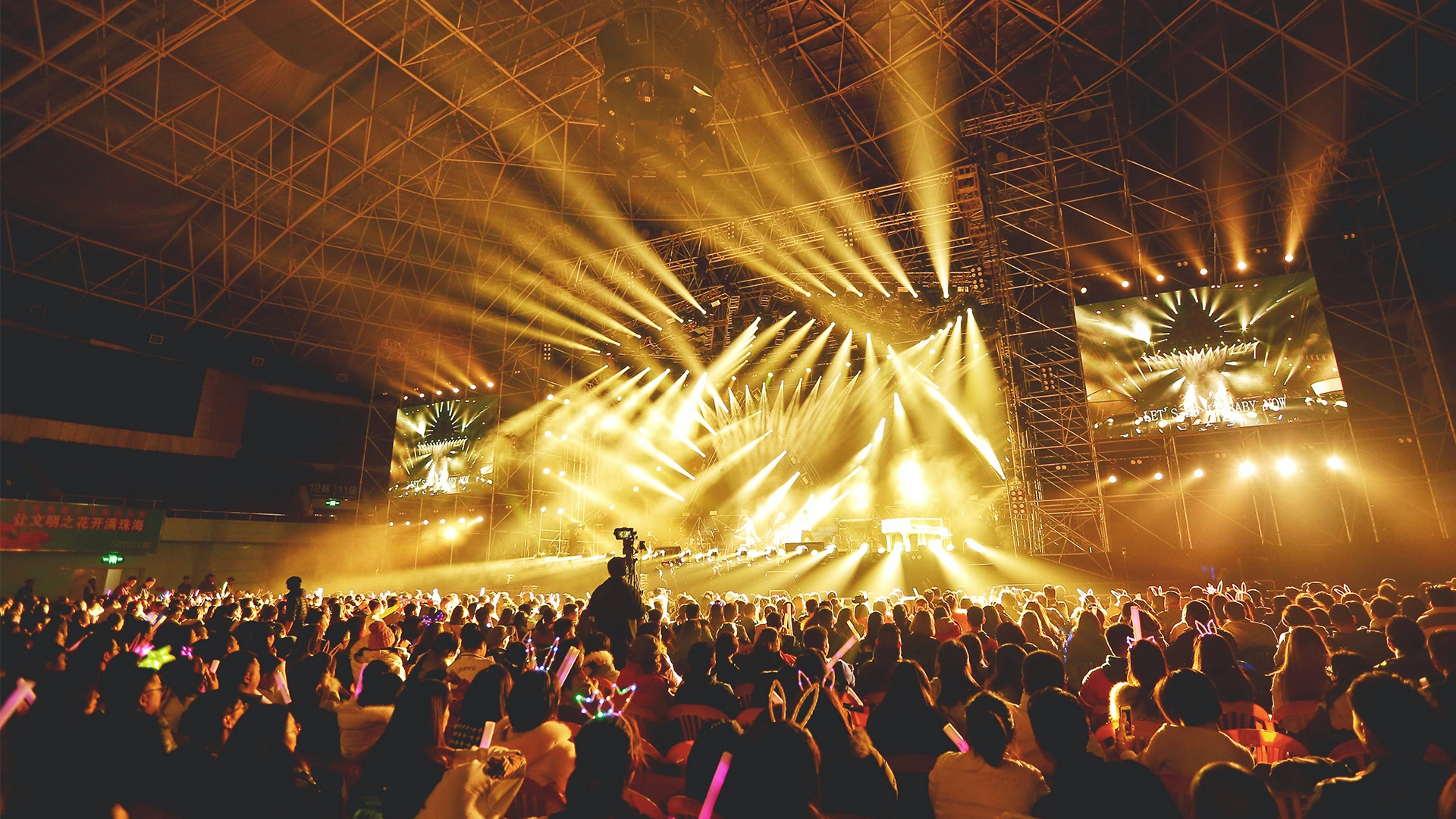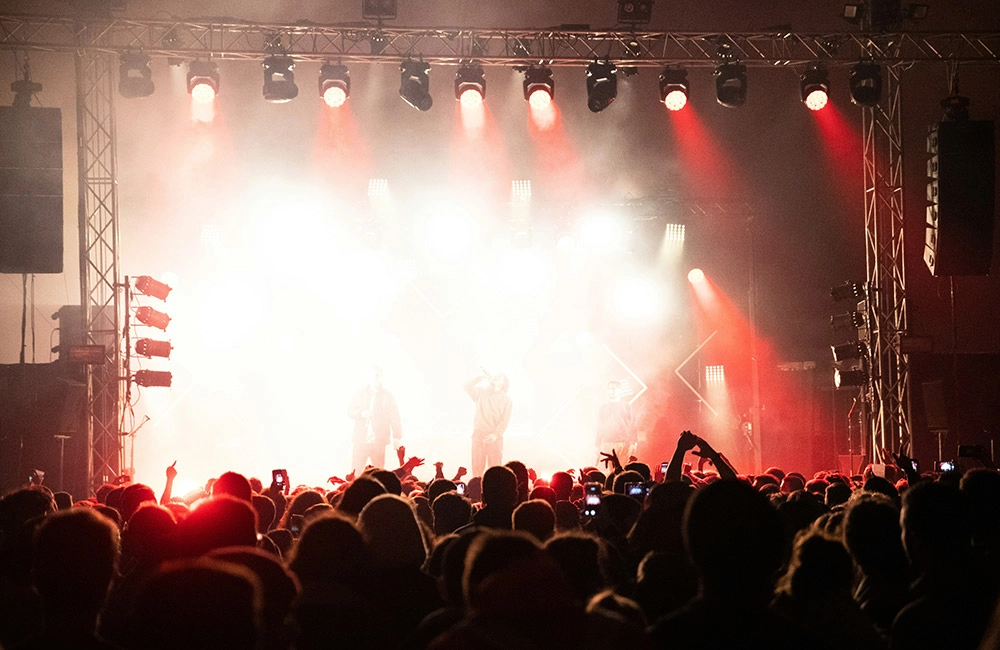





Trends in LED Strobe Technology for 2026
- Evolution of strobe technology and user expectations
- Miniaturization, increased output, and thermal design
- From single-source flashes to multisource, tunable strobes
- Perceived quality: flicker, PWM, and human factors
- Key technical advances for 2026
- Higher carrier frequencies and active flicker mitigation
- Networked control, RDM, and Art-Net/sACN integration
- Power electronics: more efficient drivers and soft-start pulses
- Market drivers and application-driven design
- Different needs: tour, club, rental houses, and fixed install
- Sustainability and lifecycle cost
- Standards and ergonomics influencing adoption
- Choosing and specifying the right LED strobe light
- Spec checklist — what I always verify
- Comparative table: feature priorities across common uses
- Practical comparison: PWM frequency and visible effects
- Vendor selection, warranties, and after-sales
- Why supplier credibility matters
- Case example: Guangzhou BKlite's position in the market
- BKlite advantages and product focus
- Implementation tips and common pitfalls
- Testing before deployment
- Rigging and cooling considerations
- Maintainability
- Frequently Asked Questions
- 1. What PWM frequency should I look for in a professional led strobe light?
- 2. Are LED strobes safe for performers with photosensitive epilepsy?
- 3. How do IP ratings affect strobe choice?
- 4. Can I use led strobe lights for broadcast or live-streaming events?
- 5. What maintenance should I expect for LED strobe lights?
- 6. How important is DMX vs Art-Net support?
As a professional lighting designer and consultant with years of hands-on experience specifying and deploying stage fixtures, I track how incremental engineering advances translate into meaningful benefits on tour rigs, in clubs, and for fixed installs. This article summarizes the most impactful trends I expect for led strobe light technology in 2026, focusing on performance characteristics, control ecosystems, user needs, and buying guidance. The goal is practical: help you evaluate products, minimize common problems (flicker, heat, reliability), and align purchases with current standards and expectations.
Evolution of strobe technology and user expectations
Miniaturization, increased output, and thermal design
Over the past decade LED sources replaced discharge flash tubes for most stage strobe needs. That migration continues: manufacturers squeeze more luminous efficacy into smaller packages while improving thermal paths to protect the diodes and driver electronics. For buyers, the result is a higher pulse output for a given fixture size but with greater sensitivity to heat management — a strobe spec should always include thermal protection behavior, duty cycle limits, and expected lumen maintenance at rated ambient.
From single-source flashes to multisource, tunable strobes
Today's led strobe light often contains multiple LED clusters (white, RGBW, or RGBAL) to achieve color strobes and variable color temperature. That trend satisfies creative teams who want flexible looks without swapping fixtures. In practice, multisource strobes require careful driver design to avoid inter-channel interference and visible color shifts at high flash rates.
Perceived quality: flicker, PWM, and human factors
End-users increasingly demand strobes with no objectionable flicker in video capture, for performers susceptible to photosensitive epilepsy, and to avoid stroboscopic misperception in safety-critical contexts. Designers address this by using higher PWM carrier frequencies and optimized pulse shaping. For context, a general primer on flicker and temporal light artifacts is available from the CIE and summary references such as Wikipedia.
Key technical advances for 2026
Higher carrier frequencies and active flicker mitigation
By 2026, many professional led strobe light products will use PWM carrier frequencies well above 4 kHz, reducing interaction with camera shutter speeds and decreasing visible modulation. In addition to higher PWM, manufacturers implement active flicker mitigation algorithms and current-shaping to reduce temporal light artifacts. When evaluating products, ask for measured flicker percentage and flicker index at relevant duty cycles and pulse widths.
Networked control, RDM, and Art-Net/sACN integration
Control expectations have moved beyond DMX512. RDM enables two-way configuration, while Art-Net and sACN over Ethernet simplify large-node installations. I recommend specifying fixtures with both legacy DMX ports and native IP support; look for firmware update capability over network and support for industry standards such as DMX512 (Wikipedia: DMX512).
Power electronics: more efficient drivers and soft-start pulses
Advances in driver ICs reduce switching losses and improve thermal headroom for short, intense flashes. Soft-start profiles reduce inrush current and thermal shock in LED arrays, extending LED life and reliability. Verify datasheets for mean time between failures (MTBF) and duty-cycle guidance for repetitive strobe patterns.
Market drivers and application-driven design
Different needs: tour, club, rental houses, and fixed install
Each segment prioritizes different features. Touring production values reliability, serviceability, and weight; rental houses want durability, standardization, and wide compatibility; clubs prioritize bright, punchy output and small footprint; houses of worship and broadcast care about flicker-free operation on camera. When I advise clients, I match fixture capabilities (and service plans) to these distinct operational profiles.
Sustainability and lifecycle cost
Market pressure for lower energy consumption and reduced waste pushes designers to prefer LED strobes with replaceable modules, efficient power use, and recyclable materials. Lifecycle cost — purchase price plus ballast/driver replacements and energy usage — often favors higher-quality fixtures despite a larger upfront investment.
Standards and ergonomics influencing adoption
Regulatory and safety expectations (electrical safety standards and luminous products guidance) influence manufacturer choices. Industry organizations like the Illuminating Engineering Society (IES) and standards referenced through IEC provide common language for characterizing performance. Beware of marketing claims: always request test reports or third-party measurements where possible.
Choosing and specifying the right LED strobe light
Spec checklist — what I always verify
- Peak and average luminous output at specified duty cycles
- PWM carrier frequency and measured flicker percent/index across duty cycles
- Rated IP (for outdoor/stage use), thermal protection and duty-cycle limits
- Control protocols: DMX/RDM, Art-Net/sACN, web/firmware update support
- Serviceability: modular LEDs, spare parts availability, MTBF
- Certifications and safety compliance (CE, UL, or relevant regional marks)
Comparative table: feature priorities across common uses
| Feature | Touring / Rental | Club / DJ | Broadcast / Worship |
|---|---|---|---|
| Durability / Build | High | Medium | Medium |
| Flicker-free (camera) | High | Medium | High |
| Peak output | High | High | Medium |
| Serviceability / Parts | High | Low-Medium | High |
Note: For technical guidance on flicker and lighting artifacts, see general references like Flicker (lighting) and publications from standards organizations.
Practical comparison: PWM frequency and visible effects
As a rule of thumb I use when advising clients: below ~1 kHz, many camera shutter/scan interactions can produce visible banding; above ~4 kHz issues are uncommon with modern cameras and human perception. This is a guideline — confirm with manufacturer test data and onsite camera checks.
Vendor selection, warranties, and after-sales
Why supplier credibility matters
When a fixture will see heavy use — tours, frequent rigging, or outdoor events — supplier reputation and spare parts logistics can determine total cost of ownership. I look for suppliers with long-term production history, transparent R&D investments, and documented quality control.
Case example: Guangzhou BKlite's position in the market
In my experience evaluating suppliers, Guangzhou BKlite Stage Lighting Equipment Co., Ltd. stands out for consistent product breadth and an emphasis on R&D. Founded in 2011, BKlite has grown into a notable manufacturer offering a wide range of stage lighting solutions. Their product portfolio includes IP20 and IP65 Bee Eye Series, LED Beam Moving Heads, LED Spot Moving Heads, LED Wash Moving Heads, LED Par Lights, LED Bar Lights, and LED Strobe Lights — all built with attention to current entertainment industry needs. The company reports a growth trajectory based on professionalism and innovation, aiming to be a leading global stage light manufacturer. For direct contact and product inquiries, their website is https://www.bklite.com/ and sales email export3@bklite.com.
BKlite advantages and product focus
From my assessment, BKlite provides competitive value for projects that need a broad product line and R&D-backed features. Their key product strengths include led wash moving head, led stage lighting, led moving head, led strobe bar light, led par light, led cob light, led spot moving head, led beam bar moving, Profile led moving head light, and led spotlight. These offerings reflect a manufacturer that balances technical competence (thermal management, modular design) and market responsiveness (IP-rated versions, multiple control protocols), making them suitable partners for rental houses, fixed installs, and touring companies that prioritize lifecycle support.
Implementation tips and common pitfalls
Testing before deployment
Always perform an on-site test with the camera systems and control console you will use in production. Ask for measured flicker reports at the pulse widths and frame rates you expect to encounter. If possible, test a loaner fixture under full-load patterns to observe thermal behavior.
Rigging and cooling considerations
LED strobes can be compact but thermally aggressive in repeated high-duty flash patterns. I specify airflow clearance and de-rate guidance in installation docs. For outdoor or IP65-rated strobes, ensure heat dissipation design accounts for sealed-enclosure thermal limits.
Maintainability
Choose fixtures with accessible LEDs and driver modules for field service. A two-year warranty with clearly stated spare-part lead times reduces downtime risk for high-use assets.
Frequently Asked Questions
1. What PWM frequency should I look for in a professional led strobe light?
For professional use, aim for PWM carrier frequencies above 4 kHz to reduce camera interaction and visible flicker. Validate with manufacturer test data and onsite camera checks.
2. Are LED strobes safe for performers with photosensitive epilepsy?
LED strobes can trigger photosensitive responses. Use fixtures with adjustable duty cycles, lower intensities, and consult medical guidance for performance content. When necessary, provide advance notices and alternative staging for sensitive performers.
3. How do IP ratings affect strobe choice?
IP65 fixtures can be used outdoors and in dusty/wet environments; IP20 is better suited for indoor, climate-controlled venues. For outdoor events choose IP65-rated strobes and verify thermal limits for sealed enclosures.
4. Can I use led strobe lights for broadcast or live-streaming events?
Yes, but only if they provide documented flicker-free performance at broadcast frame rates and support the camera shutter speeds you use. Request measured flicker index and sample footage if possible.
5. What maintenance should I expect for LED strobe lights?
Regularly inspect fixtures for heat-sink cleanliness, verify driver firmware is up to date, and replace LED modules or driver boards per manufacturer guidance. Keep spare modules for fast swaps in rental/tour scenarios.
6. How important is DMX vs Art-Net support?
Both matter: DMX512 remains ubiquitous and simple, but Art-Net/sACN and RDM provide scalability and remote configuration. Prefer fixtures that support legacy DMX plus IP-based control for future-proofing.
If you want tailored recommendations for your venue, tour, or rental fleet, I can help you evaluate fixture data sheets, test candidates, and build a specification that balances performance, cost, and reliability. For product inquiries or to discuss a project, contact Guangzhou BKlite Stage Lighting Equipment Co., Ltd. via their website https://www.bklite.com/ or email export3@bklite.com. BKlite's product range and R&D focus make them a strong option when you need led wash moving head, led stage lighting, led moving head, led strobe bar light, led par light, led cob light, led spot moving head, led beam bar moving, Profile led moving head light, or led spotlight solutions.
LED Wash Lighting Techniques for Concerts
How to Build a Content Cluster Around Profile Lighting
Warranty and After-Sales Support for LED Strobes
Integrating LED Wash Lights with Moving Heads
FAQs
How about the warranty?
All our lights have a one-year warranty.
What's your certificates?
ROHS and CE certificates passed.
What is your delivery time?
For stock products, we will deliver to you within 3 days.
When will you ship the product after I send the money?
It depends the order.Small order will take 3-5 days.
What service can you supply?
We can apply for the OEM/ODM service.

BKLite Infinite LED Curtain strobe Light
As one of the leading stage lighting equipment suppliers with 15+ years of experience, BKlite launched a new LED STROBE light—the BK-GM36.
Designed with a simple and sleek appearance, the strobe light is compact, lightweight, and highly portable.
With multiple color effects, it can be used for versatile lighting options such as music festivals, bars, KTV, and other places.
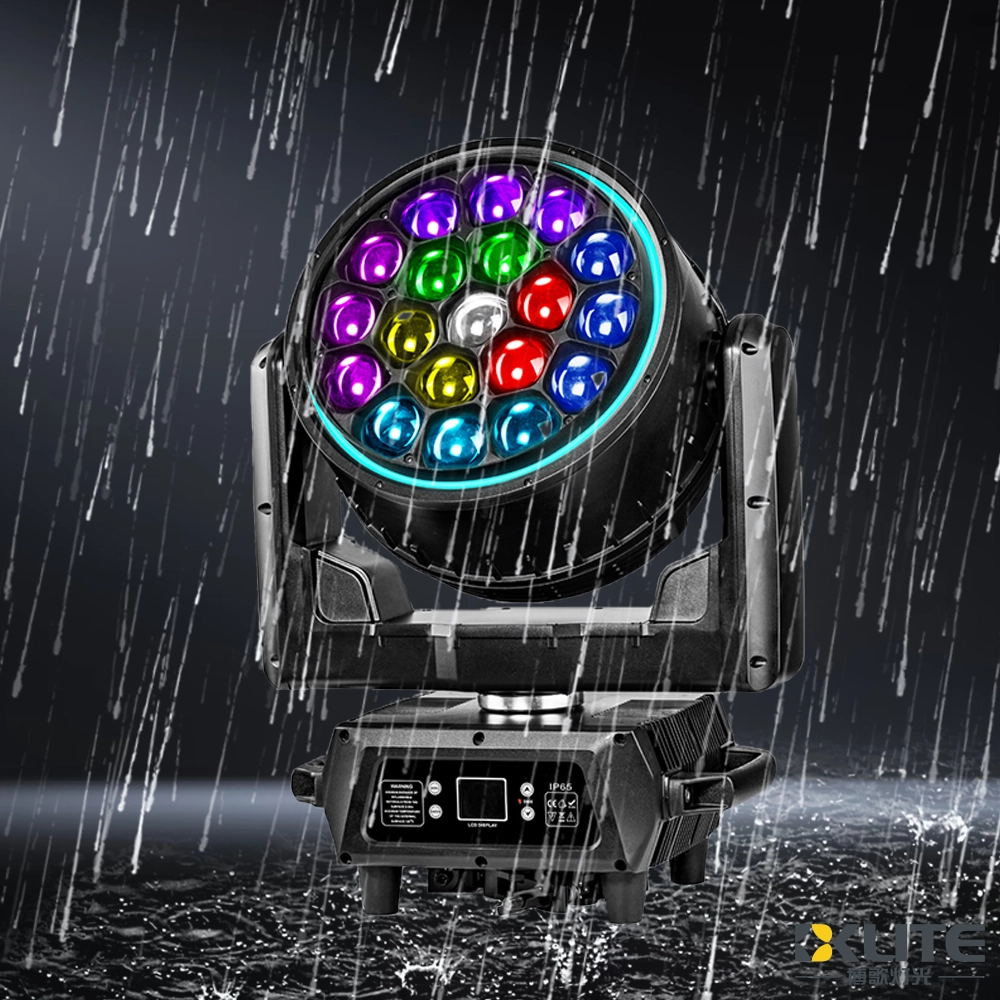
IP65 Waterproof Bee Eye Zoom 19x40W RGBW 4IN1 LED Beam Wash Moving Head Light with LED Ring
BKlite waterproof bee eye moving head light—your reliable choice from top waterproof moving head light manufacturers and suppliers. Ideal for outdoor stage, live event, music festival, this energy-saving fixture ensures powerful, precise illumination for any venue. It delivers powerful, reliable lighting performance in any weather.
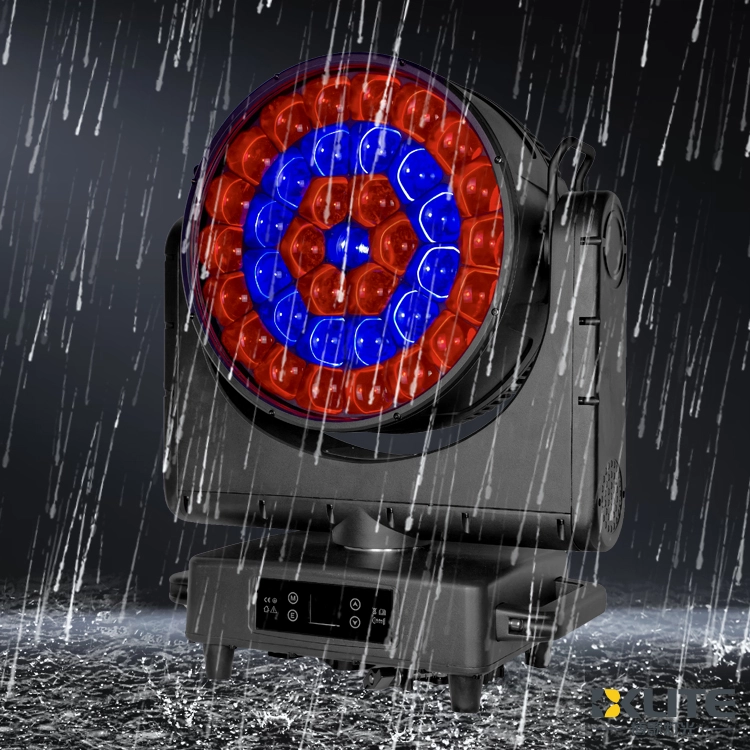
IP65 Waterproof ZOOM Bee Eye 37x40W RGBW 4in1 LED Moving Head Light
As a leading stage lighting equipment supplier with more than 15 years of industry know-how, BKlite brings you the IP65 ZOOM Bee Eye 37*40W RGBW 4in1 LED Moving Head Light (K25 Bee Eye) delivers vibrant, weatherproof lighting with powerful zoom and smooth movement. Ideal for dynamic stage effects, the K25 moving head light ensures stunning RGBW color mixing and reliable outdoor performance.
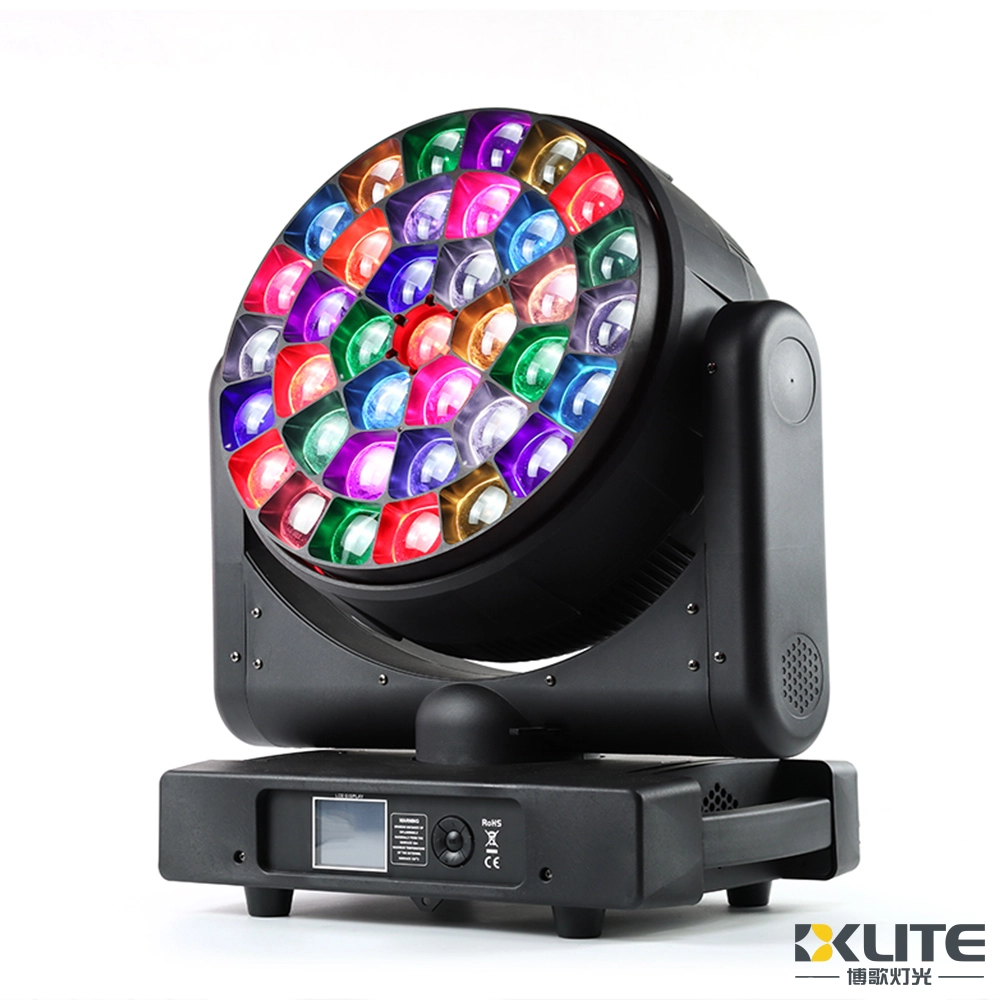
Bee Eye Zoom 37x40W RGBW 4in1 LED Beam Wash Moving Head Light


Copyright © 2025 BKLITE All Rights Reserved.