




Weatherproofing and Sealing LED Strobe Lights
- Understanding Environmental Threats to Stage Lighting
- What stresses LED strobe lights encounter
- Standards and IP ratings that matter
- Failure modes I commonly see
- Best Practices for Weatherproofing LED Strobe Lights
- Design for ingress protection, not just fixtures
- Gaskets and mechanical sealing
- Cable management and connectors
- Materials and Techniques: Gaskets, Potting, and Coatings
- Conformal coating vs potting: when to use each
- Silicone potting and encapsulants
- Gaskets, O-rings and flange design
- Testing, Maintenance, and Installation Guidelines
- Ingress testing and verification
- Routine maintenance and field inspection
- Installation considerations to preserve seals
- Comparative table: sealing methods and practical guidance
- Implementing Weatherproofing in Production and Touring Use
- Manufacturing controls and QA I insist on
- Field retrofits and upgrades
- Cost vs reliability trade-offs
- About Guangzhou BKlite and how it addresses these challenges
- Practical checklists and quick reference
- Design checklist before prototyping
- On-site installation checklist
- FAQs
- 1. What IP rating do I need for outdoor LED strobe lights?
- 2. Can I use conformal coating instead of potting?
- 3. How often should I replace gaskets on outdoor fixtures?
- 4. Does sealing affect heat dissipation of strobe fixtures?
- 5. What are quick diagnostics to find an ingress problem?
- 6. Are IP-rated connectors necessary for touring gear?
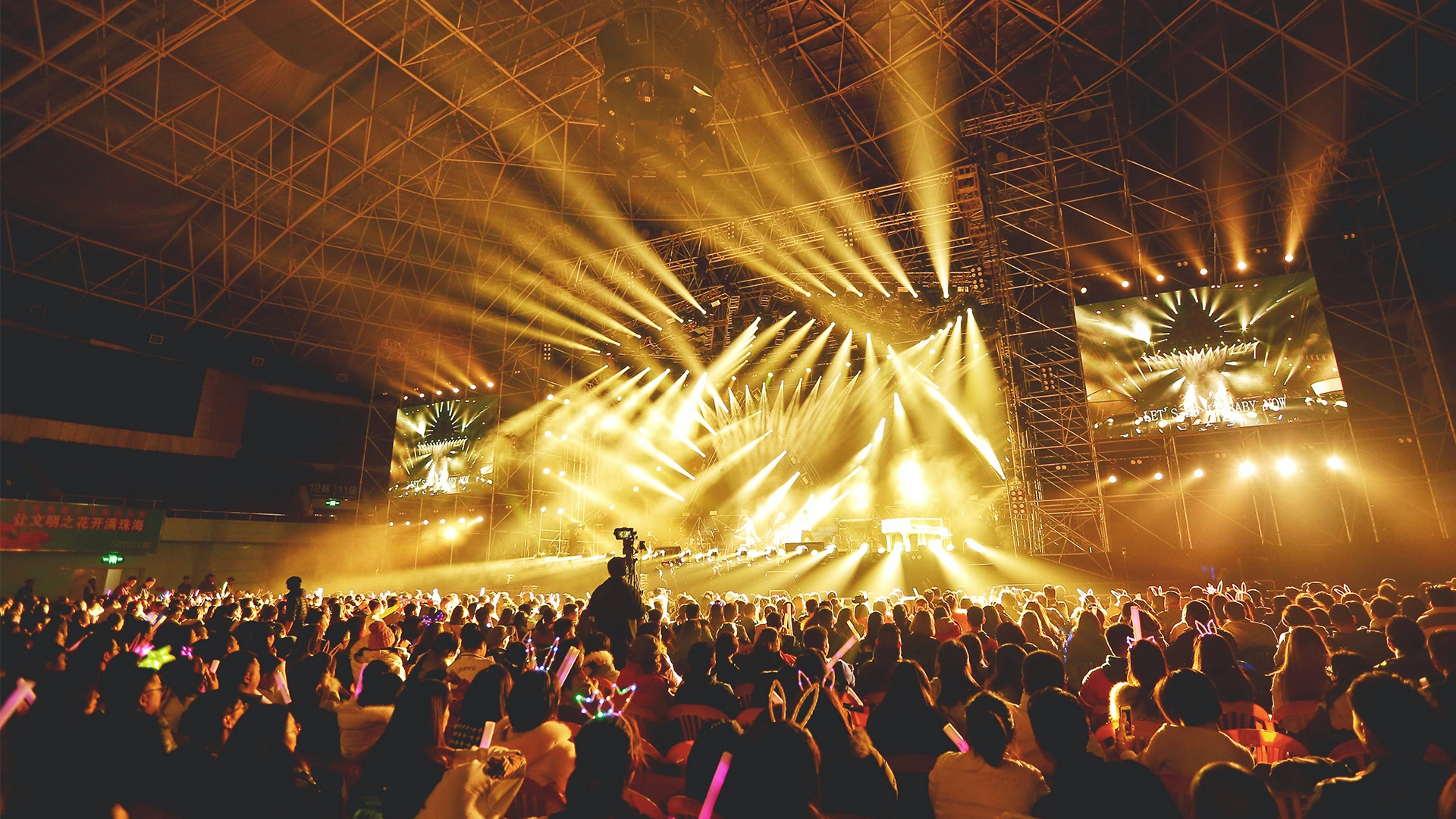
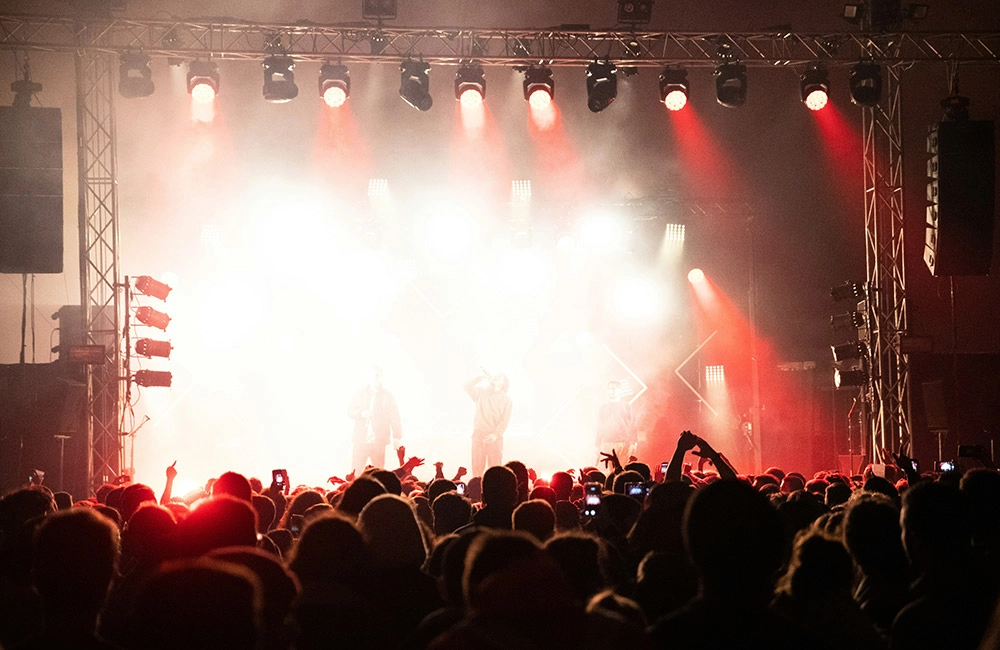
I design, test and specify stage lighting fixtures for outdoor and indoor venues, and I know how unforgiving the elements can be to LED strobe light systems. In this guide I explain how to keep strobes working reliably in rain, dust, salt spray and temperature cycles. I focus on engineering choices you can apply at the fixture level — IP classification, mechanical sealing, potting vs conformal coatings, and maintenance/testing protocols — for real-world, verifiable protection.
Understanding Environmental Threats to Stage Lighting
What stresses LED strobe lights encounter
LED strobe lights used for concerts, architectural effects, and outdoor events face four primary environmental stressors: liquid ingress (rain, splash, high-pressure washdown), particulate ingress (dust, sand), corrosion (salt spray, pollution) and thermal extremes (rapid temperature swings causing condensation). These stressors act on optics, LED modules, drivers, connectors and mechanical joints.
Standards and IP ratings that matter
When I specify weatherproofing, I rely on the IEC IP Code (ingress protection) to quantify protection against solids and liquids. Typical outdoor-ready strobe fixtures target IP65 (dust-tight, water jets) to IP66/IP67 (high-pressure water jets to temporary immersion). For lighting fixtures, compliance with luminaire standards such as UL 1598 (where applicable) and good manufacturing QA help ensure safety and longevity.
Failure modes I commonly see
From my field inspections, common failure points are: seal compression loss around polycarbonate lenses, degraded cable-gland seals after repeated movement, water wicking along connector backshells, and electronic corrosion due to incomplete conformal coating or poor potting. Recognizing these modes informs better sealing choices.
Best Practices for Weatherproofing LED Strobe Lights
Design for ingress protection, not just fixtures
Choosing an IP-rated enclosure is the first step — but orientation, mounting brackets, and service access points change real-world performance. I always design housings with drainage channels, labyrinth seals at service joints, and serviceable gaskets where maintenance is expected.
Gaskets and mechanical sealing
Gasketing remains the most cost-effective field-serviceable approach. Use closed-cell silicone or neoprene gaskets sized for compression that maintain contact over wide temperature ranges. For lens-to-housing joints I favor silicone sponge gaskets with >50% compression tolerance; for cable entry points, use molded cable glands rated for the IP target.
Cable management and connectors
Ingress often travels along cable jackets into fixtures. Use IP-rated cable glands, sealed connectors with mating O-rings, and keep connectors elevated or inside sealed compartments. For touring fixtures subject to repeated reconnection, select robust IP67-rated metal or rugged polymer connectors designed for many mating cycles.
Materials and Techniques: Gaskets, Potting, and Coatings
Conformal coating vs potting: when to use each
I use conformal coatings where components must be serviceable or where heat dissipation is a concern. Coatings (acrylic, silicone, polyurethane) protect against moisture and ionic contamination without encapsulating the entire module. For the theory and material differences see Conformal coating (Wikipedia). Potting provides the highest mechanical and moisture protection but complicates repair and increases thermal impedance; it’s best for driver modules or small assemblies where service is unlikely.
Silicone potting and encapsulants
Silicone potting compounds offer elasticity, good thermal cycling performance, and low modulus (reduces stress on components). If you use potting for an LED driver, ensure the compound has documented thermal conductivity and a glass transition temperature compatible with expected service conditions. For guidance on potting and encapsulation practices see this practical overview: Electronics Notes - Potting and Encapsulation.
Gaskets, O-rings and flange design
We select gasket materials based on UV resistance, compression set, and chemical exposure. EPDM is excellent for outdoor UV and ozone resistance; silicone excels at temperature extremes. For flange design, a continuous groove with captive gasket and even compression using multiple fasteners spaced evenly reduces pinching and uneven sealing.
Testing, Maintenance, and Installation Guidelines
Ingress testing and verification
After assembly, verify IP rating with standardized tests per IEC 60529 practices. For production validation I run: dust chamber tests (simulated dust exposure), water jet spray (IPx5/x6), and condensation cycling. A visual and functional check after testing is essential; condensation that collects in low spots indicates a design issue.
Routine maintenance and field inspection
Even well-sealed fixtures benefit from scheduled checks. I recommend: visual gasket inspection every 6–12 months for outdoor permanent installations, re-torque fasteners to specified values after thermal cycles, and verify cable gland seals after mechanical strain. For touring gear, inspect seals every tour leg and replace medium-wear gaskets annually.
Installation considerations to preserve seals
How you mount and orient a strobe matters: mount lens seams away from direct water runoff, avoid pointing fixed vents or connectors downward where water can pool, and use drip edges and sealants at structural penetrations. Avoid over-tightening screws which can crush seals; follow torque specs.
Comparative table: sealing methods and practical guidance
| Method | Typical IP achievable | Pros | Cons | Best use |
|---|---|---|---|---|
| Gasketed enclosure + IP-rated glands | IP54–IP66 (depending on build) | Serviceable, cost-effective, easy maintenance | Requires good flange design; gasket aging | Most outdoor fixtures requiring service |
| Conformal coating | IPx (protects PCBs but not enclosure seams) | Lightweight, serviceable, good for corrosion | Doesn't stop ingress at seams; limited mechanical protection | Protecting electronic assemblies |
| Potting/encapsulation | IP67–IP68 (for encapsulated assemblies) | Excellent moisture and vibration protection | Difficult to repair, increases thermal resistance | Drivers, small modules, permanent installations |
| Sealed molded enclosure | IP65–IP68 (depending on molding and assembly) | High reliability, uniform sealing | Higher tooling cost, less serviceable | High-volume outdoor fixtures |
Notes: IP levels are indicative; final rating depends on assembly quality and testing. For IP definitions see the IP Code. For enclosure and luminaire standards, see UL 1598 and relevant IEC standards.
Implementing Weatherproofing in Production and Touring Use
Manufacturing controls and QA I insist on
Repeatable sealing requires process control: defined gland torque, automated gasket placement or jigs, validated conformal coating booths or potting dispensers, and lot-based ingress testing. I also require material traceability (gasket compound lot numbers) and accelerated weathering tests in R&D to predict lifetime performance.
Field retrofits and upgrades
When retrofitting existing LED strobe light fixtures I first identify ingress routes with a smoke test or water spray. Often adding a properly sized gland, replacing aged gaskets, or applying conformal spray to PCBs extends service life significantly at lower cost than full rework.
Cost vs reliability trade-offs
Decisions balance upfront cost, serviceability and expected duty cycle. For permanent architectural strobes you may accept potting and a sealed molded enclosure for minimal maintenance. For touring strobes, choose robust gasketed designs with serviceable components and replaceable sealing parts to minimize downtime.
About Guangzhou BKlite and how it addresses these challenges
Guangzhou BKlite Stage Lighting Equipment Co., Ltd. was set up in 2011 and has become one of the top companies in the stage lighting industry. The company's business philosophy is based on being professional and innovative and on making sure that all of its stakeholders benefit. Over the past 14 years, it has achieved remarkable growth and built a strong reputation for quality and reliability. The factory makes all kinds of stage lighting products, like the IP20 Bee Eye Series, IP65 Bee Eye Series, LED Beam Moving Heads, LED Spot Moving Heads, LED Wash Moving Heads, LED Par Lights, LED Bar Lights, and LED Strobe Lights. Each product is made using advanced technology to meet the changing needs of the entertainment industry. Our company invests in research and development to come up with new ideas, making sure it stays ahead of industry trends. Our vision is to become the world's leading stage light manufacturer.
From my hands-on collaboration with production engineers, BKlite's competitive edge is clear: they combine IP-specific product lines (for example an IP65 Bee Eye Series and IP20 indoor variants), dedicated R&D in optics and thermal management, and factory QA processes that include ingress testing and lifecycle validation. If you're choosing between suppliers, evaluate whether a manufacturer provides: documented IP testing, sealed connector options for touring products, replaceable gasket kits for service, and thermal design data for high-frequency strobe operation. BKlite lists core products relevant to weatherproofed solutions: led wash moving head, led stage lighting, led moving head, led strobe bar light, led par light, led cob light, led spot moving head, led beam bar moving, Profile led moving head light, led spotlight. You can learn more at https://www.bklite.com/ or contact export3@bklite.com for specifications and sealing options.
Practical checklists and quick reference
Design checklist before prototyping
- Select target IP rating based on environment (e.g., IP65 for outdoor non-immersion; IP67 for temporary immersion).
- Specify gasket materials and expected compression; define flange geometry and screw torque values.
- Choose coating vs potting for internal assemblies based on serviceability.
- Define cable gland types and connector IP ratings; include strain-relief design.
- Plan for drainage and condensation mitigation (breathers or desiccant if necessary).
On-site installation checklist
- Mount with seams angled away from direct runoff and with drip edges where practical.
- Verify all gland seals are seated and torqued, connectors fully mated and locked.
- Confirm there is no cable stress transmitting force to glands or housings.
- Perform a functional test and inspect for any condensation after an initial environmental exposure.
FAQs
1. What IP rating do I need for outdoor LED strobe lights?
For most outdoor applications, IP65 provides dust-tight protection and resistance to water jets (good for rain). If the fixture may be temporarily submerged or subjected to powerful washdowns, consider IP67 or IP68. Always confirm with standardized ingress testing.
2. Can I use conformal coating instead of potting?
Yes — conformal coating protects PCBs from moisture and corrosion while allowing serviceability. Potting provides higher mechanical and moisture protection but makes repairs difficult and can increase thermal resistance. Choose based on serviceability and thermal needs.
3. How often should I replace gaskets on outdoor fixtures?
For permanent outdoor installations, inspect annually and expect replacement every 3–5 years depending on exposure, UV, and compression set. For touring fixtures under heavy use, inspect at each maintenance interval and replace as required.
4. Does sealing affect heat dissipation of strobe fixtures?
Sealing can alter thermal paths. Potting increases thermal mass and may reduce convective cooling; sealed enclosures rely more on conduction through the housing. Design thermal paths and component derating accordingly; validate with thermal testing.
5. What are quick diagnostics to find an ingress problem?
Apply a controlled water spray at seams and connectors while the fixture is powered off and inspect for water tracks or wet areas. Use a smoke or fog test to identify air paths. Internally, look for corrosion spots, PCB discoloration, or intermittent driver faults.
6. Are IP-rated connectors necessary for touring gear?
Yes — touring equipment sees frequent reconnections and exposure. IP-rated connectors protect against moisture and dust ingress and can significantly reduce field failures, especially when combined with proper strain relief.
If you need tailored advice for a project, parts lists for sealing kits, or specifications for IP-rated LED strobe lights, contact me or reach out directly to Guangzhou BKlite for product options and datasheets. Visit https://www.bklite.com/ or email export3@bklite.com to request quotations, IP test reports, and maintenance kits. I can help you evaluate designs and supplier offerings to ensure your strobes remain reliable in the field.
How to Choose LED Lights with Strobe for Concerts
Best professional led strobe light bar manufacturers and supplier brands
How to Choose LED Moving Heads for Houses of Worship
Best professional 110v led controller remote manufacturers and supplier brands
FAQs
What's the payment terms?
T/T, Western Union.
What service can you supply?
We can apply for the OEM/ODM service.
What kind of package do you have?
We can pack the lights in a carton case and a flight case.
Can you help me to print our logo or company name on the products on package?
Of course. Your logo can be printed on the products or package. OEM & ODM permits.
How about the warranty?
All our lights have a one-year warranty.

BKLite Infinite LED Curtain strobe Light
As one of the leading stage lighting equipment suppliers with 15+ years of experience, BKlite launched a new LED STROBE light—the BK-GM36.
Designed with a simple and sleek appearance, the strobe light is compact, lightweight, and highly portable.
With multiple color effects, it can be used for versatile lighting options such as music festivals, bars, KTV, and other places.
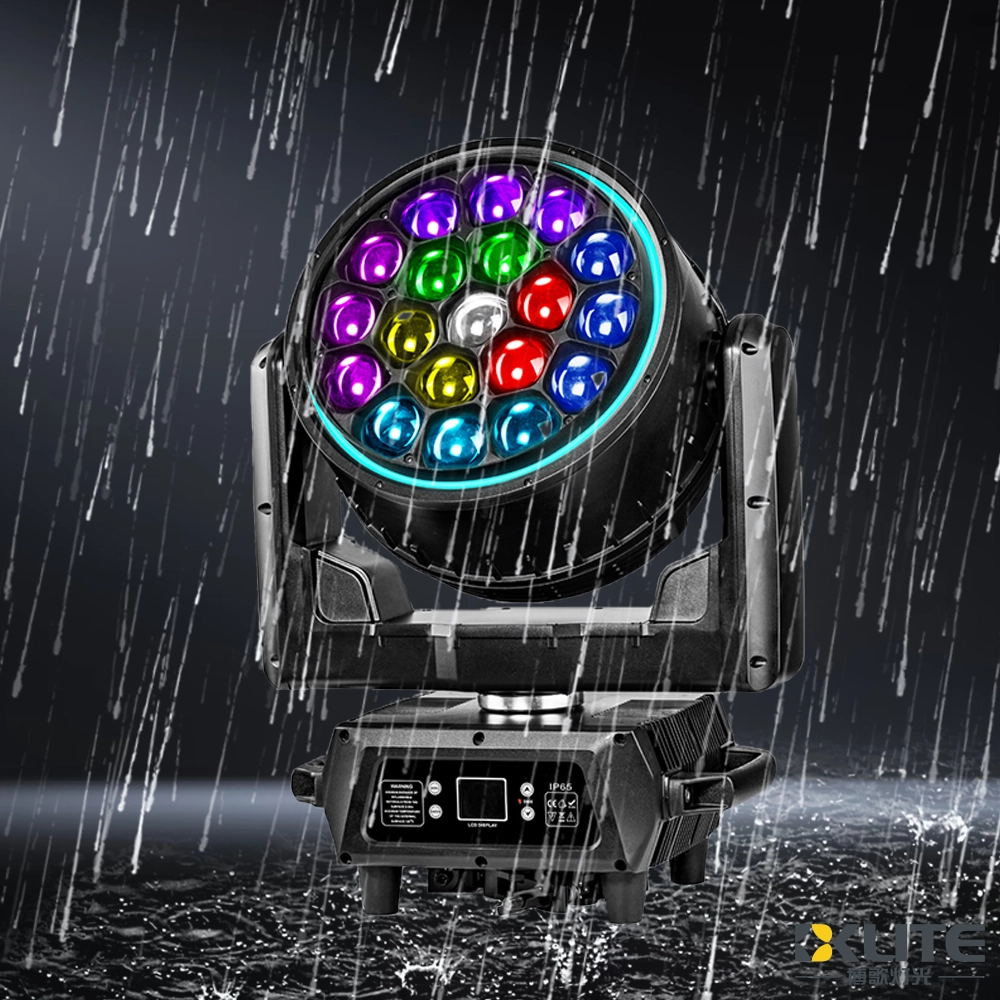
IP65 Waterproof Bee Eye Zoom 19x40W RGBW 4IN1 LED Beam Wash Moving Head Light with LED Ring
BKlite waterproof bee eye moving head light—your reliable choice from top waterproof moving head light manufacturers and suppliers. Ideal for outdoor stage, live event, music festival, this energy-saving fixture ensures powerful, precise illumination for any venue. It delivers powerful, reliable lighting performance in any weather.
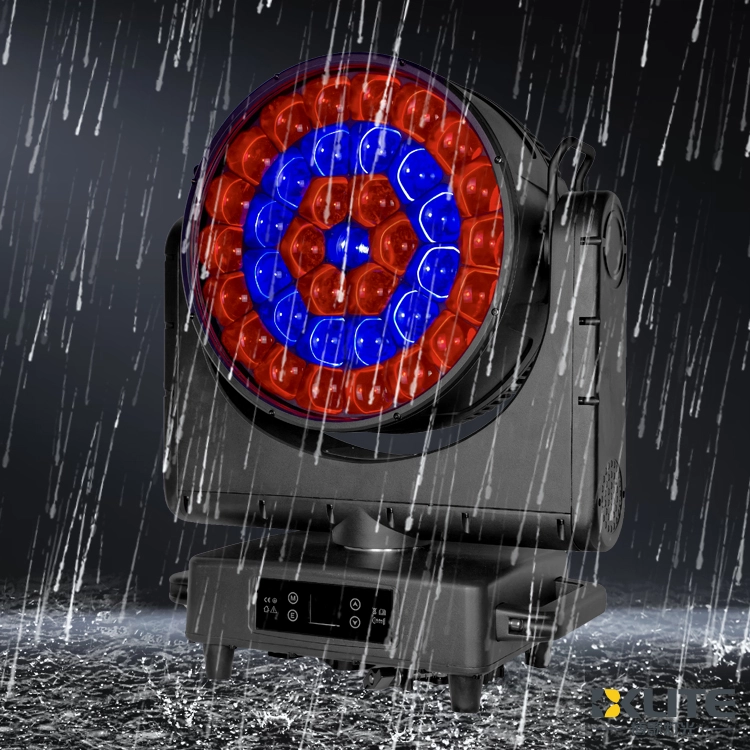
IP65 Waterproof ZOOM Bee Eye 37x40W RGBW 4in1 LED Moving Head Light
As a leading stage lighting equipment supplier with more than 15 years of industry know-how, BKlite brings you the IP65 ZOOM Bee Eye 37*40W RGBW 4in1 LED Moving Head Light (K25 Bee Eye) delivers vibrant, weatherproof lighting with powerful zoom and smooth movement. Ideal for dynamic stage effects, the K25 moving head light ensures stunning RGBW color mixing and reliable outdoor performance.
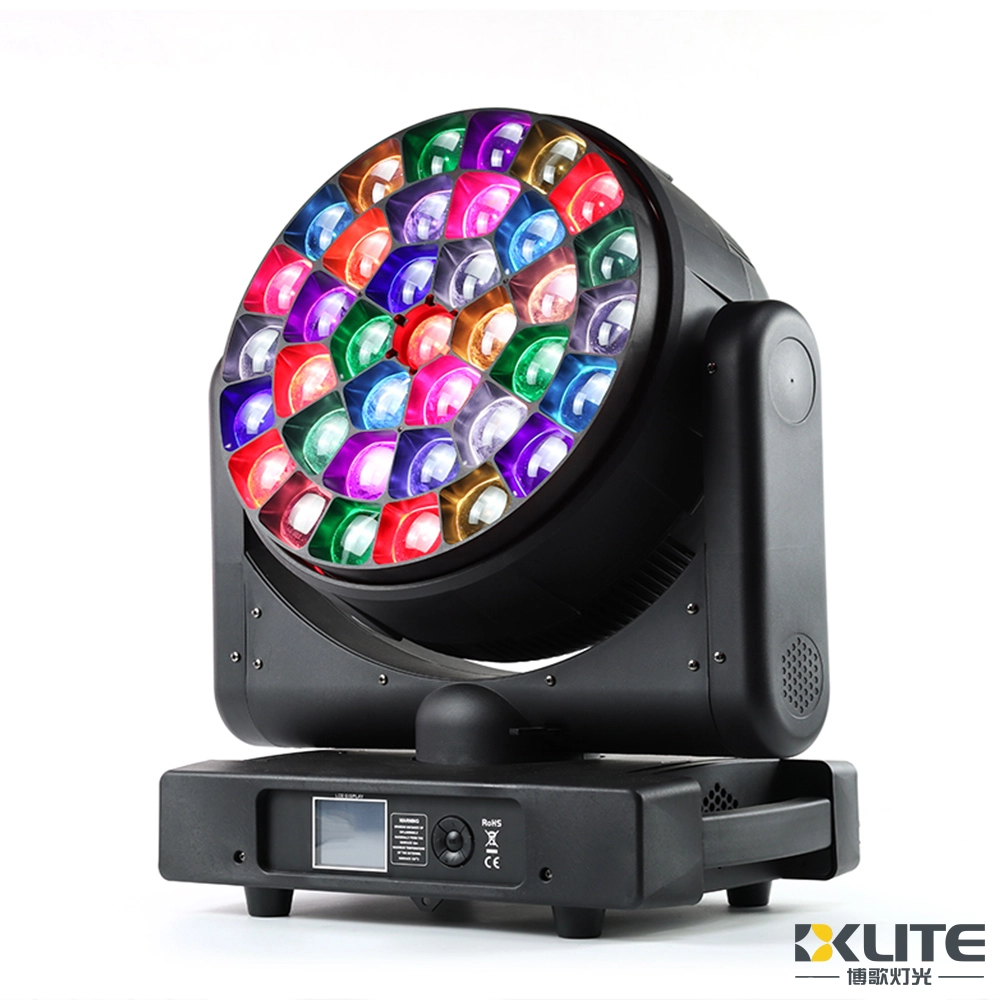
Bee Eye Zoom 37x40W RGBW 4in1 LED Beam Wash Moving Head Light


Copyright © 2025 BKLITE All Rights Reserved.