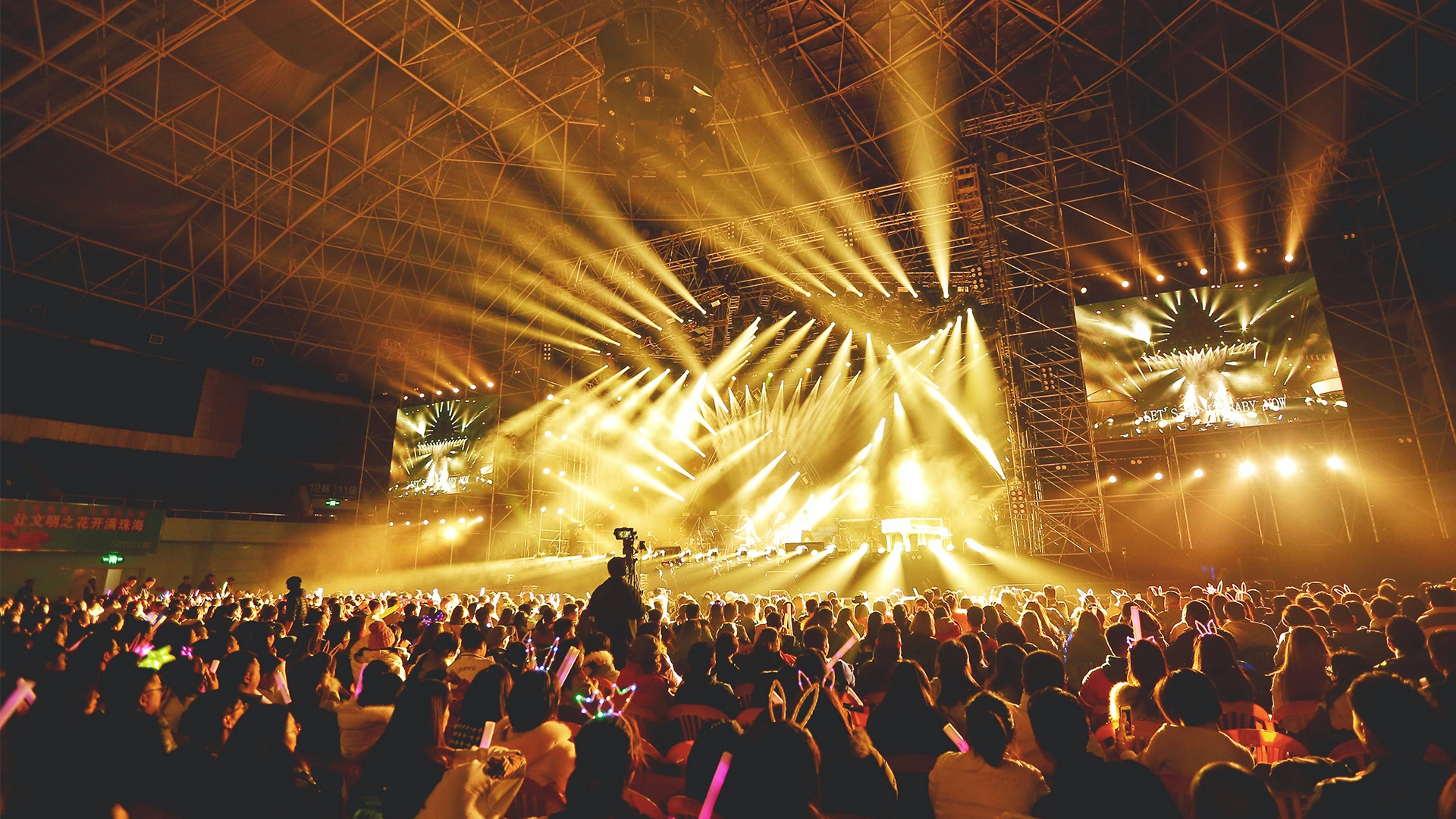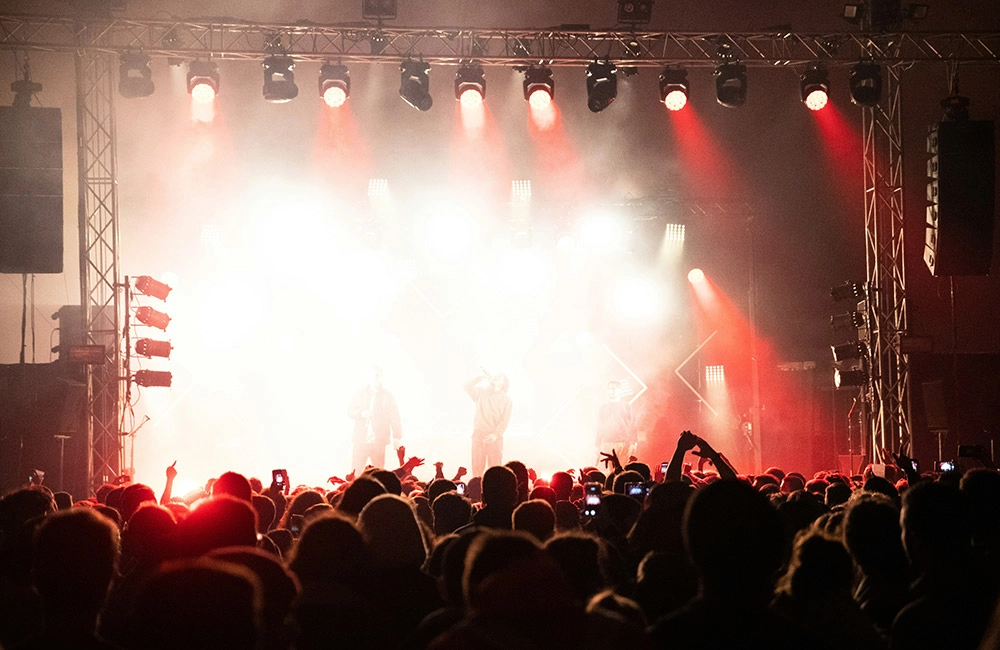




How to Choose LED Lights with Strobe for Concerts
- Understanding strobe effects and venue requirements
- How strobe effects work and why LED strobes are common
- Venue, audience and regulatory constraints
- Safety standards and control best practice
- Key technical specifications to evaluate
- Lumen output, pulse intensity and perceived brightness
- Strobe rate (Hz), duty cycle and flicker characteristics
- Color mixing, CRI/TSI and beam control
- Design and control considerations for concerts
- Control protocols: DMX, Art-Net, RDM and show playback
- Synchronization, timing accuracy and camera compatibility
- Power, cooling and rigging
- Selecting products and suppliers
- Comparing common fixture types (table)
- Why choose a reputable manufacturer and what to ask
- Procurement checklist
- Manufacturer profile and why supplier choice matters
- About Guangzhou BKlite — experience and product range
- BKlite competitive strengths and product highlights
- Which BKlite products match typical concert needs
- Testing, commissioning and live operation tips
- On-site testing and camera checks
- Programming tips for musical timing and safety
- Maintenance and lifecycle management
- FAQ — Common questions about LED strobe selection for concerts
- 1. Are LED strobes safe for people with photosensitive epilepsy?
- 2. How do I choose between LED strobe and xenon strobe?
- 3. What strobe rate is safe and effective for concerts?
- 4. How can I avoid camera flicker with LED strobes?
- 5. What power and rigging considerations are unique to strobe fixtures?
- 6. How many strobes should I use for a medium-sized concert?
- Conclusion and contact / product inquiry CTA
Quick summary (-friendly): Choosing the right led lights with strobe for concerts requires balancing visual impact, safety, control capability, and reliability. This guide explains how strobe effects work, key technical specs (lumen/pulse output, strobe rate, duty cycle), control protocols (DMX/Art-Net/RDM), installation and heat/power considerations, and how to evaluate fixtures and manufacturers. It also covers safety guidance for photosensitive audiences and provides a practical procurement checklist with product-type comparisons and a recommended supplier profile.
Understanding strobe effects and venue requirements
How strobe effects work and why LED strobes are common
Strobe effects create brief, intense flashes of light that the eye interprets as motion interruption or dramatic rhythm. Traditional strobe effects used xenon tubes for single high-intensity flashes. Modern led lights with strobe use arrays of high-power LEDs driven by pulse circuits to reproduce the same visual sensation while enabling color mixing, lower power consumption, and faster repetition rates. For background reading on strobe mechanisms and history, see the Strobe light overview on Wikipedia (https://en.wikipedia.org/wiki/Strobe_light).
Venue, audience and regulatory constraints
Before selecting fixtures, audit the venue and expected audience. Consider ceiling height, rigging points, power capacity, and proximity to the audience and broadcast cameras. Most importantly, strobe effects can trigger photosensitive epilepsy in a subset of viewers—consult guidance from the Epilepsy Foundation on visual triggers (https://www.epilepsy.com/learn/triggers-seizures/visual-triggers). Many venues require advance notice or opt-out seating for strobe use; communicate strobe plans in advance and include warning signage when necessary.
Safety standards and control best practice
Control standards such as DMX512 (widely used for lighting control) and network protocols like Art-Net/RDM are relevant for reliable strobe synchronization and metadata management; see DMX512 reference (https://en.wikipedia.org/wiki/DMX512). Also consult relevant regional electrical and safety standards (for example IEC guidance via IEC) when specifying fixtures and installation methods.
Key technical specifications to evaluate
Lumen output, pulse intensity and perceived brightness
For strobe effects, average lumen rating is less useful than pulse luminous intensity (per flash). A fixture with high continuous lumens may still produce weak flashes if the LED drive circuitry limits peak current. Ask manufacturers for pulse output data (peak lumens per flash or candela for a given pulse width). When detailed specs are unavailable, request demo footage shot at your venue or an on-site demo.
Strobe rate (Hz), duty cycle and flicker characteristics
Strobe rate (in Hz or flashes per second) determines perceived motion interruption. Typical concert strobes operate from a few Hz up to 20–30+ Hz depending on artistic intent. Duty cycle (percent of time LEDs are on during each cycle) impacts heat and longevity; very high duty cycles at high peak current shorten life. Look for fixtures with rated pulse durations and recommended maximum duty cycles for safe operation.
Color mixing, CRI/TSI and beam control
LED strobes using RGB or RGBW emitters allow instant color strobes; white-only strobes (or high-CRI/COB LED strobes) give a more natural white flash. Consider whether you need saturated color strobes or bright white pulses for camera work. Beam angle and optics affect how punchy a flash appears at different distances—narrow beams concentrate output and look brighter on stage, while wider beams create ambient flash across the audience.
Design and control considerations for concerts
Control protocols: DMX, Art-Net, RDM and show playback
Ensure fixtures support the control architecture you use. DMX512 remains the basic standard, while Art-Net and sACN enable network-based distribution of high channel counts. RDM (Remote Device Management) helps with addressing and status reporting. For complex shows, look for built-in show playback or master/slave strobe syncing features to offload the console during high-intensity cueing. See DMX details at https://en.wikipedia.org/wiki/DMX512.
Synchronization, timing accuracy and camera compatibility
For broadcast or multi-camera events, strobe timing must be consistent and predictable to avoid unwanted camera artifacts. Test fixtures under live camera conditions at the frame rates you expect (24/25/30/60 fps). Some LED strobes exhibit micro-flicker at specific PWM frequencies; choose fixtures with adjustable PWM or validated flicker-free operation for broadcast.
Power, cooling and rigging
Pulse operation raises instantaneous current draw. Confirm inrush current, recommended breaker sizing, and whether fixtures require active cooling or derating for long strobe sequences. Use certified rigging hardware, and consult local electrical codes. For festivals with outdoor stages, select IP-rated units and plan for power distribution and backup sources.
Selecting products and suppliers
Comparing common fixture types (table)
Use the following comparison to match fixture type to artistic and operational needs.
| Fixture type | Best use | Brightness & pulse | Color control | Heat & power | Notes |
|---|---|---|---|---|---|
| High-power LED strobe (single or multi-LED) | Front/side strobe punch, low power consumption | High peak flash (depends on driver) | Often white or RGB/RGBW | Moderate; watch duty cycle | Good balance—commonly used in concerts |
| Xenon strobe | Very high-intensity single-color flashes | Extremely high peak lumen per flash | White only | High power, heat | Less color flexibility; more maintenance |
| LED strobe bar / strobe wall | Audience wash & wide strobe effects | Moderate to high (distributed) | RGB/RGBW — good color effects | Distributed heat; lower per-node power | Flexible layouts for wall/ceiling effects |
Why choose a reputable manufacturer and what to ask
Choose vendors who publish pulse performance, provide photometric data, and support firmware or driver updates. Ask for:
- Pulse/peak lumen or candela specs and recommended duty cycles;
- PWM/flicker test reports for broadcast compatibility;
- Control protocol support and channel maps;
- Warranty, service network, and spare parts availability;
- IP rating if you need outdoor use.
Procurement checklist
Before buy-in, ensure you have:
- Venue-specific demo footage or on-site trial;
- Confirmed power and rigging plans with calculated inrush and breaker sizes;
- Control integration plan (DMX/Art-Net addressing, universes);
- Risk assessment for photosensitive audiences and mitigation plan;
- Service and spares agreement with the supplier.
Manufacturer profile and why supplier choice matters
About Guangzhou BKlite — experience and product range
Guangzhou BKlite Stage Lighting Equipment Co., Ltd. was set up in 2011 and has become one of the top companies in the stage lighting industry. The company's business philosophy is based on being professional and innovative and on making sure that all of its stakeholders benefit. Over the past 14 years, it has achieved remarkable growth and built a strong reputation for quality and reliability. The factory makes all kinds of stage lighting products, like the IP20 Bee Eye Series, IP65 Bee Eye Series, LED Beam Moving Heads, LED Spot Moving Heads, LED Wash Moving Heads, LED Par Lights, LED Bar Lights, and LED Strobe Lights. Each product is made using advanced technology to meet the changing needs of the entertainment industry. Our company invests in research and development to come up with new ideas, making sure it stays ahead of industry trends. Our vision is to become the world's leading stage light manufacturer. Website: https://www.bklite.com/. Email: export3@bklite.com.
BKlite competitive strengths and product highlights
BKlite emphasizes R&D-led product development, consistent manufacturing practices, and a broad product portfolio that supports integrated stage systems. Key product strengths relevant to concert strobes include:
- Range of led strobe lights including bar and moving-head strobes with RGB/RGBW options;
- Products tailored for indoor (IP20) and outdoor (IP65) use, enabling festival and touring flexibility;
- Integration support for DMX/Art-Net control systems and firmware updates;
- Commitment to quality control over a long production history since 2011, plus accessible service via export3@bklite.com.
Which BKlite products match typical concert needs
Common concert applications and matching BKlite product lines:
- High-impact white strobe: LED Strobe Lights (high peak output);
- Color-changing strobe walls: LED Bar Lights and LED Beam/Spot moving heads with strobe modes;
- Wash + strobe combinations: LED Wash Moving Head and LED Par Light models;
- Tour-grade fixtures: IP65 Bee Eye Series for outdoor festivals.
Testing, commissioning and live operation tips
On-site testing and camera checks
Always perform a site test with production cameras. Check for micro flicker at expected frame rates and test all intended strobe rates and duty cycles. Capture video at varied ISO and shutter speeds to spot camera-specific artifacts.
Programming tips for musical timing and safety
Program strobes with safety-first presets—create global limits for maximum Hz and duty cycle to avoid prolonged high-duty sequences. Use soft-intensity fade cues in sections with audience proximity. Where possible, designate an operator to monitor audience reaction and disable strobes instantly if necessary.
Maintenance and lifecycle management
Track operating hours and strobe duty usage; LEDs degrade faster under repeated high-peak pulsing. Keep spare fixtures and driver modules on hand for critical tours. Rely on manufacturers who provide service parts and technical support; BKlite publishes product ranges and can be contacted at export3@bklite.com for spares and support.
FAQ — Common questions about LED strobe selection for concerts
1. Are LED strobes safe for people with photosensitive epilepsy?
Strobe lights can trigger seizures in susceptible individuals. Follow the Epilepsy Foundation recommendations: provide warnings, offer strobe-free seating, and avoid prolonged high-frequency flashes. Consult venue medical staff and include strobe advisories in advance publicity (Epilepsy Foundation).
2. How do I choose between LED strobe and xenon strobe?
Choose xenon when you need extremely high instantaneous peak brightness and are willing to accept higher power draw and maintenance. Choose LED strobes for color flexibility, lower running costs, integration with DMX/Art-Net, and better durability for touring. Many modern productions prefer high-power LED strobes for versatility.
3. What strobe rate is safe and effective for concerts?
There is no single safe rate; effectiveness depends on artistic intent and audience demographics. Many designers limit strobes to under 20–30 Hz for general use, but always pair artistic choice with safety mitigations and venue policies. For precise guidance, consult medical and venue regulations.
4. How can I avoid camera flicker with LED strobes?
Test fixtures with production cameras at expected frame rates and shutter speeds. Choose fixtures rated as flicker-free for broadcast or with adjustable PWM/driver settings. Request flicker test reports from manufacturers and perform on-site camera checks.
5. What power and rigging considerations are unique to strobe fixtures?
Plan for inrush current and peak power during pulsed operation; consult fixture datasheets for maximum instantaneous current and recommended duty cycles. Use certified rigging hardware and engineer for dynamic loads if fixtures will be moving (moving-head strobes). Include redundancy in power distribution for festival and touring rigs.
6. How many strobes should I use for a medium-sized concert?
Numbers depend on design goals: a typical medium concert (3,000–8,000 capacity indoor) might use a combination of 6–12 front/side strobes for stage punch and 8–20 bar strobes for audience and back effects. Base quantities on sightline studies, sightline blocking, and combined lux targets—test in venue whenever possible.
Conclusion and contact / product inquiry CTA
Choosing the right led lights with strobe for concerts requires a mix of technical evaluation, safety planning, and supplier due diligence. Prioritize fixtures with documented pulse performance, control compatibility (DMX/Art-Net/RDM), and a solid service network. For reliable, R&D-driven stage lighting products—covering led wash moving head, led stage lighting, led moving head, led strobe bar light, led par light, led cob light, led spot moving head, led beam bar moving, Profile led moving head light, and led spotlight—consider Guangzhou BKlite Stage Lighting Equipment Co., Ltd. Visit https://www.bklite.com/ or email export3@bklite.com for product specifications, photometrics, and trial/demo requests. Our checklist and comparisons above will help you evaluate options and specify strobes that deliver both punch and reliability for live concert production.
Need help specifying a strobe package for your next show? Contact Guangzhou BKlite at export3@bklite.com or visit bklite.com to view product ranges and request a quote.
References: Strobe light (Wikipedia) — https://en.wikipedia.org/wiki/Strobe_light; LED (Wikipedia) — https://en.wikipedia.org/wiki/Light-emitting_diode; DMX512 (Wikipedia) — https://en.wikipedia.org/wiki/DMX512; Epilepsy Foundation visual triggers — https://www.epilepsy.com/learn/triggers-seizures/visual-triggers; IEC — https://www.iec.ch/; ESTA — https://www.esta.org/.
Stage Profile Light Accessories: Iris, Gobo, Barndoors
Beam Light Maintenance: Cleaning and Lamp Replacement
Top 10 led wash light bar Manufacturers and Supplier Brands
LED Stage Lights Maintenance Checklist for Production Managers
FAQs
How can i order?
Please send us your purchase list by e-mail, WhatsApp, QQ, or making a call, and you can also ask us to send you a PI for your approval. We need to know the following information for your order.
What kind of package do you have?
We can pack the lights in a carton case and a flight case.
What is your delivery time?
For stock products, we will deliver to you within 3 days.
How about the warranty?
All our lights have a one-year warranty.
What's the shipping way, shipping time?
The ways of shipping—you can choose which is suitable for you. (1). By Sea, 30-60 days; apply for bulk quantity.
(2). By Air, 5-7 days; apply for bulk quantity.
(3). By Express, 3-5 days; apply for small quantity and urgent order.
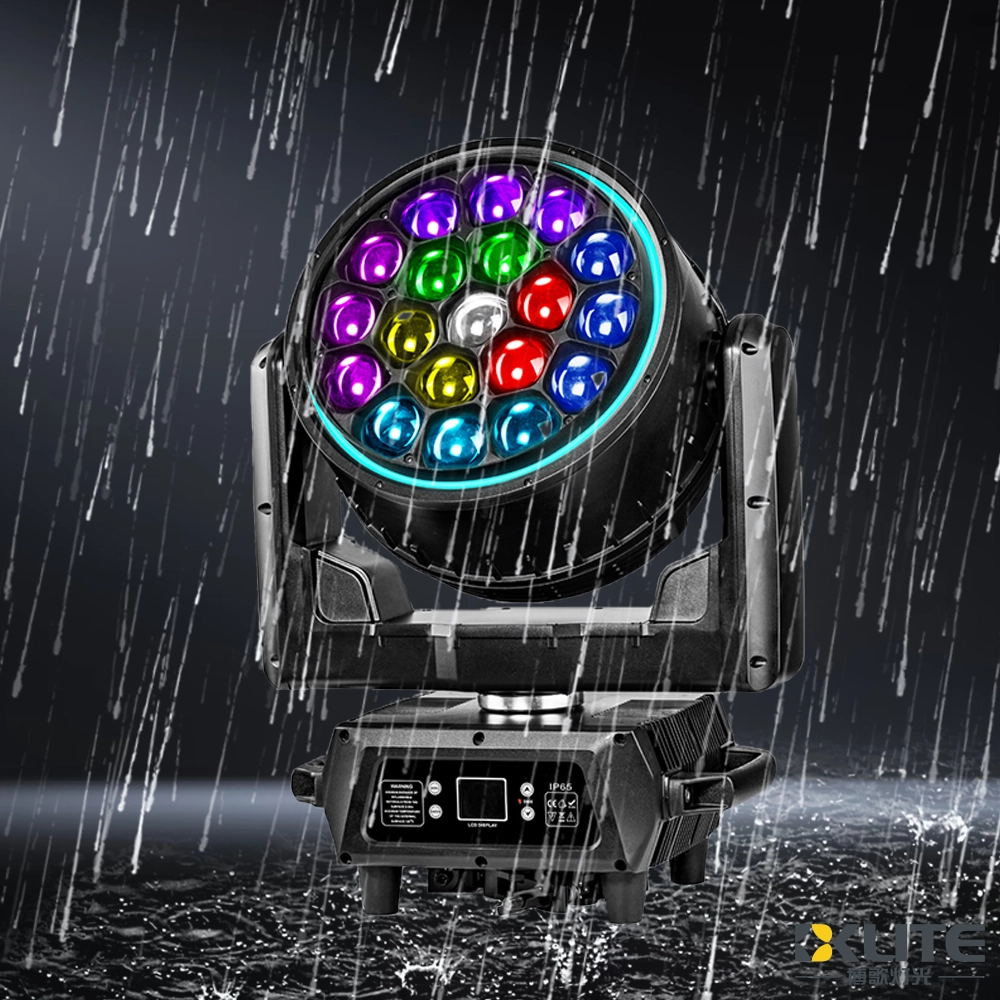
IP65 Waterproof Bee Eye Zoom 19x40W RGBW 4IN1 LED Beam Wash Moving Head Light with LED Ring
BKlite waterproof bee eye moving head light—your reliable choice from top waterproof moving head light manufacturers and suppliers. Ideal for outdoor stage, live event, music festival, this energy-saving fixture ensures powerful, precise illumination for any venue. It delivers powerful, reliable lighting performance in any weather.
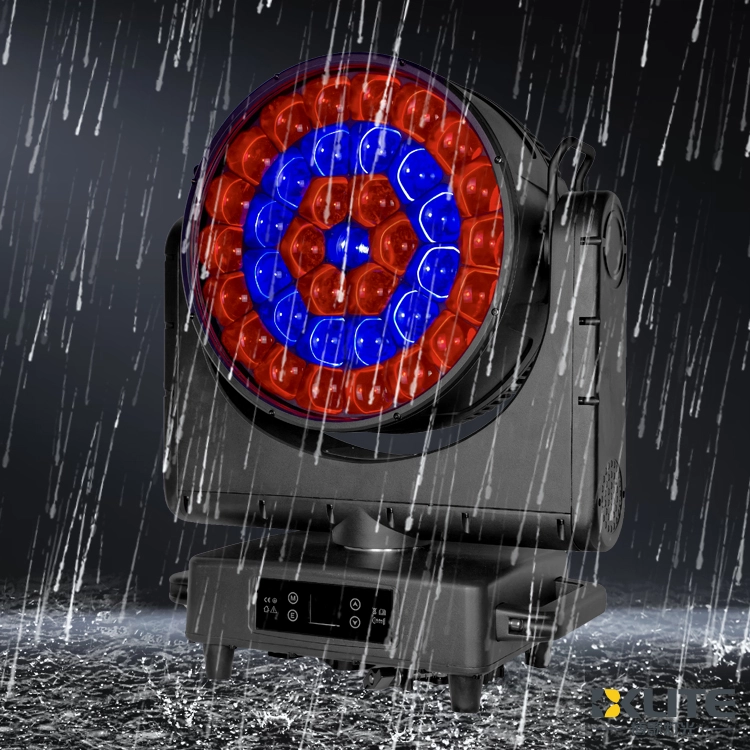
IP65 Waterproof ZOOM Bee Eye 37x40W RGBW 4in1 LED Moving Head Light
As a leading stage lighting equipment supplier with more than 15 years of industry know-how, BKlite brings you the IP65 ZOOM Bee Eye 37*40W RGBW 4in1 LED Moving Head Light (K25 Bee Eye) delivers vibrant, weatherproof lighting with powerful zoom and smooth movement. Ideal for dynamic stage effects, the K25 moving head light ensures stunning RGBW color mixing and reliable outdoor performance.
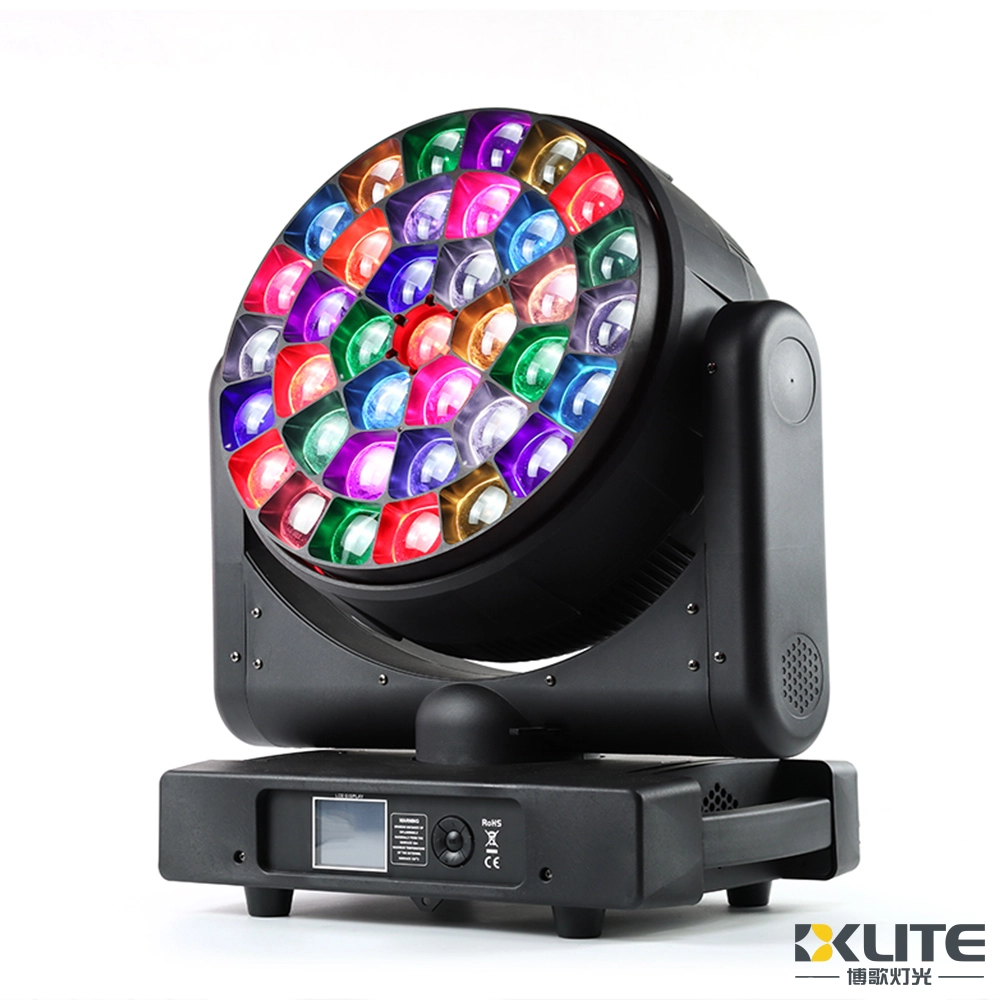
Bee Eye Zoom 37x40W RGBW 4in1 LED Beam Wash Moving Head Light
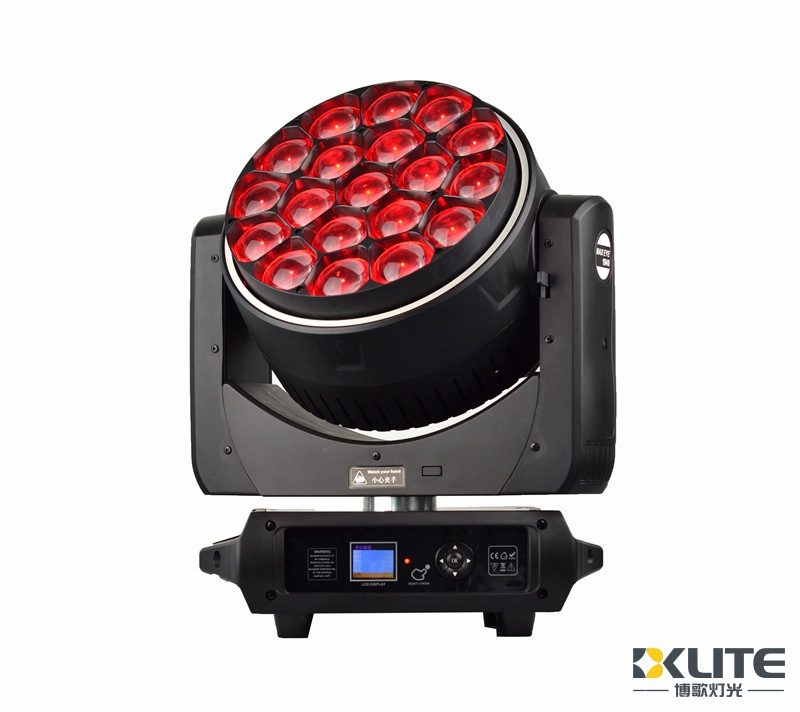
IP20 Bee Eye Zoom 19x40W RGBW 4IN1 LED Beam Wash Moving Head Light with LED Ring
As one of the leading stage lighting equipment suppliers with 15+ years of experience, BKlite launched a new Bee Eye K15 19x40 LED wash light BK-BY1940Z. .
Designed with a simple and sleek appearance, the WASH moving head light is compact, lightweight, and highly portable.
With multiple color effect macros and dynamic effect macros.
Our wash light can be used for versatile lighting options with amazing effect.
It is very good for your lighting projects.
Powerful and shoots very far distances.


Copyright © 2025 BKLITE All Rights Reserved.