




The Honest Truth About Laser Light vs LED Light: Which is Safer and More Efficient?
- Key Takeaways: The Laser vs. LED Verdict
- What is the Main Difference Between Laser and LED Light?
- Efficiency Showdown: Power, Heat, and Lifespan
- Safety Analysis: The Honest Truth About Eye and Skin Risks
- Application Scenarios: Where Each Technology Wins
- Expert Tips: Common Misconceptions and Marketing Myths
- Industry-Leading Solution: Advanced Lighting Integration
- Conclusion
- Frequently Asked Questions
- Is laser light always more efficient than LED?
- Why are lasers considered more dangerous than LEDs?
- What is the difference in lifespan between laser and LED?
- How does beam divergence differ between laser and LED?
Solid-State Lighting (SSL) has revolutionized how we illuminate our world, but the debate between laser light vs led light often leaves consumers confused. While both technologies rely on semiconductors to generate light, their physical properties and practical applications differ drastically. Understanding these nuances is critical for everyone from stage lighting technicians to automotive engineers.
Key Takeaways: The Laser vs. LED Verdict
Lasers win on distance and intensity, while LEDs win on safety and general coverage.
If you are looking for a quick answer before diving into the physics, here is the verdict:
- Precision vs. Spread: Lasers produce a tight, long-range beam; LEDs create a wide, safe glow.
- Efficiency: Lasers have higher luminous efficacy in directed applications (like projectors), but LEDs are more efficient for general area lighting.
- Safety: LEDs are significantly safer for the human eye due to incoherent light spread.
- Cost: LEDs remain the cost-effective standard for 90% of residential and commercial uses.
What is the Main Difference Between Laser and LED Light?
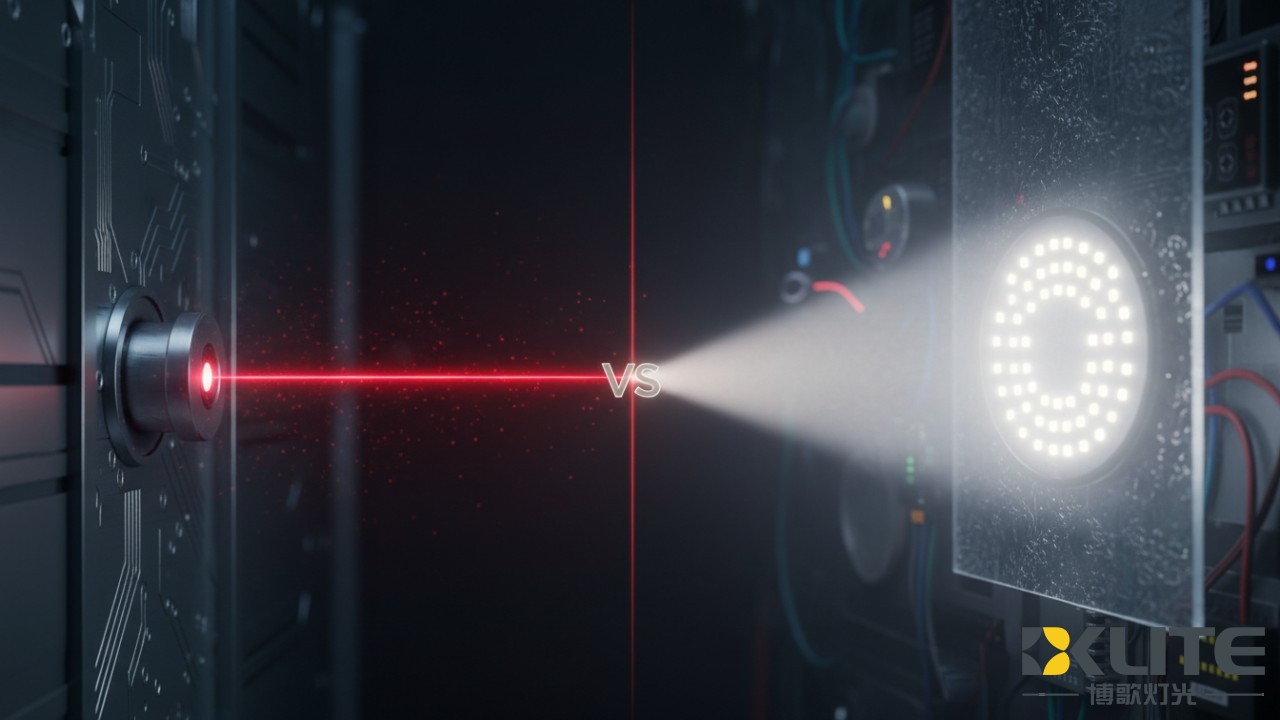
The fundamental difference lies in "coherence": Lasers emit organized, coherent waves, while LEDs emit chaotic, incoherent waves.
To understand why a laser can burn through paper while an LED barely warms your hand, you must look at the physics of light generation.
- LED (Light Emitting Diode): Produces incoherent light via spontaneous emission. The light waves are random, causing them to spread out quickly (high beam divergence). Think of this like a spray nozzle watering a garden—it covers a wide area but loses pressure over distance.
- Laser (Light Amplification by Stimulated Emission of Radiation): Produces coherent light via stimulated emission. The waves are identical in frequency and phase, travelling in a tight, focused column. According to MIT OpenCourseWare, this spatial coherence allows lasers to maintain high intensity over vast distances, unlike the diffuse nature of incoherent sources.
Efficiency Showdown: Power, Heat, and Lifespan
Lasers are more efficient at delivering high intensity to a specific point, but LEDs are more efficient at lighting up a room.
When comparing luminous efficacy (how well a source converts energy into visible light), the application dictates the winner.
- Energy Consumption: In high-beam automotive applications, lasers are 30% more efficient than LEDs because they do not require massive optics to focus the beam. The light goes exactly where it is needed.
- Heat Management: Solid-State Lighting (SSL) devices all generate heat. LEDs emit heat at the diode base, requiring aluminum heatsinks to prevent failure. Lasers also generate heat but project the majority of their energy forward away from the source.
- Lifespan: Both technologies are incredibly durable, often exceeding 20,000 hours. However, lasers tend to degrade slower in high-output scenarios compared to overdriven LEDs.
Safety Analysis: The Honest Truth About Eye and Skin Risks
Lasers pose a high risk of immediate retinal damage due to collimation, whereas LEDs are generally safe for brief exposure.
Safety is the most critical factor when choosing between these light sources. Because laser light is collimated (parallel rays), the lens of the human eye focuses it into a microscopic point on the retina, amplifying the intensity by up to 100,000 times.
- Eye Safety Classifications: Lasers are strictly regulated under standards like IEC 60825-1, ranging from Class 1 (safe) to Class 4 (hazardous). A Class 4 laser can cause permanent blindness instantly.
- LED Safety: LEDs are governed by photobiological safety standards like IEC 62471. While they are safer, high-power cool-white LEDs still carry a "Blue Light Hazard" risk that can damage the retina over long-term chronic exposure.
According to the International Electrotechnical Commission (IEC), understanding these distinct classifications is mandatory for manufacturers to ensure consumer safety, particularly in consumer electronics and toys.
Application Scenarios: Where Each Technology Wins
Use LEDs for floodlighting and general ambience; use Lasers for long-range projection and precision effects.
- Automotive:
- LEDs: Perfect for low beams, brake lights, and indicators due to wide peripheral visibility.
- Lasers: Superior for high beams, capable of illuminating up to 600 meters down the road without the bulk of traditional reflectors.
- Entertainment:
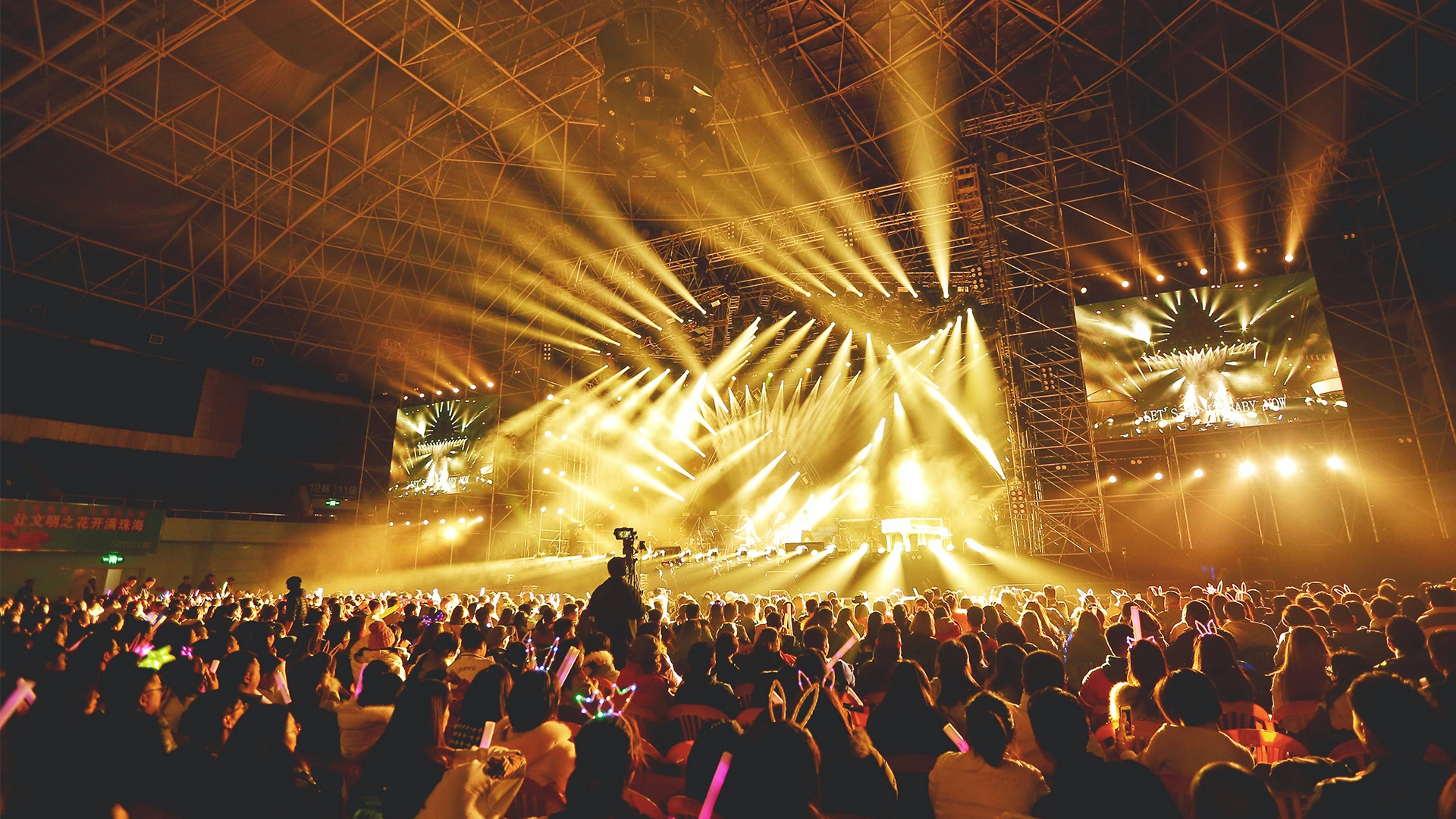
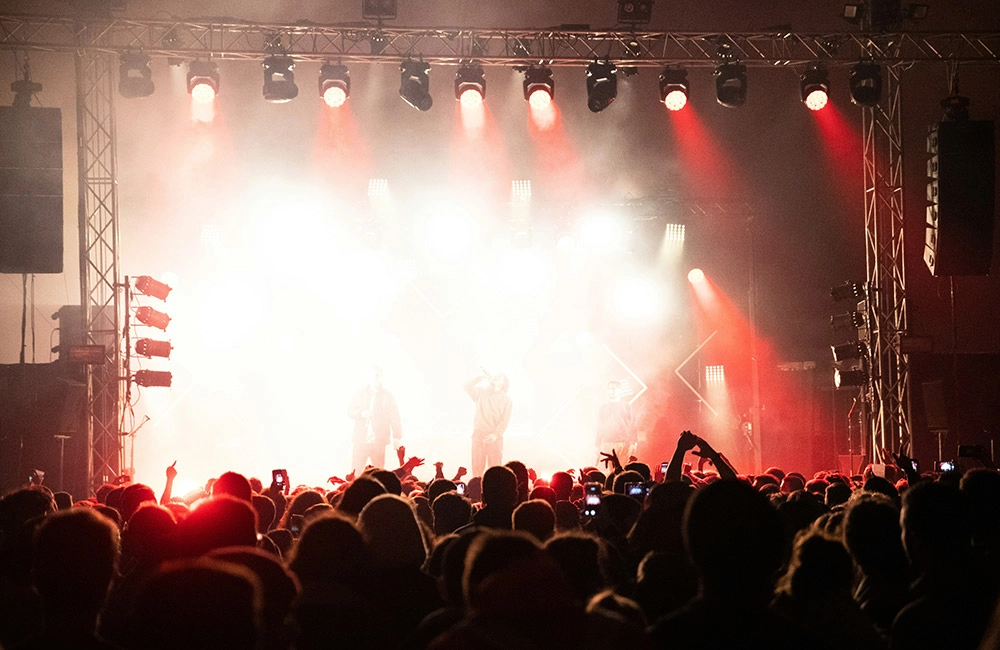
- LEDs: The industry standard for washing stages in color. Companies like Guangzhou BKlite Stage Lighting Equipment Co., Ltd use advanced LED arrays (like the Bee Eye Series) to create safe, immersive environments.
- Lasers: Used for aerial beam effects and holographic projections where sharp definition is required.
- Projection:
- LED Projectors: Compact, cool, and affordable for home cinemas.
- Laser Projectors: Cinema-grade brightness and color accuracy for massive venues.
Expert Tips: Common Misconceptions and Marketing Myths
Don't fall for the "Laser Headlight" hype—it is likely just a pumped phosphor LED hybrid.
- Myth 1: "Lasers are always brighter."
- Truth: In a standard light bulb form factor, an LED provides more lumens per dollar. Lasers are only "brighter" in terms of peak intensity (candela) at a specific spot.
- Myth 2: "LEDs produce no heat."
- Truth: High-power LEDs get extremely hot. Without proper thermal management (heatsinks), the lifespan drops drastically.
- Myth 3: "Laser headlights shoot lasers at the road."
- Truth: In automotive applications, the blue laser beam is fired into a yellow phosphorus lens. This converts the coherent blue light into safe, incoherent white light. You are never seeing the raw laser beam.
Industry-Leading Solution: Advanced Lighting Integration
At BKlite, we combine the best of both worlds to deliver professional stage lighting solutions that prioritize safety and performance.
With over 14 years of experience, Guangzhou BKlite Stage Lighting Equipment Co., Ltd understands the delicate balance between raw power and operational safety. Whether you need the broad wash of our LED Moving Heads or the sharp punch of a beam effect, our products are engineered with the latest photometric testing.
- Experience: Since 2011, we have been a top player in the stage lighting industry, refining our LED technology to offer IP65-rated durability for outdoor events.
- Innovation: We invest heavily in R&D to ensure our Bee Eye Series and LED Spot Moving Heads meet rigorous international safety standards while delivering stunning visual performance.
Conclusion
The choice between Coherent vs Incoherent Light ultimately depends on your specific needs: do you need the precision of a scalpel (Laser) or the coverage of a floodlight (LED)? For most general applications, LEDs offer the perfect balance of safety, efficiency, and cost. However, for specialized long-range or high-intensity tasks, laser technology is unbeatable.
Contact Guangzhou BKlite Stage Lighting Equipment Co., Ltd today via email at export3@bklite.com to discuss how our professional lighting solutions can elevate your next project.
Frequently Asked Questions
Is laser light always more efficient than LED?
Not always. For general area lighting, LEDs are often more efficient in terms of lumens per dollar. Lasers are more efficient in applications requiring high intensity over long distances, such as projection or automotive high beams.
Why are lasers considered more dangerous than LEDs?
Lasers emit coherent, collimated light that maintains intensity over distance and can focus to a tiny point on the retina. This high energy density can cause permanent eye damage in a fraction of a second.
What is the difference in lifespan between laser and LED?
Both are long-lasting Solid-State Lighting (SSL) technologies, typically offering 20,000 to 50,000 hours of operation. Lasers tend to maintain their brightness levels better over time compared to LEDs, which may dim gradually.
How does beam divergence differ between laser and LED?
Lasers have very low beam divergence, meaning the beam stays tight and straight over long distances. LEDs have high divergence, naturally spreading light out in a wide cone, making them ideal for area illumination.

IP66 672pcsx0.5w rgb 112pcsx3w cool white led strobe bar light with seethonic power plug, electric frost & clamps
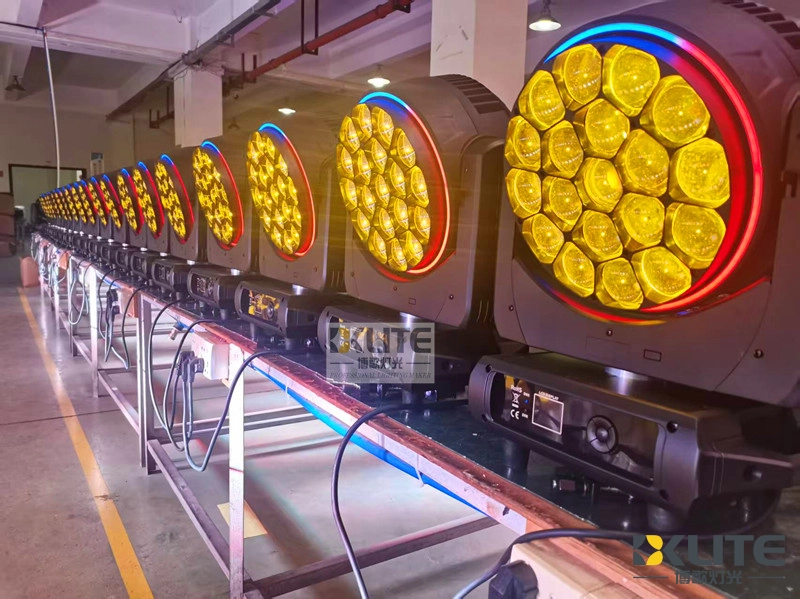
BKlite Zoom Bee Eye K15 19x40w rgbw 4in1 Led Beam Wash Moving Head Light with LED Ring
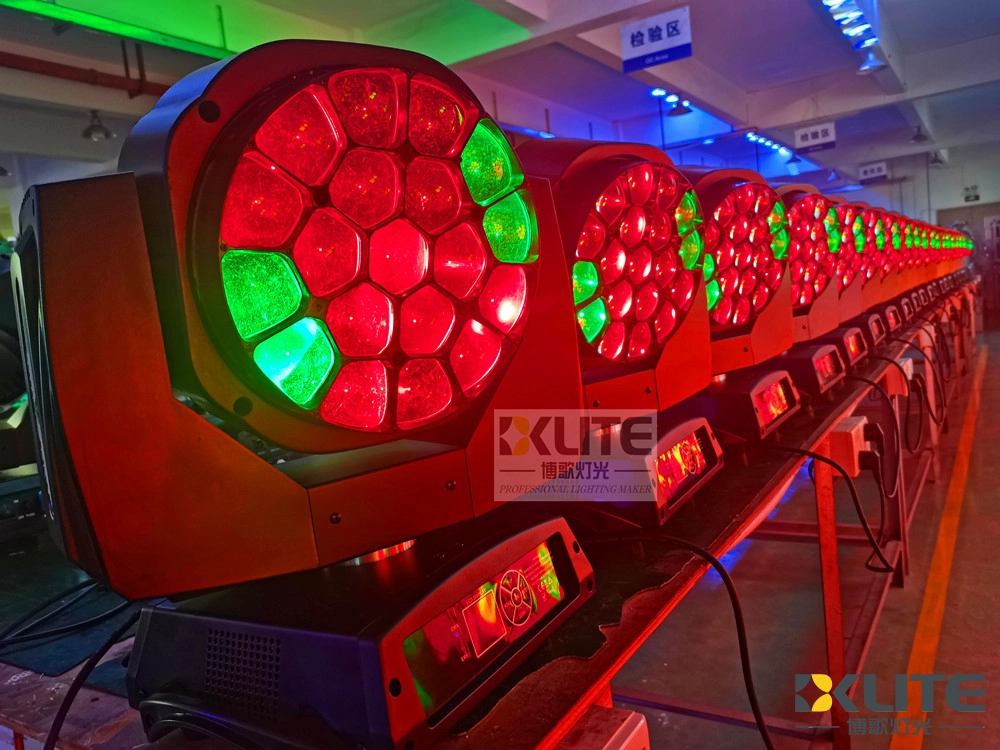
Bee eye k10 ZOOM 19x15w rgbw 4in1 led beam wash moving head light
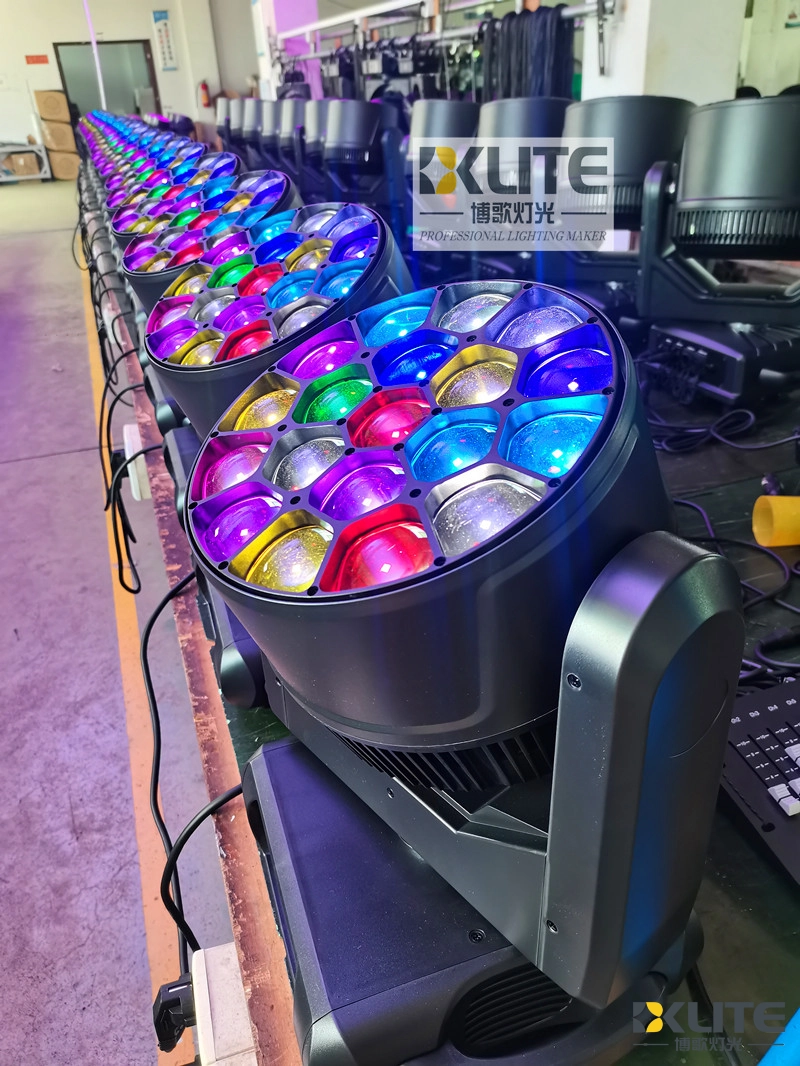
Bee Eye K10 LED Moving Head Light – 19×15W RGBW Zoom Fixture for Professional Stage Lighting
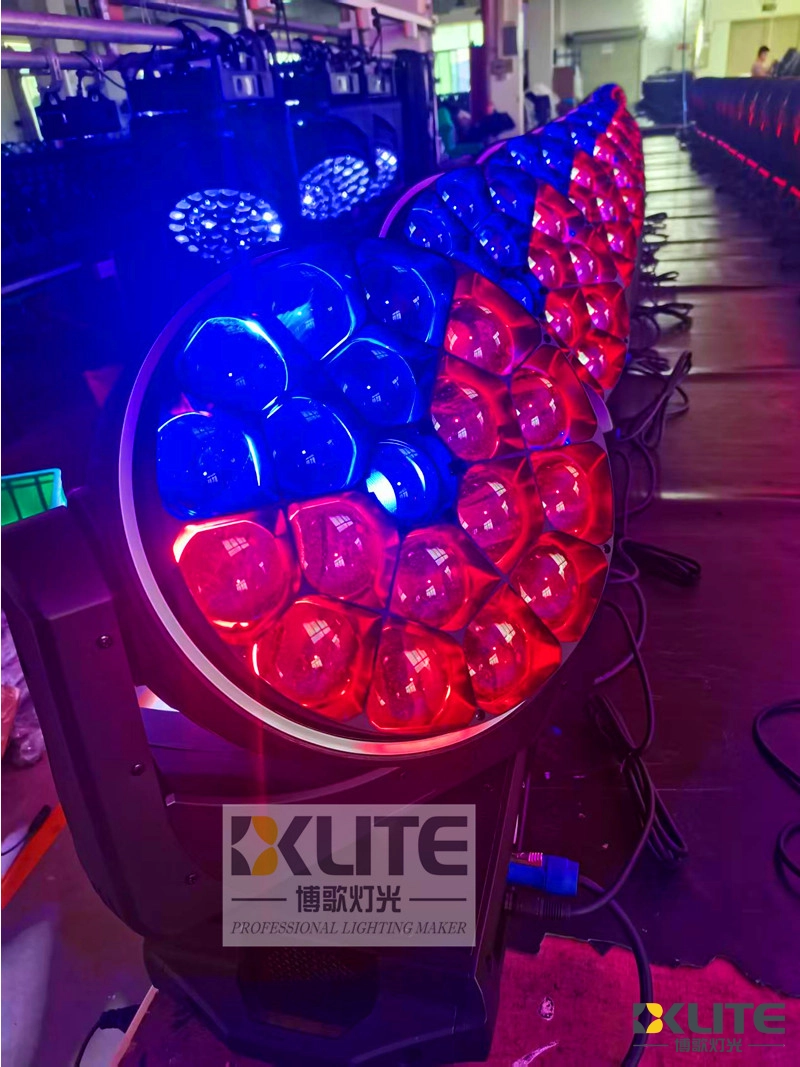
The All-in-One Solution for Modern Stage Lighting - IP20 Bee Eye 19×40W RGBW LED Moving Head Light
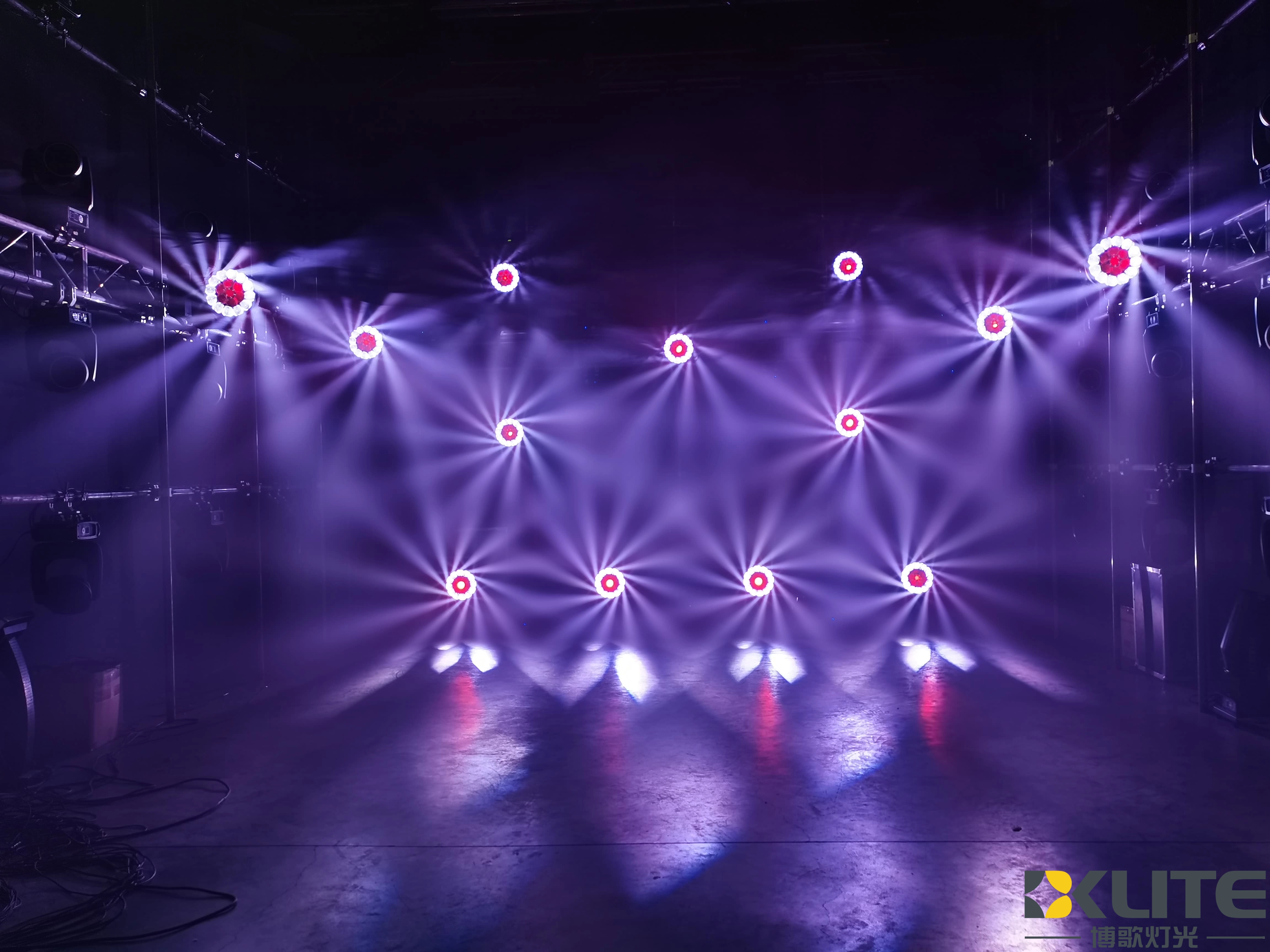
What Makes LED Lights So Special?
FAQs
Can you help me to print our logo or company name on the products on package?
Of course. Your logo can be printed on the products or package. OEM & ODM permits.
How can i order?
Please send us your purchase list by e-mail, WhatsApp, QQ, or making a call, and you can also ask us to send you a PI for your approval. We need to know the following information for your order.
What is your delivery time?
For stock products, we will deliver to you within 3 days.
What's the payment terms?
T/T, Western Union.
What's your certificates?
ROHS and CE certificates passed.
When will you ship the product after I send the money?
It depends the order.Small order will take 3-5 days.
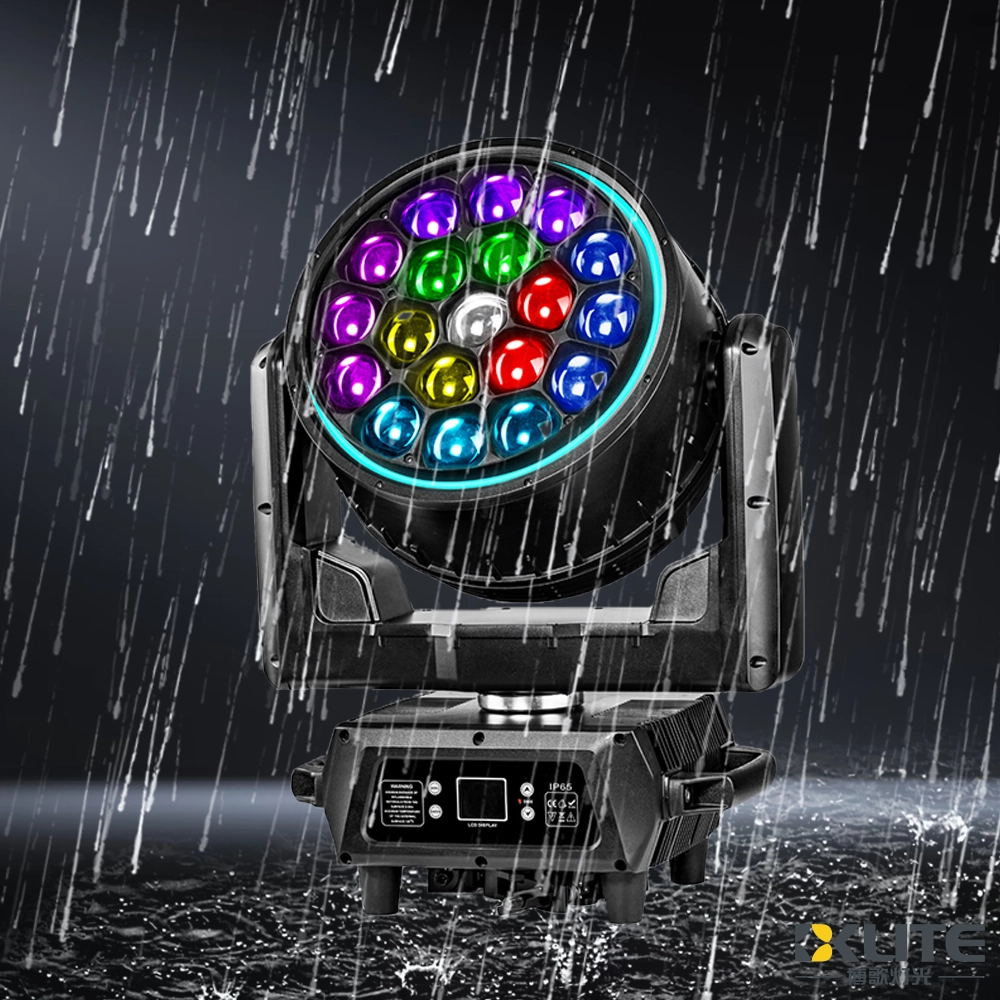
IP65 Waterproof Bee Eye Zoom 19x40W RGBW 4IN1 LED Beam Wash Moving Head Light with LED Ring
BKlite waterproof bee eye moving head light—your reliable choice from top waterproof moving head light manufacturers and suppliers. Ideal for outdoor stage, live event, music festival, this energy-saving fixture ensures powerful, precise illumination for any venue. It delivers powerful, reliable lighting performance in any weather.
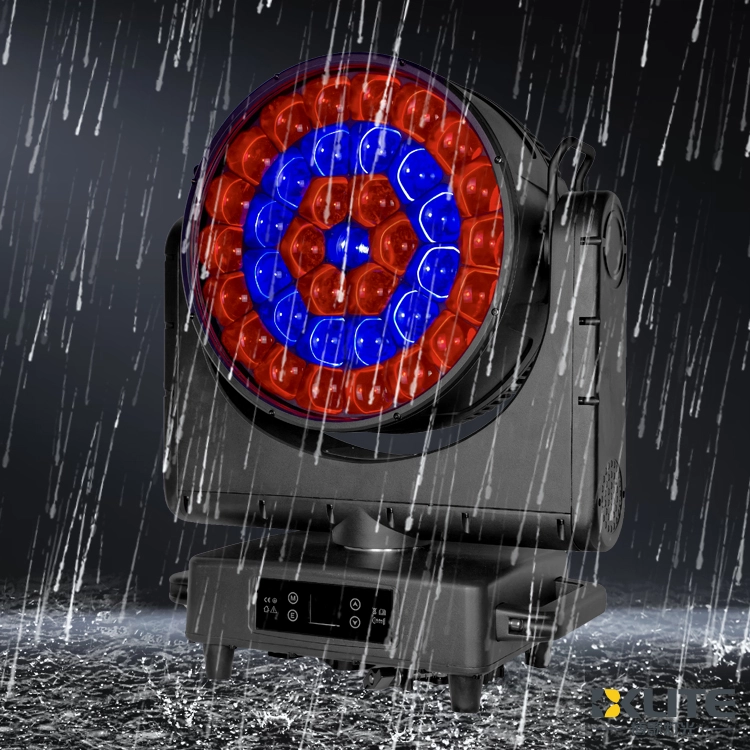
IP65 Waterproof ZOOM Bee Eye 37x40W RGBW 4in1 LED Moving Head Light
As a leading stage lighting equipment supplier with more than 15 years of industry know-how, BKlite brings you the IP65 ZOOM Bee Eye 37*40W RGBW 4in1 LED Moving Head Light (K25 Bee Eye) delivers vibrant, weatherproof lighting with powerful zoom and smooth movement. Ideal for dynamic stage effects, the K25 moving head light ensures stunning RGBW color mixing and reliable outdoor performance.
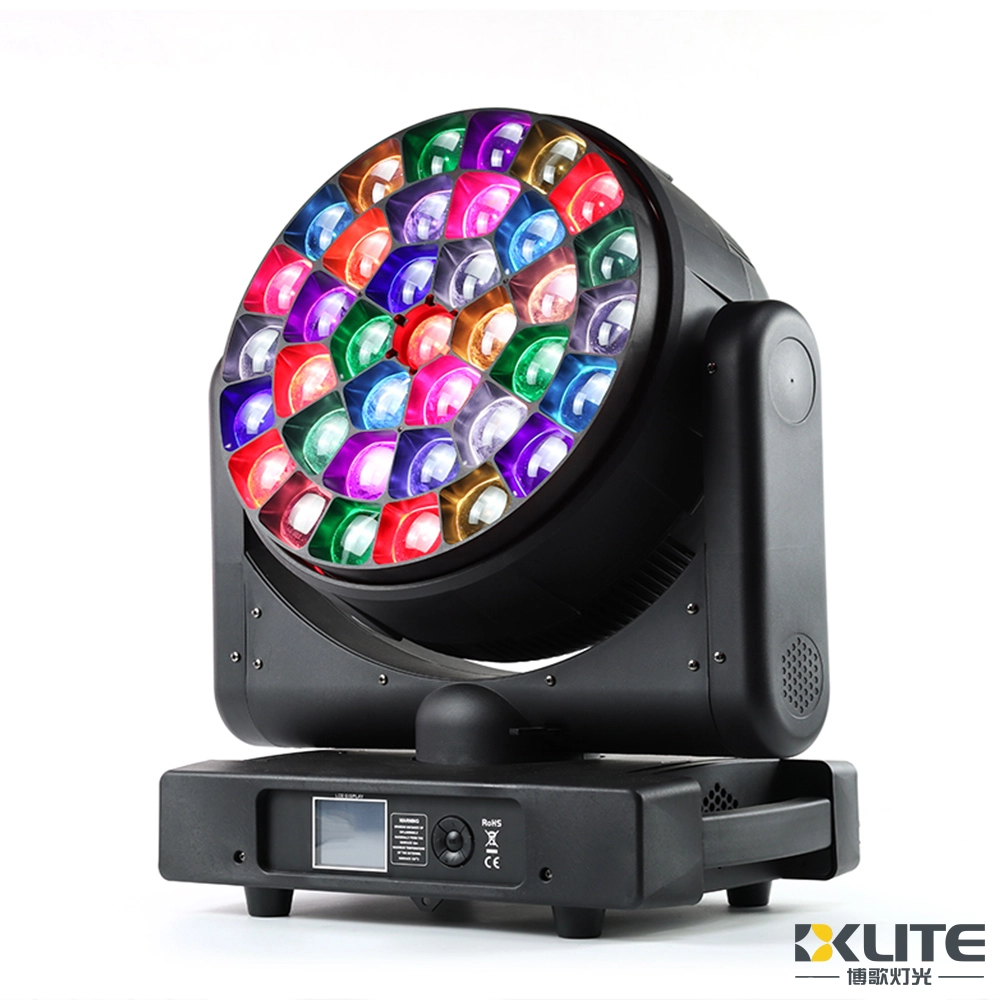
Bee Eye Zoom 37x40W RGBW 4in1 LED Beam Wash Moving Head Light
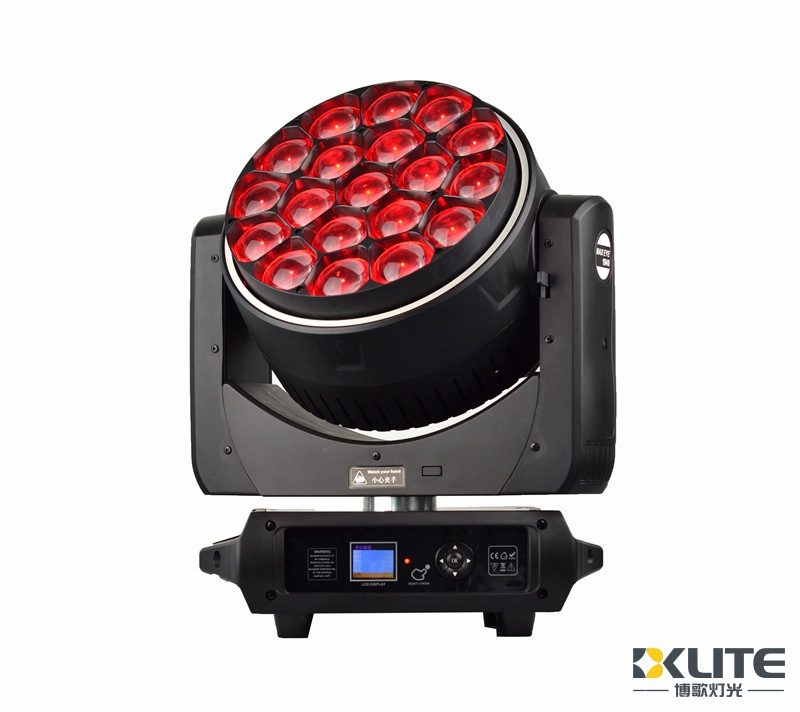
IP20 Bee Eye Zoom 19x40W RGBW 4IN1 LED Beam Wash Moving Head Light with LED Ring
As one of the leading stage lighting equipment suppliers with 15+ years of experience, BKlite launched a new Bee Eye K15 19x40 LED wash light BK-BY1940Z. .
Designed with a simple and sleek appearance, the WASH moving head light is compact, lightweight, and highly portable.
With multiple color effect macros and dynamic effect macros.
Our wash light can be used for versatile lighting options with amazing effect.
It is very good for your lighting projects.
Powerful and shoots very far distances.
Contact us
Let's discuss how we can work together to achieve your business goals. Contact us today to get started.
 Address
No. 30, North Hongmian Avenue, Huadu District, GuangZhou, China.


Copyright © 2025 BKLITE All Rights Reserved.