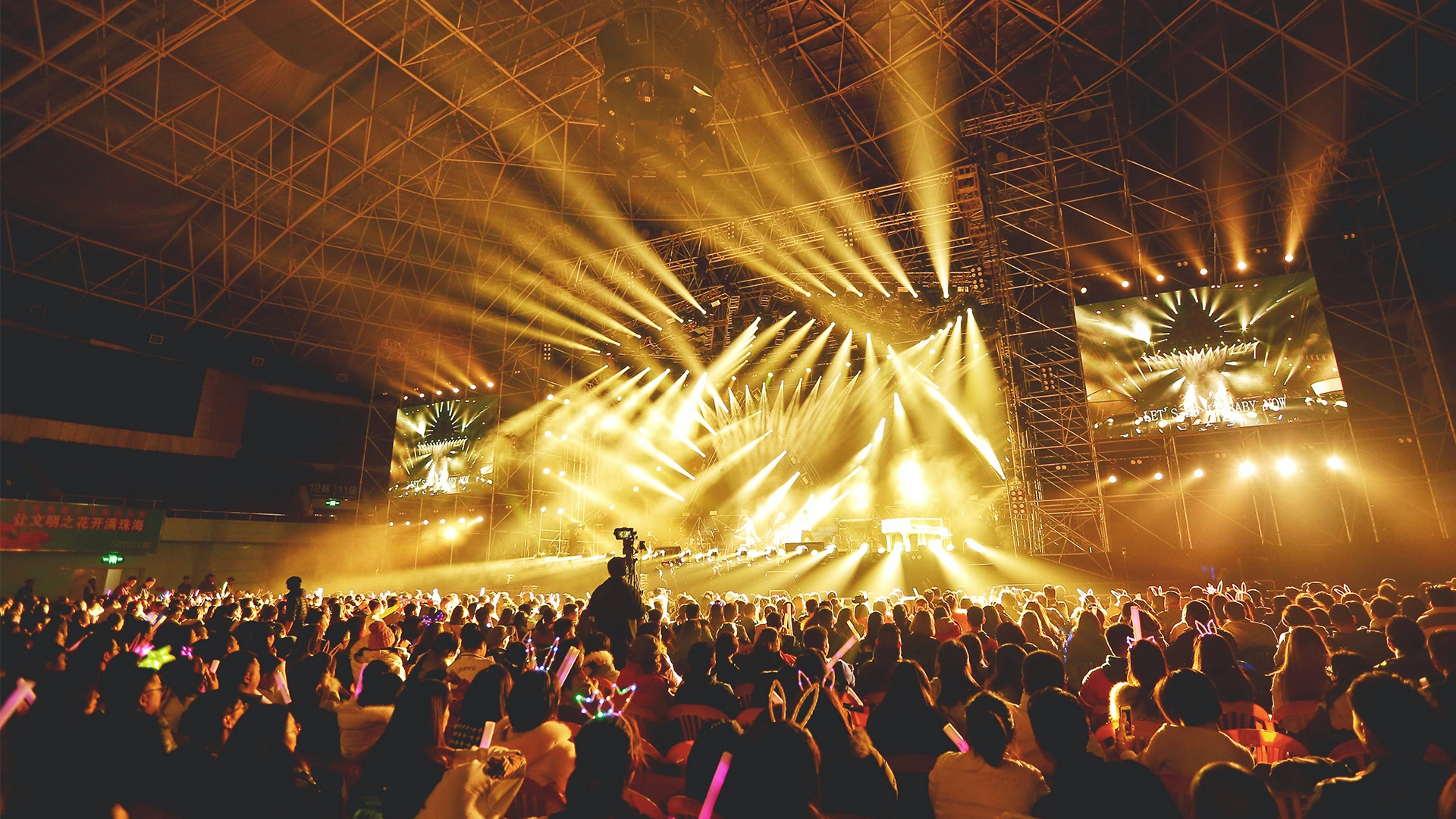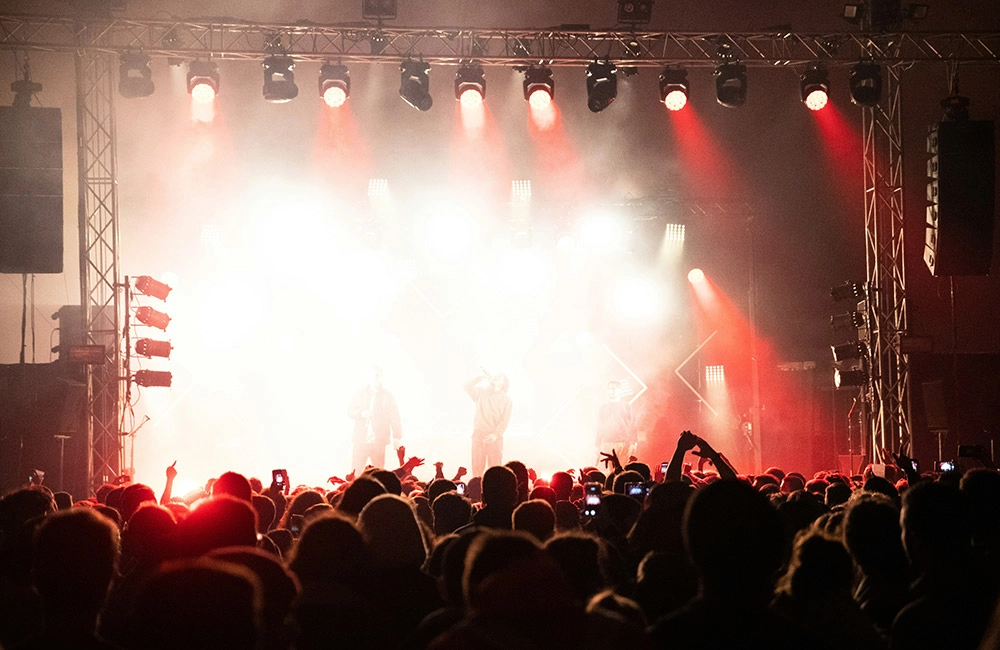





The Ultimate Guide to LED Stage Lighting for Events, Theaters, and Live Shows
- What is LED Stage Lighting and Why Does it Matter?
- Quick Summary & Key Takeaways
- The Core Types of Professional LED Stage Lights
- Fixture Comparison Table
- Key Considerations for Venue Lighting: Theaters, Events, and Live Shows
- Advanced Control Systems: Mastering DMX and Dimming Technology
- Common Mistakes & Expert Tips for Flawless Stage Lighting Design
- Conclusion
- FAQs About The Ultimate Guide to LED Stage Lighting
- What are the best LED lights for a small stage?
- How many stage lights do I need for a live band?
- What is the difference between a wash light and a spot light?
- How does DMX control work for stage lighting?
- Can I use indoor LED stage lights for outdoor events?
- What is an IP65 rating in stage lighting?
- Why are LED stage lights better than traditional halogen lights?
- How long do professional LED stage lights last?
Welcome to The Ultimate Guide to LED Stage Lighting, your comprehensive resource for illuminating events, theaters, and live shows. Whether you are a seasoned lighting designer orchestrating a massive arena tour or a local venue manager upgrading your in-house rig, understanding modern illumination technology is absolutely critical. In 2026, the entertainment industry demands much more than just raw brightness; it requires unparalleled energy efficiency, dynamic color mixing, and robust digital control systems. This guide will walk you through everything from the foundational basics of fixture selection to advanced DMX networking and future-facing industry trends. By the end of this comprehensive breakdown, you will have the expert knowledge required to design breathtaking visual experiences that captivate audiences and elevate any live performance.
What is LED Stage Lighting and Why Does it Matter?
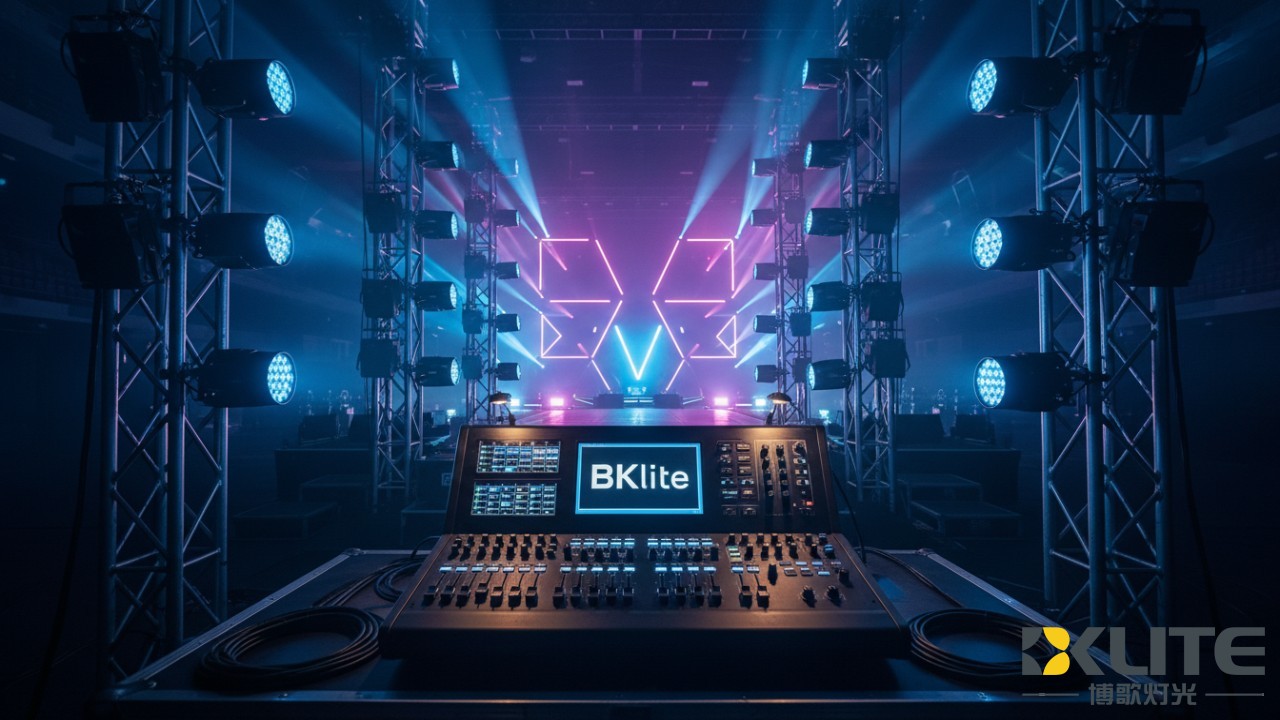
LED stage lighting refers to the use of highly efficient Light Emitting Diodes to illuminate performance spaces, theaters, and live events, offering superior energy efficiency, vibrant color mixing, lower heat output, and extensive DMX control capabilities compared to traditional halogen bulbs.
For decades, the entertainment industry relied heavily on conventional incandescent and halogen fixtures. While these legacy lights provided warmth, they were incredibly inefficient, turning the majority of their consumed power into unwanted heat rather than light. Today, the transition to solid-state LED technology is complete, establishing a new industry standard for professional illumination. According to the US Department of Energy, LED lighting is a highly energy-efficient technology that uses up to 90% less energy and lasts up to 25 times longer than traditional incandescent lighting.
Beyond pure efficiency, LED lighting plays a critical role in establishing the mood of a performance, directing the audience's focus, and ensuring absolute performer visibility. Because LED fixtures do not require physical gel filters to change colors, lighting designers can instantly shift the emotional tone of a scene using additive RGB (Red, Green, Blue) color mixing. This instantaneous control empowers creators to build immersive, dynamic environments that were previously impossible with conventional rigs.
Quick Summary & Key Takeaways
The key takeaways of modern stage illumination are that LED technology drastically reduces power consumption, requires matching specific fixtures to venue size, relies on DMX512 for synchronized control, and demands specialized IP65-rated units to withstand harsh outdoor environmental elements.
Before diving into the technical nuances of fixture selection and DMX programming, here is a quick overview of what every venue manager and lighting designer needs to know in 2026:
- Massive Energy Savings: LED technology drastically reduces power consumption while extending the average fixture lifespan up to 50,000 hours, virtually eliminating the need for mid-tour bulb replacements.
- Application-Specific Selection: Selecting the right fixture—whether it is a broad Wash, a focused Spot, or a piercing Beam—depends entirely on the venue's physical size and the event's desired emotional tone.
- Digital Synchronization: DMX512 remains the undisputed backbone of lighting control, allowing for intricate, frame-accurate synchronized light shows across massive arenas.
- Environmental Protection: Outdoor events require specialized, weather-resistant equipment. Utilizing IP65-rated fixtures ensures that your multi-thousand-dollar investment is protected against rain, dust, and unpredictable environmental elements.
The Core Types of Professional LED Stage Lights
Professional LED stage lights are categorized into specific functional types, primarily including LED PAR cans for general color washes, versatile LED moving heads for dynamic tracking, LED bar lights for linear backdrops, and high-CRI profile spotlights for crisp theatrical focus.
Building a balanced lighting rig requires an understanding of the different tools available. Each fixture type serves a distinct purpose in painting the stage with light.
- LED PAR Cans: The undeniable workhorse of stage lighting. Parabolic Aluminized Reflector (PAR) fixtures are ideal for casting broad color washes and providing general stage illumination. They are lightweight, cost-effective, and essential for base-level visibility.
- LED Moving Head Fixtures: These are the dynamic centerpieces of modern concerts. Versatile LED moving head fixtures are categorized into Spot (hard-edged beams with gobos), Wash (soft-edged color floods), and Beam (ultra-narrow, piercing shafts of light). They are essential for creating aerial effects and physically tracking performers across the stage.
- LED Bar Lights and Batten Fixtures: Perfect for up-lighting backdrops, cycloramas, and creating linear light curtains. These elongated fixtures provide smooth, even coverage across flat surfaces.
- LED Cob Lights and Profile Spotlights: Utilizing Chip-on-Board (COB) technology, these high-CRI fixtures are designed to produce crisp, focused beams. They are critical in theatrical settings where skin tones must look natural and precise framing shutters are required.
Fixture Comparison Table
To help you choose the right equipment, here is a breakdown of the core fixture types:
| Fixture Category | Best Application | Key Visual Feature |
|---|---|---|
| LED PAR Cans | General stage washes and base lighting | Broad, smooth, and even color mixing |
| LED Moving Heads | Concerts, festivals, and dynamic effects | Motorized pan/tilt tracking and aerial gobos |
| LED Bar Lights | Up-lighting walls and cycloramas | Seamless linear light curtains |
| Profile Spotlights | Theatrical framing and key lighting | High CRI, hard-edged beams, and shaping shutters |
Key Considerations for Venue Lighting: Theaters, Events, and Live Shows
Venue lighting considerations dictate that theaters require high Color Rendering Index capabilities and silent cooling, live concerts need high-output moving heads with rapid strobes, and outdoor festivals absolutely depend on IP65-rated waterproof fixtures to withstand rain, moisture, and dust.
No two venues are exactly alike. The equipment deployed for an intimate corporate keynote will fail spectacularly if used on a massive outdoor festival stage. Tailoring your approach to the specific environment is the hallmark of a professional designer.
- Theater Productions: In theatrical environments, the focus is heavily on the Color Rendering Index (CRI). A high CRI (typically 90+) ensures that costumes and human skin tones appear natural under the lights. Additionally, theaters demand silent cooling fans and incredibly smooth dimming curves to eliminate distracting flickering during dramatic fade-outs.
- Live Music and Concerts: Effective stage lighting design for live shows prioritizes pure energy and impact. This requires high-output LED moving heads, rapid strobe capabilities, and pixel-mappable fixtures that can pulse in time with the music. The goal is to create an immersive visual rhythm that matches the audio.
- Outdoor Events and Festivals: For outdoor productions, unpredictable weather is your biggest enemy. The absolute necessity of utilizing IP65 outdoor stage lights, like the industry-renowned IP65 Bee Eye Series, cannot be overstated. These fixtures are sealed against low-pressure water jets and total dust ingress, ensuring the show goes on regardless of a sudden downpour.
Advanced Control Systems: Mastering DMX and Dimming Technology
Advanced lighting control relies on DMX512 technology, a digital communication network that connects consoles to fixtures, allowing designers to manipulate intensity, color, and movement across multiple universes while requiring high-quality LED drivers for flawless, flicker-free dimming.
To orchestrate a complex light show, you need a robust communication protocol. As documented by Wikipedia, the DMX512 standard was originally created in 1986 by the United States Institute for Theatre Technology (USITT) and has since become the primary digital method for linking controllers to dimmers and intelligent lights.
Modern DMX lighting control systems operate using "universes." A single DMX universe consists of 512 individual channels of control data. Because advanced LED moving heads can require upwards of 30 channels per fixture (controlling parameters like pan, tilt, red, green, blue, zoom, and strobe), large shows often daisy-chain multiple universes together via network protocols like Art-Net or sACN.
Furthermore, achieving cinematic, flicker-free lighting requires high-quality LED drivers. The debate between Constant Current and Constant Voltage drivers is critical here; Constant Current drivers are generally preferred for high-powered stage LEDs because they provide a stable flow of power, preventing the micro-flickers that can ruin video recordings. Additionally, the industry is seeing a massive shift toward Wireless DMX integration, cutting the cord for faster setups in corporate events and mobile stages.
Common Mistakes & Expert Tips for Flawless Stage Lighting Design
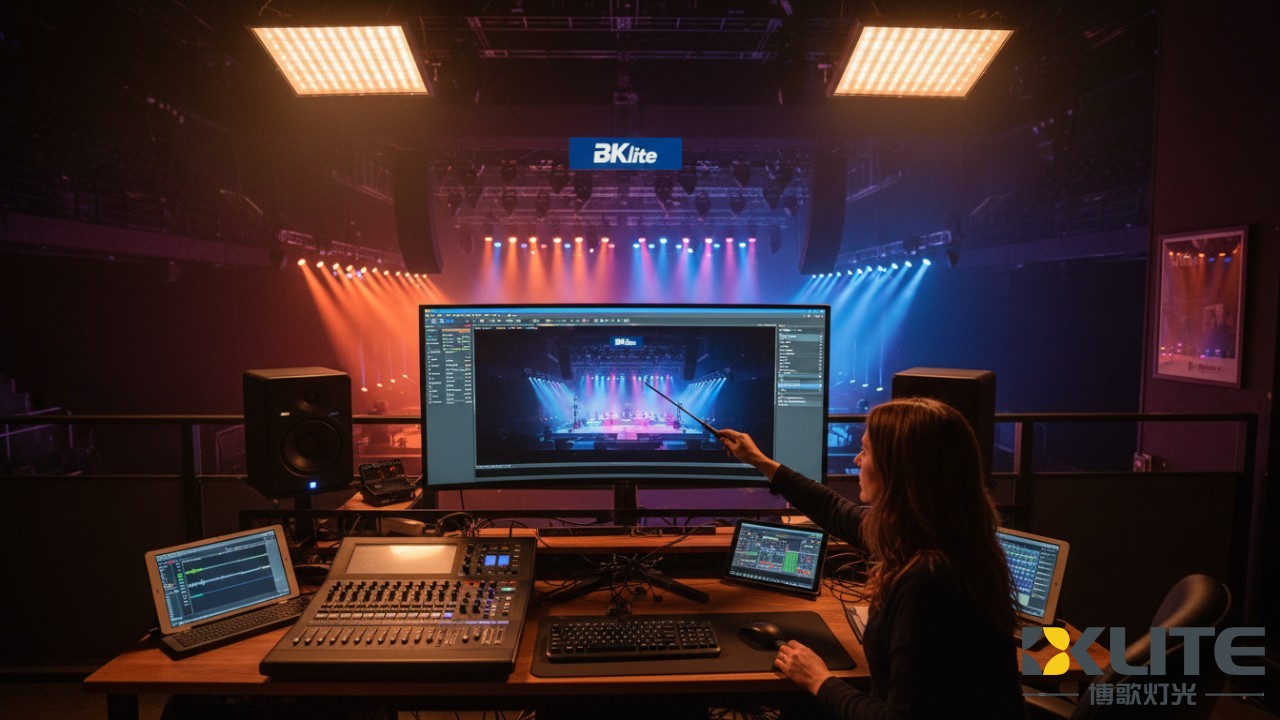
Flawless stage lighting design requires avoiding common mistakes like over-illuminating the stage or ignoring power draw limits, and instead utilizing expert techniques such as three-point lighting setups and contrasting color temperatures to create depth and separate performers from backgrounds.
Even with the best equipment in the world, poor execution can ruin a production. When configuring your LED stage lighting setup, keeping a few expert principles in mind will elevate your design from amateur to professional.
- Mistake: Over-illuminating the stage. Flooding the entire performance area with maximum brightness eliminates natural shadows, making the performers look flat and two-dimensional.
- Expert Tip: Use contrasting color temperatures (e.g., a warm amber from one side and a cool blue from the other) to create depth and 3D modeling of the performers' faces.
- Mistake: Ignoring power draw limits. While LEDs are incredibly energy-efficient, daisy-chaining too many fixtures on a single circuit is a recipe for disaster.
- Expert Tip: Always calculate your total amperage before the show. Distribute your high-draw moving heads across multiple discrete power circuits to avoid blown breakers mid-performance.
- Expert Tip: The 3-Point Setup. Utilize a classic 3-point lighting setup consisting of a Key Light (primary illumination), a Fill Light (to soften shadows), and a Back Light (to create a halo effect). This separates artists from the background and ensures perfect, camera-ready visuals for live streams.
Conclusion
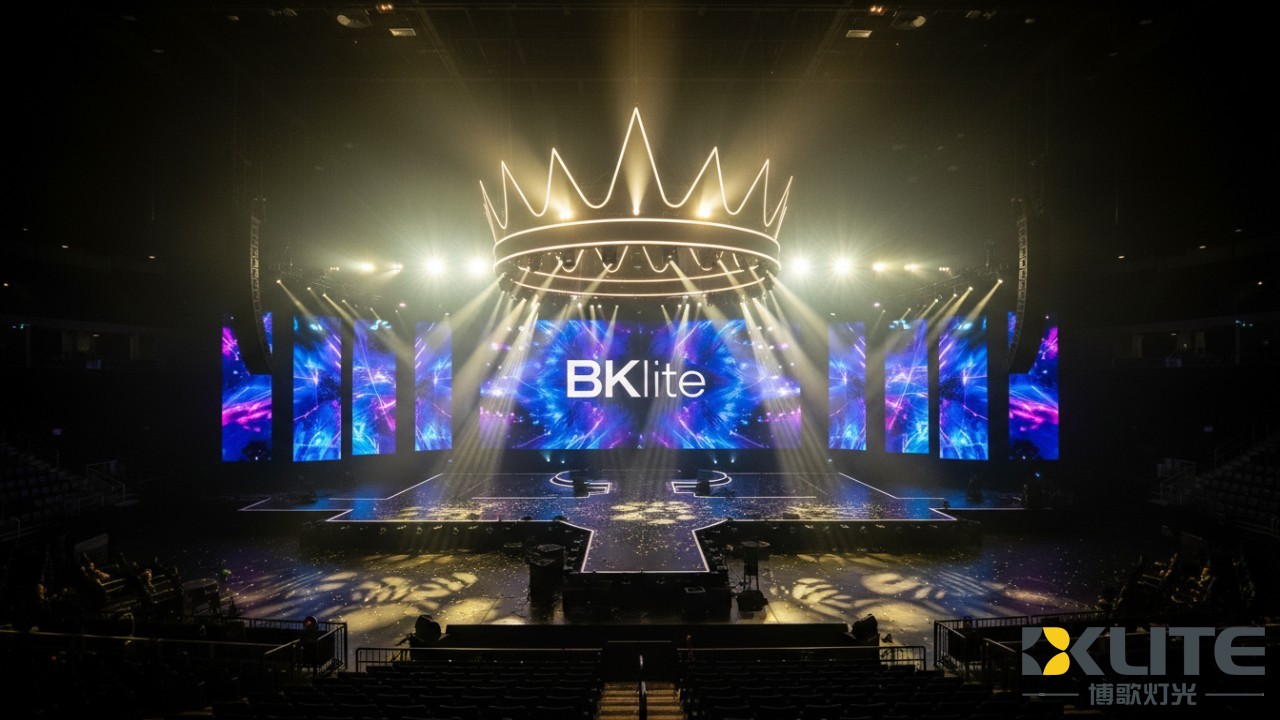
Mastering LED lighting transforms ordinary events into unforgettable visual experiences by perfectly matching the right fixture, control system, and IP rating to your venue's specific needs, ensuring reliable, dynamic, and breathtaking performances every single time.
From understanding the intricate differences between wash and spot fixtures to mastering the complexities of DMX512 universes, building a professional lighting rig is an art form backed by rigorous science. By investing in high-quality, application-specific equipment—such as robust IP65-rated units for outdoor festivals or high-CRI profile spots for theatrical intimacy—you guarantee that your production will captivate audiences and operate flawlessly under pressure.
Contact Guangzhou BKlite Stage Lighting Equipment Co., Ltd. today at export3@bklite.com or visit www.bklite.com to elevate your next production.
FAQs About The Ultimate Guide to LED Stage Lighting
What are the best LED lights for a small stage?
For small stages, compact LED PAR lights and LED Wash Moving Heads are ideal. They provide broad coverage without taking up too much physical space or power.
How many stage lights do I need for a live band?
A standard basic setup requires at least 4 to 8 front wash lights for visibility. Adding 4 to 6 backlights (like moving heads or LED bars) will provide dynamic effects and separate the band from the backdrop.
What is the difference between a wash light and a spot light?
A wash light produces a wide, soft-edged beam to bathe a large area in color. Conversely, a spot light produces a narrow, hard-edged beam used to highlight a specific performer or object.
How does DMX control work for stage lighting?
DMX (Digital Multiplex) is a digital communication network used to control stage lighting. It sends data signals from a lighting console to fixtures, dictating parameters like intensity, color, pan, and tilt.
Can I use indoor LED stage lights for outdoor events?
Using indoor lights outdoors is risky as they are not protected against moisture and dust. You should always use specifically rated outdoor fixtures for exterior events.
What is an IP65 rating in stage lighting?
An IP65 rating indicates that the light fixture is completely dust-tight. It also means the fixture is protected against low-pressure water jets from any direction, making it safe for rain exposure.
Why are LED stage lights better than traditional halogen lights?
LED lights consume significantly less electricity and generate far less heat. They also allow for instant RGB color mixing without the need for physical gel filters.
How long do professional LED stage lights last?
High-quality professional LED stage lights typically have a lifespan of 50,000 to 100,000 hours. This drastically reduces maintenance and replacement costs over the life of the fixture.

IP66 672pcsx0.5w rgb 112pcsx3w cool white led strobe bar light with seethonic power plug, electric frost & clamps
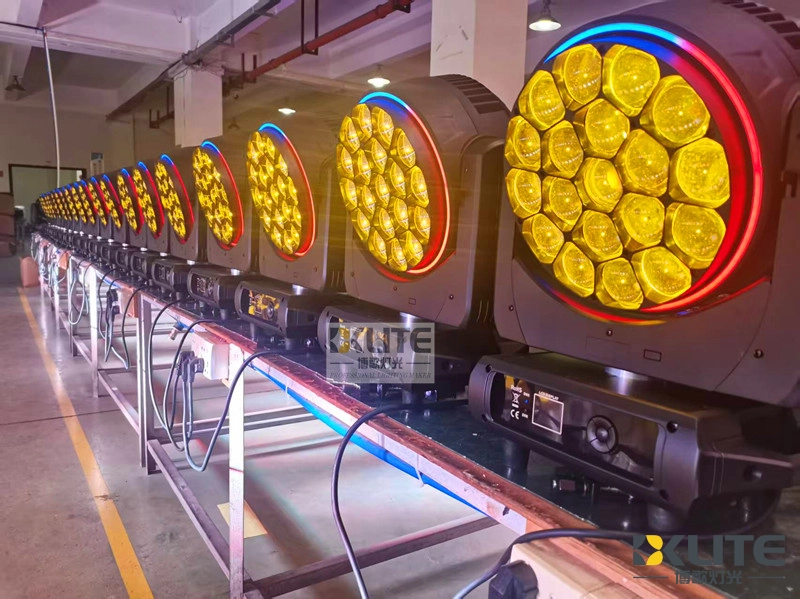
BKlite Zoom Bee Eye K15 19x40w rgbw 4in1 Led Beam Wash Moving Head Light with LED Ring
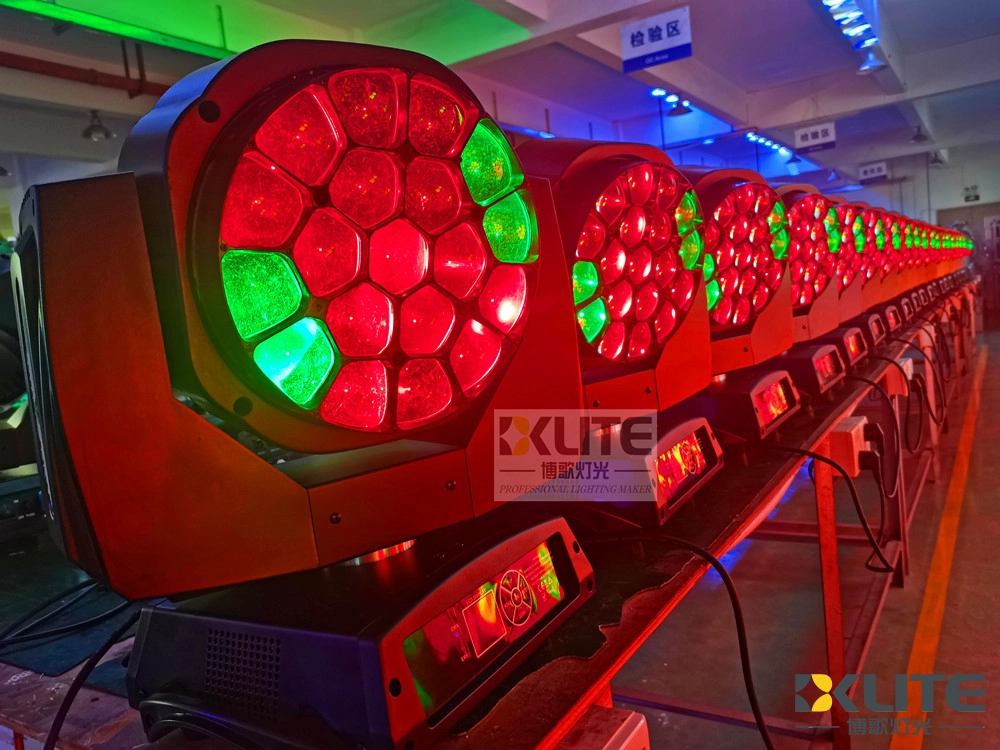
Bee eye k10 ZOOM 19x15w rgbw 4in1 led beam wash moving head light
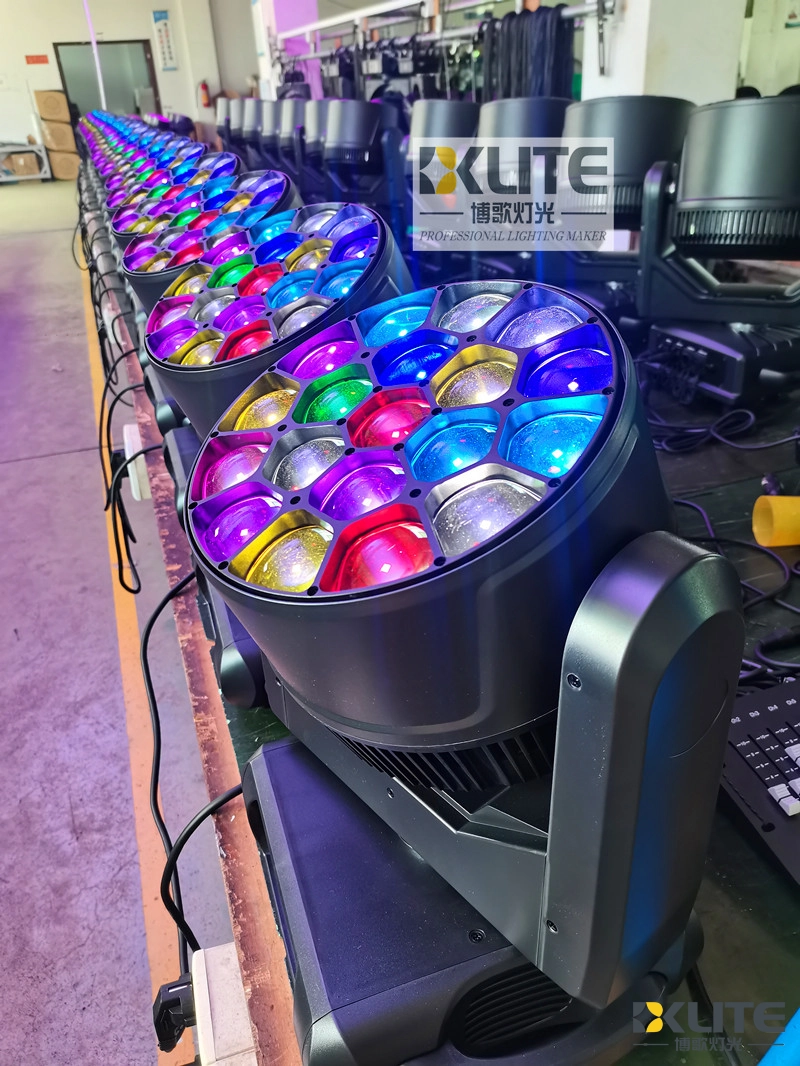
Bee Eye K10 LED Moving Head Light – 19×15W RGBW Zoom Fixture for Professional Stage Lighting
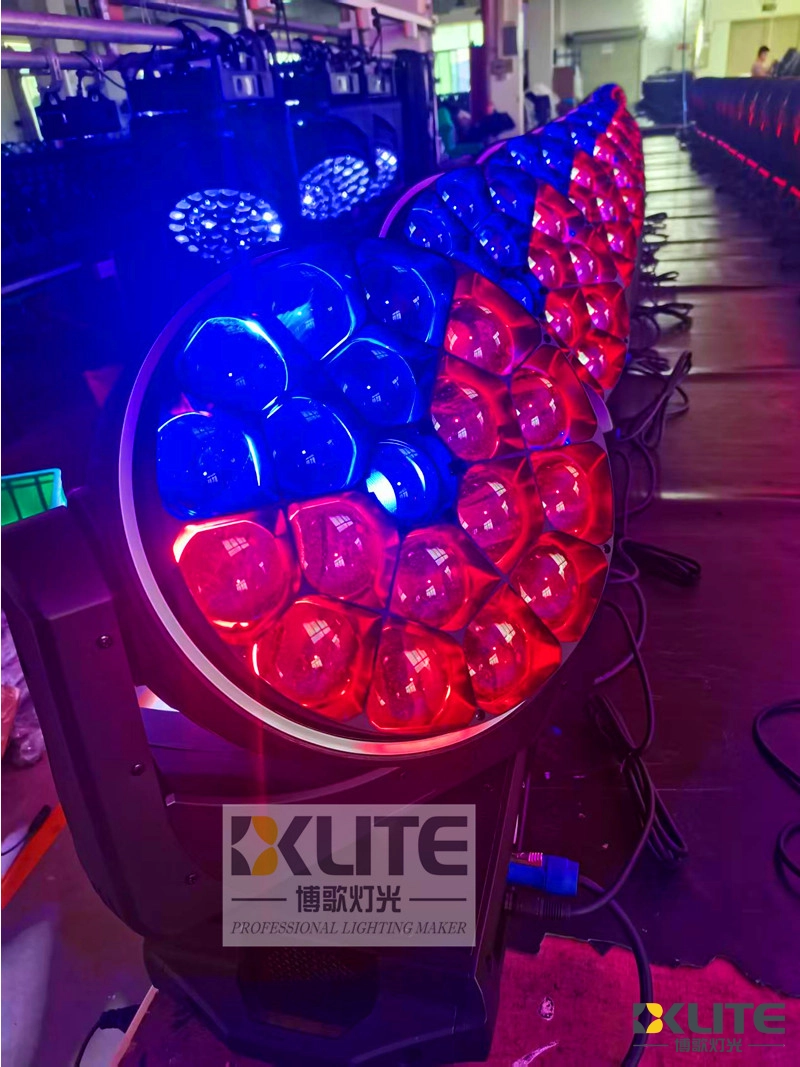
The All-in-One Solution for Modern Stage Lighting - IP20 Bee Eye 19×40W RGBW LED Moving Head Light
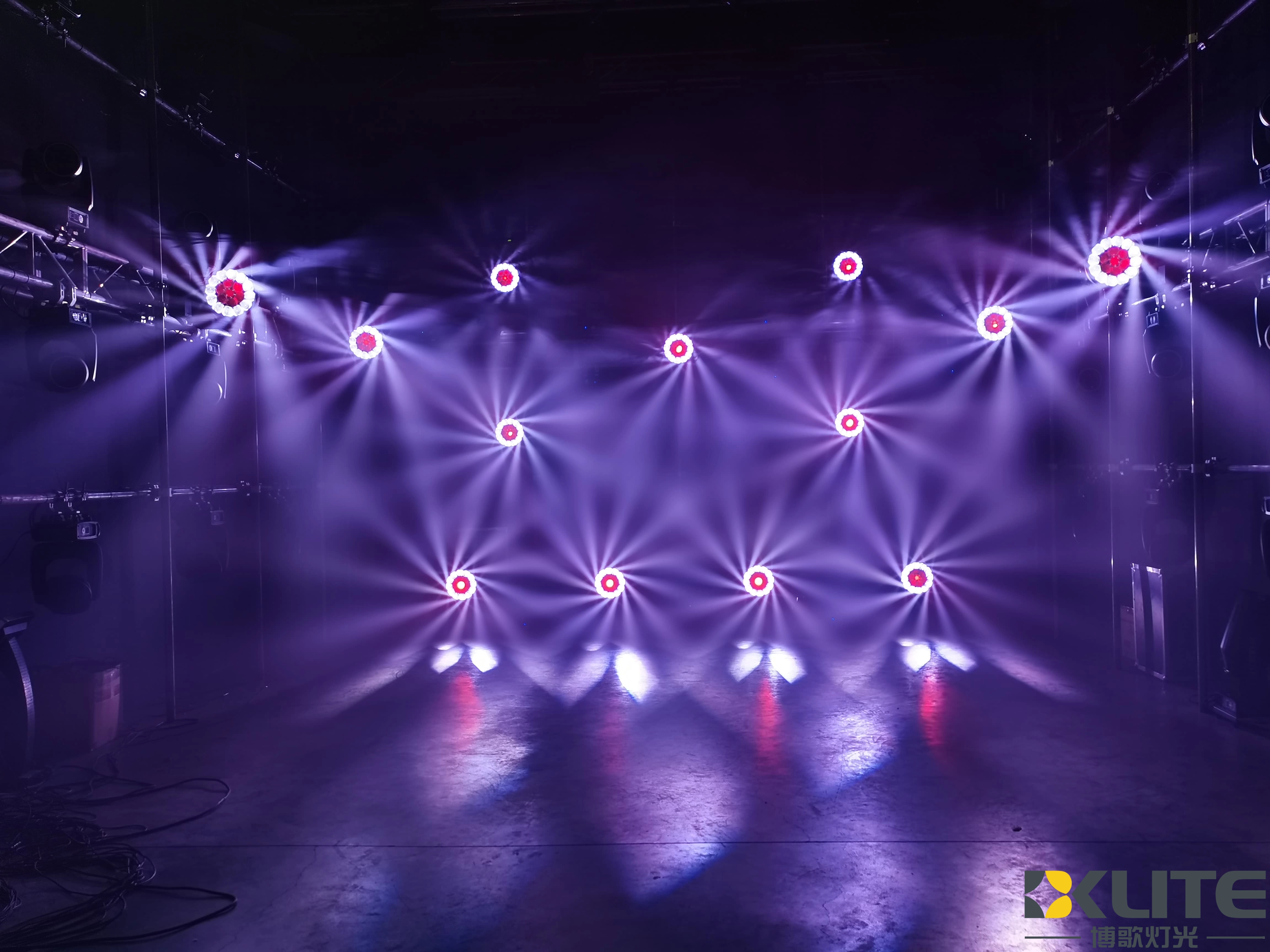
What Makes LED Lights So Special?
FAQs
What is your delivery time?
For stock products, we will deliver to you within 3 days.
What's the shipping way, shipping time?
The ways of shipping—you can choose which is suitable for you. (1). By Sea, 30-60 days; apply for bulk quantity.
(2). By Air, 5-7 days; apply for bulk quantity.
(3). By Express, 3-5 days; apply for small quantity and urgent order.
What's the payment terms?
T/T, Western Union.
How can i order?
Please send us your purchase list by e-mail, WhatsApp, QQ, or making a call, and you can also ask us to send you a PI for your approval. We need to know the following information for your order.
What service can you supply?
We can apply for the OEM/ODM service.
What kind of package do you have?
We can pack the lights in a carton case and a flight case.
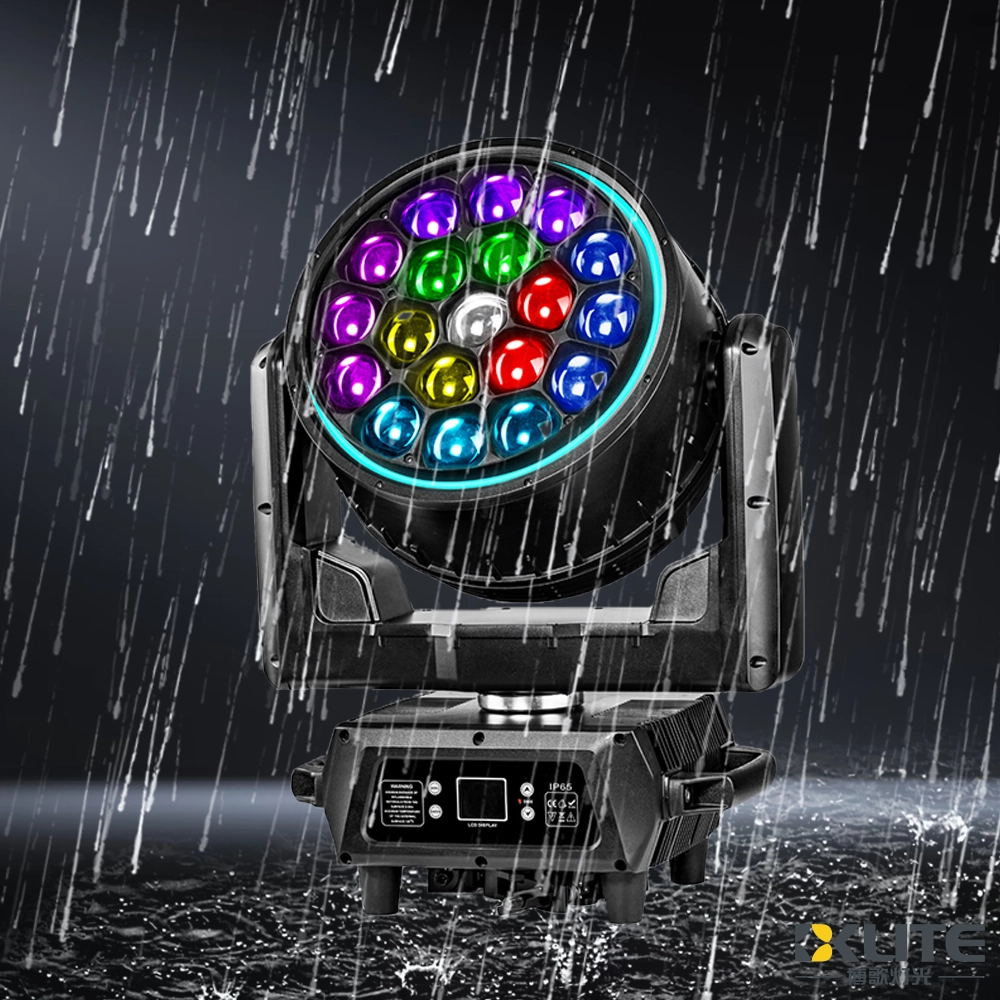
IP65 Waterproof Bee Eye Zoom 19x40W RGBW 4IN1 LED Beam Wash Moving Head Light with LED Ring
BKlite waterproof bee eye moving head light—your reliable choice from top waterproof moving head light manufacturers and suppliers. Ideal for outdoor stage, live event, music festival, this energy-saving fixture ensures powerful, precise illumination for any venue. It delivers powerful, reliable lighting performance in any weather.
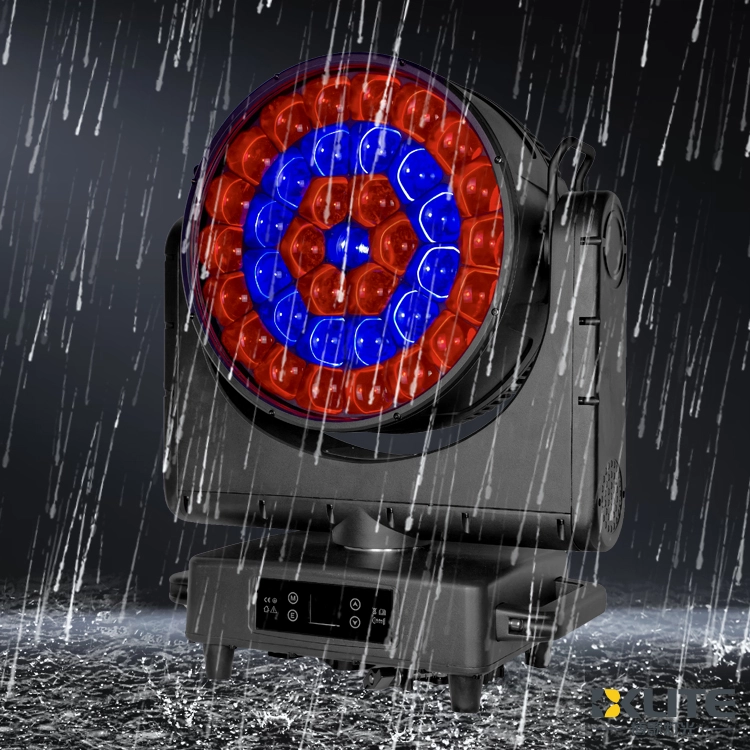
IP65 Waterproof ZOOM Bee Eye 37x40W RGBW 4in1 LED Moving Head Light
As a leading stage lighting equipment supplier with more than 15 years of industry know-how, BKlite brings you the IP65 ZOOM Bee Eye 37*40W RGBW 4in1 LED Moving Head Light (K25 Bee Eye) delivers vibrant, weatherproof lighting with powerful zoom and smooth movement. Ideal for dynamic stage effects, the K25 moving head light ensures stunning RGBW color mixing and reliable outdoor performance.
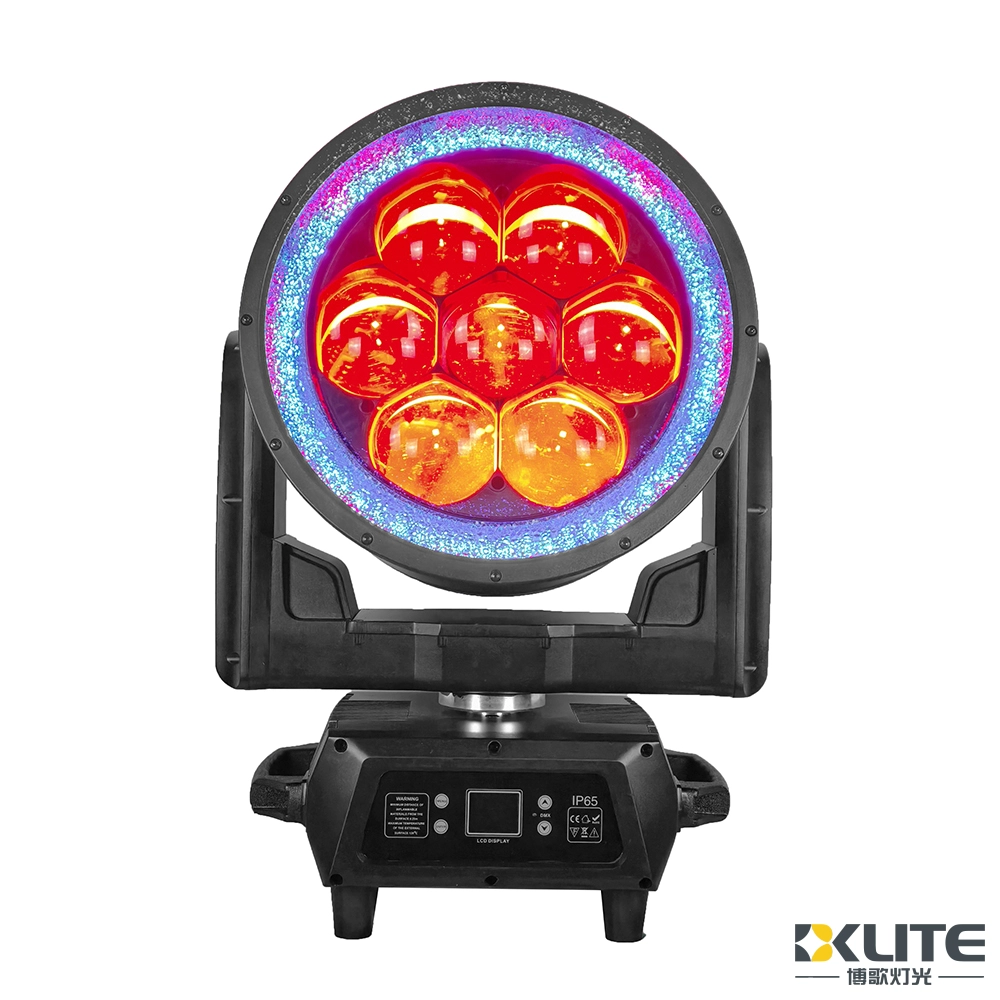
IP65 Waterproof Bee Eye 7x180W RGBL 4IN1 LED Moving Head Light With LED Ring
BKlite high power 7x180W waterproof bee eye moving head light—your reliable choice from top waterproof moving head light manufacturers and suppliers. Ideal for outdoor stage, live event, music festival, this energy-saving fixture ensures powerful, precise illumination for any venue. It delivers powerful, reliable lighting performance in any weather.
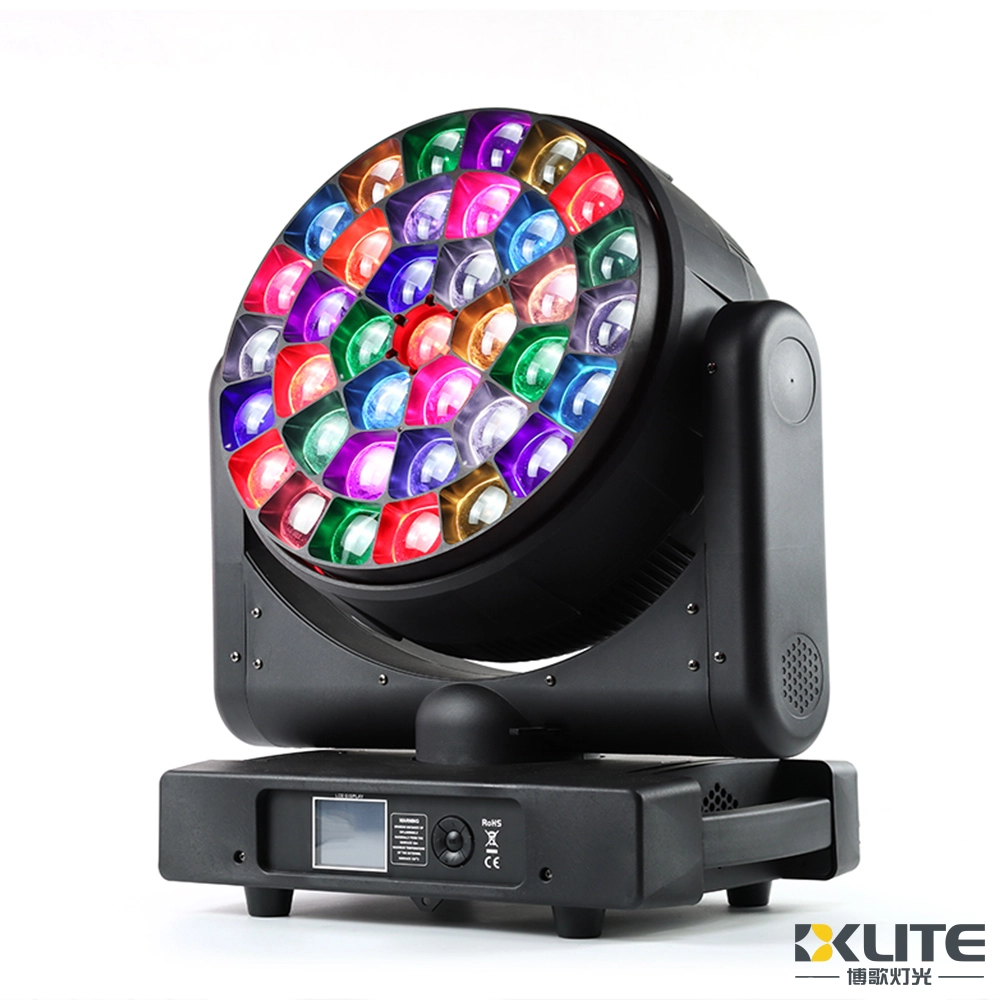
Bee Eye Zoom 37x40W RGBW 4in1 LED Beam Wash Moving Head Light
Contact us
Let's discuss how we can work together to achieve your business goals. Contact us today to get started.
 Address
No. 30, North Hongmian Avenue, Huadu District, GuangZhou, China.


Copyright © 2025 BKLITE All Rights Reserved.