




How to evaluate color quality (CRI) in LED stage lighting?
- 1. What are the key factors to consider when selecting professional LED stage lighting?
- 2. How does the Color Rendering Index (CRI) affect the quality of LED stage lighting?
- 3. What are the limitations of relying solely on CRI when evaluating LED stage lighting?
- 4. How can I ensure consistent color rendering across multiple LED stage lighting fixtures?
- 5. What are the advantages of using LED stage lighting over traditional lighting sources?
- 6. How do I evaluate the spectral power distribution (SPD) of an LED stage lighting fixture?
1. What are the key factors to consider when selecting professional LED stage lighting?
When choosing professional LED stage lighting, it's crucial to evaluate several factors to ensure optimal performance:
Color Rendering Index (CRI): A high CRI, ideally above 90, ensures accurate color representation, which is vital for stage performances where color fidelity is essential.
Brightness and Lumen Output: Adequate brightness levels are necessary to illuminate the stage effectively. Ensure the LED fixtures provide sufficient lumens for your specific venue size.
Beam Angle: The beam angle determines the spread of light. A wider angle is suitable for general illumination, while a narrower angle is ideal for highlighting specific areas or creating focused effects.
Color Temperature: Choose a color temperature that complements the stage's ambiance. Warmer temperatures (e.g., 3200K) create a cozy atmosphere, while cooler temperatures (e.g., 5600K) offer a more neutral or daylight-like effect.
Dimming Capabilities: Smooth dimming is essential for adjusting light intensity to match the performance's mood and requirements.
Energy Efficiency: LEDs are known for their energy efficiency, but it's important to select fixtures that balance energy savings with performance needs.
Durability and Build Quality: Ensure the fixtures are built to withstand the rigors of stage use, including potential exposure to heat, humidity, and physical handling.
Control Compatibility: Verify that the LED lights are compatible with your existing control systems, such as DMX512, to facilitate seamless integration into your lighting setup.
2. How does the Color Rendering Index (CRI) affect the quality of LED stage lighting?
The Color Rendering Index (CRI) measures a light source's ability to reveal the colors of various objects faithfully in comparison to a natural light source. A higher CRI indicates better color accuracy. For stage lighting, a CRI of 90 or above is recommended to ensure that costumes, set pieces, and performers' appearances are accurately represented under the lights.
However, CRI has limitations:
Limited Color Samples: Traditional CRI evaluates only eight pastel colors, which may not fully represent the spectrum of colors used in stage productions.
Saturated Colors: CRI may not accurately assess the rendering of saturated colors, such as deep reds, which are crucial for skin tones and certain stage elements.
To address these limitations, consider the following:
R9 Value: This metric specifically measures the rendering of deep red colors. For accurate skin tones and vibrant reds, an R9 value of 50 or higher is desirable.
TM-30 Metrics: The TM-30 standard provides additional metrics, including Rf (fidelity) and Rg (gamut), offering a more comprehensive assessment of color rendering. An Rf value of 90 or above and an Rg value close to 100 indicate high-quality color reproduction.
3. What are the limitations of relying solely on CRI when evaluating LED stage lighting?
While CRI is a valuable tool, it has several limitations:
Limited Color Range: CRI evaluates only eight pastel colors, which may not fully represent the spectrum of colors used in stage productions.
Saturated Colors: CRI may not accurately assess the rendering of saturated colors, such as deep reds, which are crucial for skin tones and certain stage elements.
Color Temperature Variations: CRI values can vary with different color temperatures, potentially leading to inconsistencies in color rendering across various lighting setups.
To overcome these limitations:
Consider R9 and TM-30 Metrics: As previously discussed, evaluating the R9 value and TM-30 metrics provides a more comprehensive understanding of color rendering capabilities.
Assess Spectral Power Distribution (SPD): Reviewing the SPD graph of an LED fixture can reveal specific wavelengths where the light source may be deficient or overly intense, affecting color accuracy.
Conduct Visual Assessments: Whenever possible, observe the lighting in the actual performance environment to ensure it meets your visual expectations.
4. How can I ensure consistent color rendering across multiple LED stage lighting fixtures?
Achieving consistent color rendering across multiple fixtures is essential for a cohesive stage appearance:
Standardize Fixture Selection: Use the same model or series of LED fixtures to ensure uniform color rendering characteristics.
Check R9 and TM-30 Values: Ensure that all fixtures have similar R9 and TM-30 metrics to maintain color consistency.
Calibrate Fixtures: Utilize control systems to calibrate and match the output of each fixture, adjusting for any variations in color rendering.
Regular Maintenance: Perform routine checks and maintenance to ensure that all fixtures are operating optimally and consistently.
5. What are the advantages of using LED stage lighting over traditional lighting sources?
LED stage lighting offers several advantages over traditional lighting sources:
Energy Efficiency: LEDs consume less power, reducing energy costs and environmental impact.
Longevity: LEDs have a longer lifespan, decreasing the frequency and cost of replacements.
Color Versatility: LEDs can produce a wide range of colors and are easily adjustable, allowing for dynamic lighting effects.
Low Heat Emission: LEDs emit less heat, reducing the need for extensive cooling systems and enhancing performer comfort.
Compact Design: LED fixtures are often more compact and lightweight, facilitating easier installation and handling.
6. How do I evaluate the spectral power distribution (SPD) of an LED stage lighting fixture?
Evaluating the SPD of an LED fixture involves:
Reviewing Manufacturer Specifications: Obtain the SPD graph from the manufacturer's datasheet to understand the light source's spectral output.
Identifying Peaks and Gaps: Analyze the graph to identify specific wavelengths where the fixture has peaks (intense emission) or gaps (lack of emission), which can affect color rendering.
Comparing to Reference Standards: Compare the fixture's SPD to standard illuminants (e.g., D65 for daylight) to assess how closely it matches natural light.
Conducting Visual Tests: If possible, observe the lighting in the intended environment to assess color rendering and overall quality.
By thoroughly evaluating these aspects, you can make informed decisions when selecting professional LED stage lighting that meets your performance requirements.
For personalized recommendations and a quote tailored to your needs, please contact us at export3@bklite.com or visit our website at www.bklite.com.

IP66 672pcsx0.5w rgb 112pcsx3w cool white led strobe bar light with seethonic power plug, electric frost & clamps
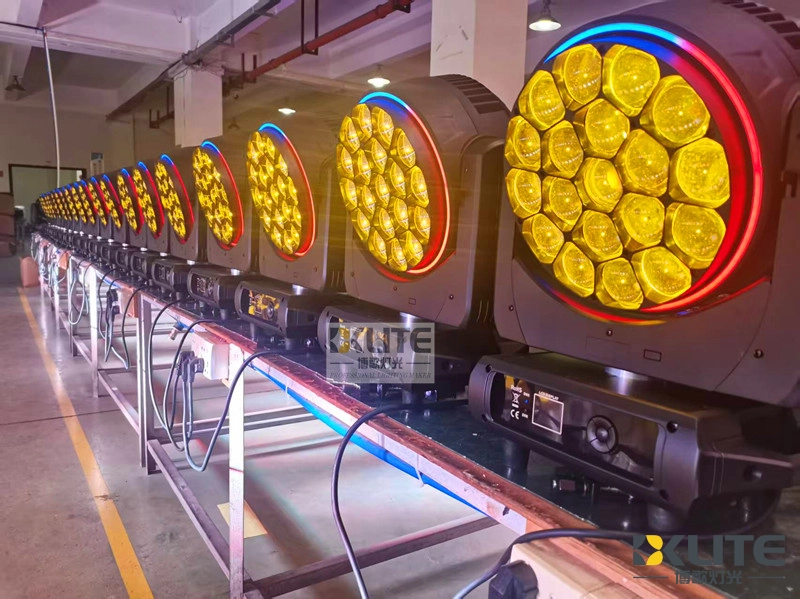
BKlite Zoom Bee Eye K15 19x40w rgbw 4in1 Led Beam Wash Moving Head Light with LED Ring
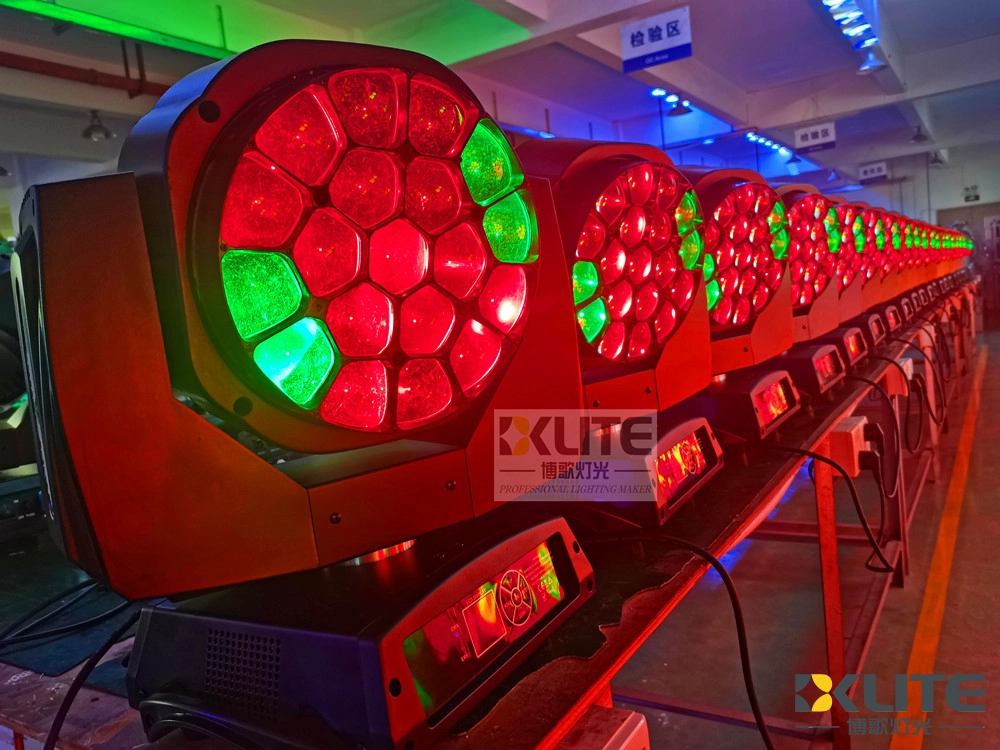
Bee eye k10 ZOOM 19x15w rgbw 4in1 led beam wash moving head light
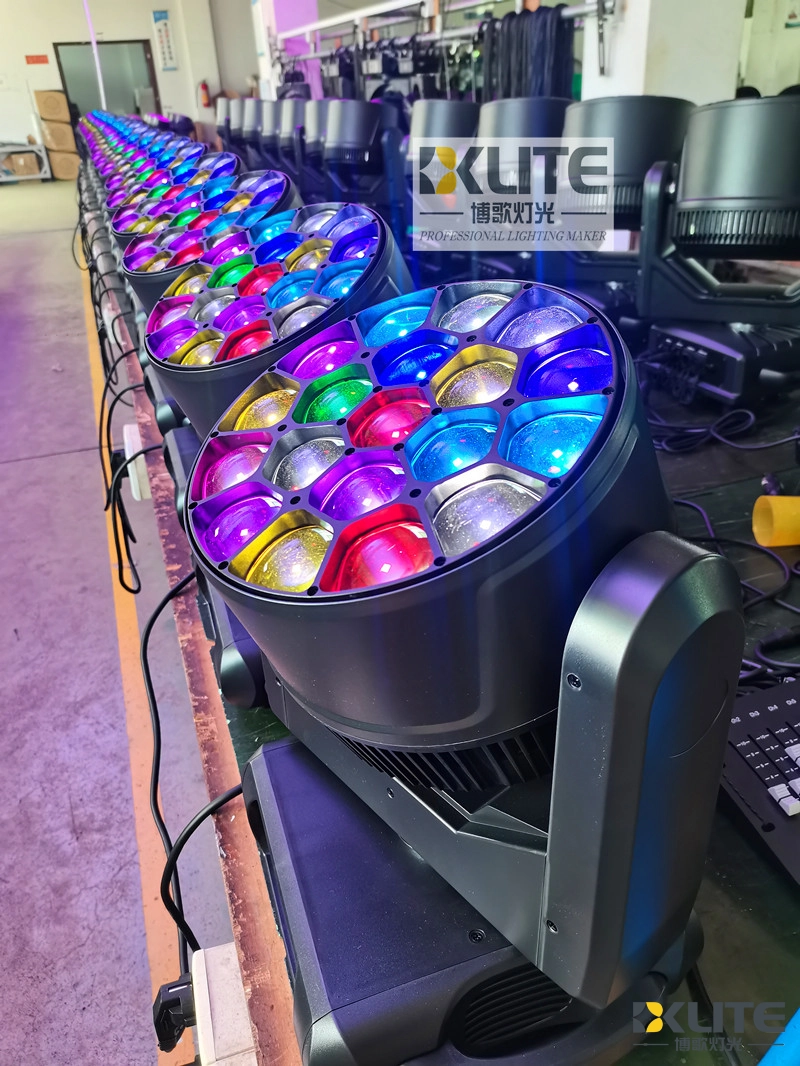
Bee Eye K10 LED Moving Head Light – 19×15W RGBW Zoom Fixture for Professional Stage Lighting
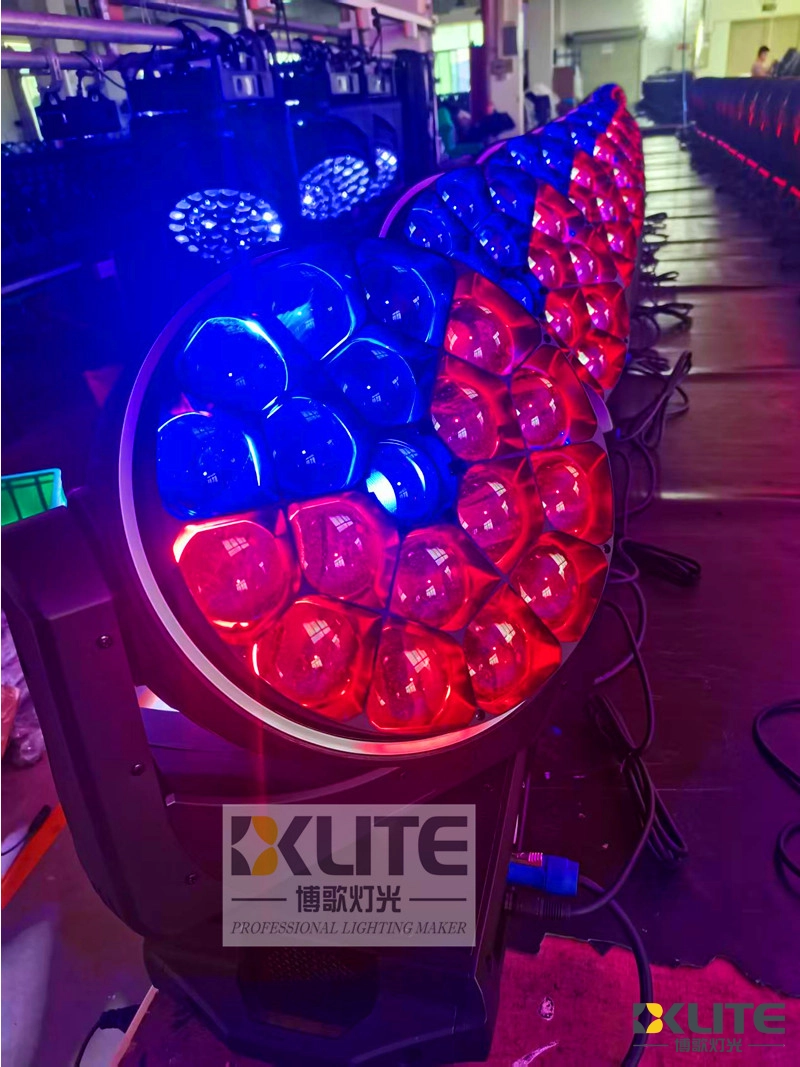
The All-in-One Solution for Modern Stage Lighting - IP20 Bee Eye 19×40W RGBW LED Moving Head Light
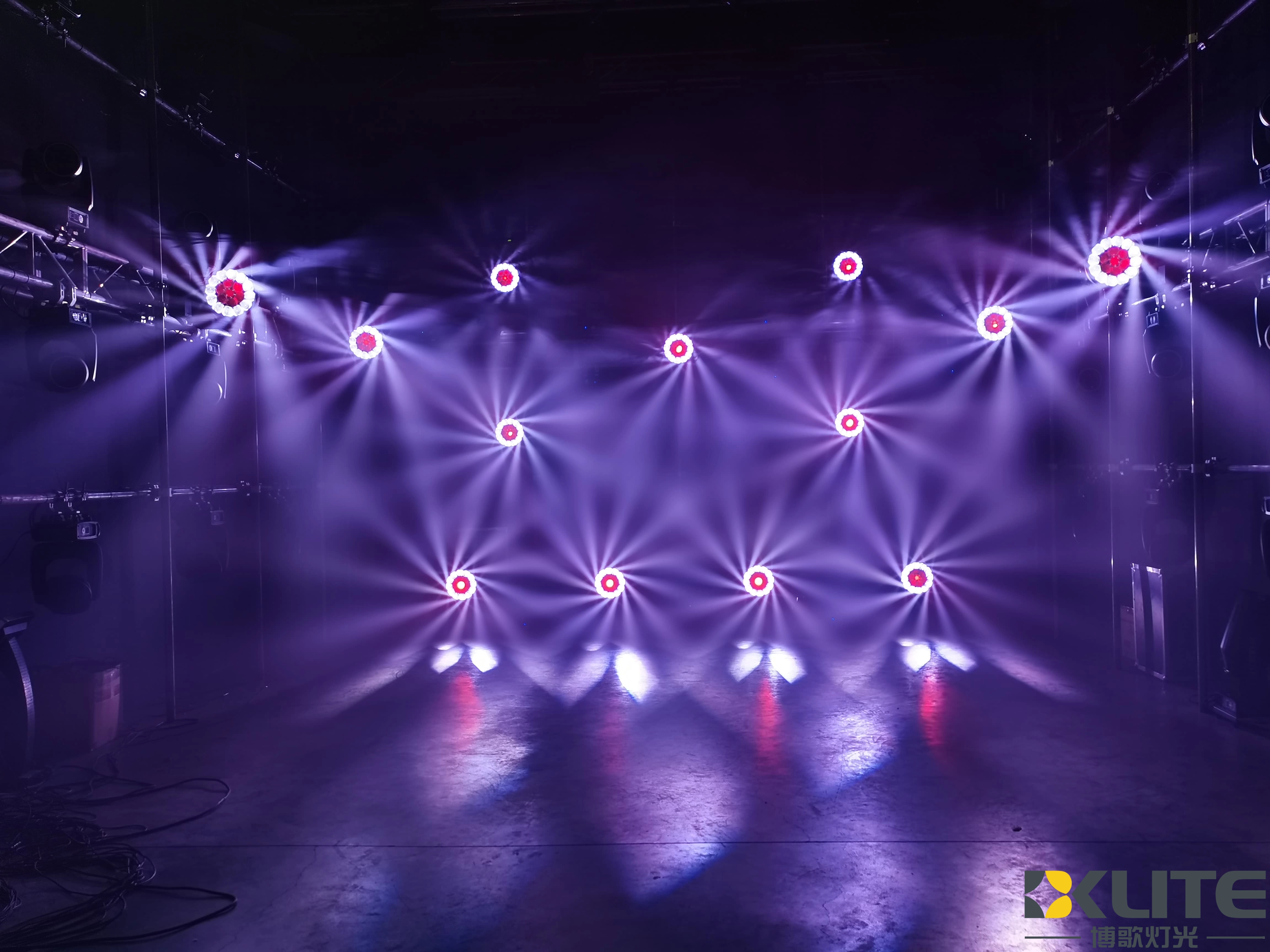
What Makes LED Lights So Special?
FAQs
What's the shipping way, shipping time?
The ways of shipping—you can choose which is suitable for you. (1). By Sea, 30-60 days; apply for bulk quantity.
(2). By Air, 5-7 days; apply for bulk quantity.
(3). By Express, 3-5 days; apply for small quantity and urgent order.
How about the warranty?
All our lights have a one-year warranty.
Can you help me to print our logo or company name on the products on package?
Of course. Your logo can be printed on the products or package. OEM & ODM permits.
What kind of package do you have?
We can pack the lights in a carton case and a flight case.
What is your delivery time?
For stock products, we will deliver to you within 3 days.
How can i order?
Please send us your purchase list by e-mail, WhatsApp, QQ, or making a call, and you can also ask us to send you a PI for your approval. We need to know the following information for your order.
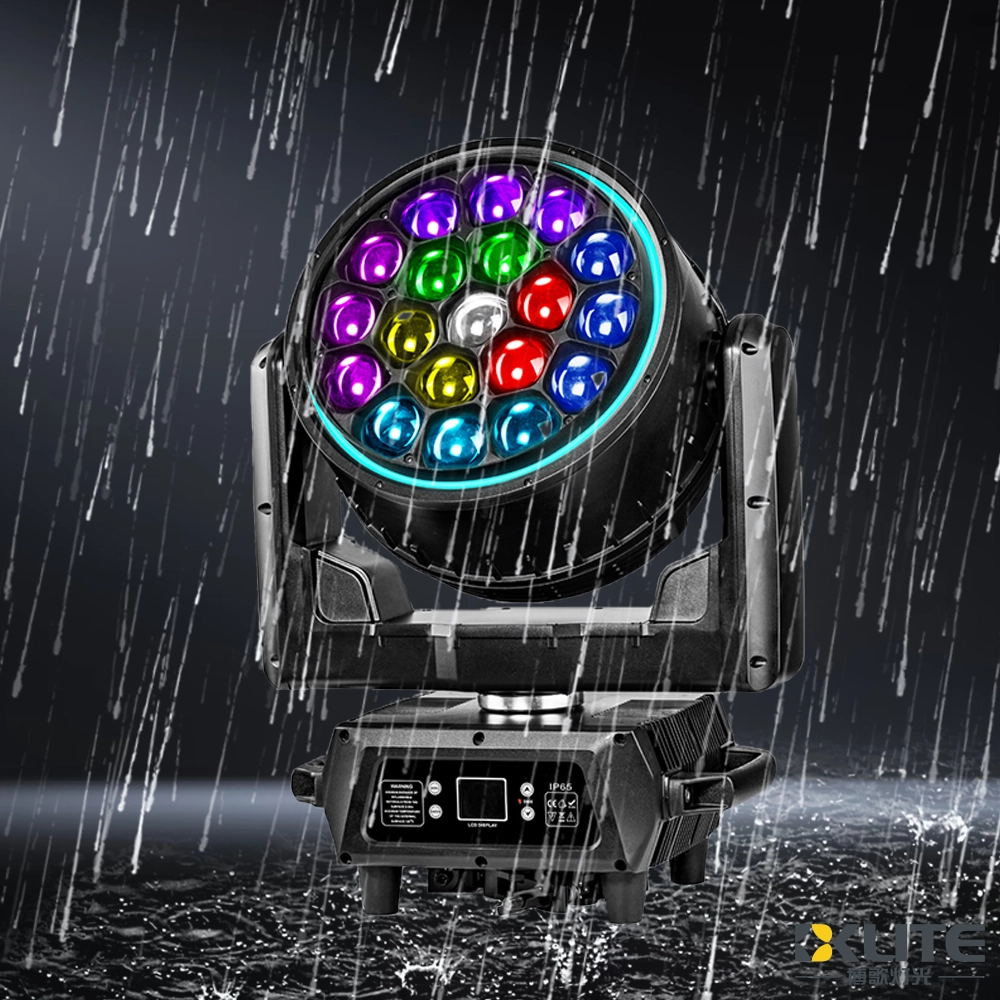
IP65 Waterproof Bee Eye Zoom 19x40W RGBW 4IN1 LED Beam Wash Moving Head Light with LED Ring
BKlite waterproof bee eye moving head light—your reliable choice from top waterproof moving head light manufacturers and suppliers. Ideal for outdoor stage, live event, music festival, this energy-saving fixture ensures powerful, precise illumination for any venue. It delivers powerful, reliable lighting performance in any weather.
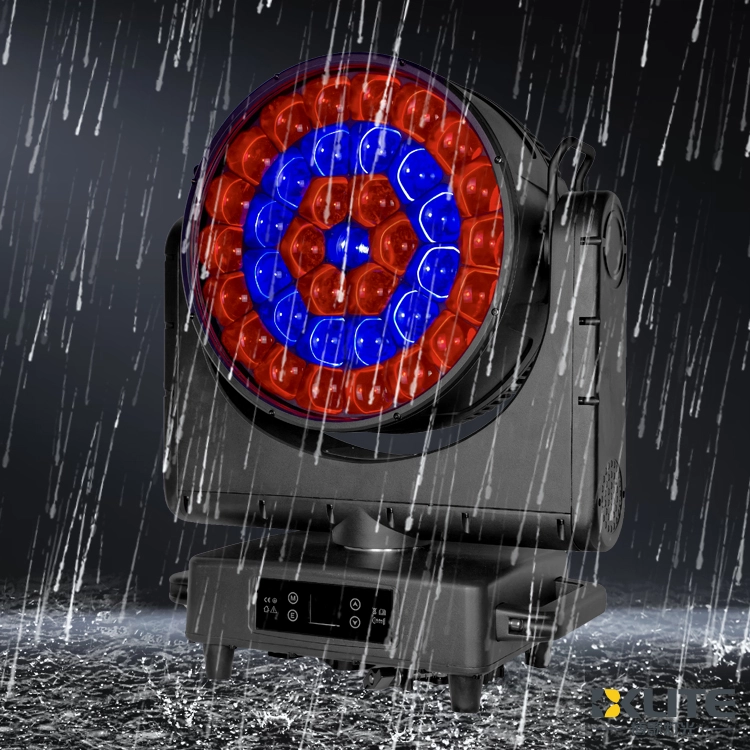
IP65 Waterproof ZOOM Bee Eye 37x40W RGBW 4in1 LED Moving Head Light
As a leading stage lighting equipment supplier with more than 15 years of industry know-how, BKlite brings you the IP65 ZOOM Bee Eye 37*40W RGBW 4in1 LED Moving Head Light (K25 Bee Eye) delivers vibrant, weatherproof lighting with powerful zoom and smooth movement. Ideal for dynamic stage effects, the K25 moving head light ensures stunning RGBW color mixing and reliable outdoor performance.
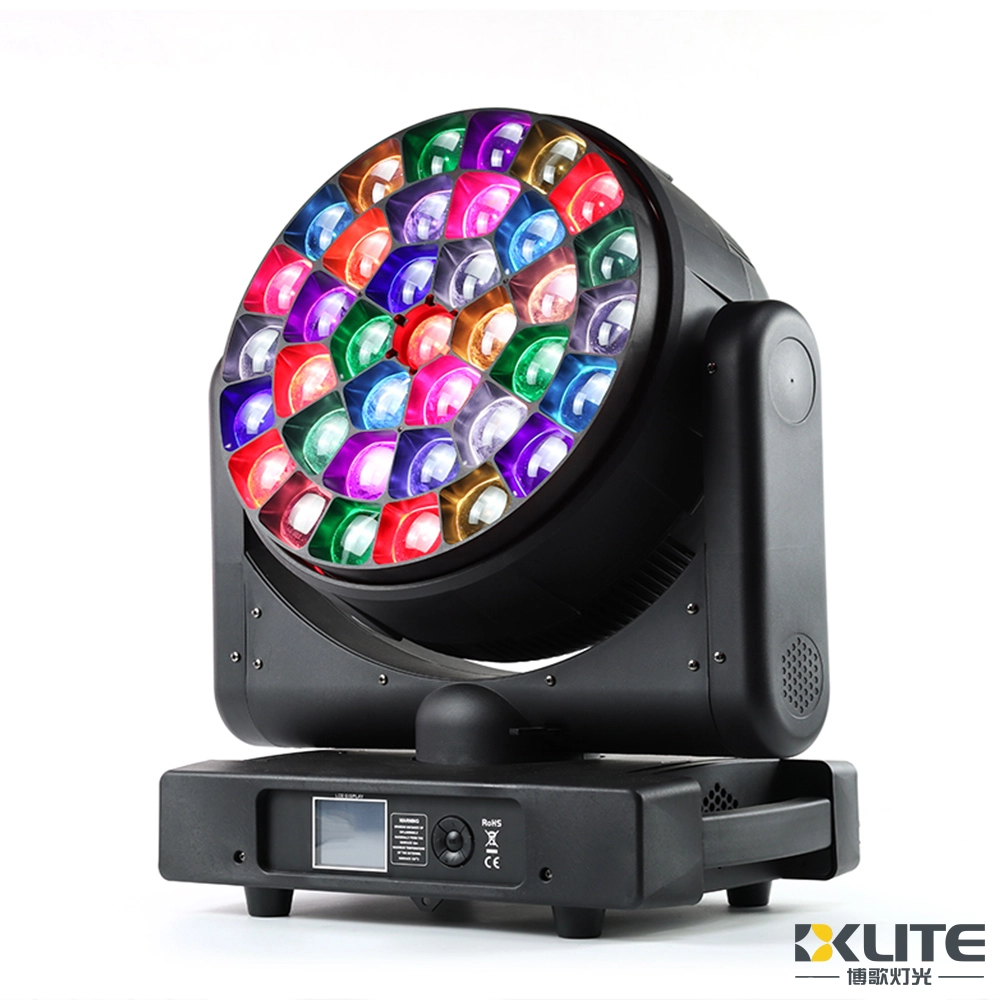
Bee Eye Zoom 37x40W RGBW 4in1 LED Beam Wash Moving Head Light
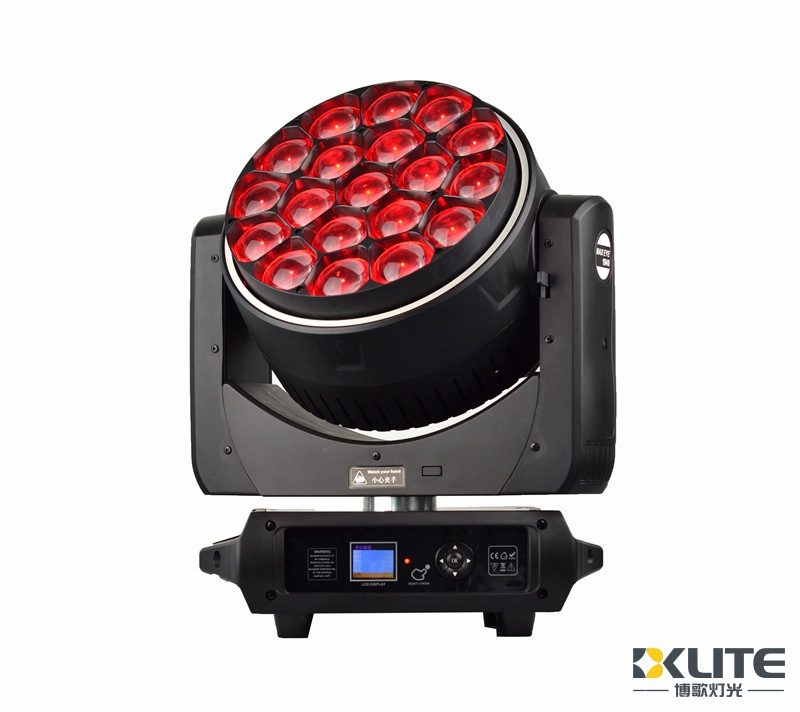
IP20 Bee Eye Zoom 19x40W RGBW 4IN1 LED Beam Wash Moving Head Light with LED Ring
As one of the leading stage lighting equipment suppliers with 15+ years of experience, BKlite launched a new Bee Eye K15 19x40 LED wash light BK-BY1940Z. .
Designed with a simple and sleek appearance, the WASH moving head light is compact, lightweight, and highly portable.
With multiple color effect macros and dynamic effect macros.
Our wash light can be used for versatile lighting options with amazing effect.
It is very good for your lighting projects.
Powerful and shoots very far distances.
Contact us
Let's discuss how we can work together to achieve your business goals. Contact us today to get started.
 Address
No. 30, North Hongmian Avenue, Huadu District, GuangZhou, China.


Copyright © 2025 BKLITE All Rights Reserved.