




How to optimize rigging and mounting for professional LED fixtures?
- 1. How Can I Achieve Accurate Color Calibration in LED Stage Lighting?
- 2. What Are the Causes and Solutions for Flickering in LED Stage Lights?
- 3. How Can I Prevent Overheating in LED Stage Lighting Fixtures?
- 4. What Are the Best Practices for Rigging and Mounting LED Stage Lighting Fixtures?
- 5. How Do I Address Color Distortion in LED Stage Displays?
- 6. What Are the Common Maintenance Practices for LED Stage Lighting Systems?
1. How Can I Achieve Accurate Color Calibration in LED Stage Lighting?
Accurate color calibration is essential for maintaining consistent and vibrant lighting effects during performances. To achieve precise color calibration:
Utilize Built-in Calibration Features: Many modern LED fixtures come equipped with built-in color calibration functions. Access the fixture's control software or menu to adjust settings such as color temperature, gamma, and RGB balance. Refer to the user manual for specific instructions on utilizing these features.
Assess Environmental Factors: Environmental elements like ambient lighting and surrounding colors can influence the perceived color output of LED fixtures. Ensure that stage lighting does not directly shine on LED walls to prevent color distortion. Additionally, manage ambient light sources, such as colored exit signs, to minimize interference.
Regular Maintenance: Over time, individual LED beads may degrade, leading to color inconsistencies. Periodically inspect the LED modules for signs of aging or malfunction. If color discrepancies persist despite calibration efforts, consider replacing the affected modules to restore uniform color output.
2. What Are the Causes and Solutions for Flickering in LED Stage Lights?
Flickering in LED stage lights can disrupt the visual experience and may be caused by several factors:
Power Supply Instability: Fluctuations in the power supply can lead to visible flickering. Ensure that the power source is stable and that the LED fixtures are connected to circuits with consistent voltage levels.
Incompatible Dimming Controls: Using dimming controls not designed for LED technology can result in flickering. Verify that the dimmer switches and control systems are compatible with LED fixtures. Some LED lights offer adjustable Pulse Width Modulation (PWM) frequencies; consult the fixture's manual to adjust these settings and eliminate flicker.
Loose Wiring Connections: Loose or faulty wiring can cause intermittent power delivery, leading to flickering. Inspect all wiring connections for tightness and integrity, and replace any damaged cables.
3. How Can I Prevent Overheating in LED Stage Lighting Fixtures?
Overheating can compromise the performance and longevity of LED stage lighting fixtures. To prevent overheating:
Ensure Adequate Ventilation: Position fixtures in areas with sufficient airflow to dissipate heat effectively. Avoid placing lights in enclosed spaces without ventilation.
Regular Cleaning: Dust and debris can obstruct ventilation openings and cooling fans. Clean the fixtures regularly using appropriate tools to maintain optimal airflow.
Monitor Ambient Temperature: High ambient temperatures can exacerbate overheating. Ensure that the venue's climate control systems maintain a temperature range suitable for electronic equipment.
4. What Are the Best Practices for Rigging and Mounting LED Stage Lighting Fixtures?
Proper rigging and mounting are crucial for the safety and performance of LED stage lighting:
Use Rated Hardware: Select rigging hardware with visible Working Load Limits (WLL) that exceed the combined weight of the fixture and any additional equipment. For example, a fixture weighing 25 kg with accessories totaling 5 kg requires hardware rated for at least 150 kg WLL, applying a 5:1 safety factor.
Implement Safety Cables: Attach safety cables rated for higher load capacities than the fixture itself to prevent accidental drops. These cables should be secured independently of the primary mounting system.
Calculate Loads and Apply Safety Factors: Account for the fixture's weight, dynamic loads, and any additional equipment when calculating the total load. Apply appropriate safety factors (typically 5:1 for temporary rigging) to ensure structural integrity.
Regular Inspections: Conduct routine checks of all rigging components for signs of wear, damage, or loosening. Replace any compromised parts promptly to maintain safety standards.
5. How Do I Address Color Distortion in LED Stage Displays?
Color distortion in LED stage displays can undermine the visual impact of a performance. To address this issue:
Calibrate Color Settings: Access the control software to adjust color settings, including color temperature, gamma, and RGB balance. Refer to the user manual for guidance on calibration procedures.
Manage Environmental Interference: Ensure that stage lighting does not directly shine on LED walls to prevent color washout. Additionally, control ambient light sources, such as colored exit signs, to minimize their impact on display colors.
Inspect for Aging Components: Over time, individual LED beads may degrade, leading to color inconsistencies. Regularly inspect the LED modules for signs of aging or malfunction, and replace affected modules as needed.
6. What Are the Common Maintenance Practices for LED Stage Lighting Systems?
Regular maintenance ensures the longevity and optimal performance of LED stage lighting systems:
Visual Inspections: Perform visual checks every 6 months for low-use scenarios, every 3 months for medium-use, and monthly for high-use environments. Inspect housing, cables, and connectors for signs of wear or damage.
Optics Cleaning: Clean lenses and reflectors annually for low-use, every 6 months for medium-use, and every 1-3 months for high-use. More frequent cleaning may be necessary in smoky or dusty environments.
Fan and Heatsink Maintenance: Clean fans and heatsinks annually for low-use, every 6 months for medium-use, and monthly for high-use. Inspect fan bearings at each interval to ensure proper operation.
Mechanical Servicing: For moving head fixtures, perform mechanical servicing annually for low-use, every 6 months for medium-use, and monthly or per tour for high-use. This includes checking belts, gears, lubrication, and calibration.
Electrical and Data Checks: Test DMX signals, connectors, and power supplies annually for low-use, every 6 months for medium-use, and monthly for high-use.
By proactively addressing these common challenges and adhering to best practices for rigging, mounting, and maintenance, you can ensure the reliability and effectiveness of your professional LED stage lighting system, enhancing the visual experience for your audience.
For personalized assistance and to explore our range of professional LED stage lighting solutions, please contact us at export3@bklite.com or visit our website at www.bklite.com.
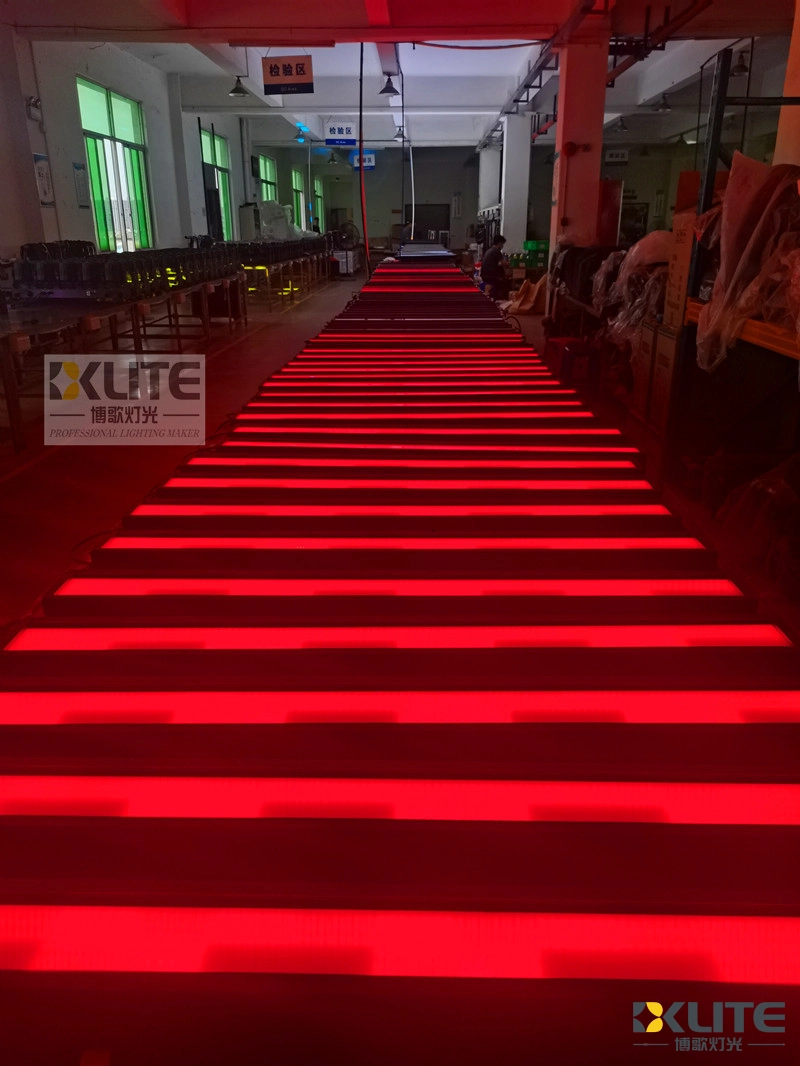
IP66 672pcsx0.5w rgb 112pcsx3w cool white led strobe bar light with seethonic power plug, electric frost & clamps
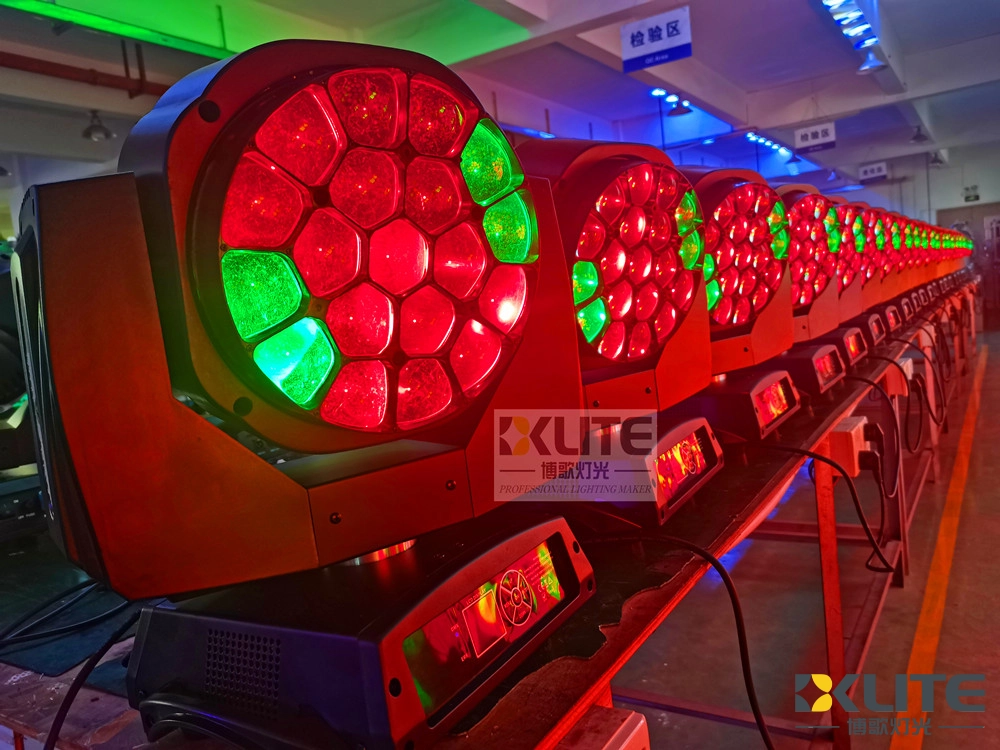
Bee eye k10 ZOOM 19x15w rgbw 4in1 led beam wash moving head light
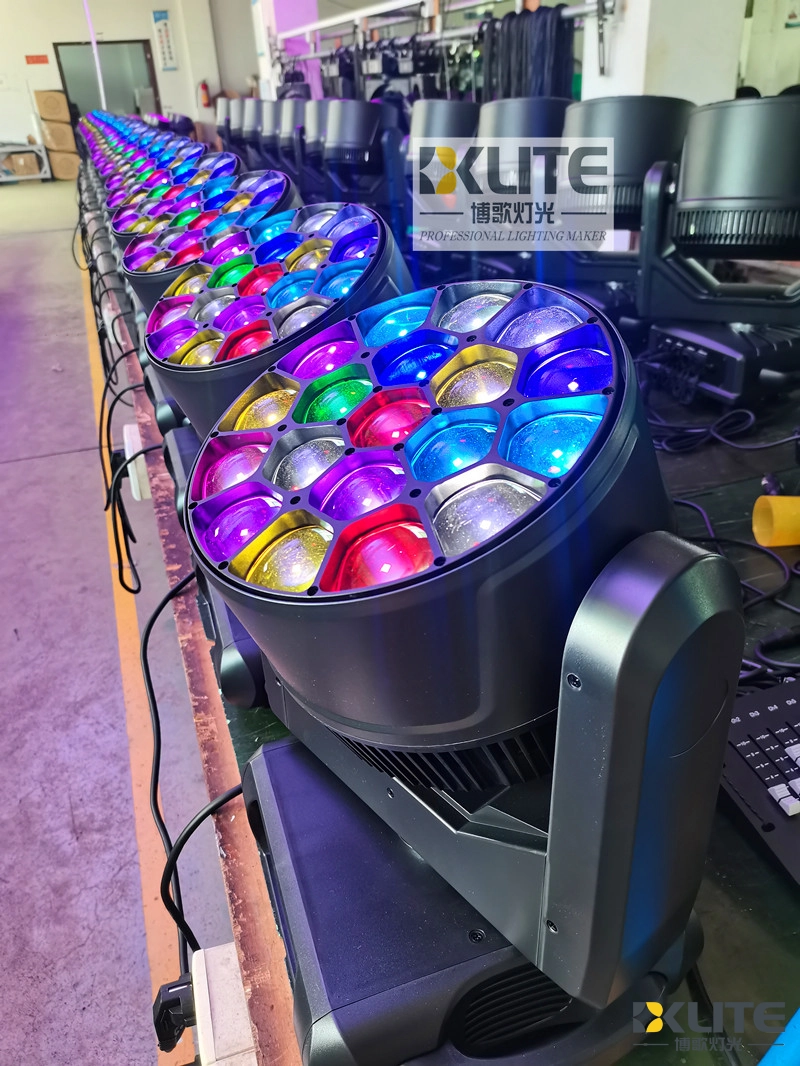
Bee Eye K10 LED Moving Head Light – 19×15W RGBW Zoom Fixture for Professional Stage Lighting
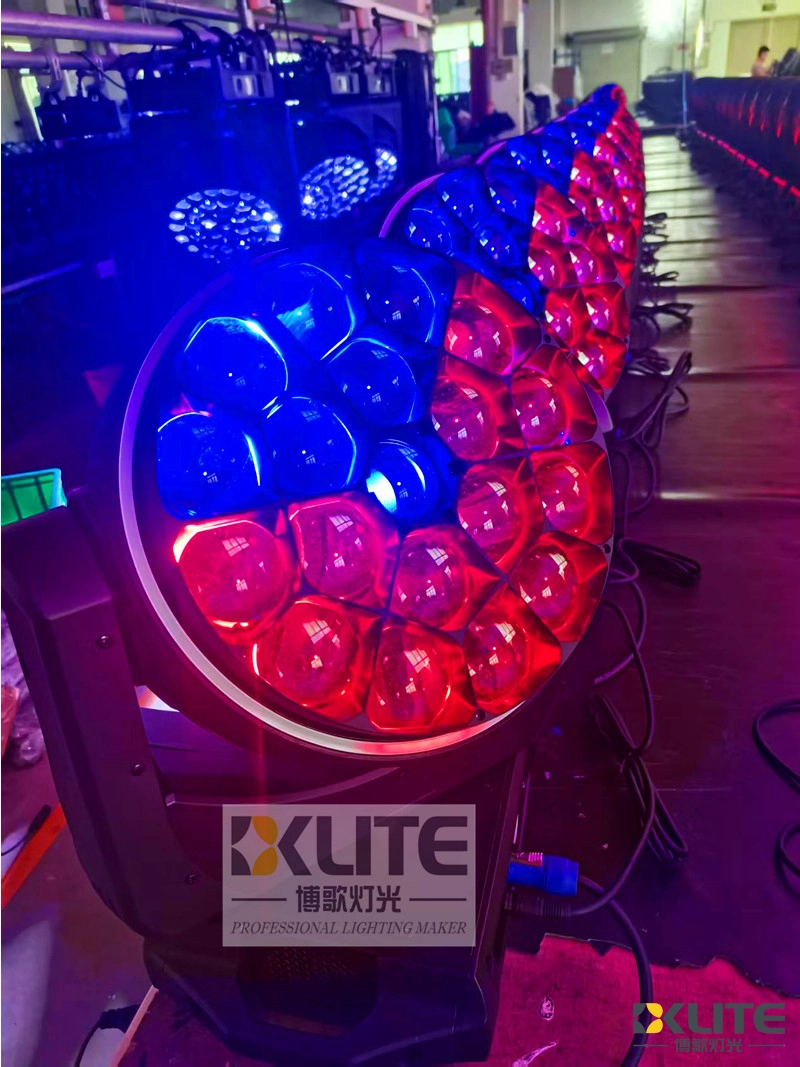
The All-in-One Solution for Modern Stage Lighting - IP20 Bee Eye 19×40W RGBW LED Moving Head Light
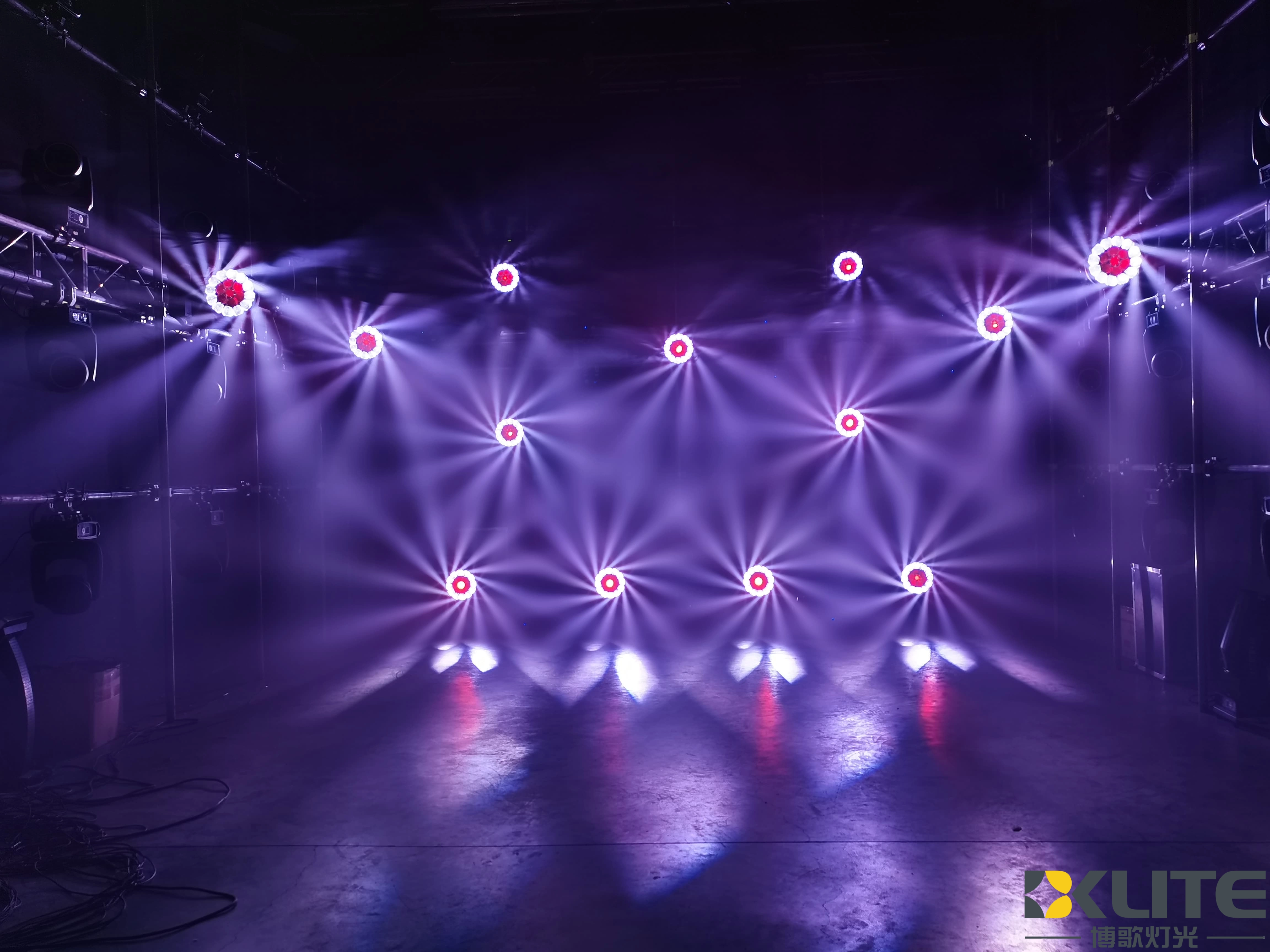
What Makes LED Lights So Special?
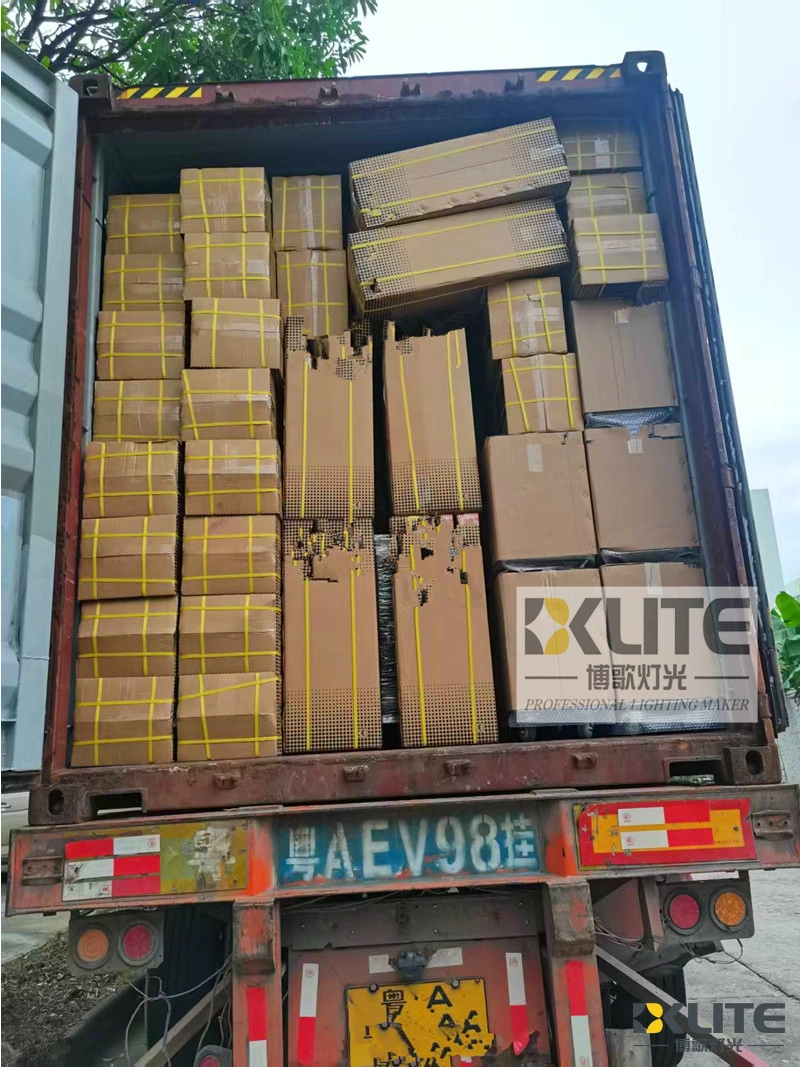
Packing, loading and delivering
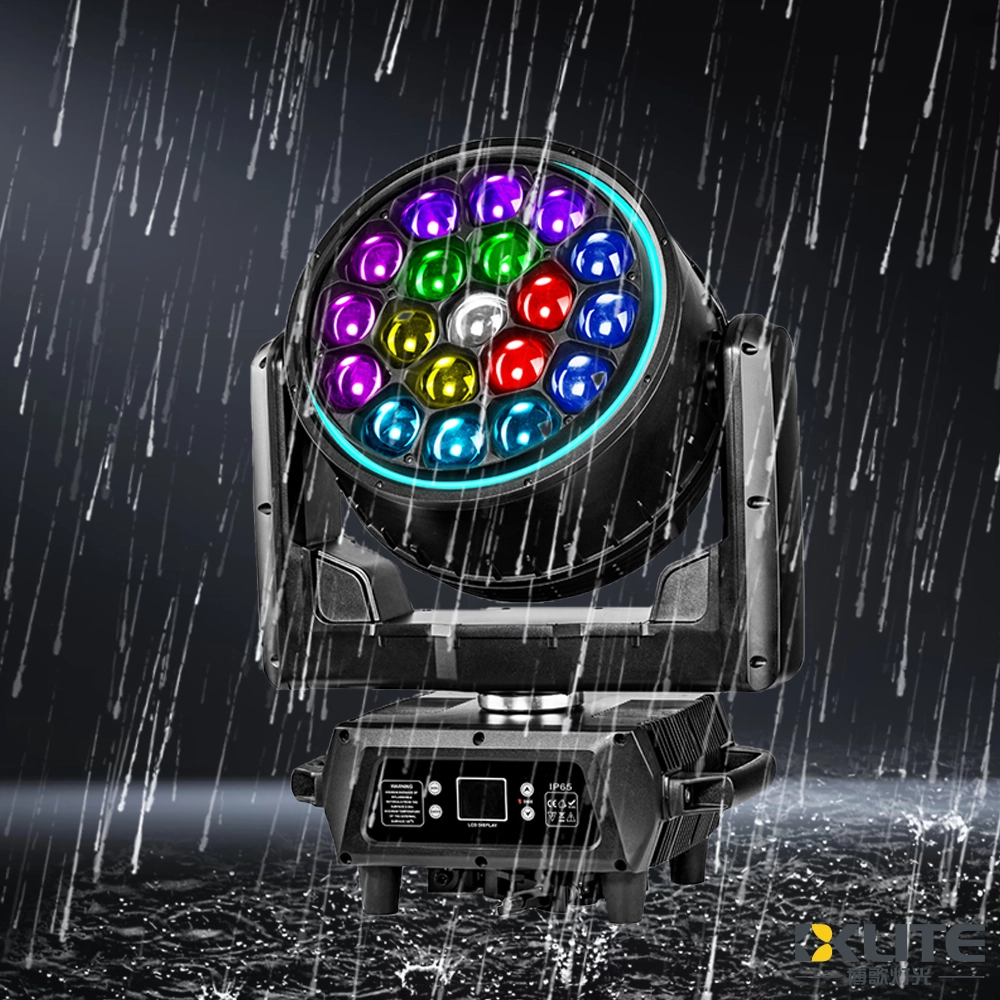
IP65 Waterproof Bee Eye Zoom 19x40W RGBW 4IN1 LED Beam Wash Moving Head Light with LED Ring
With more than 14 years of experience in professional stage lighting, BKLITE is a specialized waterproof stage lighting manufacturer in China.
The BKlite IP65 Waterproof 19x40w bee eye is a high-output RGBW moving head designed for outdoor stages, live event, music festival and touring productions.
Featuring 19 individually controllable 40W RGBW 4in1 LEDs, 7°‑42° motorized zoom and rotating honeycomb lens, it delivers stunning pixel beam & wash effects for professional stage applications.
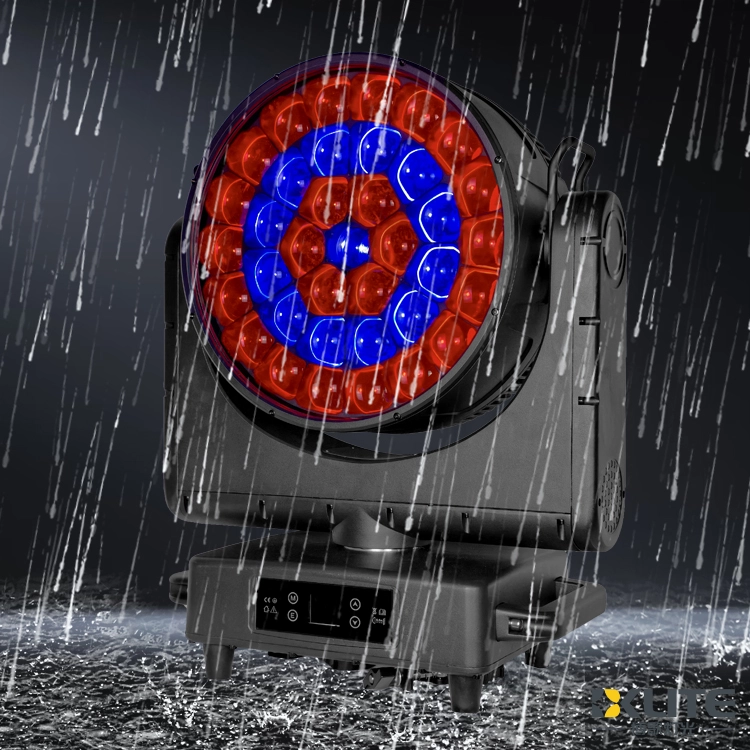
IP65 Waterproof ZOOM Bee Eye 37x40W RGBW 4in1 LED Moving Head Light
With more than 14 years of experience in professional stage lighting, BKLITE is a specialized waterproof stage lighting manufacturer in China. The BKLITE IP65 Waterproof Bee Eye 37x40W Moving Head Light is a high-output K25 bee-eye moving head designed for outdoor concerts, music festivals and touring productions. Featuring 37 individually controllable 40W RGBW 4in1 LEDs, 8°‑48° motorized zoom and rotatable honeycomb lens, it provides powerful beam, wash and kaleidoscope effect lighting for professional stage applications.
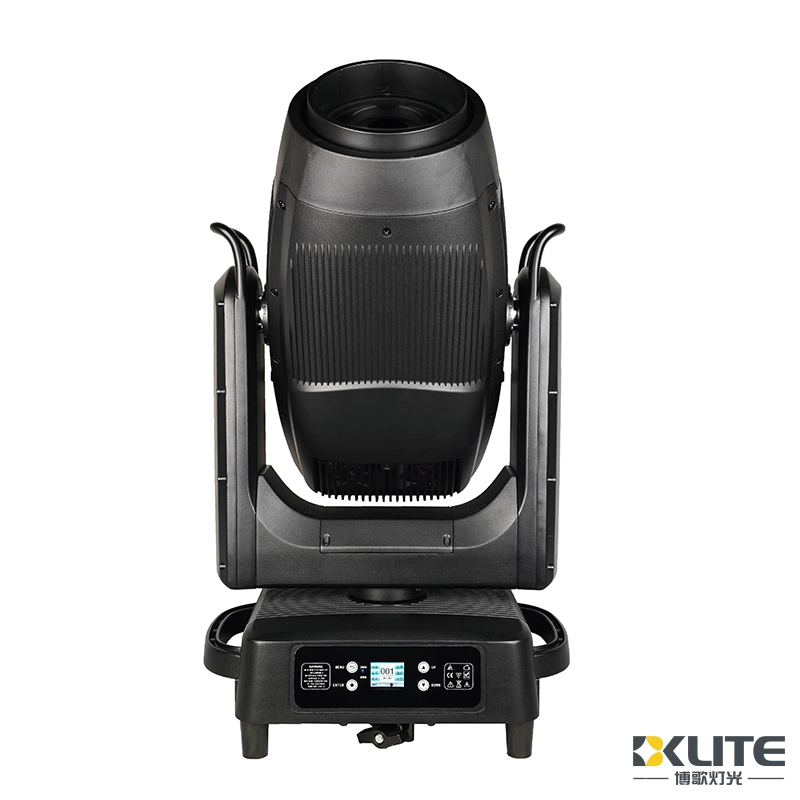
IP65 Waterproof Profile 1000W LED Beam Wash Spot 3in1 Moving Head Light With Framing
With more than 14 years of experience in professional stage lighting, BKLITE is a specialized LED stage lighting manufacturer in China. The BKLITE IP65 Waterproof Profile moving head is a high‑power 3‑in‑1 beam wash spot fixture with framing system designed for large‑scale outdoor concerts, theatre performances and outdoor touring events. Featuring 1000W high‑brightness LED source, 4.5°‑50° motorized zoom and precise motor‑driven framing shutters, it delivers accurate beam shaping, spot projection and soft wash lighting effects for professional stage applications.
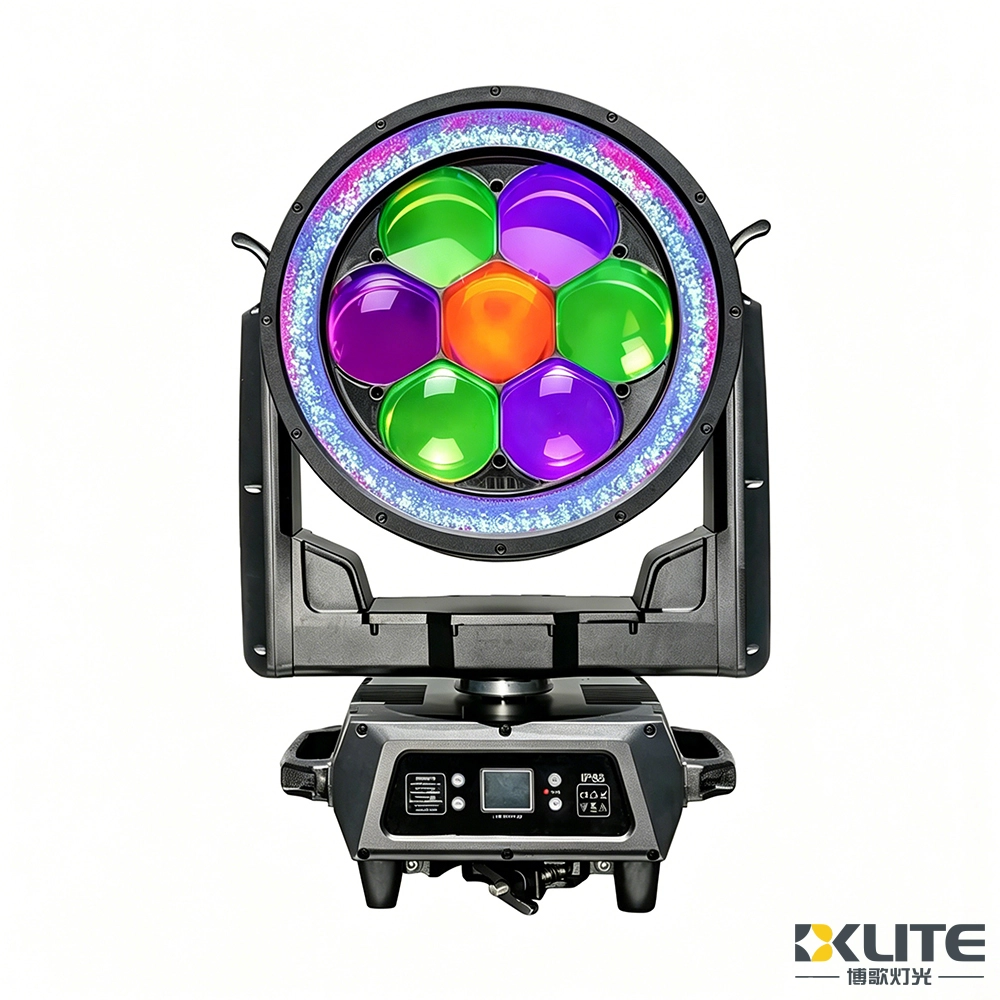
IP65 Waterproof Zoom Bee Eye 7x180W RGBL 4IN1 LED Moving Head Light With LED Ring
With more than 14 years of experience in professional stage lighting, BKLITE is a specialized waterproof stage lighting manufacturer in China.The BKlite 7×180W Bee Eye is a high-output RGBL moving head designed for large concerts, festivals, touring productions and outdoor events. Featuring seven 180W RGBL LED sources, an independent LED ring and motorized zoom, it combines powerful beam effects, wide washes and dynamic pixel-style effects for professional stage applications.
Contact us
Let's discuss how we can work together to achieve your business goals. Contact us today to get started.
 Address
No. 30, North Hongmian Avenue, Huadu District, GuangZhou, China.


Copyright © 2026 BKLITE. All Rights Reserved.