




How to evaluate dimming and flicker in stage profile lights?
- 1. How can I assess the flicker performance of a stage profile light to ensure it meets industry standards?
- 2. What are the primary causes of flickering in LED stage profile lights, and how can they be mitigated?
- 3. How do I determine the appropriate beam angle and field angle for a stage profile light to achieve desired coverage?
- 4. What are the key factors to consider when evaluating the color rendering capabilities of a stage profile light?
- 5. How can I ensure that a stage profile light is compatible with existing dimming systems and control protocols?
- 6. What maintenance practices are recommended to prolong the lifespan and maintain optimal performance of stage profile lights?
1. How can I assess the flicker performance of a stage profile light to ensure it meets industry standards?
Flicker in stage lighting, especially with LED fixtures, can lead to visual disturbances and affect video recordings. To evaluate flicker performance:
Understand Flicker Mechanisms: Flicker often results from Pulse Width Modulation (PWM) used in LED drivers. Low-frequency PWM can cause visible flicker, particularly under high-frame-rate cameras.
Check PWM Frequency: Ensure the fixture operates at a high PWM frequency, ideally above 25 kHz, to minimize flicker.
Review Manufacturer Specifications: Request photometric data and flicker measurements from manufacturers to verify performance.
Conduct On-Site Testing: Test the fixture under actual performance conditions to observe any flicker issues.
2. What are the primary causes of flickering in LED stage profile lights, and how can they be mitigated?
Flickering in LED stage profile lights can stem from several factors:
PWM Flickering: Low-frequency PWM can cause visible flicker. Mitigation involves using LED drivers with high-frequency PWM, ideally above 25 kHz.
Inconsistent Power Supply: Voltage fluctuations can lead to flickering. Using regulated power sources and ensuring a stable power supply can mitigate this issue.
Dimmer Compatibility: Incompatible dimmers can cause flickering. Ensure that dimmers are designed for LED technology and are compatible with the specific LED drivers used in the fixtures.
Poor Driver Design: Low-quality drivers may fail to filter ripple current at frequencies visible to the eye. Investing in reliable, stage-grade LED drivers with consistent output significantly reduces this problem.
3. How do I determine the appropriate beam angle and field angle for a stage profile light to achieve desired coverage?
Selecting the right beam and field angles is crucial for effective stage lighting:
Beam Angle: Narrow beam angles (5–15°) are suitable for tight accents, while medium (20–40°) and wide (>50°) angles are appropriate for front light and soft washes, respectively.
Field Angle: Consider the field angle to understand the light's spread and ensure it covers the intended area without excessive spill.
Venue Size and Layout: Match the beam and field angles to the stage dimensions and layout to achieve uniform coverage.
Fixture Specifications: Review manufacturer specifications and request photometric data to model the fixture's performance in your venue.
4. What are the key factors to consider when evaluating the color rendering capabilities of a stage profile light?
Accurate color rendering is essential for stage lighting:
Color Rendering Index (CRI): A CRI above 90 is preferred for accurate skin tones and color representation.
Color Temperature: Tunable white options between 2700K and 6500K offer flexibility for different moods and settings.
Color Mixing Technology: RGBW or RGBA-Lime color mixing engines provide a broader color palette and smoother transitions.
Manufacturer Data: Request color fidelity test reports and sample projections to assess performance.
5. How can I ensure that a stage profile light is compatible with existing dimming systems and control protocols?
Compatibility with dimming systems and control protocols is vital:
Dimming Systems: Verify that the fixture is compatible with your existing dimming systems, such as 0-10V, PWM, or DMX dimming.
Control Protocols: Ensure the fixture supports standard protocols like DMX512, RDM, Art-Net, or sACN for network control.
Manufacturer Specifications: Review the fixture's control protocol compatibility and consult with the manufacturer for any specific requirements.
6. What maintenance practices are recommended to prolong the lifespan and maintain optimal performance of stage profile lights?
Regular maintenance is essential for longevity and performance:
Cleaning: Clean lenses and vents every 3–6 months to prevent overheating and maintain light output.
Storage: Store units in protective cases when not in use to prevent damage.
Component Replacement: Replace fan filters or heatsink grease according to manufacturer guidelines to ensure efficient cooling.
Safety Checks: Regularly inspect fixtures for signs of wear or damage and address issues promptly to maintain safety and performance.
By thoroughly evaluating these aspects, you can select stage profile lights that meet your performance requirements and ensure reliable operation.
For personalized recommendations and a quote, please contact us at export3@bklite.com or visit our website at www.bklite.com.

IP66 672pcsx0.5w rgb 112pcsx3w cool white led strobe bar light with seethonic power plug, electric frost & clamps
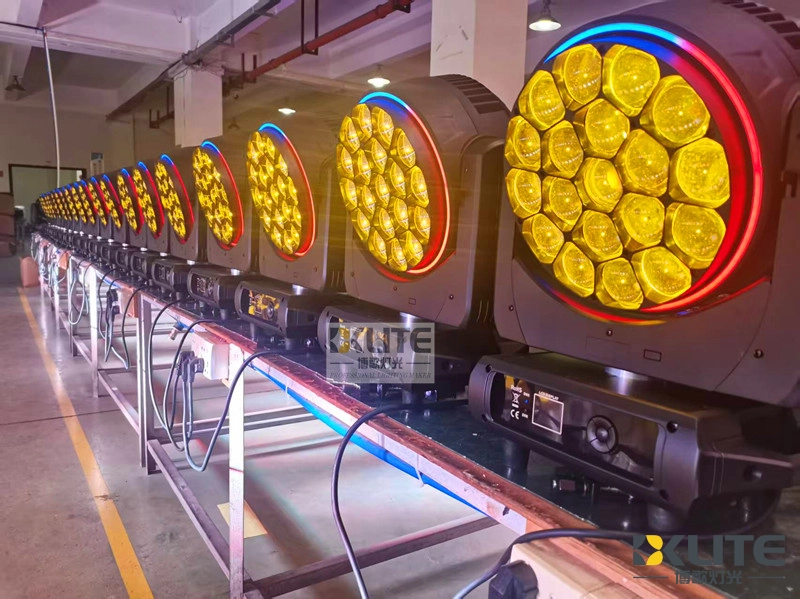
BKlite Zoom Bee Eye K15 19x40w rgbw 4in1 Led Beam Wash Moving Head Light with LED Ring
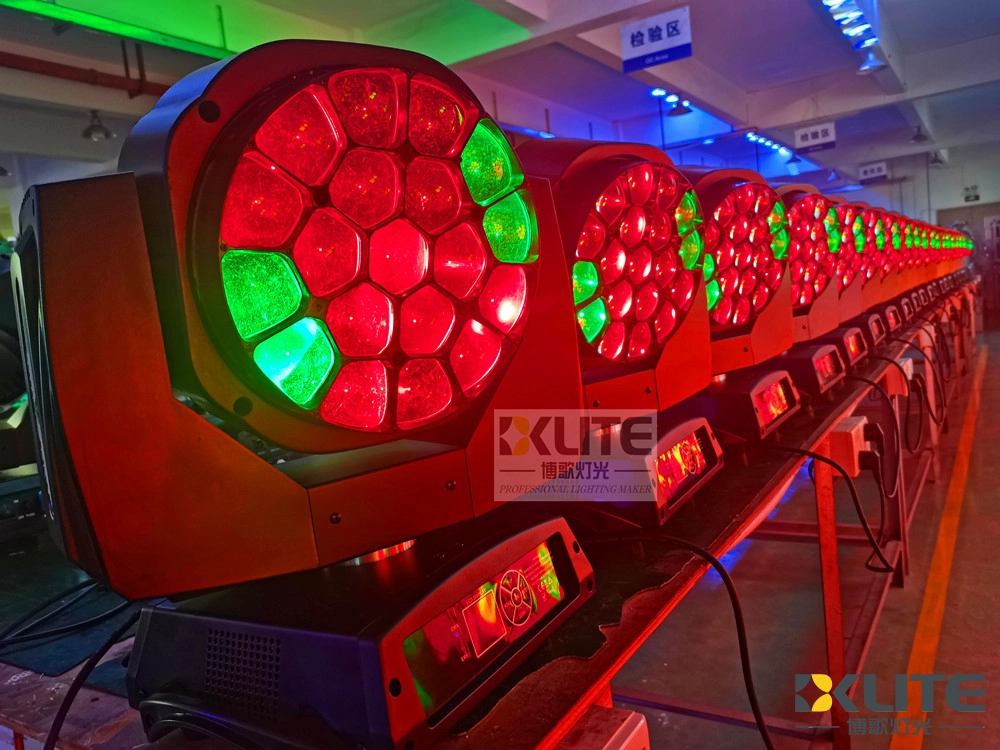
Bee eye k10 ZOOM 19x15w rgbw 4in1 led beam wash moving head light
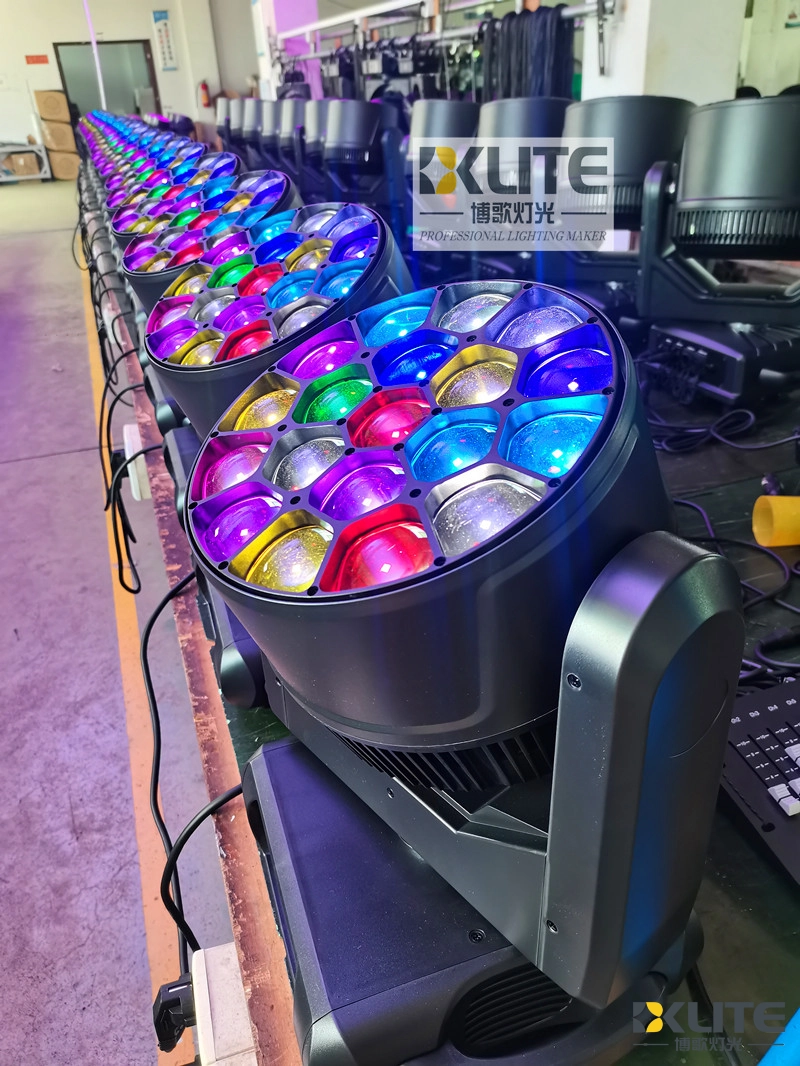
Bee Eye K10 LED Moving Head Light – 19×15W RGBW Zoom Fixture for Professional Stage Lighting
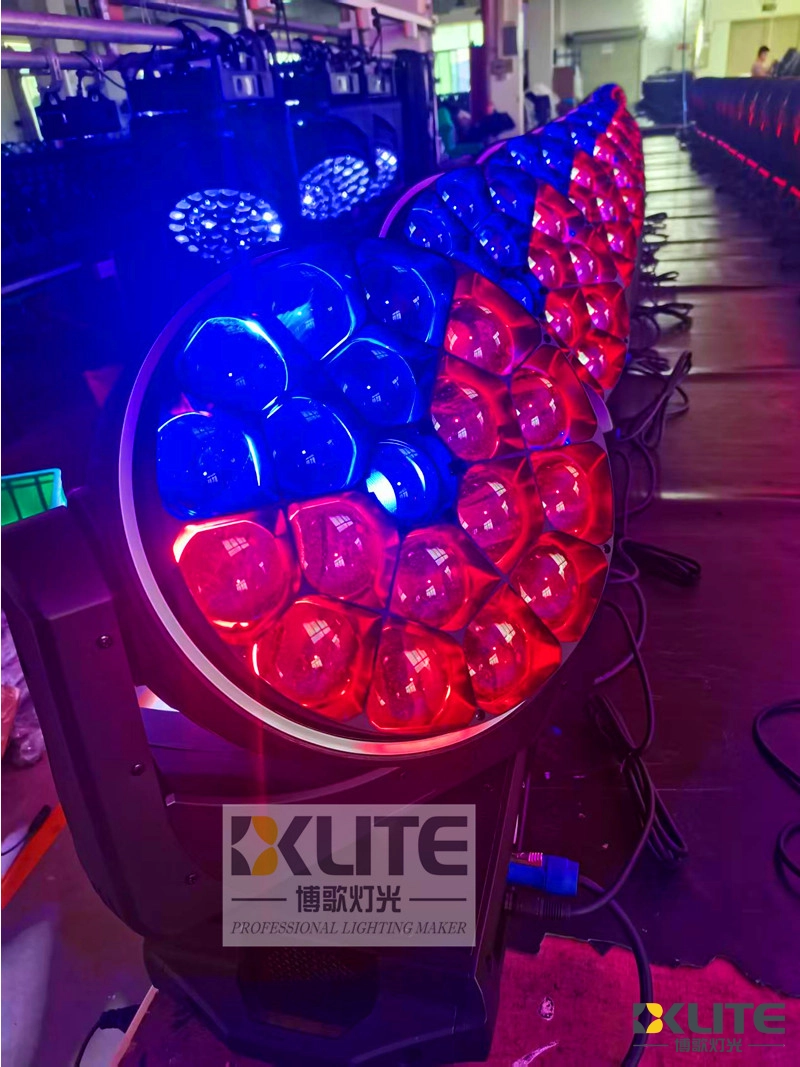
The All-in-One Solution for Modern Stage Lighting - IP20 Bee Eye 19×40W RGBW LED Moving Head Light
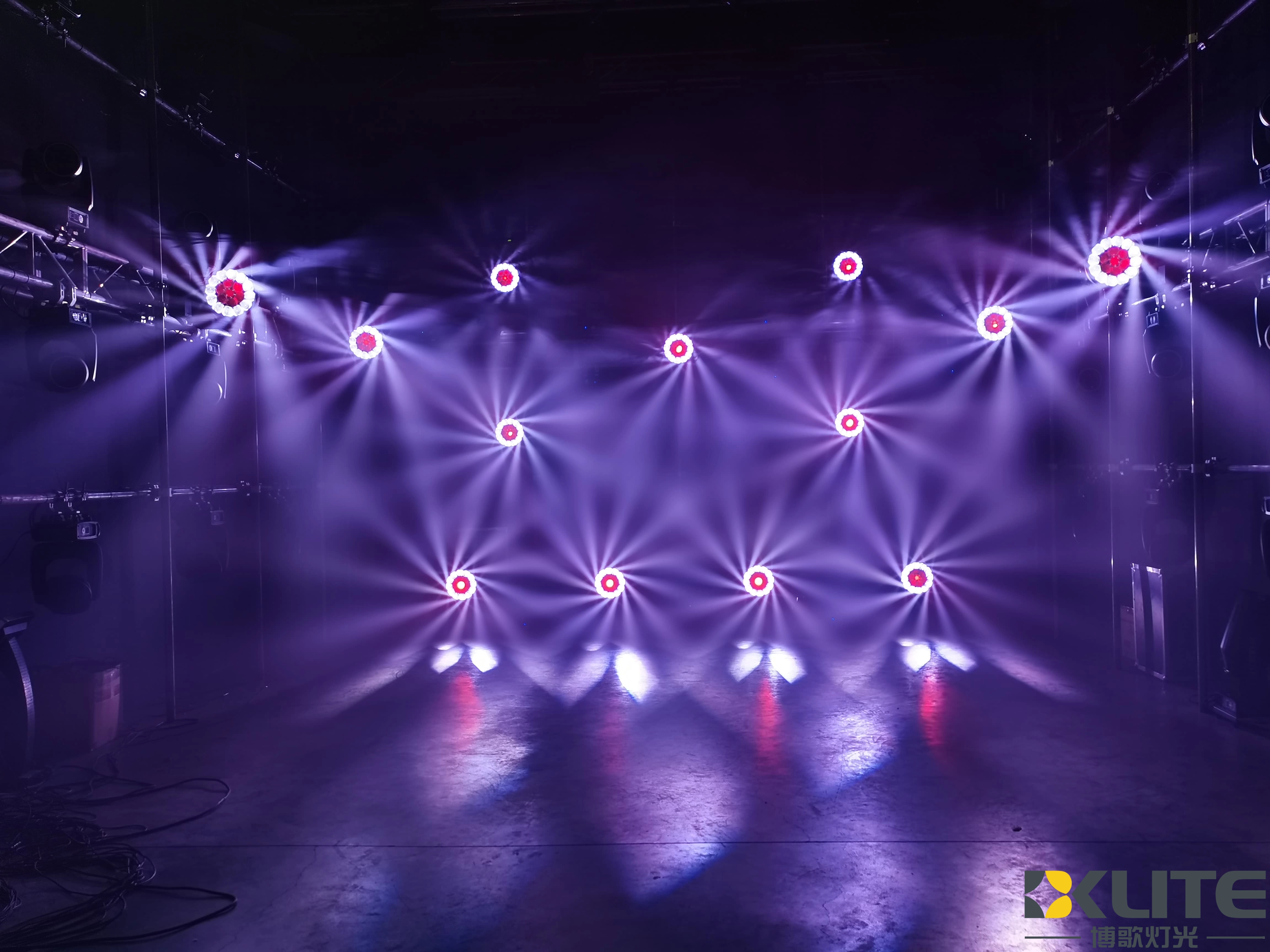
What Makes LED Lights So Special?
FAQs
What's the payment terms?
T/T, Western Union.
What service can you supply?
We can apply for the OEM/ODM service.
What kind of package do you have?
We can pack the lights in a carton case and a flight case.
What's the shipping way, shipping time?
The ways of shipping—you can choose which is suitable for you. (1). By Sea, 30-60 days; apply for bulk quantity.
(2). By Air, 5-7 days; apply for bulk quantity.
(3). By Express, 3-5 days; apply for small quantity and urgent order.
How about the warranty?
All our lights have a one-year warranty.
When will you ship the product after I send the money?
It depends the order.Small order will take 3-5 days.
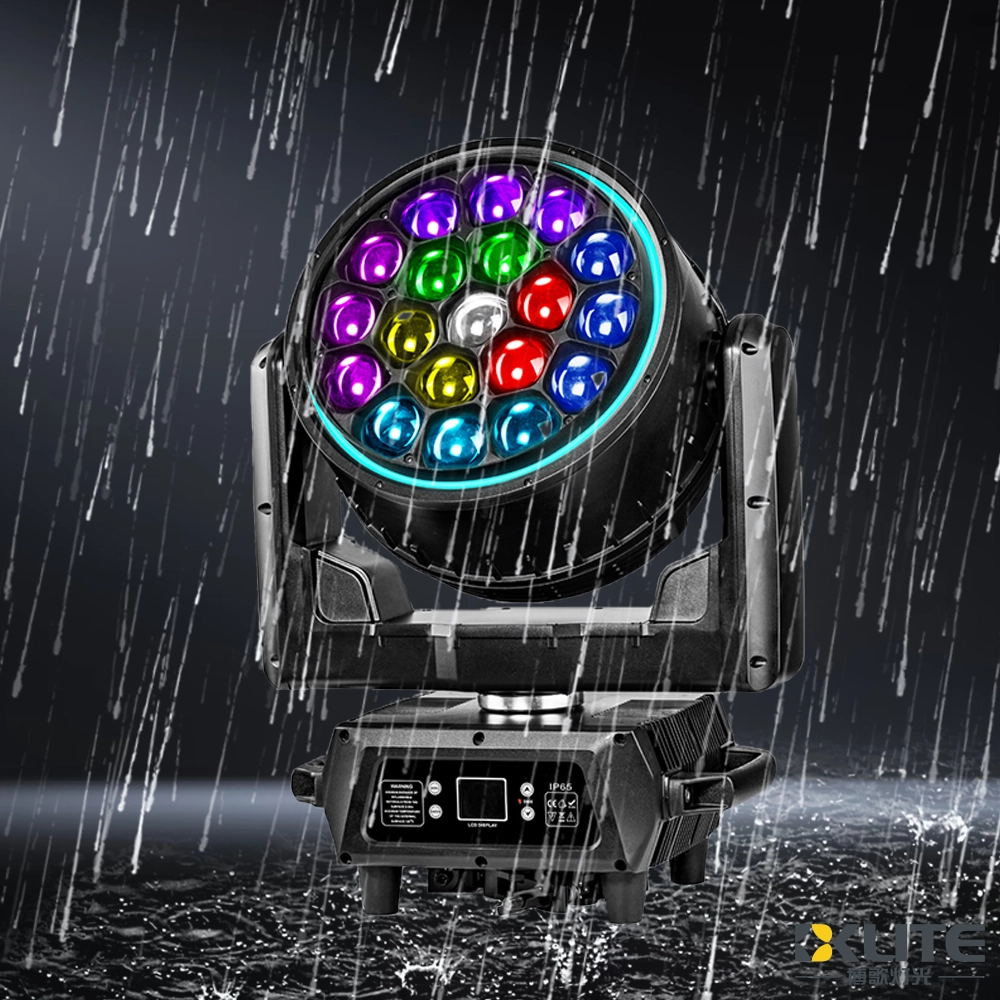
IP65 Waterproof Bee Eye Zoom 19x40W RGBW 4IN1 LED Beam Wash Moving Head Light with LED Ring
BKlite waterproof bee eye moving head light—your reliable choice from top waterproof moving head light manufacturers and suppliers. Ideal for outdoor stage, live event, music festival, this energy-saving fixture ensures powerful, precise illumination for any venue. It delivers powerful, reliable lighting performance in any weather.
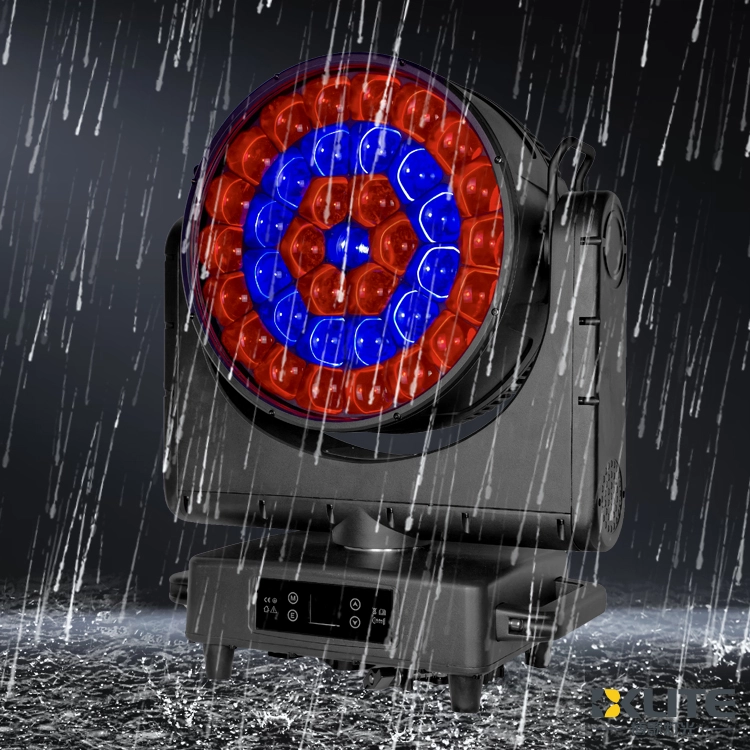
IP65 Waterproof ZOOM Bee Eye 37x40W RGBW 4in1 LED Moving Head Light
As a leading stage lighting equipment supplier with more than 15 years of industry know-how, BKlite brings you the IP65 ZOOM Bee Eye 37*40W RGBW 4in1 LED Moving Head Light (K25 Bee Eye) delivers vibrant, weatherproof lighting with powerful zoom and smooth movement. Ideal for dynamic stage effects, the K25 moving head light ensures stunning RGBW color mixing and reliable outdoor performance.
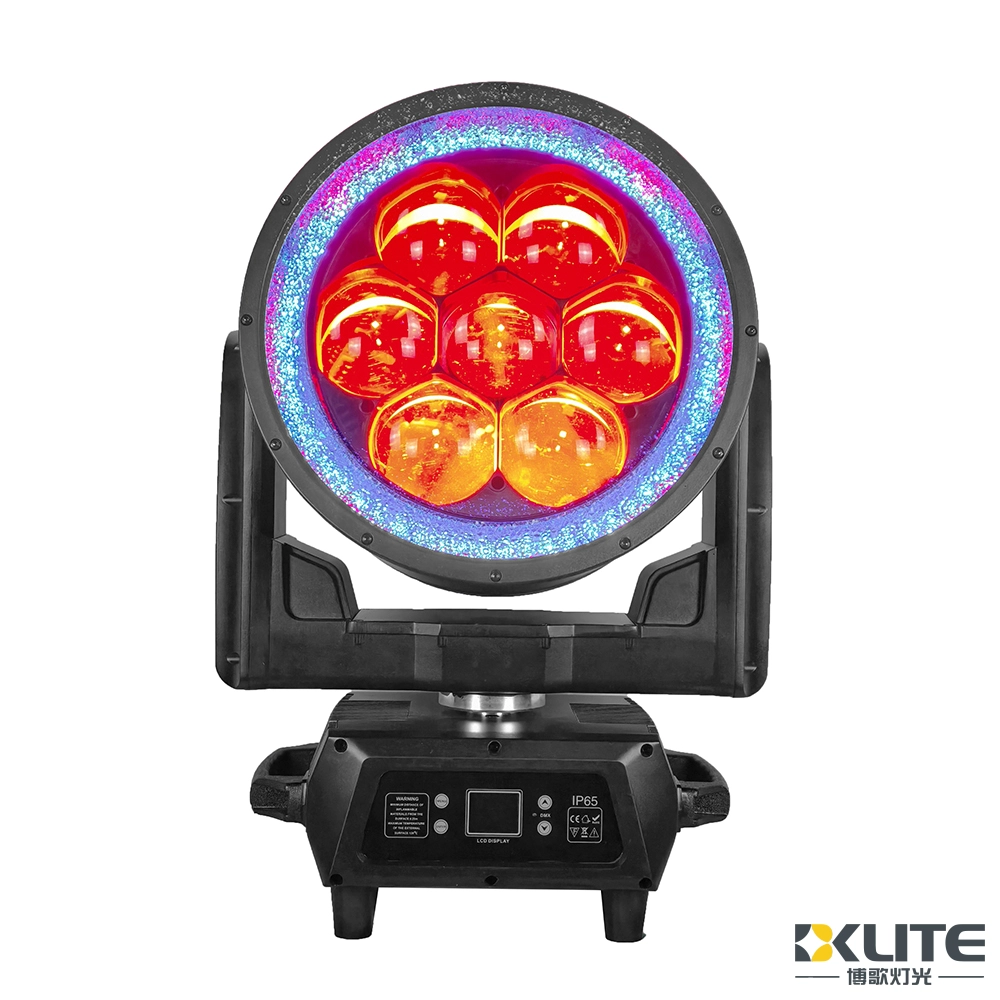
IP65 Waterproof Bee Eye 7x180W RGBL 4IN1 LED Moving Head Light With LED Ring
BKlite high power 7x180W waterproof bee eye moving head light—your reliable choice from top waterproof moving head light manufacturers and suppliers. Ideal for outdoor stage, live event, music festival, this energy-saving fixture ensures powerful, precise illumination for any venue. It delivers powerful, reliable lighting performance in any weather.
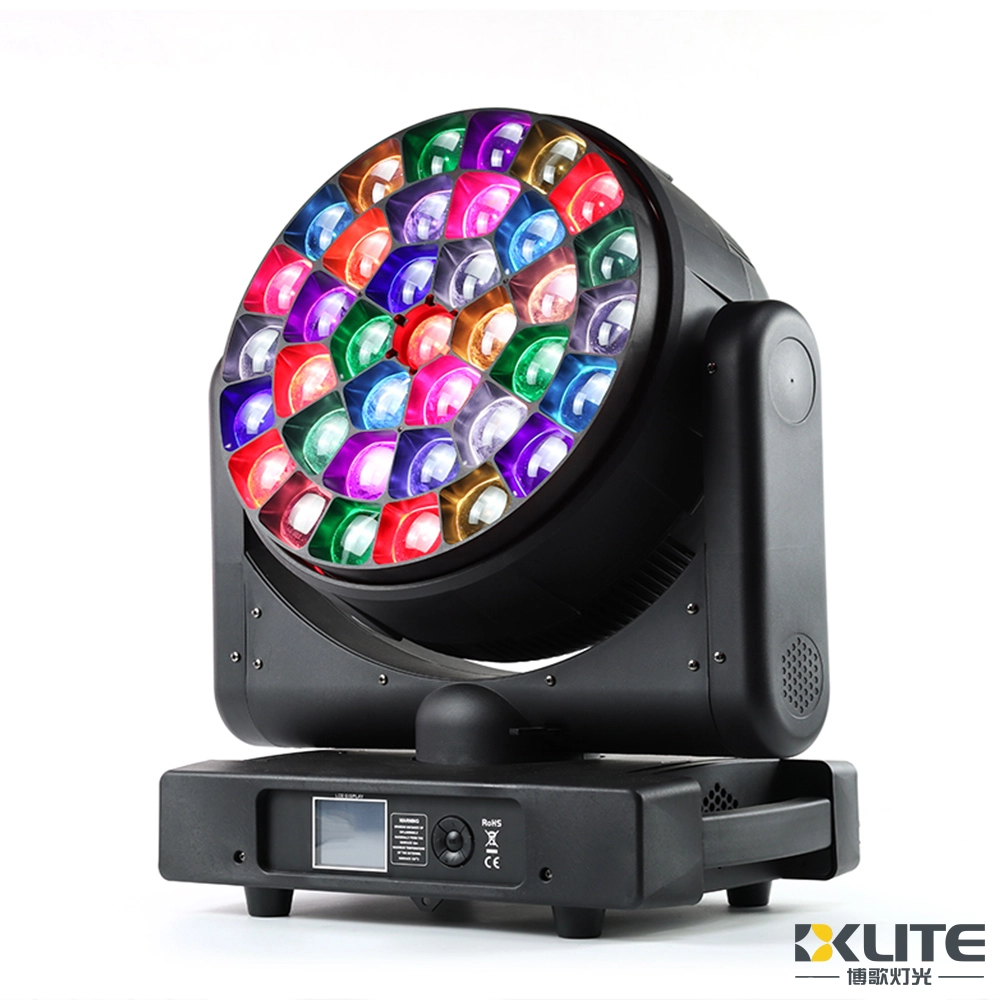
Bee Eye Zoom 37x40W RGBW 4in1 LED Beam Wash Moving Head Light
Contact us
Let's discuss how we can work together to achieve your business goals. Contact us today to get started.
 Address
No. 30, North Hongmian Avenue, Huadu District, GuangZhou, China.


Copyright © 2025 BKLITE All Rights Reserved.