




What safety standards apply to stage profile lights in venues?
- 1. What are the key features to consider when selecting a stage profile light for a small venue?
- 2. How do I ensure compliance with safety standards when installing stage profile lights in a venue?
- 3. What are the maintenance best practices to prolong the lifespan of stage profile lights?
- 4. How do I select the appropriate beam angle for a stage profile light in a small venue?
- 5. What are the advantages of using LED profile lights over traditional incandescent fixtures in stage lighting?
- 6. How do I ensure that stage profile lights are compatible with my venue's existing control systems?
1. What are the key features to consider when selecting a stage profile light for a small venue?
When choosing a stage profile light for a small venue, it's crucial to evaluate several key features to ensure optimal performance and suitability:
Brightness and Beam Quality: Assess the fixture's luminous flux (lumens) and beam sharpness. For small venues, a profile light with a lumen output between 1,500 and 5,000 lumens is typically sufficient.
Beam Angle: Determine the beam angle to achieve the desired focus. Narrow beams (5–15°) are ideal for tight accents, while medium (20–40°) and wide (>50°) angles suit front lighting and soft washes, respectively.
Color Rendering Index (CRI): A high CRI (above 90) ensures accurate color representation, which is essential for theatrical performances and video recordings.
Control Protocols: Ensure compatibility with standard control systems like DMX512, and consider features like RDM (Remote Device Management) for remote addressing and monitoring.
Power Consumption and Heat Management: Opt for energy-efficient models to reduce operational costs and manage heat output effectively, preventing potential fire hazards.
Maintenance and Durability: Choose fixtures with accessible components for easy maintenance and those built with durable materials to withstand the rigors of regular use.
2. How do I ensure compliance with safety standards when installing stage profile lights in a venue?
Ensuring compliance with safety standards during the installation of stage profile lights involves several critical steps:
Rigging and Suspension: Use appropriate hardware such as rated clamps, safety cables, and mounting brackets designed for theatrical use. Each suspended light should have a secondary safety bond to catch the light if the primary clamp fails.
Load Calculations: Verify that overhead grids or trusses are rated to hold the combined weight of the fixtures plus a safety margin, ensuring structural integrity.
Electrical Safety: Ensure all electrical connections are properly grounded and protected. Use certified power supplies and avoid overloading circuits to prevent electrical hazards.
Heat Management: Maintain adequate ventilation around fixtures to prevent overheating, which can lead to equipment damage or fire. Ensure that heat-generating fixtures are positioned with sufficient clearance from flammable materials.
Regular Inspections: Conduct thorough inspections before each performance to identify and address potential safety issues, including checking cables, lenses, and mounting points for wear or damage.
3. What are the maintenance best practices to prolong the lifespan of stage profile lights?
Implementing regular maintenance practices is essential to extend the lifespan and ensure the optimal performance of stage profile lights:
Routine Cleaning: Dust and grime accumulation can reduce light output and cause overheating. Clean fixtures, lenses, and vents every 3–6 months to maintain efficiency.
Electrical Testing: Use Portable Appliance Testing (PAT) tools to ensure electrical safety and identify potential issues before they become serious problems.
Lamp Replacement: Replace expired or flickering lamps promptly to prevent unexpected failures during performances.
Component Inspection: Regularly check cables, lenses, and mounting points for wear or damage, and address any issues immediately to prevent further damage.
Documentation: Maintain detailed maintenance logs to track repairs, replacements, and inspections, which can be valuable for troubleshooting and insurance purposes.
4. How do I select the appropriate beam angle for a stage profile light in a small venue?
Selecting the appropriate beam angle for a stage profile light in a small venue depends on the desired lighting effect:
Narrow Beam (5–15°): Ideal for tight accents and highlighting specific performers or props.
Medium Beam (20–40°): Suitable for front lighting, providing a balanced coverage of performers without excessive spill.
Wide Beam (>50°): Best for soft washes, covering larger areas with even illumination.
Consider the stage dimensions and the specific lighting requirements to choose a beam angle that complements the venue's layout and enhances the performance.
5. What are the advantages of using LED profile lights over traditional incandescent fixtures in stage lighting?
LED profile lights offer several advantages over traditional incandescent fixtures:
Energy Efficiency: LEDs consume significantly less power, reducing operational costs and the need for extensive cooling systems.
Longer Lifespan: LEDs have a longer operational life, decreasing the frequency of replacements and associated maintenance costs.
Color Quality: Modern LEDs provide a wide color gamut and high CRI, ensuring accurate color representation on stage.
Reduced Heat Output: LEDs emit less heat, minimizing the risk of overheating and reducing the need for additional ventilation.
Compact Design: LED fixtures are often more compact and lightweight, facilitating easier installation and rigging.
6. How do I ensure that stage profile lights are compatible with my venue's existing control systems?
To ensure compatibility between stage profile lights and your venue's existing control systems:
Control Protocols: Verify that the fixtures support standard protocols like DMX512, and consider features like RDM for remote addressing and monitoring.
Channel Count: Ensure that the number of DMX channels required by the fixture aligns with your control system's capabilities.
Firmware Updates: Check if the manufacturer provides firmware updates to maintain compatibility with evolving control systems.
Manufacturer Support: Consult with the manufacturer or supplier to confirm compatibility and obtain any necessary configuration information.
By addressing these considerations, you can select stage profile lights that integrate seamlessly with your venue's existing infrastructure, ensuring reliable and efficient operation.
In conclusion, selecting and maintaining stage profile lights involves careful consideration of features, safety standards, and compatibility to ensure optimal performance and longevity. By adhering to these guidelines, you can enhance the quality of your venue's lighting and provide a superior experience for performers and audiences alike.
For personalized assistance and a detailed quote tailored to your venue's specific needs, please contact us at export3@bklite.com or visit our website at www.bklite.com.

IP66 672pcsx0.5w rgb 112pcsx3w cool white led strobe bar light with seethonic power plug, electric frost & clamps
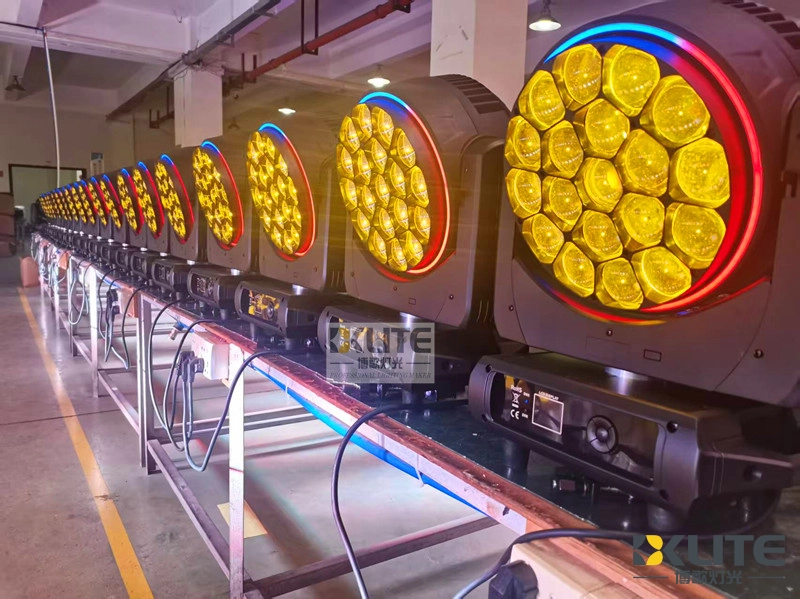
BKlite Zoom Bee Eye K15 19x40w rgbw 4in1 Led Beam Wash Moving Head Light with LED Ring
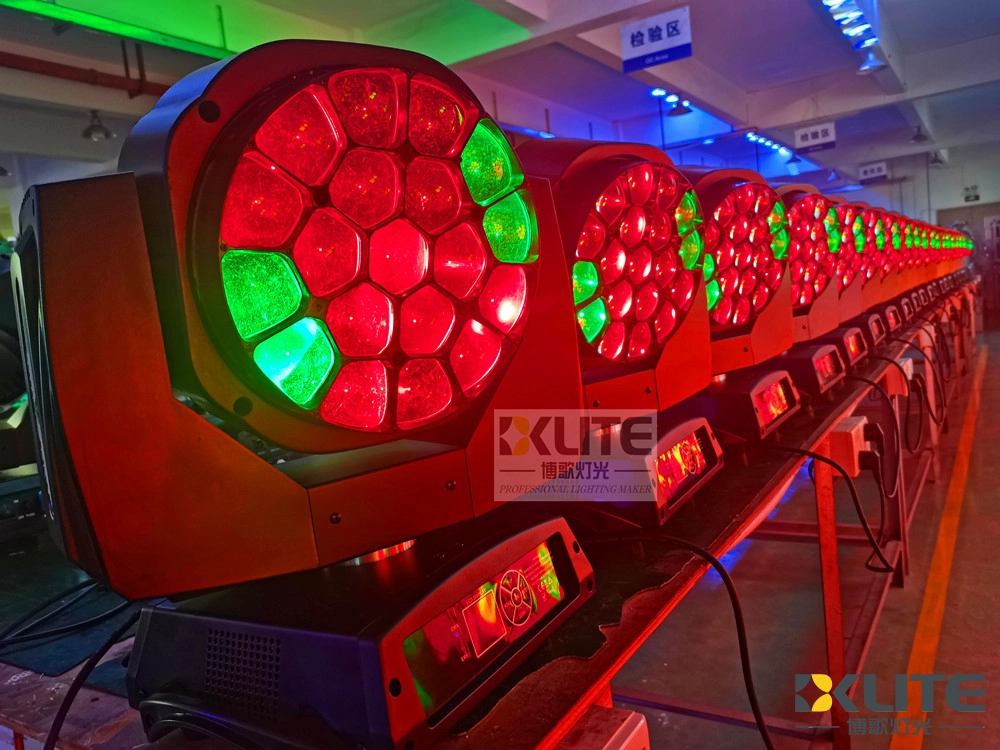
Bee eye k10 ZOOM 19x15w rgbw 4in1 led beam wash moving head light
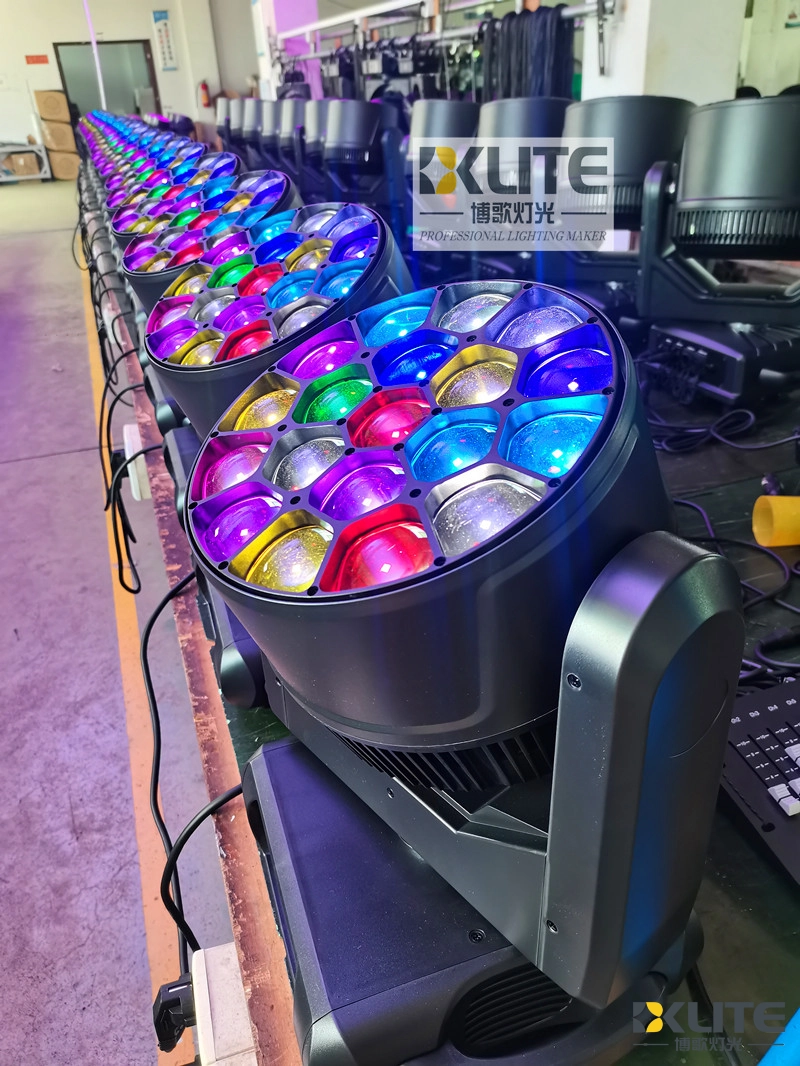
Bee Eye K10 LED Moving Head Light – 19×15W RGBW Zoom Fixture for Professional Stage Lighting
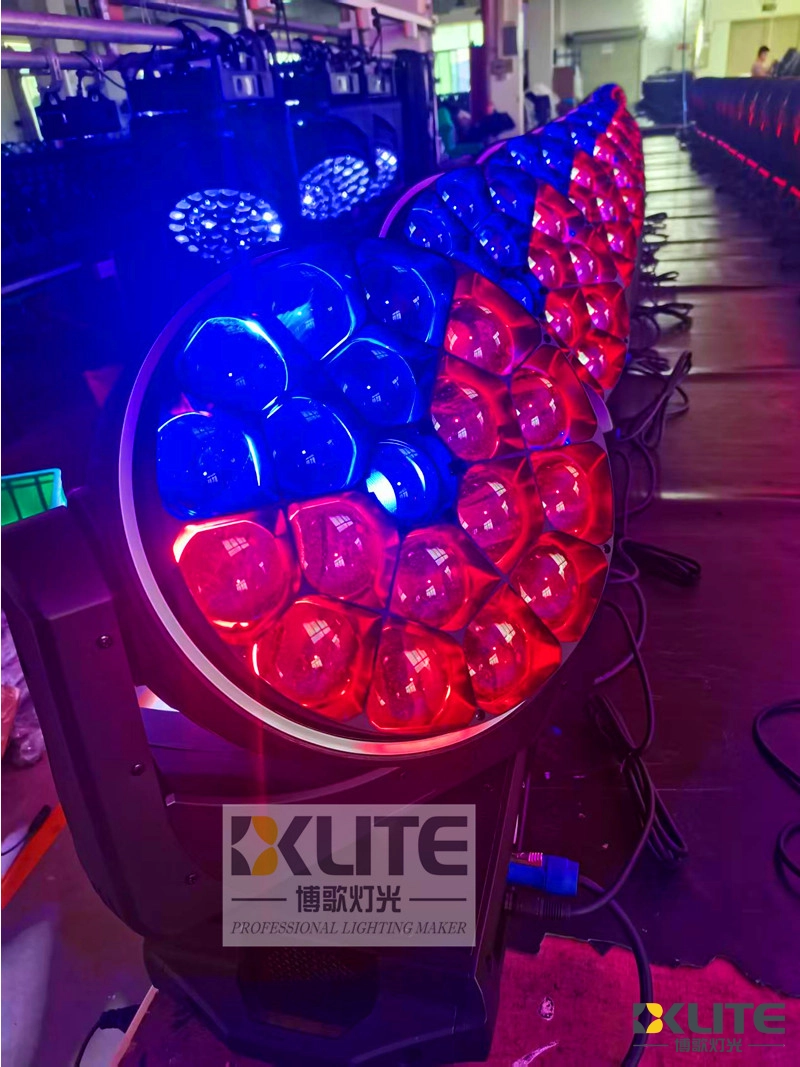
The All-in-One Solution for Modern Stage Lighting - IP20 Bee Eye 19×40W RGBW LED Moving Head Light
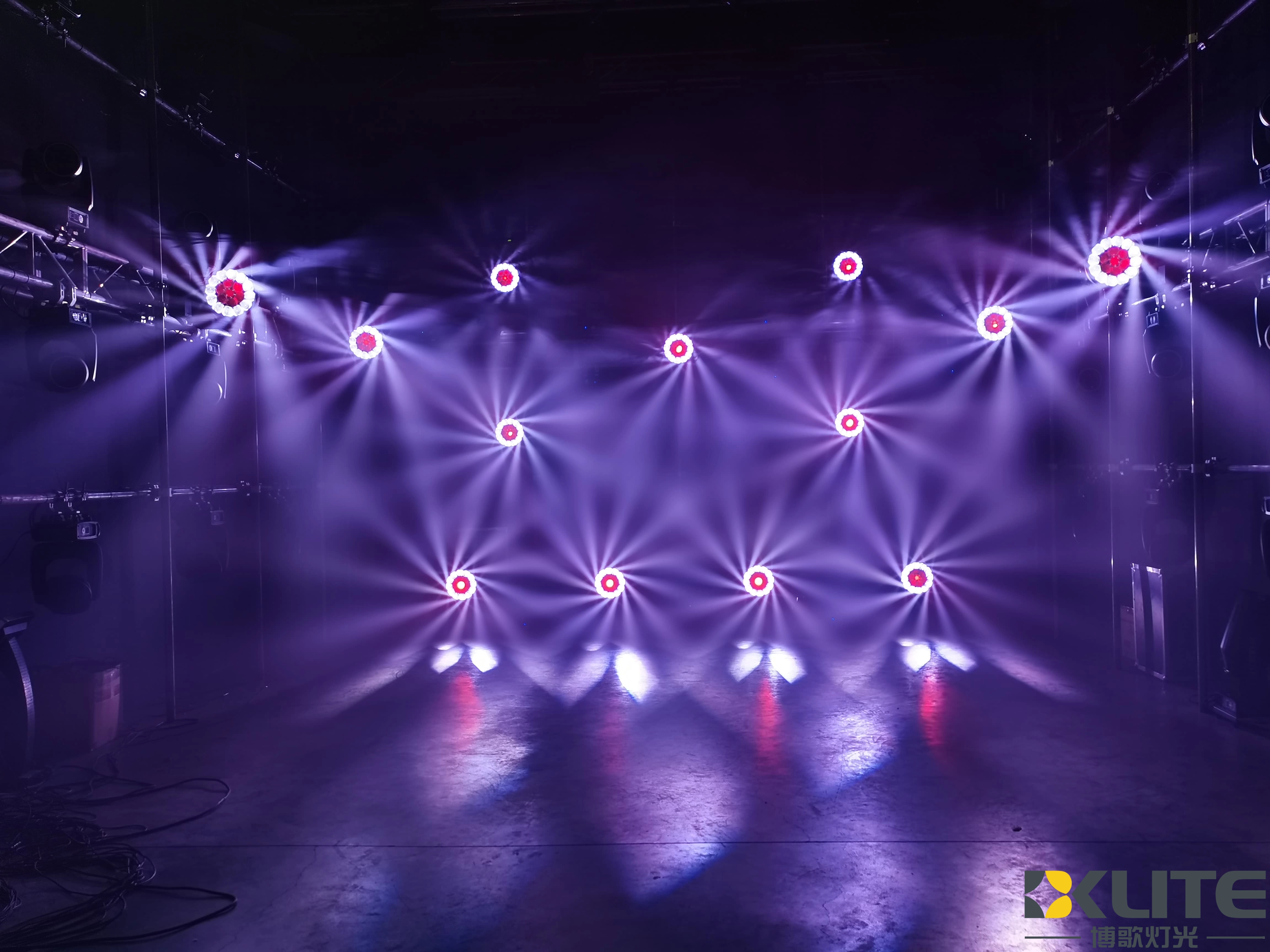
What Makes LED Lights So Special?
FAQs
What is your delivery time?
For stock products, we will deliver to you within 3 days.
When will you ship the product after I send the money?
It depends the order.Small order will take 3-5 days.
If the products broken during the warranty, what should i do?
If there is a problem with the products, you describe it and send pictures or videos to us to analyze, and then we will guide you on how to fix it and provide spare parts for free if needed.
What service can you supply?
We can apply for the OEM/ODM service.
Can you help me to print our logo or company name on the products on package?
Of course. Your logo can be printed on the products or package. OEM & ODM permits.
What kind of package do you have?
We can pack the lights in a carton case and a flight case.
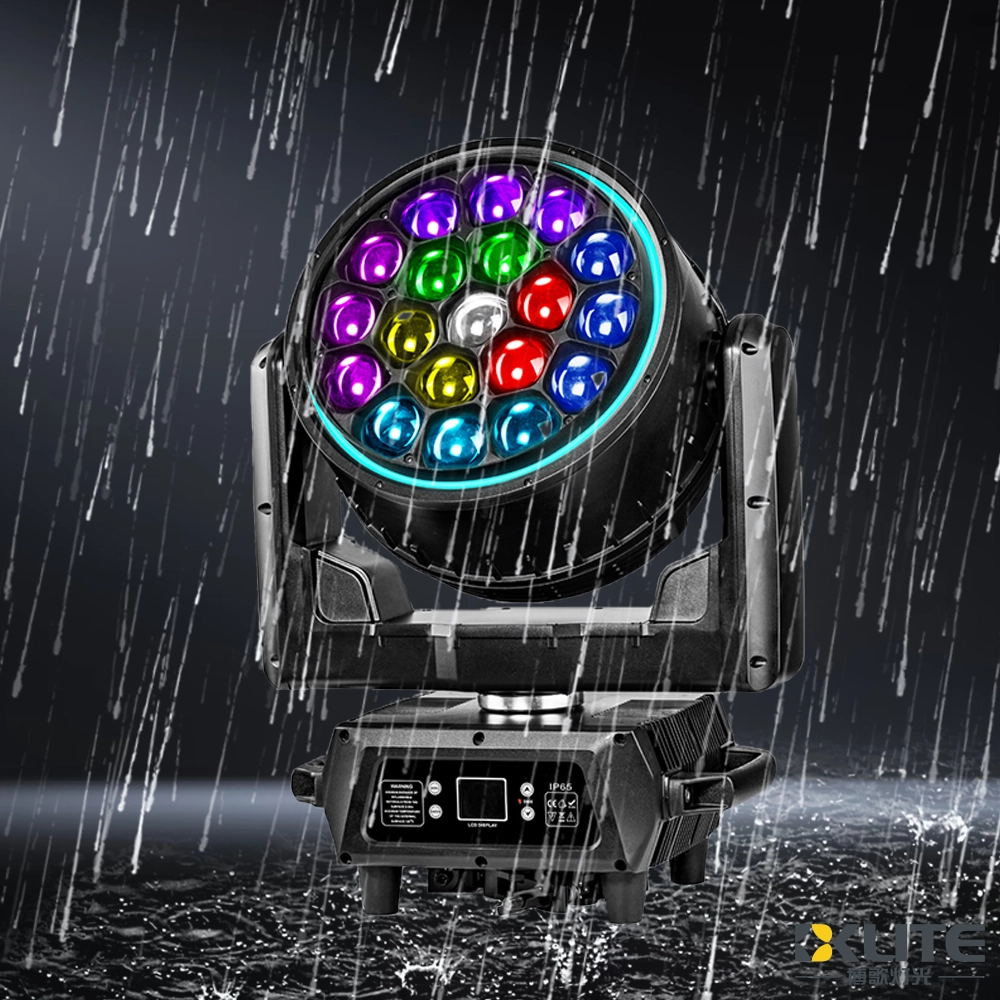
IP65 Waterproof Bee Eye Zoom 19x40W RGBW 4IN1 LED Beam Wash Moving Head Light with LED Ring
BKlite waterproof bee eye moving head light—your reliable choice from top waterproof moving head light manufacturers and suppliers. Ideal for outdoor stage, live event, music festival, this energy-saving fixture ensures powerful, precise illumination for any venue. It delivers powerful, reliable lighting performance in any weather.
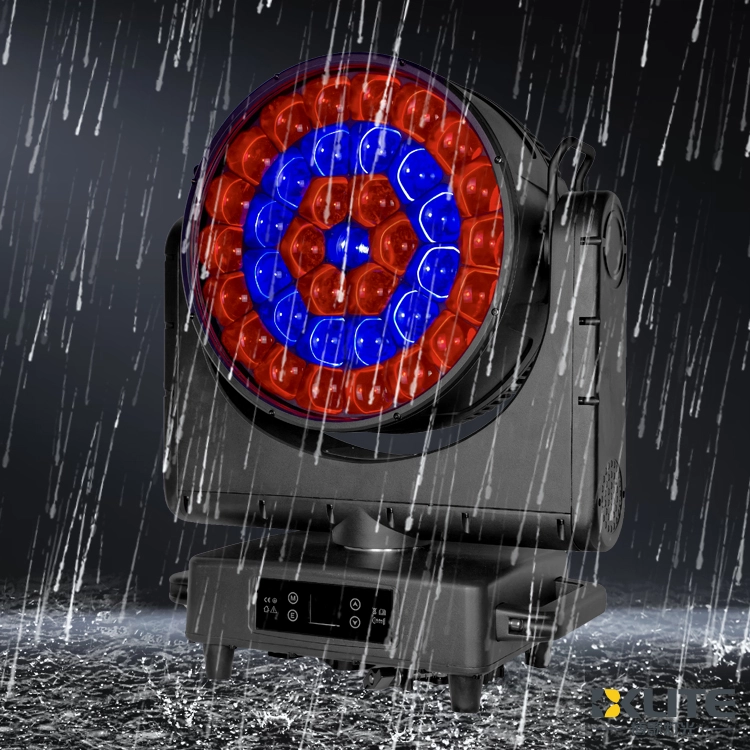
IP65 Waterproof ZOOM Bee Eye 37x40W RGBW 4in1 LED Moving Head Light
As a leading stage lighting equipment supplier with more than 15 years of industry know-how, BKlite brings you the IP65 ZOOM Bee Eye 37*40W RGBW 4in1 LED Moving Head Light (K25 Bee Eye) delivers vibrant, weatherproof lighting with powerful zoom and smooth movement. Ideal for dynamic stage effects, the K25 moving head light ensures stunning RGBW color mixing and reliable outdoor performance.
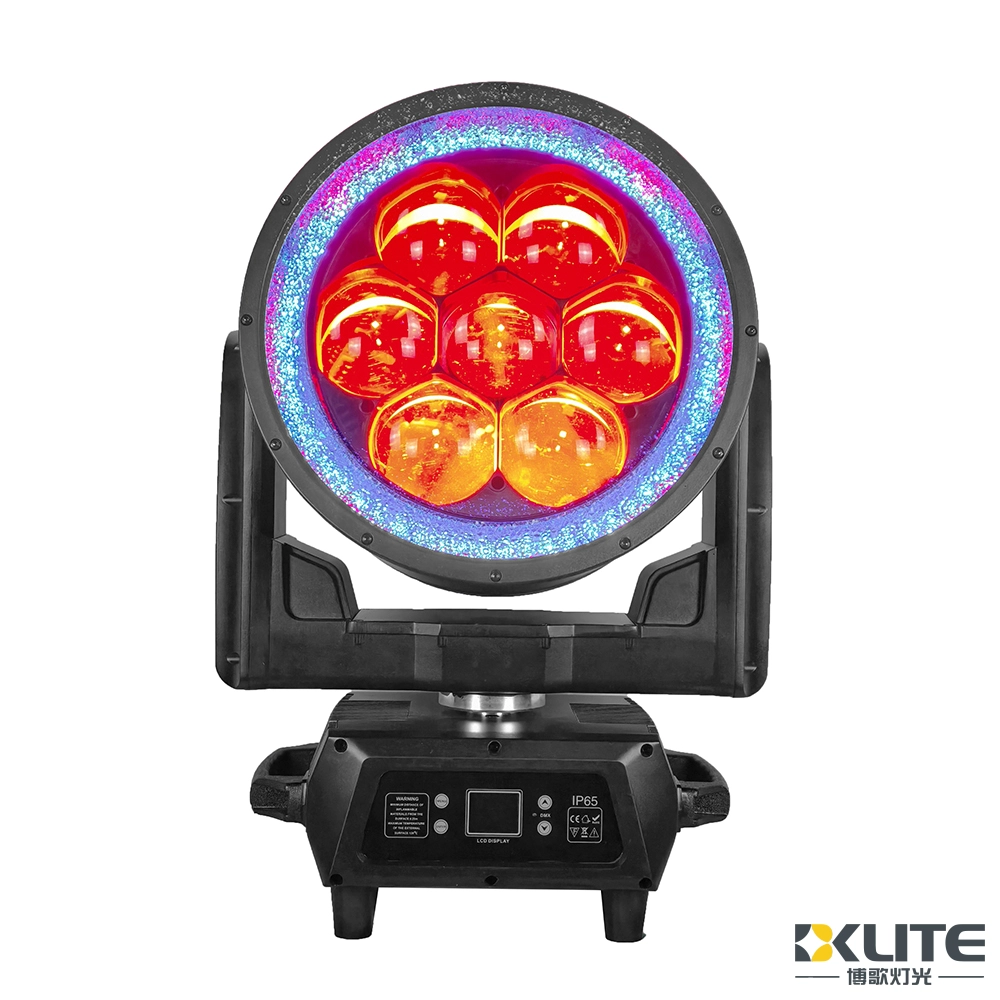
IP65 Waterproof Bee Eye 7x180W RGBL 4IN1 LED Moving Head Light With LED Ring
BKlite high power 7x180W waterproof bee eye moving head light—your reliable choice from top waterproof moving head light manufacturers and suppliers. Ideal for outdoor stage, live event, music festival, this energy-saving fixture ensures powerful, precise illumination for any venue. It delivers powerful, reliable lighting performance in any weather.
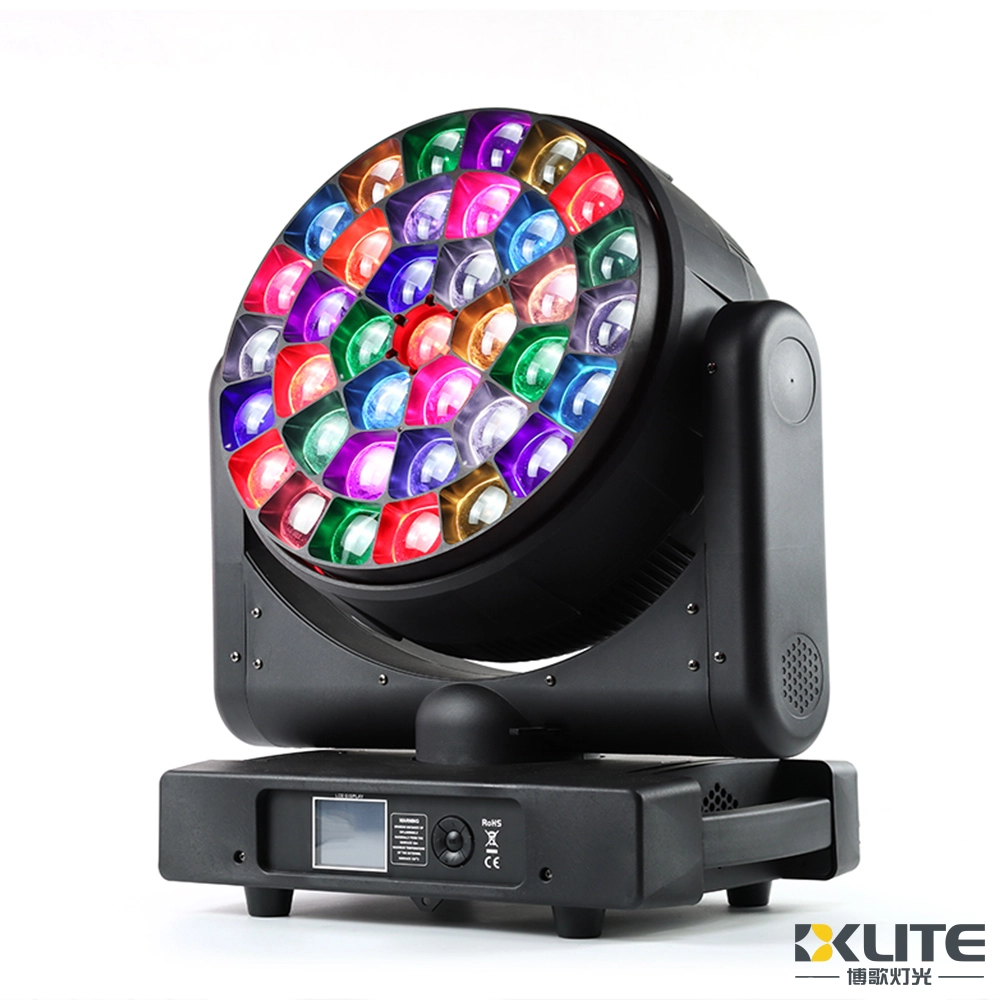
Bee Eye Zoom 37x40W RGBW 4in1 LED Beam Wash Moving Head Light
Contact us
Let's discuss how we can work together to achieve your business goals. Contact us today to get started.
 Address
No. 30, North Hongmian Avenue, Huadu District, GuangZhou, China.


Copyright © 2025 BKLITE All Rights Reserved.