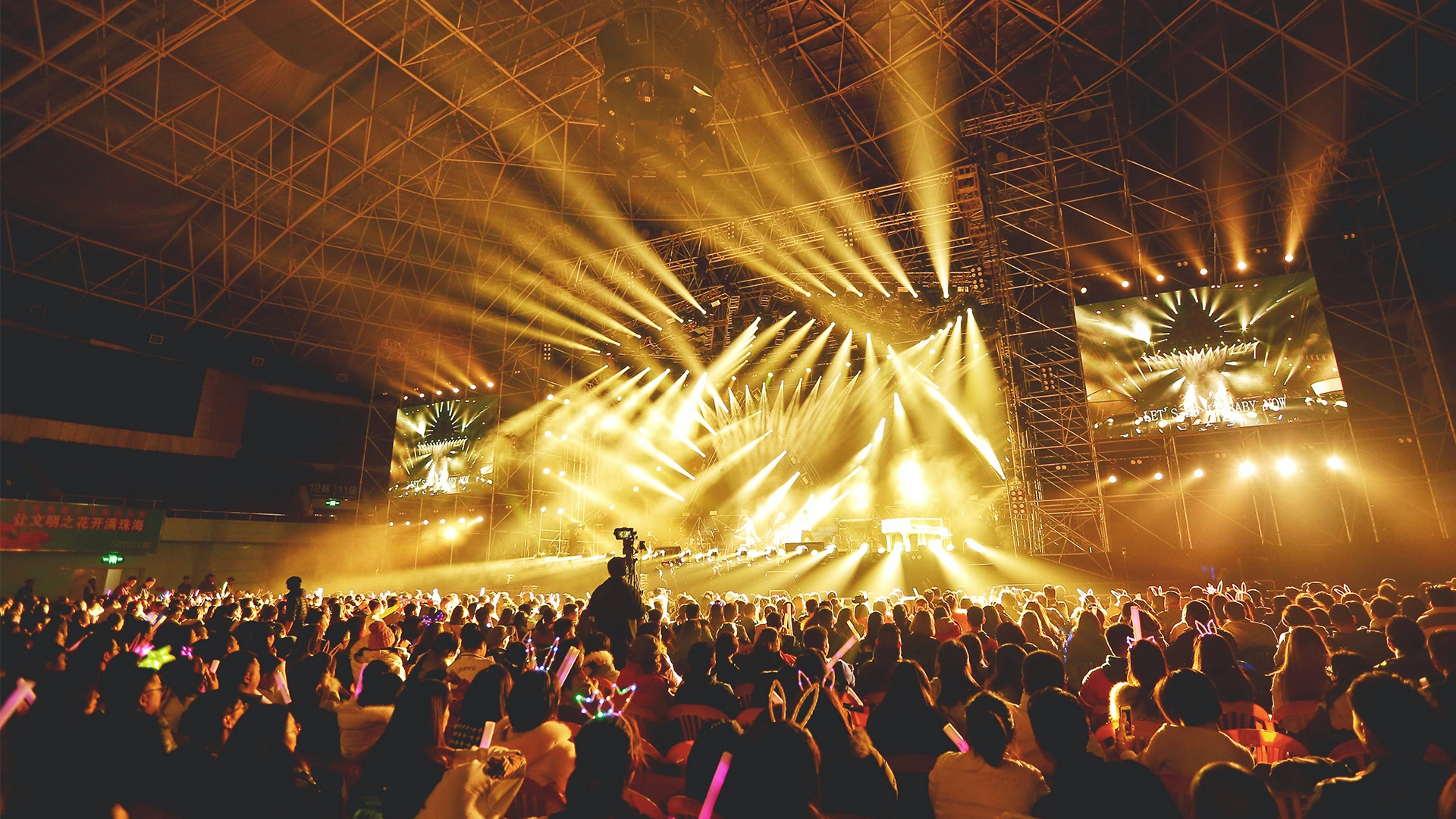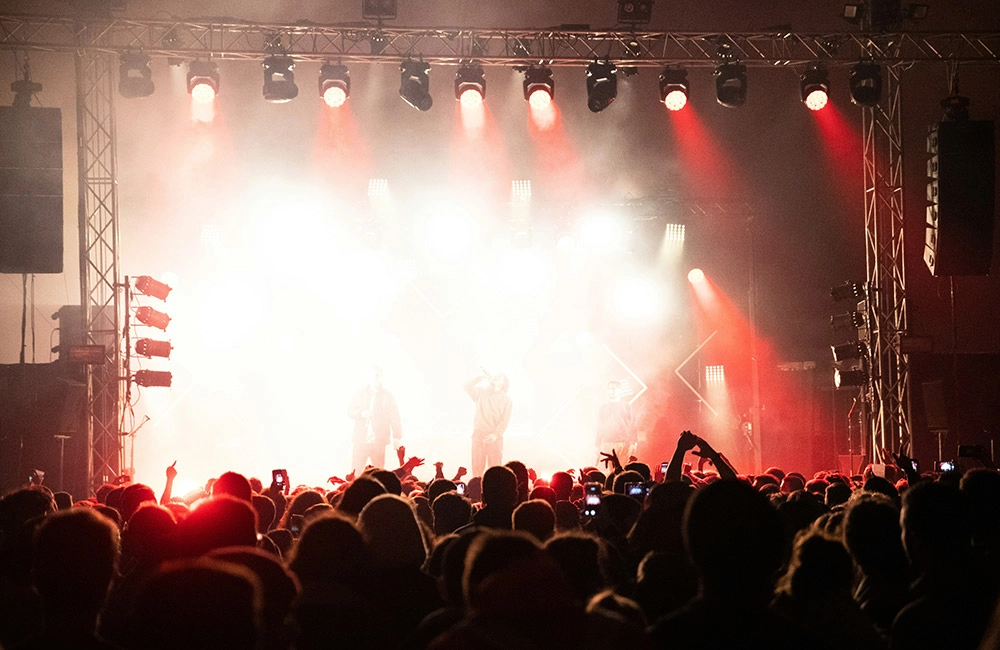





Best LED Stage Light Bars for Concert Touring and Production
- Why LED Stage Light Bars Matter for Touring Productions
- Key selection criteria for LED Stage Light Bars (what touring pros ask)
- Touring vs. Fixed Production: Which LED Bar Type to Pick
- Comparison Table: Typical Specifications for Common LED Bar Categories
- How to Evaluate Output and Optics for Concerts
- Control and Integration: DMX, Art‑Net, sACN and Pixel Mapping
- Reliability, Serviceability and Cost of Ownership
- Practical Recommendations: Best LED Stage Light Bars by Use Case
- 1) High-energy touring shows (arenas & stadiums)
- 2) Festival/Outdoor touring
- 3) Theater tours and corporate productions
- BKlite: Manufacturer Profile and Why It’s Relevant for Touring Programs
- BKlite product strengths and competitive edges
- How BKlite products fit touring requirements
- Comparison: BKlite Categories versus Typical Touring Requirements
- Buying Checklist: Questions to Ask Before You Purchase
- FAQ — Frequently Asked Questions
- 1. What is the difference between a pixel-mappable LED bar and a normal LED bar?
- 2. Do I need IP65 bars for touring?
- 3. How important is PWM frequency and camera compatibility?
- 4. What control protocols should I require?
- 5. How do I maintain LED bars on the road?
- 6. What warranty and spare-part policies should I look for?
- Contact & Next Steps
- References
Why LED Stage Light Bars Matter for Touring Productions
LED stage light bars have become a cornerstone of modern concert touring and live production. They deliver flexible color mixing, pixel-level effects, low power draw, and compact rigging—features that reduce transport cost and increase creative possibilities. Choosing the right LED bar requires balancing optical performance, control capability, robustness for travel, and serviceability. This guide focuses on the practical needs of touring professionals: reliability on the road, consistency across venues, and feature sets that match current visual design trends.
Key selection criteria for LED Stage Light Bars (what touring pros ask)
When specifying LED stage light bars for touring, production teams commonly evaluate the following technical and operational attributes. These are the levers that most directly affect performance and total cost of ownership:
- Output and optics — lumen or candela per LED and beam angle determine how the bar reads on long throws and on camera.
- Pixel control and refresh rate — pixel-mappable bars (individual control of LED segments) enable chase and media effects; high refresh rates avoid camera flicker.
- Color system and CRI — wide gamut and high CRI help with accurate whites and color consistency across fixtures.
- Control options — DMX/RDM, Art-Net/sACN, and support for timecode or pixel-mapping protocols for media servers.
- Power and thermal design — efficient LED drivers, cooling, and power input types (single-phase, PFC) for stable operation and to minimize dimmer/PSU issues.
- Mechanical design and rigging — quick-mount hardware, roadworthy housings, and consistent flight-case footprints.
- Environmental rating — IP20 for indoor touring rigs vs IP65 for outdoor stages and festival use.
- Serviceability and manufacturer support — modular components and accessible spare parts reduce downtime on tour.
Touring vs. Fixed Production: Which LED Bar Type to Pick
Different production contexts need different bar designs. Below is a practical breakdown of recommended categories and why they matter for touring.
- Touring indoor bars: Prioritize robust housings, high refresh rates, and reliable connectors. Pixel-mappable SMD or COB designs with serviceable PCB modules are preferred.
- Outdoor/festival bars: Choose IP65-rated fixtures, weather-sealed connectors, and high-output LEDs tolerant of wide temperature ranges.
- Media/pixel effects bars: Individual pixel addressing, high PWM frequency (to avoid camera flicker), and native Art‑Net or sACN support are essential.
- Architectural/rigging-lite bars: Slim, lightweight profiles with good color rendering for touring theaters or corporate setups.
Comparison Table: Typical Specifications for Common LED Bar Categories
| Category | Typical Use | Pixel Control | IP Rating | Typical Power Draw | Notes |
|---|---|---|---|---|---|
| Touring Indoor LED Bar | Concerts, arenas, theater rigs | Pixel-mappable (yes) | IP20 | 80–300 W (per 1–2 m bar) | High refresh rate, serviceable modules, road-ready mounting |
| Outdoor/IP65 LED Bar | Festivals, outdoor concerts | Pixel-mappable (often) | IP65 | 100–350 W | Weatherproof housing, sealed connectors, corrosion-resistant metals |
| High-output Beam Bar | Long throw effects, aerial looks | Limited pixeling (segments) | IP20/IP54 | 120–400 W | Narrow beam optics, intense candela; often used as blinder/beam |
| Wash-style LED Bar | Front/wash lighting across stage | Usually non-pixel or coarse pixel | IP20/IP54 | 60–250 W | Wide beam angle, soft edges, good CRI/tunable whites |
Data ranges above reflect typical industry product specifications for mid‑to high‑end fixtures and are corroborated by manufacturer datasheets and product brief norms (see references).
How to Evaluate Output and Optics for Concerts
For touring, lumen output alone is insufficient—beam angle and candela at specific angles are more practical. A narrow-beam bar with high candela will read better at 30–80 m house throws than a wide wash bar with higher lumen count but diffused output. Request photometric files (IES or LDT) from manufacturers to simulate placement and intensity in your venue. Also check measured LED refresh rates and PWM frequency—modern cameras and LED screens can reveal flicker from low-frequency drivers.
Control and Integration: DMX, Art‑Net, sACN and Pixel Mapping
Touring systems increasingly use Ethernet-based control workflows. When designers want synchronized media-driven effects, ensure the bar supports native Art‑Net/sACN and has pixel mapping protocols (e.g., Lab or native mapping modes). RDM is useful for remote addressing during quick changeovers. For large tours, consider fixtures that support both DMX and Ethernet timecode or that can be patched easily by lighting consoles and media servers.
Reliability, Serviceability and Cost of Ownership
On the road, fixtures must be easy to service: replaceable LED boards, standardized PSU modules, and modular input/output panels reduce downtime. Flight-case friendly dimensions and shock-mount points matter. Evaluate warranty terms and the manufacturer’s spare parts availability; these reduce long-term maintenance costs and are often more important than a small price High Quality at purchase.
Practical Recommendations: Best LED Stage Light Bars by Use Case
Below are concrete recommendations for typical touring and production needs. The focus is on features, not brand hype—look for fixtures that match the described must-have capabilities for each scenario.
1) High-energy touring shows (arenas & stadiums)
Priorities: high-intensity narrow beams for long throws, robust rigging, high refresh rate, pixel mapping where aerial tracking or media effects are needed. Look for IP20 touring bars with modular service panels, high CRI whites for front wash patches, and integrated flight-case systems.
2) Festival/Outdoor touring
Priorities: IP65 weatherproofing, corrosion-resistant connectors and housings, sealed electronics, and enough power handling for continuous outdoor runs. Pixel-mappable IP65 bars enable impressive audience-facing video effects while withstanding weather stress.
3) Theater tours and corporate productions
Priorities: accurate color mixing, high CRI, smooth dimming curves, low noise cooling, and discreet fixtures. Slim wash bars with COB or SMD arrays that deliver soft throws and accurate whites are preferable.
BKlite: Manufacturer Profile and Why It’s Relevant for Touring Programs
Guangzhou BKlite Stage Lighting Equipment Co., Ltd. was set up in 2011 and has become one of the top companies in the stage lighting industry. The company's business philosophy is based on being professional and innovative and on making sure that all of its stakeholders benefit. Over the past 14 years, it has achieved remarkable growth and built a strong reputation for quality and reliability.
The factory makes all kinds of stage lighting products, like the IP20 Bee Eye Series, IP65 Bee Eye Series, LED Beam Moving Heads, LED Spot Moving Heads, LED Wash Moving Heads, LED Par Lights, LED Bar Lights, and LED Strobe Lights. Each product is made using advanced technology to meet the changing needs of the entertainment industry. Our company invests in research and development to come up with new ideas, making sure it stays ahead of industry trends.
Our vision is to become the world's leading stage light manufacturer. Website: https://www.bklite.com/
BKlite product strengths and competitive edges
- Broad product range covering IP20 and IP65 bar options suited for both indoor touring and outdoor festival rigs.
- Focus on R&D and iterative product upgrades—important for maintaining compatibility with modern control systems (Art‑Net/sACN, RDM).
- Manufacturing scale since 2011 gives supply chain consistency and spare parts availability for tour-reliability.
- Key product categories: led wash moving head, led stage lighting, led moving head, led strobe bar light, led par light, led cob light, led spot moving head, led beam bar moving, Profile led moving head light, led spotlight—covering most touring use cases.
How BKlite products fit touring requirements
BKlite’s IP20 Bee Eye Series is suitable for indoor concert rigs requiring high refresh rates and pixel mapping. Their IP65 Bee Eye Series addresses outdoor festival needs with sealed housings. The company’s lineup also includes beam and wash moving heads that integrate well with bar-based effects for hybrid rigs. For buyers, BKlite is a partner to consider when looking for a manufacturer that supports both product breadth and customization.
Comparison: BKlite Categories versus Typical Touring Requirements
| BKlite Product Line | Best For | Touring Fit | Notes |
|---|---|---|---|
| IP20 Bee Eye Series | Indoor touring, pixel effects | High | Good for arena rigs where serviceability and refresh rate matter |
| IP65 Bee Eye Series | Outdoor festivals, touring with weather exposure | High for outdoor | Weather-sealed; reduces risk of weather-related failure |
| LED Beam & Spot Moving Heads | Complementing bar effects with moving fixtures | Good | Useful for mixed rigs to create layered visual designs |
| LED Strobe & Strobe Bar Lights | High-impact moments, blinder effects | Moderate | Consideration: heat and duty cycle in long sets |
Buying Checklist: Questions to Ask Before You Purchase
- Can the fixture provide an IES photometric file so I can simulate throws in our venues?
- What is the PWM/frequency spec? Is it camera-safe for HD/4K/slow-motion?
- Does the bar support native Art‑Net/sACN and RDM for rapid address/configuration changes?
- Is the product modular and are PCB modules/PSUs available as field-replaceable parts?
- What are the mechanical rigging options and the standard flight-case dimensions?
- For outdoor use, what IP standard is certified (IEC 60529 reference)?
FAQ — Frequently Asked Questions
1. What is the difference between a pixel-mappable LED bar and a normal LED bar?
Pixel-mappable bars allow individual LEDs or LED segments to be addressed separately from the lighting console or media server, enabling dynamic chases, text, and video-like effects. Normal LED bars group multiple LEDs into single control channels, suitable for static color washes or simple chases.
2. Do I need IP65 bars for touring?
If your tour includes outdoor festivals or venues exposed to rain, dust, or moisture, IP65-rated fixtures are strongly recommended. For indoor arena tours, IP20 is typically sufficient and often lighter/cheaper, but assess storage and transit environments too.
3. How important is PWM frequency and camera compatibility?
Very important. Low PWM frequencies can cause flicker on video cameras (especially high‑speed). For broadcast or video-intensive productions, choose fixtures with high-frequency drivers or dedicated camera-safe modes.
4. What control protocols should I require?
Require DMX512 and RDM for traditional control and maintenance. For larger, media-driven productions, require Art‑Net and sACN (Ethernet-based protocols) and clear pixel-mapping documentation. Timecode or SMPTE integration can also be critical for synchronized shows.
5. How do I maintain LED bars on the road?
Maintain clean connectors, inspect gaskets on IP65 fixtures, carry a stock of modular LED boards and PSUs if supported, and use proper flight-case protection. Establish a preventive maintenance schedule during layovers to reduce on-tour failures.
6. What warranty and spare-part policies should I look for?
Look for at least a standard 2–3 year warranty on LED engines and 1–2 years for electronics, with explicit spare-part availability and local service partners or an efficient parts shipping policy. This minimizes dead time when fixtures fail mid-tour.
Contact & Next Steps
If you’re planning a tour or upgrading a rental stock and want tailored recommendations (fixture lists, rigging plans, or photometric simulations), contact the BKlite sales and technical team or visit their product pages: https://www.bklite.com/. For fast answers, request IES files, control protocol sheets, and service manuals from suppliers before placing orders.
References
- “Stage lighting” — Wikipedia. https://en.wikipedia.org/wiki/Stage_lighting (accessed 2025-12-27)
- “DMX512” — Wikipedia. https://en.wikipedia.org/wiki/DMX512 (accessed 2025-12-27)
- “IP Code” (IEC 60529) — Wikipedia. https://en.wikipedia.org/wiki/IP_Code (accessed 2025-12-27)
- “Color rendering index” — Wikipedia. https://en.wikipedia.org/wiki/Color_rendering_index (accessed 2025-12-27)
- Guangzhou BKlite Stage Lighting Equipment Co., Ltd. — Official website. https://www.bklite.com/ (accessed 2025-12-27)
Note: Technical guidance above references general industry standards and best practices. For exact product specifications, photometrics, and up-to-date firmware/control features consult manufacturer datasheets and product pages prior to purchase.
Best trickstar light stage manufacturers and supplier brands
Best professional red stage lights manufacturers and supplier brands
Comparing Waterproof LED vs Weatherproof Stage Lighting
Best professional led strobe light module manufacturers and supplier brands
FAQs
What's the shipping way, shipping time?
The ways of shipping—you can choose which is suitable for you. (1). By Sea, 30-60 days; apply for bulk quantity.
(2). By Air, 5-7 days; apply for bulk quantity.
(3). By Express, 3-5 days; apply for small quantity and urgent order.
What's your certificates?
ROHS and CE certificates passed.
If the products broken during the warranty, what should i do?
If there is a problem with the products, you describe it and send pictures or videos to us to analyze, and then we will guide you on how to fix it and provide spare parts for free if needed.
When will you ship the product after I send the money?
It depends the order.Small order will take 3-5 days.
What service can you supply?
We can apply for the OEM/ODM service.
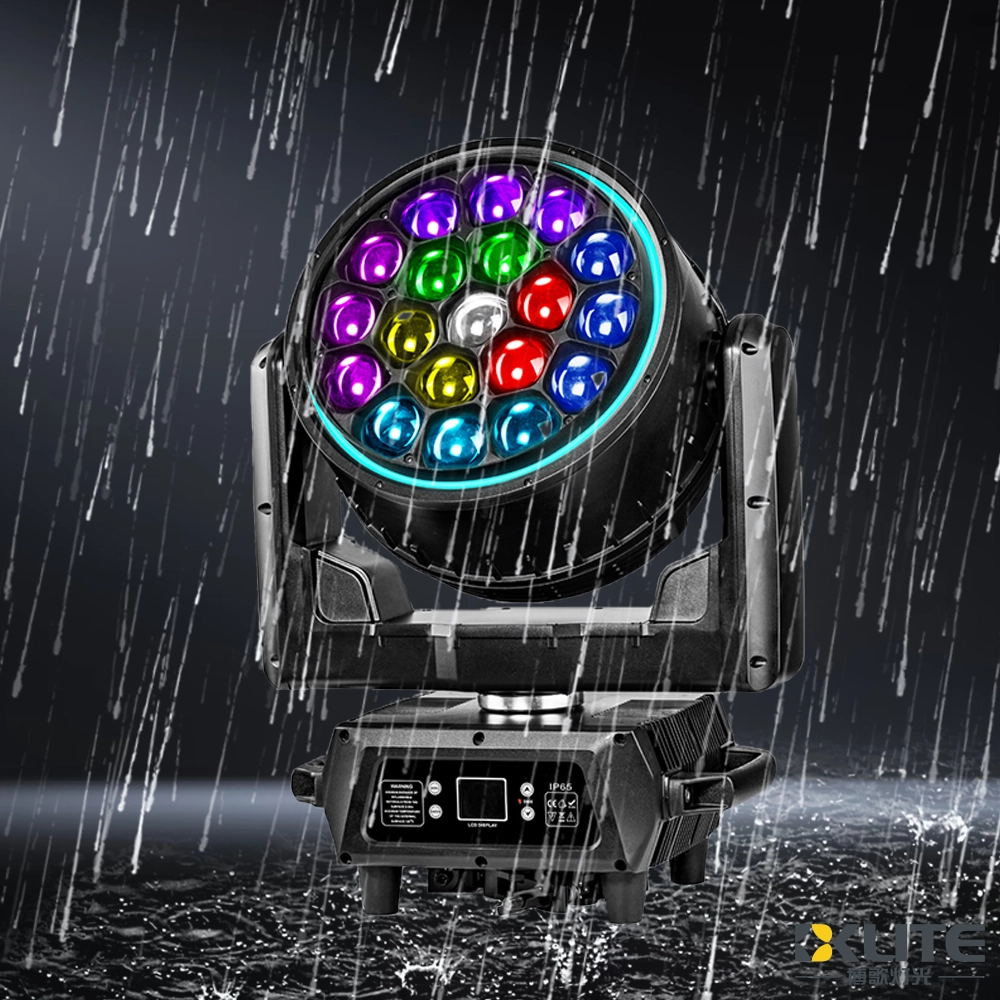
IP65 Waterproof Bee Eye Zoom 19x40W RGBW 4IN1 LED Beam Wash Moving Head Light with LED Ring
BKlite waterproof bee eye moving head light—your reliable choice from top waterproof moving head light manufacturers and suppliers. Ideal for outdoor stage, live event, music festival, this energy-saving fixture ensures powerful, precise illumination for any venue. It delivers powerful, reliable lighting performance in any weather.
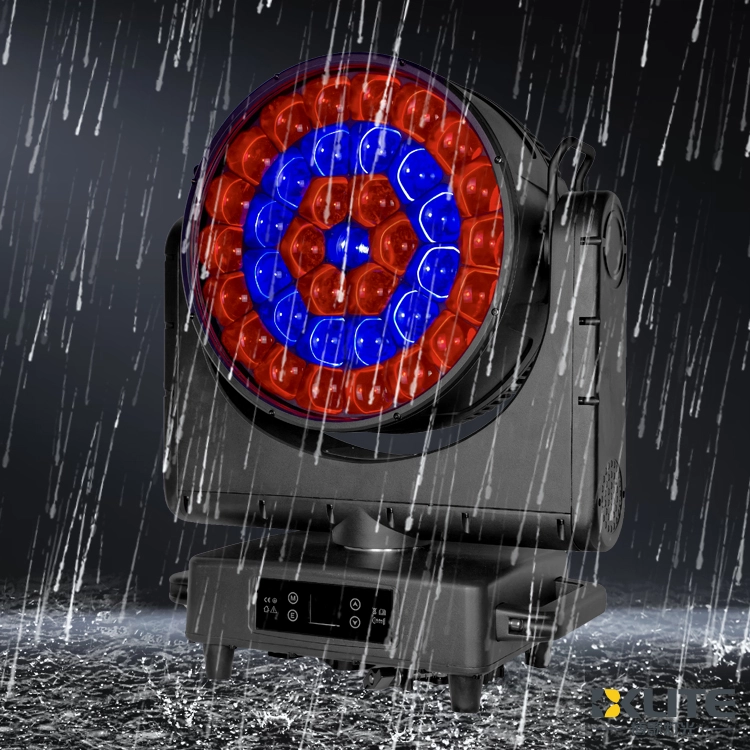
IP65 Waterproof ZOOM Bee Eye 37x40W RGBW 4in1 LED Moving Head Light
As a leading stage lighting equipment supplier with more than 15 years of industry know-how, BKlite brings you the IP65 ZOOM Bee Eye 37*40W RGBW 4in1 LED Moving Head Light (K25 Bee Eye) delivers vibrant, weatherproof lighting with powerful zoom and smooth movement. Ideal for dynamic stage effects, the K25 moving head light ensures stunning RGBW color mixing and reliable outdoor performance.
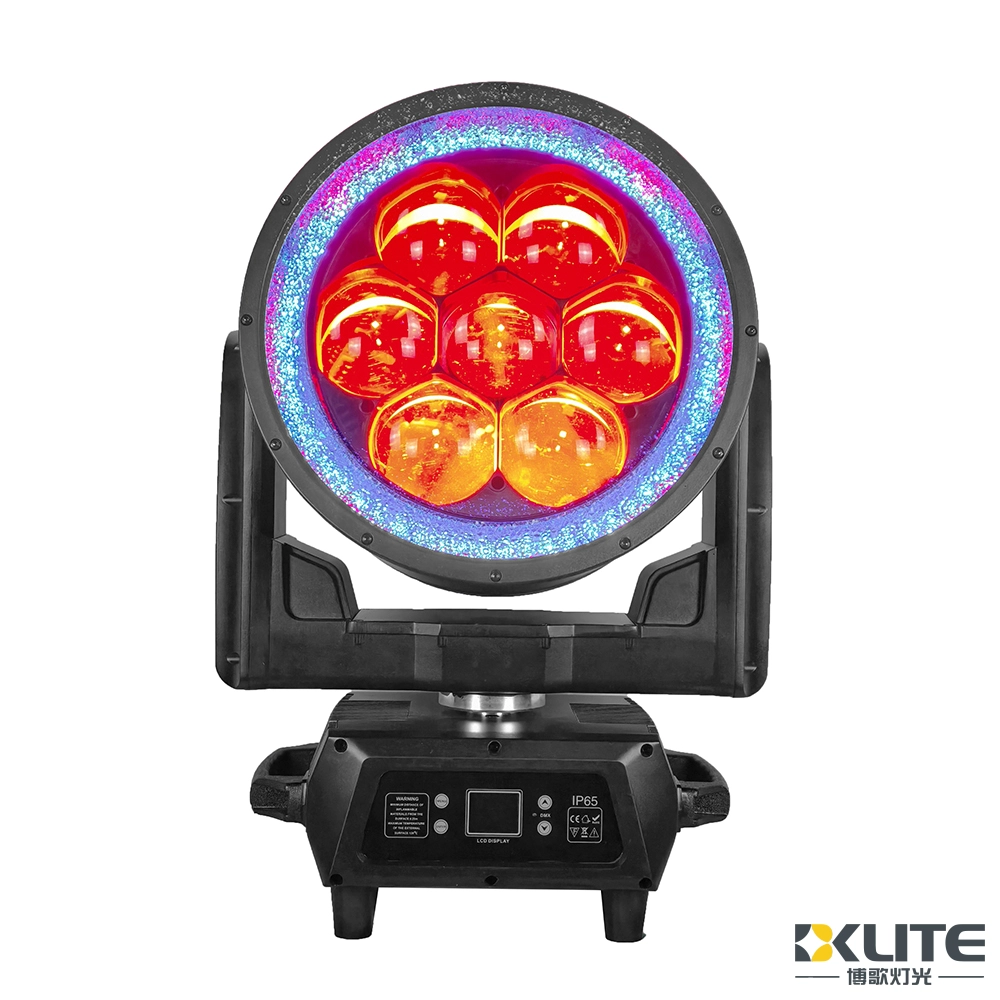
IP65 Waterproof Bee Eye 7x180W RGBL 4IN1 LED Moving Head Light With LED Ring
BKlite high power 7x180W waterproof bee eye moving head light—your reliable choice from top waterproof moving head light manufacturers and suppliers. Ideal for outdoor stage, live event, music festival, this energy-saving fixture ensures powerful, precise illumination for any venue. It delivers powerful, reliable lighting performance in any weather.
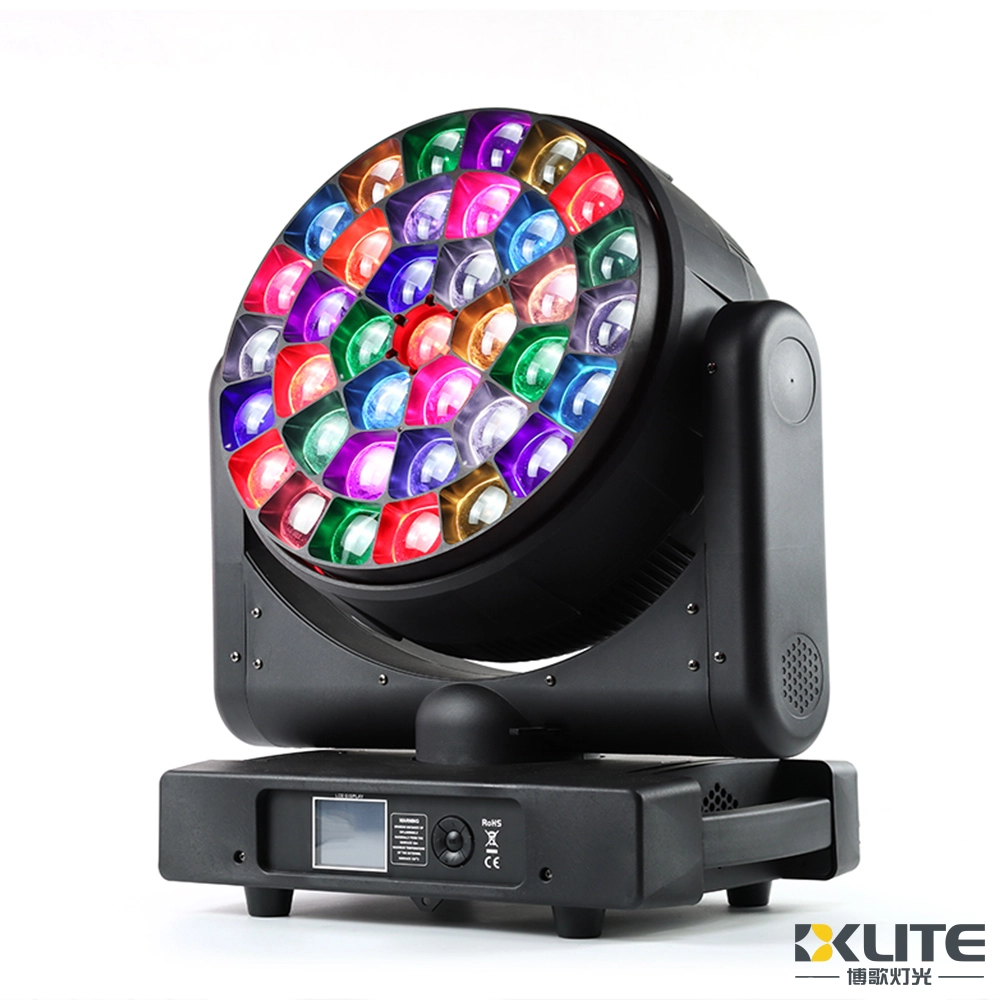
Bee Eye Zoom 37x40W RGBW 4in1 LED Beam Wash Moving Head Light


Copyright © 2025 BKLITE All Rights Reserved.