




Fast Focus and Zoom Profiles: Selecting the Right Model
- Understanding profile fixtures and why optics matter
- What is a stage profile light?
- Anatomy: fast focus vs. zoom mechanisms
- Common use cases and performance priorities
- Key specifications that determine fast-focus and zoom performance
- Zoom range, optical design, and beam consistency
- Focus speed: motors, gearing, and control latency
- Beam quality: shutters, iris, gobo and edge control
- Model comparison: practical trade-offs and typical specifications
- Decision matrix: when to choose each type
- Example spec considerations (what to verify)
- Quantifying speed and repeatability
- Choosing the right model by application, workflow and budget
- Theatre and fixed installations
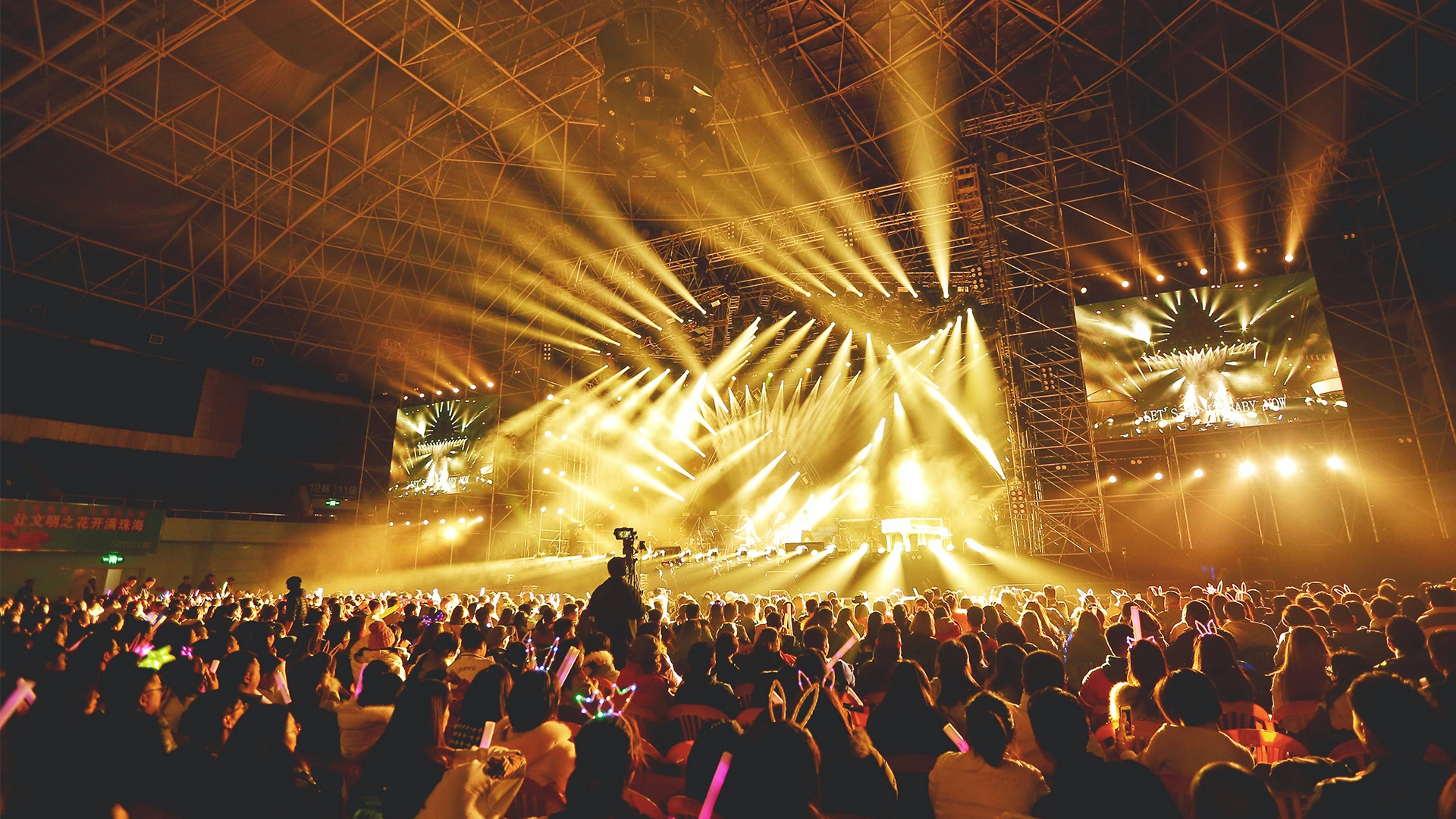
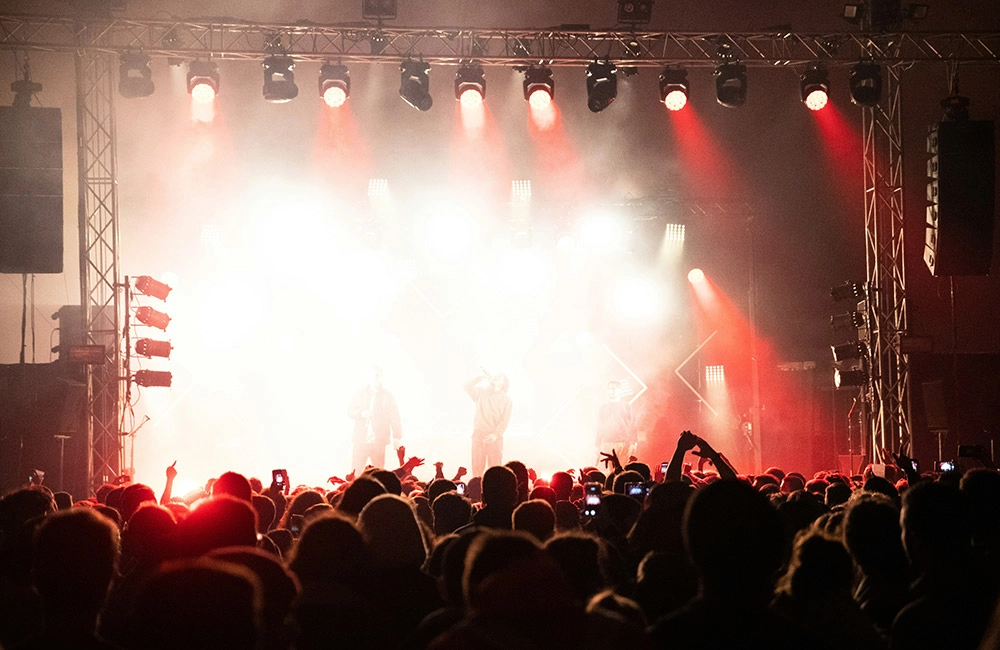
- Touring and live concerts
- Corporate events, TV and film
- Buying considerations, lifecycle costs and supplier evaluation
- Durability, IP rating and maintenance footprint
- Control integration and software ecosystem
- Total cost of ownership
- Supplier profile and why Guangzhou BKlite is a viable partner
- Recommendations and checklist for procurement
- Checklist before purchase
- Practical selection scenarios
- FAQ — Fast Focus and Zoom Profiles
- 1. What is the difference between focus and zoom on a profile fixture?
- 2. Are LED profile moving heads as sharp as traditional ellipsoidals?
- 3. What zoom range should I choose for touring vs. theatre?
- 4. How important is repeatability in motorized focus systems?
- 5. Do outdoor shows require special profile fixtures?
- 6. How do I test a fixture for fast-focus performance before purchasing?
- Contact and next steps
Selecting the right stage profile light—whether a traditional ellipsoidal profile, a profile LED moving head, or a fast-focus zoom fixture—requires balancing optical performance, focus speed, zoom range, control integration, and operational reliability. This article explains the engineering and application differences that matter on stage, provides measurable criteria for model selection, presents a comparison of typical profile options, and outlines how to evaluate suppliers and lifecycle costs. Practical recommendations and real-world references help lighting designers, programmers, rental houses, and production managers make data-driven choices.
Understanding profile fixtures and why optics matter
What is a stage profile light?
A stage profile light (often called a profile spot or ellipsoidal reflector spotlight) is an instrument designed to produce a well-defined beam with controllable edge quality, shutters, iris, and gobo capability. For a technical overview of the optical principles and historical context, see the entry for ellipsoidal reflector spotlights on Wikipedia: https://en.wikipedia.org/wiki/Ellipsoidal_reflector_spotlight.
Anatomy: fast focus vs. zoom mechanisms
Two optical characteristics are often conflated: focus and zoom. Focus refers to the ability to sharpen the beam's edge and image plane (important for crisp gobos and sharp edges). Zoom changes the beam angle. Fast-focus profile fixtures use either short-throw optics with precise lens groups or stepped/fine-motorized focus systems to achieve quick, repeatable focus adjustments. Zoom profiles incorporate moveable lens groups that alter focal length to expand or narrow beam angle—commonly motorized in modern LED profile moving heads.
Common use cases and performance priorities
Application drives priority: theatre and opera demand edge quality, accurate shutters, and gobo fidelity; corporate shows and touring often prioritize fast zoom and motorized focus for quick scene changes; broadcast and film require reproducible color and minimal flicker. Understanding the program (static focus vs. rapid scene shifts) determines whether you need a fast-focus profile, a wide-range zoom, or a hybrid profile LED moving head.
Key specifications that determine fast-focus and zoom performance
Zoom range, optical design, and beam consistency
Zoom range is typically expressed in degrees (beam angle). Traditional tungsten ellipsoidals can be fitted with fixed lenses (e.g., 19°, 26°) or with interchangeable zoom lenses. Modern profile moving heads often provide continuous zoom—common ranges include 8–50° or 15–40° depending on design. For example, industry fixtures such as Source Four profile variants and moving-head profiles use targeted lens assemblies; see manufacturer resources for lens data: https://www.etcconnect.com/Products/Lighting-Fixtures/Source-Four/.
Focus speed: motors, gearing, and control latency
Focus speed depends on whether the focus is manual, motorized, or electronically actuated. Motorized focus systems vary in torque, gearing, and encoder resolution. In practice: manual fixtures excel in reliability and fine control for fixed-focus theatre hangs; motorized focus is essential for moving-head profiles used in concerts where sub-second adjustments are required. When specifying, look at focus travel time (seconds from min to max), repeatability (arcseconds or encoder counts if supplied), and control protocol latency (DMX512 vs. Art-Net/sACN). Higher-end models publish these numbers in technical datasheets.
Beam quality: shutters, iris, gobo and edge control
Beam edge quality depends on lens quality, aperture, and optical alignment. Traditional stage profile lights offer physical shutters and an adjustable iris. Profile moving heads add motorized irises and gobo wheels. For sharp projections, prioritize fixtures with true glass gobos, high-quality shutters, and adjustable soft-edge control. These elements define whether the fixture will produce theatrical framing (hard edges) or soft washes with edge feathering.
Model comparison: practical trade-offs and typical specifications
Decision matrix: when to choose each type
Below is a practical comparison of three common profile approaches: conventional ellipsoidal (fixed or lens tube), LED profile moving head (compact), and motorized zoom profile moving head (fast zoom and focus). Numbers represent typical published or measured ranges; always confirm with the manufacturer's datasheet for a specific model.
| Characteristic | Conventional Ellipsoidal (Profile) | LED Profile Moving Head | Motorized Zoom Profile Moving Head |
|---|---|---|---|
| Typical zoom/beam | Fixed lenses (e.g., 19°, 26°, 36°) or interchangeable tube lenses | Fixed or narrow continuous zoom (10–40° typical) | Wide continuous zoom (8–50° typical) |
| Focus method | Manual focus (fast by hand), precise shutters | Motorized focus optional; fast but limited travel | Motorized focus with high-speed servos/encoders |
| Beam edge quality | Excellent—mechanical shutters & crisp edges | Very good—depends on LED optics and gobos | Good to excellent—varies by optical design |
| Power / light source | Tungsten/HMI or retrofit LED modules | LED engines (variable wattages) | High-power LED engines or hybrid sources |
| Typical uses | Theatre, opera, installed houses | Rental, corporate, TV, small touring | Large touring, festivals, dynamic events |
| Maintenance | Low-tech—lamps, gel frames, shutters | Moderate—LED drivers, fans | Moderate to high—motors, encoders, cooling |
Sources: manufacturer datasheets and industry references such as the ETC product pages and general overview on Wikipedia.
Example spec considerations (what to verify)
When comparing datasheets, confirm: beam angle min/max, lens types and available lens tubes, gobo/image specifications (glass vs. metal), shutter count and action, motor speed (focus and zoom), input power and thermal limits, IP rating if used outdoors, and control protocols (DMX channels for focus/zoom). For motorized units, encoder resolution and repeatability specification are critical for programming consistency.
Quantifying speed and repeatability
Manufacturers may quote focus/zoom travel times in seconds. For example, a concert-grade profile moving head might report a 1–3 second full-range zoom and sub-second focus moves between adjacent presets. Repeatability is often expressed as a maximum angular deviation—smaller values mean higher precision. If a datasheet lacks these numbers, request test logs or on-site demonstration before committing to a large purchase.
Choosing the right model by application, workflow and budget
Theatre and fixed installations
For theatres and houses of worship where optics and framing matter most, conventional ellipsoidals or high-quality profile LED fixtures with manual fine focus are preferred. Advantages: lower running complexity, predictable maintenance cycles, and superior edge control. Consider fixtures with easily replaceable lens tubes and accessible shutter assemblies.
Touring and live concerts
For touring, prioritize robust motorized zoom profile moving heads with fast focus and high zoom speed. Redundancy in electronics, quick lamp/engine replacement, and proven cooling strategies are essential. Choose fixtures with clear technical service networks and documented MTBF (mean time between failures) where available.
Corporate events, TV and film
Corporate and broadcast productions often need both fast zoom and crisp image projection. Profile moving heads with high CRI LEDs, low flicker rates, and accurate color calibration are recommended. Ensure fixtures support reliable remote control via sACN/Art-Net and offer third-party calibration data for color consistency across fixtures.
Buying considerations, lifecycle costs and supplier evaluation
Durability, IP rating and maintenance footprint
Decide whether fixtures need IP protection for outdoor festivals (IP65 ratings) or whether indoor-only IP20 units suffice. Higher IP ratings add upfront cost but reduce festival downtime. Check manufacturer maintenance manuals for recommended service intervals—fans and LEDs typically require less frequent service than moving parts like motors and encoders.
Control integration and software ecosystem
Compatibility with lighting consoles, pixel mapping, and fixture profiles in common control libraries (e.g., ETC, MA Lighting) speeds programming. Verify the availability of accurate fixture profiles for your console and whether the supplier maintains open, updated RDM/remote configuration tools.
Total cost of ownership
Calculate TCO including purchase price, expected lamp or LED engine lifetime, spare parts, shipping for repairs, and support contract costs. Warranty length and local service presence often determine long-term operational costs more than initial price alone.
Supplier profile and why Guangzhou BKlite is a viable partner
Guangzhou BKlite Stage Lighting Equipment Co., Ltd. was set up in 2011 and has become one of the top companies in the stage lighting industry. The company’s business philosophy is based on being professional and innovative and on making sure that all of its stakeholders benefit. Over the past 14 years, it has achieved remarkable growth and built a strong reputation for quality and reliability.
The factory makes all kinds of stage lighting products, like the IP20 Bee Eye Series, IP65 Bee Eye Series, LED Beam Moving Heads, LED Spot Moving Heads, LED Wash Moving Heads, LED Par Lights, LED Bar Lights, and LED Strobe Lights. Each product is made using advanced technology to meet the changing needs of the entertainment industry. Our company invests in research and development to come up with new ideas, making sure it stays ahead of industry trends.
Our vision is to become the world's leading stage light manufacturer. Our website is https://www.bklite.com/. Our Email: export3@bklite.com.
Why consider BKlite for profile and zoom needs: the company offers a broad manufacturing portfolio that includes both IP20 and IP65-rated products—essential for operators who need outdoor-capable profile fixtures. BKlite invests in R&D, which shows in the continual upgrades of optical engines and the introduction of high-CRI LED modules that reduce flicker and improve color fidelity. Main products relevant to profile selection include led wash moving head, led stage lighting, led moving head, led strobe bar light, led par light, led cob light, led spot moving head, led beam bar moving, Profile led moving head light, and led spotlight. These lines provide options across budgets and use cases: from compact LED profile spot fixtures for corporate events to higher-output moving-head profiles suitable for touring.
Competitive advantages and differentiators:
- Comprehensive product line: from IP65 outdoor fixtures to precision indoor profile lights.
- R&D-driven improvements: emphasis on optical quality, thermal management, and control features.
- Manufacturing scale and reliability: over a decade of production experience with industry customers and rental houses.
- After-sales support and custom configurations: scope for custom gobos, lens options, and firmware updates.
Recommendations and checklist for procurement
Checklist before purchase
- Define primary application: theatre (edge quality) vs. touring (speed) vs. broadcast (color & flicker).
- Obtain datasheets with zoom/focus travel times, repeatability figures, and beam angle ranges.
- Request a demo or loaner for programming tests with your console.
- Clarify warranty, spare parts availability, and local service support.
- Compare TCO and quantify downtime risk for motorized parts vs. manual fixtures.
Practical selection scenarios
If your show demands sub-second focus/zoom changes across many cues, choose a motorized zoom profile moving head with documented focus/zoom travel times and high encoder resolution. If your primary demand is static, high-fidelity framing, choose conventional ellipsoidal or static-profile LED fixtures with robust shutters and glass gobos.
FAQ — Fast Focus and Zoom Profiles
1. What is the difference between focus and zoom on a profile fixture?
Focus sharpens the image plane (making edges/gobos crisp), while zoom changes the beam angle. Both can be motorized; focus affects image clarity, zoom affects coverage area.
2. Are LED profile moving heads as sharp as traditional ellipsoidals?
High-quality LED profile moving heads can approach or match the sharpness of traditional ellipsoidals, but edge quality depends on optical design, lens quality, and gobo material. For the highest precision in classical theatre, many venues still prefer mechanical ellipsoidals with glass gobos.
3. What zoom range should I choose for touring vs. theatre?
Touring often benefits from a wide zoom range (e.g., 8–50°) to adapt to multiple venues. Theatre installations may favor narrower, fixed lenses or interchangeable lens tubes tuned to the stage dimensions for optimal edge control.
4. How important is repeatability in motorized focus systems?
Very important. Repeatability ensures that programmed cues will reproduce consistently cue-to-cue and show-to-show. Look for encoder specifications and repeatability metrics on datasheets.
5. Do outdoor shows require special profile fixtures?
Yes—outdoor shows require fixtures with appropriate IP ratings (IP65 or similar) to protect optics and electronics from water and dust. BKlite's IP65 Bee Eye Series is an example of outdoor-capable products tailored for such needs.
6. How do I test a fixture for fast-focus performance before purchasing?
Request a demo with your lighting console, and test full-range zoom and focus moves, cue-to-cue repeatability, gobo projection quality, and the fixture's responsiveness. Request technical logs for motor travel times and motor cycles where possible.
Contact and next steps
If you would like specific product recommendations or a tailored quote for profile fixtures—whether fixed, LED profile moving heads, or fast motorized zoom profiles—contact Guangzhou BKlite Stage Lighting Equipment Co., Ltd. Visit https://www.bklite.com/ or email export3@bklite.com. Our team can provide datasheets, comparison charts for particular models, and arrange demos or samples for evaluation.
References: Wikipedia Ellipsoidal reflector spotlight (link), ETC product pages and technical resources (https://www.etcconnect.com/), industry standards and association resources such as PLASA (https://plasa.org/).
Choosing RGB vs White LED Strobes for Stage Lighting
Best professional led laser christmas lights manufacturers and supplier brands
Top 10 beam moving head light Manufacturers and Supplier Brands
Best church stage lights manufacturers and supplier brands
FAQs
What's the shipping way, shipping time?
The ways of shipping—you can choose which is suitable for you. (1). By Sea, 30-60 days; apply for bulk quantity.
(2). By Air, 5-7 days; apply for bulk quantity.
(3). By Express, 3-5 days; apply for small quantity and urgent order.
Can you help me to print our logo or company name on the products on package?
Of course. Your logo can be printed on the products or package. OEM & ODM permits.
How can i order?
Please send us your purchase list by e-mail, WhatsApp, QQ, or making a call, and you can also ask us to send you a PI for your approval. We need to know the following information for your order.
How about the warranty?
All our lights have a one-year warranty.
What service can you supply?
We can apply for the OEM/ODM service.
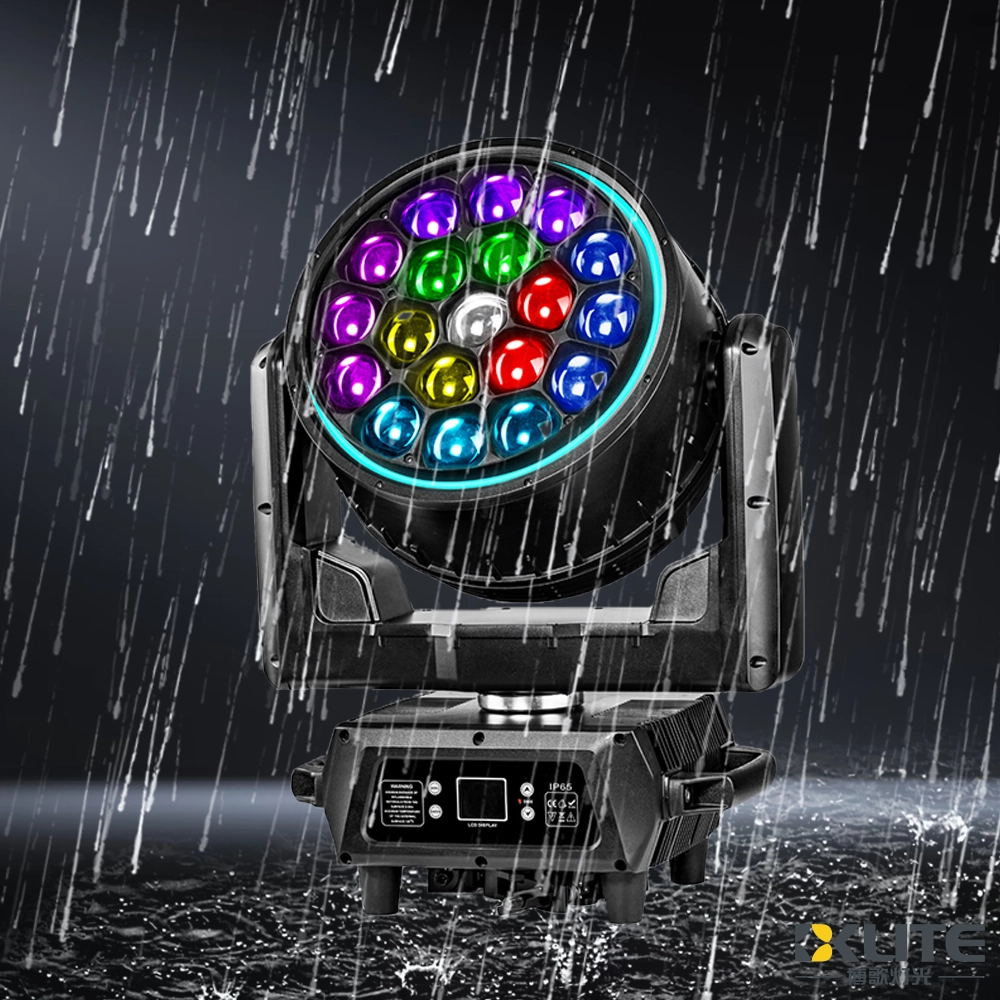
IP65 Waterproof Bee Eye Zoom 19x40W RGBW 4IN1 LED Beam Wash Moving Head Light with LED Ring
BKlite waterproof bee eye moving head light—your reliable choice from top waterproof moving head light manufacturers and suppliers. Ideal for outdoor stage, live event, music festival, this energy-saving fixture ensures powerful, precise illumination for any venue. It delivers powerful, reliable lighting performance in any weather.
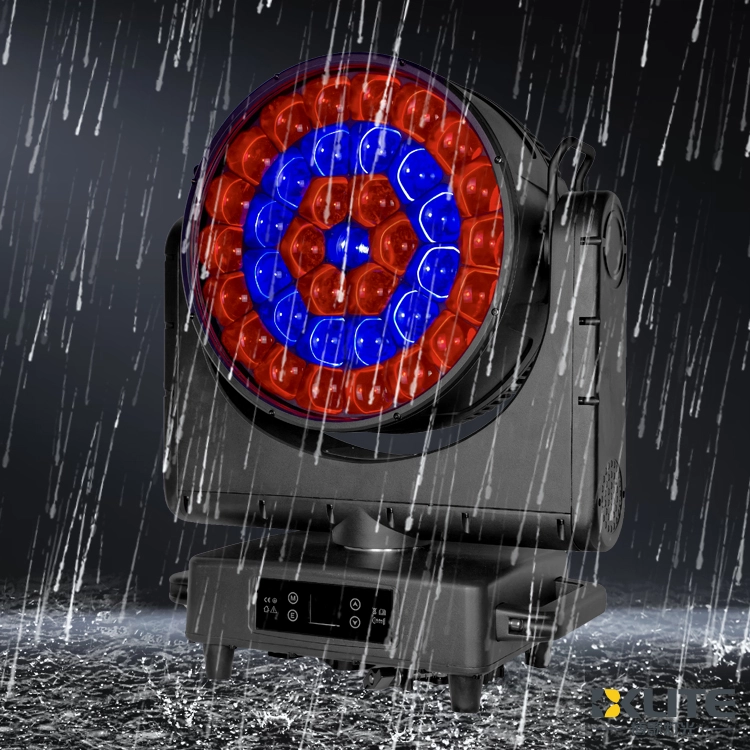
IP65 Waterproof ZOOM Bee Eye 37x40W RGBW 4in1 LED Moving Head Light
As a leading stage lighting equipment supplier with more than 15 years of industry know-how, BKlite brings you the IP65 ZOOM Bee Eye 37*40W RGBW 4in1 LED Moving Head Light (K25 Bee Eye) delivers vibrant, weatherproof lighting with powerful zoom and smooth movement. Ideal for dynamic stage effects, the K25 moving head light ensures stunning RGBW color mixing and reliable outdoor performance.
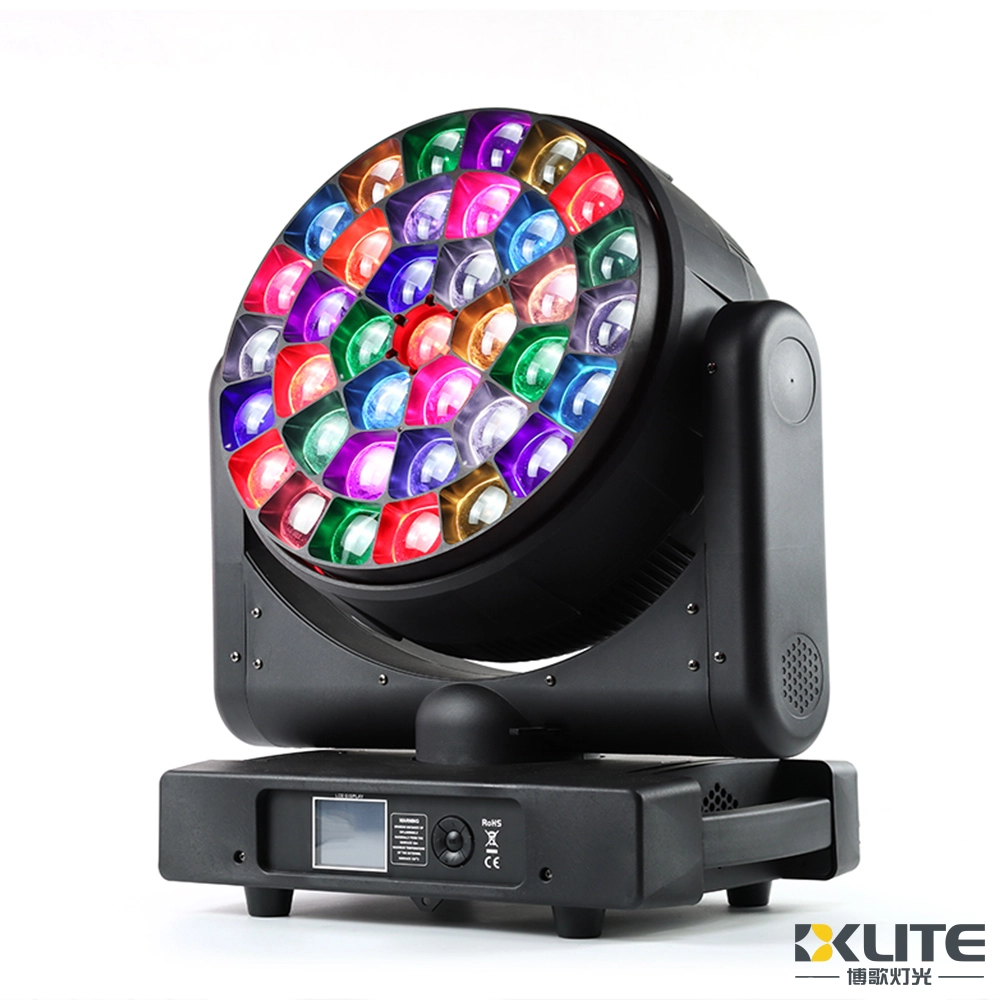
Bee Eye Zoom 37x40W RGBW 4in1 LED Beam Wash Moving Head Light
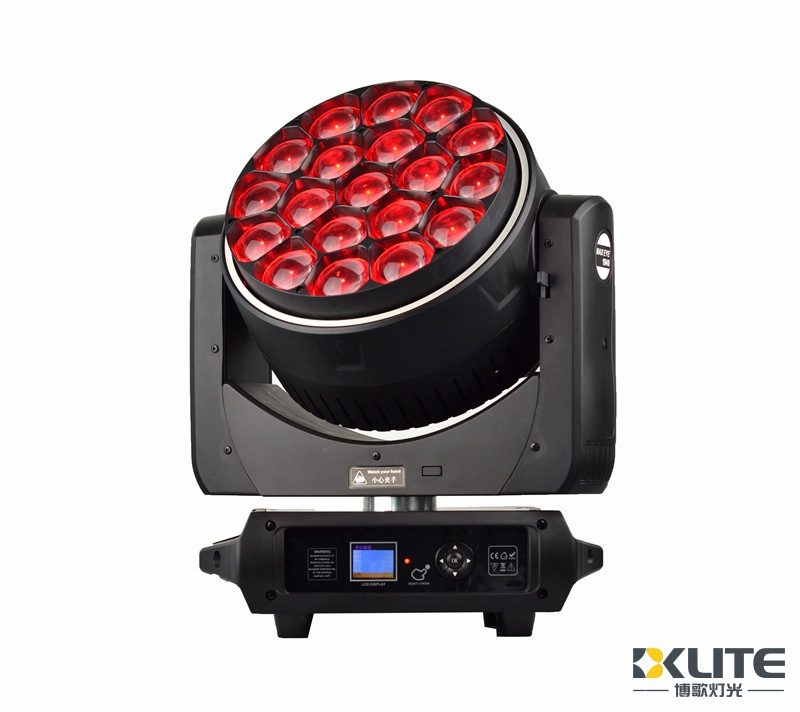
IP20 Bee Eye Zoom 19x40W RGBW 4IN1 LED Beam Wash Moving Head Light with LED Ring
As one of the leading stage lighting equipment suppliers with 15+ years of experience, BKlite launched a new Bee Eye K15 19x40 LED wash light BK-BY1940Z. .
Designed with a simple and sleek appearance, the WASH moving head light is compact, lightweight, and highly portable.
With multiple color effect macros and dynamic effect macros.
Our wash light can be used for versatile lighting options with amazing effect.
It is very good for your lighting projects.
Powerful and shoots very far distances.


Copyright © 2025 BKLITE All Rights Reserved.