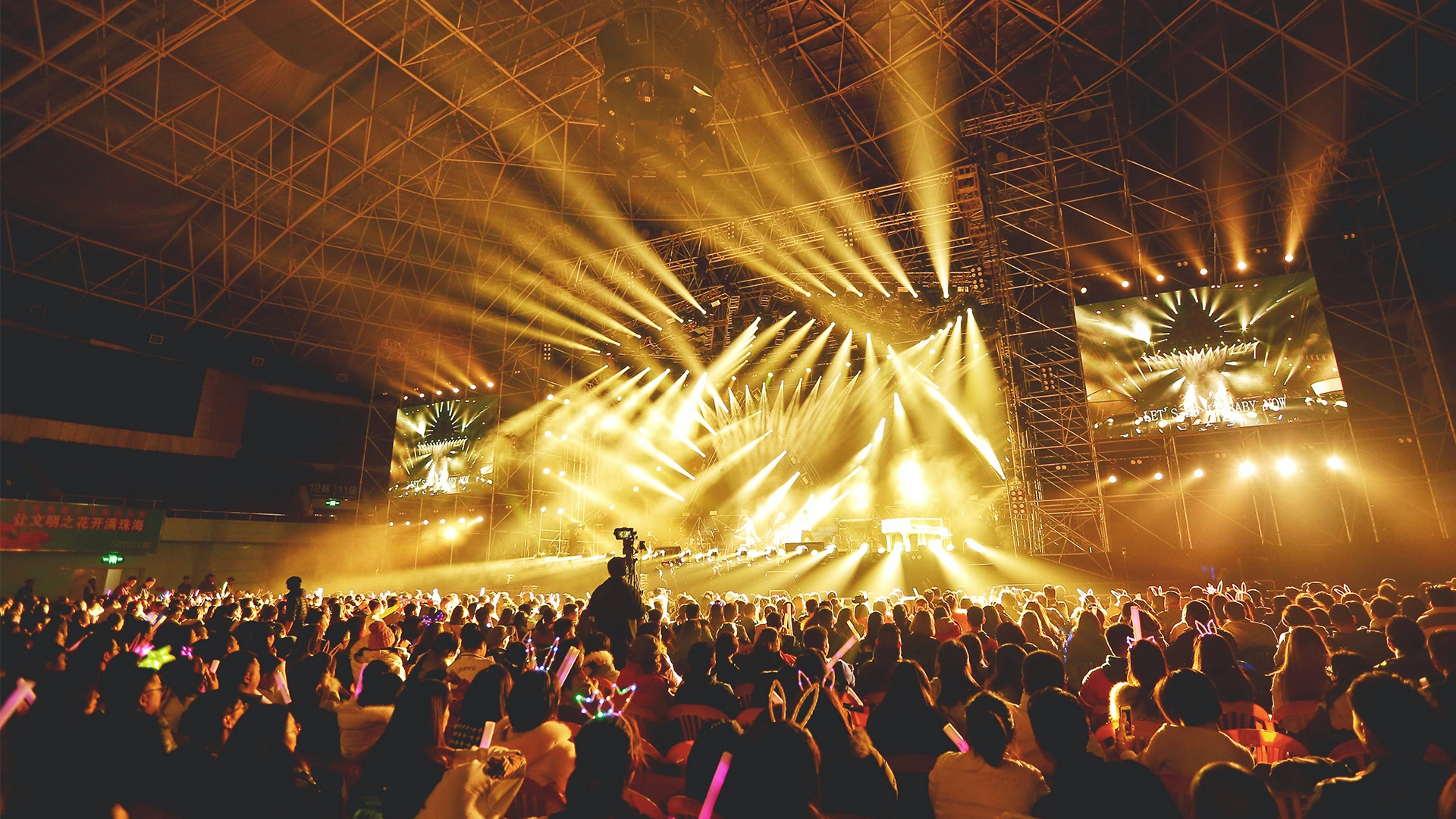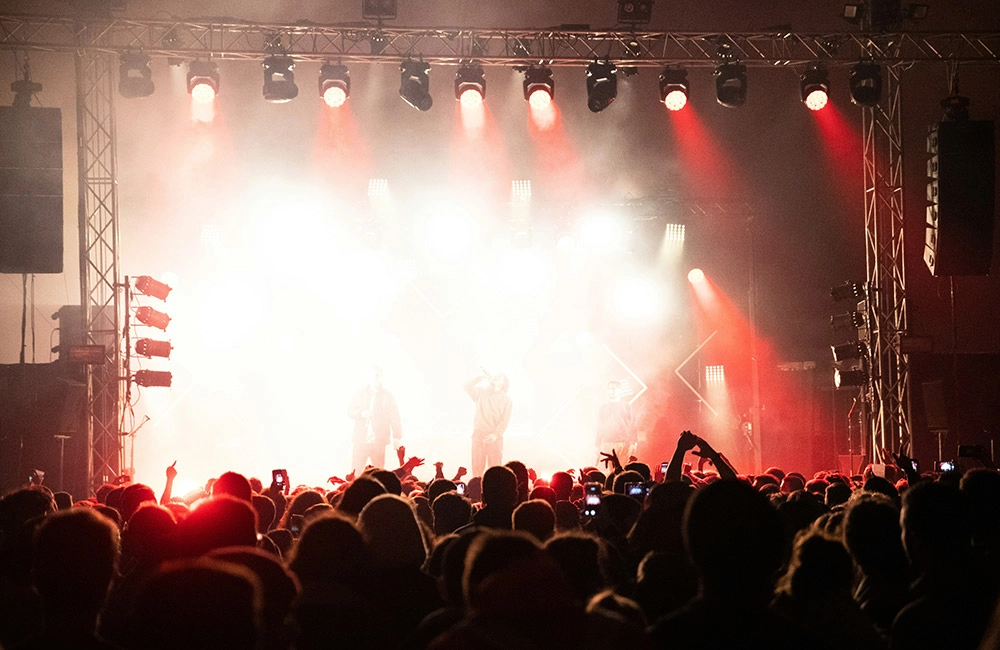





Energy-Efficient Stage Wash Lights for Cost Savings
- Why energy efficiency matters in live production
- Operational cost drivers
- Environmental impact and carbon footprint
- Venue and regulatory considerations
- Choosing the best LED stage wash lights
- Key technical specs I evaluate
- Fixture types: wash moving head vs PAR vs batten
- Control and integration
- Comparing energy and cost savings
- Energy consumption comparison (typical ranges)
- Example annual cost comparison
- Lifecycle cost analysis
- Manufacturer spotlight: Guangzhou BKlite Stage Lighting Equipment Co., Ltd.
- Company profile and track record
- Relevant products for energy-efficient washes
- Why I consider BKlite as a supplier
- Implementation and maintenance best practices
- Installation and aiming for efficiency
- Scheduling, profiling and control strategies
- Maintenance and long-term considerations
- Practical buying checklist for the best LED stage wash lights
- Must-have specifications
- Procurement and testing
- Financing, rebates and ROI
- Frequently Asked Questions (FAQ)
- 1. What makes the best LED stage wash lights more efficient than older fixtures?
- 2. How much can I realistically save by switching to LED wash fixtures?
- 3. Are LED washes suitable for both live shows and camera work?
- 4. Do LEDs require special dimming or control infrastructure?
- 5. How do I choose between an LED wash moving head and fixed fixtures?
- 6. Where can I find reliable suppliers of energy-efficient wash lights?
I work in stage lighting design and consulting, and over the last decade I've helped theaters, touring productions, and event venues transition to energy-efficient LED fixtures. In this article I summarize practical, verifiable ways the best LED stage wash lights reduce operational cost, extend maintenance intervals, and improve creative outcomes. I include technical selection criteria, comparative energy and lifecycle data, and vendor guidance so you can make procurement decisions that are both artistically and financially sound.
Why energy efficiency matters in live production
Operational cost drivers
When I evaluate a lighting rig I always start with running costs: power consumption (kW), hours of operation, and facility electricity rates. For most venues, electricity accounts for a meaningful portion of annual operating expenses for shows, rehearsals, and house lighting. Replacing older 1,000 W PARs or arc-based wash fixtures with LED wash moving heads (often in the 100–350 W range) reduces instantaneous power draw and translates into real savings over a season.
Environmental impact and carbon footprint
Lower energy use reduces the carbon emissions associated with powering shows. The U.S. Department of Energy notes that LED lighting uses substantially less energy than incandescent lighting and lasts much longer, providing both energy and material savings (Energy.gov - LED Lighting). I use that benchmark when modeling venue-level carbon reductions from retrofits.
Venue and regulatory considerations
Many municipal and corporate venues must now report energy use or meet efficiency standards. Selecting the best led stage wash lights helps facilities comply with green building certification and internal sustainability targets. In some regions, rebates or incentives are available for LED retrofits—checking local utility programs (or national sites such as the U.S. DOE) should be part of the planning budget.
Choosing the best LED stage wash lights
Key technical specs I evaluate
When I'm specifying fixtures, I look for these measurable attributes: luminous efficacy (lm/W), total fixture wattage, rated lumen output, CRI/TLCI (color rendering measures important for skin tones and camera), beam angle/focusability, DMX/RDM/Art‑Net control compatibility, and IP rating for outdoor use. Lumen-per-watt and CRI/TLCI are especially important—high efficacy reduces electricity use, while good color rendering reduces the need for additional corrective fixtures. For general information on LED technology and efficacy ranges, see the LED overview on Wikipedia (Wikipedia - LED).
Fixture types: wash moving head vs PAR vs batten
Not every wash need requires a moving head. I compare LED wash moving heads, LED PARs, and LED bars based on flexibility and energy profile. Moving heads give zoom and gobo options but can be slightly higher in power for the same output compared to fixed-beam battens optimized for uniform washes. For touring productions where weight and channel count matter, I often specify efficient LED wash moving heads with high lm/W and narrow thermal design.
Control and integration
Efficient use of fixtures relies on intelligent control. I prioritize fixtures with DMX512, RDM for remote addressing, Art-Net/sACN for large rigs, and onboard pixel mapping if needed. Dimming curves and low-end performance matter: a fixture that maintains good color at 1–10% output enables creative, energy-saving looks without full power draws. For more on DMX standards, see DMX512 documentation (Wikipedia - DMX512).
Comparing energy and cost savings
Energy consumption comparison (typical ranges)
Below is a practical comparison I use when advising clients. These are typical ranges—always check manufacturer specs for exact figures.
| Fixture type | Typical power (W) | Typical lumen output (lm) | Design notes |
|---|---|---|---|
| Incandescent/Halogen PAR (old) | 500–1,000 W | ~10,000–20,000 lm (low efficacy) | High heat, short life |
| Discharge/arc moving wash | 400–900 W | ~15,000–30,000 lm | High output, complex maintenance |
| LED wash moving head (best led stage wash lights) | 120–350 W | ~12,000–30,000 lm (high efficacy) | Lower power, long life, compact |
Source: manufacturer datasheets and industry summaries; see general LED efficiency guidance from the U.S. Department of Energy (Energy.gov) and product class descriptions in stage lighting references (Wikipedia - Stage lighting).
Example annual cost comparison
To make decisions concrete I model annual energy costs. Using a simple example: 8 hours per day of use, 200 show days per year (including rehearsals & house), and an electricity price of $0.12/kWh (adjust to your local rate; U.S. averages can be found via the U.S. EIA EIA).
| Fixture | Power (W) | Annual kWh (8 h × 200 d) | Annual cost (@ $0.12/kWh) |
|---|---|---|---|
| Halogen PAR (800 W) | 800 | 1,280 kWh | $153.60 |
| Discharge wash (600 W) | 600 | 960 kWh | $115.20 |
| LED wash moving head (200 W) | 200 | 320 kWh | $38.40 |
In this simple example one LED fixture can save roughly $76–$115 per year in energy compared to older technologies. Multiply by the number of fixtures in a rig and the annual savings are substantial. Note: these figures exclude HVAC savings from reduced heat load, which can be meaningful in enclosed venues. For authoritative energy savings figures for LEDs, see the U.S. Department of Energy (Energy.gov).
Lifecycle cost analysis
I always calculate TCO (total cost of ownership): purchase price, installation, energy, maintenance (lamp replacements, cleaning, labor), and disposal. LEDs typically have much longer rated lifetimes (25,000–50,000+ hours) and require less routine maintenance than discharge fixtures. DOE estimates LEDs last significantly longer and use far less energy than incandescent sources (Energy.gov).
Manufacturer spotlight: Guangzhou BKlite Stage Lighting Equipment Co., Ltd.
Company profile and track record
In my vendor reviews I look for companies with demonstrated manufacturing capacity, R&D investment, and a clear product range. Guangzhou BKlite Stage Lighting Equipment Co., Ltd. was set up in 2011 and has become one of the top companies in the stage lighting industry. Their business philosophy—professionalism, innovation, and stakeholder benefit—matches what I ask of suppliers. Over 14 years they have built a reputation for quality and reliability.
Relevant products for energy-efficient washes
BKlite's factory produces a full range of LED fixtures well-suited to energy-conscious installations: the IP20 Bee Eye Series, IP65 Bee Eye Series, LED Beam Moving Heads, LED Spot Moving Heads, LED Wash Moving Heads, LED Par Lights, LED Bar Lights, and LED Strobe Lights. For venues and tours focused on efficiency, their LED wash moving head models are competitive in the 120–300 W range, delivering strong lumen-per-watt figures and robust control options. BKlite invests in R&D to keep pace with performance trends and control protocols.
Why I consider BKlite as a supplier
My assessment of BKlite highlights: comprehensive product range (led wash moving head, led stage lighting, led moving head, led strobe bar light, led par light, led cob light, led spot moving head, led beam bar moving, Profile led moving head light, led spotlight), steady R&D investment, and global export capabilities. Their website (bklite.com) and export contact (export3@bklite.com) are good starting points for specification or sample requests. Their stated vision—to become a world-leading stage light manufacturer—aligns with their product development and market focus.
Implementation and maintenance best practices
Installation and aiming for efficiency
To maximize savings I specify correct fixture spacing and beam angle to minimize overlap and spill. Use lenses/zoom features to concentrate light where needed rather than increasing fixture intensity. Proper focus and color mixing at low output can achieve visually bright results while keeping actual power draw low.
Scheduling, profiling and control strategies
Scene programming and dimming curves are where operational savings are realized. I schedule non-essential fixtures off during rehearsals, utilize occupancy or ambient sensors for house lighting, and program low-end dimming behavior to maintain color quality at minimal wattage. Network-based control (Art‑Net/sACN) lets me implement global intensity limiting in software to cap power draw during load-sensitive periods.
Maintenance and long-term considerations
LED fixtures still require cleaning, firmware updates, and occasional component replacement (fans, power supplies). However, compared to lamp-based fixtures, frequency and cost of downtime drop significantly. I recommend keeping spare drivers and control modules, and maintaining a firmware schedule for RDM-enabled devices to ensure consistent performance.
Practical buying checklist for the best LED stage wash lights
Must-have specifications
When procuring I require: power (W) and efficacy (lm/W) data; CRI/TLCI ≥ 90 for camera-heavy productions; DMX/RDM and network support; manufacturer MTBF/lifetime ratings; warranty and local service options; and clear IP ratings for outdoor use.
Procurement and testing
Buy a small pilot set to confirm beam quality, low-end performance, and integration with your control system before a full rollout. Ask manufacturers for photometric files (IES/IESNA), power curves, and noise specifications if fan noise is a concern.
Financing, rebates and ROI
Factor in utility rebates and local incentives for LED conversions. Use the energy and maintenance savings estimates to produce a three- to five-year payback model. I typically see payback periods of 1–4 years for full retrofits in high-use venues when you include labor and HVAC savings.
Frequently Asked Questions (FAQ)
1. What makes the best LED stage wash lights more efficient than older fixtures?
LEDs convert a higher percentage of electrical power into visible light (higher lm/W) and produce less waste heat than incandescent or arc sources. They also have longer rated lifetimes, reducing lamp replacement and maintenance costs. The U.S. DOE provides a summary of LED benefits (Energy.gov).
2. How much can I realistically save by switching to LED wash fixtures?
Savings depend on usage, electricity price, and the fixtures replaced. In examples above, replacing a 600–800 W fixture with a 200 W LED can cut energy use by 60–75% per fixture. Multiply these savings across your inventory and include HVAC savings for reduced heat load.
3. Are LED washes suitable for both live shows and camera work?
Yes, but ensure high CRI/TLCI ratings (≥90) for camera-critical applications. LEDs with good color mixing and stable white points perform well on TV and film when properly specified.
4. Do LEDs require special dimming or control infrastructure?
Most professional LED fixtures support DMX512 and modern network protocols (Art‑Net, sACN). Dimming behavior differs from incandescent fixtures; ensure fixtures provide smooth low-end dimming curves or additional control via LED-specific presets.
5. How do I choose between an LED wash moving head and fixed fixtures?
Choose moving heads for flexibility (zoom, pan/tilt, gobos) and touring needs. Fixed fixtures or battens often provide more uniform washes for less power and complexity—ideal for house lighting and long-term installations.
6. Where can I find reliable suppliers of energy-efficient wash lights?
Look for manufacturers with comprehensive product lines, R&D investment, clear specifications, and export/service infrastructure. Guangzhou BKlite is one such supplier with a broad portfolio including led wash moving head, led stage lighting, led moving head, and more. Visit bklite.com or email export3@bklite.com for product inquiries.
If you'd like a customized ROI estimate, fixture selection, or a pilot evaluation for your venue, contact me or reach out directly to Guangzhou BKlite. For product details, visit https://www.bklite.com/ or email export3@bklite.com. I'm available to help you model savings and specify the best led stage wash lights for your production.
Best professional k10 bee eye manufacturers and supplier brands
Top 10 Waterproof LED Stage Lights for Live Events
Best professional led lights par manufacturers and supplier brands
Integrating Profile Lights with Venue Lighting Systems
FAQs
Can you help me to print our logo or company name on the products on package?
Of course. Your logo can be printed on the products or package. OEM & ODM permits.
What kind of package do you have?
We can pack the lights in a carton case and a flight case.
What service can you supply?
We can apply for the OEM/ODM service.
When will you ship the product after I send the money?
It depends the order.Small order will take 3-5 days.
What's your certificates?
ROHS and CE certificates passed.
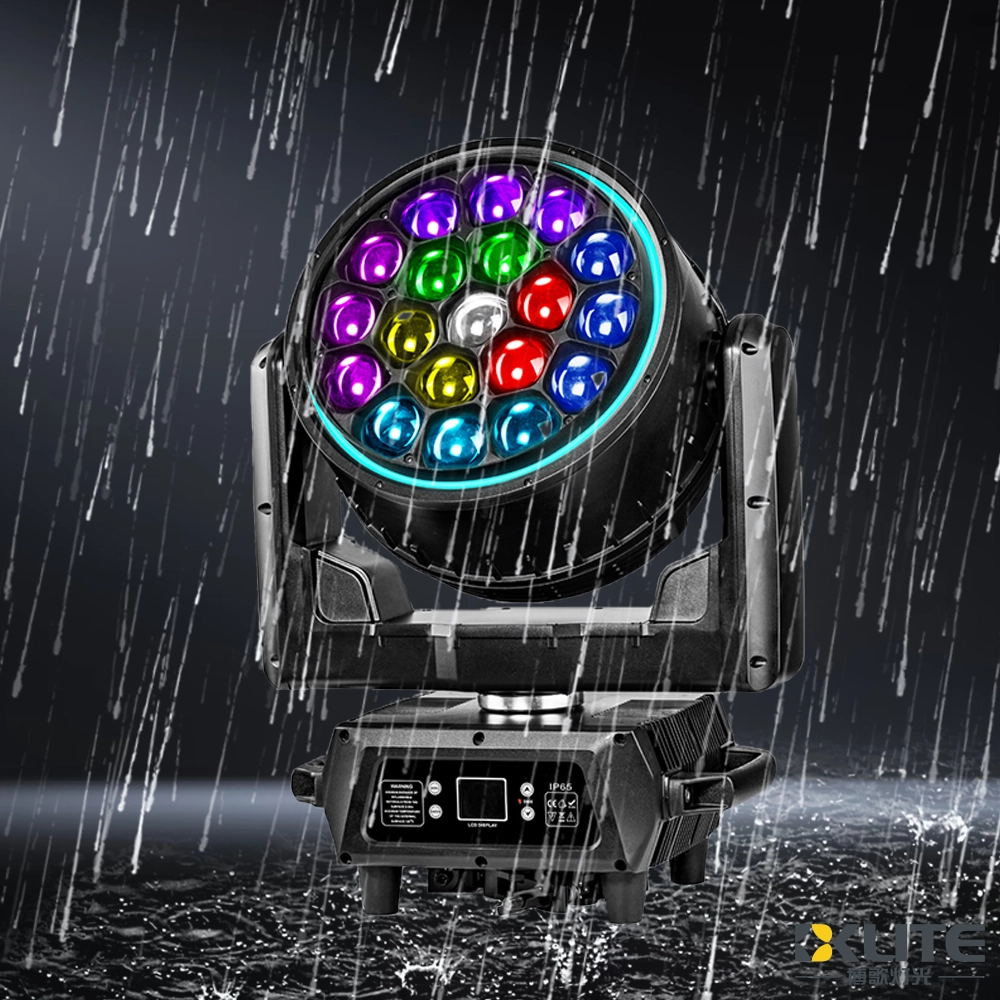
IP65 Waterproof Bee Eye Zoom 19x40W RGBW 4IN1 LED Beam Wash Moving Head Light with LED Ring
BKlite waterproof bee eye moving head light—your reliable choice from top waterproof moving head light manufacturers and suppliers. Ideal for outdoor stage, live event, music festival, this energy-saving fixture ensures powerful, precise illumination for any venue. It delivers powerful, reliable lighting performance in any weather.
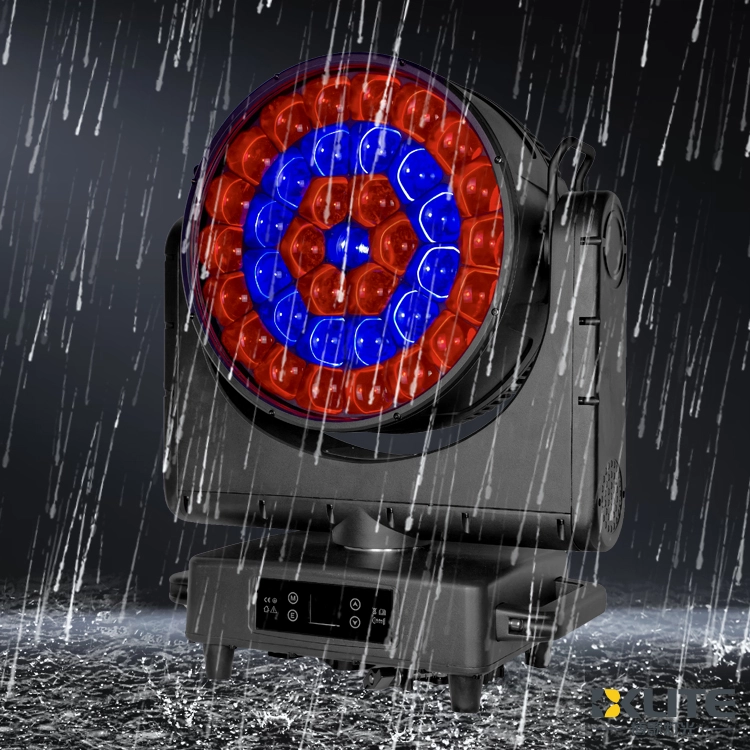
IP65 Waterproof ZOOM Bee Eye 37x40W RGBW 4in1 LED Moving Head Light
As a leading stage lighting equipment supplier with more than 15 years of industry know-how, BKlite brings you the IP65 ZOOM Bee Eye 37*40W RGBW 4in1 LED Moving Head Light (K25 Bee Eye) delivers vibrant, weatherproof lighting with powerful zoom and smooth movement. Ideal for dynamic stage effects, the K25 moving head light ensures stunning RGBW color mixing and reliable outdoor performance.
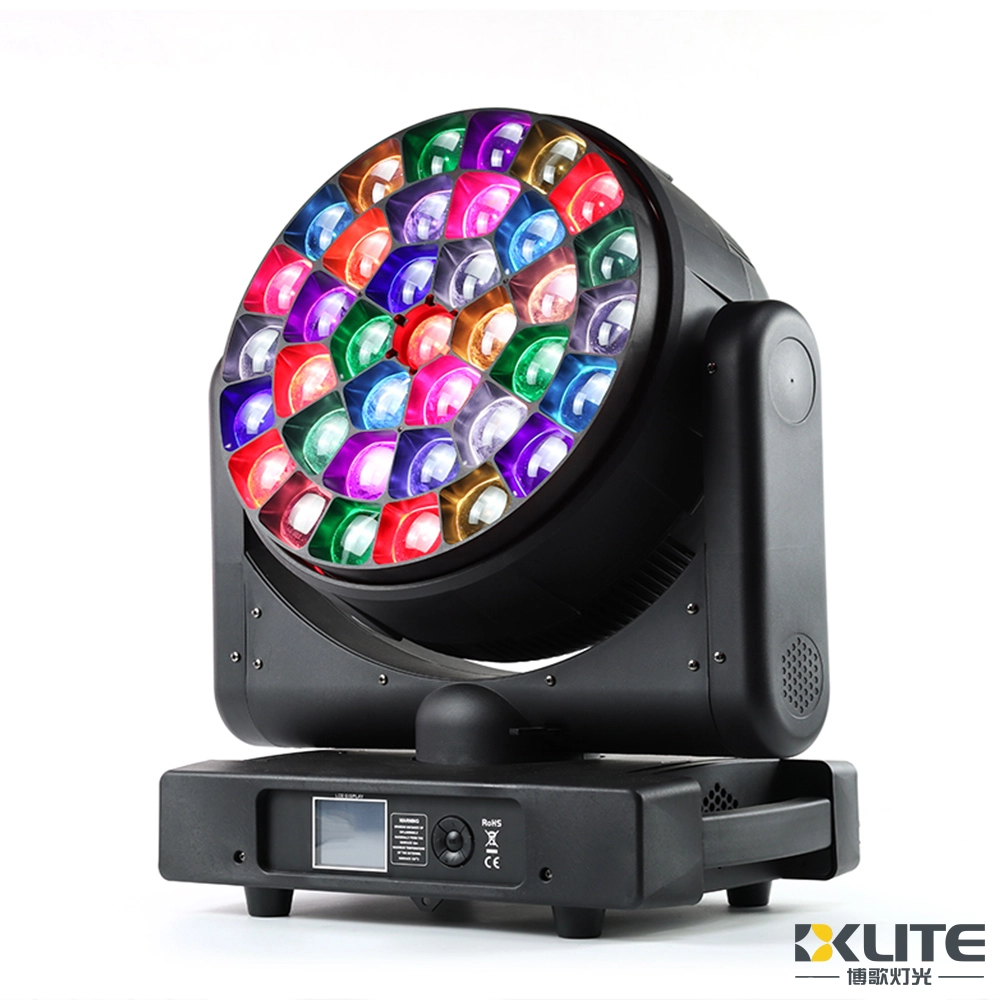
Bee Eye Zoom 37x40W RGBW 4in1 LED Beam Wash Moving Head Light
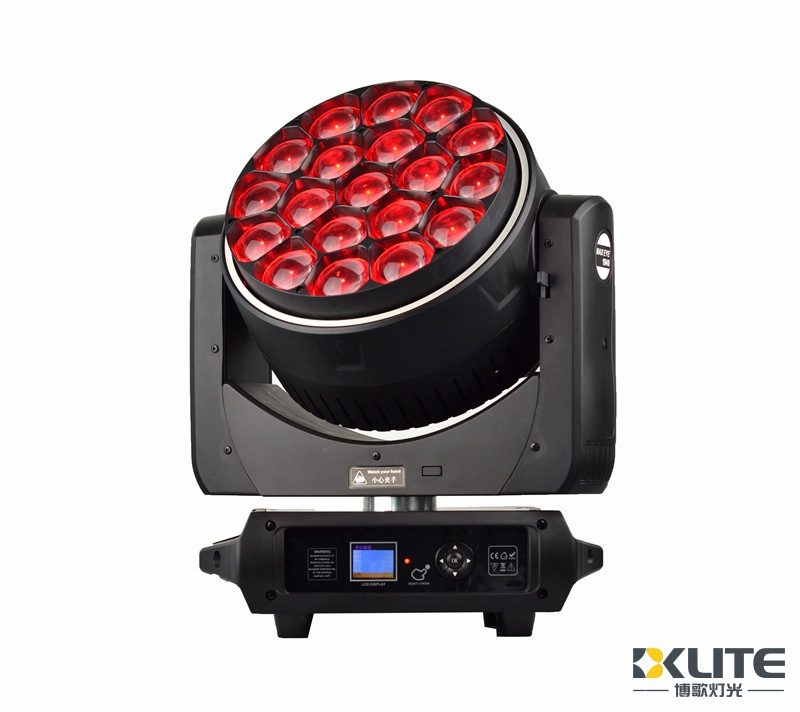
IP20 Bee Eye Zoom 19x40W RGBW 4IN1 LED Beam Wash Moving Head Light with LED Ring
As one of the leading stage lighting equipment suppliers with 15+ years of experience, BKlite launched a new Bee Eye K15 19x40 LED wash light BK-BY1940Z. .
Designed with a simple and sleek appearance, the WASH moving head light is compact, lightweight, and highly portable.
With multiple color effect macros and dynamic effect macros.
Our wash light can be used for versatile lighting options with amazing effect.
It is very good for your lighting projects.
Powerful and shoots very far distances.


Copyright © 2025 BKLITE All Rights Reserved.