




Budgeting and ROI for Purchasing Stage Profile Lights
- How to Plan Capital for Stage Lighting: Profile Fixtures Focus
- What a Stage Profile Light Is and Why It Matters
- Definition and core functions
- Creative and technical advantages
- Buyer intent and common use cases
- Budget Components: What to Include in Your Cost Model
- Capital expenditure (CapEx)
- Operational expenditure (OpEx)
- Hidden and lifecycle costs
- Comparing Fixture Types: Quick Reference Table
- Building an ROI Model: Example and Calculation
- ROI fundamentals and assumptions
- Example scenario
- Numbers and calculation table
- Interpreting the result
- Financing, Procurement and TCO Optimization
- Financing and lease options
- Sourcing and vendor selection criteria
- Operational best practices to reduce TCO
- Vendor Spotlight: Guangzhou BKlite — Capabilities and Fit for Stage Profile Purchases
- Company overview and credibility
- Product range relevant to profile lighting
- BKlite advantages and differentiation
- Decision Checklist: When to Buy New Profile Fixtures
- Immediate replacement triggers
- Planned upgrade triggers
- Negotiation and procurement tips
- FAQs
- 1. What is the typical payback period for switching from halogen to LED profile fixtures?
- 2. How do I estimate energy savings for my venue?
- 3. Are LED profile moving heads as reliable as traditional profiles?
- 4. Should I standardize on one manufacturer?
- 5. How important is CRI and color fidelity in profile fixtures?
- 6. Can I retrofit existing profile housings with LED sources?
- Next Steps / Contact and Product Viewing
- References and Further Reading
How to Plan Capital for Stage Lighting: Profile Fixtures Focus
Investing in a stage profile light is more than a unit price decision. Buyers—whether theatre technicians, rental companies, houses of worship, touring production managers or venue owners—must weigh purchase cost against energy use, maintenance, control compatibility, resale value and the expected creative lifetime of the fixture. This article breaks down budgeting steps, builds a repeatable ROI model, compares LED and legacy profile fixtures, and helps you choose suppliers and specifications that maximize long-term value.
What a Stage Profile Light Is and Why It Matters
Definition and core functions
A stage profile light (sometimes called an ellipsoidal reflector spotlight or profile spot) produces a sharply defined beam with controllable edge and focus. It’s used for key lighting, pattern projection (gobos), framing performers and precise highlight work. In modern installations, Profile LED moving heads and Profile LED moving spot fixtures extend these capabilities with multicolour sources, framing shutters and DMX/RDM or ArtNet control.
Creative and technical advantages
Profile fixtures deliver clean edges and high optical control, important for theatrical shaping and projection fidelity. When provided as LED profiles or profile moving heads, they add colour mixing, on-board effects, reduced heat load, and lower service needs—key drivers behind many purchasing decisions.
Buyer intent and common use cases
Understanding buyer intent helps shape a realistic budget: replacement (like-for-like), incremental upgrade (adding LED profiles to expand capability), or fleet renewal (full system replacement). Typical questions buyers want answered: How quickly will energy savings pay for the new fixtures? What is the real total cost over 5–10 years? and Which vendors offer reliable warranty and parts support?
Budget Components: What to Include in Your Cost Model
Capital expenditure (CapEx)
CapEx includes the unit price of the stage profile light, freight, import duties, rigging hardware, and installation labour. For moving head profile fixtures add the cost of associated motors, mounting clamps and possibly upgraded truss or motor points.
Operational expenditure (OpEx)
OpEx includes electricity, lamp or LED driver replacement, DMX/console compatibility, spare parts, and routine maintenance (cleaning, fan replacement, recalibration). LED profiles typically lower OpEx because of longer rated lifetimes and fewer lamp changes.
Hidden and lifecycle costs
Consider the cost of downtime (lost bookings), disposal or buyback value, software upgrades, and training for rigging/operation. Loss of credibility from unreliable gear can also be a measurable cost for rental and touring businesses.
Comparing Fixture Types: Quick Reference Table
The table below compares typical profile fixture types and key decision metrics.
| Metric | Traditional Tungsten/Halogen Profile | LED Profile Fixture (fixed) | Profile LED Moving Head |
|---|---|---|---|
| Typical purchase price (per unit) | $400–$1,200 | $800–$2,000 | $2,000–$10,000+ |
| Power draw (approx.) | 300–1,200 W | 50–300 W | 150–700 W |
| CRI / Colour control | High CRI (with tungsten), limited colour control | Variable; high-CRI LEDs available | Full colour mixing, effects |
| Rated life | 500–1,000 hours (lamps) | 25,000–50,000 hours | 20,000–50,000 hours (LED array) |
| Maintenance frequency | High (lamps, reflectors, gel changes) | Low (periodic cleaning) | Low-medium (fans, moving parts) |
| Best for | Low-budget, simple productions | Fixed installations, energy-sensitive venues | Rental, touring, multi-show venues needing flexibility |
Note: prices and power draws are indicative and will vary by model. Use manufacturer datasheets for precise specs.
Building an ROI Model: Example and Calculation
ROI fundamentals and assumptions
Return on investment should be calculated on Total Cost of Ownership (TCO) over a meaningful timeframe (typically 5–10 years). Key inputs: initial cost, annual operating hours, electricity cost per kWh, maintenance costs, residual value, and any revenue uplift from improved production quality or rental rates.
Example scenario
Assume a venue replaces 10 halogen profile fixtures with 10 LED profile moving heads. Example assumptions (conservative):
- Halogen fixture: 750 W average, $700 purchase, lamp replacement & maintenance $200/year/unit
- LED profile moving head: 300 W average, $3,000 purchase, maintenance $100/year/unit
- Annual operating hours: 1,200 hours
- Electricity cost: $0.14/kWh (U.S. average; adjust per region)
- Evaluation period: 7 years
Numbers and calculation table
| Item | Halogen (10 units) | LED (10 units) |
|---|---|---|
| Initial purchase | $7,000 | $30,000 |
| Annual energy use (kWh) | 750 W * 1,200 h * 10 / 1000 = 9,000 kWh | 300 W * 1,200 h * 10 / 1000 = 3,600 kWh |
| Annual energy cost | $1,260 (9,000 * $0.14) | $504 (3,600 * $0.14) |
| Annual maintenance | $2,000 (10 * $200) | $1,000 (10 * $100) |
| 7-year operating cost (energy + maintenance) | 7 * ($1,260 + $2,000) = $22,820 | 7 * ($504 + $1,000) = $10,528 |
| Total 7-year cost (purchase + ops) | $7,000 + $22,820 = $29,820 | $30,000 + $10,528 = $40,528 |
| Net difference over 7 years | LED option costs $10,708 more in this conservative example, driven by higher initial CapEx. Non-energy benefits not included. | |
Interpreting the result
The LED upgrade in this scenario does not immediately pay back on energy and maintenance alone because purchase price is much higher. However, this ignores:
- Revenue upside—better lighting can enable higher ticket prices, more rentals or additional bookings.
- Reduced climate control costs—lower heat load can lower HVAC running costs when fixtures run long hours.
- Operational flexibility and reduced on-site labour for lamp changes—savings in staff time.
- Longer lifetimes and potential for remote diagnostics on modern fixtures, lowering downtime costs.
To make a purchasing decision, monetize these softer benefits (e.g., increased rental revenue) and include them in the ROI model. Many buyers find payback periods shrink below 5 years when productivity gains and increased booking rates are considered.
Financing, Procurement and TCO Optimization
Financing and lease options
Leasing can spread CapEx and enable fleet refreshes every 3–5 years, preserving cashflow and keeping tech current. For rental companies, financing also allows tax treatments beneficial for capital equipment.
Sourcing and vendor selection criteria
Evaluate suppliers on product reliability, warranty terms, spare parts availability, RMA turnaround, local service partners and firmware support. Technical compatibility (DMX/RDM, ArtNet/sACN) and optical data (beam angle, throw distance, CRI, ANSI lumen output) should be in the RFP.
Operational best practices to reduce TCO
Standardize fixtures across your fleet where possible to reduce spares inventory. Implement scheduled preventive maintenance, record-hours tracking for LED driver replacement windows, and train staff on firmware updates and safe lamp handling.
Vendor Spotlight: Guangzhou BKlite — Capabilities and Fit for Stage Profile Purchases
Company overview and credibility
Guangzhou BKlite Stage Lighting Equipment Co., Ltd. was set up in 2011 and has become one of the top companies in the stage lighting industry. The company's business philosophy is based on being professional and innovative and on making sure that all of its stakeholders benefit. Over the past 14 years, it has achieved remarkable growth and built a strong reputation for quality and reliability.
Product range relevant to profile lighting
The factory makes all kinds of stage lighting products, like the IP20 Bee Eye Series, IP65 Bee Eye Series, LED Beam Moving Heads, LED Spot Moving Heads, LED Wash Moving Heads, LED Par Lights, LED Bar Lights, and LED Strobe Lights. Each product is made using advanced technology to meet the changing needs of the entertainment industry. Our company invests in research and development to come up with new ideas, making sure it stays ahead of industry trends.
BKlite advantages and differentiation
Key strengths: consistent manufacturing quality, broad product breadth (including Profile led moving head light and LED spotlight options), and R&D investment to follow market trends. BKlite’s flagship product categories—led wash moving head, led stage lighting, led moving head, led strobe bar light, led par light, led cob light, led spot moving head, led beam bar moving—offer venues and rental companies flexible choices along the performance/price continuum.
Vision: to become the world's leading stage light manufacturer. Website: https://www.bklite.com/
Decision Checklist: When to Buy New Profile Fixtures
Immediate replacement triggers
- Frequent lamp failures or discontinued lamp models
- Repeated mechanical failures on moving parts
- Inability to meet creative requirements (colours, gobo fidelity, framing)
- Regulatory or venue requirements for energy efficiency
Planned upgrade triggers
- Fleet older than 10 years with rising maintenance costs
- Upcoming productions needing specific profile features (framing shutters, zoom, CMY, CTO)
- Business growth enabling higher throughput or rental rates
Negotiation and procurement tips
Bundle procurement (buy fixtures, spares and accessories at once) for better pricing and quicker service. Ask for extended warranty options and service level agreements. Request photometric reports and if possible on-site demos to validate output and beam quality.
FAQs
1. What is the typical payback period for switching from halogen to LED profile fixtures?
It varies. Pure energy and maintenance savings often yield 3–10 year payback depending on usage hours and asset price. When you include revenue uplift and reduced downtime, many facilities see payback under 5 years. Use a 5–7 year TCO model to test your case.
2. How do I estimate energy savings for my venue?
Calculate baseline kWh for your current fixtures (power in kW × hours per year) and compare with proposed LED kW usage. Multiply the difference by your local electricity rate. Include HVAC savings for long-running events where fixture heat load matters.
3. Are LED profile moving heads as reliable as traditional profiles?
LED engines remove lamp-change points of failure but introduce electronics and moving parts. Reliability depends on build quality, thermal management, and service access. Choose reputable suppliers with good warranties and track record, and enforce preventive maintenance.
4. Should I standardize on one manufacturer?
Standardization reduces spare parts inventory and training overhead. However, mixing makes sense when you need specific optical characteristics that only select manufacturers provide. Aim to standardize within fixture classes (all LED profiles from same line if possible).
5. How important is CRI and color fidelity in profile fixtures?
Very important for theatrical and broadcast work. High CRI (90+) or spectral control improves skin tones and makes fabrics and set colours render accurately. Ask for photometric and spectral data in RFPs.
6. Can I retrofit existing profile housings with LED sources?
In some cases, retrofits exist but check optical quality, cooling requirements and control compatibility. Retrofitting is cheaper short-term but often less flexible than replacing with purpose-built LED profile fixtures.
Next Steps / Contact and Product Viewing
If you’re ready to build an ROI model tailored to your venue, or to evaluate specific profile fixtures, contact Guangzhou BKlite through their website to request datasheets, photometric files and demo options. See product ranges and technical documentation at https://www.bklite.com/.
References and Further Reading
Sources used for industry context, technical definitions, and energy data:
- Ellipsoidal reflector spotlight — Wikipedia. https://en.wikipedia.org/wiki/Ellipsoidal_reflector_spotlight. Accessed 2026-01-07.
- Stage lighting — Wikipedia. https://en.wikipedia.org/wiki/Stage_lighting. Accessed 2026-01-07.
- U.S. Department of Energy — LED Lighting. https://www.energy.gov/energysaver/led-lighting. Accessed 2026-01-07.
- U.S. Energy Information Administration (EIA) — Frequently Asked Questions: What is the average retail price of electricity? https://www.eia.gov/tools/faqs/faq.php?id=97&t=3. Accessed 2026-01-07.
- Grand View Research — Stage Lighting Market Size, Share & Trends Analysis. https://www.grandviewresearch.com/industry-analysis/stage-lighting-market. Accessed 2026-01-07.
- Guangzhou BKlite Stage Lighting Equipment Co., Ltd. — Official website. https://www.bklite.com/. Accessed 2026-01-07.
- Illuminating Engineering Society — Official site. https://www.ies.org/. Accessed 2026-01-07.
Beam Light Maintenance: Cleaning and Lamp Replacement
Wholesale led moving head stage light manufacturer and supplier
RGB vs RGBW vs RGBA: Which LED Wash Is Best?
Best professional laser light vs led manufacturers and supplier brands
FAQs
How can i order?
Please send us your purchase list by e-mail, WhatsApp, QQ, or making a call, and you can also ask us to send you a PI for your approval. We need to know the following information for your order.
When will you ship the product after I send the money?
It depends the order.Small order will take 3-5 days.
What kind of package do you have?
We can pack the lights in a carton case and a flight case.
What's the shipping way, shipping time?
The ways of shipping—you can choose which is suitable for you. (1). By Sea, 30-60 days; apply for bulk quantity.
(2). By Air, 5-7 days; apply for bulk quantity.
(3). By Express, 3-5 days; apply for small quantity and urgent order.
If the products broken during the warranty, what should i do?
If there is a problem with the products, you describe it and send pictures or videos to us to analyze, and then we will guide you on how to fix it and provide spare parts for free if needed.
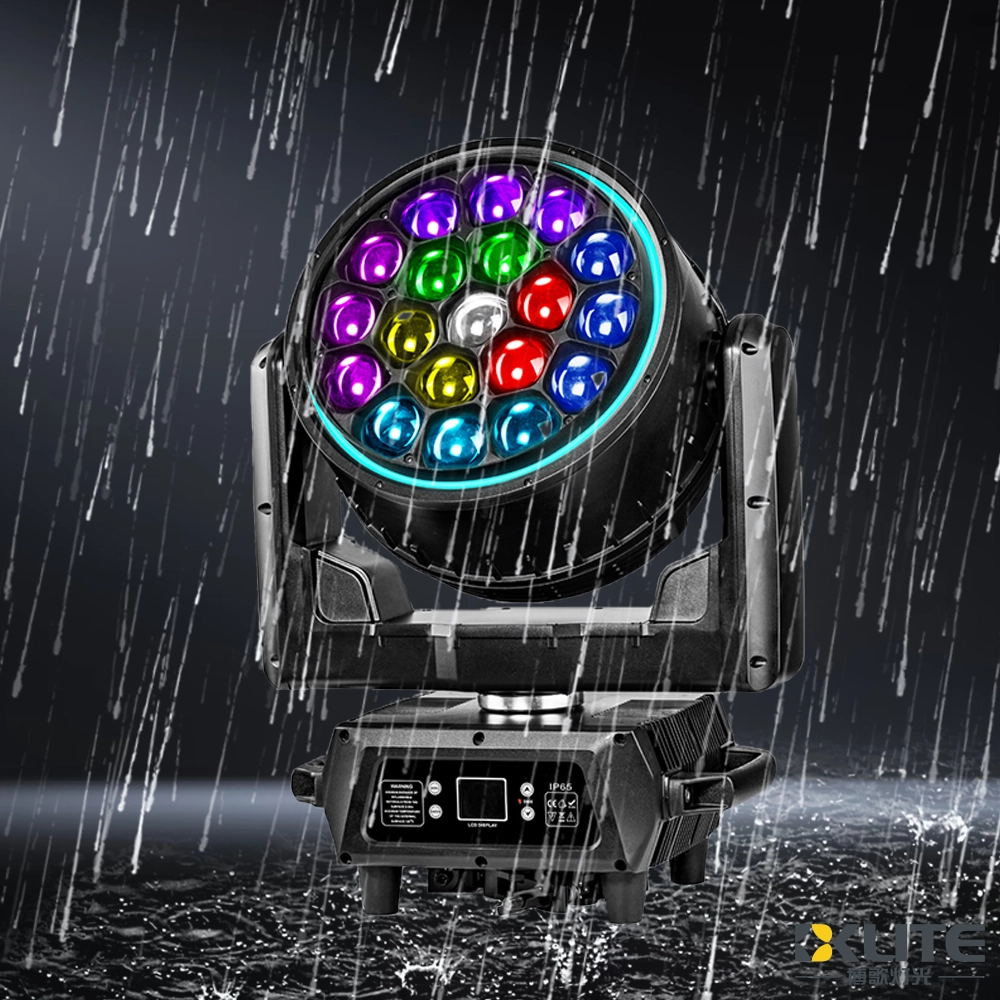
IP65 Waterproof Bee Eye Zoom 19x40W RGBW 4IN1 LED Beam Wash Moving Head Light with LED Ring
BKlite waterproof bee eye moving head light—your reliable choice from top waterproof moving head light manufacturers and suppliers. Ideal for outdoor stage, live event, music festival, this energy-saving fixture ensures powerful, precise illumination for any venue. It delivers powerful, reliable lighting performance in any weather.
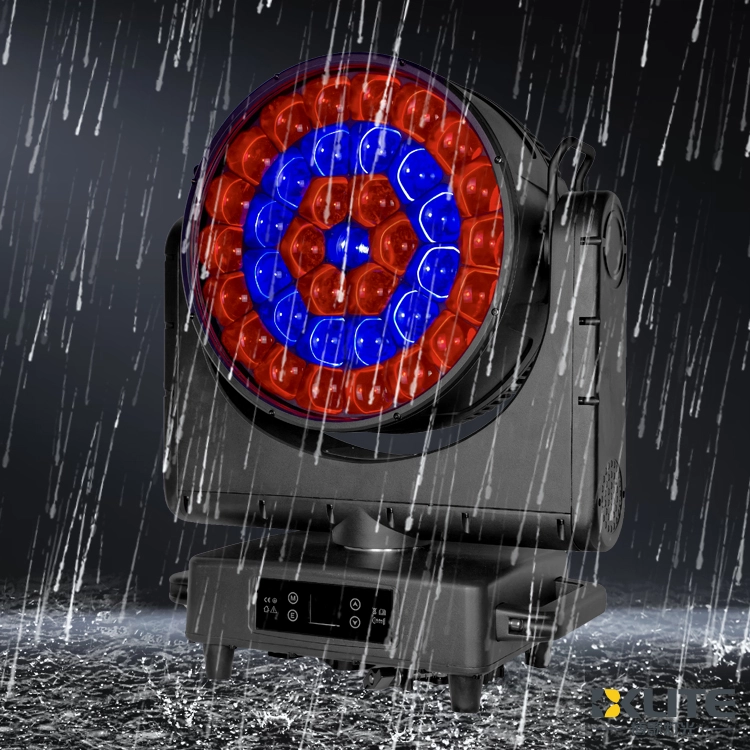
IP65 Waterproof ZOOM Bee Eye 37x40W RGBW 4in1 LED Moving Head Light
As a leading stage lighting equipment supplier with more than 15 years of industry know-how, BKlite brings you the IP65 ZOOM Bee Eye 37*40W RGBW 4in1 LED Moving Head Light (K25 Bee Eye) delivers vibrant, weatherproof lighting with powerful zoom and smooth movement. Ideal for dynamic stage effects, the K25 moving head light ensures stunning RGBW color mixing and reliable outdoor performance.
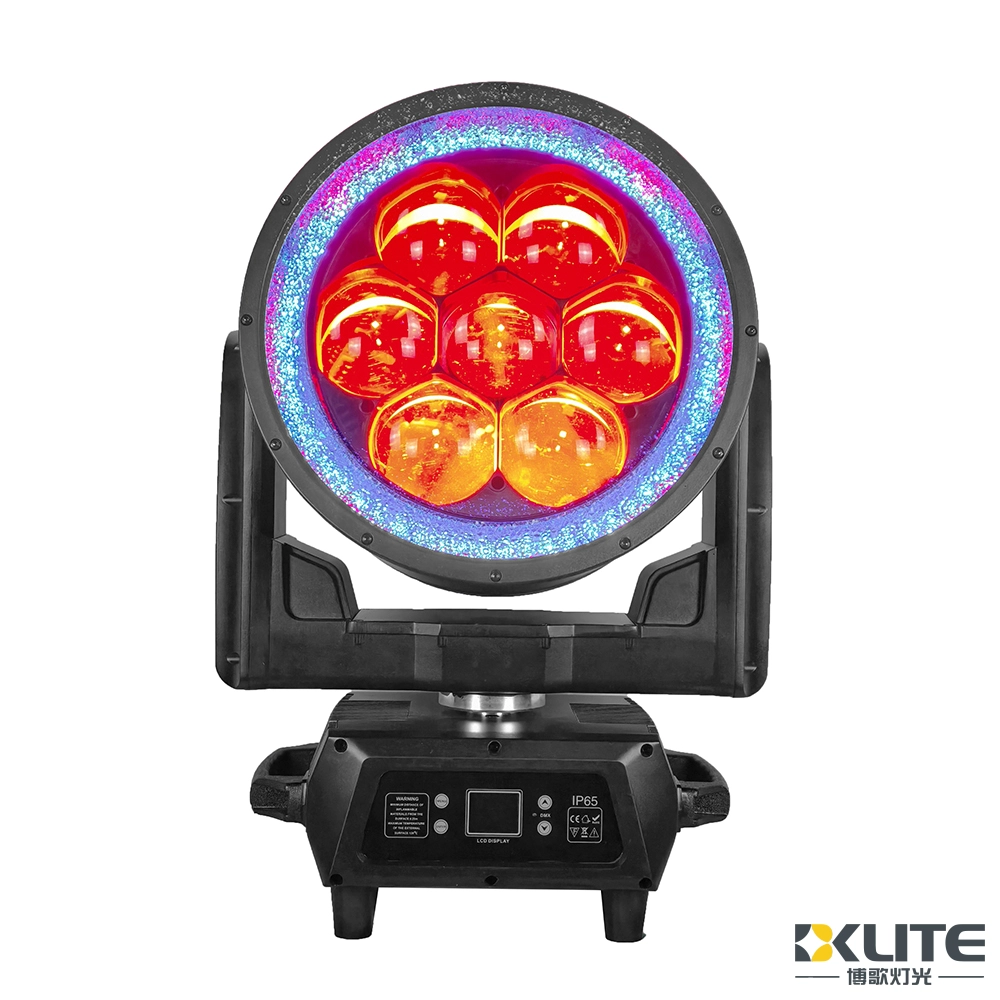
IP65 Waterproof Bee Eye 7x180W RGBL 4IN1 LED Moving Head Light With LED Ring
BKlite high power 7x180W waterproof bee eye moving head light—your reliable choice from top waterproof moving head light manufacturers and suppliers. Ideal for outdoor stage, live event, music festival, this energy-saving fixture ensures powerful, precise illumination for any venue. It delivers powerful, reliable lighting performance in any weather.
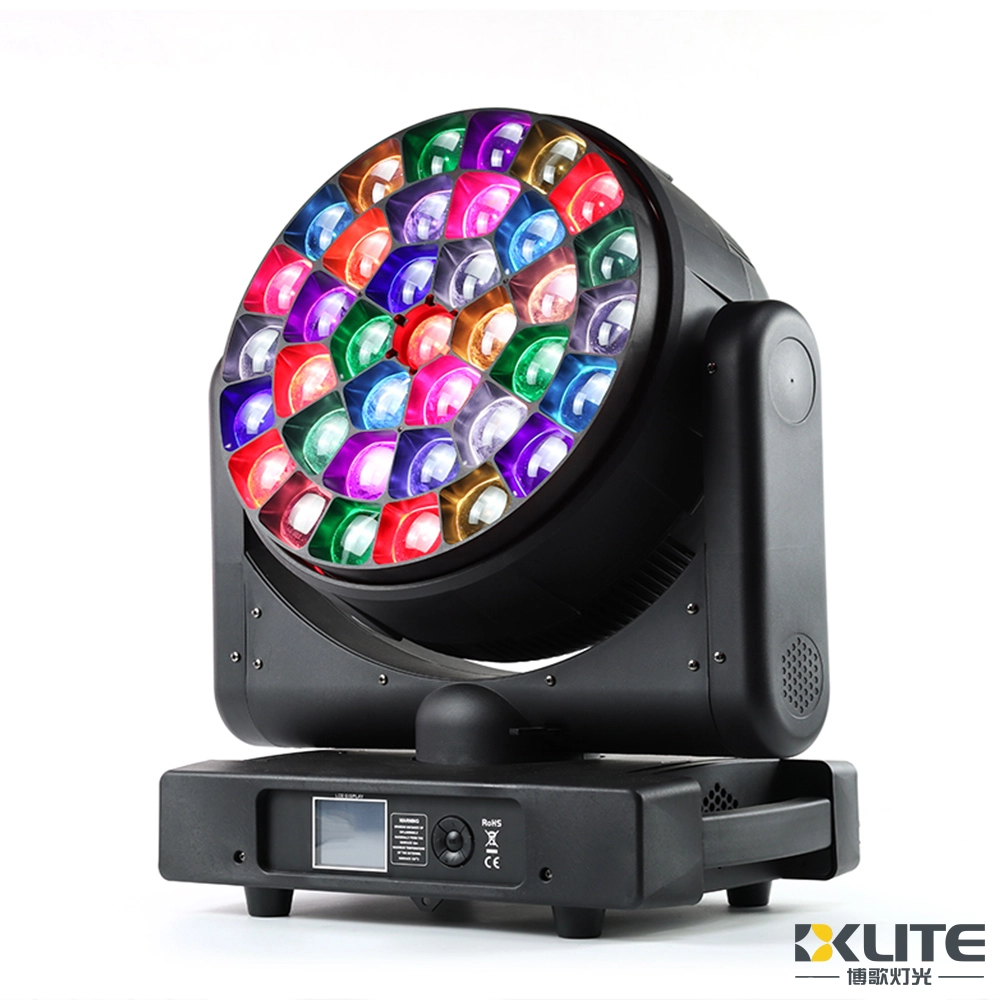
Bee Eye Zoom 37x40W RGBW 4in1 LED Beam Wash Moving Head Light


Copyright © 2025 BKLITE All Rights Reserved.