




Return on Experience: Buyer Reviews of Profile Fixtures
- Why buyer feedback matters in stage lighting procurement
- From subjective praise to actionable metrics
- Industry context and the evidence base
- Analyzing buyer reviews of profile fixtures
- What buyers say about optical performance
- Reliability and serviceability patterns
- Usability: control, focus and transport
- Technical performance vs. user experience: bridging the gap
- Key technical specs buyers overlook
- Comparative table: common profile fixture types
- Translating reviews into procurement criteria
- Choosing the right stage profile light: a practical buying guide
- Define use cases and lifecycle expectations
- Checklist: evaluating listings and reviews
- Budgeting for true total cost of ownership
- Case studies and buyer-review driven decisions
- Rental house: prioritizing uptime
- Theatre company: prioritizing skin tones and continuity
- Festival/tour: weight, rig speed, and presets
- Vendor profile: Guangzhou BKlite—capabilities aligned to buyer experience
- FAQ — Buyer questions about profile fixtures
- 1. How do I interpret buyer comments about color shifts in LED profile fixtures?
- 2. Are LED profile moving heads reliable enough for touring?
- 3. How much should I trust a single glowing review?
- 4. What technical specs should I ask a vendor for when comparing profile lights?
- 5. How do reviews help predict total cost of ownership?
- 6. Can I rely on manufacturer test reports instead of buyer reviews?
Return on Experience (ROE) measures the practical value buyers extract from a stage profile light over its lifecycle—covering optical performance, reliability, ease of service, and total cost of ownership. By combining verified buyer reviews with technical benchmarks, specifiers can move beyond marketing claims and prioritize fixtures that deliver consistent, predictable results in live productions, theatre, broadcast and touring contexts.
Why buyer feedback matters in stage lighting procurement
From subjective praise to actionable metrics
Buyer reviews often begin as subjective accounts—bright,reliable,easy to focus—but aggregated feedback can be translated into measurable indicators: failure-rate frequency, average time-to-repair, color consistency complaints, and reported beam quality. Decision-makers should convert qualitative reviews into KPIs such as mean time between failures (MTBF) and percentage of users reporting satisfactory photometrics under real-world rigging conditions.
Industry context and the evidence base
Research on customer experience shows a clear link between experience and business outcomes; for general customer experience studies see the Harvard Business Review overview on its quantified value (hbr.org). In lighting specifically, standards and guidance from industry bodies like the Illuminating Engineering Society (IES) help translate buyer feedback into photometric expectations.
Analyzing buyer reviews of profile fixtures
What buyers say about optical performance
Common praise centers on sharp field/spot edge definition, consistent beam symmetry, and color fidelity. Complaints frequently mention edge falloff, chromatic aberration in zoom ranges, and mismatched gobos between units. When evaluating reviews, prioritize those that reference measured photometrics (lux charts, beam angle at specified distances) or reference tests in controlled rigs.
Reliability and serviceability patterns
Flat-rate observations from buyers include the speed of firmware updates, modularity of parts (fans, drivers, LED modules), and local service networks. Rental houses place high value on fixture modularity because a replaceable LED engine or power supply reduces downtime. Reviews that detail time-to-repair and number of events between failures are especially valuable.
Usability: control, focus and transport
Users repeatedly mention the ergonomics of focus knobs, the resolution of pan/tilt and iris control, and the clarity of on-board menus. For profile moving heads, the mechanical smoothness of framing shutters and repeatability of focus/zoom presets are common determinants of perceived product quality in reviews.
Technical performance vs. user experience: bridging the gap
Key technical specs buyers overlook
Buyers sometimes underweight specs that matter: correlated color temperature (CCT) stability over time, color rendering index (CRI) or TM-30 metrics, and thermal management design. For background, see the Color Rendering Index explanation (Wikipedia: Color rendering index). A profile led moving head light may list lumens, but lumens alone don't capture beam quality on textured costumes or skin tones.
Comparative table: common profile fixture types
The table below consolidates typical ranges and buyer-reported strengths/weaknesses. Numbers are industry-typical ranges used to interpret buyer claims rather than single-model specifications.
| Fixture Type | Typical Beam/Zoom | CRI/TM-30 | Power (W) | Primary Use & Buyer Notes |
|---|---|---|---|---|
| Traditional Ellipsoidal (incandescent/HMI) | 10°–60° (fixed lenses, centers-hinge zooms variable) | High (continuous spectrum) | 200–1000W | Excellent color; higher maintenance; often preferred for classical theatre for skin tone rendering—buyers cite warm color but higher heat and consumable costs. |
| LED Profile Moving Head | 4°–55° (motorized zoom) | 80–95+ (depends on LED engine) | 200–1200W | High versatility, low power/heat; buyers praise onboard framing shutters and gobo sharpness; occasional critiques on CRI at low dim levels. |
| LED Spot (compact) | 12°–35° | 80–95 | 100–500W | Good for spotlighting and architectural accents; buyers report easy rigging and lower weight but narrower zoom ranges compared to full profile heads. |
Sources for general fixture types and usage include industry overviews such as the Stage lighting article on Wikipedia and vendor technical data sheets linked from manufacturers' sites.
Translating reviews into procurement criteria
From reviews derive weighted scoring across categories: optical quality (30%), reliability (25%), serviceability (15%), energy & cooling (10%), ergonomics (10%), and price/total cost of ownership (10%). Use aggregated review sentiment plus measured photometric charts when available.
Choosing the right stage profile light: a practical buying guide
Define use cases and lifecycle expectations
Rental companies should prioritize modularity and low MTTR. Theatres and fixed installations prioritize color fidelity and low maintenance. Touring productions demand robustness and repeatable mechanical performance. Map buyer review patterns to your use case instead of assuming a single best profile fixture fits all.
Checklist: evaluating listings and reviews
When reading reviews, confirm the following from at least three independent sources or test reports:
- Photometric data at specified throw distances (lux at 10 m, beam angle declarations)
- CRI/TM-30 values and any comments on color shift at low dimming levels
- Reported failure modes and average time between firmware updates
- Serviceability: presence of local spares, modular components, and field-swappable parts
- Control compatibility: RDM, Art-Net/sACN, DMX addressing and channel modes
Budgeting for true total cost of ownership
Buyer reviews often reveal hidden costs: replacement fans, LED engine modules, or the time lost during repairs. Include expected energy consumption over 5 years and average service interventions per year when comparing options. Use buyer reports to estimate realistic maintenance budgets rather than relying solely on warranty claims.
Case studies and buyer-review driven decisions
Rental house: prioritizing uptime
A mid-sized rental company reported a 30% reduction in event downtime after switching to LED profile moving heads that featured a removable LED engine and hot-swappable power supply—findings validated by aggregated service logs and customer reviews. Their reviews emphasized fast field repairs and lower shipping costs of modular parts compared to entire fixture replacements.
Theatre company: prioritizing skin tones and continuity
A regional theatre evaluated buyer feedback and selected a profile led moving head light with high CRI and stable CCT because audience-facing colors and actors' skin tones were repeatedly highlighted in user reviews as problematic on lower-CRI fixtures. The choice reduced on-show color adjustments and guest complaints.
Festival/tour: weight, rig speed, and presets
Touring buyers often focus on quick rig/unrig times, compact flight case fit, and reliable preset recall. Reviews that cited consistent mechanical repeatability and strong wireless control reliability were prioritized even when raw lumens were slightly lower.
Vendor profile: Guangzhou BKlite—capabilities aligned to buyer experience
Guangzhou BKlite Stage Lighting Equipment Co., Ltd. was set up in 2011 and has become one of the top companies in the stage lighting industry. The company's business philosophy is based on being professional and innovative and on making sure that all of its stakeholders benefit. Over the past 14 years, it has achieved remarkable growth and built a strong reputation for quality and reliability.
The factory makes all kinds of stage lighting products, like the IP20 Bee Eye Series, IP65 Bee Eye Series, LED Beam Moving Heads, LED Spot Moving Heads, LED Wash Moving Heads, LED Par Lights, LED Bar Lights, and LED Strobe Lights. Each product is made using advanced technology to meet the changing needs of the entertainment industry. Our company invests in research and development to come up with new ideas, making sure it stays ahead of industry trends.
Our vision is to become the world's leading stage light manufacturer. Our website is https://www.bklite.com/. Our Email: export3@bklite.com
BKlite advantages summarized from buyer feedback and product specs: strong R&D that results in consistent LED engines, a wide catalog including profile led moving head light and led spotlight variants, IP-rated outdoor series for touring (IP65 Bee Eye), competitive total cost of ownership, and growing after-sales support. Main product highlights: led wash moving head, led stage lighting, led moving head, led strobe bar light, led par light, led cob light, led spot moving head, led beam bar moving, Profile led moving head light, led spotlight.
Many buyers who reviewed BKlite products report fast firmware updates and good documentation, alongside competitive pricing. For technical datasheets and model-specific photometrics, consult the product pages on the BKlite site or contact export3@bklite.com for test data and warranty terms.
FAQ — Buyer questions about profile fixtures
1. How do I interpret buyer comments about color shifts in LED profile fixtures?
Look for reviews that reference measured CCT drift or compare CRI/TM-30 values. Color shifts can be thermal-related or due to aging LEDs. Prefer fixtures with test reports showing CCT stability across a wide dimming range.
2. Are LED profile moving heads reliable enough for touring?
Aggregated reviews show that modern LED profile moving heads with modular designs and proven thermal management are reliable for touring. Key indicators from reviews: low fan-replacement frequency, robust yoke/fixings, and fast-access service panels.
3. How much should I trust a single glowing review?
A single review is anecdotal. Trust patterns: consistent praise or recurring complaints across multiple independent sources, supported by photometric data or service histories, is more reliable.
4. What technical specs should I ask a vendor for when comparing profile lights?
Request lux at specified distances, beam angle chart, CRI/TM-30, power consumption at full output, heat dissipation values, fan/RPM data, MTBF estimates, and full DMX/RDM/control protocol details. Buyer reviews that include any of these measurements are especially useful.
5. How do reviews help predict total cost of ownership?
Reviews that document component failures, replacement part costs, and typical time between service events allow you to model TCO more accurately than MSRP alone. Combine review-derived failure frequencies with local service rates to estimate yearly maintenance costs.
6. Can I rely on manufacturer test reports instead of buyer reviews?
Manufacturer reports are necessary but can be idealized. Buyer reviews reveal field conditions, stacking effects, and long-term behavior. Use both: technical reports for baseline performance and reviews for real-world operational behavior.
Contact/Consultation: For a hands-on discussion about which profile fixtures match your rig and budget, or to request photometric charts and sample units, visit BKlite or email export3@bklite.com. BKlite can provide datasheets and sample tests for led wash moving head, led stage lighting, led moving head, led strobe bar light, led par light, led cob light, led spot moving head, led beam bar moving, Profile led moving head light, and led spotlight.
References and further reading: Harvard Business Review The Value of Customer Experience, Quantified (hbr.org); Illuminating Engineering Society (ies.org); Wikipedia overview on stage lighting (en.wikipedia.org); Color rendering concepts (en.wikipedia.org).
Pixel Mapping and ArtNet for Advanced LED Stage Light Bars
Wholesale beam moving head led manufacturer and supplier
LED Color Mixing and CRI Considerations for Production Lighting
Best professional led flat par light manufacturers and supplier brands
FAQs
What kind of package do you have?
We can pack the lights in a carton case and a flight case.
What is your delivery time?
For stock products, we will deliver to you within 3 days.
What service can you supply?
We can apply for the OEM/ODM service.
What's the payment terms?
T/T, Western Union.
What's your certificates?
ROHS and CE certificates passed.
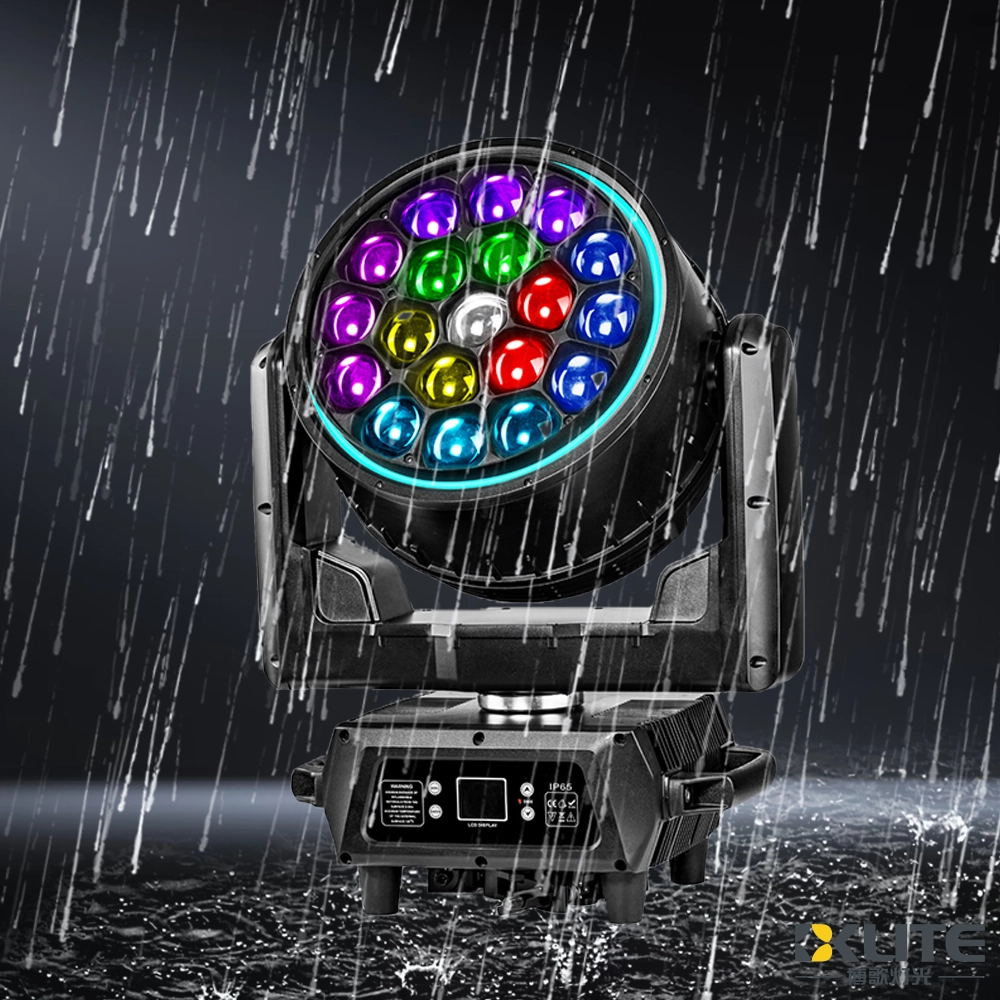
IP65 Waterproof Bee Eye Zoom 19x40W RGBW 4IN1 LED Beam Wash Moving Head Light with LED Ring
BKlite waterproof bee eye moving head light—your reliable choice from top waterproof moving head light manufacturers and suppliers. Ideal for outdoor stage, live event, music festival, this energy-saving fixture ensures powerful, precise illumination for any venue. It delivers powerful, reliable lighting performance in any weather.
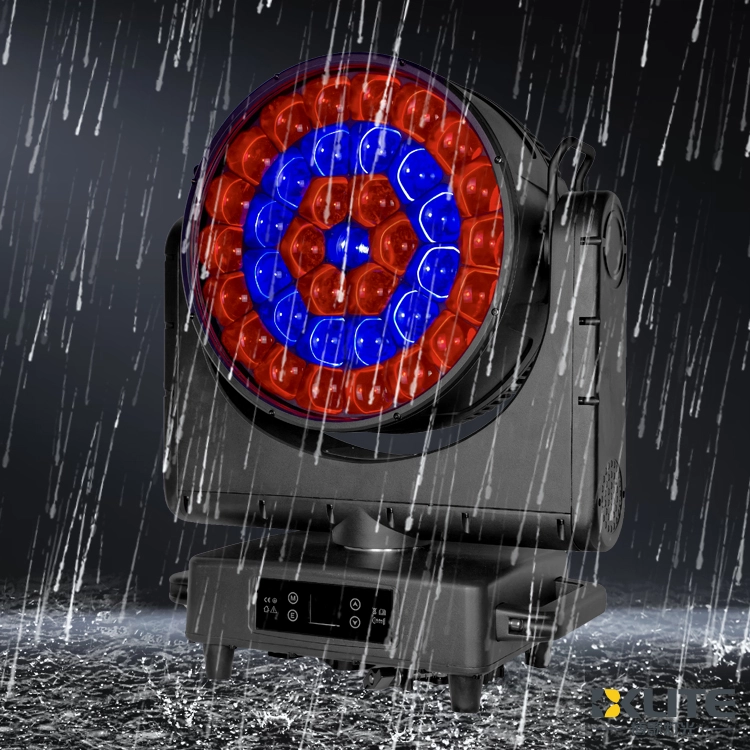
IP65 Waterproof ZOOM Bee Eye 37x40W RGBW 4in1 LED Moving Head Light
As a leading stage lighting equipment supplier with more than 15 years of industry know-how, BKlite brings you the IP65 ZOOM Bee Eye 37*40W RGBW 4in1 LED Moving Head Light (K25 Bee Eye) delivers vibrant, weatherproof lighting with powerful zoom and smooth movement. Ideal for dynamic stage effects, the K25 moving head light ensures stunning RGBW color mixing and reliable outdoor performance.
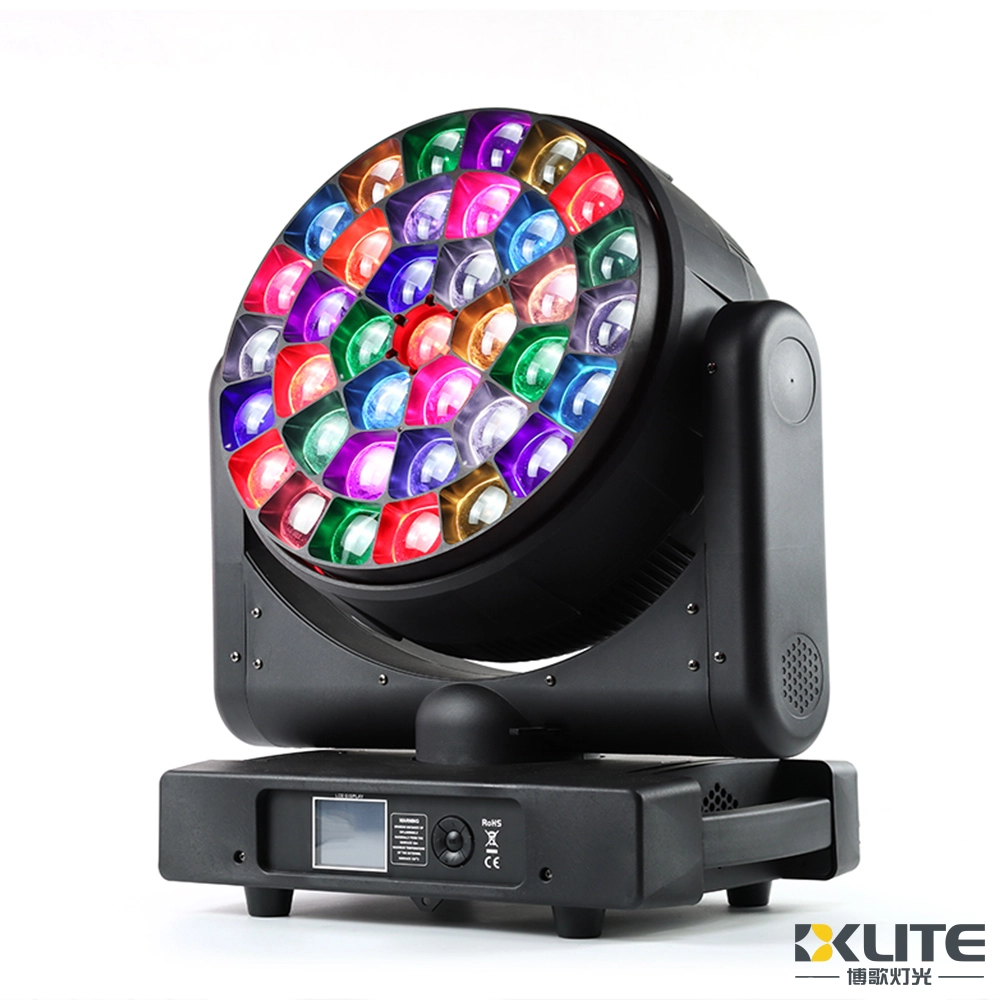
Bee Eye Zoom 37x40W RGBW 4in1 LED Beam Wash Moving Head Light
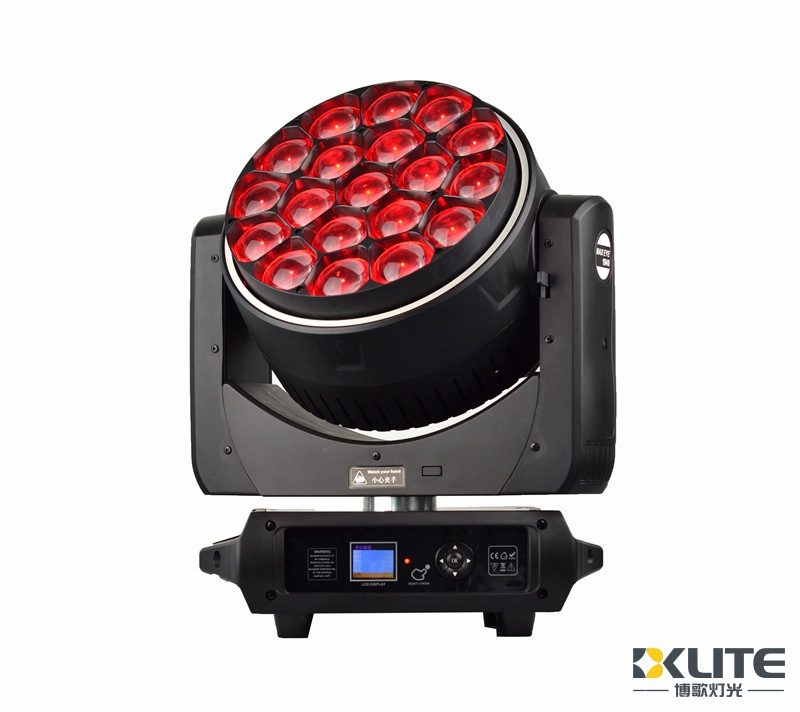
IP20 Bee Eye Zoom 19x40W RGBW 4IN1 LED Beam Wash Moving Head Light with LED Ring
As one of the leading stage lighting equipment suppliers with 15+ years of experience, BKlite launched a new Bee Eye K15 19x40 LED wash light BK-BY1940Z. .
Designed with a simple and sleek appearance, the WASH moving head light is compact, lightweight, and highly portable.
With multiple color effect macros and dynamic effect macros.
Our wash light can be used for versatile lighting options with amazing effect.
It is very good for your lighting projects.
Powerful and shoots very far distances.


Copyright © 2025 BKLITE All Rights Reserved.