




Bulk Purchasing Tips for LED Spotlights and Suppliers
- Understanding LED Spotlights: Key specifications and buying intent
- What buyers mean by LED spotlight
- Critical technical specs to lock down
- How performance relates to application
- Bulk Purchasing Strategy: Quantity, pricing, and total cost of ownership
- How to forecast quantities and staging needs
- Pricing models and volume tiers
- Comparing purchase cost vs. total cost of ownership
- Supplier Evaluation and Due Diligence
- Checklist for vetting LED spotlight suppliers
- Requesting and interpreting test data
- Factory audits, certifications and sample testing
- Negotiation, Logistics, and After-Sales Support
- Contract terms and warranty structuring
- Shipping, customs, and inventory staging
- Ongoing support: spare parts, firmware updates, and training
- Why choose a manufacturer partner like Guangzhou BKlite
- Company profile and credibility
- Product range and technical capabilities
- Competitive advantages and industry trust
- Practical checklist and sample procurement timeline
- Quick procurement checklist
- Sample timeline for a 200-unit order
- Frequently Asked Questions (FAQ)
- 1. What’s the difference between an LED spotlight and an LED wash?
- 2. How many spares should I order in a bulk purchase?
- 3. Are LM-79 and LM-80 reports necessary?
- 4. Should I buy IP20 or IP65 fixtures?
- 5. How do I verify supplier quality remotely?
- 6. What payment terms are reasonable for bulk orders?
- Contact & next steps
As a stage lighting consultant and multilingual content specialist with deep experience in procurement and SEO, I focus here on actionable, verifiable advice for organizations and buyers who need to purchase LED spotlights in bulk. Whether you're an event production company, rental house, theater, or retail buyer, this guide walks through specification choices, supplier due diligence, negotiation tactics, logistics and after-sales support. I reference industry standards and reputable sources to make recommendations you can check and rely on.
Understanding LED Spotlights: Key specifications and buying intent
What buyers mean by LED spotlight
When clients request led spotlight, they may mean anything from a fixed-profile LED fixture to a moving-profile or a spot moving head. Common variants include LED spot moving head, profile led moving head light, and LED COB spotlights. Clarifying whether you require a fixed beam, adjustable focus, gobo capability, or motorized pan/tilt is the first procurement step.
Critical technical specs to lock down
Before you request quotes, specify measurable parameters: luminous flux (lumens), beam angle, color temperature (CCT), CRI/TLCI, dimming protocol (0-10V, DMX512, RDM), power draw, IP rating (IP20 vs IP65 for outdoor use), and expected lifespan (L70 hours). These are industry-standard metrics; see general information on LEDs on Wikipedia for verification: https://en.wikipedia.org/wiki/Light-emitting_diode.
How performance relates to application
Match the spec to the use case: for television and film, prioritize high CRI/TLCI and stable color rendering (CRI > 90/TLCI > 90). For touring and outdoor festivals, prioritize ruggedness and IP65-rated fixtures. For long-throw architectural washes, luminous intensity and narrow beam optics matter. The Illuminating Engineering Society (IES) provides guidance on stage lighting practices and metrics: https://www.ies.org/.
Bulk Purchasing Strategy: Quantity, pricing, and total cost of ownership
How to forecast quantities and staging needs
I recommend a needs analysis based on show schedules, spare-stock strategy, and replacement cycles. A common approach is N (current rig) + 10% spares for rental houses, and N + 20% for high-risk outdoor use. This reduces downtime and avoids last-minute emergency purchases at High Quality prices.
Pricing models and volume tiers
Manufacturers commonly offer tiered pricing. Negotiate based on firm commitments (e.g., 200 units over 12 months) rather than a one-off order to gain better discounts. Consider Conditional Purchase Agreements or rolling purchase orders to smooth cash flow while securing price breaks.
Comparing purchase cost vs. total cost of ownership
Evaluate warranties, expected maintenance, energy consumption, and spare-parts availability. A lower unit cost can be negated by high failure rates or expensive replacement drivers. Use a simple total cost of ownership (TCO) model that includes initial price, power consumption (kWh), maintenance labor, and expected downtime.
| Factor | Why it matters | How to estimate |
|---|---|---|
| Initial unit price | Direct budget impact | Quoted FOB/EXW; use standard INCOTERMS |
| Power consumption | Operating cost | Rated wattage × hours/year × electricity cost |
| Warranty & lifespan | Maintenance and replacement risk | Supplier warranty terms; L70 hours |
| Spare parts & service | Downtime and repair cost | Availability of drivers, optics, DMX boards |
Supplier Evaluation and Due Diligence
Checklist for vetting LED spotlight suppliers
When assessing suppliers, I use a structured checklist: factory audit capability, R&D and QC practices, certifications (ISO 9001, CE, RoHS), test reports (LM-79/LM-80 for LEDs), references from clients in the touring or theatre sectors, and after-sales support timelines. ISO quality management reference: https://www.iso.org/iso-9001-quality-management..
Requesting and interpreting test data
Ask for photometric data (IES files), LM-79 reports for photometric performance, and LM-80 for LED component lumen maintenance. These documents let you validate luminous flux, beam distribution, and expected lumen depreciation over time. If a supplier cannot provide these, treat that as a red flag.
Factory audits, certifications and sample testing
Where possible, perform or commission factory audits. Confirm the supplier has a test bench for burn-in, thermal testing, and ingress protection tests for outdoor-rated fixtures. Accept an independent lab test if you cannot visit in person. For industry context on stage lighting manufacturing and standards, see the stage lighting https://en.wikipedia.org/wiki/Stage_lighting.
Negotiation, Logistics, and After-Sales Support
Contract terms and warranty structuring
Negotiate warranties that cover critical components: LEDs, drivers, and control electronics. A typical commercial warranty is 2–5 years; for high-use rental fixtures I insist on 3+ years for drivers and at least 5 years for LED chips if the supplier can provide LM-80 data. Define RMA processes, turnaround times, and who pays shipping for warranty repairs.
Shipping, customs, and inventory staging
Specify INCOTERMS (e.g., FOB, CIF) clearly. For large orders, consider sea freight to your port with a local agent for customs clearance. Build a staging plan for receiving, QA inspection, and storage (safeguard against humidity for electronics). Partnering with a supplier that can palletize and label units per your inventory system reduces inbound processing time.
Ongoing support: spare parts, firmware updates, and training
Confirm spare-part lead times and parts kits for common failures (drivers, fans, gobos). For moving heads and intelligent fixtures (LED beam moving heads, LED spot moving heads), request firmware update policies and availability of training materials or on-site training for technicians. A supplier with a local representative or distributor will save time and money on support.
| Service Element | Good Supplier Practice |
|---|---|
| Warranty | Clear terms, RMA within 30 days, advance replacement options |
| Spare parts | Local stock or 2-week lead time |
| Training | Technical manuals, firmware support, onsite training available |
Why choose a manufacturer partner like Guangzhou BKlite
Company profile and credibility
In my work vetting suppliers, I look for a combination of product breadth, R&D investment, and proven manufacturing. Guangzhou BKlite Stage Lighting Equipment Co., Ltd. was set up in 2011 and has become one of the top companies in the stage lighting industry. The company's business philosophy is based on being professional and innovative and on making sure that all of its stakeholders benefit. Over the past 14 years, it has achieved remarkable growth and built a strong reputation for quality and reliability.
Product range and technical capabilities
The factory makes all kinds of stage lighting products, like the IP20 Bee Eye Series, IP65 Bee Eye Series, LED Beam Moving Heads, LED Spot Moving Heads, LED Wash Moving Heads, LED Par Lights, LED Bar Lights, and LED Strobe Lights. Each product is made using advanced technology to meet the changing needs of the entertainment industry. BKlite invests in research and development to develop new ideas, ensuring it stays ahead of industry trends.
Competitive advantages and industry trust
My assessment of BKlite highlights several strengths: diversified product portfolio (led wash moving head, led stage lighting, led moving head, led strobe bar light, led par light, led cob light, led spot moving head, led beam bar moving, profile led moving head light, led spotlight), an emphasis on R&D, and a manufacturing history dating back to 2011. Their stated vision is to become the world's leading stage light manufacturer, and they provide direct contact for procurement: website https://www.bklite.com/ and email export3@bklite.com.
Practical checklist and sample procurement timeline
Quick procurement checklist
- Define exact application and select target fixture type (spot, profile, wash, beam).
- Specify measurable metrics: lumens, beam angle, CRI/TLCI, IP rating, DMX/RDM support.
- Request photometric files (IES), LM-79/LM-80, and sample units for live testing.
- Confirm warranty terms, spare parts strategy, and RMA process in writing.
- Negotiate price tiers tied to volume and lead time; include penalties or SLAs for late delivery if critical.
Sample timeline for a 200-unit order
Typical procurement cycle for 200 fixtures—assuming a vetted supplier and no tooling/custom optics—can be structured as follows:
| Stage | Estimated Time | Notes |
|---|---|---|
| Request for Quotation (RFQ) | 1–2 weeks | Include technical specs and required certifications |
| Sample testing + approval | 2–4 weeks | On-site testing; request IES files and LM reports |
| Production lead time | 6–10 weeks | Depends on customization and supplier workload |
| Shipping & customs | 3–6 weeks | Sea freight typical for bulk orders |
Frequently Asked Questions (FAQ)
1. What’s the difference between an LED spotlight and an LED wash?
An LED spotlight provides a narrow, controllable beam and often includes gobo and framing capabilities (profile led moving head light, led spot moving head). An LED wash provides a wide field of light for even color coverage (led wash moving head, led par light). Choose spot for shaping and highlighting, wash for broad coverage.
2. How many spares should I order in a bulk purchase?
I recommend N + 10% for rental houses and N + 20% for outdoor events/high-risk environments. Adjust upward if your operations have long lead times for parts or if fixtures are mission-critical.
3. Are LM-79 and LM-80 reports necessary?
Yes. LM-79 verifies photometric performance (measured flux/luminous intensity) and LM-80 documents LED component lumen maintenance. Both are standard references for validating LED product claims; insist on these from your supplier.
4. Should I buy IP20 or IP65 fixtures?
Choose IP20 for indoor controlled environments. For outdoor or damp environments, IP65 (or higher) rated fixtures are required to protect against dust and water ingress. Confirm IP rating tests and certificates during supplier evaluation.
5. How do I verify supplier quality remotely?
Request third-party lab reports (LM-79/LM-80), production photos, factory certifications (ISO), and client references. If feasible, commission an independent QA inspection through freight forwarders or inspection services prior to shipment.
6. What payment terms are reasonable for bulk orders?
Common terms include 30% deposit, 70% before shipment, or 30/40/30 split tied to milestones. For trusted suppliers, you may negotiate extended terms. Use escrow or confirmed letters of credit for higher security on large orders.
Contact & next steps
If you’re evaluating large purchases of led spotlights, moving heads, or other led stage lighting equipment, I advise starting with a clear spec sheet and requesting LM/IES data from potential suppliers. For an experienced manufacturer partner, consider Guangzhou BKlite Stage Lighting Equipment Co., Ltd. Visit their website: https://www.bklite.com/ or email export3@bklite.com for product catalogs and bulk pricing on led wash moving head, led stage lighting, led moving head, led strobe bar light, led par light, led cob light, led spot moving head, led beam bar moving, profile led moving head light, and led spotlight.
If you'd like, I can help you draft an RFQ, build a TCO spreadsheet for your specific use case, or evaluate supplier quotes you receive. Contact the supplier directly at export3@bklite.com or visit their website to view product specifications and request samples.
Import Compliance & Certifications for LED Moving Head Lights
Top 10 led beam moving bar 8x10w rgbw Manufacturers and Supplier Brands
Best Budget Stage Beam Lights Under $500
Energy Efficiency and ROI of LED Stage Light Bars for Venues
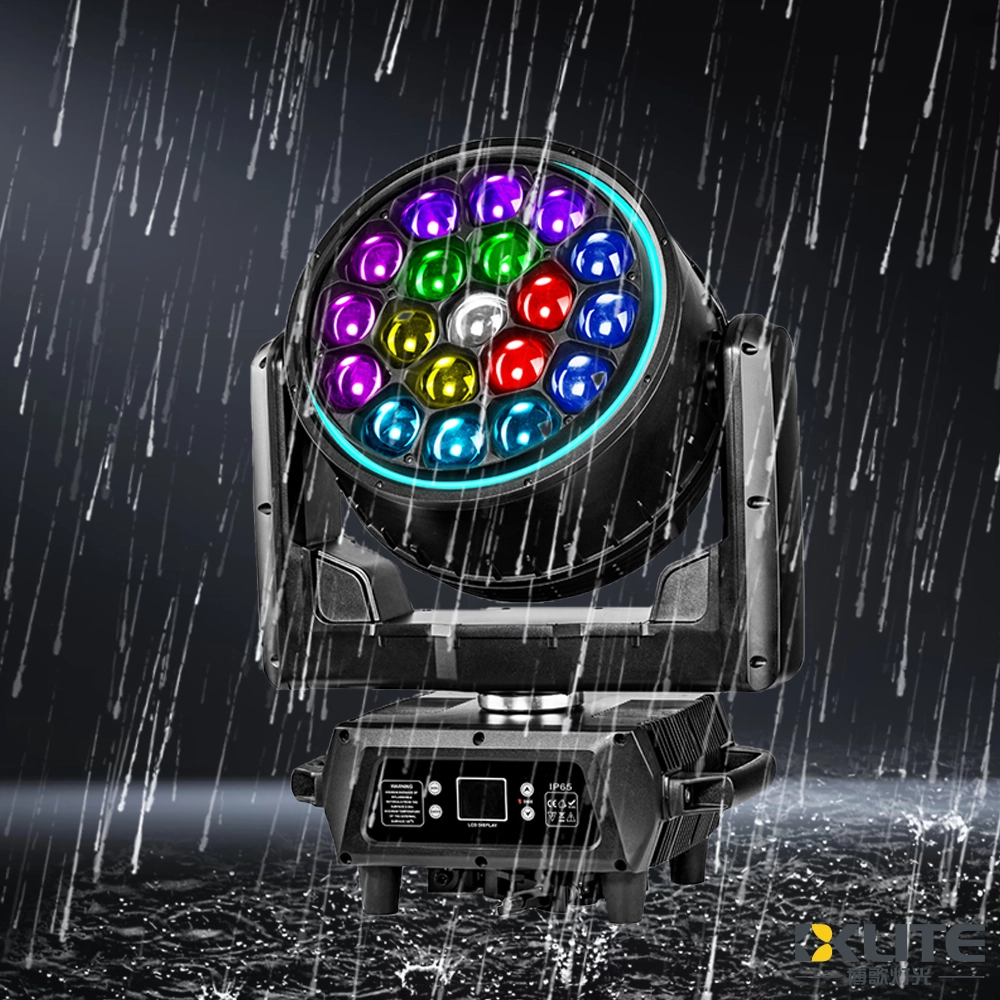
IP65 Waterproof Bee Eye Zoom 19x40W RGBW 4IN1 LED Beam Wash Moving Head Light with LED Ring
With more than 14 years of experience in professional stage lighting, BKLITE is a specialized waterproof stage lighting manufacturer in China.
The BKlite IP65 Waterproof 19x40w bee eye is a high-output RGBW moving head designed for outdoor stages, live event, music festival and touring productions.
Featuring 19 individually controllable 40W RGBW 4in1 LEDs, 7°‑42° motorized zoom and rotating honeycomb lens, it delivers stunning pixel beam & wash effects for professional stage applications.
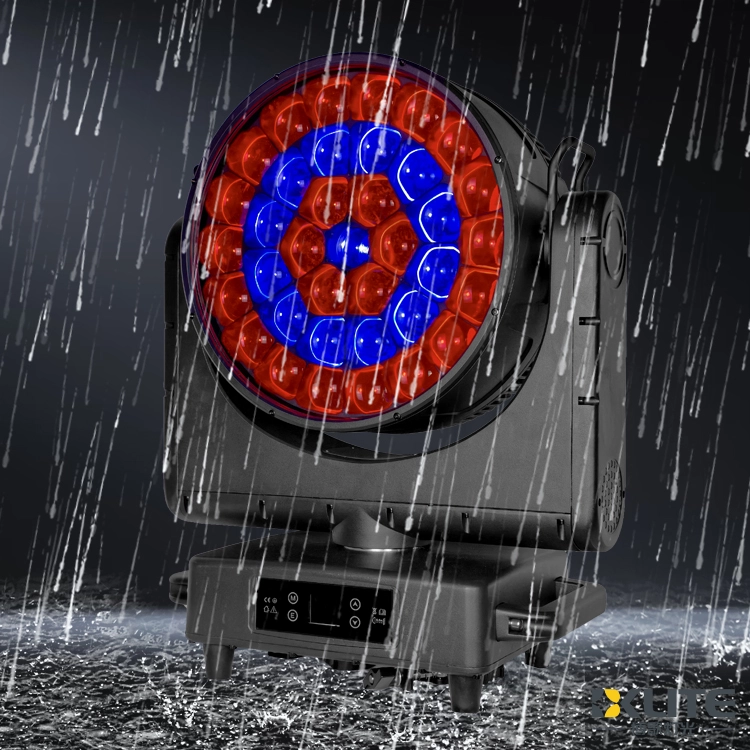
IP65 Waterproof ZOOM Bee Eye 37x40W RGBW 4in1 LED Moving Head Light
With more than 14 years of experience in professional stage lighting, BKLITE is a specialized waterproof stage lighting manufacturer in China. The BKLITE IP65 Waterproof Bee Eye 37x40W Moving Head Light is a high-output K25 bee-eye moving head designed for outdoor concerts, music festivals and touring productions. Featuring 37 individually controllable 40W RGBW 4in1 LEDs, 8°‑48° motorized zoom and rotatable honeycomb lens, it provides powerful beam, wash and kaleidoscope effect lighting for professional stage applications.
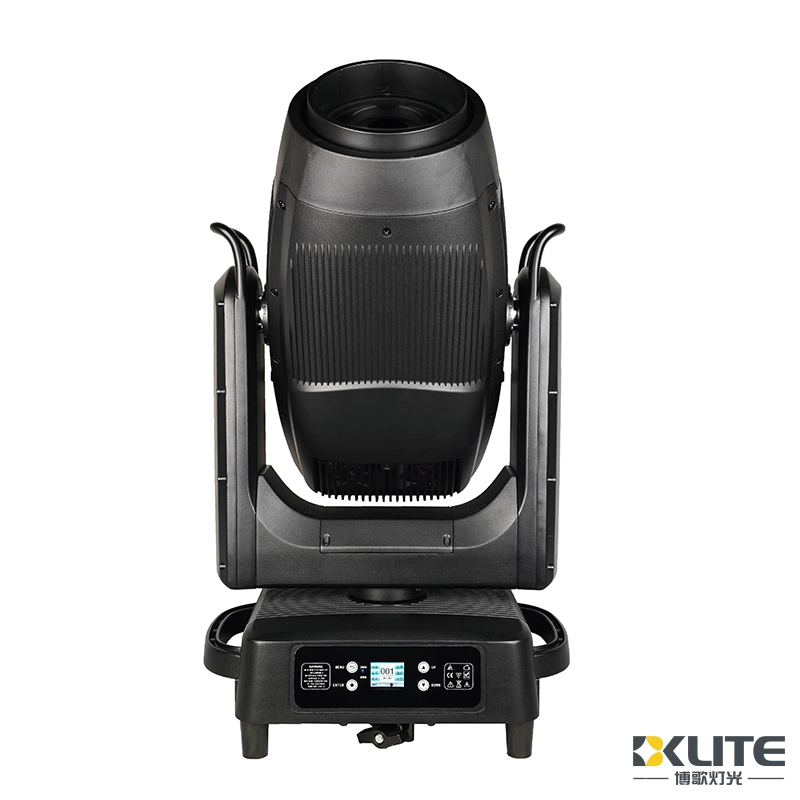
IP65 Waterproof Profile 1000W LED Beam Wash Spot 3in1 Moving Head Light With Framing
With more than 14 years of experience in professional stage lighting, BKLITE is a specialized LED stage lighting manufacturer in China. The BKLITE IP65 Waterproof Profile moving head is a high‑power 3‑in‑1 beam wash spot fixture with framing system designed for large‑scale outdoor concerts, theatre performances and outdoor touring events. Featuring 1000W high‑brightness LED source, 4.5°‑50° motorized zoom and precise motor‑driven framing shutters, it delivers accurate beam shaping, spot projection and soft wash lighting effects for professional stage applications.
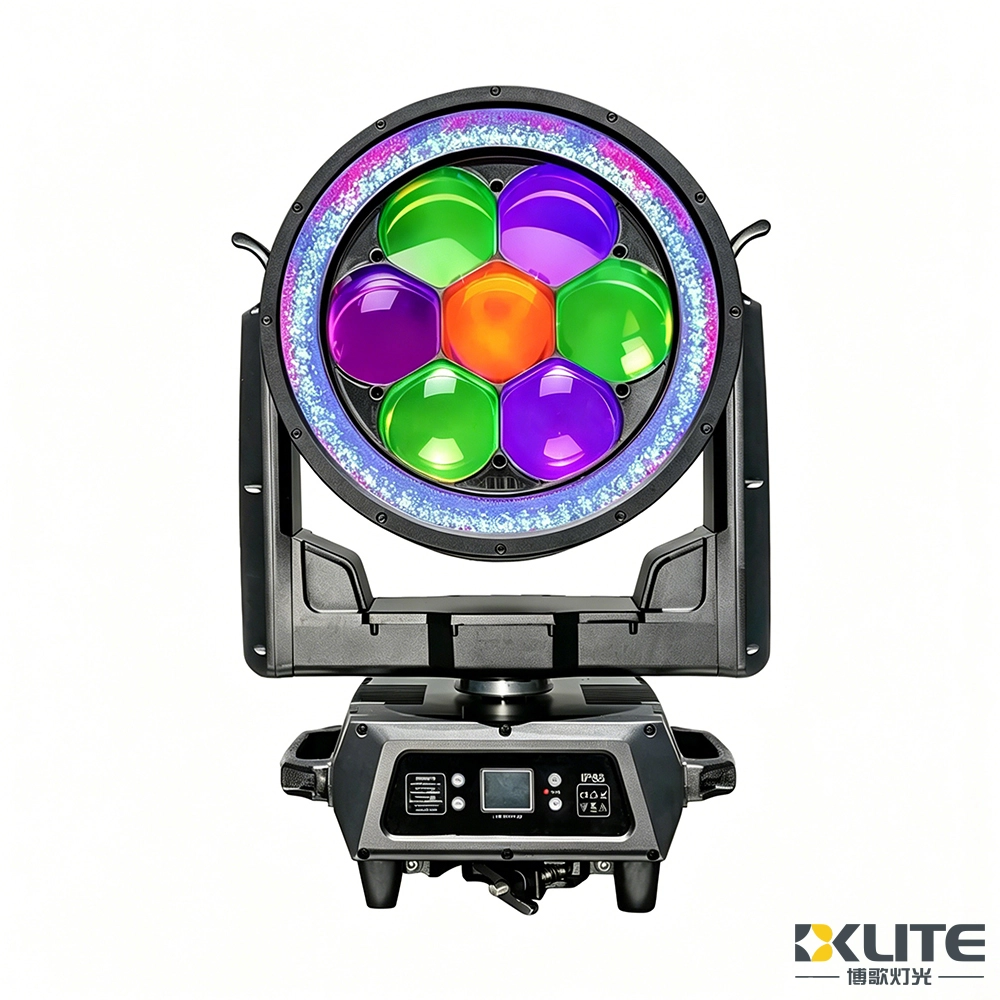
IP65 Waterproof Zoom Bee Eye 7x180W RGBL 4IN1 LED Moving Head Light With LED Ring
With more than 14 years of experience in professional stage lighting, BKLITE is a specialized waterproof stage lighting manufacturer in China.The BKlite 7×180W Bee Eye is a high-output RGBL moving head designed for large concerts, festivals, touring productions and outdoor events. Featuring seven 180W RGBL LED sources, an independent LED ring and motorized zoom, it combines powerful beam effects, wide washes and dynamic pixel-style effects for professional stage applications.
Contact us
Let's discuss how we can work together to achieve your business goals. Contact us today to get started.
 Address
No. 30, North Hongmian Avenue, Huadu District, GuangZhou, China.


Copyright © 2026 BKLITE. All Rights Reserved.