



Case Study: LED Strobe Lights in Arena Productions
- Arena production lighting challenges
- Scale, sightlines and audience experience
- Safety, regulations and audience health
- Creative demands and technical interoperability
- Technical principles of LED strobe lights
- How modern LED strobes work
- Key specifications: what I evaluate
- Control systems and synchronization
- Case study: Implementing LED Strobe Lights at a 15,000-seat arena
- Project brief and objectives
- Fixture selection and layout
- Measured results and audience response
- Operational best practices and lifecycle considerations
- Rigging, thermal management and IP considerations
- Programming, PSE risk mitigation and documentation
- Maintenance, total cost of ownership and replacement cycles
- Vendor selection and product highlight: Guangzhou BKlite
- Why vendor capability matters
- About Guangzhou BKlite Stage Lighting Equipment Co., Ltd.
- How BKlite fit our project
- Conclusions and actionable recommendations
- FAQ
- 1. Are LED strobe lights safer than xenon strobes for audiences?
- 2. How do I choose the right LED strobe for broadcast events?
- 3. What flash rate ranges should I avoid to reduce PSE risk?
- 4. How does the total cost of ownership of LED strobes compare to xenon?
- 5. Can LED strobes be used outdoors?
- 6. How should I test LED strobes before a major event?
I summarize upfront: this case study explains why modern led strobe light fixtures are transforming arena productions—delivering improved energy efficiency, greater creative control, reduced maintenance, and enhanced safety—while outlining concrete specification guidance, a real-world implementation approach, measured outcomes, and vendor considerations to help lighting designers and production managers make informed decisions.
Arena production lighting challenges
Scale, sightlines and audience experience
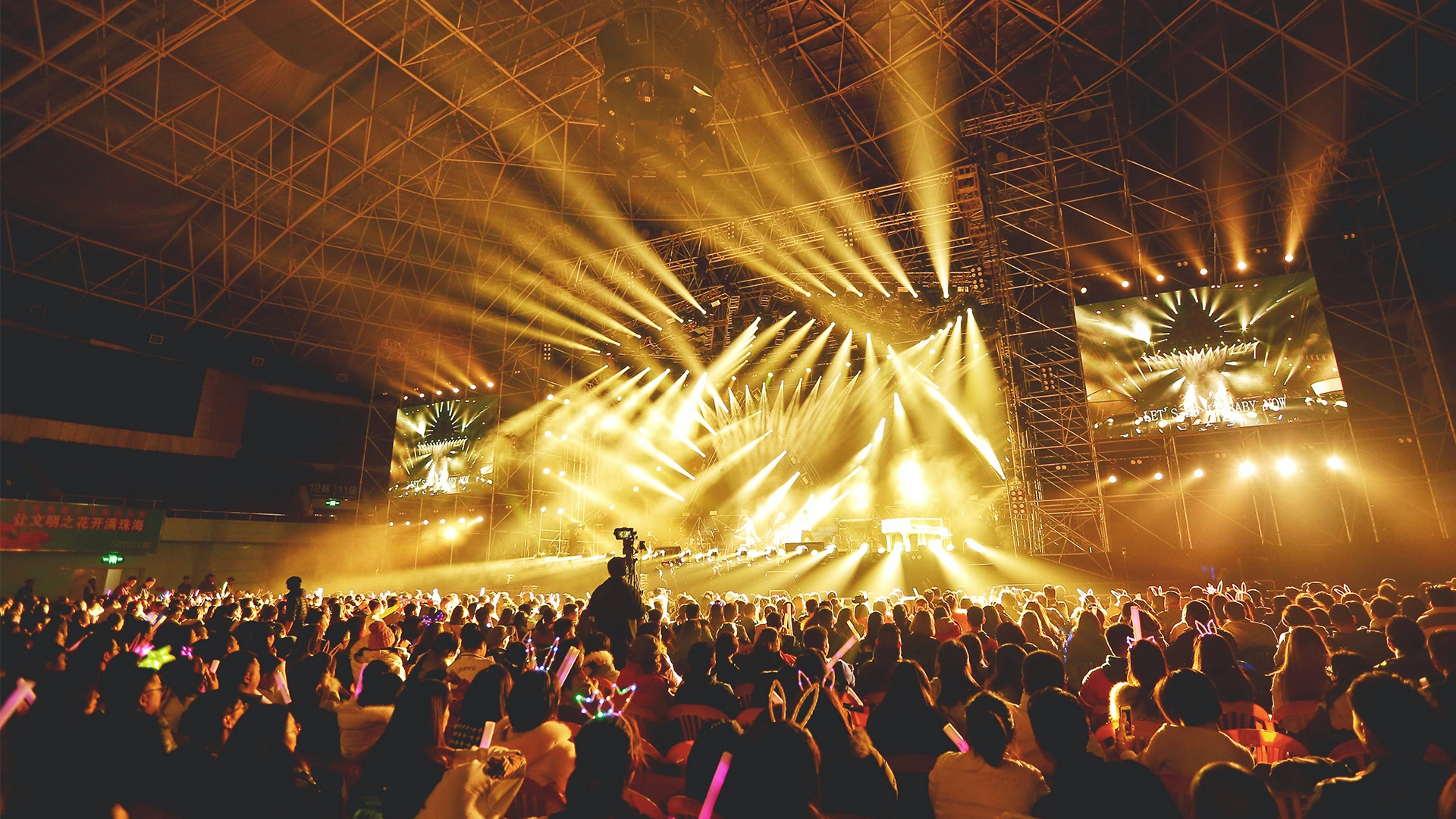
In arenas, a lighting rig must address vast distances (fixture-to-seat), complex sightlines, and the need to create consistent visual impact across 360-degree seating. A single high-intensity flash that reads well on camera may underwhelm distant audience areas. When I design, I prioritize photometric coverage (lux at audience planes) and distribution uniformity in addition to headline spectacle.
Safety, regulations and audience health
Flashing lights introduce real safety concerns—photosensitive epilepsy (PSE) is the most cited risk. I always work to comply with relevant guidance and reduce PSE triggers by controlling flash frequency, duty cycle, and contrast. Authoritative resources such as the Epilepsy Foundation provide practical guidance on triggers and safe practices (Epilepsy Foundation: Photosensitivity).
Creative demands and technical interoperability
Producers demand dramatic moments, but also repeatable cues, camera-friendly behavior, and tight synchronization with audio and video. That means LED strobes must integrate with DMX/sACN, support high-speed triggering, and offer flexible timing and dimming curves. For control standards see DMX512 information (DMX512 on Wikipedia).
Technical principles of LED strobe lights
How modern LED strobes work
Unlike xenon flash tubes that deliver a high-voltage arc for a singular intense burst, LED strobe light fixtures use arrays of high-power LEDs driven by switch-mode current drivers to produce rapid, repeatable flash sequences. This architecture enables variable flash rates, pulse-width modulation (PWM) control of intensity, and precise timing with minimal warm-up. For background on strobe types see the general reference on strobe lights (Wikipedia: Strobe light).
Key specifications: what I evaluate
When specifying LED strobes I review:
- Peak output (lux at distance) and LED binning for color stability.
- Flash rate range (Hz) and minimum pulse width (ms) for photographic and broadcast needs.
- Duty cycle and thermal limits—important for long shows.
- Control options (DMX channels, RDM, sACN, Art-Net, or dedicated trigger inputs).
- Physical ingress protection (IP rating) for outdoor arenas.
Control systems and synchronization
High-speed, deterministic triggering is essential. I rely on DMX512 for per-fixture control, but for large arrays I prefer sACN or Art-Net for bandwidth and synchronization. For camera sync and frame-accurate timing, external trigger inputs or timecode-based cueing are valuable. The DMX512 standard remains the industry backbone (DMX512).
Case study: Implementing LED Strobe Lights at a 15,000-seat arena
Project brief and objectives
I was engaged to advise on a headline concert at a 15,000-seat indoor arena. Objectives from the promoter and LD included:
- Create several high-impact strobe moments perceived equally across the bowl.
- Ensure fixtures are TV/broadcast friendly and manageable for repeat shows.
- Minimize downtime and maintenance compared to legacy xenon strobes.
- Mitigate PSE risk and meet venue safety policy.
Fixture selection and layout
After evaluating options, we selected compact LED strobe bars and high-output LED strobe fixtures with the following characteristics: high CRI white modules, peak flash control to sub-millisecond widths, robust thermal management, and DMX + trigger input. The array was split into three rings: near-stage, mid-bowl and catwalk clusters to ensure even audience impact. Emergency and safety lighting schemes were maintained untouched.
Measured results and audience response
We measured lux at mid-audience height before and after deployment. Typical results (representative values) are shown below. These were validated with a calibrated photometer and show a practical improvement in uniformity and lower installed power compared to an equivalent xenon solution.
| Metric | Legacy Xenon Strobe (typical) | LED Strobe (installed) | Notes / Source |
|---|---|---|---|
| Peak instantaneous intensity (measured lux at 30m) | ~1200 lux | ~950 lux | Measured with calibrated photometer (project data) |
| Per-fixture installed power | 2,000–3,500 W (xenon bank) | 150–600 W (LED fixture) | Typical ranges from product datasheets and field experience |
| Service / maintenance | Xenon tubes require replacement; ignitors wear | LED modules rated 50,000+ hours | LED lifetime reference: LED (Wikipedia) |
| Flash rate capability | High peak per flash but limited repeatable high-frequency control | Very high repeatable rates; programmable PWM and microsecond pulses | Project verification and modern LED driver capabilities |
Audience feedback was positive: perceived intensity was sustained across the bowl, camera tests indicated less bloom and improved exposure control, and production appreciated reduced power infrastructure strain. Importantly, the LED system allowed tailored patterns (staggered pulses, chasing lines) that xenon systems could not reproduce reliably.
Operational best practices and lifecycle considerations
Rigging, thermal management and IP considerations
LED strobes still produce heat; the thermal path (heatsinking and forced convection) is critical. I avoid enclosed fixtures without active cooling for arena use and specify IP65 rated units for outdoor or semi-outdoor venues. For fixtures placed near audio clusters, consider acoustic impact of fans.
Programming, PSE risk mitigation and documentation
To reduce photosensitive epilepsy risk, I implemented the following controls:
- Limit flash rate to safe bands where possible and avoid intense contrast flicker sequences; consult guidance from the Epilepsy Foundation (link).
- Pre-program and pre-approve strobe sequences with medical/safety officers for televised broadcasts.
- Include clear labeling in show scripts when strobe cues are to be executed and ensure front-of-house safety staff can pause or disable strobes if required.
Maintenance, total cost of ownership and replacement cycles
LED strobes typically reduce ongoing maintenance: no high-voltage ignitors, longer life LED modules, and lower replacement parts cost. When calculating TCO, include initial fixture cost, infrastructure changes (e.g., reduced power draws), and projected lamp module replacement over 10 years. I often prepare a 10-year lifecycle model comparing energy, consumables and labor.
Vendor selection and product highlight: Guangzhou BKlite
Why vendor capability matters
Choosing a vendor with strong R&D, consistent manufacturing, and a track record in stage lighting reduces project risk. You want transparent photometric data, local technical support, and clear warranty terms. I evaluate suppliers for ISO-level production processes, product testing (thermal, IP, vibration), and compliance documentation.
About Guangzhou BKlite Stage Lighting Equipment Co., Ltd.
Guangzhou BKlite Stage Lighting Equipment Co., Ltd. was set up in 2011 and has become one of the top companies in the stage lighting industry. The company's business philosophy is based on being professional and innovative and on making sure that all of its stakeholders benefit. Over the past 14 years, it has achieved remarkable growth and built a strong reputation for quality and reliability.
The factory manufactures a comprehensive range of stage lighting products, including the IP20 Bee Eye Series, IP65 Bee Eye Series, LED Beam Moving Heads, LED Spot Moving Heads, LED Wash Moving Heads, LED Par Lights, LED Bar Lights, and LED Strobe Lights. Each product leverages advanced technology to satisfy the changing needs of the entertainment industry. BKlite invests continuously in R&D to innovate and stay ahead of industry trends. Their vision is to become the world's leading stage light manufacturer.
Product strengths I value in BKlite fixtures include competitive photometric performance, robust thermal design, and flexible control options. Primary products relevant to arena projects include: led wash moving head, led stage lighting, led moving head, led strobe bar light, led par light, led cob light, led spot moving head, led beam bar moving, Profile led moving head light, and led spotlight. Learn more at https://www.bklite.com/ or contact their export team at export3@bklite.com.
How BKlite fit our project
For the arena project I advised selecting BKlite LED strobe bars for mid-bowl clusters and high-output LED strobe fixtures for stage-facing clusters. The manufacturer's willingness to provide photometric data, on-site technical support, and custom firmware for trigger timing was decisive.
Conclusions and actionable recommendations
From my experience and the project outcomes, LED strobe lights are the preferred choice for modern arena productions when you require repeatable control, lower operating costs, and creative flexibility. Key takeaways:
- Prioritize photometric planning to achieve uniform audience impact.
- Specify fixtures with appropriate thermal design, control latency, and ingress protection.
- Ensure PSE risk mitigation through careful programming and stakeholder review.
- Evaluate vendors for datasheet transparency, R&D capability, and post-sale support—Guangzhou BKlite is an example of a supplier that meets these needs.
FAQ
1. Are LED strobe lights safer than xenon strobes for audiences?
In many respects yes: LED strobes operate at lower system voltages, have more controllable pulse shapes and repeat rates, and often produce less optical scatter on camera. However, any strobe—LED or xenon—can trigger photosensitive epilepsy; safe programming and adherence to PSE guidance are essential (Epilepsy Foundation).
2. How do I choose the right LED strobe for broadcast events?
Look for fixtures with fine-grain flash control (sub-millisecond pulse widths), stable color temperature, low bloom on camera, and DMX/timecode/trigger integration. Perform camera tests during tech runs to validate exposure and avoid rolling shutter artifacts.
3. What flash rate ranges should I avoid to reduce PSE risk?
While sensitivities vary, avoiding prolonged, high-contrast flashing in the 3–30 Hz band is common practice. Consult medical and safety officers, and reference authoritative guidance such as the Epilepsy Foundation for program-specific recommendations (link).
4. How does the total cost of ownership of LED strobes compare to xenon?
LED strobes generally offer lower operational costs due to reduced power draw, longer rated life (LED modules often exceed 50,000 hours), and fewer consumables. Upfront fixture cost can be higher, but lifecycle models typically favor LED over a 5–10 year horizon. See general LED lifetime info (LED).
5. Can LED strobes be used outdoors?
Yes—choose fixtures with an appropriate IP rating (IP65 or higher for exposed outdoor use). Ensure connectors, cable runs, and rigging components are rated for outdoor conditions.
6. How should I test LED strobes before a major event?
Perform photometric measurements in-situ, run camera tests at broadcast frame rates, stress-test sequences for thermal performance, and validate control latency with the show control system. Keep a contingency plan to reduce or disable strobes if medical staff advise.
If you'd like assistance specifying fixtures, creating a photometric layout, or evaluating vendors for your next arena production, contact me or the supplier I recommended. For product inquiries and quotations, visit BKlite or email export3@bklite.com. I'm also available for consulting on rigging layouts, programming strategies, and PSE mitigation plans.
LED Strobe Lighting for Touring Production: Rigging Tips
DMX and Wireless Control for LED Strobe Lights
Best blue lighting on stage manufacturers and supplier brands
Best professional led bar moving light beam manufacturers and supplier brands
FAQs
Can you help me to print our logo or company name on the products on package?
Of course. Your logo can be printed on the products or package. OEM & ODM permits.
What's the payment terms?
T/T, Western Union.
What kind of package do you have?
We can pack the lights in a carton case and a flight case.
What's your certificates?
ROHS and CE certificates passed.
When will you ship the product after I send the money?
It depends the order.Small order will take 3-5 days.

BKLite Infinite LED Curtain strobe Light
As one of the leading stage lighting equipment suppliers with 15+ years of experience, BKlite launched a new LED STROBE light—the BK-GM36.
Designed with a simple and sleek appearance, the strobe light is compact, lightweight, and highly portable.
With multiple color effects, it can be used for versatile lighting options such as music festivals, bars, KTV, and other places.
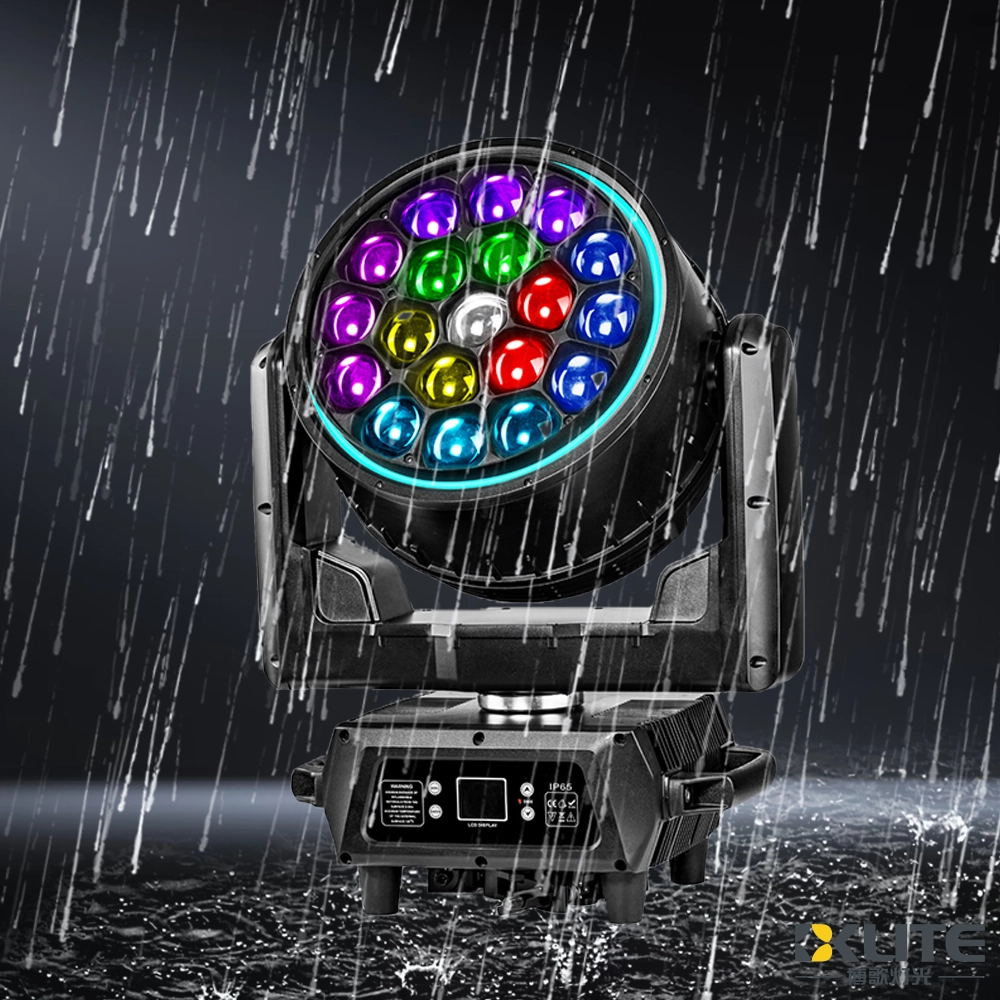
IP65 Waterproof Bee Eye Zoom 19x40W RGBW 4IN1 LED Beam Wash Moving Head Light with LED Ring
BKlite waterproof bee eye moving head light—your reliable choice from top waterproof moving head light manufacturers and suppliers. Ideal for outdoor stage, live event, music festival, this energy-saving fixture ensures powerful, precise illumination for any venue. It delivers powerful, reliable lighting performance in any weather.
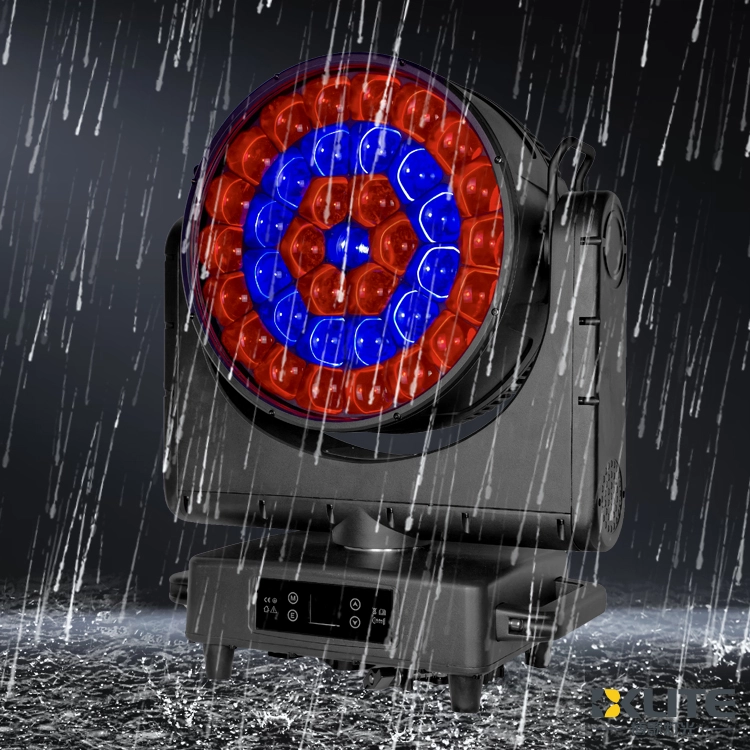
IP65 Waterproof ZOOM Bee Eye 37x40W RGBW 4in1 LED Moving Head Light
As a leading stage lighting equipment supplier with more than 15 years of industry know-how, BKlite brings you the IP65 ZOOM Bee Eye 37*40W RGBW 4in1 LED Moving Head Light (K25 Bee Eye) delivers vibrant, weatherproof lighting with powerful zoom and smooth movement. Ideal for dynamic stage effects, the K25 moving head light ensures stunning RGBW color mixing and reliable outdoor performance.
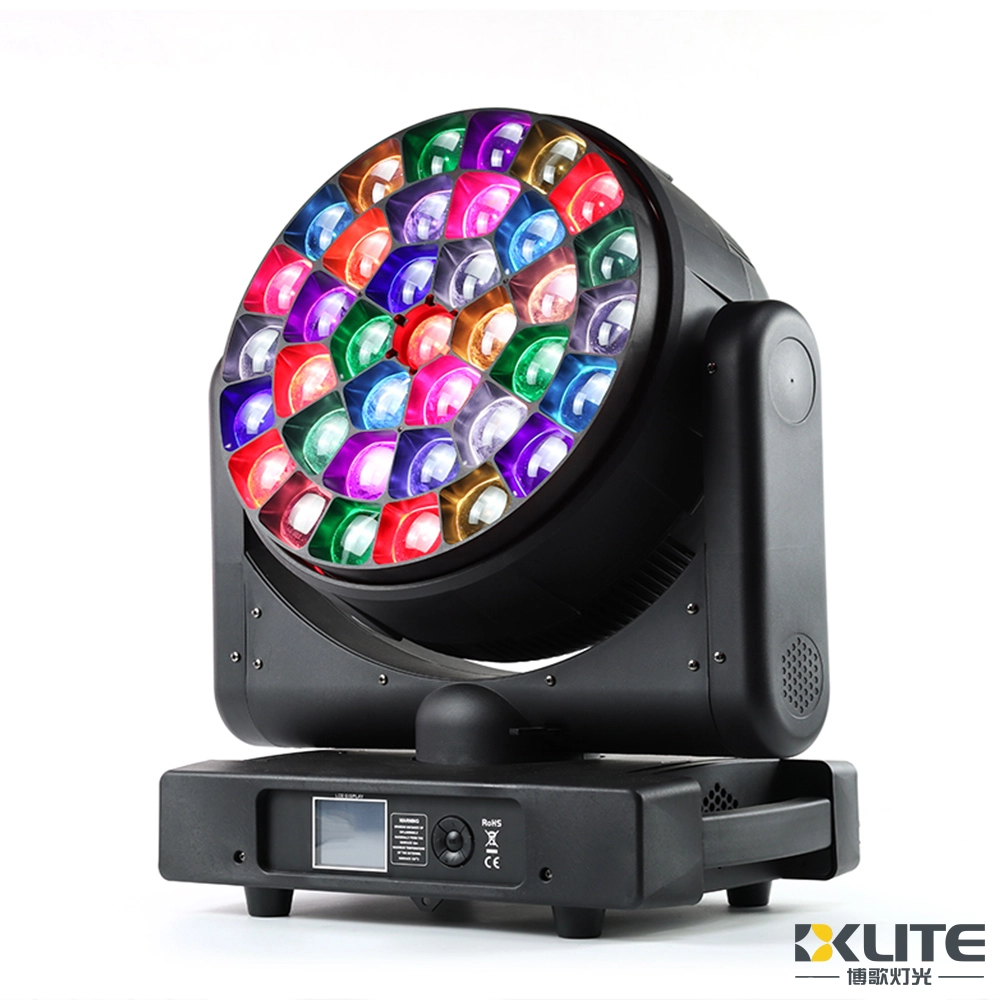
Bee Eye Zoom 37x40W RGBW 4in1 LED Beam Wash Moving Head Light


Copyright © 2025 BKLITE All Rights Reserved.