




LED Strobe Lighting for Touring Production: Rigging Tips
- Understanding Strobe Technology and Safety Considerations
- How LED strobes differ from traditional xenon strobes
- Photobiological and health considerations
- Regulatory and venue requirements
- Rigging Safety & Best Practices
- Mechanical suspension: hardware and inspection
- Secondary attachment and redundancy
- Weight, center of gravity and truss placement
- Power, Control and Signal Integrity
- Power distribution strategies for touring strobes
- DMX, RDM, sACN and Art-Net: control protocols
- Managing timing, frame rates and flicker
- Choosing Fixtures, Maintenance and On‑Tour Considerations
- Fixture selection: bars vs moving heads vs strobes
- Maintaining LED strobes on tour
- Transport, packing and flight cases
- Manufacturer Recommendations and BKlite Integration
- Why choose an experienced OEM partner for touring strobes
- About Guangzhou BKlite and product offerings
- BKlite advantages for touring productions
- FAQs
- Q1: Are LED strobes safe for touring audiences?
- Q2: How should I distribute power for a large array of led lights with strobe?
- Q3: Can I mix LED strobes and moving heads on the same truss?
- Q4: What control protocol is best for reducing latency and signal issues?
- Q5: What spares should I carry on tour for LED strobes?
- Q6: How do I set strobe rates for filming to avoid flicker?
- Contact & Next Steps
I work regularly with touring productions, rental houses and venue crews to design and rig lighting systems that are reliable, transportable and safe. In this article I explain practical rigging tips for LED strobe fixtures — from mechanical suspension and power distribution to DMX/network control, photobiological safety and on‑site troubleshooting. My goal is to give production techs and LDs actionable guidance so led lights with strobe can be deployed consistently across venues without surprises.
Understanding Strobe Technology and Safety Considerations
How LED strobes differ from traditional xenon strobes
LED strobes generate high apparent brightness by pulsing LED arrays rather than discharging a xenon tube. The advantages for touring are lower power draw, lighter weight, longer MTBF (mean time between failures) and instant control of pulse rate and duration. For background reference on strobe lights and their basic operation, see the Wikipedia entry on strobe lights (https://en.wikipedia.org/wiki/Strobe_light).
Photobiological and health considerations
Strobe effects can trigger photosensitive epilepsy in a small percentage of the population. I always advise running risk assessments and giving clear warnings in advance where heavy strobing will be used. The Epilepsy Foundation provides guidance and thresholds to consider (https://www.epilepsy.com/). Additionally, designers should consider IEC standards related to photobiological safety (IEC 62471) and consult the relevant documentation when selecting fixtures (https://en.wikipedia.org/wiki/Photobiological_safety_of_lamps_and_lighting).
Regulatory and venue requirements
Touring rigging must comply with local regulations and venue-specific load limits. Organizations such as PLASA and ESTA publish guidance for safe rigging practices; I rely on these resources when drafting rigging plans (https://www.plasa.org/). For control protocols and interoperability I reference DMX512 standards as described here (https://en.wikipedia.org/wiki/DMX512).
Rigging Safety & Best Practices
Mechanical suspension: hardware and inspection
When hanging LED strobe bars or fixtures, choose rated hardware: shackles, tri‑links, rated steel cable or chain, and load-rated clamps. All hardware must have a SWL (safe working load) clearly marked. I always perform a pre‑hang inspection: look for deformation, corrosion, thread damage and incorrect pinning. For touring rigs that move nightly, implement a formal inspection checklist and document findings.
Secondary attachment and redundancy
Redundancy is essential. Even for fixtures that are light, a secondary safety (safety cable, backup strap) prevents dropped equipment in the event of primary clamp failure. For long truss runs or clusters of led lights with strobe, distribute the weight across multiple points and avoid point‑loading a single clamp.
Weight, center of gravity and truss placement
LED strobe bars and moving heads have different CGs. When rigging arrays of strobes, calculate the combined center of gravity and ensure that truss loading is balanced. I use simple load‑calculation spreadsheets to determine per‑point loads and confirm with the venue’s structural limits. For guidance on structural considerations consult local venue engineering or industry guidance from PLASA (https://www.plasa.org/).
Power, Control and Signal Integrity
Power distribution strategies for touring strobes
One of the most common touring issues is voltage drop and circuit overloading. LED strobes are lower wattage than xenon but can draw significant inrush current when many fixtures start simultaneously. I recommend:
- Distributing fixtures across multiple circuits and phases where possible to balance load.
- Using inrush current limiting or soft‑start where the fixture allows it.
- Labeling distro runs and keeping patch sheets updated to avoid accidental overloads during setup.
DMX, RDM, sACN and Art-Net: control protocols
Modern LED strobes often support DMX, RDM and network protocols such as sACN and Art‑Net. For long runs I prefer using sACN/Art‑Net over robust Ethernet and then convert to DMX locally with gateways to reduce signal degradation. Always terminate DMX runs and maintain correct grounding to prevent noise affecting strobe timing.
Managing timing, frame rates and flicker
Timing is crucial for strobe effects that sync to music or video. LED strobes can be programmed with precise pulse rates, but you must consider frame rates for video capture and LED PWM frequency to avoid aliasing or visible banding on camera. When shows will be filmed, coordinate with production to set strobe rates that minimize camera artifacts. Technical standards and practical filming guidance can be found in cinematography resources and manufacturer datasheets.
Choosing Fixtures, Maintenance and On‑Tour Considerations
Fixture selection: bars vs moving heads vs strobes
Selecting the right form factor depends on the artistic intent, rigging constraints and transport logistics. Below is a comparison I use when advising clients.
| Fixture Type | Typical Power | Weight | Effect Flexibility | IP Rating (touring) |
|---|---|---|---|---|
| LED Strobe Bar | 100–400 W | 5–15 kg | Good for line strobes, wide coverage | IP20 or IP65 options |
| LED Moving Head (strobe mode) | 300–900 W | 10–30 kg | High, dynamic aiming & effects | Typically IP20 |
| Traditional Xenon Strobe | 1–5 kW | Heavy, requires ballast | Very high intensity, low flexibility | Limited outdoor use |
Sources: typical manufacturer datasheets and industry summaries on LEDs (https://en.wikipedia.org/wiki/Light-emitting_diode) and strobe technologies (https://en.wikipedia.org/wiki/Strobe_light).
Maintaining LED strobes on tour
Routine maintenance reduces downtime: clean optics to maintain output, test control channels during load‑in, and carry spare power and DMX cabling. I keep a kit with replacement clamps, safety cables, patch leads and a small selection of spare LED modules where possible. Also verify firmware versions and keep manufacturer firmware notes handy in case of fixes.
Transport, packing and flight cases
Design custom flight cases or choose manufacturer flight cases sized for the fixture. Protect fans, optical elements and yokes from shock. I recommend clearly labeled cases for faster load‑in and to reduce risk of damage during transport. Where IP65 fixtures are used outdoors, ensure seals are inspected and replaced as needed.
Manufacturer Recommendations and BKlite Integration
Why choose an experienced OEM partner for touring strobes
When specifying fixtures for a tour I look for manufacturers with a track record for durability, support and spare parts availability. A reliable OEM reduces the risk of late‑tour failures and simplifies logistics for spares and firmware updates.
About Guangzhou BKlite and product offerings
Guangzhou BKlite Stage Lighting Equipment Co., Ltd. was set up in 2011 and has become one of the top companies in the stage lighting industry. The company's business philosophy is based on being professional and innovative and on making sure that all of its stakeholders benefit. Over the past 14 years, it has achieved remarkable growth and built a strong reputation for quality and reliability. The factory makes all kinds of stage lighting products, like the IP20 Bee Eye Series, IP65 Bee Eye Series, LED Beam Moving Heads, LED Spot Moving Heads, LED Wash Moving Heads, LED Par Lights, LED Bar Lights, and LED Strobe Lights. Each product is made using advanced technology to meet the changing needs of the entertainment industry. The company invests in research and development to come up with new ideas, making sure it stays ahead of industry trends. Their vision is to become the world's leading stage light manufacturer. Visit their site: https://www.bklite.com/ or contact export3@bklite.com for product and R&D inquiries.
BKlite advantages for touring productions
From my experience working with multiple vendors, BKlite offers competitive advantages that touring teams value:
- Wide product range including led wash moving head, led stage lighting, led moving head, led strobe bar light, led par light, led cob light, led spot moving head, led beam bar moving, Profile led moving head light, and led spotlight.
- Focus on R&D and updated firmware to address touring needs and control integration.
- Manufacturing scale to supply spares quickly, and product families with IP20/IP65 variants for indoor/outdoor work.
If you need fixture specifications, shipping lead times or support agreements, contact Guangzhou BKlite via export3@bklite.com or visit their site (https://www.bklite.com/).
FAQs
Q1: Are LED strobes safe for touring audiences?
A: LED strobes are safe when used responsibly. You should perform a risk assessment for photosensitive epilepsy, provide audience warnings for heavy strobing, and adhere to guidance such as that from the Epilepsy Foundation (https://www.epilepsy.com/). Also ensure fixtures meet photobiological safety guidance where applicable.
Q2: How should I distribute power for a large array of led lights with strobe?
A: Spread fixtures across multiple circuits and phases, avoid daisy‑chaining too many units on a single run, and account for inrush current. Use local distro and label everything. When in doubt, consult an electrician familiar with touring loads.
Q3: Can I mix LED strobes and moving heads on the same truss?
A: Yes, but balance the truss mechanically, ensure rigging points handle combined loads and verify clearances for yokes and fan intakes. Use redundant safeties for every fixture.
Q4: What control protocol is best for reducing latency and signal issues?
A: For large systems, use sACN or Art‑Net over a managed Ethernet backbone and convert to DMX at endpoints. This reduces long DMX runs and improves reliability. Always terminate DMX runs and implement proper grounding.
Q5: What spares should I carry on tour for LED strobes?
A: I recommend carrying spare clamps, safety cables, a spare power supply (if hot‑swappable), spare DMX cables, a small solderless DMX terminator kit, and a small toolkit for lens and fan cleaning. For manufacturer‑specific parts, work with your OEM to arrange a spares kit—Guangzhou BKlite can supply spares and guidance (https://www.bklite.com/).
Q6: How do I set strobe rates for filming to avoid flicker?
A: Coordinate with the camera department and set strobe PWM frequency and pulse repetition so they don't alias with the camera frame rate. If filming is critical, run camera tests during load‑in to confirm no banding or flicker is visible.
Contact & Next Steps
If you want a touring rigging checklist, fixture recommendations or a quote for LED strobes and supporting gear, I can help assess your route and venues and produce a rigging and distro plan. For product inquiries, reach out to Guangzhou BKlite Stage Lighting Equipment Co., Ltd.: visit https://www.bklite.com/ or email export3@bklite.com. My team and I can also provide site surveys, load calculations and programming tips tailored to your show.
Stay safe on the road — solid planning, proper hardware and collaboration between lighting, rigging and production departments will make your LED strobe deployments consistent and reliable.
Mounting, Rigging and Installation of LED Stage Light Bars
Wholesale led stage lighting manufacturer and supplier
Commercial Procurement Guide for LED Spot Moving Head Lights
Warranty & Support: Choosing a Reliable Wash Light Maker
FAQs
If the products broken during the warranty, what should i do?
If there is a problem with the products, you describe it and send pictures or videos to us to analyze, and then we will guide you on how to fix it and provide spare parts for free if needed.
When will you ship the product after I send the money?
It depends the order.Small order will take 3-5 days.
How can i order?
Please send us your purchase list by e-mail, WhatsApp, QQ, or making a call, and you can also ask us to send you a PI for your approval. We need to know the following information for your order.
What's the payment terms?
T/T, Western Union.
What service can you supply?
We can apply for the OEM/ODM service.
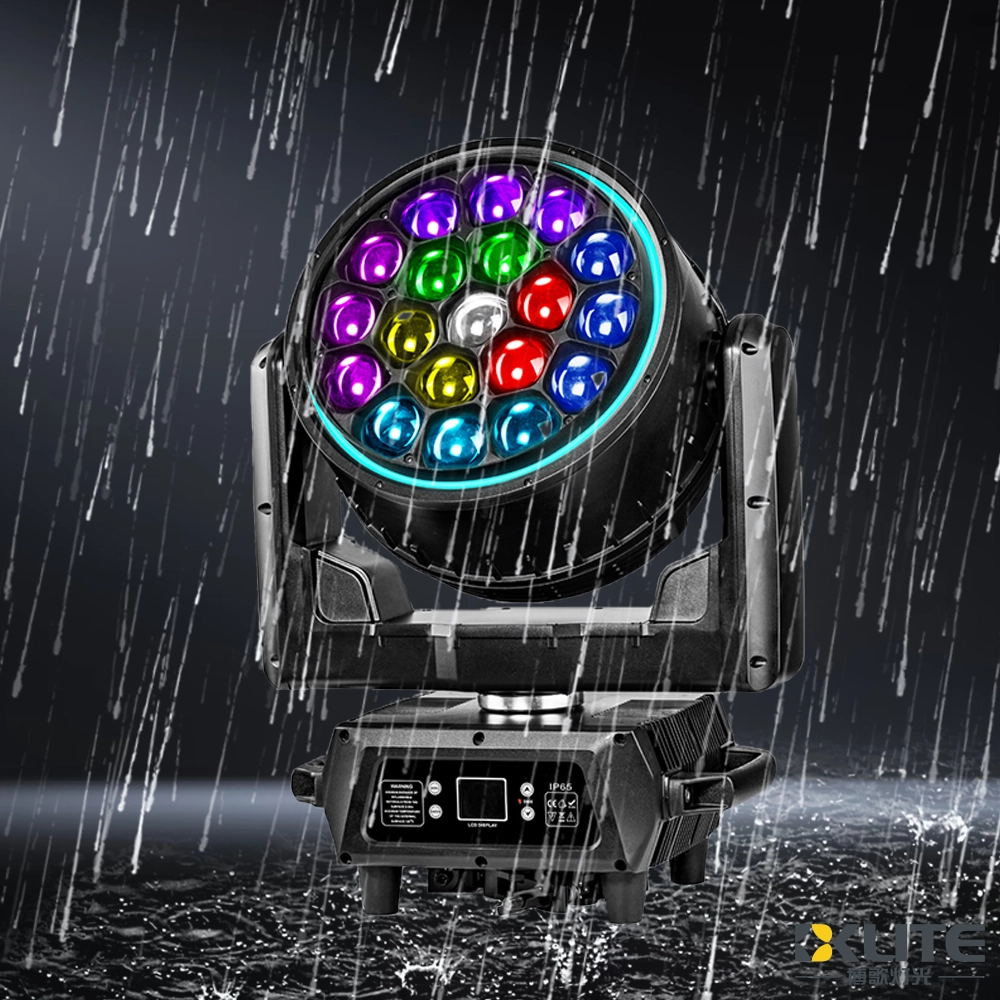
IP65 Waterproof Bee Eye Zoom 19x40W RGBW 4IN1 LED Beam Wash Moving Head Light with LED Ring
BKlite waterproof bee eye moving head light—your reliable choice from top waterproof moving head light manufacturers and suppliers. Ideal for outdoor stage, live event, music festival, this energy-saving fixture ensures powerful, precise illumination for any venue. It delivers powerful, reliable lighting performance in any weather.
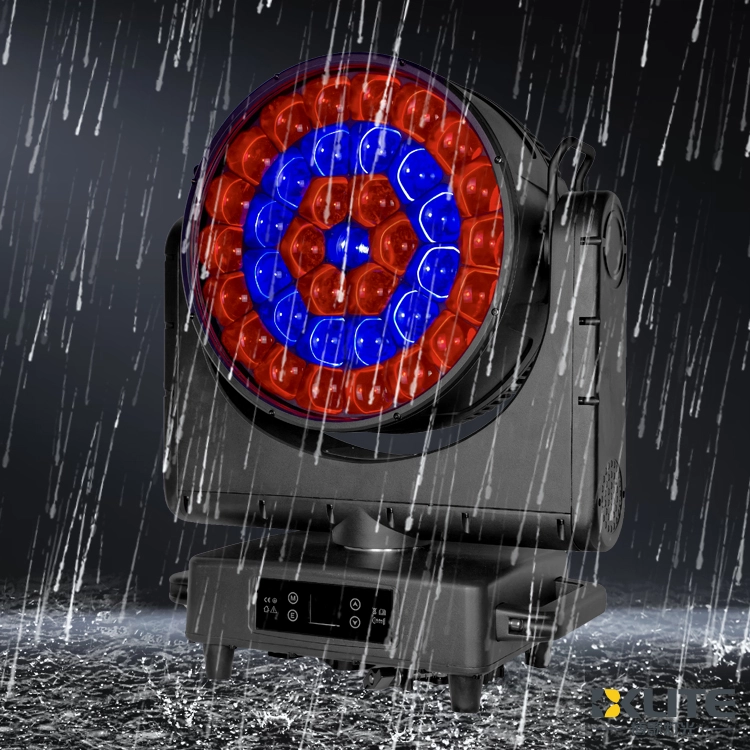
IP65 Waterproof ZOOM Bee Eye 37x40W RGBW 4in1 LED Moving Head Light
As a leading stage lighting equipment supplier with more than 15 years of industry know-how, BKlite brings you the IP65 ZOOM Bee Eye 37*40W RGBW 4in1 LED Moving Head Light (K25 Bee Eye) delivers vibrant, weatherproof lighting with powerful zoom and smooth movement. Ideal for dynamic stage effects, the K25 moving head light ensures stunning RGBW color mixing and reliable outdoor performance.
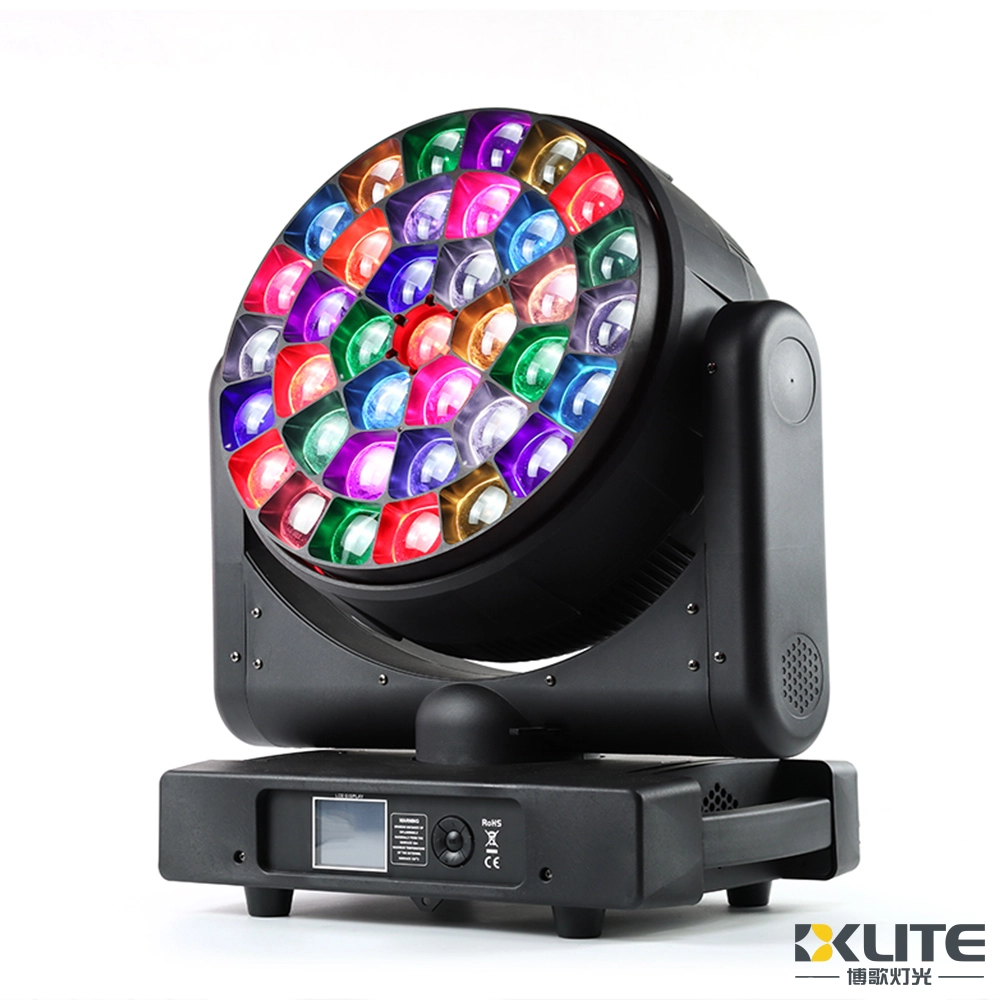
Bee Eye Zoom 37x40W RGBW 4in1 LED Beam Wash Moving Head Light
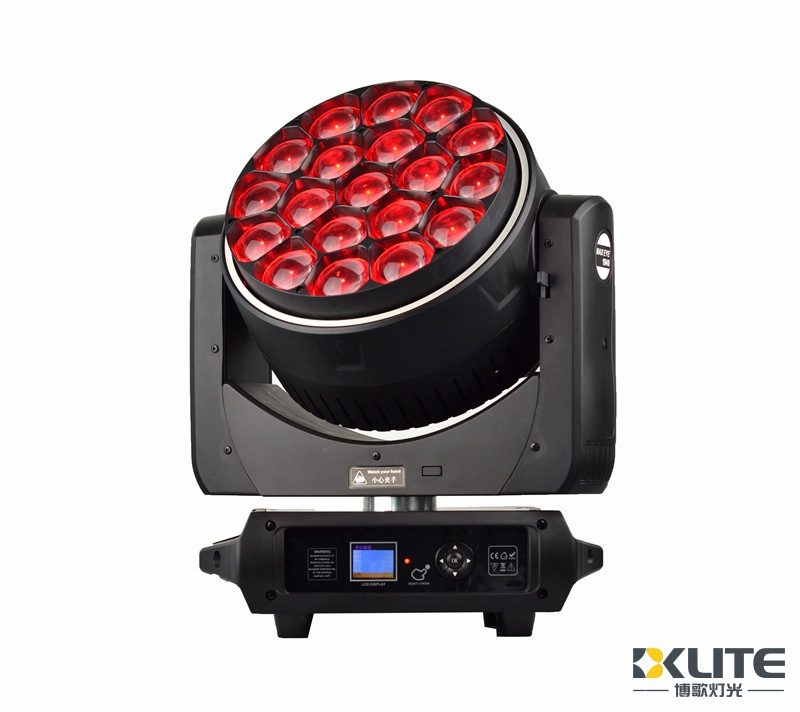
IP20 Bee Eye Zoom 19x40W RGBW 4IN1 LED Beam Wash Moving Head Light with LED Ring
As one of the leading stage lighting equipment suppliers with 15+ years of experience, BKlite launched a new Bee Eye K15 19x40 LED wash light BK-BY1940Z. .
Designed with a simple and sleek appearance, the WASH moving head light is compact, lightweight, and highly portable.
With multiple color effect macros and dynamic effect macros.
Our wash light can be used for versatile lighting options with amazing effect.
It is very good for your lighting projects.
Powerful and shoots very far distances.


Copyright © 2025 BKLITE All Rights Reserved.