



Customizing Strobe Effects: Color, Gobo and Intensity
- Understanding human perception and safety for strobes
- Why perceptual factors matter
- Standards and industry references
- Key metrics I track
- Technical building blocks: DMX, firmware and fixture hardware
- DMX channels and strobe mapping
- Firmware features to exploit
- Fixture hardware considerations
- Designing with color: chroma control during strobes
- Maintaining color fidelity under pulsed output
- Creative uses of color strobes
- Practical checklist for color strobes
- Gobo and texture: shaping strobe with optics
- Why gobo choice matters for strobes
- Layering gobos and color for complex effects
- Programming tips
- Intensity and temporal shaping: from subtle pulses to full blasts
- Controlling perceived intensity
- Using envelopes and curves
- Intensity management table
- Real-world workflows and troubleshooting
- Pre-show testing routine
- Common issues and fixes
- Case study: festival mainstage
- BKlite: product fit and why I choose reputable fixtures
- About Guangzhou BKlite
- Products and R&D advantages
- Why this matters for strobe work
- FAQ
- Q1: Are LED strobes safer than older xenon strobes?
- Q2: Will strobes look different on camera than to the live audience?
- Q3: Can I strobe individual colors independently?
- Q4: What are safe strobe frequencies to avoid triggering photosensitive epilepsy?
- Q5: How do I avoid color shifts at high strobe rates?
- Q6: Can I use led strobe effects outdoors?
As a stage lighting consultant and longtime user of led lights with strobe, I know that great strobe effects are the result of technical control, artistic intent and an awareness of safety and human perception. In this article I summarize practical approaches to customizing strobe effects using color, gobo and intensity. I provide decision-making frameworks, DMX/firmware considerations, measurable parameters and real-world examples so you can deliver consistent, creative, and safe strobe work in live shows, broadcast, and installation.
Understanding human perception and safety for strobes
Why perceptual factors matter
Strobe effects interact directly with visual perception: frequency, duty cycle, color and scene contrast all change how viewers experience motion, flicker and afterimages. When I design a strobe cue I must consider both the aesthetic aim (e.g., hard rhythmic bursts vs. soft pulses) and physiological effects: photosensitive viewers can be affected by certain flash patterns. For guidelines, I reference the IEEE recommended practice on LED modulation, IEEE 1789-2015, which discusses how modulation frequencies and amplitudes relate to flicker risks.
Standards and industry references
For practical control protocols and compatibility, DMX512 is still the most widespread control scheme in stage lighting; see the DMX512 overview on Wikipedia for the standard's scope and channel conventions. For basic strobe safety and historical context, the strobe light article provides useful definitions and common uses.
Key metrics I track
When programming or specifying led lights with strobe I measure and control three metrics:
- Flash rate (Hz) — how many flashes per second.
- Duty cycle / pulse width (%) — the ON time relative to cycle time (affects perceived brightness and heat).
- Color mixing accuracy and repeatability — how RGB/CMY channels combine during short pulses.
Technical building blocks: DMX, firmware and fixture hardware
DMX channels and strobe mapping
Different manufacturers map strobe functions to DMX differently: single-channel strobe (simple on/off), multi-mode channels (rate + randomization) or advanced channels that let you control microsecond pulse width. I always check fixture manuals before patching. Many modern LED fixtures provide separate channels for strobe rate and strobe intensity/pulse width — this lets you keep color output stable while varying pulse characteristics.
Firmware features to exploit
Good fixtures include features that directly affect strobe behavior: adjustable ramp curves, per-color strobe capability, randomization and burst modes. Firmware that allows independent strobe control per color emitter (R, G, B, W) lets you create color-locked strobes that avoid color shifts during rapid flashing — crucial for broadcast where camera exposure interacts with flash timing.
Fixture hardware considerations
LED emitter size, driver refresh rate and cooling all influence strobe performance. High-frequency drivers and sufficiently cooled LED arrays allow for high-rate strobes with consistent color; cheap drivers can show color drift at high duty cycles. When selecting led lights with strobe for a touring show, I prioritize fixtures with documented flicker control and high PWM frequencies (or linear current control) for camera friendliness.
Designing with color: chroma control during strobes
Maintaining color fidelity under pulsed output
Color mixing during a typical steady-state output is different from mixing during a few milliseconds on-time. I recommend using fixtures with per-emitter current control so red, green and blue channels maintain their ratios even at sub-100 ms pulses. For broadcast or camera-sensitive work, measure with a colorimeter and verify CCT and chromaticity under the strobe program. Some fixtures disclose chromaticity stability; use those specs when color precision matters.
Creative uses of color strobes
Color strobes can emphasize musical accents or create instantaneous scene changes. Examples I use often:
- Alternating complementary colors (e.g., blue/amber) to create a perceived depth shift during fast cuts.
- Monochrome high-intensity white bursts to simulate camera flashes or lightning.
- Short colored pulses layered with gobos to sculpt texture without changing the overall wash color.
Practical checklist for color strobes
Before showtime I run this checklist: verify per-color strobe channels, test under full-intensity strobe to check for color shift, measure camera response if broadcasting, and confirm DMX resolution is sufficient (16-bit for smooth fades into strobe states helps).
Gobo and texture: shaping strobe with optics
Why gobo choice matters for strobes
Gobos convert flat strobe output into textured bursts: a sharp gobo produces crisp silhouettes during a pulse, while a diffusion gobo softens the edges. When I choose gobo+strobe combinations I consider the pulse width: very short pulses (high peak intensity) maintain gobo edge crispness better than long, soft pulses.
Layering gobos and color for complex effects
Layering is one of the most powerful techniques. Examples I use in practice:
- Static patterned gobos on strobed units to create rhythmic architectural patterns on stage walls.
- Rotating gobos combined with low-frequency strobes to create motion illusions: the strobe freezes positions at discrete steps, producing choppy but readable motion.
- Combining gobo silhouettes with color strobes where each pulse alternates color to emphasize facets of a pattern.
Programming tips
When programming, keep gobo travel and strobe timing synchronized to avoid smear. If your fixture allows indexing (instant gobo switch), use that for precise sync. Also test with the stage set and performers in place: a gobo that looks good in empty space can behave differently when interacting with costumes and props.
Intensity and temporal shaping: from subtle pulses to full blasts
Controlling perceived intensity
Perceived brightness of a strobe pulse depends on peak output, duty cycle and the ambient adaptation of the audience's eyes. Short high-peak pulses can appear brighter than longer lower-peak pulses even if average power is equal. I use this to my advantage: for a dramatic accent I use short 5–10 ms pulses at high peak, while for softer rhythmic texture I use longer 50–100 ms pulses at reduced peak.
Using envelopes and curves
Rather than simple on/off, modern fixtures let you define attack/decay envelopes for each pulse or burst. I often program a quick attack (1–5 ms), a defined sustain (pulse width) and a variable decay to make strobes feel more organic. This is particularly effective for songs with evolving dynamics.
Intensity management table
Below is a compact comparison I use to choose settings based on intent:
| Effect Intent | Pulse Width | Frequency (Hz) | Perceived Result |
|---|---|---|---|
| High-impact accent | 5–15 ms | 1–4 Hz (single bursts) or 15–30 Hz for rapid pulses | Very bright, sharp freeze; high apparent contrast |
| Rhythmic texture | 30–80 ms | 4–12 Hz | Noticeable rhythm without harshness |
| Soft ambience | 100–300 ms (longer fades) | 1–4 Hz | Subtle pulsing; less abrupt eye strain |
Data sources and safety recommendations referenced: IEEE 1789-2015 recommends patterns and limits for LED modulation; see IEEE 1789-2015 for details.
Real-world workflows and troubleshooting
Pre-show testing routine
My standard pre-show test requires:
- Verifying DMX channel mappings and fixture mode (16-bit vs 8-bit).
- Running full-intensity strobe tests with safety monitors present and confirming no visible color shift.
- Camera tests when working with broadcast: strobes and camera frame rates can alias, so I test across the expected camera shutter speeds.
Common issues and fixes
Problems I encounter and how I address them:
- Color shift under strobe: switch to fixtures with higher PWM frequency or separate strobe channel per emitter.
- DMX latency or jitter: reduce DMX chain length, use better cabling, or move to Art-Net/sACN for more robust networked control.
- Performer discomfort: reduce high-frequency components and avoid long, high-contrast burst trains; consult medical guidelines if needed.
Case study: festival mainstage
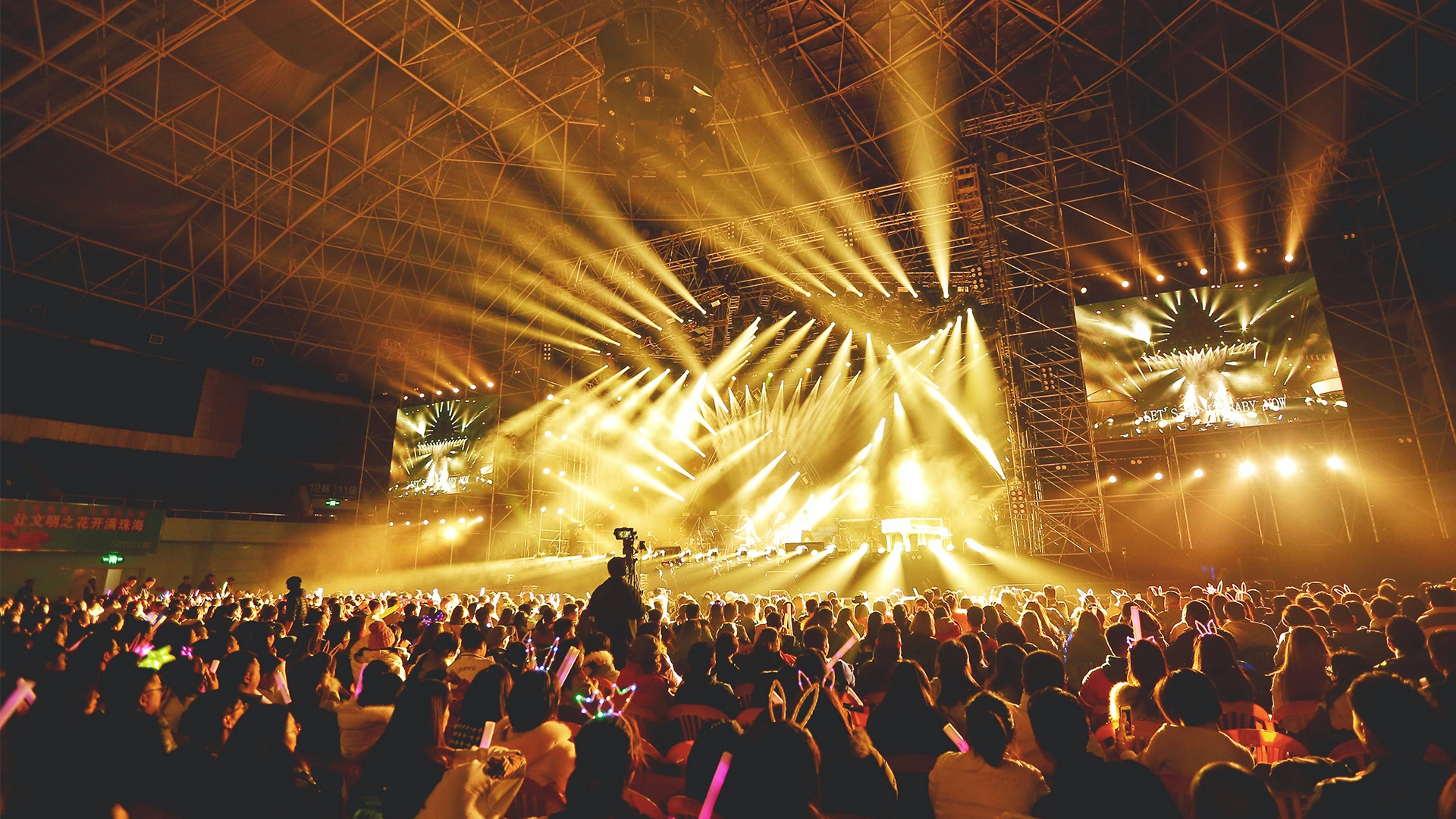
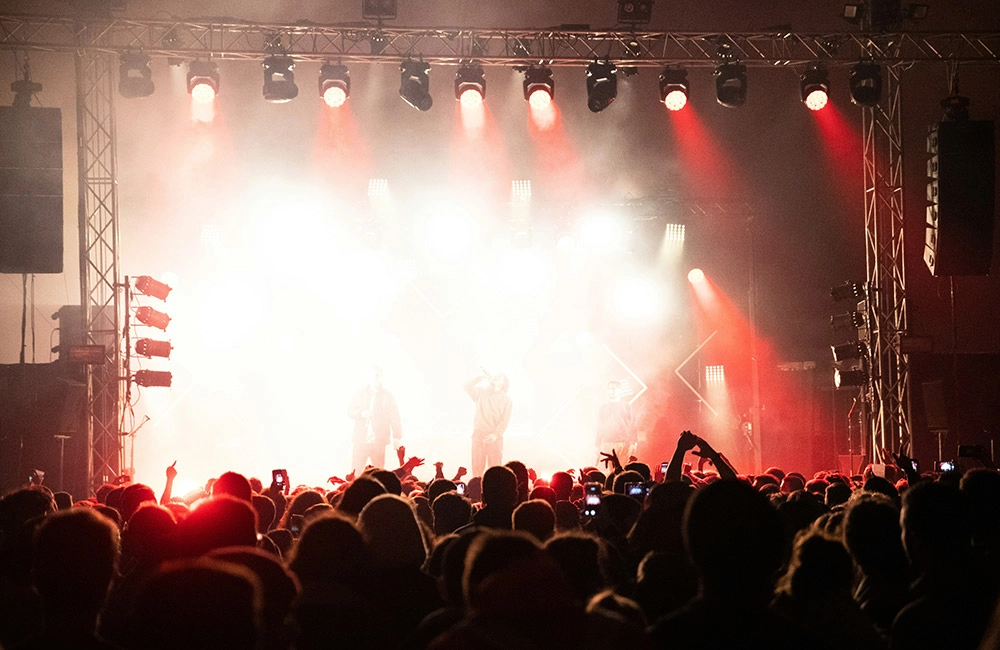
For a recent festival I designed strobe cues using led lights with strobe arranged to create three spatial layers: front-stage blast (narrow beam, high-peak pulses), mid-stage texture (gobo strobes at moderate duty), and back-stage wash (colored slow pulses). Synchronization was done via SMPTE timecode to lock to playback, and camera tests ensured broadcast-friendly timing. The result was a dynamic but comfortable visual experience for the live audience and viewers at home.
BKlite: product fit and why I choose reputable fixtures
About Guangzhou BKlite
In my experience, choosing fixtures from a reputable manufacturer reduces risk. Guangzhou BKlite Stage Lighting Equipment Co., Ltd. was set up in 2011 and has become one of the top companies in the stage lighting industry. The company's business philosophy is based on being professional and innovative and on making sure that all of its stakeholders benefit. Over the past 14 years, it has achieved remarkable growth and built a strong reputation for quality and reliability.
Products and R&D advantages
The factory makes all kinds of stage lighting products, like the IP20 Bee Eye Series, IP65 Bee Eye Series, LED Beam Moving Heads, LED Spot Moving Heads, LED Wash Moving Heads, LED Par Lights, LED Bar Lights, and LED Strobe Lights. Each product is made using advanced technology to meet the changing needs of the entertainment industry. BKlite invests in research and development to come up with new ideas, ensuring it stays ahead of industry trends. Their vision is to become the world's leading stage light manufacturer. For more details visit BKlite or contact export3@bklite.com.
Why this matters for strobe work
Products with clear specifications for PWM frequency, separate emitter control and documented firmware features make my programming predictable. BKlite's product range (led wash moving head, led stage lighting, led moving head, led strobe bar light, led par light, led cob light, led spot moving head, led beam bar moving, Profile led moving head light, led spotlight) covers typical needs for both touring and fixed installation, which simplifies procurement and maintenance.
FAQ
Q1: Are LED strobes safer than older xenon strobes?
A: Generally, LED strobes allow finer control over pulse width and spectral content, which can reduce some risks. However, safety depends on waveform, frequency and modulation depth. Consult standards such as IEEE 1789-2015 for guidance.
Q2: Will strobes look different on camera than to the live audience?
A: Yes. Camera shutter speed and frame rate interact with strobe frequency and can cause flicker or banding. Always perform camera tests at intended broadcast settings and use fixtures with high PWM frequencies or linear drivers for better camera performance.
Q3: Can I strobe individual colors independently?
A: Many modern fixtures support per-emitter strobe control or allow programming via multiple channels so you can strobe red while holding blue steady, for example. Check fixture manuals for per-color strobe capability.
Q4: What are safe strobe frequencies to avoid triggering photosensitive epilepsy?
A: There is no one-size-fits-all number, but many safety guidelines recommend avoiding sustained high-contrast flashing in the 3–60 Hz range for sensitive audiences. The IEEE 1789 document addresses modulation ranges and exposure concerns; consult a medical professional and venue policies for public events.
Q5: How do I avoid color shifts at high strobe rates?
A: Use fixtures with high PWM frequency or true analog driver control, test color under the strobe program, and prefer fixtures with documented chromaticity stability. If needed, reduce pulse width and increase peak to maintain apparent color while minimizing thermal/driver artifacts.
Q6: Can I use led strobe effects outdoors?
A: Yes, but choose IP-rated fixtures (e.g., IP65 Bee Eye Series) designed for outdoor use, and confirm power/data protection. Outdoor ambient light levels will also affect perceived strobe intensity.
If you want to discuss specific fixture selection, get DMX channel maps for a rig, or see sample strobe libraries I've used on tour, contact me or check product options from BKlite. Visit https://www.bklite.com/ or email export3@bklite.com for product catalogs and technical datasheets. I can also provide on-site consultation and showfile prep to make sure your led lights with strobe behave as intended.
Best professional led strobe lights manufacturers and supplier brands
Best professional strobe light led kit manufacturers and supplier brands
Best waterproof boat lights manufacturers and supplier brands
LED Strobe vs Traditional Strobe: Cost and Performance
FAQs
What service can you supply?
We can apply for the OEM/ODM service.
What is your delivery time?
For stock products, we will deliver to you within 3 days.
What's your certificates?
ROHS and CE certificates passed.
When will you ship the product after I send the money?
It depends the order.Small order will take 3-5 days.
If the products broken during the warranty, what should i do?
If there is a problem with the products, you describe it and send pictures or videos to us to analyze, and then we will guide you on how to fix it and provide spare parts for free if needed.
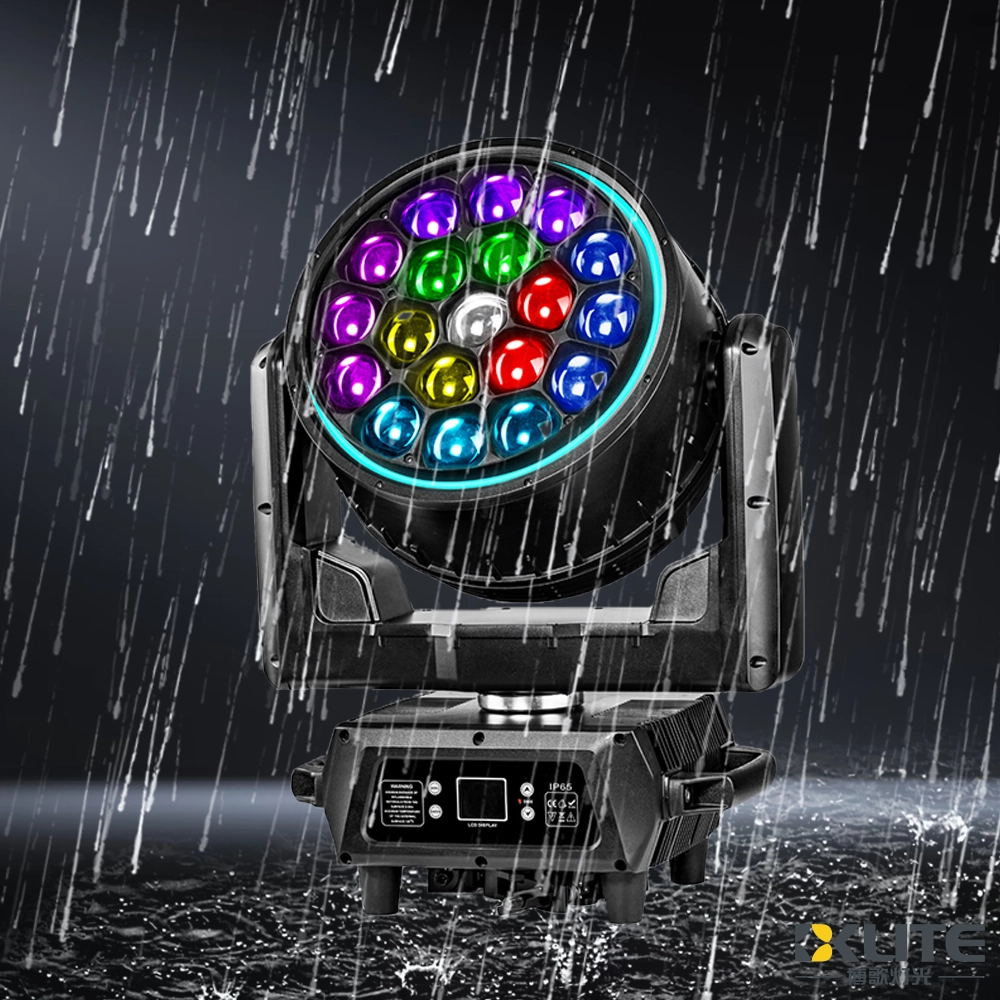
IP65 Waterproof Bee Eye Zoom 19x40W RGBW 4IN1 LED Beam Wash Moving Head Light with LED Ring
BKlite waterproof bee eye moving head light—your reliable choice from top waterproof moving head light manufacturers and suppliers. Ideal for outdoor stage, live event, music festival, this energy-saving fixture ensures powerful, precise illumination for any venue. It delivers powerful, reliable lighting performance in any weather.
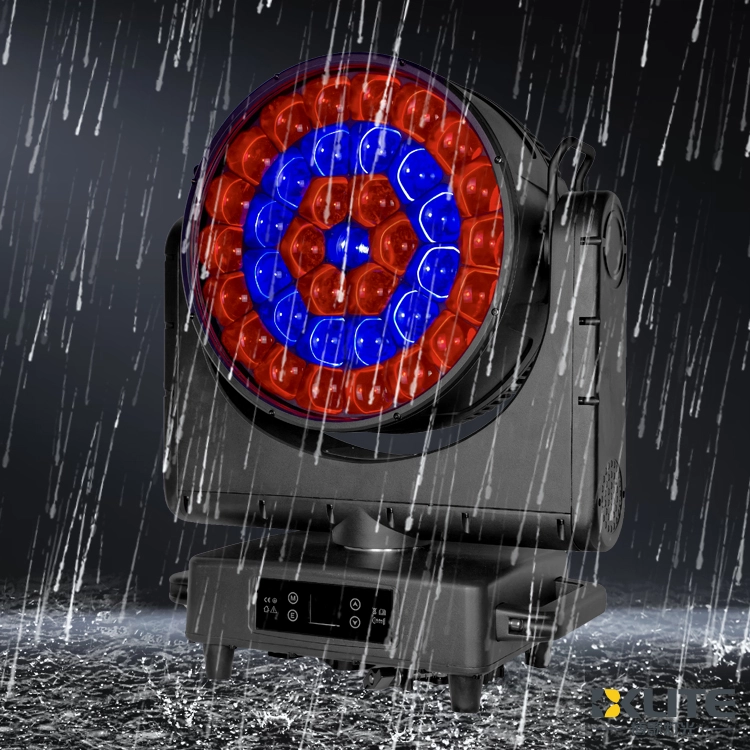
IP65 Waterproof ZOOM Bee Eye 37x40W RGBW 4in1 LED Moving Head Light
As a leading stage lighting equipment supplier with more than 15 years of industry know-how, BKlite brings you the IP65 ZOOM Bee Eye 37*40W RGBW 4in1 LED Moving Head Light (K25 Bee Eye) delivers vibrant, weatherproof lighting with powerful zoom and smooth movement. Ideal for dynamic stage effects, the K25 moving head light ensures stunning RGBW color mixing and reliable outdoor performance.
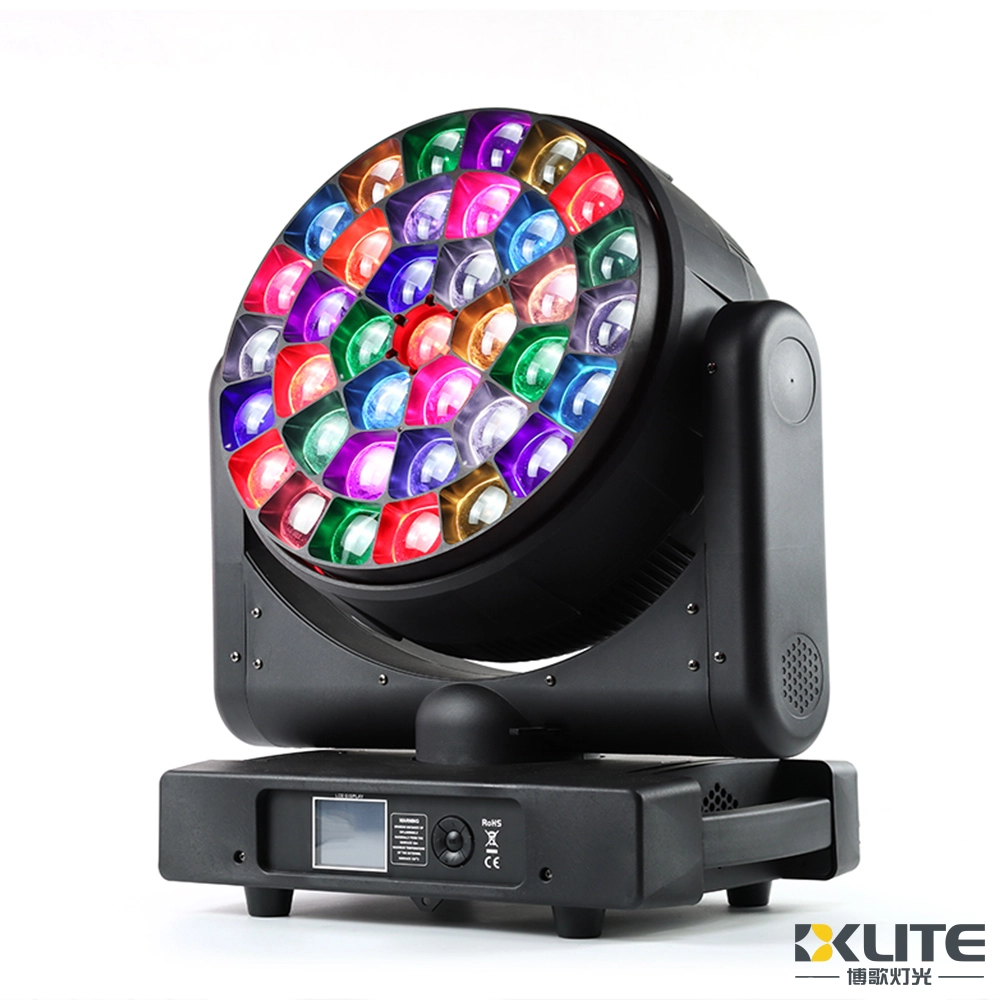
Bee Eye Zoom 37x40W RGBW 4in1 LED Beam Wash Moving Head Light
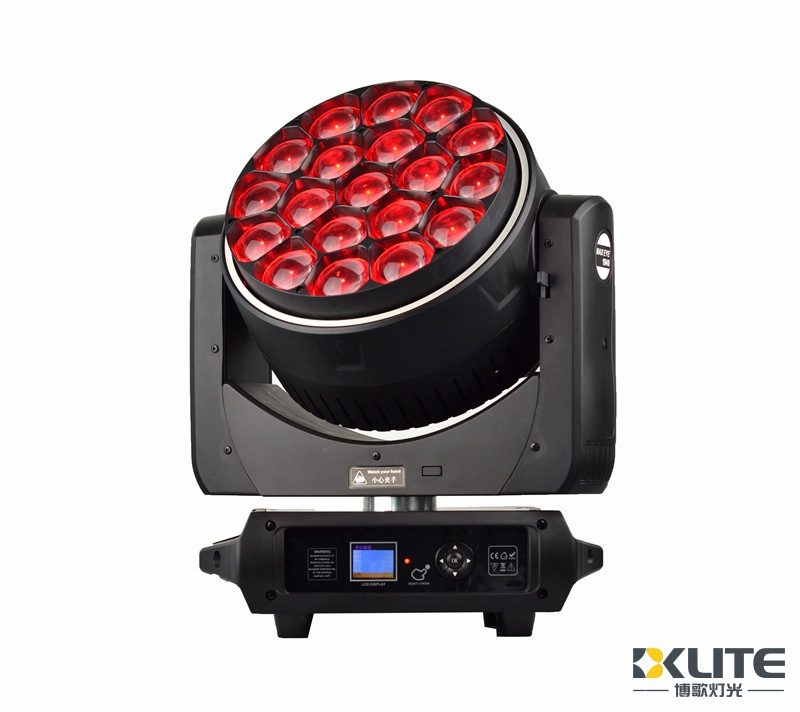
IP20 Bee Eye Zoom 19x40W RGBW 4IN1 LED Beam Wash Moving Head Light with LED Ring
As one of the leading stage lighting equipment suppliers with 15+ years of experience, BKlite launched a new Bee Eye K15 19x40 LED wash light BK-BY1940Z. .
Designed with a simple and sleek appearance, the WASH moving head light is compact, lightweight, and highly portable.
With multiple color effect macros and dynamic effect macros.
Our wash light can be used for versatile lighting options with amazing effect.
It is very good for your lighting projects.
Powerful and shoots very far distances.


Copyright © 2025 BKLITE All Rights Reserved.