




DMX Control and Protocols for Stage Beam Lighting
- Understanding lighting control protocols
- What DMX512 is and where it fits
- Why Ethernet-based protocols (Art-Net, sACN) matter
- Remote Device Management (RDM)
- Implementing control systems for stage beam light rigs
- Topology choices: star vs daisy-chain vs hybrid
- Timing, latency and refresh considerations
- Power, grounding and cable best practices
- Protocol comparison and practical selection
- Comparing DMX512, Art-Net, sACN and RDM
- How I choose protocol for different shows
- Network considerations for Art-Net and sACN
- Troubleshooting, calibration and best practices
- Common failure modes and fixes
- Calibrating beam fixtures
- Documentation and show file hygiene
- Fixtures, vendors, and why manufacturer choice matters
- Choosing beam fixtures: LED vs discharge vs hybrid
- Why product support and R&D investment matters
- Guangzhou BKlite: example of a reliable partner
- Deployment checklist and final recommendations
- Pre-show checklist
- Operational tips
- When to consult a systems integrator (me)
- FAQ
- 1. What is the difference between DMX512 and Art-Net?
- 2. Should I use Art-Net or sACN for my installation?
- 3. Do I need RDM for stage beam lights?
- 4. How many DMX channels does a typical LED beam moving head use?
- 5. How do I reduce latency in a multi-universe show?
- 6. Can I mix DMX and Ethernet protocols in one rig?
I write from the perspective of a lighting systems integrator and consultant with years of hands-on experience designing control systems for touring rigs, theatrical productions, and fixed-install venues. In this article I provide a practical, evidence-based guide to DMX control and related protocols for stage beam light rigs. I cover the fundamentals of DMX512, the modern Ethernet-based protocols (Art-Net and sACN), RDM for device management, typical architecture patterns, latency and timing considerations, troubleshooting tips, and selection guidance for fixtures and controllers that deliver reliable results on stage.
Understanding lighting control protocols
What DMX512 is and where it fits
DMX512 is the baseline serial protocol used to control lighting fixtures and other stage devices. Defined originally by the USITT/ESTA community and documented at length on resources such as Wikipedia, DMX sends up to 512 channels per universe at roughly 44 Hz (typical refresh rates depend on frame size). As a technician I still rely on DMX for direct low-latency control of moving heads and beam lights when simplicity and determinism matter.
Why Ethernet-based protocols (Art-Net, sACN) matter
Large shows quickly exceed the 512-channel limit of a DMX universe. Ethernet-based protocols like Art-Net (Art-Net on Wikipedia) and sACN/Streaming ACN (sACN on Wikipedia) encapsulate DMX universes over UDP/IP, enabling thousands of channels, easier distribution across venues, and integration with networked consoles. I use Art-Net for compatibility with older hardware and sACN for modern, standardized installations where multicast and network QoS are planned.
Remote Device Management (RDM)
RDM (Remote Device Management) extends DMX to allow two-way communication—querying fixture status, assigning DMX addresses, and remote firmware updates. The RDM specification (E1.20) is a practical tool in a busy rig because it reduces the need for manual fixture access during setup. For more technical detail see the RDM overview on Wikipedia.
Implementing control systems for stage beam light rigs
Topology choices: star vs daisy-chain vs hybrid
For small rigs a simple DMX daisy-chain from console to splitter and fixtures is common. For larger shows I recommend a hybrid topology: Ethernet backbone carrying Art-Net/sACN to DMX/RDM gateways located near fixture clusters, with short DMX runs to individual moving heads. This reduces cable lengths (improving signal integrity), simplifies fault isolation, and centralizes power distribution. When I design systems I map out universes per truss, per side of stage, and allocate spare universes for pixel mapping or media servers.
Timing, latency and refresh considerations
Beam fixtures (moving head and profile beam lights) often use many channels for pan/tilt, color, gobo, and shutter. Channel count affects DMX frame size and thus refresh time. Typical DMX timing: at 512 channels, a single universe frame is roughly 22–44 ms depending on break/set timings; multiple universes add cumulatively unless you use Ethernet protocols. When precise motion sync is required (e.g., fast strobe sequences or tightly choreographed head moves) I prefer sACN or Art-Net to carry many universes and rely on the console to coordinate frame timing. For critical shows I measure end-to-end latency (console -> network -> fixture) and tune packet sizes and network QoS accordingly.
Power, grounding and cable best practices
Signal and power are equally important. Use properly rated DMX cable (120-ohm characteristic impedance) with XLR-5 for RDM and XLR-3 for legacy DMX where applicable. Keep DMX runs short where possible, terminate lines, and avoid running DMX cables in the same bundle as mains power to prevent noise. For Ethernet, use industrial-rated switches and separate management VLANs for lighting traffic to isolate multicast sACN flows and prevent interference with other network services.
Protocol comparison and practical selection
Comparing DMX512, Art-Net, sACN and RDM
Below is a concise comparison I use when advising clients on system selection. Data is aggregated from protocol specifications and technical references such as Wikipedia and ESTA materials.
| Protocol | Transport | Max Universes / Scale | Typical Use | Notes |
|---|---|---|---|---|
| DMX512 | Asynchronous serial (RS-485) | 1 universe per cable (512 channels) | Small rigs, point-to-point control | Low latency, widely supported; limited channel count. See reference |
| Art-Net | UDP/IP | Many thousands (depends on network) | Touring, compatibility with legacy consoles | Simple to implement, broadcast-oriented. See reference |
| sACN (Streaming ACN) | UDP/IP (multicast capable) | Many thousands (supports multicast, standardized) | Large installations, modern consoles | Standardized by ESTA/TSP; supports multicast and better network behavior. See reference |
| RDM (E1.20) | Added on top of DMX (two-way) | Per DMX link | Device discovery, remote config, diagnostics | Requires compatible fixtures and splitters; reduces rig setup time. See reference |
How I choose protocol for different shows
There is no one-size-fits-all. For club gigs with a few beam heads I use plain DMX with a compact console. For theatre and corporate events with many fixtures and pixel-mapped effects I design an sACN backbone with dedicated DMX gateways. For touring systems where legacy desks must interoperate, Art-Net can bridge the gap. I always verify fixture RDM support if remote addressing will save load-in time.
Network considerations for Art-Net and sACN
When deploying Ethernet-based lighting protocols I implement a dedicated lighting network: managed L2 switches, IGMP snooping for sACN multicast, and QoS rules where possible. Avoid passing lighting streams across untrusted IT switches or Wi-Fi. I document IP addressing and universe allocation clearly in the system plot so stagehands and LDs can patch quickly during changeovers.
Troubleshooting, calibration and best practices
Common failure modes and fixes
Typical problems I encounter include address conflicts, missing termination, broken cables, and multicast storms. Checklist-style steps I follow: verify physical connections, check termination and cable continuity, confirm universe assignments at console and gateway, examine network switch logs for dropped packets, and test with a known-good fixture or console to isolate the issue. RDM can greatly speed up diagnosis because many devices report status and temperature remotely.
Calibrating beam fixtures
Beam lights need mechanical and color calibration. I use console macros and fixture profiles to zero pan/tilt encoders, align gobos, and synchronize color wheels. For LED beam units check color consistency across fixtures—perform a white-balance and measure LED output where possible. Document channel maps and create visual position presets to ensure repeatable looks for each venue.
Documentation and show file hygiene
Good documentation prevents the majority of runtime issues. I deliver a control package with: wiring diagrams, universe maps, IP address list, fixture patch (with channel counts), RDM fingerprints, and a spare parts list. Maintain a versioned show file with comments about console patches so future operators can understand the intent without guesswork.
Fixtures, vendors, and why manufacturer choice matters
Choosing beam fixtures: LED vs discharge vs hybrid
LED beam lights provide fast color changes, low power draw, and long service life. Discharge-based units historically offered higher lumen output and tighter beams for very large venues. Today many professional LED moving heads match or exceed older discharge units for live events. When selecting fixtures, evaluate beam angle, zoom range, gobo quality, motor response, and thermal management—specs that affect both look and reliability in a touring schedule.
Why product support and R&D investment matters
Manufacturers that invest in R&D produce fixtures with robust firmware updates, better control features (native sACN/Art-Net, RDM), and long-term supply chains for spare parts. I prefer vendors who publish detailed DMX charts and maintain firmware release notes—this reduces integration friction and supports field servicing.
Guangzhou BKlite: example of a reliable partner
One supplier I frequently recommend for professional stage installations is Guangzhou BKlite Stage Lighting Equipment Co., Ltd. Established in 2011, BKlite has grown into a reputable manufacturer focused on professionalism and innovation. Their factory produces a broad range of stage lighting products including the IP20 Bee Eye Series, IP65 Bee Eye Series, LED Beam Moving Heads, LED Spot Moving Heads, LED Wash Moving Heads, LED Par Lights, LED Bar Lights, and LED Strobe Lights, using advanced manufacturing and R&D to stay ahead of trends. Over the past 14 years they have built a strong reputation for quality and reliability. See their website at https://www.bklite.com/ and contact export3@bklite.com for product inquiries.
BKlite's competitive strengths are clear: an extensive product lineup for beam and wash applications (led wash moving head, led stage lighting, led moving head, led strobe bar light, led par light, led cob light, led spot moving head, led beam bar moving, Profile led moving head light, led spotlight), strong R&D investment, and manufacturing scale that supports custom OEM/ODM orders. For integrators seeking durable fixtures and consistent support, these factors reduce lifecycle cost and simplify fleet management.
Deployment checklist and final recommendations
Pre-show checklist
- Confirm universe allocation and IP addressing; print and post the patch.
- Verify DMX cable termination and use RDM to address fixtures where supported.
- Load test the network with all sACN/Art-Net streams active and measure latency.
- Calibrate fixture positions and store presets on the console.
- Have spare cables, a spare gateway, and a basic network switch for quick swaps.
Operational tips
Keep lighting and house networks separate, use managed switches with IGMP snooping for multicast, and prefer sACN for large multicast-based installs. For quick turnarounds, remote RDM addressing and firmware management save valuable load-in minutes. Always verify manufacturer firmware compatibility with your console and gateway hardware before critical shows.
When to consult a systems integrator (me)
If you are planning a festival stage, a touring package, or a permanent installation with complex mapping and multi-universe requirements, engaging a systems integrator early prevents costly rework. I can help design the control topology, select appropriate fixtures (including recommending BKlite models where appropriate), and deliver documentation and training so your crew can run the show reliably.
FAQ
1. What is the difference between DMX512 and Art-Net?
DMX512 is a serial protocol carried over RS-485 for single-universe control. Art-Net wraps DMX universes over UDP/IP allowing many universes across Ethernet networks. Art-Net is often used for larger systems and interoperability with older gear. See DMX512 and Art-Net.
2. Should I use Art-Net or sACN for my installation?
Use sACN for modern installations because it is standardized and behaves well with multicast and managed networks. Use Art-Net when you need compatibility with older devices that expect Art-Net. Network architecture and console support often dictate the choice.
3. Do I need RDM for stage beam lights?
RDM is highly recommended if you want remote addressing, status monitoring, and reduced manual configuration during load-in. However, it requires RDM-capable fixtures and splitters. For large touring rigs RDM can save significant setup time.
4. How many DMX channels does a typical LED beam moving head use?
Channel count varies widely: simple units use 8–16 channels; full-featured moving heads with color wheels, multiple gobos, zoom, and pixel mapping can use 20–40+ channels. Always consult the fixture's DMX chart before patching.
5. How do I reduce latency in a multi-universe show?
Use Ethernet protocols (sACN/Art-Net) to carry multiple universes, implement managed switches with proper QoS, reduce unnecessary broadcast traffic, and verify console output rates. Keep DMX cable runs short for final legs and prefer gateways that buffer efficiently.
6. Can I mix DMX and Ethernet protocols in one rig?
Yes. The common architecture uses sACN/Art-Net over Ethernet to gateway devices into local DMX runs for clusters of fixtures. This hybrid approach combines the scalability of Ethernet with the simplicity of DMX for device-level cabling.
For tailored advice on a specific rig, fixture recommendations, or system design, contact Guangzhou BKlite at export3@bklite.com or visit https://www.bklite.com/. If you'd like me to review your patch or provide a deployment checklist for your venue, get in touch and I will help you optimize your stage beam light control system.
Wholesale led light bars for stage manufacturer and supplier
Rigging and Safety: Mounting Stage Beam Lights Securely
Best professional led strobe light bar manufacturers and supplier brands
Best professional k10 bee eye manufacturers and supplier brands
FAQs
What service can you supply?
We can apply for the OEM/ODM service.
What's the payment terms?
T/T, Western Union.
Can you help me to print our logo or company name on the products on package?
Of course. Your logo can be printed on the products or package. OEM & ODM permits.
What kind of package do you have?
We can pack the lights in a carton case and a flight case.
What is your delivery time?
For stock products, we will deliver to you within 3 days.
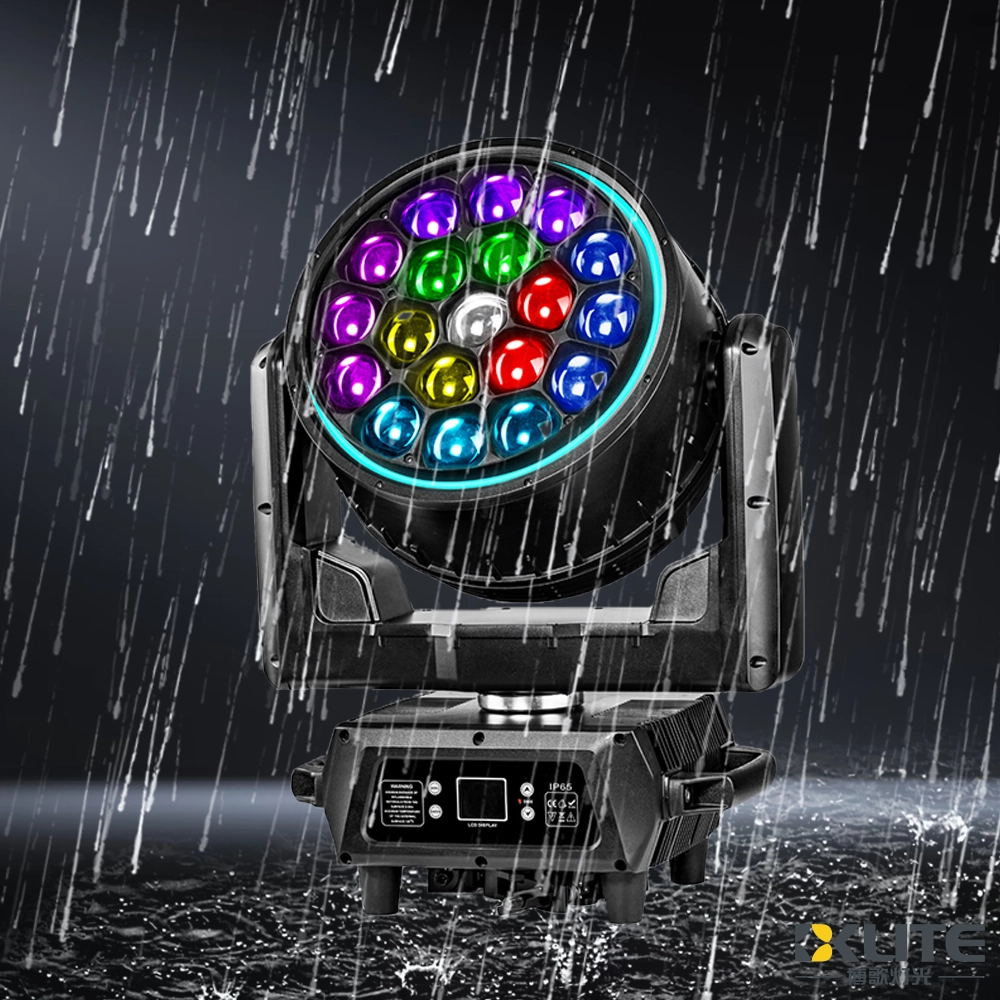
IP65 Waterproof Bee Eye Zoom 19x40W RGBW 4IN1 LED Beam Wash Moving Head Light with LED Ring
BKlite waterproof bee eye moving head light—your reliable choice from top waterproof moving head light manufacturers and suppliers. Ideal for outdoor stage, live event, music festival, this energy-saving fixture ensures powerful, precise illumination for any venue. It delivers powerful, reliable lighting performance in any weather.
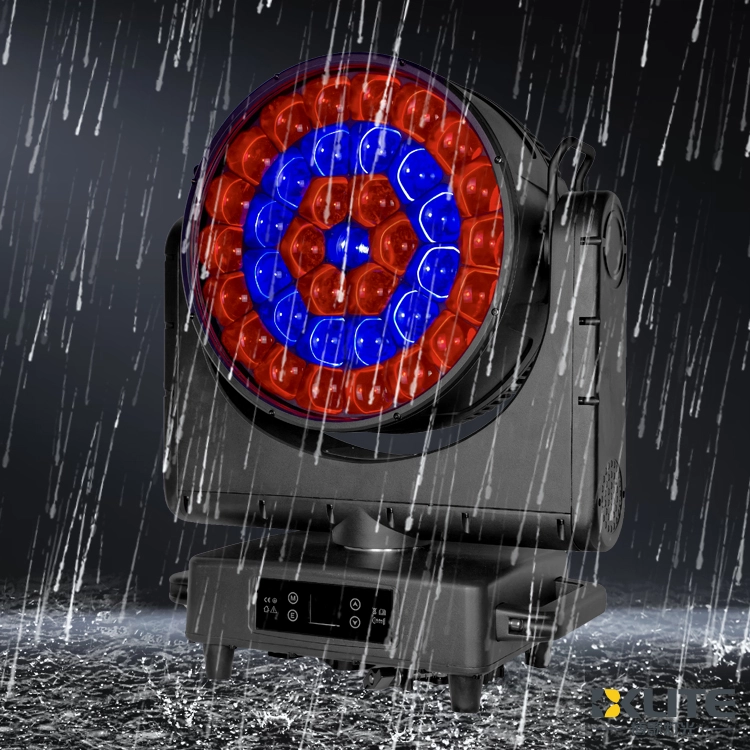
IP65 Waterproof ZOOM Bee Eye 37x40W RGBW 4in1 LED Moving Head Light
As a leading stage lighting equipment supplier with more than 15 years of industry know-how, BKlite brings you the IP65 ZOOM Bee Eye 37*40W RGBW 4in1 LED Moving Head Light (K25 Bee Eye) delivers vibrant, weatherproof lighting with powerful zoom and smooth movement. Ideal for dynamic stage effects, the K25 moving head light ensures stunning RGBW color mixing and reliable outdoor performance.
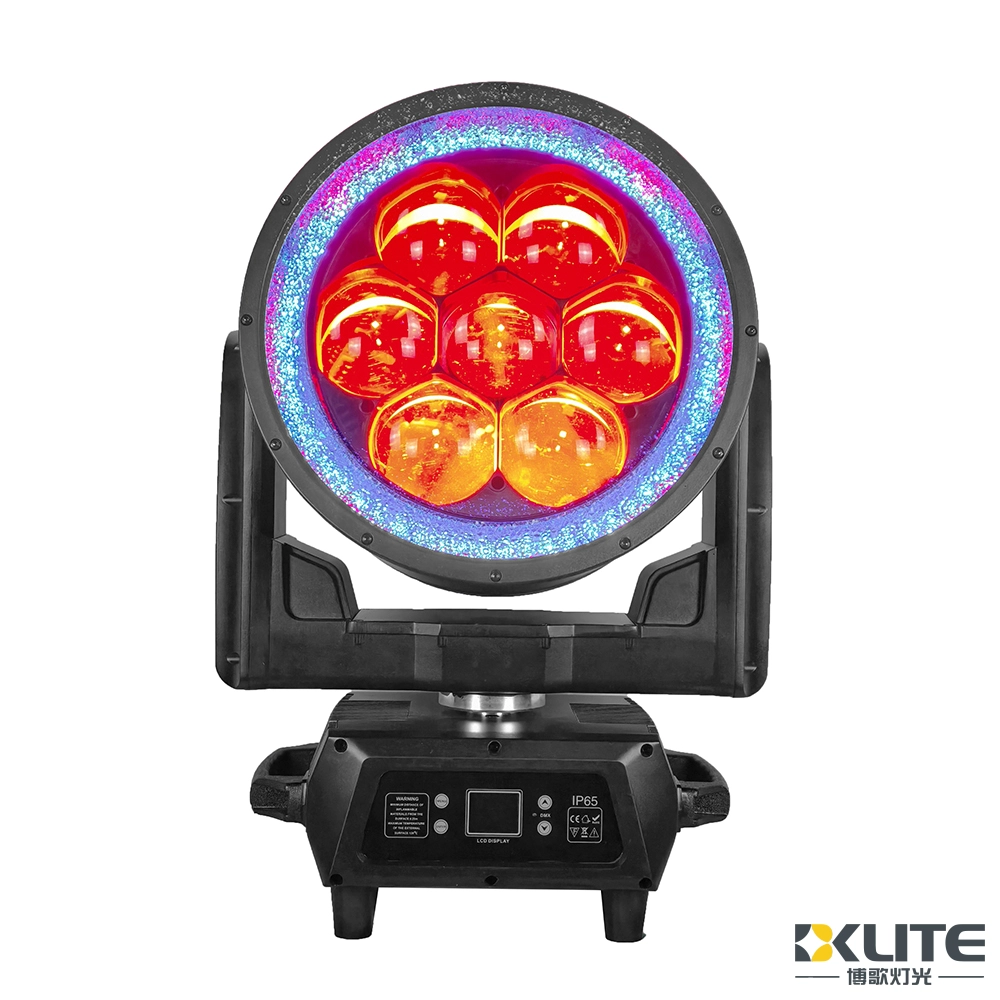
IP65 Waterproof Bee Eye 7x180W RGBL 4IN1 LED Moving Head Light With LED Ring
BKlite high power 7x180W waterproof bee eye moving head light—your reliable choice from top waterproof moving head light manufacturers and suppliers. Ideal for outdoor stage, live event, music festival, this energy-saving fixture ensures powerful, precise illumination for any venue. It delivers powerful, reliable lighting performance in any weather.
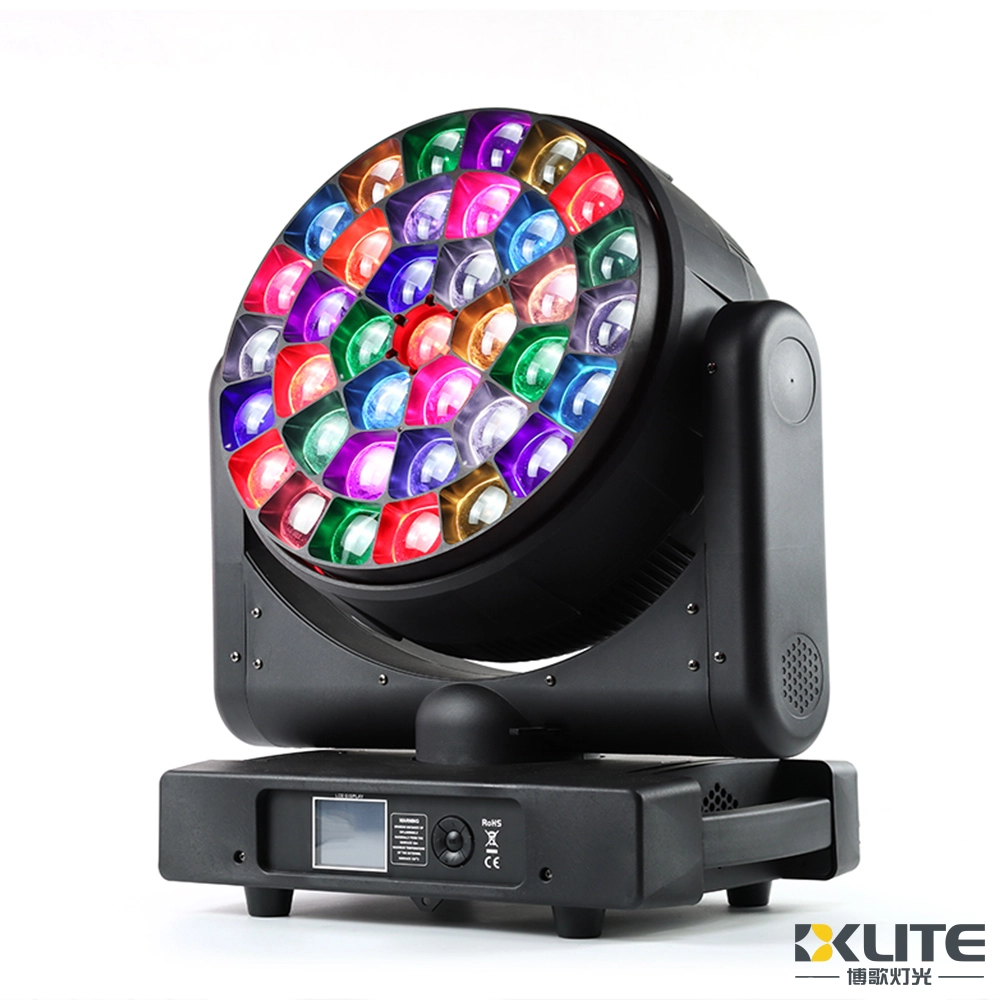
Bee Eye Zoom 37x40W RGBW 4in1 LED Beam Wash Moving Head Light


Copyright © 2025 BKLITE All Rights Reserved.