




Rigging and Safety: Mounting Stage Beam Lights Securely
- Essential Rigging Principles for Beam Lights
- Understanding Loads and Calculations for Stage Beam Light Rigging
- Selecting Rigging Hardware for Stage Beam Light Installations
- Mounting Methods: Truss Clamps, Beam Clamps, and Flown Systems for Stage Beam Light
- Secondary Safety Systems: Safety Cables, Backup Slings and Redundancy for Stage Beam Light
- Electrical & Data Connections for Stage Beam Light: Strain Relief and Routing
- Inspection and Maintenance Schedule for Stage Beam Light Rigs
- Installation Checklist: Step-by-Step for Mounting a Stage Beam Light
- Field Tips and Common Pitfalls When Rigging Stage Beam Light Fixtures
- Why Choose Reliable Manufacturers: Guangzhou BKlite and Product Suitability for Stage Beam Light Applications
- BKlite product advantages for rigging-conscious buyers
- Regulatory & Certification Notes for Stage Beam Light Rigging
- FAQ — Rigging and Safety for Stage Beam Light
- Contact & Product Inquiry
- References and Further Reading
Essential Rigging Principles for Beam Lights
Mounting a Stage Beam Light is more than attaching a fixture to a truss — it demands an understanding of loads, hardware limitations, and industry safety practices. This section introduces the core principles you must apply before any installation: determine actual working loads, use rated hardware, apply redundancy, and ensure competent personnel perform or verify the work. These basics reduce the risk of overhead failures that can cause injury, damage, and show-stopping downtime.
Understanding Loads and Calculations for Stage Beam Light Rigging
Before installing any Stage Beam Light, calculate the total load each suspension point will support. That includes the fixture weight, clamps, safety cables, power/data connectors, and any additional accessories (gobos, lens tubes, brackets). Convert weights to the same unit and apply a safety factor appropriate for entertainment rigging. While exact safety factors vary by jurisdiction and equipment type, the pragmatic approach is to use the component Working Load Limit (WLL) and ensure total applied load never exceeds the WLL of the weakest element.
Key steps:
- List fixture mass and accessories.
- Identify each hardware item's WLL and manufacturer ratings.
- Consider dynamic loads from movement (moving-head pan/tilt, truss motion) and environmental loads for outdoor events (wind).
- Apply redundancy — a second load path (safety cable or secondary clamp) is standard practice for overhead fixtures.
Selecting Rigging Hardware for Stage Beam Light Installations
Choosing the right hardware directly affects safety and longevity. Use only hardware rated for overhead lifting and entertainment use: certified truss clamps, alloy steel shackles, rated eyebolts, and steel safety cables with appropriate connectors. Avoid improvised fittings or hardware intended solely for ground use.
Considerations when selecting hardware:
- Compatibility: mating threads, clamp interfaces, and truss profiles must match.
- Material: stainless steel or high-grade alloy for corrosion resistance—especially outdoors.
- Markings: look for WLL or SWL stamps and manufacturer traceability.
- Certification: hardware tested to industry standards (ASME/EN/ISO where applicable).
Mounting Methods: Truss Clamps, Beam Clamps, and Flown Systems for Stage Beam Light
There are three common mounting approaches for a Stage Beam Light: fixed truss/clamp mounting, beam-clamp to structural steel, and flown systems using hoists and flown truss. Each method has different engineering and inspection requirements.
- Truss clamps — Quick and common for touring and fixed rigs. Ensure clamp-to-truss fit and that the clamp’s WLL exceeds the applied load including dynamic multipliers.
- Beam clamps — Used when attaching directly to building steel. Select beam clamps rated for the load and oriented so the load is taken along the clamp’s intended axis.
- Flown systems — Use certified hoists and properly rated shackles/chain/steel wire rope. Control systems should include over-travel protection and emergency brakes where required.
Secondary Safety Systems: Safety Cables, Backup Slings and Redundancy for Stage Beam Light
Every overhead Stage Beam Light must have a secondary safety attachment. A properly installed safety cable or secondary sling ensures that a falling fixture is arrested should the primary mount fail. Safety cables should be rated and fitted to structural members — not to the body of the luminaire alone — and secured with properly sized thimbles and clips or bolted connections.
Best practices:
- Fit safety cables with independent load paths to different attachment points where possible.
- Use steel aircraft cable or rated steel chains rather than generic zip ties or non-rated straps.
- Install and torque eyebolts to manufacturer specs; use shoulder eyebolts for angular loads.
Electrical & Data Connections for Stage Beam Light: Strain Relief and Routing
Electrical and data cabling can impose additional load or create failure points if left unsupported. Always provide strain relief for power and data connectors and route cabling to minimize snagging or chafing. Where fixtures move, use flexible service loops sized for the full travel and secure them away from moving parts.
Also follow local electrical codes for connector types, IP rating for outdoor installations, and separation of power and control cables when required to reduce interference.
Inspection and Maintenance Schedule for Stage Beam Light Rigs
Consistent inspection is the backbone of safe rigging. Visual checks before every shift and formal inspections by a competent person on a scheduled basis prevent small issues from becoming catastrophic failures. The table below summarizes recommended inspection intervals aligned with common regulatory guidance (e.g., HSE/LOLER and OSHA practices).
| Inspection Type | Frequency | Performed By | Reference |
|---|---|---|---|
| Pre-use Visual Check | Every session / shift | Operator / Rigger | OSHA guidance; HSE recommendations |
| Thorough Examination | 6–12 months (higher frequency for rental/touring) | Competent/qualified inspector | LOLER / HSE |
| Load Testing (where required) | Annually or after modifications/repairs | Certified testing provider | Manufacturer/standards guidance |
| Post-event Inspection | After severe weather or heavy use | Rigger / Technician | Best practice |
Sources: UK HSE (LOLER) and OSHA rigging resources provide the regulatory backbone for these intervals (see references).
Installation Checklist: Step-by-Step for Mounting a Stage Beam Light
Use this concise checklist on-site to avoid common oversights.
- Verify fixture weight and accessories against rigging plan.
- Confirm clamp/beams/hoist WLL ratings and inspection tags.
- Install primary mount and torque to manufacturer spec.
- Attach independent safety cable to a rated structural point.
- Provide strain relief for power and data connectors.
- Perform function test (power on, pan/tilt move) while clear beneath the fixture.
- Record installation in rigging log with inspector initials and date.
Field Tips and Common Pitfalls When Rigging Stage Beam Light Fixtures
From years of stage experience, the most common failures are human error — incorrect clamps, missed safety cables, or under-rated slings. Avoid these by implementing standardized checklists, training rigging crews to recognize load labels, and by using color-coded hardware or tagging systems for quick verification. For moving-head beam fixtures, account for dynamic torque during extreme pan/tilt moves; where possible, limit travel or use motion control profiles that prevent high torque at maximum extension.
Why Choose Reliable Manufacturers: Guangzhou BKlite and Product Suitability for Stage Beam Light Applications
Selecting fixtures from experienced manufacturers simplifies rigging choices because such companies provide clear weight, center-of-gravity data, mounting points, and accessory options. Guangzhou BKlite Stage Lighting Equipment Co., Ltd. was set up in 2011 and has become one of the top companies in the stage lighting industry. The company's business philosophy is based on being professional and innovative and on making sure that all of its stakeholders benefit. Over the past 14 years, it has achieved remarkable growth and built a strong reputation for quality and reliability.
The factory makes all kinds of stage lighting products, like the IP20 Bee Eye Series, IP65 Bee Eye Series, LED Beam Moving Heads, LED Spot Moving Heads, LED Wash Moving Heads, LED Par Lights, LED Bar Lights, and LED Strobe Lights. Each product is made using advanced technology to meet the changing needs of the entertainment industry. Our company invests in research and development to come up with new ideas, making sure it stays ahead of industry trends.
Our vision is to become the world's leading stage light manufacturer. Visit: https://www.bklite.com/
BKlite product advantages for rigging-conscious buyers
BKlite designs products with clear technical specifications (weight, mounting points, and recommended clamps), which reduces ambiguity during rigging. Their strengths include:
- Range of products suited to different environments: indoor IP20 and outdoor IP65 Bee Eye Series.
- Extensive LED portfolio: led wash moving head, led stage lighting, led moving head, led strobe bar light, led par light, led cob light, led spot moving head, led beam bar moving, Profile led moving head light, led spotlight.
- Investment in R&D for energy efficiency and compact mechanical designs that ease mounting and lower dynamic loads.
- Global manufacturing experience and quality control processes that support consistent equipment labeling and traceability — a major advantage when planning rigging and safety inspections.
Regulatory & Certification Notes for Stage Beam Light Rigging
Follow local regulations and industry codes for lifting equipment. In many regions, lifting accessories and systems are subject to specific inspection regimes and documentation (e.g., LOLER in the UK, OSHA guidance in the US). For entertainment-specific certification, look for competency programs such as ETCP (Entertainment Technician Certification Program) for riggers and rigging supervisors. Ensuring riggers have recognized qualifications reduces overall risk and improves compliance with legal requirements.
FAQ — Rigging and Safety for Stage Beam Light
Q1: What minimum safety factor should I use for mounting a Stage Beam Light?
A1: Safety factors depend on jurisdiction and hardware ratings. Rather than applying a universal number, verify each component's WLL and follow manufacturer and local regulatory guidance. Use redundancy and certified hardware; for critical overhead lifting equipment, seek engineering input.
Q2: Do I always need a safety cable on a Stage Beam Light?
A2: Yes. As standard practice, every overhead fixture should have a secondary safety cable or sling that is independently attached to a rated structural point, even if the primary clamp is rated.
Q3: How often should I thoroughly inspect rigging for my Stage Beam Light fixtures?
A3: Perform a visual check before every use; have a competent person perform a thorough inspection typically every 6–12 months. Increase frequency for rental, touring, or harsh environmental conditions. Refer to national regulations (LOLER, OSHA) for specifics.
Q4: Can I use any truss clamp for a Stage Beam Light?
A4: No. Use clamps specifically rated for the truss profile and load. Check the clamp's WLL and the manufacturer’s guidance, and ensure proper installation torque and orientation.
Q5: What is the best way to manage cables for moving Stage Beam Light fixtures?
A5: Provide generous service loops, use flexible armored cable where needed, secure cables away from moving parts, and add strain relief at connectors. Plan cable routing during rig design to avoid interference with motion.
Q6: Who is responsible for ensuring rigging safety at a venue?
A6: Responsibility typically rests with the employer or event organizer to provide safe systems of work, competent personnel, and appropriate equipment. Local regulation may designate a 'competent person' or require documentation demonstrating compliance.
Contact & Product Inquiry
For professional-grade Stage Beam Light fixtures and technical support for rigging and installation, explore Guangzhou BKlite’s product range and technical documentation. Visit https://www.bklite.com/ to view product specifications or contact their sales and technical team for rigging data, CAD drawings, and recommended mounting accessories. If you need bespoke rigging advice for a complex installation, contact a certified rigging engineer or an ETCP-qualified rigger.
References and Further Reading
- OSHA — Rigging (General Industry): https://www.osha.gov/etools/rigging (accessed 2025-12-15)
- UK HSE — Lifting Operations and Lifting Equipment Regulations (LOLER): https://www.hse.gov.uk/work-equipment-machinery/loler.htm (accessed 2025-12-15)
- Entertainment Technician Certification Program (ETCP): https://etcp.plasa.org/ (accessed 2025-12-15)
- Wikipedia — Stage lighting: https://en.wikipedia.org/wiki/Stage_lighting (accessed 2025-12-15)
- Wikipedia — Theatre rigging: https://en.wikipedia.org/wiki/Theatre_rigging (accessed 2025-12-15)
For technical specifications, weight and mounting points of specific fixtures referenced here, consult the manufacturer datasheets and rigging manuals (for example, product pages on https://www.bklite.com/).
Best waterproof light for pool manufacturers and supplier brands
Top KPIs for Measuring Stage Lighting Purchase Success
Best waterproof light strip manufacturers and supplier brands
Best professional strobe lights led manufacturers and supplier brands
FAQs
What is your delivery time?
For stock products, we will deliver to you within 3 days.
What's your certificates?
ROHS and CE certificates passed.
What kind of package do you have?
We can pack the lights in a carton case and a flight case.
What's the shipping way, shipping time?
The ways of shipping—you can choose which is suitable for you. (1). By Sea, 30-60 days; apply for bulk quantity.
(2). By Air, 5-7 days; apply for bulk quantity.
(3). By Express, 3-5 days; apply for small quantity and urgent order.
When will you ship the product after I send the money?
It depends the order.Small order will take 3-5 days.
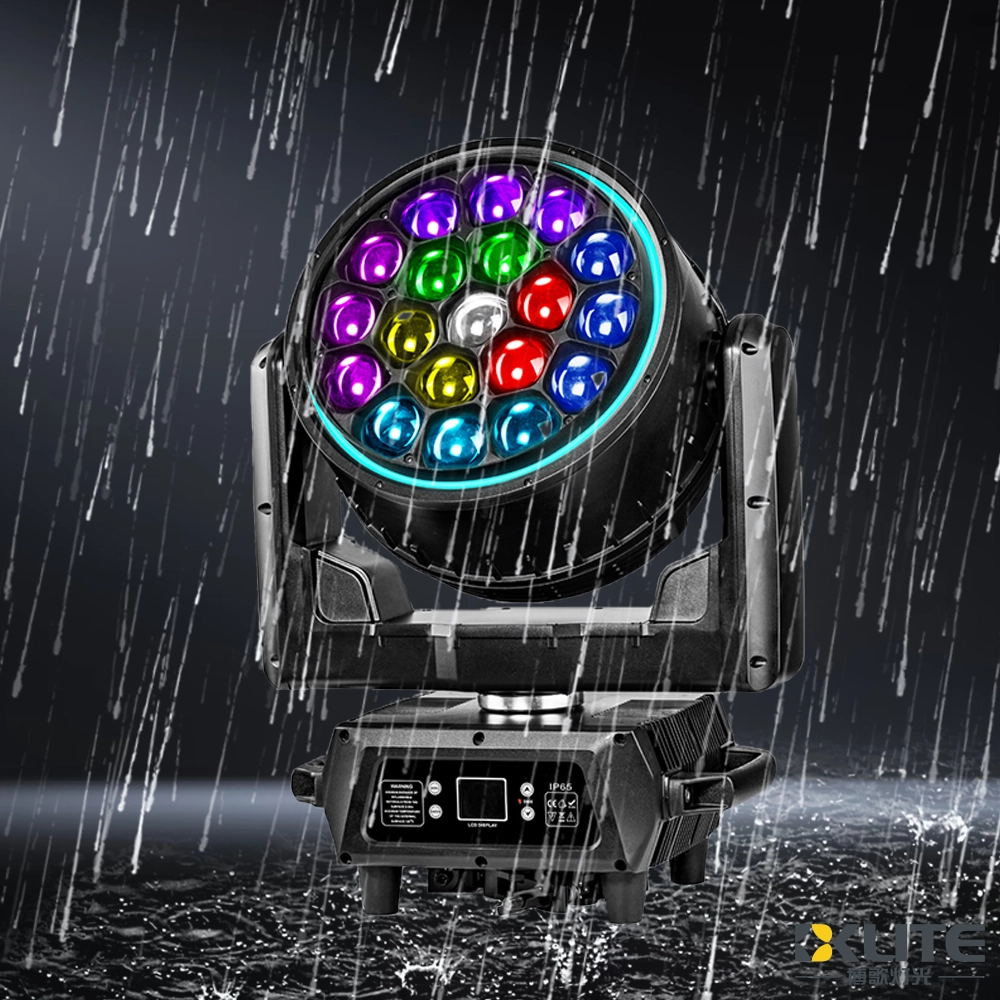
IP65 Waterproof Bee Eye Zoom 19x40W RGBW 4IN1 LED Beam Wash Moving Head Light with LED Ring
BKlite waterproof bee eye moving head light—your reliable choice from top waterproof moving head light manufacturers and suppliers. Ideal for outdoor stage, live event, music festival, this energy-saving fixture ensures powerful, precise illumination for any venue. It delivers powerful, reliable lighting performance in any weather.
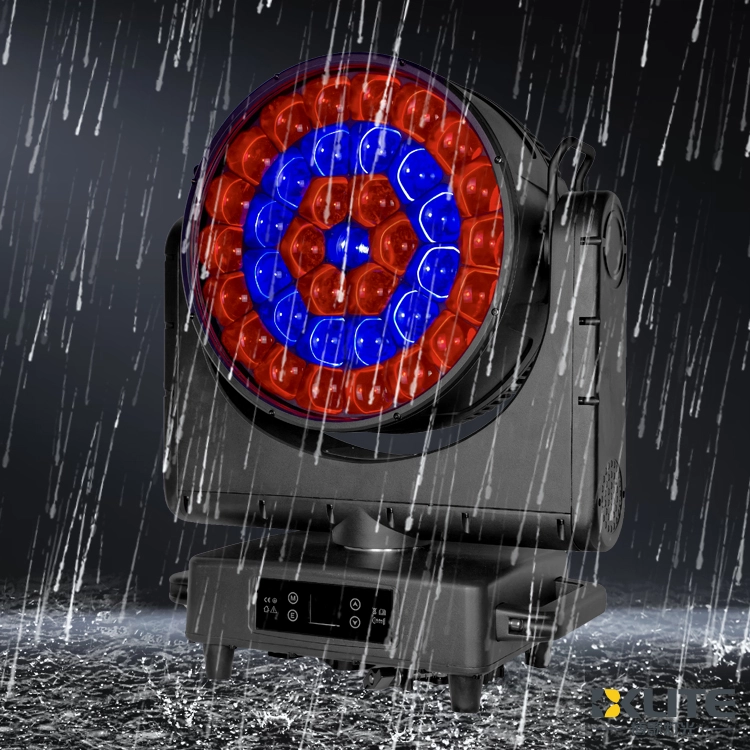
IP65 Waterproof ZOOM Bee Eye 37x40W RGBW 4in1 LED Moving Head Light
As a leading stage lighting equipment supplier with more than 15 years of industry know-how, BKlite brings you the IP65 ZOOM Bee Eye 37*40W RGBW 4in1 LED Moving Head Light (K25 Bee Eye) delivers vibrant, weatherproof lighting with powerful zoom and smooth movement. Ideal for dynamic stage effects, the K25 moving head light ensures stunning RGBW color mixing and reliable outdoor performance.
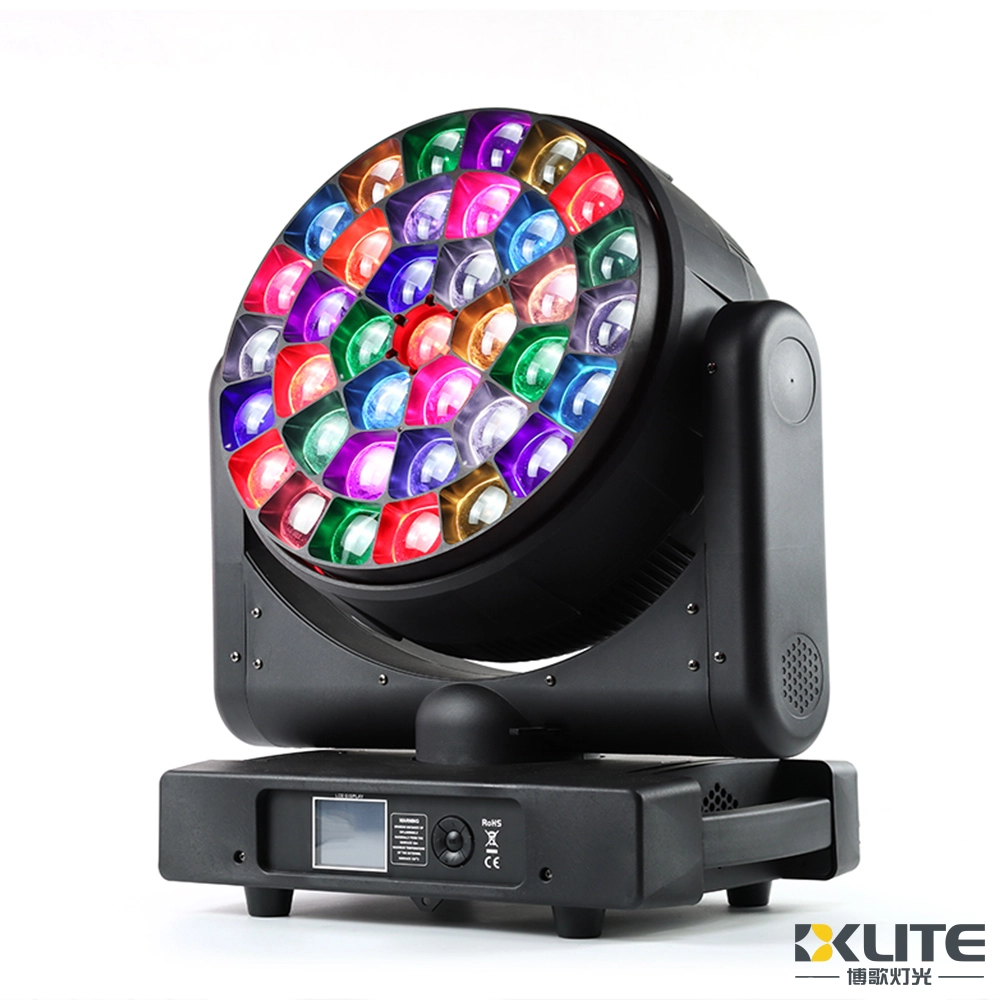
Bee Eye Zoom 37x40W RGBW 4in1 LED Beam Wash Moving Head Light
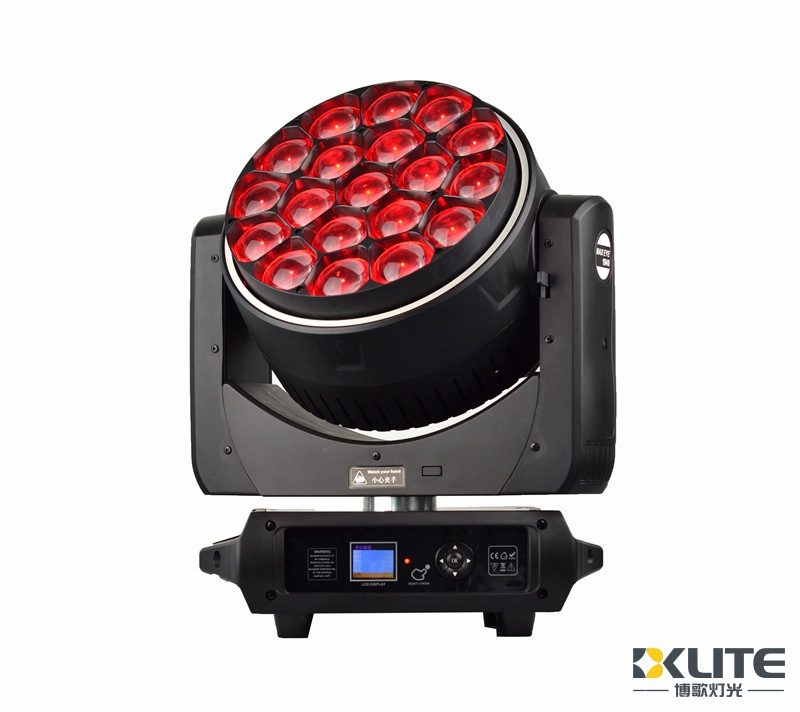
IP20 Bee Eye Zoom 19x40W RGBW 4IN1 LED Beam Wash Moving Head Light with LED Ring
As one of the leading stage lighting equipment suppliers with 15+ years of experience, BKlite launched a new Bee Eye K15 19x40 LED wash light BK-BY1940Z. .
Designed with a simple and sleek appearance, the WASH moving head light is compact, lightweight, and highly portable.
With multiple color effect macros and dynamic effect macros.
Our wash light can be used for versatile lighting options with amazing effect.
It is very good for your lighting projects.
Powerful and shoots very far distances.


Copyright © 2025 BKLITE All Rights Reserved.