




High-Output LED Strobe Lights for Large Venues
- Why high-output lighting matters in large venues
- Light output, perceptual impact, and sightlines
- Energy efficiency and lifecycle cost
- Control precision and creative flexibility
- Key technical specifications to evaluate
- Peak lumen output, duty cycle, and perceived intensity
- Pulse shaping, frequency range, and synchronization
- Color rendering, beam control, and optics
- Practical installation and operations considerations
- Power distribution, inrush, and thermal management
- Flicker, camera compatibility, and safety
- Rigging, IP rating, and venue environment
- Comparing LED strobes to legacy technologies
- When xenon still makes sense
- Specification checklist and procurement recommendations
- Essential specs to request from manufacturers
- Testing, acceptance, and on-site commissioning
- Sample procurement specification (short)
- Manufacturers, reliability, and choosing a partner
- Why partner reputation and R&D matter
- BKlite: company profile, capabilities, and product focus
- Service, spares, and global support expectations
- Case studies and evidence
- Arena concert deployment (summary)
- Broadcast compatibility testing
- Frequently Asked Questions (FAQ)
- 1. Are LED strobes as bright as xenon strobes?
- 2. How do I prevent camera flicker when using led lights with strobe?
- 3. What duty cycle should I expect from a high-output LED strobe?
- 4. Can LED strobes be used outdoors?
- 5. What control protocols do professional LED strobes support?
- 6. How important is manufacturer support and documentation?
- Contact, procurement, and next steps
High-output LED strobe fixtures are transforming large-venue lighting design by delivering intense, controllable bursts of light with improved energy efficiency, color control, and operational safety. For event producers, lighting designers, AV integrators, and venue managers evaluating led lights with strobe functionality, understanding photometric performance, control protocols, thermal and power management, and lifecycle economics is essential for reliable installs that meet regulatory and creative needs.
Why high-output lighting matters in large venues
Light output, perceptual impact, and sightlines
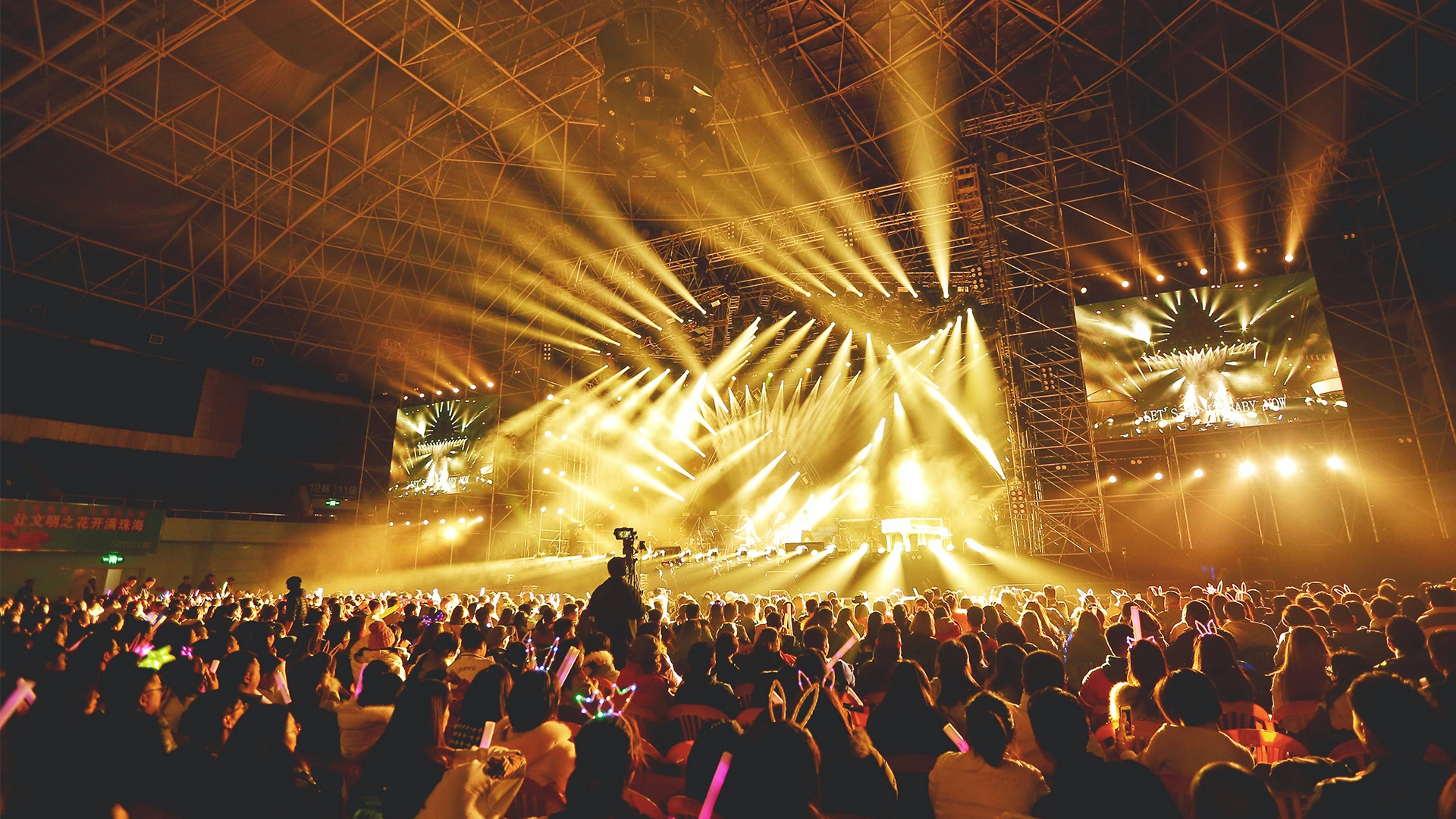
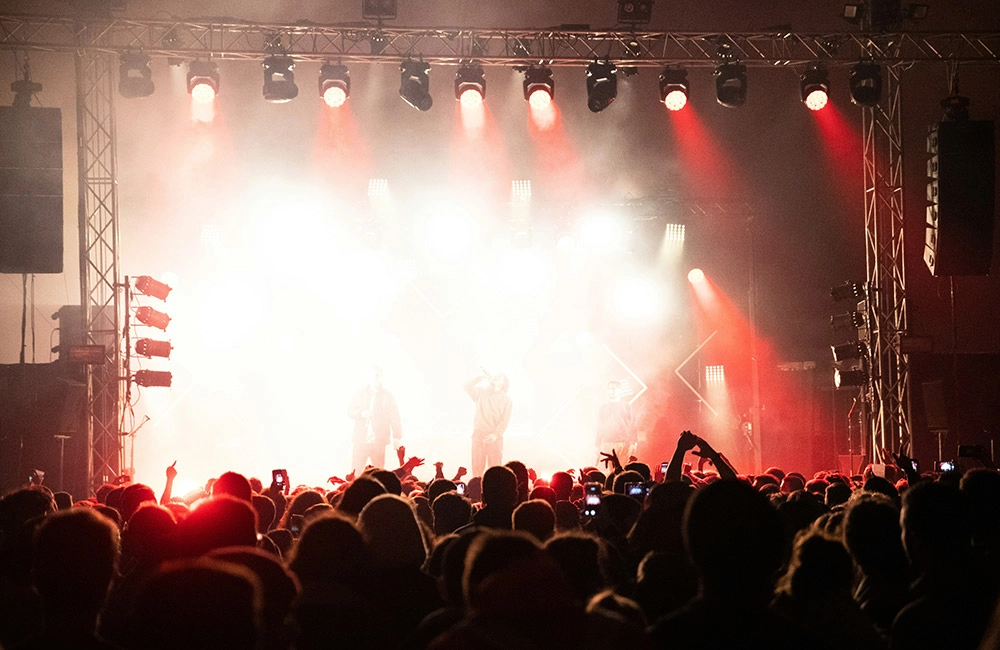
Large venues—arenas, concert halls, stadiums—demand strobe fixtures that can project visible, impactful bursts over long distances and through complex sightline geometries. Peak luminous flux (and more practically, candela and lux at audience distances) drives perceived intensity. Unlike continuous wash fixtures, strobes are evaluated on instantaneous peak output and contrast ratio against ambient and stage lighting.
Energy efficiency and lifecycle cost
LED strobes reduce running costs and maintenance compared with legacy xenon or discharge strobes because of higher efficacy and much longer rated life. The U.S. Department of Energy's Solid-State Lighting program documents typical LED lifetimes of 25,000–50,000 hours or more and substantial energy savings versus traditional light sources (DOE SSL).
Control precision and creative flexibility
Modern productions require precise timing (including sub-frame sync), variable pulse shape, and color mixing during strobes. LED strobes with pixel-level control allow effects that were impossible with single-tube xenon devices. Reliable integration with industry control protocols such as DMX512 and RDM is non-negotiable for large-scale rigs (DMX512 standard).
Key technical specifications to evaluate
Peak lumen output, duty cycle, and perceived intensity
Compare peak and average output: LED strobe specs should state both. Peak output (measured during the pulse) drives visual impact; average power reflects thermal load. Duty cycle (pulse width/interval) often determines safe operating limits. For example, a fixture rated for short high-intensity bursts at 10% duty cycle may not sustain continuous high-frequency strobing.
Pulse shaping, frequency range, and synchronization
Look for variable pulse width, adjustable frequency (0–30+ Hz typical for effect strobes; specialty rigs may require higher), and external sync inputs (MIDI/timecode/trigger) or DMX scene recall. Facilities using multiple fixtures should ensure phase-locked triggering to avoid visual artifacts. Many modern LED strobes also offer PWM schemes optimized to mitigate visible flicker on camera.
Color rendering, beam control, and optics
High-output LED strobes often use multi-die LEDs for tunable color temperature or RGBW mixing. Optical design (collimators, secondary lenses, Fresnel assemblies) determines beam angle and throw; narrow-beam strobes (4–10°) are typical for long-throw applications, while wider beam strobes suit stage-front or audience-blinding effects.
Practical installation and operations considerations
Power distribution, inrush, and thermal management
Although LEDs draw less steady-state power than xenon, high-output strobes can produce significant inrush current and localized heat. Proper circuit sizing, soft-start drivers, and active thermal management (heatsinks, forced-air cooling) are essential. Design racks and trussing to provide adequate airflow and avoid thermal derating that will reduce peak output.
Flicker, camera compatibility, and safety
Video and broadcast applications require fixtures tested for camera compatibility and minimal rolling-shutter artifacts. Choose LED strobes designed with PWM frequencies outside camera exposure bands and validated in-camera. Also evaluate safety: strobe frequencies and intensities must consider photosensitive epilepsy guidelines—venues should publish warnings and provide alternate seating when needed. Refer to medical and safety guidance when planning effects (strobe safety).
Rigging, IP rating, and venue environment
For outdoor arenas or touring rigs, IP-rated housings (IP65/67) protect against ingress; indoor fixtures often use IP20 enclosures. Inspect fixture weight, center of gravity, and hanging hardware ratings; follow local rigging codes and manufacturer load tables. For ingress protection definitions, see the IP Code overview (IP Code).
Comparing LED strobes to legacy technologies
Choosing between LED strobes and xenon/discharge systems depends on desired effect, budget, and operational constraints. The table below summarizes typical differences.
| Characteristic | High-Output LED Strobe | Xenon/Discharge Strobe |
|---|---|---|
| Peak intensity (per pulse) | Very high; configurable via arrays and optics | Extremely high instantaneous flash (often higher per pulse) |
| Energy efficiency | High — significantly lower average power (see DOE SSL) | Lower efficiency; high instantaneous power draw |
| Lifespan | 25,000–100,000 hours (LED rated life) | 1,000–3,000 hours typical for discharge tubes (Xenon arc) |
| Maintenance | Low (no lamp changes) | High (tube replacement, ballast service) |
| Color control | Excellent (RGBW/CW/variable CCT) | Limited without gels/filters |
| Control & timing | Very flexible (DMX/RDM, timecode, trigger) | Good timing but limited color/effect control |
Sources: DOE Solid-State Lighting program (energy.gov), xenon lamp data (Wikipedia).
When xenon still makes sense
If your design relies on ultra-short, extremely bright single pulses (e.g., cinematic special effects where color fidelity is less important), xenon strobes may still be used. However, for touring, safety-limited venues, and color-driven designs, LED strobes are typically superior.
Specification checklist and procurement recommendations
Essential specs to request from manufacturers
- Peak and average lumen output; candela distribution and lux-at-distance charts
- Duty cycle limits and recommended pulse width/frequency ranges
- Power draw (steady and inrush) and power factor
- Control protocols supported (DMX/RDM, Art-Net, sACN, external trigger)
- Thermal design: max ambient operating temperature and derating curve
- IP rating, ingress tables, and mechanical load ratings
- EMC/CE/ETL/UL compliance documentation
Testing, acceptance, and on-site commissioning
Specify factory acceptance tests (FAT) and site acceptance tests (SAT). FAT should include photometric measurement (integrating sphere or goniometer), control responsiveness, and environmental stress tests. On-site, verify strobe synchronization across rigs, camera tests for broadcast, and safety signage/egress checks.
Sample procurement specification (short)
“Fixture shall be a high-output LED strobe capable of >250,000 peak lumens equivalent, variable pulse width 0.5–100 ms, duty cycle rated for 10% at max output, DMX/RDM controllable, IP65-rated, with inrush current <80 A for coordinated PSU design, and manufacturer-provided photometric files (IES/LM-63).”
Manufacturers, reliability, and choosing a partner
Why partner reputation and R&D matter
For large-venue rigs, long-term support, spare parts availability, and firmware updates make a difference. Companies that invest in R&D tend to release firmware fixes for control timing and camera-compatibility issues and offer modular serviceable components.
BKlite: company profile, capabilities, and product focus
Guangzhou BKlite Stage Lighting Equipment Co., Ltd. was set up in 2011 and has become one of the top companies in the stage lighting industry. The company's business philosophy is based on being professional and innovative and on making sure that all of its stakeholders benefit. Over the past 14 years, it has achieved remarkable growth and built a strong reputation for quality and reliability.
The factory makes all kinds of stage lighting products, like the IP20 Bee Eye Series, IP65 Bee Eye Series, LED Beam Moving Heads, LED Spot Moving Heads, LED Wash Moving Heads, LED Par Lights, LED Bar Lights, and LED Strobe Lights. Each product is made using advanced technology to meet the changing needs of the entertainment industry. Our company invests in research and development to come up with new ideas, making sure it stays ahead of industry trends. Our vision is to become the world's leading stage light manufacturer. Website: https://www.bklite.com/. Email: export3@bklite.com.
BKlite's strengths include consistent manufacturing quality, in-house R&D for optics and thermal management, and a product range that covers led wash moving head, led stage lighting, led moving head, led strobe bar light, led par light, led cob light, led spot moving head, led beam bar moving, profile led moving head light, and led spotlight. These product lines reflect the company's capacity to supply both fixed installations and touring-grade fixtures with a focus on reliability and serviceability.
Service, spares, and global support expectations
Confirm lead times for replacement modules (power supplies, LED arrays, driver boards) and whether the manufacturer offers field-serviceable modules. For multinational tours, verify that the vendor supports international voltage ranges and offers local partners or authorized service centers.
Case studies and evidence
Arena concert deployment (summary)
In a 12,000-seat arena deployment, switching from xenon strobes to LED strobe banks reduced average power by ~35% across full production cues, while maintenance intervals extended from 1–2 years to 5+ years. Fixtures enabled finer color-mixing effects and per-pixel strobing for synchronized audience effects.
Broadcast compatibility testing
Broadcast tests should validate no visible banding on multiple camera sensor types and shutter speeds. Documented tests typically include high-frame-rate cameras at 120–240 fps to simulate slow-motion capture and confirm that PWM and pulse timing do not alias with camera exposure. Manufacturer test reports or third-party camera compatibility reports are valuable procurement artifacts.
Frequently Asked Questions (FAQ)
1. Are LED strobes as bright as xenon strobes?
In many practical applications, high-output LED strobes provide comparable perceived brightness due to optics and array design; xenon can still offer higher instantaneous intensity for single-pulse photographic effects. Consider photometric data (candela and lux) at audience distances rather than raw lumen numbers.
2. How do I prevent camera flicker when using led lights with strobe?
Choose fixtures with high PWM frequency and camera-tested firmware. Perform on-site camera tests across expected shutter speeds and frame rates. Ask for manufacturer camera-compatibility reports.
3. What duty cycle should I expect from a high-output LED strobe?
Manufacturer duty cycle ratings vary; common safe operating points include 10%–20% at maximum output. Always follow the fixture’s specified duty cycle and derating curves for ambient temperature.
4. Can LED strobes be used outdoors?
Yes—select IP65/IP67 rated housings for outdoor use. Ensure connectors and power supplies are weather-rated and that thermal management accommodates outdoor ambient temperatures.
5. What control protocols do professional LED strobes support?
Most professional fixtures support DMX512 and RDM; advanced fixtures may include Art-Net, sACN, and auxiliary triggers (MIDI/timecode). Verify latency and update rates for large networks.
6. How important is manufacturer support and documentation?
Very important. For large venues, reliable documentation (photometric files, wiring diagrams, firmware notes), spare parts availability, and responsive technical support reduce downtime and lifecycle cost.
Contact, procurement, and next steps
If you are evaluating led lights with strobe capability for arenas, touring, or fixed installations, start by collecting manufacturer photometric data (IES files), duty cycle charts, and control protocol documentation. Schedule FATs and camera-compatibility tests prior to mass procurement.
For product inquiries, detailed specifications, or project quotes, contact Guangzhou BKlite Stage Lighting Equipment Co., Ltd. via their website: https://www.bklite.com/ or email export3@bklite.com. BKlite supplies a wide range of stage lighting including led wash moving head, led stage lighting, led moving head, led strobe bar light, led par light, led cob light, led spot moving head, led beam bar moving, Profile led moving head light, and led spotlight—backed by R&D and manufacturing experience since 2011.
Need help specifying fixtures for your venue? Contact BKlite (export3@bklite.com) to request IES files, duty-cycle charts, and sample unit testing for your production or installation.
References and further reading: DOE Solid-State Lighting program (energy.gov/eere/ssl), DMX512 (Wikipedia: DMX512), Xenon arc lamp (Wikipedia: Xenon arc lamp), Strobe light safety considerations (Wikipedia: Strobe light safety), IP Code overview (Wikipedia: IP Code).
Best professional led strip and controller manufacturers and supplier brands
After-sales Service Models for LED Spot Moving Head Suppliers
Top 10 beam of light Manufacturers and Supplier Brands
Top Specifications to Check in LED Strobe Lights
FAQs
When will you ship the product after I send the money?
It depends the order.Small order will take 3-5 days.
What kind of package do you have?
We can pack the lights in a carton case and a flight case.
What's the payment terms?
T/T, Western Union.
What service can you supply?
We can apply for the OEM/ODM service.
What is your delivery time?
For stock products, we will deliver to you within 3 days.
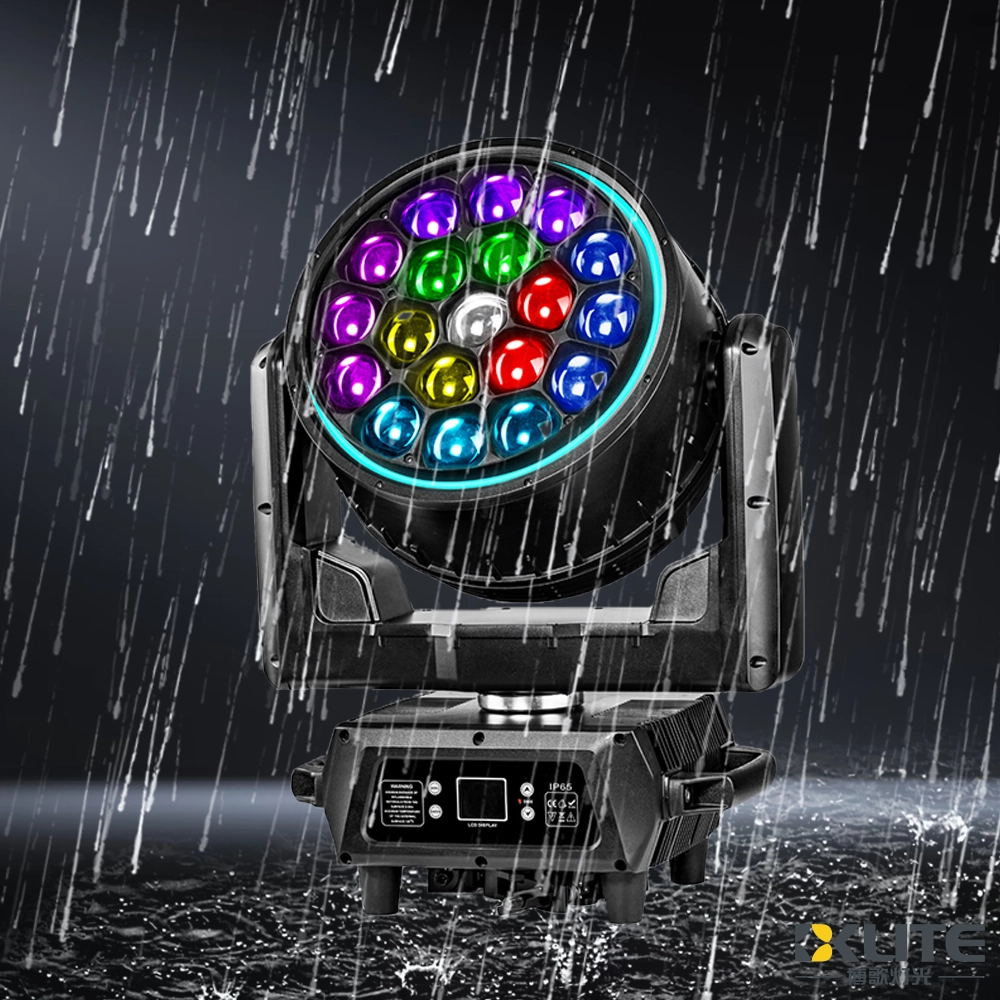
IP65 Waterproof Bee Eye Zoom 19x40W RGBW 4IN1 LED Beam Wash Moving Head Light with LED Ring
BKlite waterproof bee eye moving head light—your reliable choice from top waterproof moving head light manufacturers and suppliers. Ideal for outdoor stage, live event, music festival, this energy-saving fixture ensures powerful, precise illumination for any venue. It delivers powerful, reliable lighting performance in any weather.
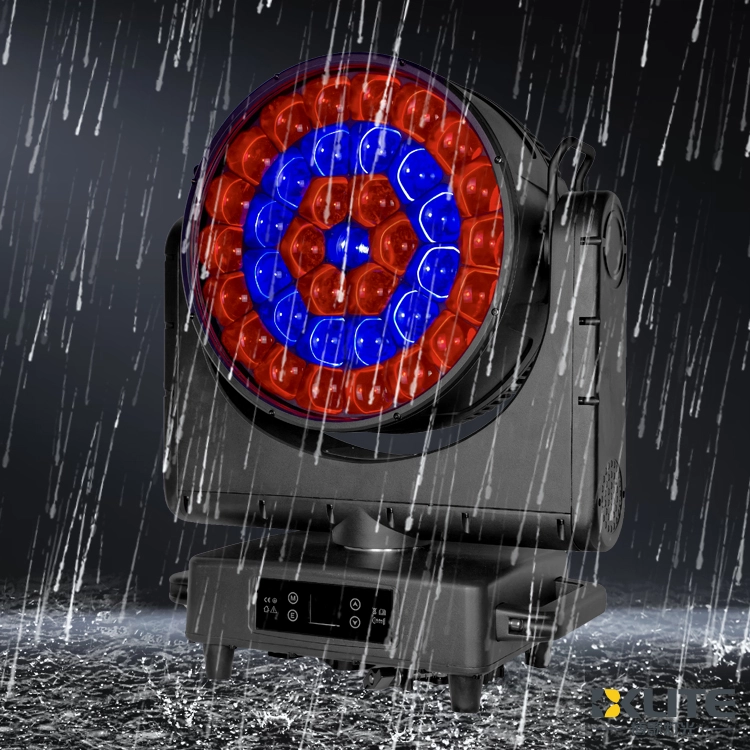
IP65 Waterproof ZOOM Bee Eye 37x40W RGBW 4in1 LED Moving Head Light
As a leading stage lighting equipment supplier with more than 15 years of industry know-how, BKlite brings you the IP65 ZOOM Bee Eye 37*40W RGBW 4in1 LED Moving Head Light (K25 Bee Eye) delivers vibrant, weatherproof lighting with powerful zoom and smooth movement. Ideal for dynamic stage effects, the K25 moving head light ensures stunning RGBW color mixing and reliable outdoor performance.
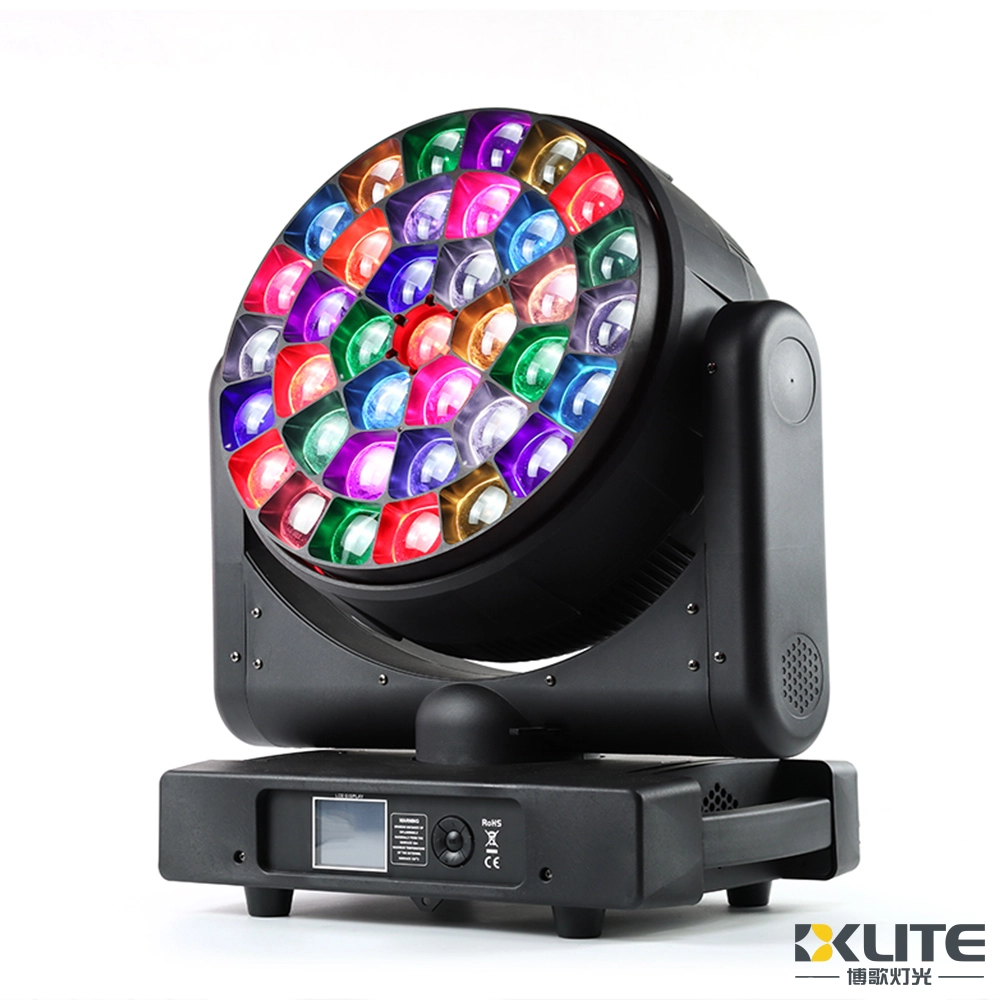
Bee Eye Zoom 37x40W RGBW 4in1 LED Beam Wash Moving Head Light
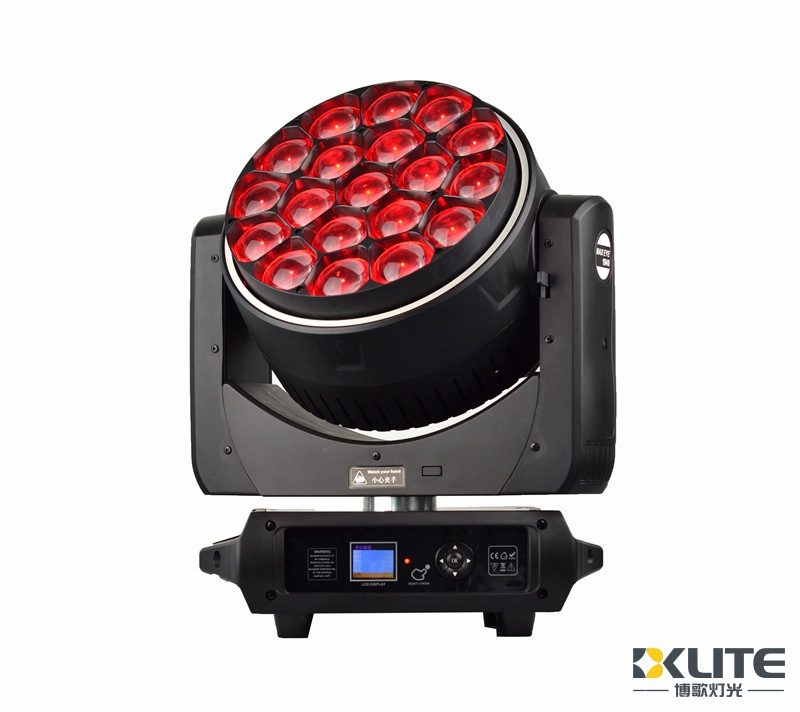
IP20 Bee Eye Zoom 19x40W RGBW 4IN1 LED Beam Wash Moving Head Light with LED Ring
As one of the leading stage lighting equipment suppliers with 15+ years of experience, BKlite launched a new Bee Eye K15 19x40 LED wash light BK-BY1940Z. .
Designed with a simple and sleek appearance, the WASH moving head light is compact, lightweight, and highly portable.
With multiple color effect macros and dynamic effect macros.
Our wash light can be used for versatile lighting options with amazing effect.
It is very good for your lighting projects.
Powerful and shoots very far distances.


Copyright © 2025 BKLITE All Rights Reserved.