




Top Specifications to Check in LED Strobe Lights
- Why LED Strobe Lights Matter in Modern Stage Lighting
- Performance vs. legacy strobe technologies
- Where strobes are used and user needs
- Core specifications to check in an LED strobe light
- Light output, color and measurable metrics
- Strobe parameters: rate, pulse width, and duty cycle
- Beam angle, optics and uniformity
- Control, integration and reliability specs
- Control protocols and synchronization
- Thermal management and lifetime
- Ingress protection, construction and safety
- Choosing the right LED strobe for your venue — comparisons and checklist
- Spec comparison: small, medium and high-power strobes
- Questions I always ask manufacturers
- Maintenance, lifecycle and total cost of ownership
- Why manufacturer credibility and R&D matter — a real example
- About Guangzhou BKlite and why it matters to buyers
- Product range and technical strengths
- BKlite’s competitive differentiators
- Practical checklist before purchase and installation
- Pre-purchase verification
- Installation and operation checklist
- Safety and broadcast considerations
- Frequently Asked Questions (FAQ)
- 1. What’s the difference between LED strobes and traditional xenon strobes?
- 2. How do I avoid camera flicker when using LED strobes?
- 3. What strobe frequency and duty cycle are safe for continuous use?
- 4. Is IP65 necessary for outdoor strobe fixtures?
- 5. How important is CRI for strobe lights?
- 6. Which control protocols should I prioritize?
Choosing the right LED strobe light is about more than picking the brightest fixture. From flash rate and pulse width to optics, control options, and thermal reliability, each specification affects performance, safety, and user experience. In this article I walk you through the critical specs I check on every strobe — explaining why they matter, how to verify them, and what to ask manufacturers so you get predictable, safe stage results.
Why LED Strobe Lights Matter in Modern Stage Lighting
Performance vs. legacy strobe technologies
I've worked with both xenon and LED strobes. LEDs bring advantages in efficiency, longevity, and control: lower power consumption, programmable flash shapes, and more compact fixtures. Unlike xenon, LEDs enable electronic control of pulse width and frequency without the need for high-voltage discharge systems. That reduces maintenance and improves integration into DMX-driven rigs. For background on strobe principles, see the Stroboscope/Strobe Light overview on Wikipedia.
Where strobes are used and user needs
Strobes are applied in concert effects, theatrical cues, broadcast safety (flicker concerns), and synchronized show sequences. My clients usually prioritize predictable timing (no unintended flicker on camera), consistent intensity across fixtures, and easy integration with lighting consoles. That informs which specs I evaluate most closely.
Core specifications to check in an LED strobe light
Light output, color and measurable metrics
Key output metrics include luminous flux (lumens) and photometric measures like lux at X meters for beam-focussed strobes. Color temperature (CCT) and Color Rendering Index (CRI) matter if strobes will be used alongside white or mixed-light scenes. For stage effects I typically ask for both lux-at-distance charts and an LED binning report. The Illuminating Engineering Society (IES) and CIE provide the standards behind CRI and photometric measurements; see the CIE and IES references and best practices for photometrics (for background, see CRI on Wikipedia).
Strobe parameters: rate, pulse width, and duty cycle
The strobe rate (Hz / flashes per second) and pulse width (ms or µs) determine perceived effect. A short pulse width yields a sharper, more 'crisp' flash; longer pulses can make the strobe appear brighter but may cause flicker artifacts on camera. Duty cycle — the percent of time the emitter is on — affects heat and lifespan. I always request the maximum rated continuous strobe frequency, recommended duty cycle, and any derating schedule. Typical stage strobes operate from single-digit Hz up to 20–30 Hz for effect; specialized units may support higher rates. For controls and timing standards that affect synchronization, consult the DMX512 protocol (DMX512 on Wikipedia).
Beam angle, optics and uniformity
Optics determine how light distributes across the audience or stage. A narrow beam (e.g., 5–10°) concentrates energy for punchy beams; wider angles (30–120°) are useful for strobe bars and wash-like effects. I inspect manufacturer beam profile graphs and verify lens types (TIR, PMMA, glass) and whether secondary optics are used. Uniformity across an LED array affects perceived flicker and hot-spotting; photometric files (IES files) will show that detail.
Control, integration and reliability specs
Control protocols and synchronization
Modern strobes should support common control standards: DMX512 for console control, RDM for remote device management, and sometimes Art-Net/sACN for networked systems. Some LED strobes provide external sync inputs (TTL or dedicated sync) for perfect phase-locking to other effects or video playback. When I audit a fixture I verify supported channel modes, available presets, and latency — especially important when synchronizing multi-channel rigs for time-critical cues.
Thermal management and lifetime
LED lifetime is heavily dependent on thermal management. Check rated LED junction temperature (Tj), heat-sink design, and whether the fixture derates output at high ambient temperatures. Manufacturers should provide MTBF or L70/L80 lifetime projections under specified conditions. Good ventilated or passive-cooled designs with thermal cutoffs reduce failure risk during extended events.
Ingress protection, construction and safety
For indoor stage use IP20 is common; outdoor or festival applications need IP65 or higher. The IP Code (Ingress Protection) classification is standardized by IEC 60529 — read more at the IP Code page on Wikipedia. I also look for certifications such as CE, RoHS, and where applicable UL listings. Mechanical robustness, mounting options (yoke, clamp, multiple M10/M12 points), and electrical protection (fused input, surge protection) are practical checks I require before specifying a fixture for rental or permanent installation.
Choosing the right LED strobe for your venue — comparisons and checklist
Spec comparison: small, medium and high-power strobes
Below I present a comparative spec table I use to quickly evaluate choices. These are representative categories; always confirm exact figures from the manufacturer's datasheet and photometric files.
| Category | Typical Power | Peak Output | Flash Rate (Hz) | Beam Angle | IP Rating | Control |
|---|---|---|---|---|---|---|
| Compact LED Strobe | 50–150 W | 2,000–8,000 lm | 1–20 Hz | 15°–60° | IP20 | DMX, Manual |
| Strobe Bar / Linear | 100–400 W | 4,000–20,000 lm (aggregate) | 1–30 Hz | 10°–120° (multiple optics) | IP20 / IP65 options | DMX, Art-Net, Sync |
| High-power Moving Strobe | 300–1000 W equiv. | 10,000–60,000 lm | 1–40+ Hz (pulse modes) | 5°–40° (interchangeable lenses) | IP20 / IP65 options | DMX, RDM, sACN, Art-Net |
Data here reflect typical ranges reported across product lines in professional stage lighting — always request a full photometric IES file, electrical specifications, and duty-cycle limits from the vendor.
Questions I always ask manufacturers
- Can you provide IES photometric files and an LED binning report?
- What is the maximum recommended strobe frequency and duty cycle for continuous operation?
- How is thermal management handled, and what are your L70/L80 lifetime projections at 25°C and rated ambient?
- Which control protocols are supported and is RDM implemented for remote configuration?
- Do you have IP-rated versions for outdoor use and what ingress/sealing methods are used?
Maintenance, lifecycle and total cost of ownership
Upfront cost is only part of the equation. I factor in expected LED lifetime, warranty terms, replaceable modules, serviceability, and the availability of spare parts. Fixtures designed for easy LED module replacement and field-replaceable lenses save rental houses and production teams time and money. For safety-critical or broadcast environments, verify manufacturer test reports and flicker specifications to avoid camera rolling shutter artifacts.
Why manufacturer credibility and R&D matter — a real example
About Guangzhou BKlite and why it matters to buyers
In evaluating suppliers I prioritize companies with consistent R&D investment, quality control, and a record of industry adoption. Guangzhou BKlite Stage Lighting Equipment Co., Ltd. was set up in 2011 and has become one of the top companies in the stage lighting industry. The company's business philosophy is based on being professional and innovative and on making sure that all of its stakeholders benefit. Over the past 14 years, it has achieved remarkable growth and built a strong reputation for quality and reliability.
Product range and technical strengths
The factory manufactures a wide range of stage lighting products, including the IP20 Bee Eye Series, IP65 Bee Eye Series, LED Beam Moving Heads, LED Spot Moving Heads, LED Wash Moving Heads, LED Par Lights, LED Bar Lights, and LED Strobe Lights. Each product is made using advanced technology to meet the changing needs of the entertainment industry. BKlite invests in research and development to introduce new ideas, ensuring it stays ahead of industry trends. Their focus on modular design, multiple control protocols (DMX/RDM/Art-Net), and outdoor IP-rated solutions makes them a practical supplier for venues, rental companies, and integrators.
BKlite’s competitive differentiators
From my assessment, BKlite highlights several advantages: a broad product family (led wash moving head, led stage lighting, led moving head, led strobe bar light, led par light, led cob light, led spot moving head, led beam bar moving, Profile led moving head light, led spotlight), experienced manufacturing pedigree since 2011, and active R&D. Their product reliability and attention to duty-cycle/spec validations make them a strong option for projects that require continuity and post-sale support. Visit their site: https://www.bklite.com/ or contact them at export3@bklite.com.
Practical checklist before purchase and installation
Pre-purchase verification
- Obtain datasheets with photometrics (IES), electrical specs, and thermal derating curves.
- Request a sample unit for live testing when synchronization, camera compatibility, or color matching is critical.
- Confirm supported control protocols, channel maps, and availability of firmware updates.
Installation and operation checklist
- Ensure mounting hardware matches venue rigging points and local codes.
- Verify power distribution and inrush characteristics — some high-power strobes may require dedicated circuits or soft-start devices.
- Set conservative duty cycles during initial programming and monitor fixture temperatures during rehearsals.
Safety and broadcast considerations
For televised events or streaming, ensure the strobe’s pulse timing does not clash with camera frame rates. Ask manufacturers for flicker-test reports or carry out camera-based tests on-site. International standards around strobe safety and photosensitive epilepsy are relevant — while there is no simple one-size-fits-all spec, checking for short, high-intensity pulses and clearly communicating strobe use to audiences is mandatory.
Frequently Asked Questions (FAQ)
1. What’s the difference between LED strobes and traditional xenon strobes?
LED strobes use semiconductor emitters, enabling electronic control over pulse shape and frequency with lower power and maintenance. Xenon strobes produce very short, intense pulses via high-voltage gas discharge and historically produced extremely high peak outputs. LEDs are more efficient, safer, and easier to integrate into DMX systems.
2. How do I avoid camera flicker when using LED strobes?
Test strobes with the target camera at production frame rates and shutter speeds. Use manufacturer flicker test data where available. Adjust pulse width, synchronize fixtures, or reduce pulse frequency to avoid beat frequencies with camera frame rates. For protocol-level synchronization, consider external sync or networked timing solutions.
3. What strobe frequency and duty cycle are safe for continuous use?
There’s no universal number; it depends on fixture thermal design. Many fixtures specify acceptable duty cycles (e.g., 10–30% at peak output) and will derate after sustained use. Always follow the manufacturer’s datasheet and monitor temperature during rehearsals.
4. Is IP65 necessary for outdoor strobe fixtures?
If fixtures are exposed to rain, dust, or harsh outdoor conditions, IP65 (dust-tight and protected against water jets) or higher is recommended. For covered outdoor stages where exposure is limited, IP20 may be acceptable. Refer to IEC/EN IP standards — see IP Code for details.
5. How important is CRI for strobe lights?
Color Rendering Index (CRI) is more critical when strobes are used to simulate daylight or to render skin tones correctly. For pure effect strobes (white or colored with gels), CRI may be less critical, but when mixing with white fixtures or for broadcast, higher CRI and consistent CCT help maintain color fidelity.
6. Which control protocols should I prioritize?
DMX512 is the baseline for fixture control. For networked shows, Art-Net or sACN and RDM (for remote device management) are valuable. Make sure firmware supports the protocols you use and that the device implements robust handling of network jitter and loss.
If you have more specific project requirements — venue size, camera specs, synchronization needs — I can recommend models and configuration specs tailored to your use case.
Contact & Consultation: For product inquiries, technical datasheets, or to request samples and pricing, visit Guangzhou BKlite’s website at https://www.bklite.com/ or email export3@bklite.com. Whether you need led wash moving head, led stage lighting, led moving head, led strobe bar light, led par light, led cob light, led spot moving head, led beam bar moving, Profile led moving head light, or led spotlight, I can help you match specs to your performance needs.
LED Strobe vs Traditional Strobe: Cost and Performance
Best professional led par light bag manufacturers and supplier brands
Installing LED Strobe Lights Safely on Trusses
Best stage lighting companies manufacturers and supplier brands
FAQs
What is your delivery time?
For stock products, we will deliver to you within 3 days.
If the products broken during the warranty, what should i do?
If there is a problem with the products, you describe it and send pictures or videos to us to analyze, and then we will guide you on how to fix it and provide spare parts for free if needed.
How about the warranty?
All our lights have a one-year warranty.
How can i order?
Please send us your purchase list by e-mail, WhatsApp, QQ, or making a call, and you can also ask us to send you a PI for your approval. We need to know the following information for your order.
What's your certificates?
ROHS and CE certificates passed.

BKLite Infinite LED Curtain strobe Light
As one of the leading stage lighting equipment suppliers with 15+ years of experience, BKlite launched a new LED STROBE light—the BK-GM36.
Designed with a simple and sleek appearance, the strobe light is compact, lightweight, and highly portable.
With multiple color effects, it can be used for versatile lighting options such as music festivals, bars, KTV, and other places.
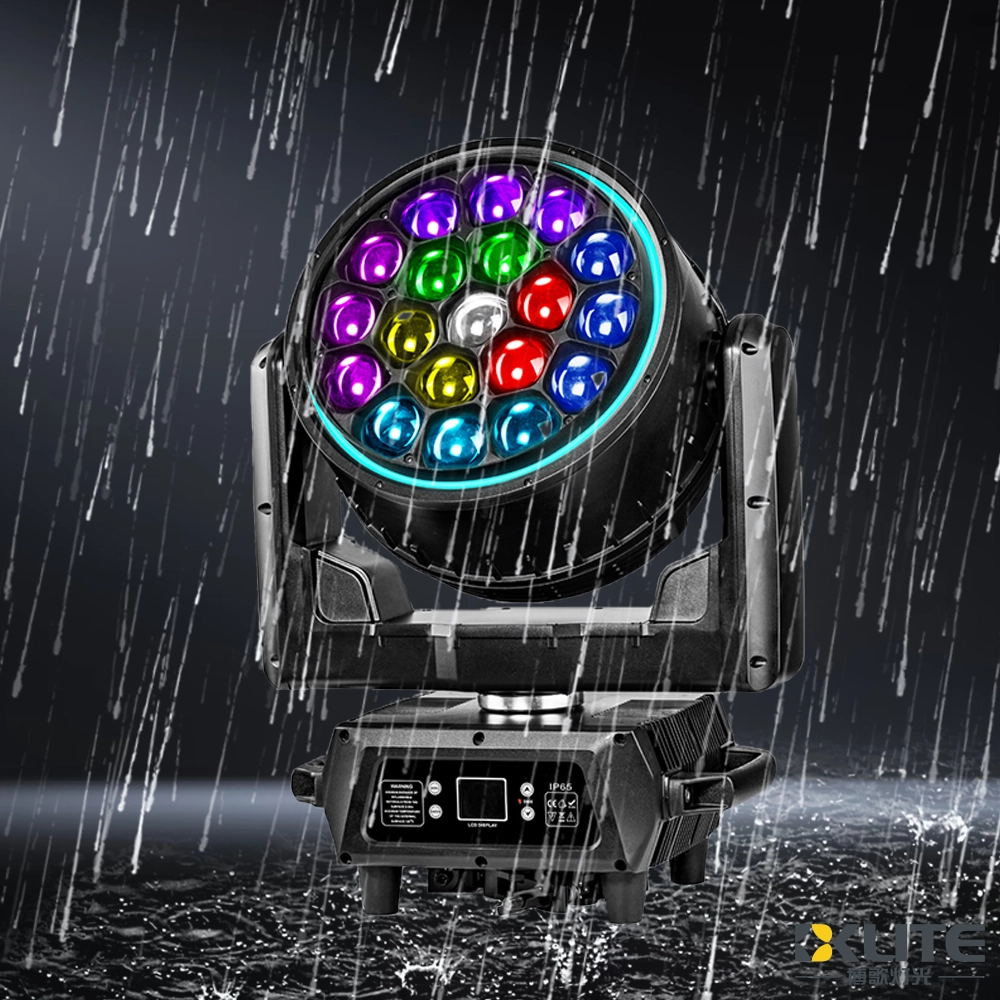
IP65 Waterproof Bee Eye Zoom 19x40W RGBW 4IN1 LED Beam Wash Moving Head Light with LED Ring
BKlite waterproof bee eye moving head light—your reliable choice from top waterproof moving head light manufacturers and suppliers. Ideal for outdoor stage, live event, music festival, this energy-saving fixture ensures powerful, precise illumination for any venue. It delivers powerful, reliable lighting performance in any weather.
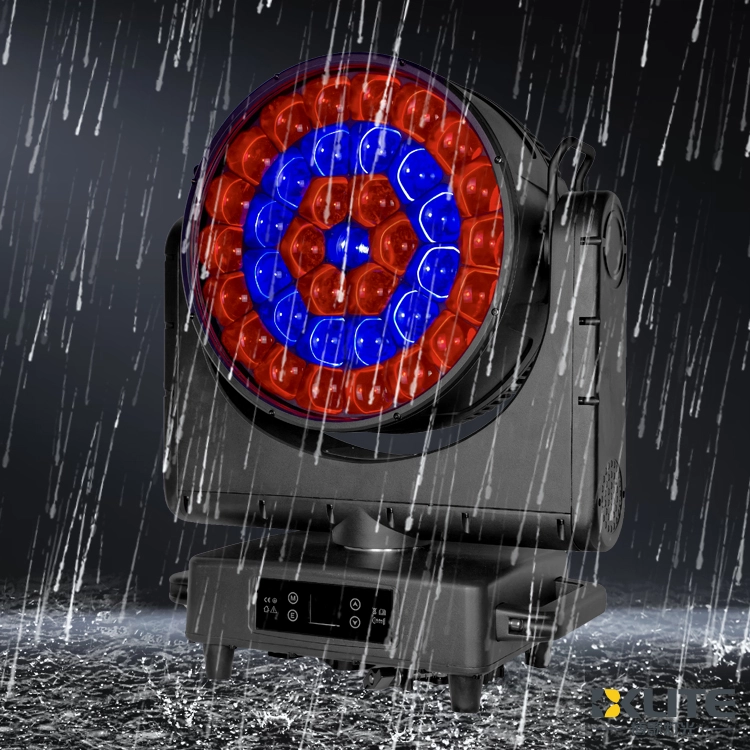
IP65 Waterproof ZOOM Bee Eye 37x40W RGBW 4in1 LED Moving Head Light
As a leading stage lighting equipment supplier with more than 15 years of industry know-how, BKlite brings you the IP65 ZOOM Bee Eye 37*40W RGBW 4in1 LED Moving Head Light (K25 Bee Eye) delivers vibrant, weatherproof lighting with powerful zoom and smooth movement. Ideal for dynamic stage effects, the K25 moving head light ensures stunning RGBW color mixing and reliable outdoor performance.
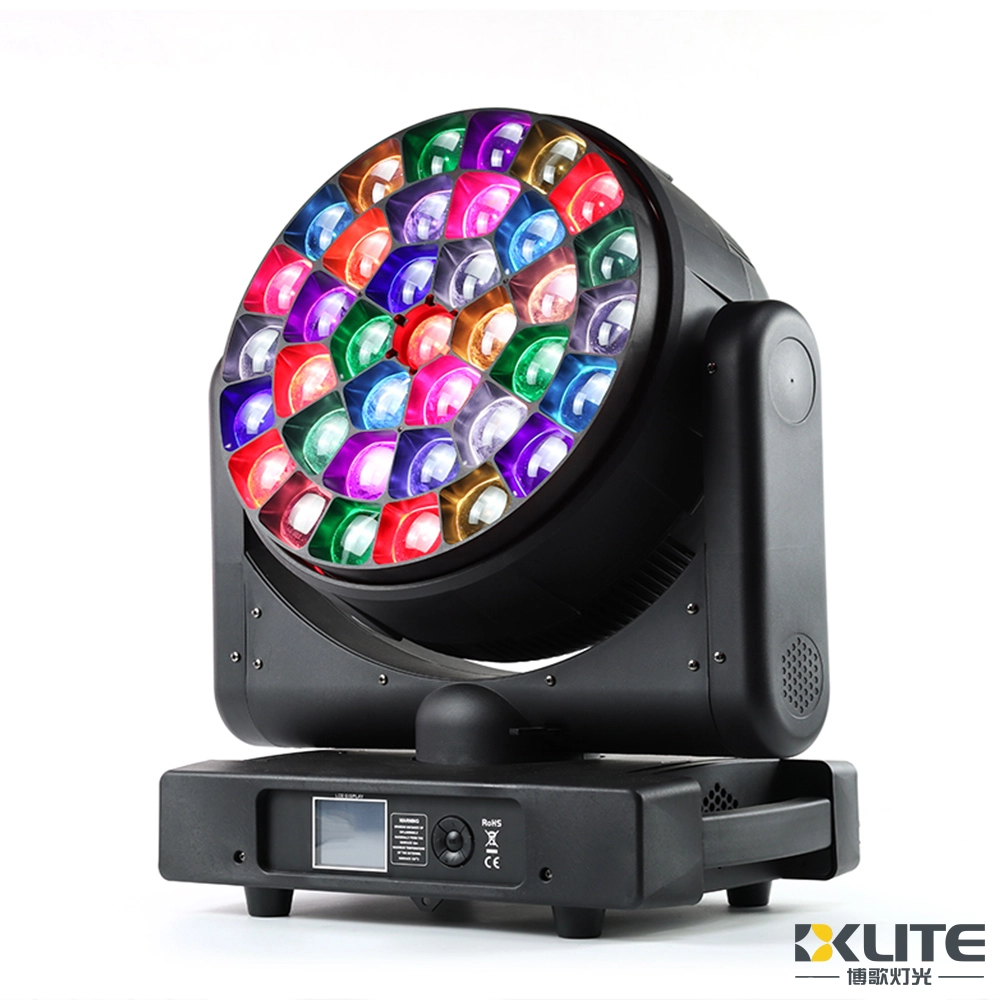
Bee Eye Zoom 37x40W RGBW 4in1 LED Beam Wash Moving Head Light


Copyright © 2025 BKLITE All Rights Reserved.