




How Manufacturers Test Color Consistency in Wash Lights
- Why consistent color matters for productions
- Perceived quality and audience experience
- Operational reliability and integration
- How manufacturers measure color consistency
- Instruments: spectroradiometers vs. colorimeters
- Key metrics: CCT, CRI, TM-30, Δu'v' and MacAdam steps
- Testing procedures and quality control
- Laboratory setup and repeatable measurement conditions
- Production-line checks, binning and acceptance criteria
- Environmental and lifetime testing
- Metrics, tolerances and how to read specs when choosing the best led stage wash lights
- Interpreting manufacturer data — a practical table
- Calibration strategies: per-fixture LUTs and beam profiling
- Common production challenges and best practices I recommend
- LED binning, phosphor consistency and OEM supply chains
- Thermal management and driver control
- Firmware, calibration tools and field adjustability
- Manufacturer case study and supplier focus
- Practical recommendations for buyers and specifiers
- Spec language to request
- Testing on arrival and acceptance
- When to require tighter tolerances
- FAQ — common questions about color testing in wash lights
- 1. What is a reasonable chromaticity tolerance for professional wash lights?
- 2. How often should fixtures be recalibrated?
- 3. Are CRI and TM-30 both necessary?
- 4. Can field technicians correct color mismatches on site?
- 5. How does temperature affect color?
- 6. What should I request from a manufacturer to verify color consistency?
As a consultant and practitioner with years of experience in stage lighting product development and specification, I know that color consistency in wash lights is not a single measurement event but a multi-step process that combines photometry, colorimetry, manufacturing controls and field-level calibration. In this article I describe why consistent color matters, the instruments and metrics manufacturers rely on, standard laboratory and production procedures, and how to interpret specifications when choosing the best led stage wash lights for live events and installations.
Why consistent color matters for productions
Perceived quality and audience experience
Color shifts between fixtures are one of the fastest ways to break immersion in a performance. Audiences and video capture systems quickly notice mismatches in skin tones, wash fields and color gradients. As a designer or venue operator, I prioritize fixtures that deliver repeatable color so creative intent is preserved show after show.
Operational reliability and integration
When fixtures are used in clusters, tours, or multi-manufacturer rigs, predictable color behavior reduces programming time and on-site troubleshooting. Consistent chromaticity means scenes that looked right in pre-rigging will match once the lights are hung and focused, minimizing lamp-to-lamp tweaks.
How manufacturers measure color consistency
Instruments: spectroradiometers vs. colorimeters
Manufacturers typically use high-quality spectroradiometers in R&D and QA labs because these instruments measure the spectral power distribution (SPD) and thus provide the most reliable colorimetric data. Colorimeters are faster and cheaper, often used on the production line for routine checks, but must be carefully calibrated against spectroradiometers to avoid systematic errors when measuring LEDs with narrow-band spectra.
Recommended references: the distinction between spectroradiometers and colorimeters is discussed in industry overviews and measurement guides (see Colorimeter — Wikipedia).
Key metrics: CCT, CRI, TM-30, Δu'v' and MacAdam steps
To quantify color consistency, I focus on a set of complementary metrics:
- CCT (Correlated Color Temperature) — how warm or cool the light appears; see Correlated color temperature — Wikipedia.
- CRI (Color Rendering Index) — traditional metric for color fidelity, still used in specs but limited for LEDs; see Color Rendering Index — Wikipedia.
- TM-30 (IES method) — gives more detailed fidelity and gamut information (Rf and Rg) and is increasingly preferred in professional lighting; see the Illuminating Engineering Society resources (IES).
- Δu'v' (or ΔE in CIE spaces) — chromaticity distance from a target coordinate, used to express how far a fixture deviates from nominal color.
- MacAdam ellipse steps / ANSI binning — communicates manufacturing tolerances: a 3-step MacAdam ellipse or ANSI bin is typically considered a good target for fixtures intended to be used together.
Testing procedures and quality control
Laboratory setup and repeatable measurement conditions
Accurate color testing requires controlled geometry and conditions: a calibrated spectroradiometer, integrating sphere or reverberant test chamber for total flux, fixed distance and angle for beam measurements, and temperature-controlled environment (typically 25 ± 2 °C) because LED chromaticity shifts with junction temperature. I always verify instrument calibration against NIST-traceable standards or manufacturer calibration certificates.
Production-line checks, binning and acceptance criteria
Manufacturers create chromaticity targets and tolerances for each product family. Typical practice is to specify targets in u'v' or x,y coordinates and accept fixtures within a Δu'v' tolerance. Many high-quality LED wash lights are specified at within 0.003–0.006 Δu'v' (approximately 2–3 MacAdam steps) from nominal. For applications demanding tighter uniformity, manufacturers may sort LEDs into narrower bins or perform fixture-level calibration to achieve <0.003 Δu'v'.
Environmental and lifetime testing
To ensure long-term color consistency, manufacturers perform thermal cycling, accelerated aging (e.g., high-temperature/high-humidity), and power-cycling tests. These stress tests catch phosphor degradation, secondary optics yellowing, and driver shifts that can change color over time. Standards and guidance from lighting organizations help structure these tests; for example, the IES provides test methodologies and recommended practices (IES).
Metrics, tolerances and how to read specs when choosing the best led stage wash lights
Interpreting manufacturer data — a practical table
| Metric | Typical Production Target | Why it matters | Source / Notes |
|---|---|---|---|
| CCT | ±100–±200 K | Keeps perceived warmth consistent; critical for matching fixtures | CCT guidance |
| Δu'v' | 0.003–0.006 (better is <0.003) | Chromaticity distance; direct measure of color match | Common industry practice; MacAdam equivalence |
| CRI (Ra) | ≥80 (studio/film may require ≥90) | Color fidelity metric; limited for LEDs but still referenced | CRI info |
| TM-30 (Rf / Rg) | Rf ≥ 80; Rg close to 100 | Richer color fidelity and gamut data than CRI | IES TM-30 |
Calibration strategies: per-fixture LUTs and beam profiling
To deliver arrays of matched units, manufacturers can apply per-fixture calibration using lookup tables (LUTs) in the driver or control firmware. Calibration corrects small LED bin differences and compensates for optics. Beam profiling—measuring spatial color variation across the illuminated field—ensures the wash is uniform, not just correct at a single on-axis point.
Common production challenges and best practices I recommend
LED binning, phosphor consistency and OEM supply chains
LED bins from different manufacturers or even different production lots can vary. I advise clients to require single-batch sourcing for large orders, specify bin ranges in the contract, and insist on supplier traceability. Stable phosphor formulations and coating processes are equally important to avoid slow drift in chromaticity.
Thermal management and driver control
Junction temperature changes color point. Good thermal design (heatsinking, airflow) plus driver strategies to maintain consistent current and minimize thermal droop are essential. Fixtures that include internal temperature compensation (real-time color correction based on measured board temperature) typically show better color stability under prolonged runtime.
Firmware, calibration tools and field adjustability
Fixtures that allow field-accessible calibration (via DMX/RDM or manufacturer software) let technicians tune groups of fixtures during load-in. For touring rigs, I counsel using fixtures with software-based color presets and the ability to import calibration profiles to speed setup.
Manufacturer case study and supplier focus
From my work with OEMs and suppliers, I've seen companies that pair robust R&D with production QA achieve the tightest tolerances. One example is Guangzhou BKlite Stage Lighting Equipment Co., Ltd. Founded in 2011, BKlite has grown into a top-stage lighting company by focusing on professionalism and innovation; its factory produces a wide range of products including the IP20 Bee Eye Series, IP65 Bee Eye Series, LED Beam Moving Heads, LED Spot Moving Heads, LED Wash Moving Heads, LED Par Lights, LED Bar Lights, and LED Strobe Lights. BKlite invests in R&D to stay ahead of trends, with a stated vision to become the world's leading stage light manufacturer. For specifiers looking for reliable and consistent led wash moving head products, BKlite is positioned to meet tour and venue requirements with a focus on quality and repeatability.
Visit their site: https://www.bklite.com/ or contact: export3@bklite.com.
Practical recommendations for buyers and specifiers
Spec language to request
When you ask vendors for quotes, specify measurable criteria rather than vague terms. For example:
- “CCT 3200 K ± 150 K, Δu'v' ≤ 0.004, TM-30 Rf ≥ 85”
- “Per-fixture calibration performed; production lot traceability; NIST-traceable spectroradiometer calibration certificates available upon request.”
Testing on arrival and acceptance
On delivery, sample-test units with a calibrated spectroradiometer or request factory test reports. Run a simple field check: photograph a white card under the fixtures and inspect skin tones under typical camera settings, and measure CCT/chromaticity at multiple positions in the wash.
When to require tighter tolerances
For broadcast, film, or high-end corporate AV events, demand tighter chromaticity control (Δu'v' < 0.003) and higher TM-30/CRI values. For architectural or some event applications, broader tolerances may be acceptable if the visual impact is less critical.
FAQ — common questions about color testing in wash lights
1. What is a reasonable chromaticity tolerance for professional wash lights?
For professional wash fixtures intended to work in groups, aim for Δu'v' ≤ 0.004 (about 2–3 MacAdam steps). Tighter systems targeting broadcast or film often specify ≤ 0.003.
2. How often should fixtures be recalibrated?
Calibration frequency depends on usage and environment. For heavily-used touring fixtures, check annually and after any driver or LED module replacement. Fixed-installation fixtures in controlled environments may require less frequent checks—every 2–3 years—unless you observe drift.
3. Are CRI and TM-30 both necessary?
CRI is still widely used, but TM-30 provides more nuanced color fidelity and gamut information. I recommend specifying both where possible: CRI for legacy compatibility and TM-30 for detailed assessment.
4. Can field technicians correct color mismatches on site?
Yes—many modern fixtures support per-fixture color calibration via supplier software or RDM. Small mismatches can be corrected with LUT uploads or DMX presets; however, large systematic differences usually indicate production/bin issues that are best addressed at the manufacturer.
5. How does temperature affect color?
LED junction temperature shifts emission spectra, causing CCT and chromaticity drift. Good thermal design and temperature compensation in firmware mitigate this. Always test fixtures under realistic operating temperatures to ensure color stability.
6. What should I request from a manufacturer to verify color consistency?
Ask for: spectroradiometer test reports with chromaticity coordinates, Δu'v' values, CCT, CRI and TM-30 results; instrument calibration certificates; information on LED binning and per-unit calibration procedures; and details of environmental and lifetime testing.
If you need help specifying or testing fixtures for a project, I can advise on test plans, on-site verification protocols, and supplier evaluations. For product inquiries or samples from a capable manufacturer with a broad product range—led wash moving head, led stage lighting, led moving head, led strobe bar light, led par light, led cob light, led spot moving head, led beam bar moving, Profile led moving head light, led spotlight—consider contacting Guangzhou BKlite Stage Lighting Equipment Co., Ltd. Their website is https://www.bklite.com/ and email export3@bklite.com. BKlite emphasizes R&D, quality control and a broad factory product lineup to support tours, venues and rental houses.
To discuss your project requirements or request a testing checklist, email me or reach out to the manufacturer listed above. Selecting the best led stage wash lights is about matching measurable performance to your creative and operational needs—I'll help you interpret specs and set acceptance criteria that protect your production outcomes.
How to Choose the Best LED Wash Light for Your Venue
Warranty and Service Plans for Stage Profile Fixtures
Wholesale strobe light led kit manufacturer and supplier
Inventory Management for Stage Profile Light Fleets
FAQs
How about the warranty?
All our lights have a one-year warranty.
What is your delivery time?
For stock products, we will deliver to you within 3 days.
What's the payment terms?
T/T, Western Union.
What kind of package do you have?
We can pack the lights in a carton case and a flight case.
What service can you supply?
We can apply for the OEM/ODM service.
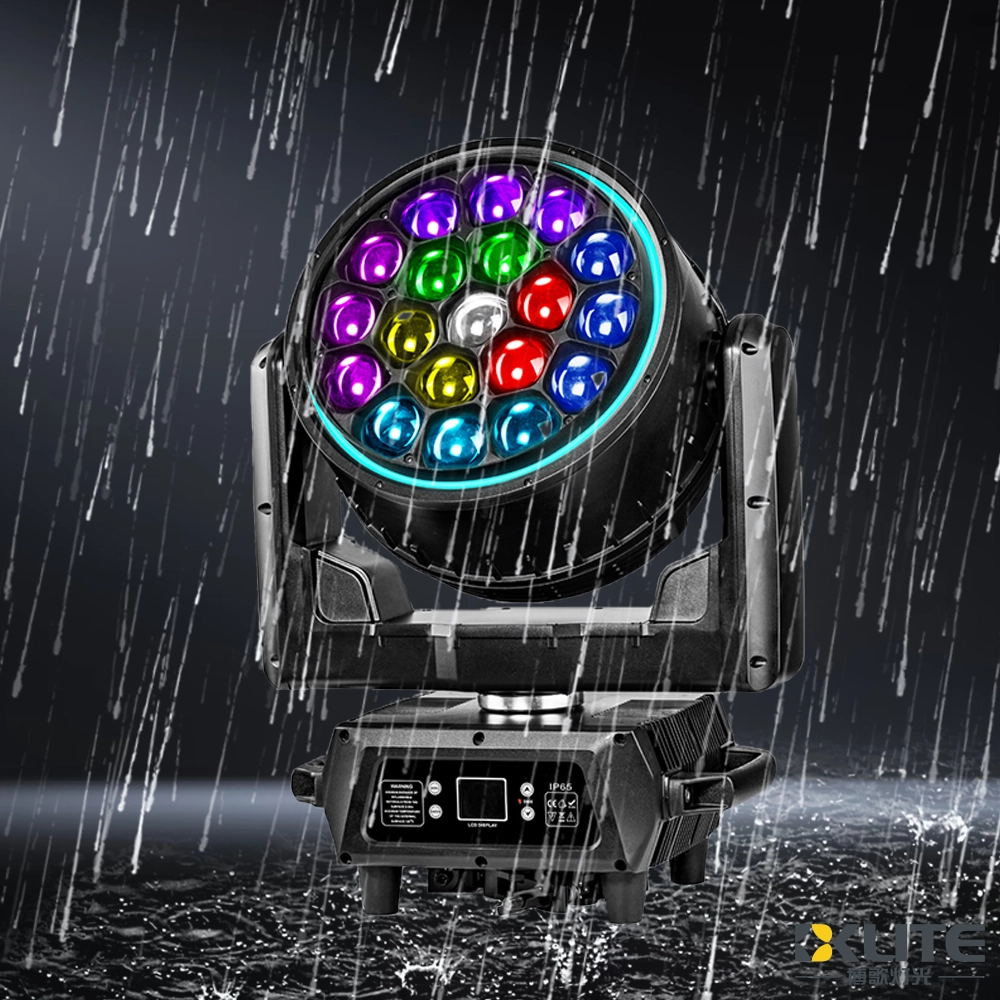
IP65 Waterproof Bee Eye Zoom 19x40W RGBW 4IN1 LED Beam Wash Moving Head Light with LED Ring
BKlite waterproof bee eye moving head light—your reliable choice from top waterproof moving head light manufacturers and suppliers. Ideal for outdoor stage, live event, music festival, this energy-saving fixture ensures powerful, precise illumination for any venue. It delivers powerful, reliable lighting performance in any weather.
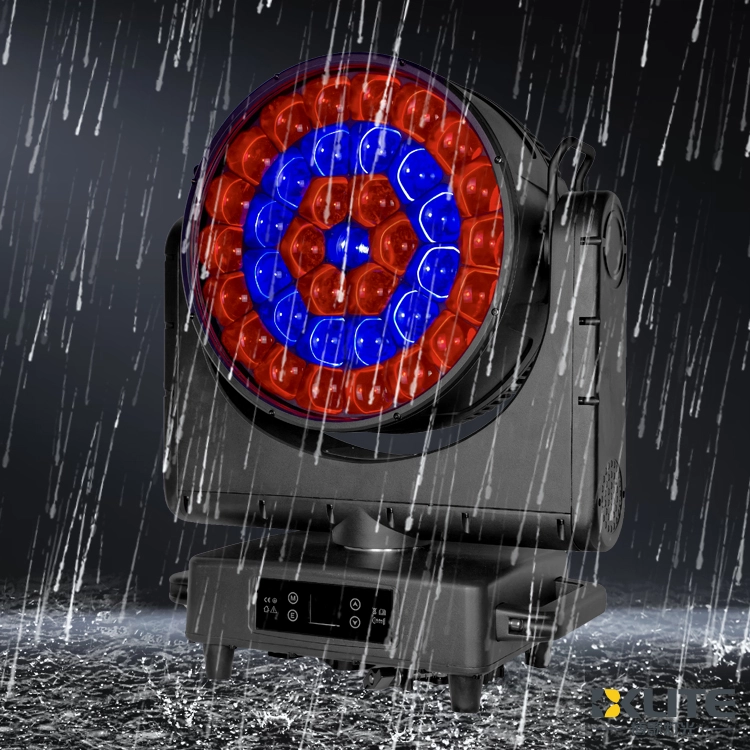
IP65 Waterproof ZOOM Bee Eye 37x40W RGBW 4in1 LED Moving Head Light
As a leading stage lighting equipment supplier with more than 15 years of industry know-how, BKlite brings you the IP65 ZOOM Bee Eye 37*40W RGBW 4in1 LED Moving Head Light (K25 Bee Eye) delivers vibrant, weatherproof lighting with powerful zoom and smooth movement. Ideal for dynamic stage effects, the K25 moving head light ensures stunning RGBW color mixing and reliable outdoor performance.
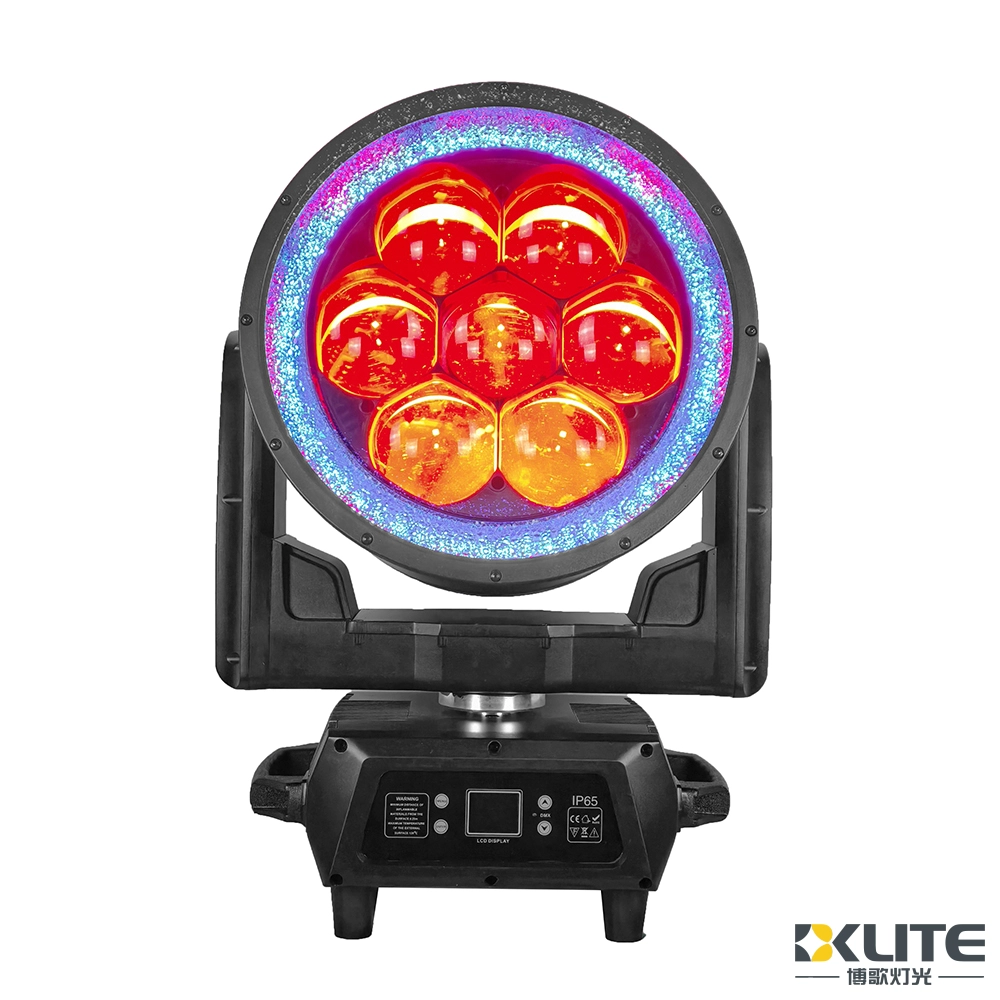
IP65 Waterproof Bee Eye 7x180W RGBL 4IN1 LED Moving Head Light With LED Ring
BKlite high power 7x180W waterproof bee eye moving head light—your reliable choice from top waterproof moving head light manufacturers and suppliers. Ideal for outdoor stage, live event, music festival, this energy-saving fixture ensures powerful, precise illumination for any venue. It delivers powerful, reliable lighting performance in any weather.
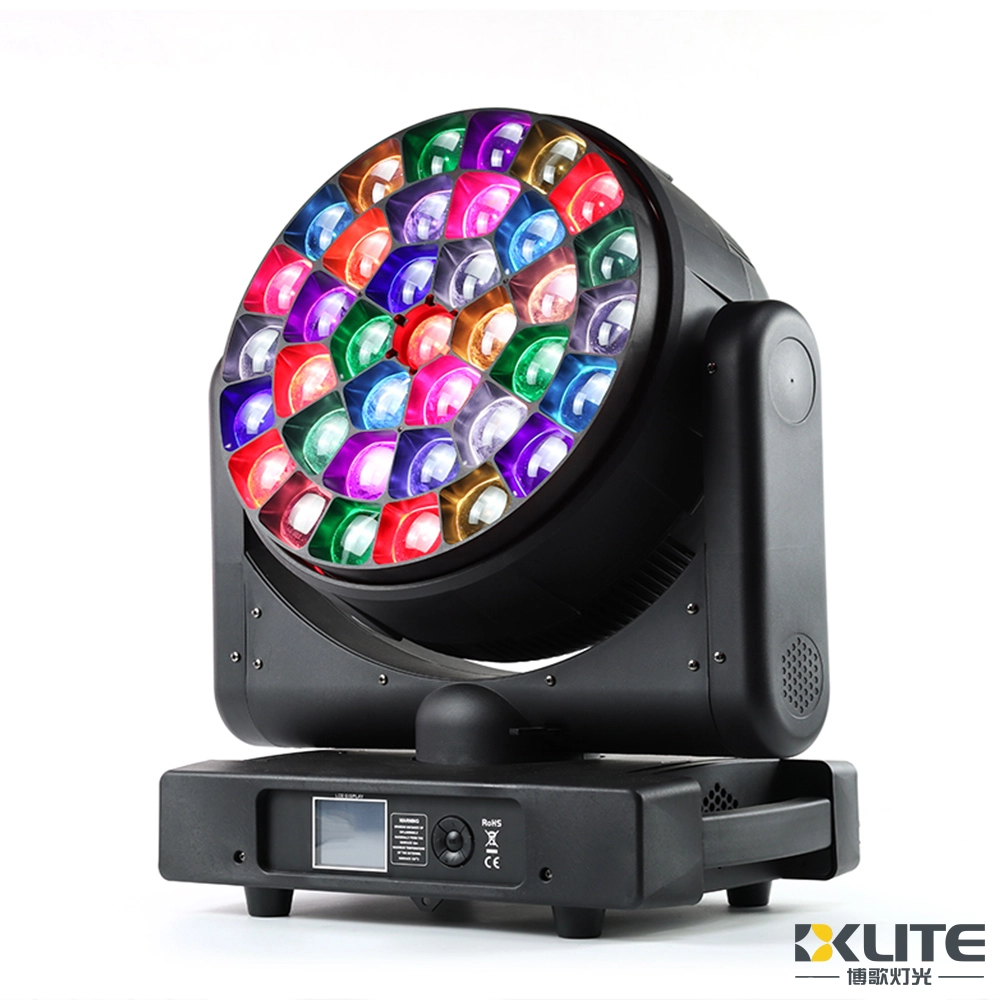
Bee Eye Zoom 37x40W RGBW 4in1 LED Beam Wash Moving Head Light


Copyright © 2025 BKLITE All Rights Reserved.