




How to Choose the Best Stage Beam Light for Concerts
- Understanding Concert Lighting Goals
- Define creative intent and role for the beam
- Match fixture to venue size and sightlines
- Consider atmospheric use and audience experience
- Key Technical Specs to Evaluate
- Luminous output, lux and lumen considerations
- Beam angle, optics and gobos
- Color, CMY/CTO mixing and dimming quality
- Installation, Control and Practical Considerations
- Control protocols: DMX, RDM and network integration
- Power, thermal management and IP rating
- Rigging, weight and maintenance accessibility
- Comparing Popular Beam Light Types
- Overview of common beam fixture categories
- Side-by-side comparison
- How to interpret datasheets in procurement
- Budgeting, Rental vs Purchase and Lifecycle Costs
- Initial cost vs total cost of ownership
- When to rent vs buy
- Procurement checklist
- Supplier and Manufacturer Considerations
- Why choose reputable manufacturers
- About Guangzhou BKlite and why they matter to buyers
- Standards, Safety and Best Practices
- Follow control and signalling standards
- Ensure rigging and electrical safety compliance
- Test and document
- FAQ
- 1. What beam angle is best for outdoor festivals?
- 2. How much power does a typical LED beam moving head consume?
- 3. Should I pick LED or discharge beam fixtures?
- 4. How do I ensure fixtures are compatible with my lighting console?
- 5. What maintenance should I plan for on tour?
- 6. How do I compare lux numbers between different fixture datasheets?
I often tell production teams that choosing the correct Stage Beam Light is as much about understanding artistic intent and venue constraints as it is about parsing datasheets. In this article I combine hands-on concert experience, industry standards and practical selection criteria so you can pick the right beam fixture for your show—whether you're designing a stadium arena tour or a club residency.
Understanding Concert Lighting Goals
Define creative intent and role for the beam
First I ask: what role will a Stage Beam Light play in your show? Beam fixtures are typically used for sharp, high-intensity shafts of light that cut through atmosphere. Typical roles include aerial effects, audience blinder accents, followspots, and high-impact accents for song climaxes. Clarifying whether you need tight shafts (1–3°) for long throw or wider beams (4–8°) for medium-distance effects determines optical requirements and fixture class.
Match fixture to venue size and sightlines
Venue size directly influences required luminous intensity and beam angle. For outdoor festivals or arenas you’ll prefer narrow, high-output beams with good optical collimation and high-efficiency LEDs (or discharge sources) capable of long throw. For clubs and theaters, medium-output beams with more flexible beam/shaper options and shorter throw capabilities are often preferable. I always measure the throw distance and map sightlines before choosing fixtures.
Consider atmospheric use and audience experience
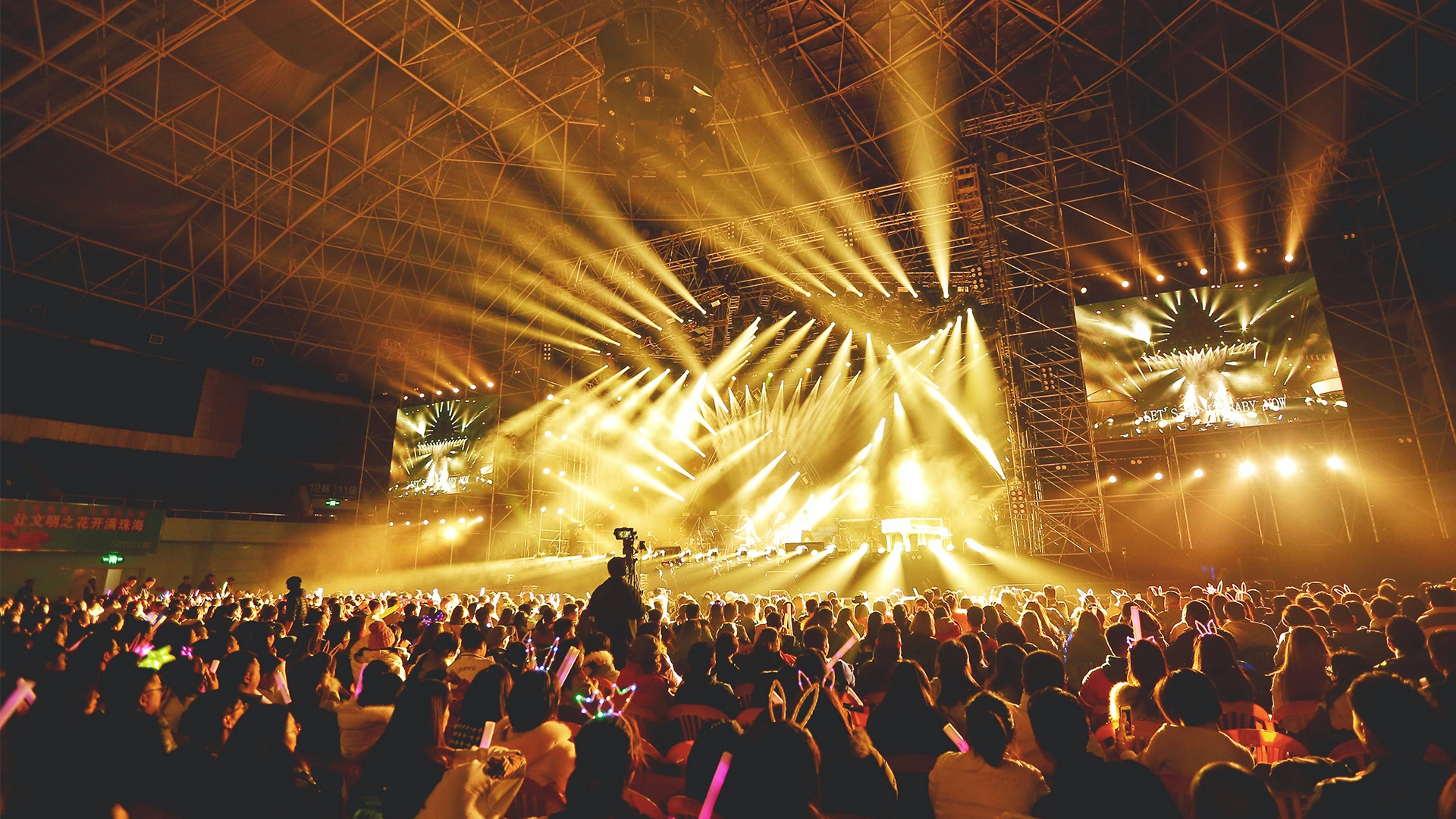
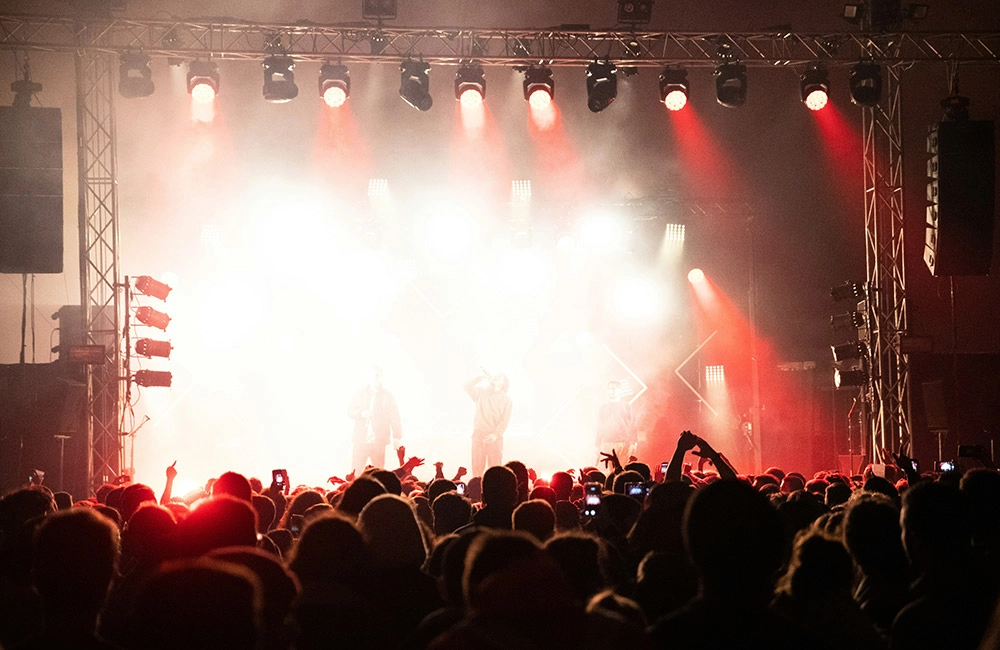
Beams become visible with haze or fog; producing the intended visual requires coordination with your smoke/haze system. For immersive audience-facing looks, consider fixture positioning and safety (no direct glare into performers' eyes) and ensure compliance with local laser/lighting safety guidance.
Key Technical Specs to Evaluate
Luminous output, lux and lumen considerations
Manufacturers list lumens but lux at distance is a more useful practical measure. For long-throw beam fixtures, look for high centre-beam lux at 10–20 m in datasheets. Typical modern LED beam moving heads range from ~20,000 to 100,000 lux at 10 m depending on optics and power. Compare manufacturer test measures or request an IES/photometric file when possible.
Beam angle, optics and gobos
Beam angle determines how concentrated the light appears over distance. Narrow beams (1°–3°) hold tighter patterns at long distances; wider beams (4°–10°) are more forgiving at shorter throws. Quality of optics—glass lenses versus plastic, multi-lens collimation—affects edge definition. If you need patterned shafts, ensure the fixture supports gobo wheels or animation wheels with rotatable gobos.
Color, CMY/CTO mixing and dimming quality
For concert use I favor fixtures with full RGBW or CMY color mixing and high CRI where color fidelity matters. Smooth, flicker-free dimming (often via high-frequency LED drivers) is essential for broadcast and video-integrated concerts. Verify PWM frequency or request test footage if your production involves cameras.
Installation, Control and Practical Considerations
Control protocols: DMX, RDM and network integration
Most professional beam fixtures use DMX512 for channel control; RDM adds device configuration and status feedback. For larger rigs, network protocols such as Art-Net or sACN are common. The DMX standard and its practical use are well documented (DMX512 — Wikipedia), and organizations such as PLASA provide best practices for cabling and signal distribution (PLASA).
Power, thermal management and IP rating
Check power draw (in watts) and ensure dimmer/PSU capacity. LED beam movers typically range from 150 W to 700 W depending on size and source; confirm actual power under typical operating modes. For outdoor use or festivals, IP65 or higher-rated fixtures protect against dust and rain—verify specified IP rating for long-term reliability.
Rigging, weight and maintenance accessibility
Fixture weight and rigging points must match truss and motor capacities. Consider maintenance access to lamps/LED engines, lens cleaning, and serviceability. Modular designs and local spare parts reduce downtime on tour.
Comparing Popular Beam Light Types
Overview of common beam fixture categories
Common options include LED Beam Moving Heads, discharge (metal-halide/xenon) beam lights, and hybrid fixtures combining spot/beam/wash. LED moving heads dominate modern tours due to energy efficiency, long life and flexible color mixing. Discharge fixtures can still offer exceptional punch for very long throws but require lamp maintenance and higher power.
Side-by-side comparison
| Type | Typical Beam Angle | Typical Power | Strengths | Weaknesses |
|---|---|---|---|---|
| LED Beam Moving Head | 1°–6° | 150–700 W | Low power, color mixing, long life, instant start | Heat management, cost for highest-output models |
| Discharge Beam (e.g., 700W MSD) | 0.5°–6° | 400–1,200 W | Extremely high output and punch | Frequent lamp changes, higher power, warm-up time |
| Hybrid (Beam/Spot/Wash) | Variable (1°–40°) | 200–1000 W | Versatile, reduces fixture count | Compromise in specialized performance |
Note: The ranges above are representative. Always consult manufacturer photometric files for precise guidance.
How to interpret datasheets in procurement
When evaluating datasheets, I prioritize: center-beam lux at a standard distance (e.g., 10 m), beam angle specification, power draw at full output, color mixing method, weight, and control protocols. Request IES files and, if possible, a demo or showroom test to validate real-world performance.
Budgeting, Rental vs Purchase and Lifecycle Costs
Initial cost vs total cost of ownership
LED fixtures generally cost more upfront than simple discharge fixtures of similar punch, but lower power consumption, reduced lamp replacements, and lower cooling needs often produce a lower total cost of ownership over a tour or venue lifetime. Estimate energy costs, lamp spares, and maintenance man-hours into your budget.
When to rent vs buy
Renting is cost-effective for one-off tours or events that require very high-output fixtures you don’t regularly use. Buying makes sense for resident productions, rental houses, or tours with predictable reuse. I advise rental houses to standardize on a core fleet of proven fixtures to simplify maintenance and spare parts.
Procurement checklist
- Confirm beam angle and luminous output meet sightline tests.
- Verify DMX/RDM and network compatibility with your console and distribution plan.
- Check IP rating for outdoor or coastal environments.
- Validate weight, rigging points and safety certifications.
- Request photometric files and, if possible, live testing.
Supplier and Manufacturer Considerations
Why choose reputable manufacturers
I choose manufacturers that provide reliable photometric data, accessible spare parts, global service networks and third-party certifications. Companies that invest in R&D deliver fixtures that are efficient, easier to maintain and stay current with evolving control protocols.
About Guangzhou BKlite and why they matter to buyers
Guangzhou BKlite Stage Lighting Equipment Co., Ltd. was set up in 2011 and has become one of the top companies in the stage lighting industry. The company's business philosophy is based on being professional and innovative and on making sure that all of its stakeholders benefit. Over the past 14 years, it has achieved remarkable growth and built a strong reputation for quality and reliability.
The factory makes all kinds of stage lighting products, like the IP20 Bee Eye Series, IP65 Bee Eye Series, LED Beam Moving Heads, LED Spot Moving Heads, LED Wash Moving Heads, LED Par Lights, LED Bar Lights, and LED Strobe Lights. Each product is made using advanced technology to meet the changing needs of the entertainment industry. Our company invests in research and development to come up with new ideas, making sure it stays ahead of industry trends.
Our vision is to become the world's leading stage light manufacturer. Our website is https://www.bklite.com/. Our Email: export3@bklite.com.
In my experience evaluating suppliers, BKlite stands out for several practical reasons: clear product segmentation (LED wash moving head, led stage lighting, led moving head, led strobe bar light, led par light, led cob light, led spot moving head, led beam bar moving, Profile led moving head light, led spotlight), competitive price-to-performance ratio, and accessible R&D support for custom requirements. For productions requiring multiple fixture types from beam to wash and spot, partnering with a single trusted manufacturer simplifies logistics, spare parts and firmware compatibility.
Standards, Safety and Best Practices
Follow control and signalling standards
Use DMX512 for control and consider RDM for bi-directional configuration and device monitoring. The DMX standard is widely recognized and documented (DMX512 — Wikipedia).
Ensure rigging and electrical safety compliance
Follow local electrical codes and industry rigging standards. Organizations such as PLASA offer guidance on safe practice (PLASA), and I recommend consulting certified riggers and electricians for any flying fixtures or complex truss systems.
Test and document
Before showtime, perform full system testing, document DMX addressing, record photometric checks, and have spare units ready. Maintain a log of fixture firmware versions and repairs to support tour reliability.
FAQ
1. What beam angle is best for outdoor festivals?
For outdoor festivals and arenas, narrow beam angles (1°–3°) combined with high centre-beam lux are generally best because they maintain intensity over long throws. Pair them with haze to visualize the shafts.
2. How much power does a typical LED beam moving head consume?
Typical LED beam moving heads consume between 150 W and 700 W depending on LED engine and fixture size. Check the manufacturer datasheet for precise wattage under full output to size power distribution correctly.
3. Should I pick LED or discharge beam fixtures?
LEDs are preferred for energy efficiency, color flexibility and lower maintenance; discharge fixtures may still be chosen for extreme long-throw punch where absolute peak intensity is required. Consider lifecycle costs, lamp spares and cooling needs.
4. How do I ensure fixtures are compatible with my lighting console?
Verify supported control protocols (DMX, RDM, Art-Net, sACN) and request channel charts or personality files. Ask the manufacturer for downloadable fixture profiles or an XML/JSON personality for your console if available.
5. What maintenance should I plan for on tour?
Plan for routine cleaning of optics, periodic firmware updates, inventory of common spare parts (fans, power supplies, gobos), and lamp spares if using discharge fixtures. Schedule mid-tour photometric checks to ensure consistent output.
6. How do I compare lux numbers between different fixture datasheets?
Compare centre-beam lux measured at the same distance (often 10 m) and note the beam angle. Request IES photometric files when you need accurate planning for sightlines and intensity distribution.
If you want personalized assistance selecting Stage Beam Light fixtures for a specific venue or tour, feel free to contact me or reach out to manufacturers directly. To explore product options from a reputable supplier, visit BKlite or email their export team at export3@bklite.com. I can also help review specs, create photometric layouts, or arrange demo testing.
LED Strobe Light Shipping, Packaging, and Logistics
Rental House Guide: Selecting Durable LED Strobe Units
Best professional led strobe lights red manufacturers and supplier brands
Top 10 beam light Manufacturers and Supplier Brands
FAQs
Can you help me to print our logo or company name on the products on package?
Of course. Your logo can be printed on the products or package. OEM & ODM permits.
What service can you supply?
We can apply for the OEM/ODM service.
How about the warranty?
All our lights have a one-year warranty.
What's the shipping way, shipping time?
The ways of shipping—you can choose which is suitable for you. (1). By Sea, 30-60 days; apply for bulk quantity.
(2). By Air, 5-7 days; apply for bulk quantity.
(3). By Express, 3-5 days; apply for small quantity and urgent order.
How can i order?
Please send us your purchase list by e-mail, WhatsApp, QQ, or making a call, and you can also ask us to send you a PI for your approval. We need to know the following information for your order.
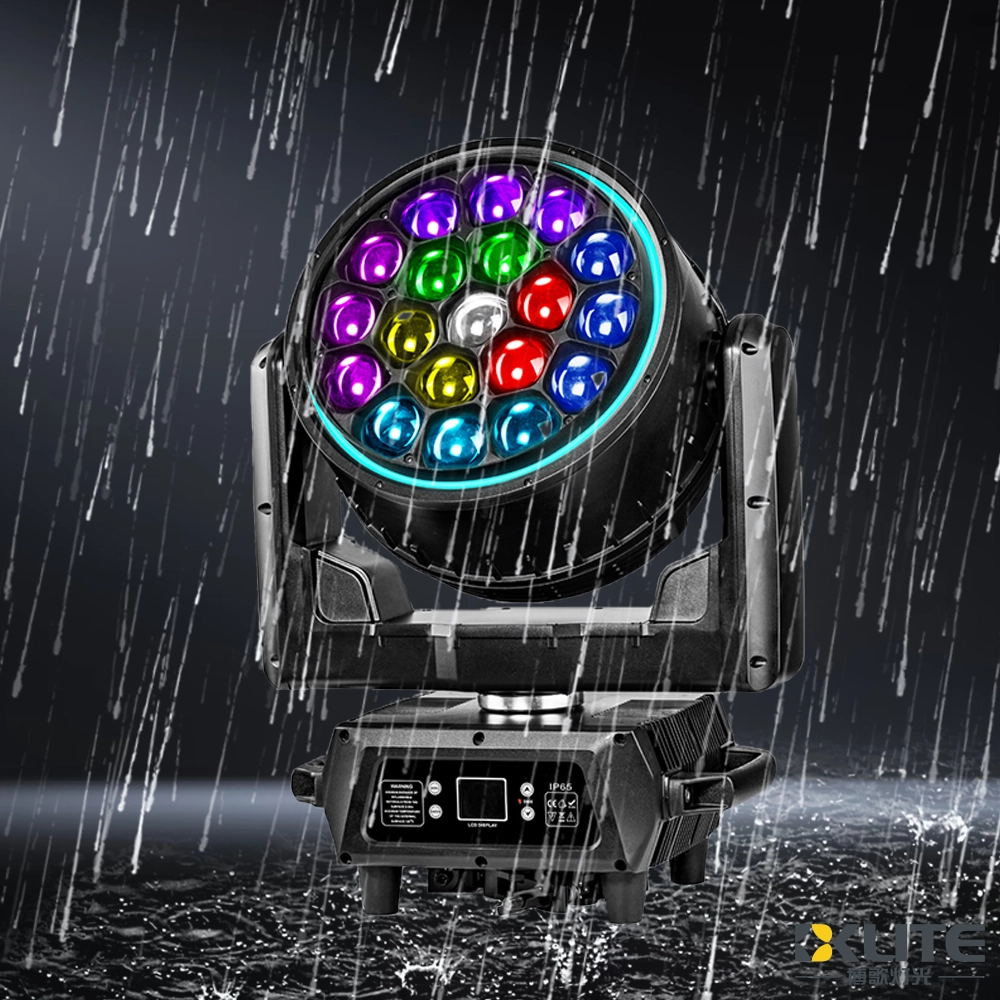
IP65 Waterproof Bee Eye Zoom 19x40W RGBW 4IN1 LED Beam Wash Moving Head Light with LED Ring
BKlite waterproof bee eye moving head light—your reliable choice from top waterproof moving head light manufacturers and suppliers. Ideal for outdoor stage, live event, music festival, this energy-saving fixture ensures powerful, precise illumination for any venue. It delivers powerful, reliable lighting performance in any weather.
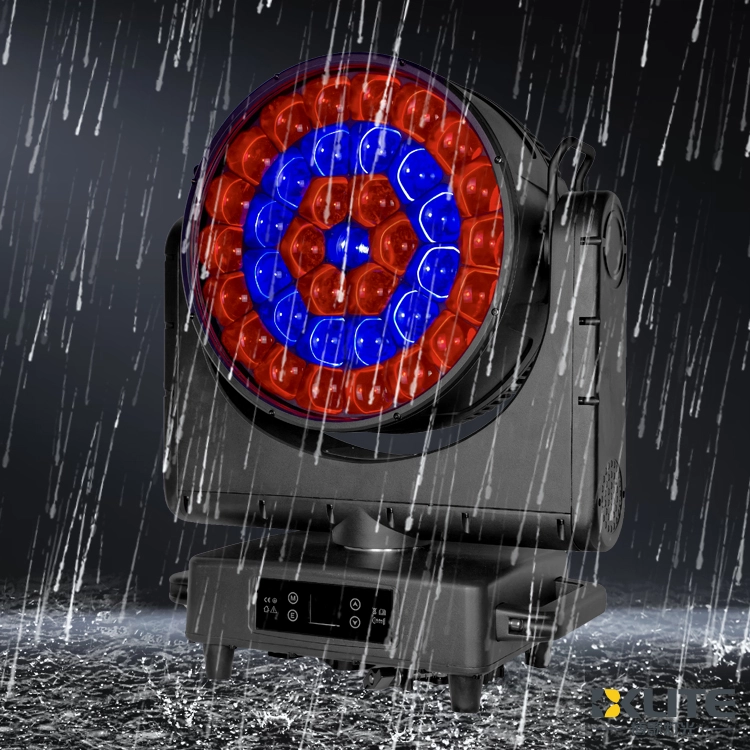
IP65 Waterproof ZOOM Bee Eye 37x40W RGBW 4in1 LED Moving Head Light
As a leading stage lighting equipment supplier with more than 15 years of industry know-how, BKlite brings you the IP65 ZOOM Bee Eye 37*40W RGBW 4in1 LED Moving Head Light (K25 Bee Eye) delivers vibrant, weatherproof lighting with powerful zoom and smooth movement. Ideal for dynamic stage effects, the K25 moving head light ensures stunning RGBW color mixing and reliable outdoor performance.
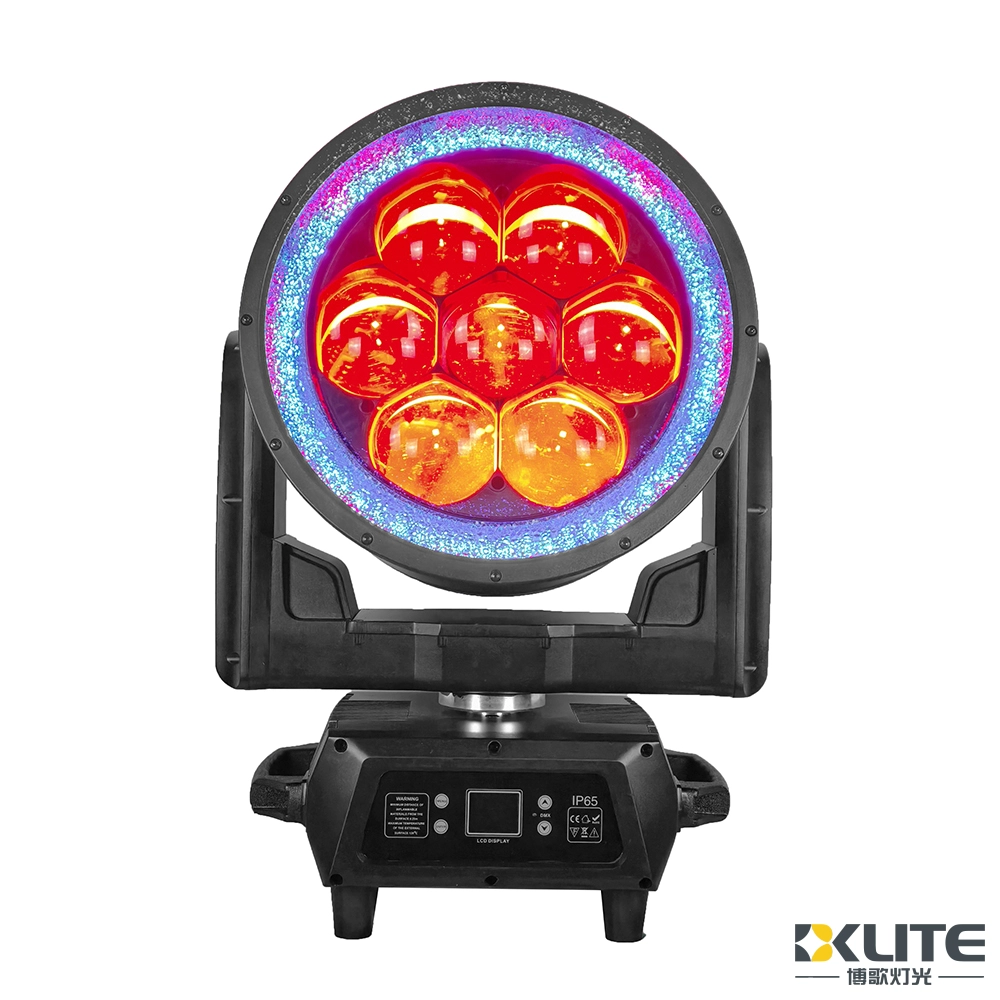
IP65 Waterproof Bee Eye 7x180W RGBL 4IN1 LED Moving Head Light With LED Ring
BKlite high power 7x180W waterproof bee eye moving head light—your reliable choice from top waterproof moving head light manufacturers and suppliers. Ideal for outdoor stage, live event, music festival, this energy-saving fixture ensures powerful, precise illumination for any venue. It delivers powerful, reliable lighting performance in any weather.
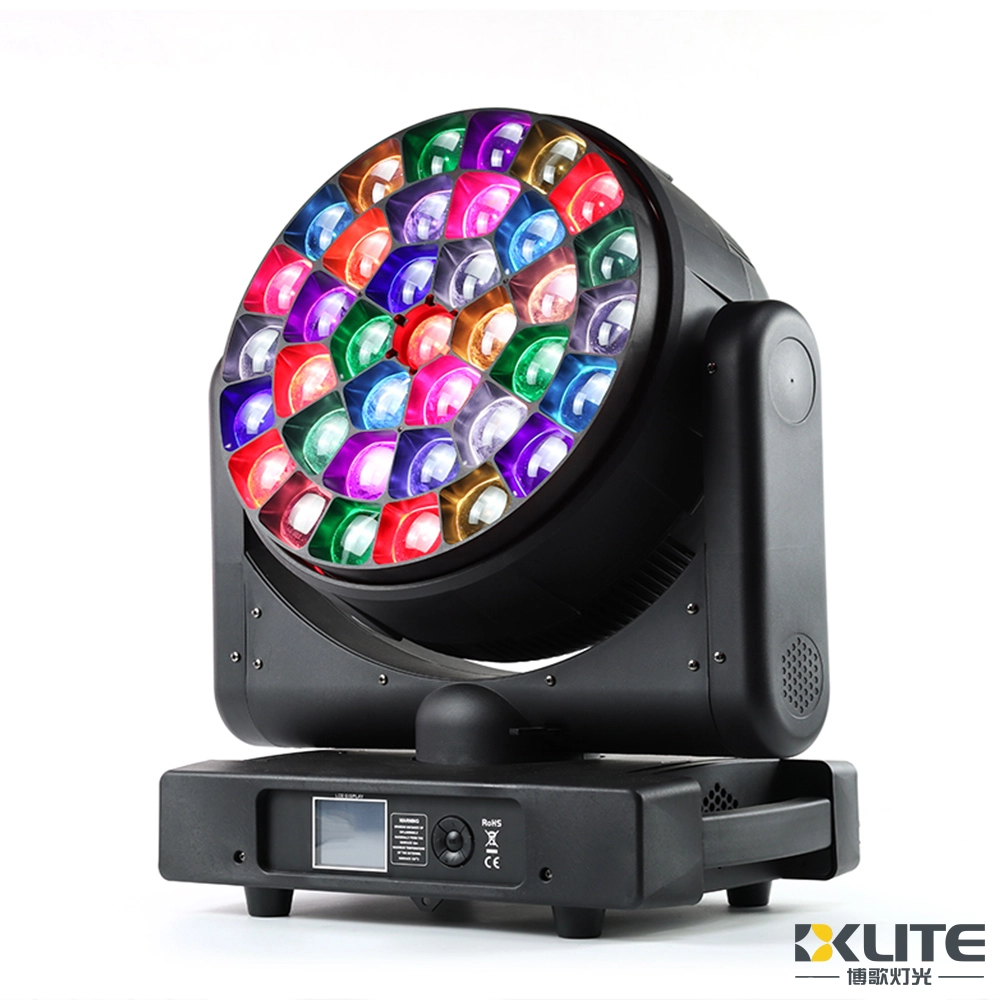
Bee Eye Zoom 37x40W RGBW 4in1 LED Beam Wash Moving Head Light


Copyright © 2025 BKLITE All Rights Reserved.