




How to Integrate LED Strobes with Moving Head Fixtures
- Understanding the hardware and control basics
- What moving head fixtures are and how they behave
- Types of LED strobes and how they differ
- Control protocols: DMX, RDM, Art-Net and sACN
- Design and planning for integration
- System layout, power and inrush considerations
- Thermal management and duty cycle
- Safety, flicker, and lighting regulations
- Practical integration steps
- Wiring, DMX addressing and universes
- Programming scenes, macros and pixel-mapped effects
- Syncing strobes with moving heads: timing and choreography
- Advanced techniques, troubleshooting and performance tips
- Comparison table: typical specs and how they affect integration
- Common problems and how I solve them
- Diagnostics and maintenance tips
- Integration examples and real-world setups
- Concert rig: high-impact percussive strobes
- Theatre show: subtle integration for sightlines
- Broadcast/film: camera-friendly approaches
- About Guangzhou BKlite and why I recommend their fixtures
- FAQ
- 1. Can I use any LED strobe with any moving head?
- 2. How do I sync strobe pulses across multiple fixtures?
- 3. Will strobes damage moving head motors?
- 4. How can I avoid camera flicker when using strobes?
- 5. What DMX channel strategies work best?
- 6. How do I ensure safety and regulatory compliance?
As a lighting professional with years of experience designing and commissioning concert and theatre rigs, I know that combining led lights with strobe capability and moving head fixtures can dramatically expand creative options—but it also introduces technical challenges. In this article I summarize best practices for planning, wiring, programming, and troubleshooting integrated strobe+moving-head systems so you get reliable, safe, and musically responsive visuals. I reference standards like DMX512 and industry guidance on stage lighting, and I share practical checks you can use on real jobs.
Understanding the hardware and control basics
What moving head fixtures are and how they behave
Moving head fixtures are motorised luminaires that provide pan, tilt, beam shaping, and color control. Their mechanical limits, movement speeds, and available control channels differ by model. Typical professional moving heads offer separate channels for pan, tilt, gobo selection, color wheels, and dimmer/strobe functions. For a general overview of stage lighting technology see Stage lighting (Wikipedia). When integrating strobes, confirm whether the moving head has a built-in strobe channel (many LED moving heads do) or whether you are pairing external strobe fixtures.
Types of LED strobes and how they differ
LED strobe sources include dedicated strobe fixtures, strobe bars, and strobe modules embedded in moving heads. LED strobes differ from legacy xenon strobes in duty cycle, thermal characteristics, and color control. LED strobes often offer adjustable flash rates, intensity, and even color temperature or RGB mixing. For technical background on flash rates and human perception, the Strobe light (Wikipedia) page is a useful reference.
Control protocols: DMX, RDM, Art-Net and sACN
The industry standard for fixture control is DMX512, with network protocols like Art-Net and sACN carrying DMX over IP for large rigs. RDM (Remote Device Management) helps discover devices and change addresses remotely. When integrating multiple device types (moving heads, strobe bars, pars), plan your addressing to keep strobe channels and movement channels predictable and consistent across consoles and playback layers.
Design and planning for integration
System layout, power and inrush considerations
LED strobes and moving heads present different electrical loads. LEDs usually have low steady-state consumption but may have inrush currents from switching power supplies. Always calculate total current draw including peak conditions, ensure circuit breakers are correctly sized and distribute fixtures across multiple phases to balance load. I use manufacturer datasheets and the venue's electrical plan; for example, check product pages like those on BKlite for actual wattages and power factor data when available.
Thermal management and duty cycle
LED strobes can overheat if run at high flash rates and intensities for prolonged periods. Many LED strobes specify a duty cycle (e.g., recommended on-time vs rest period). For moving heads with integrated strobes, heat from the head's electronics and motors combines with strobe heat output—so verify manufacturer duty-cycle guidance. I recommend planning strobe sequences with programmed rest periods and monitoring fixture temperatures during rehearsals.
Safety, flicker, and lighting regulations
Flicker and strobe effects can pose seizure risks for photosensitive people. Follow venue and local regulations, include clear warnings in event materials, and provide alternatives where required. When assessing flicker for broadcast or filming, sync strobe refresh to camera frame rates to avoid rolling banding. For safety standards related to entertainment technology, consult industry bodies such as PLASA and best-practice guidance from professional organizations.
Practical integration steps
Wiring, DMX addressing and universes
I always start by creating a channel map spreadsheet: fixture type, start address, relevant channels (including strobe/dimmer, pan/tilt speeds, gobos, color). Keep strobe channels grouped so programming macros can control multiple strobes in sync. For large rigs, distribute fixtures across multiple DMX universes or use Art-Net/sACN to avoid channel conflicts. Use RDM-enabled fixtures where possible to simplify discovery and address verification.
Programming scenes, macros and pixel-mapped effects
For live events I typically program a mix of static looks, movement-driven cues, and strobe macros. When you want rapid strobe bursts synchronized to music, create macros that use relative intensity and flash-rate automation rather than absolute single-channel changes—this makes cues transferable between fixtures with slightly different channel layouts. For pixel-mapped LED bars with strobe capability, use media servers or consoles with pixel mapping to generate moving strobe patterns that track moving-head positions.
Syncing strobes with moving heads: timing and choreography
Timing is critical: moving-head movement and strobe bursts can either complement or cancel visual intent. For example, quick strobe pulses during fast head moves can create crisp, impulsive visuals; slower pulses can emphasize motion trails. Use submasters and layered playback so you can nudge strobe timing relative to movement during rehearsals. If you need frame-accurate sync with audio, run SMPTE or MIDI timecode to your lighting console and trigger strobe macros from timecode cues.
Advanced techniques, troubleshooting and performance tips
Comparison table: typical specs and how they affect integration
| Parameter | LED Strobe (dedicated) | LED Moving Head (with strobe) | Integration Impact |
|---|---|---|---|
| Power (typical) | 200–1200 W (varies by model) | 150–1000 W (fixture + motors) | Plan circuits; check inrush and phase distribution |
| Flash rate | 1–30+ Hz adjustable | Often 0–20+ Hz via strobe channel | Match rates if synchronized strobing is required |
| Duty cycle | Often limited; consult datasheet | Depends on fixture cooling and workload | Avoid continuous full-rate strobes; program rests |
| Control channels | Simple: dimmer/strobe; advanced: RGB/CMY | Multiple: pan/tilt/color/gobo/strobe | Keep addressing consistent; use macros |
Notes: figures above are typical ranges compiled from manufacturer datasheets and product lines; for exact numbers consult manufacturers like BKlite or the fixture's spec sheet.
Common problems and how I solve them
Problem: strobe flicker on broadcast cameras. Solution: adjust strobe rate or use shuttering tied to camera frame rate; coordinate with the broadcast engineer. Problem: inconsistent flash intensity between fixtures. Solution: verify DMX value scaling, check LED driver settings, and calibrate through console levels or fixture presets. Problem: overheating. Solution: reduce duty cycle, add programmed cool-down scenes, and ensure adequate airflow around fixtures.
Diagnostics and maintenance tips
Use RDM for quick device discovery and status. Keep a maintenance log with run-hours per fixture and record any thermal trips or LED channel failures. Periodically check connectors, data cables (use termination and proper shielding), and power distribution hardware. I also recommend doing a full run of strobe-heavy cues during load-in to catch thermal or power issues early.
Integration examples and real-world setups
Concert rig: high-impact percussive strobes
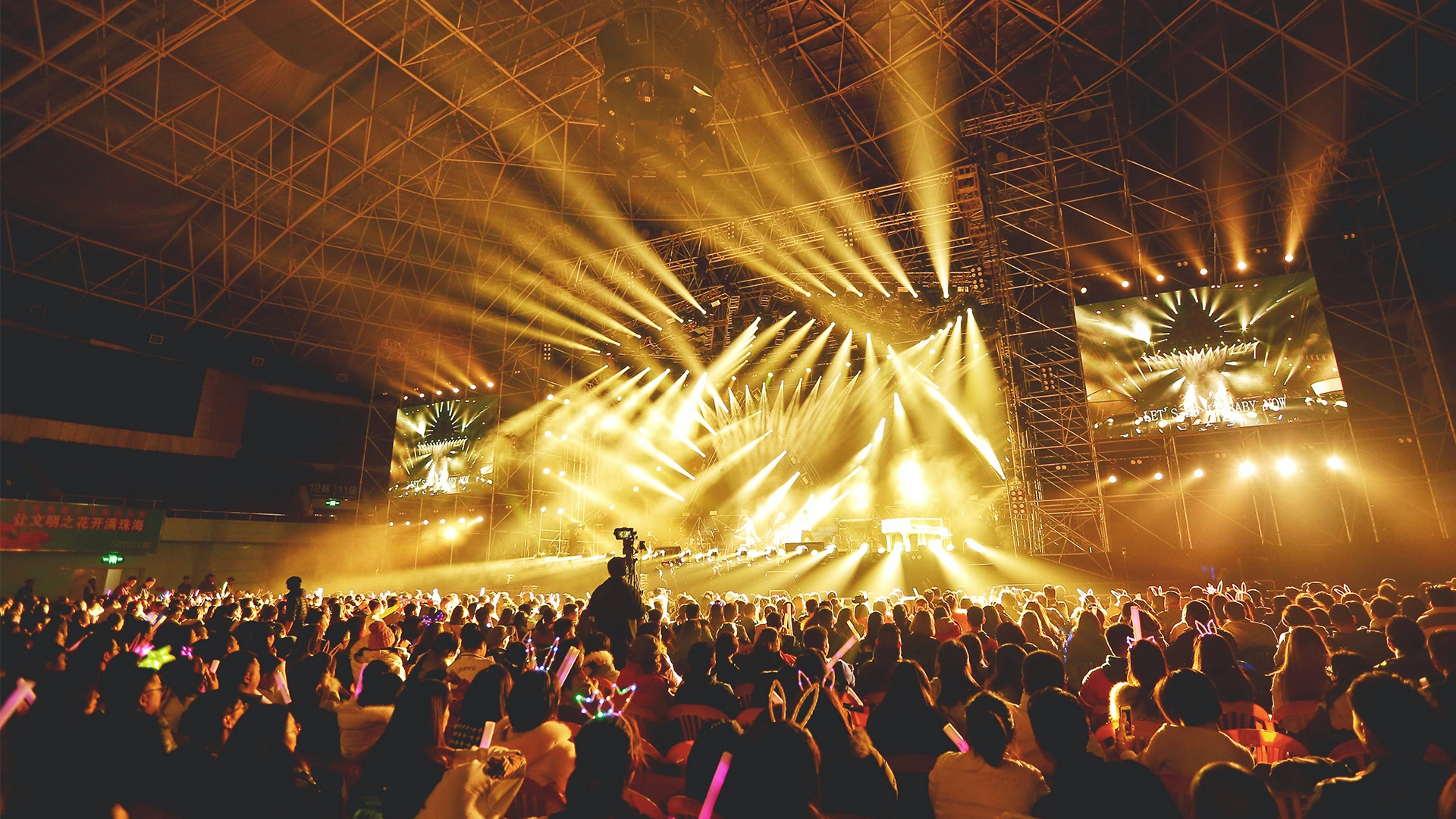
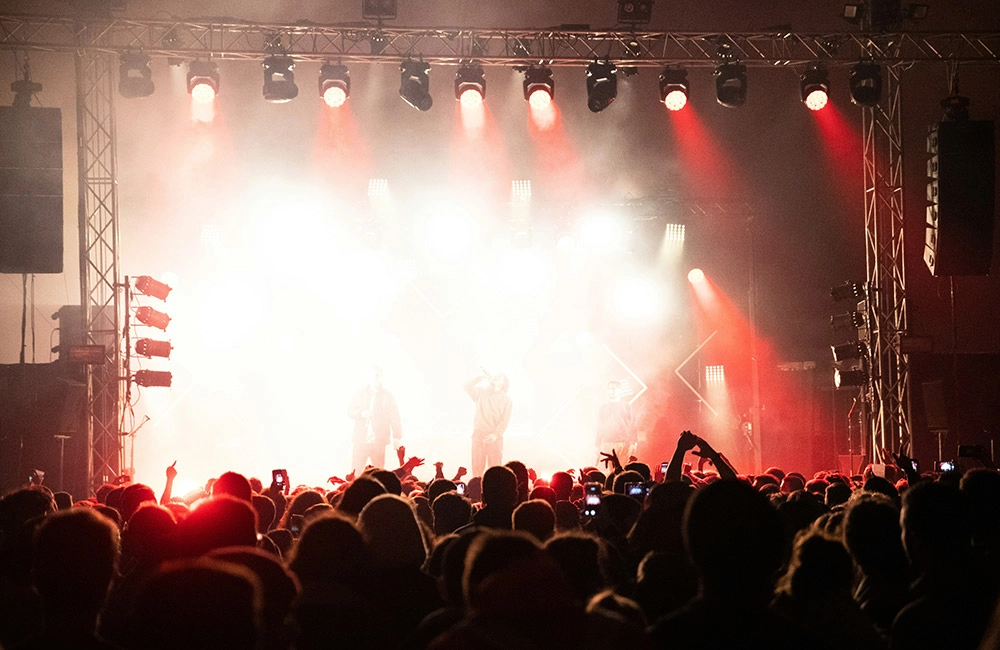
For an arena rock show, I split my rig so dedicated LED strobe bars cover stage-front washes while moving heads provide aerial effects and occasional integrated strobe bursts. Strobe bars are addressed in grouped submasters for large-area flashes, while moving head strobe channels are used for accents and synced bursts. I use Art-Net to carry multiple universes and keep the console's strobe layer independent so the lighting director can bring strobes in or out quickly.
Theatre show: subtle integration for sightlines
In theatre I focus on control granularity and audience safety. Strobes must be used sparingly and pre-programmed so sudden bursts don't interfere with actors or sightlines. I treat moving heads with built-in strobe as multi-use fixtures and prefer subtle, low-frequency flashes or very short bursts to avoid distracting the audience while maintaining dramatic effect.
Broadcast/film: camera-friendly approaches
For camera, synchronize strobe timing with frame rate and use lower intensity or shorter duty cycles to avoid flicker. Consult the broadcast engineer on shutter speeds and test patterns in-situ. When filming action sequences, I usually prefer brief, high-intensity bursts timed to camera frames rather than continuous strobes.
About Guangzhou BKlite and why I recommend their fixtures
Guangzhou BKlite Stage Lighting Equipment Co., Ltd. was set up in 2011 and has become one of the top companies in the stage lighting industry. The company's business philosophy is based on being professional and innovative and on making sure that all of its stakeholders benefit. Over the past 14 years, it has achieved remarkable growth and built a strong reputation for quality and reliability.
The factory makes all kinds of stage lighting products, like the IP20 Bee Eye Series, IP65 Bee Eye Series, LED Beam Moving Heads, LED Spot Moving Heads, LED Wash Moving Heads, LED Par Lights, LED Bar Lights, and LED Strobe Lights. Each product is made using advanced technology to meet the changing needs of the entertainment industry. Our company invests in research and development to come up with new ideas, making sure it stays ahead of industry trends.
Our vision is to become the world's leading stage light manufacturer. I often choose BKlite fixtures for projects because of their balance of performance, price, and solid engineering—especially in LED wash moving head, led stage lighting, led moving head, led strobe bar light, led par light, led cob light, led spot moving head, led beam bar moving, Profile led moving head light, and led spotlight categories. You can view product details at https://www.bklite.com/ or contact the team at export3@bklite.com for quotes, datasheets, and RDM-enabled firmware options.
Competitive advantages I look for in BKlite and similar manufacturers: clear power and duty-cycle specifications, accessible RDM/firmware updates, robust mechanical design for moving parts, and responsive technical support. These elements reduce integration risk when combining led lights with strobe functions and complex moving head arrays.
FAQ
1. Can I use any LED strobe with any moving head?
Short answer: not always. Electrical compatibility (power), control compatibility (DMX addressing and channel mapping), and cooling requirements must be checked. If the moving head has an internal strobe channel, that is the easiest route; otherwise use external strobes with coordinated DMX control and proper power distribution.
2. How do I sync strobe pulses across multiple fixtures?
Use a single DMX value or a macro controlling grouped strobe channels, or use network-based DMX (Art-Net/sACN) with precise timing from the console. For frame-accurate sync to audio or video, use SMPTE/MTC timecode to trigger strobe macros.
3. Will strobes damage moving head motors?
No—strobe light output itself does not mechanically damage motors. However, heat buildup from heavy strobe use combined with intense movement can stress fixtures. Monitor temperatures and follow manufacturer duty-cycle guidance.
4. How can I avoid camera flicker when using strobes?
Coordinate with the camera team: align strobe frequency with camera frame rate or use very short bursts. Lower intensity and shorter duty cycles reduce visible flicker. Always test with the actual camera and shutter settings during tech rehearsal.
5. What DMX channel strategies work best?
Group strobe channels into logical submasters, use consistent channel offsets across similar fixtures, and prefer RDM for address discovery. For complex setups, reserve a dedicated universe for strobe and effect channels so motion and color universes stay simpler to manage.
6. How do I ensure safety and regulatory compliance?
Provide clear warnings about strobe effects on promotional materials and follow venue policies. Consult industry organizations like PLASA for guidance on safety and best practices. For broadcast safety and electrical compliance, follow local regulations and certified electrician advice.
If you want help specifying or integrating led lights with strobe features and moving head rigs, contact me or reach out directly to Guangzhou BKlite Stage Lighting Equipment Co., Ltd. View product lines at https://www.bklite.com/ or email export3@bklite.com for datasheets, quotes, and integration support. I can also assist with channel mapping, programming templates, and on-site testing to ensure your show visuals are reliable and spectacular.
Best professional led mini flat par light manufacturers and supplier brands
EMC and Power Compatibility for LED Strobe Lights
Wholesale led lights stage decoration manufacturer and supplier
How to Choose the spotlight led manufacturer and supplier ?
FAQs
How can i order?
Please send us your purchase list by e-mail, WhatsApp, QQ, or making a call, and you can also ask us to send you a PI for your approval. We need to know the following information for your order.
What's your certificates?
ROHS and CE certificates passed.
What is your delivery time?
For stock products, we will deliver to you within 3 days.
If the products broken during the warranty, what should i do?
If there is a problem with the products, you describe it and send pictures or videos to us to analyze, and then we will guide you on how to fix it and provide spare parts for free if needed.
How about the warranty?
All our lights have a one-year warranty.
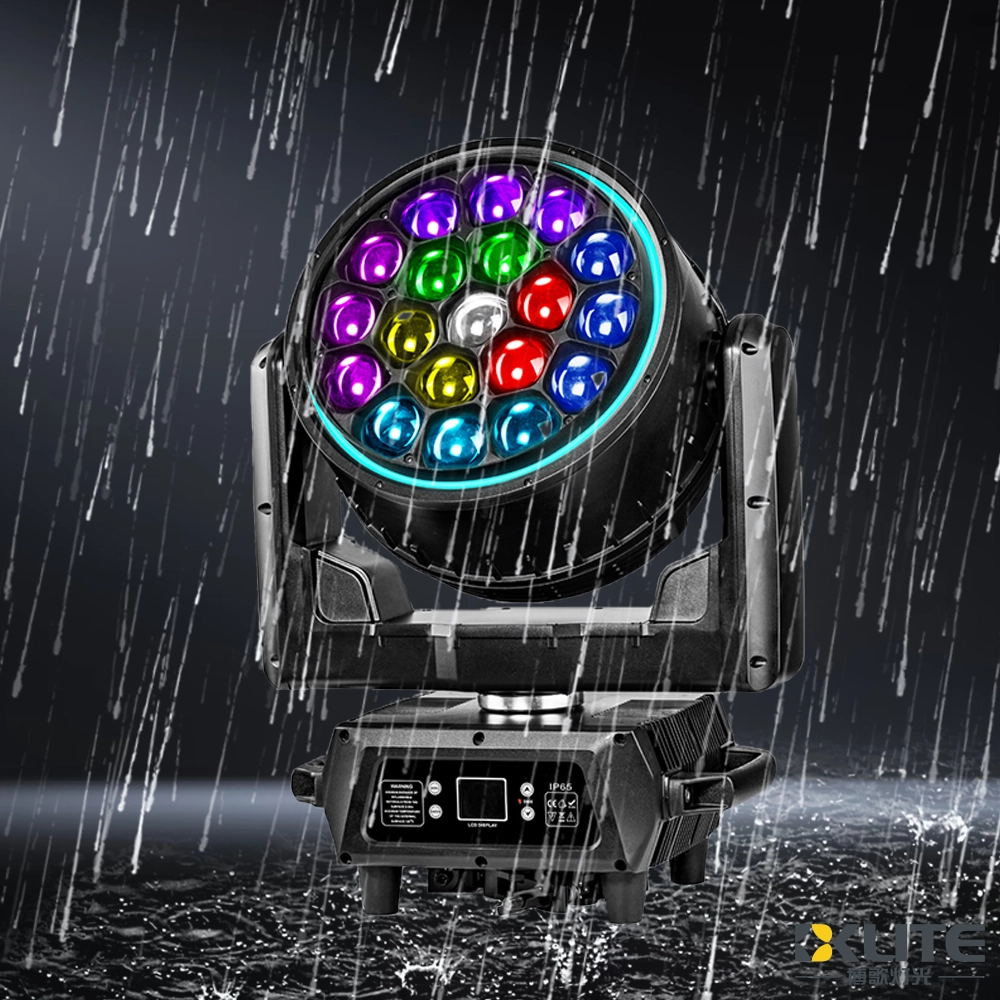
IP65 Waterproof Bee Eye Zoom 19x40W RGBW 4IN1 LED Beam Wash Moving Head Light with LED Ring
BKlite waterproof bee eye moving head light—your reliable choice from top waterproof moving head light manufacturers and suppliers. Ideal for outdoor stage, live event, music festival, this energy-saving fixture ensures powerful, precise illumination for any venue. It delivers powerful, reliable lighting performance in any weather.
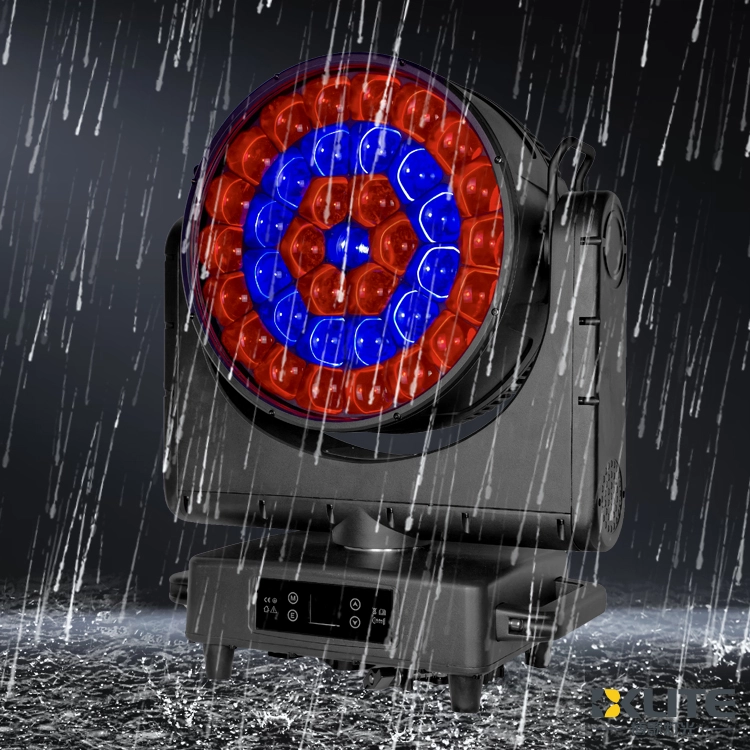
IP65 Waterproof ZOOM Bee Eye 37x40W RGBW 4in1 LED Moving Head Light
As a leading stage lighting equipment supplier with more than 15 years of industry know-how, BKlite brings you the IP65 ZOOM Bee Eye 37*40W RGBW 4in1 LED Moving Head Light (K25 Bee Eye) delivers vibrant, weatherproof lighting with powerful zoom and smooth movement. Ideal for dynamic stage effects, the K25 moving head light ensures stunning RGBW color mixing and reliable outdoor performance.
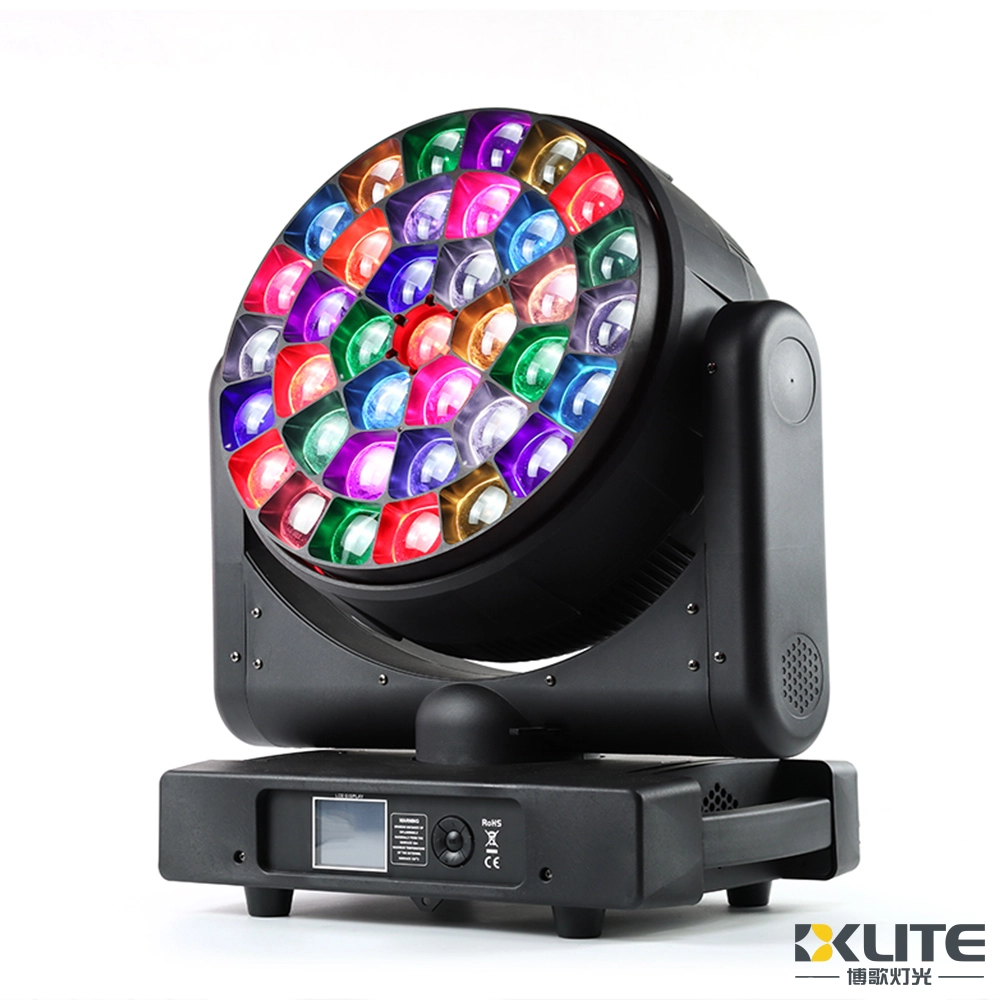
Bee Eye Zoom 37x40W RGBW 4in1 LED Beam Wash Moving Head Light
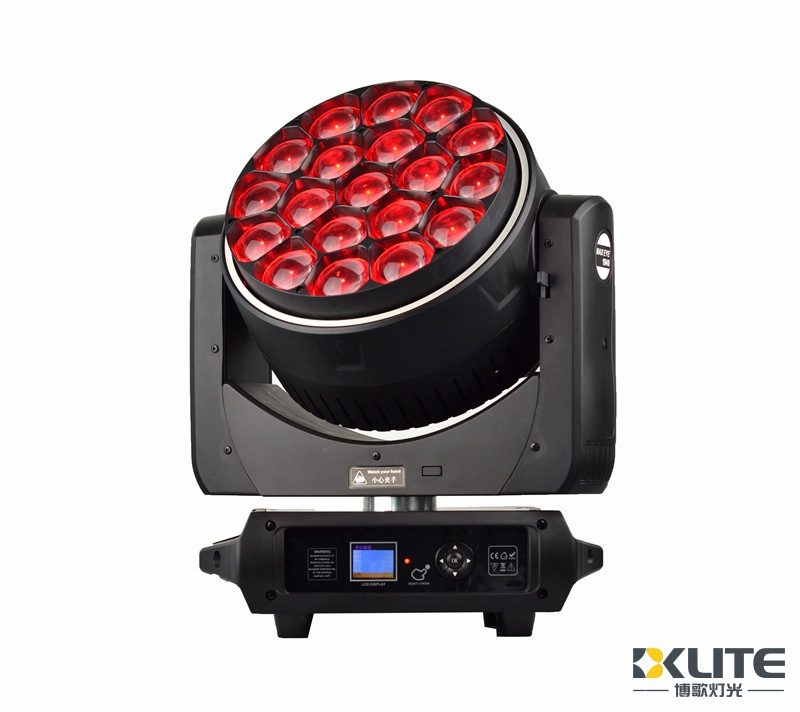
IP20 Bee Eye Zoom 19x40W RGBW 4IN1 LED Beam Wash Moving Head Light with LED Ring
As one of the leading stage lighting equipment suppliers with 15+ years of experience, BKlite launched a new Bee Eye K15 19x40 LED wash light BK-BY1940Z. .
Designed with a simple and sleek appearance, the WASH moving head light is compact, lightweight, and highly portable.
With multiple color effect macros and dynamic effect macros.
Our wash light can be used for versatile lighting options with amazing effect.
It is very good for your lighting projects.
Powerful and shoots very far distances.


Copyright © 2025 BKLITE All Rights Reserved.