




Integrating Moving Head Beam Lights into Light Plots
- How Stage Beam Light Moving Heads Transform Stage Design
- Planning Light Plots with Stage Beam Light Fixtures
- Rigging, Power, and Data for Stage Beam Light
- Programming Stage Beam Light in Light Plots
- Visual Design and Audience Sightlines with Stage Beam Light
- Comparing Stage Beam Light, Spot, and Wash — Quick Reference
- Maintenance, Longevity and Technical Reliability for Stage Beam Light Fixtures
- Integrating Stage Beam Light in Concerts, Theatres, and Festivals
- Why Choose BKlite Stage Beam Light Solutions
- Best Practices: From Plot to Performance with BKlite Stage Beam Light Fixtures
- Contact & Product Inquiry — Stage Beam Light Solutions
- Frequently Asked Questions (FAQ) about Stage Beam Light Integration
- 1. What is the ideal beam angle for a stage beam light in an arena?
- 2. How many moving head beam fixtures do I need for a mid-size touring show?
- 3. Do moving head beam lights require haze or fog?
- 4. Are LED beam moving heads better than discharge lamp heads?
- 5. How should I manage power distribution for many stage beam light fixtures?
- 6. Can I use moving head beam lights outdoors?
- 7. How often should I clean optics on moving head beam lights?
- References
How Stage Beam Light Moving Heads Transform Stage Design
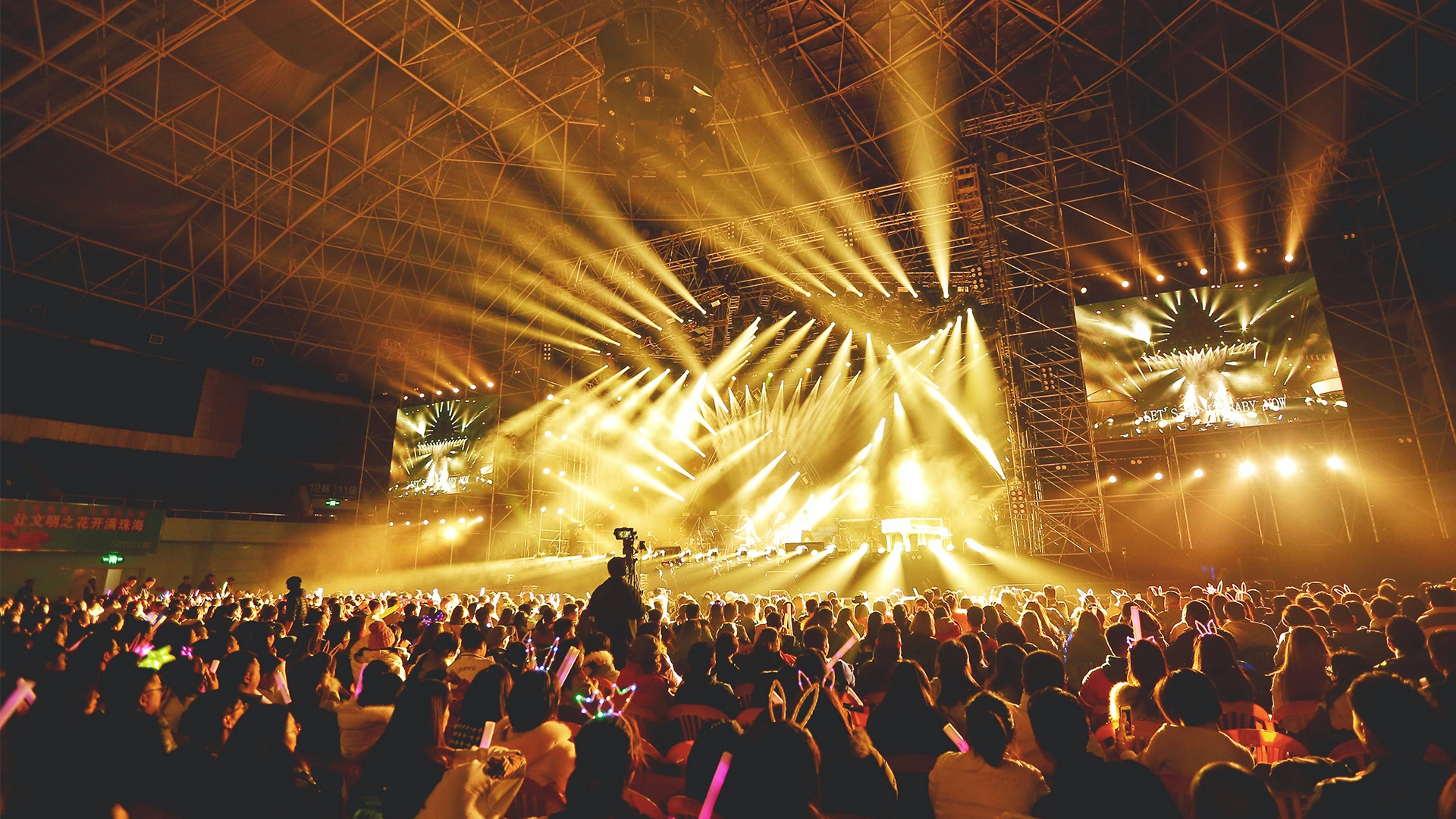
Moving head beam fixtures are among the most impactful tools in a lighting designer's kit. As compact, high-intensity sources with precise pan/tilt control, stage beam light moving heads create architectural shafts, audience effects, and dynamic accents that cut through large venues. This article explains how to integrate moving head beam lights into light plots with practical planning, rigging, programming and maintenance guidance you can apply to concerts, theater, corporate events and installations.
Planning Light Plots with Stage Beam Light Fixtures
Early planning is crucial. A clear light plot should specify fixture type, position (trim height, X/Y on stage), aim, power and data runs, and related accessories (bars, clamps, safety). When planning for stage beam light moving heads, consider:
- Beam angle and throw: beam lights typically have narrow beam angles (1–6°). Calculate beam diameter at target distance using: beam diameter = 2 × distance × tan(beam angle/2). For example, a 3° beam at 30 m produces ~1.57 m diameter (useful for spot shafts over the audience).
- Mounting locations: front truss for key beams, side arrays for angled shafts, and over-stage centers for symmetrical looks. Avoid mounting that creates blinding hits into sightlines for front-row audience.
- Atmosphere needs: beam definition relies on haze or fog. Decide on fog/haze density and machine placement early in the plot.
- Fixture counts and redundancy: specify spare channels and replacement fixtures for critical positions.
Embedding the keyword: choose the right stage beam light model that meets lumen output, beam angle, and movement speed required by your production.
Rigging, Power, and Data for Stage Beam Light
Rigging moving head beam lights safely and efficiently is mandatory. Key considerations:
- Structural load: verify truss ratings and calculate total point load (fixture weight + clamp + safety). Include a minimum 10% contingency.
- Power distribution: many modern LED beam moving heads operate at 100–240 VAC and draw 200–1000 W depending on emission. Plan circuits to avoid overloading dimmer racks or single-phase feeds. Use PowerCon or stage-grade connectors and label runs on the plot.
- Data protocols: DMX512 is still ubiquitous; for large arrays sACN/Art-Net over Ethernet and RDM for remote addressing are recommended. Reserve bandwidth and document IPs/universe assignments on the plot.
- Safety: use secondary safety bonds, appropriate hardware (M10/M12 clamps), and comply with local regulations and theatrical safety standards.
Consider energy heat and ventilation in enclosed rigs: high-output LEDs still generate heat in drivers and optics; allow access and ventilation when mounting closely.
Programming Stage Beam Light in Light Plots
Good programming translates plotted positions into compelling cues. For stage beam light fixtures, the programming workflow generally includes:
- Palettes and groups: create position and intensity palettes (e.g., front-beams, rear-splits) to speed cue creation across many fixtures.
- Focus library: capture physical head positions proactively so remote followspot or operator changes remain consistent between rehearsals and shows.
- Effects and layer systems: use fixture effects for fast, repeating motion and combine with manual overrides for organic movement. Consider pixel mapping and beam indexing for larger fixtures.
- Timing and easing: beam lights are highly visible — use easing curves to prevent harsh motion unless that is a deliberate aesthetic.
When integrating moving head beams, ensure your plot documents DMX/universe numbers and programming notes to avoid ambiguity between designers, programmers and operators.
Visual Design and Audience Sightlines with Stage Beam Light
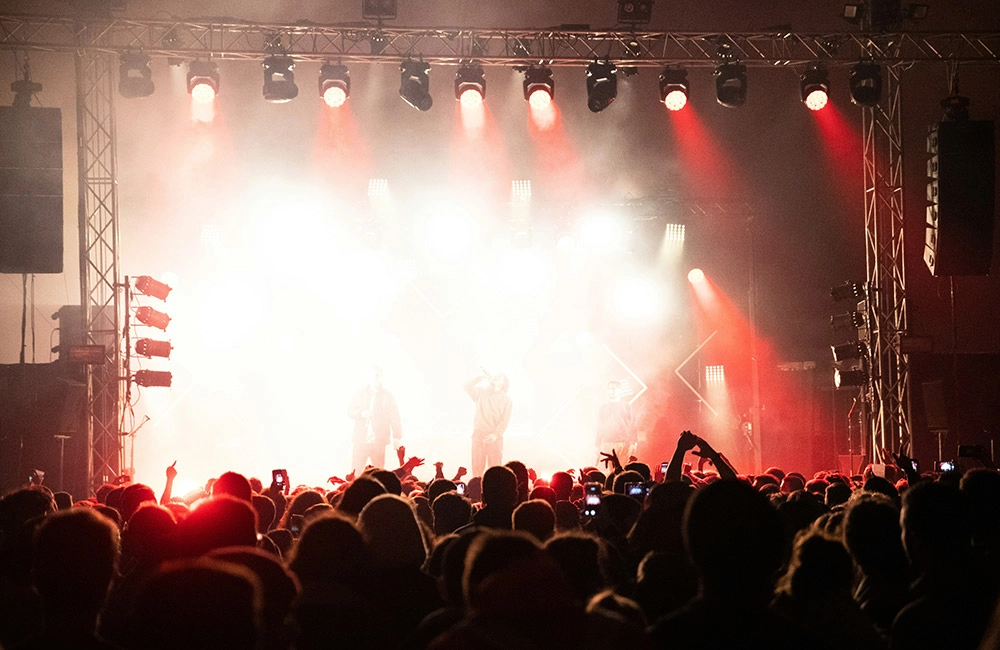
Stage beam light moving heads create razor-sharp shafts when used with appropriate haze. Visual design choices should balance spectacle with audience comfort and sightline safety:
- Beam placement: avoid direct beams into audience eyes. Use angles that skim seating planes or aim above eye level.
- Contrast management: beam intensity should complement wash and spot fixtures. Overpowering wash light will reduce beam visibility; under-powering wash will make the stage look flat.
- Color and gobo use: beams emphasize saturated colors and high-contrast gobos. Low CCT whites (3200–4000K) render more dramatic shafts; use color transitions sparingly for clarity.
Integrating the commercial keyword: a stage beam light plot that balances beam intensity, haze density and wash coverage creates durable, sellable visuals for production clients.
Comparing Stage Beam Light, Spot, and Wash — Quick Reference
When choosing fixtures, knowing typical specifications helps. The table below compares moving head beam, spot and wash fixtures on typical metrics. Values are representative ranges and should be verified against specific models.
| Fixture Type | Typical Beam Angle | Typical Output | Main Uses | Gobos/Effects |
|---|---|---|---|---|
| Moving Head Beam (Stage Beam Light) | 1°–6° | 50,000–200,000+ lux at 10 m (model-dependent) | Audience shafts, long-throw accents, high-impact club/arena effects | Rotating prisms, indexable gobos, frost (limited) |
| Moving Head Spot | 6°–20° | 20,000–120,000 lux at 10 m | Profile lighting, texture projection, key highlights | Interchangeable gobos, shutters, framing |
| Moving Head Wash | 14°–60° | 5,000–50,000 lumens | Broad stage coverage, color washes, background fill | ZOOM, color mixing, soft-edge gobos (limited) |
Sources for typical ranges include manufacturer specifications and industry references (see references below). Always consult the fixture datasheet for precise numbers.
Maintenance, Longevity and Technical Reliability for Stage Beam Light Fixtures
Maintenance ensures consistent photometric performance and longevity. Key maintenance tasks:
- Optic cleaning: dust and haze residue reduce contrast. Clean lenses and gobos per manufacturer intervals — typically every 50–200 hours depending on environment.
- Firmware updates: modern moving heads have complex electronics; maintain firmware on a controlled schedule to avoid mid-run surprises.
- Thermal management: verify fan operation and ventilation paths. High duty cycles in festivals require aggressive thermal monitoring.
- LED lifecycle: LED engines degrade over time; reference L70 metrics from datasheets to schedule replacement or rotation strategies.
Make maintenance tasks part of the plot documentation so production crews can perform checks during load-in and between shows.
Integrating Stage Beam Light in Concerts, Theatres, and Festivals
Application-specific examples help translate planning into action:
- Club / Small Venue: typically 8–16 beam heads positioned on a low truss, with 1–2 wash fixtures for stage fill. Focus on punchy, fast-moving effects and close-range shafts.
- Mid-size Touring / Theatre: a mix of 12–40 units — front-of-house beam fixtures for audience washes, overhead clusters for stage architecture, side wings for cross-beams. Include redundancy and flight cases for tours.
- Large Festivals / Arenas: dozens to hundreds of beam heads across multiple trusses and flown positions. Use networked control (sACN/Art-Net), synchronized effects, and a distributed power strategy to avoid single-point failures.
Document these configurations on the light plot so technical crews know rigging, load-in, and programming expectations in advance.
Why Choose BKlite Stage Beam Light Solutions
Guangzhou BKlite Stage Lighting Equipment Co., Ltd. was set up in 2011 and has become one of the top companies in the stage lighting industry. The company’s business philosophy is based on being professional and innovative and on making sure that all of its stakeholders benefit. Over the past 14 years, it has achieved remarkable growth and built a strong reputation for quality and reliability.
The factory makes all kinds of stage lighting products, like the IP20 Bee Eye Series, IP65 Bee Eye Series, LED Beam Moving Heads, LED Spot Moving Heads, LED Wash Moving Heads, LED Par Lights, LED Bar Lights, and LED Strobe Lights. Each product is made using advanced technology to meet the changing needs of the entertainment industry. BKlite invests in research and development to come up with new ideas, making sure it stays ahead of industry trends. Their vision is to become the world’s leading stage light manufacturer. Visit their catalog at https://www.bklite.com/.
BKlite advantages and core products relevant to integrating stage beam light fixtures into light plots:
- Product breadth: LED wash moving head, LED stage lighting, LED moving head, LED strobe bar light, LED par light, LED COB light, LED spot moving head, LED beam bar moving, Profile LED moving head light, LED spotlight — enabling consistent crews and spare parts strategy across a production.
- R&D and quality control: systematic testing and development cycles to ensure photometric performance and mechanical reliability under touring conditions.
- IP-rated options (IP20 and IP65 Bee Eye Series) for indoor and outdoor use — important for festival plots and unpredictable weather conditions.
- Competitive price-to-performance ratio and export experience that supports logistics for global tours.
For production managers and lighting designers, choosing a vendor with both diverse product lines and testing capacity simplifies integration: consistent control schemes, spare part compatibility, and predictable photometrics make it easier to build reliable light plots.
Best Practices: From Plot to Performance with BKlite Stage Beam Light Fixtures
When specifying BKlite or similar stage beam light fixtures, follow these best practices:
- Request photometric files (IES/IESNA or photom files) from the manufacturer to model throw and intensity in your lighting software.
- Validate DMX addressing and firmware versions on delivery, and stage a short functionality check during load-in.
- Standardize connectors and labeling across fixtures (power, data, safeties) to speed re-rig and reduce errors.
These steps reduce integration friction and maximize on-show time for designers and crews.
Contact & Product Inquiry — Stage Beam Light Solutions
If you need assistance specifying moving head beam fixtures for a new light plot, or want product quotes and photometric data, contact BKlite or your preferred lighting supplier. For product details and catalog downloads, visit: https://www.bklite.com/. For consultancy on light plot integration, reach out to your lighting vendor with your stage dimensions, truss plan and programming timeline.
Frequently Asked Questions (FAQ) about Stage Beam Light Integration
1. What is the ideal beam angle for a stage beam light in an arena?
For long-throw shafts in arenas, narrow beam angles between 1° and 3° are ideal to maintain tight, visible columns at long distances. Use narrower beams for longer throws and broader beams where more coverage is required.
2. How many moving head beam fixtures do I need for a mid-size touring show?
Typical mid-size tours use 12–40 beam fixtures depending on the desired impact. Determine counts based on truss positions, symmetry, audience area coverage and effects density. Create mockups in your lighting design software to refine counts before purchase.
3. Do moving head beam lights require haze or fog?
Yes — haze or low-density fog significantly increases beam visibility by scattering light. Haze is preferred for long-duration consistent density and minimal visual obstruction.
4. Are LED beam moving heads better than discharge lamp heads?
LED beam heads offer lower maintenance, instant on/off, color mixing and better thermal efficiency. High-end discharge lamps can still produce higher point-source outputs in some cases, but LEDs dominate new purchases due to lifecycle and control features.
5. How should I manage power distribution for many stage beam light fixtures?
Distribute loads across multiple circuits and phases where possible, document circuit assignments on the light plot, and use stage-grade cabling and connectors. Consider local power distro on flown trusses for large arrays to shorten runs and reduce voltage drop.
6. Can I use moving head beam lights outdoors?
Yes, but ensure fixtures are IP-rated for outdoor use (IP65 for weather resistance). BKlite’s IP65 Bee Eye Series, for example, is designed for outdoor conditions. Always follow manufacturer guidance and protect power/data terminations.
7. How often should I clean optics on moving head beam lights?
Cleaning intervals depend on environment. For smoky clubs or dusty outdoor festivals, check optics every 50–100 hours. For cleaner theatrical environments, 150–300 hours may be acceptable. Follow manufacturer recommendations.
References
- Moving head — Wikipedia. https://en.wikipedia.org/wiki/Moving_head. Accessed 2025-12-19.
- Stage lighting — Wikipedia. https://en.wikipedia.org/wiki/Stage_lighting. Accessed 2025-12-19.
- Grand View Research — Stage Lighting Market Overview. https://www.grandviewresearch.com/industry-analysis/stage-lighting-market. Accessed 2025-12-19.
- BKlite product site and company profile. https://www.bklite.com/. Accessed 2025-12-19.
If you need a customized light plot review, photometric model or product recommendation for stage beam light fixtures, contact the manufacturer or your lighting consultant with stage dimensions and the desired visual outcomes.
Best professional led mall laser christmas lights manufacturers and supplier brands
Best professional led lights par manufacturers and supplier brands
Best stage lighting system manufacturers and supplier brands
Best professional laser led spot light manufacturers and supplier brands
FAQs
When will you ship the product after I send the money?
It depends the order.Small order will take 3-5 days.
How about the warranty?
All our lights have a one-year warranty.
What service can you supply?
We can apply for the OEM/ODM service.
What is your delivery time?
For stock products, we will deliver to you within 3 days.
What kind of package do you have?
We can pack the lights in a carton case and a flight case.
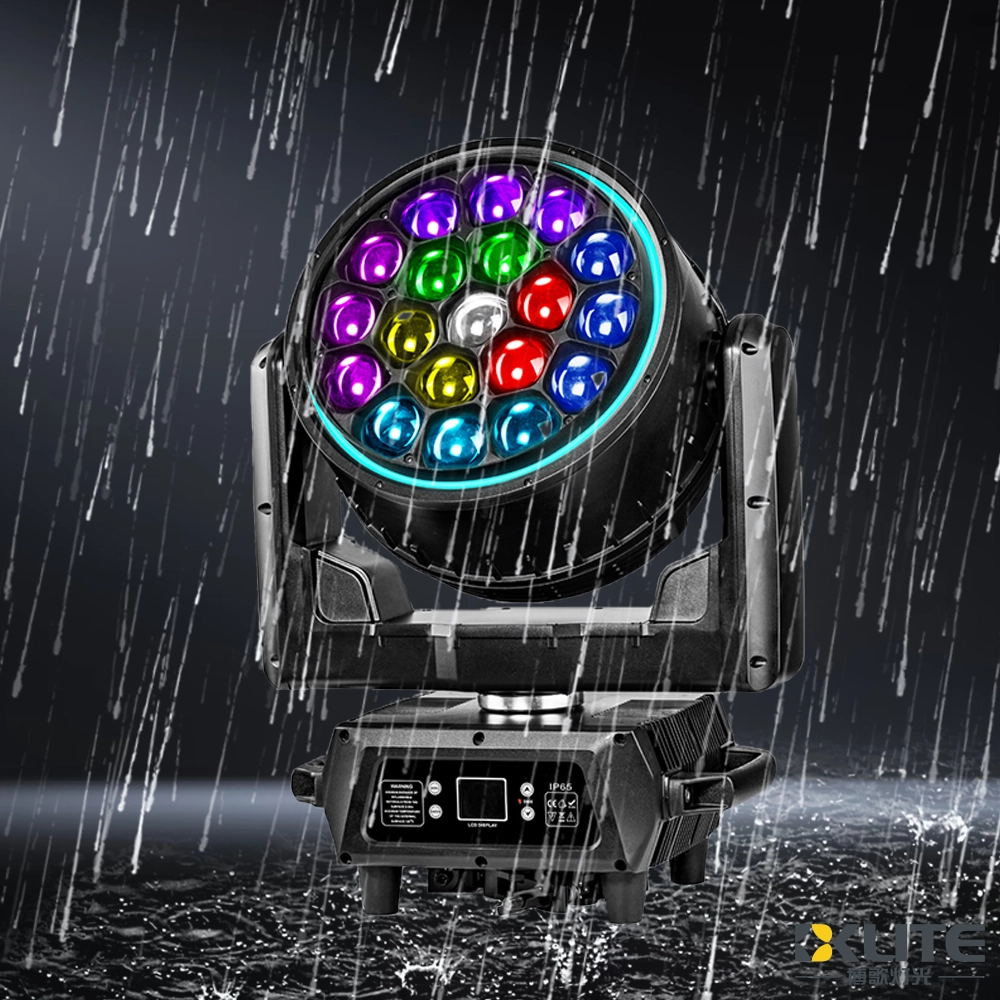
IP65 Waterproof Bee Eye Zoom 19x40W RGBW 4IN1 LED Beam Wash Moving Head Light with LED Ring
BKlite waterproof bee eye moving head light—your reliable choice from top waterproof moving head light manufacturers and suppliers. Ideal for outdoor stage, live event, music festival, this energy-saving fixture ensures powerful, precise illumination for any venue. It delivers powerful, reliable lighting performance in any weather.
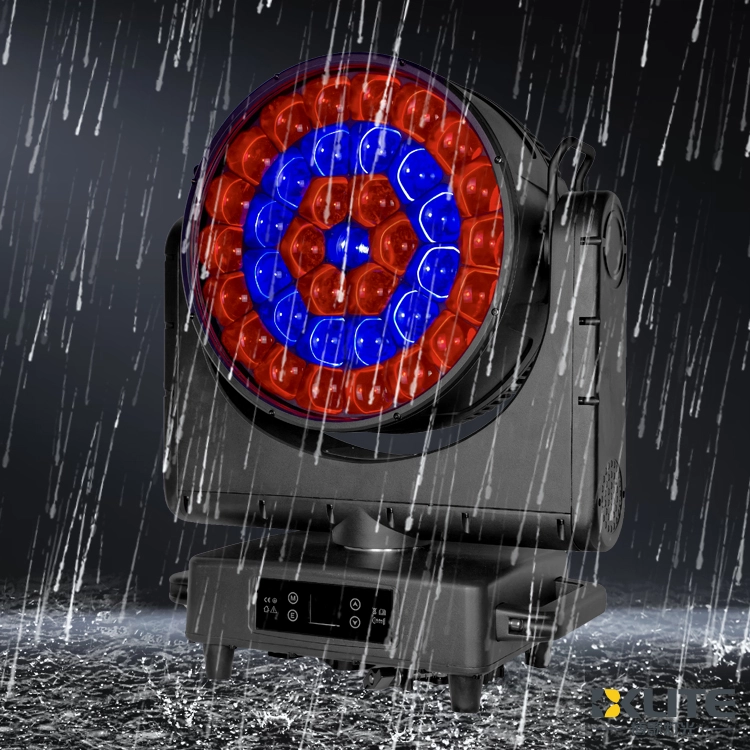
IP65 Waterproof ZOOM Bee Eye 37x40W RGBW 4in1 LED Moving Head Light
As a leading stage lighting equipment supplier with more than 15 years of industry know-how, BKlite brings you the IP65 ZOOM Bee Eye 37*40W RGBW 4in1 LED Moving Head Light (K25 Bee Eye) delivers vibrant, weatherproof lighting with powerful zoom and smooth movement. Ideal for dynamic stage effects, the K25 moving head light ensures stunning RGBW color mixing and reliable outdoor performance.
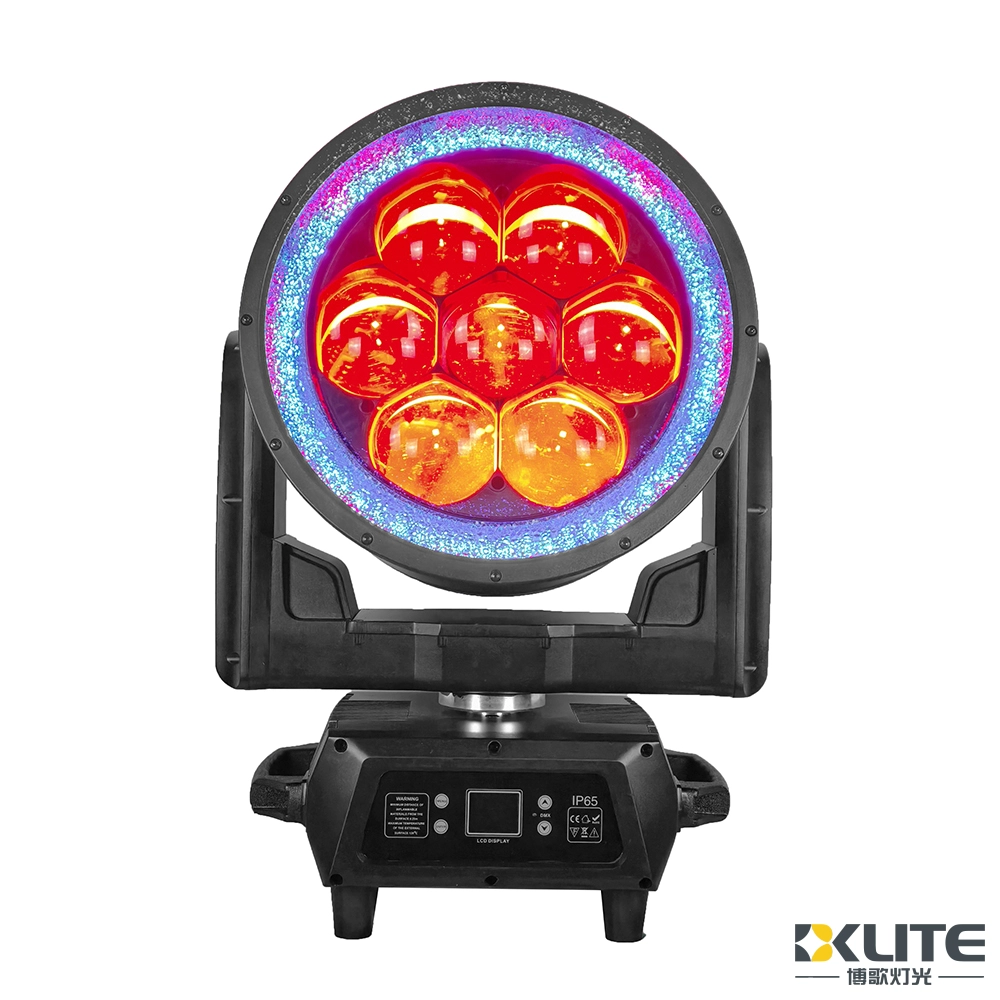
IP65 Waterproof Bee Eye 7x180W RGBL 4IN1 LED Moving Head Light With LED Ring
BKlite high power 7x180W waterproof bee eye moving head light—your reliable choice from top waterproof moving head light manufacturers and suppliers. Ideal for outdoor stage, live event, music festival, this energy-saving fixture ensures powerful, precise illumination for any venue. It delivers powerful, reliable lighting performance in any weather.
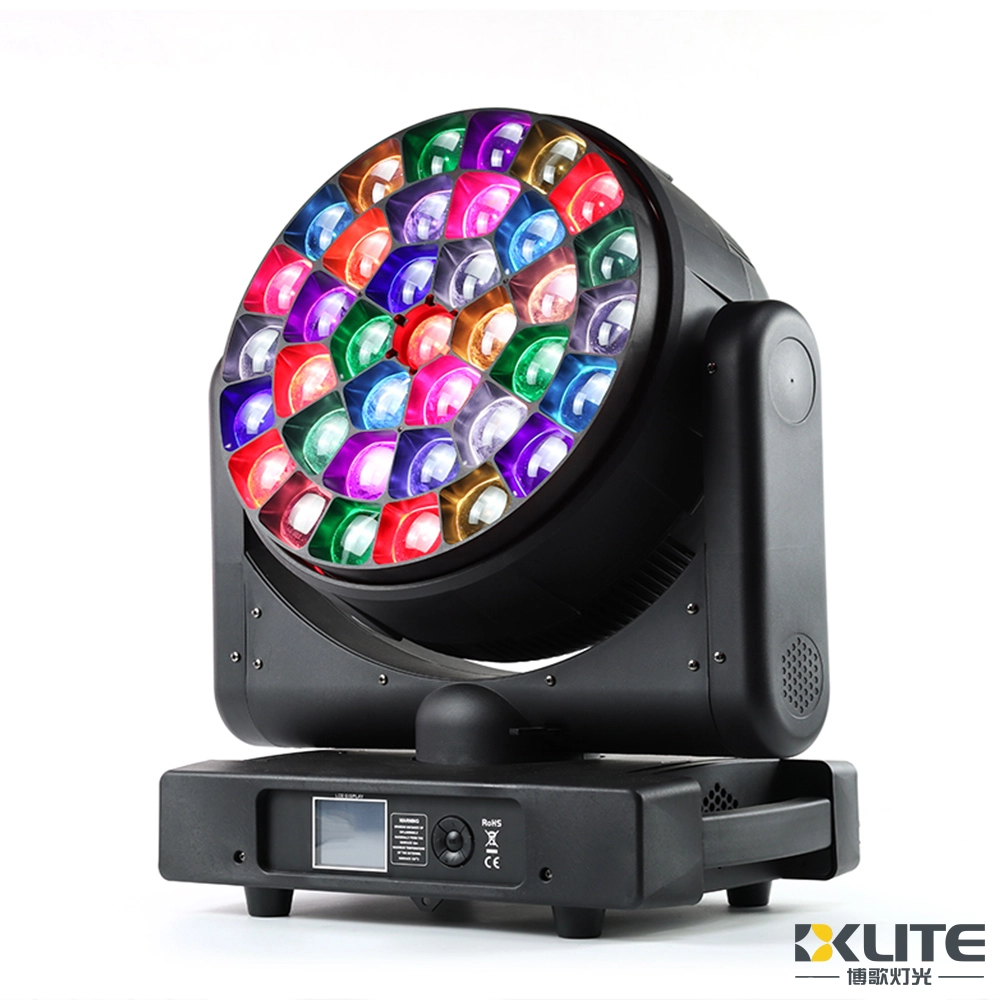
Bee Eye Zoom 37x40W RGBW 4in1 LED Beam Wash Moving Head Light


Copyright © 2025 BKLITE All Rights Reserved.