




Lead Time & Shipping Considerations for LED Spot Moving Heads
- Common supply-chain risks for stage lighting
- Key manufacturing and component constraints
- Seasonal and calendar impacts
- Regulatory and testing delays
- Calculating realistic lead time for a led spot moving head light order
- Typical manufacturing lead time breakdown
- How order size and customization affect lead times
- Verification: sample strategy to compress risk
- Practical shipping strategies and cost optimization
- Choosing the right transport mode
- Incoterms and who controls the timeline
- Packing, palletization and damage prevention
- Mitigation tactics, documentation and vendor selection
- Contractual protections and forecasting
- Documentation: what you must have before shipping
- Choosing a manufacturing partner: verifying claims
- Factory profile and why it matters: Guangzhou BKlite (vendor example)
- FAQ
- How long does it typically take to receive a standard led spot moving head light order?
- Can I reduce lead time by paying more?
- What shipping mode should a rental company use for new inventory?
- What certifications should I request for international sales?
- How do I avoid customs delays?
- Are there tools to monitor international shipping in real time?
I write this as a consultant and practitioner who has specified, manufactured and shipped thousands of professional moving head fixtures. If you are sourcing a led spot moving head light—whether for rental inventory, a touring package or a fixed installation—you need a practical, verifiable plan for lead time, quality checks, certification, and shipping. Below I summarize the real-world timelines, risk points, and mitigation steps that I use with clients to keep projects on schedule while protecting margins and ensuring compliance.
Common supply-chain risks for stage lighting
Key manufacturing and component constraints
LED spot moving head light lead times begin with component availability. High-flux LEDs, specialized lenses, stepper/servo motors, and custom gobos are often the bottlenecks. For example, supplier lead times for high-power COB/LED modules can vary from 2–8 weeks depending on binning and color temperature. Electronic components (drivers, DMX interfaces) are subject to global semiconductor cycles and can add 4–12 weeks during shortages. I always validate BOM lead times with suppliers before confirming a delivery date to avoid surprise extensions.
Seasonal and calendar impacts
Two calendar risks consistently affect delivery schedules: Chinese New Year (CNY) factory shutdowns, and peak global shipping seasons (Q3–Q4). CNY typically halts production for 2–4 weeks; plan an additional 3–6 weeks buffer to account for pre-shutdown ramp and post-shutdown catch-up. See the CNY timing and impact overview on Wikipedia. Similarly, port congestion in peak seasons can add 1–3 weeks to sea transit and clearance times.
Regulatory and testing delays
Certifications such as CE (EU), RoHS and others require documentation and sometimes testing. The CE mark is a declaration of conformity and may require third-party testing for specific product categories (CE marking). For markets requiring ETL/UL, or ENERGY STAR-like certifications, testing labs may have queues that add 2–6 weeks. I advise beginning certification conversations during sample production to overlap timelines.
Calculating realistic lead time for a led spot moving head light order
Typical manufacturing lead time breakdown
Below is a conservative example of lead time components for a standard production run (non-custom) of a led spot moving head light. Each project will differ, but these ranges reflect what I've experienced across many factories.
- Prototype / sample development: 2–6 weeks
- Pre-production samples and approval: 1–3 weeks
- Mass production (standard MOQ): 15–35 days
- Quality inspection and functional burn-in: 3–7 days
- Packaging and preparation for shipment: 3–7 days
So, a conservative total from purchase order to ready-for-carrier is typically 4–10 weeks for off-the-shelf designs; custom fixtures or those requiring component backorders may stretch to 12–20 weeks.
How order size and customization affect lead times
Order quantity and product configuration materially change lead time. Small orders (under MOQ) may require a special production run or incur higher per-unit cost and lead time. Conversely, large orders can take longer to produce simply because of assembly throughput; however, manufacturers often prioritize large-volume orders and may scale additional shifts. Custom firmware, bespoke optics, or special color temperatures add both development and validation time. I typically add a 10–30% time contingency for any non-standard requests.
Verification: sample strategy to compress risk
To reduce schedule risk I recommend a two-sample strategy: a pre-production sample (for form-fit testing) and a production sample from the first batch. Approving the pre-production sample before full-run starts can prevent costly rework. Insist on a full functional test report—thermal, LED lumen maintenance, motor cycles, DMX behavior—before shipment.
Practical shipping strategies and cost optimization
Choosing the right transport mode
Your choice between ocean freight, air freight, and express courier depends on urgency, cost sensitivity, and shipment size. Below I provide a comparative table I use with clients to make decisions based on typical transit times and relative costs. These ranges reflect market norms; for live, route-specific estimates consult a freight forwarder or platforms like Freightos for current rates and transit times (Freightos).
| Mode | Typical transit time (origin China → EU/US) | Cost sensitivity | Best use |
|---|---|---|---|
| Sea freight (FCL/LCL) | 20–45 days | Low cost per unit (best for large volume) | Bulk inventory, non-urgent orders |
| Air freight | 3–8 days (plus handling) | 3–6x sea cost (by volume/weight) | Urgent replenishment, medium-volume |
| Express courier (DHL, FedEx) | 1–5 days | Highest cost per kg | Samples, spare parts, emergency replacements |
Incoterms and who controls the timeline
Incoterms (EXW, FOB, CIF, DDP) determine responsibility for shipping and customs and therefore affect where delays may occur. I recommend FOB or FCA when working with reliable forwarders, as the seller clears export and the buyer controls onward logistics—this keeps responsibilities clear. For first-time buyers who prefer simplicity, DDP removes customs complexity but typically carries higher upfront cost. Learn more about Incoterms on Wikipedia.
Packing, palletization and damage prevention
Moving head fixtures are sensitive to shock and moisture. Robust internal foam, separate motor/optics protection, and sealed cartons (for sea shipments) prevent damage. For touring or rental customers I recommend flight cases with internal shock mounts; although more expensive, they reduce replacement cost and downtime. Ensure cartons are tested for stacking strength and labels include orientation and fragility markings for carriers.
Mitigation tactics, documentation and vendor selection
Contractual protections and forecasting
Use clear contracts with agreed lead times, penalties for late delivery, and acceptance criteria. Share a rolling 6–12 month forecast with your supplier to secure components and production slots. I routinely ask clients for a monthly forecast and adjust production schedules quarterly to hedge component risk.
Documentation: what you must have before shipping
Essential documents: commercial invoice, packing list, certificate of origin, product conformity documents (CE/ROHS or test reports as required), and bill of lading / AWB. For EU shipments retain technical files for CE compliance. Missing paperwork is a frequent cause of customs delays—verify requirements for the destination market early.
Choosing a manufacturing partner: verifying claims
When I evaluate a factory for led spot moving head light production I look for:
- Production capacity and documented cycle times
- Quality control processes (AQL, functional burn-in)
- Certifications and testing lab partnerships
- Transparent communication and published lead-time commitments
For producers in Guangzhou and the Pearl River Delta, you can get local logistic advantages and fast access to ports and air cargo hubs; see overview on Guangzhou.
Factory profile and why it matters: Guangzhou BKlite (vendor example)
One reliable partner I work with is Guangzhou BKlite Stage Lighting Equipment Co., Ltd. It was set up in 2011 and has become one of the top companies in the stage lighting industry. The company’s business philosophy is based on being professional and innovative and on making sure that all of its stakeholders benefit. Over the past 14 years, it has achieved remarkable growth and built a strong reputation for quality and reliability.
The factory manufactures a broad range of stage lighting products including the IP20 Bee Eye Series, IP65 Bee Eye Series, LED Beam Moving Heads, LED Spot Moving Heads, LED Wash Moving Heads, LED Par Lights, LED Bar Lights, and LED Strobe Lights. Each product is made using advanced technology to meet the changing needs of the entertainment industry. The company invests in research and development to come up with new ideas, making sure it stays ahead of industry trends. Their vision is to become the world’s leading stage light manufacturer. Website: https://www.bklite.com/. Email: export3@bklite.com.
What sets BKlite apart in my experience is consistent QC documentation, willingness to produce pre-production samples, and a manufacturing footprint that supports both IP20 (indoor) and IP65 (outdoor) product lines. They handle common product families including led wash moving head, led stage lighting, led moving head, led strobe bar light, led par light, led cob light, led spot moving head, led beam bar moving, Profile led moving head light, and led spotlight.
FAQ
How long does it typically take to receive a standard led spot moving head light order?
From PO to door, expect 6–12 weeks for standard models (including production and sea freight). If you need air shipment and have samples approved, that can compress to 3–6 weeks. Custom designs or parts shortages can extend timelines to 12–20 weeks.
Can I reduce lead time by paying more?
Yes. Paying for air freight or expedited production runs shortens shipping and sometimes manufacturing queue time. However, air freight is significantly more expensive; compare the total landed cost before deciding. Also, paying for prioritized sourcing of components helps but doesn’t eliminate external supplier constraints.
What shipping mode should a rental company use for new inventory?
Rental companies often favor sea freight for bulk orders due to cost efficiency, paired with a staggered reorder strategy and a safety stock to handle touring peaks. For emergency replacements, keep a small stock of critical spares shipped by express.
What certifications should I request for international sales?
At minimum request CE and RoHS documentation for EU markets. For the US, check whether UL/ETL is required for your channel. Keep full technical files and test reports to support conformity claims. See general CE information here: https://en.wikipedia.org/wiki/CE_marking.
How do I avoid customs delays?
Provide accurate HS codes, complete commercial invoices, certificates of origin, and conformity documents; choose an experienced customs broker; and consider DDU/DDP if you prefer the seller to handle import clearance. Pre-alert your broker with the shipment details to speed the process.
Are there tools to monitor international shipping in real time?
Yes. Use freight forwarder tracking portals or platforms like Freightos, Maersk, or carrier-specific tracking (DHL, FedEx). For ocean shipments, bill-of-lading and vessel tracking give estimated arrival; expect additional time for port release and customs clearance.
If you want a customized lead-time assessment, a sample checklist for approval, or a freight comparison for your destination, contact me or the factory partner directly. For production quotes, technical files, or to review BKlite’s led spot moving head light range and capabilities, visit BKlite’s website or email export3@bklite.com. Let’s ensure your next lighting delivery arrives on time and stage-ready.
Trade Show Sourcing: Finding LED Spot Moving Head Manufacturers
Best professional led controllers manufacturers and supplier brands
Wholesale led stage par lights manufacturer and supplier
Wholesale dimmable led stage lights manufacturer and supplier
FAQs
What's the payment terms?
T/T, Western Union.
When will you ship the product after I send the money?
It depends the order.Small order will take 3-5 days.
What is your delivery time?
For stock products, we will deliver to you within 3 days.
If the products broken during the warranty, what should i do?
If there is a problem with the products, you describe it and send pictures or videos to us to analyze, and then we will guide you on how to fix it and provide spare parts for free if needed.
What service can you supply?
We can apply for the OEM/ODM service.
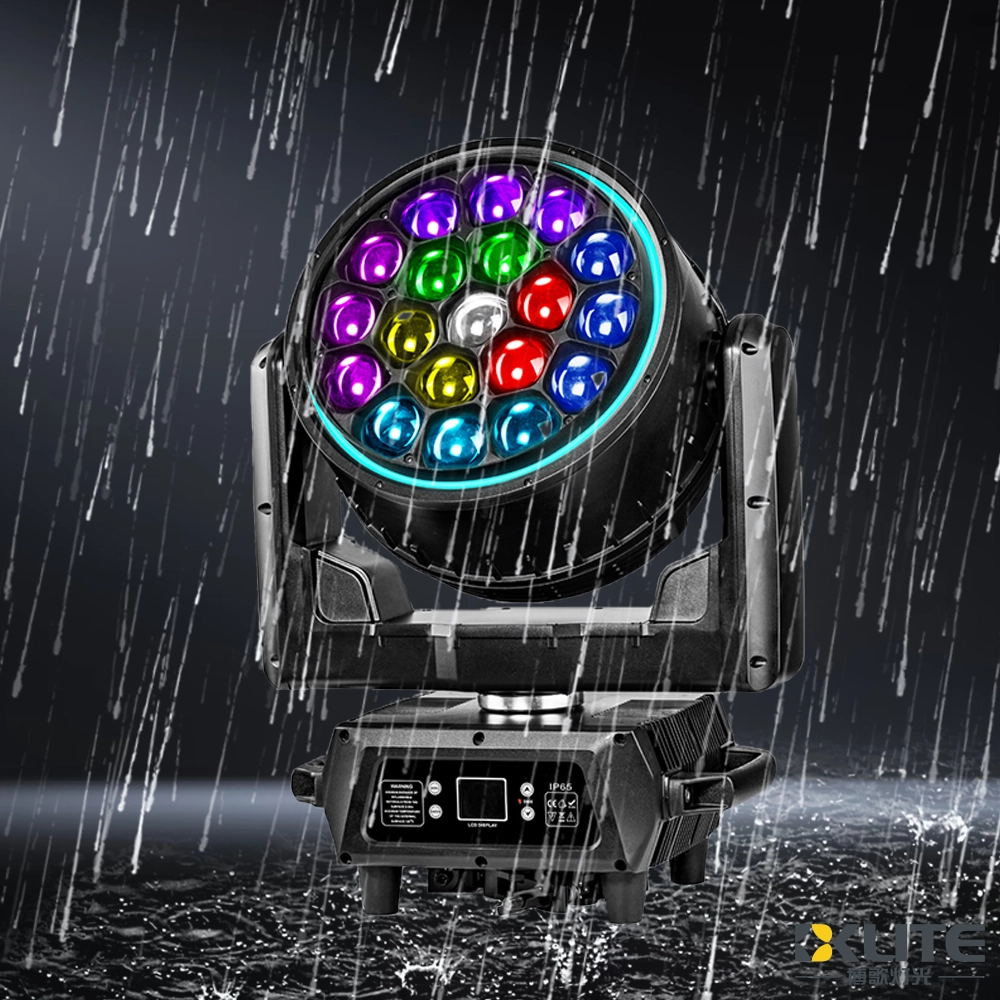
IP65 Waterproof Bee Eye Zoom 19x40W RGBW 4IN1 LED Beam Wash Moving Head Light with LED Ring
BKlite waterproof bee eye moving head light—your reliable choice from top waterproof moving head light manufacturers and suppliers. Ideal for outdoor stage, live event, music festival, this energy-saving fixture ensures powerful, precise illumination for any venue. It delivers powerful, reliable lighting performance in any weather.
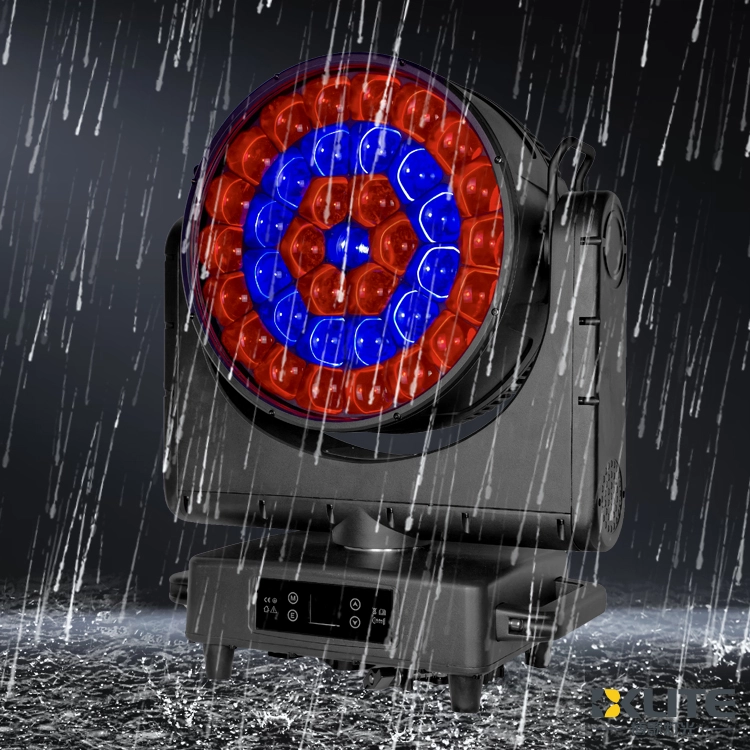
IP65 Waterproof ZOOM Bee Eye 37x40W RGBW 4in1 LED Moving Head Light
As a leading stage lighting equipment supplier with more than 15 years of industry know-how, BKlite brings you the IP65 ZOOM Bee Eye 37*40W RGBW 4in1 LED Moving Head Light (K25 Bee Eye) delivers vibrant, weatherproof lighting with powerful zoom and smooth movement. Ideal for dynamic stage effects, the K25 moving head light ensures stunning RGBW color mixing and reliable outdoor performance.
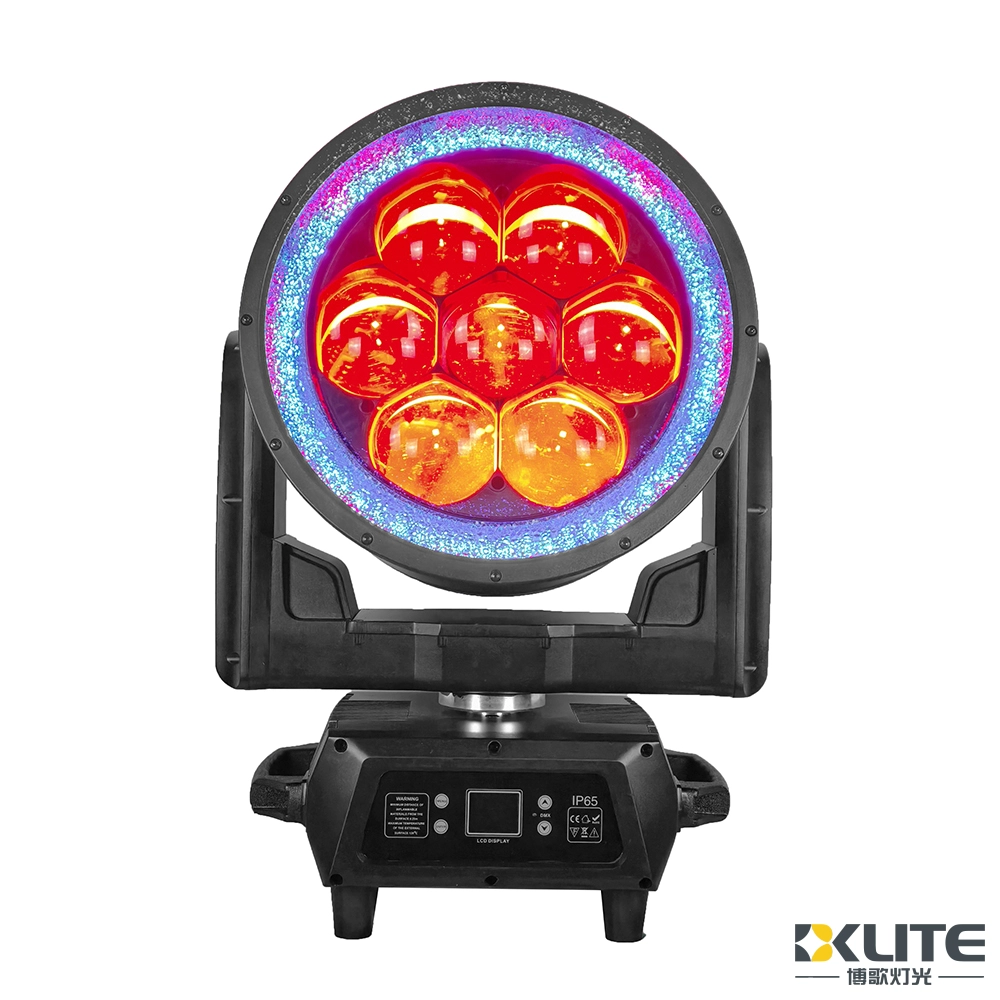
IP65 Waterproof Bee Eye 7x180W RGBL 4IN1 LED Moving Head Light With LED Ring
BKlite high power 7x180W waterproof bee eye moving head light—your reliable choice from top waterproof moving head light manufacturers and suppliers. Ideal for outdoor stage, live event, music festival, this energy-saving fixture ensures powerful, precise illumination for any venue. It delivers powerful, reliable lighting performance in any weather.
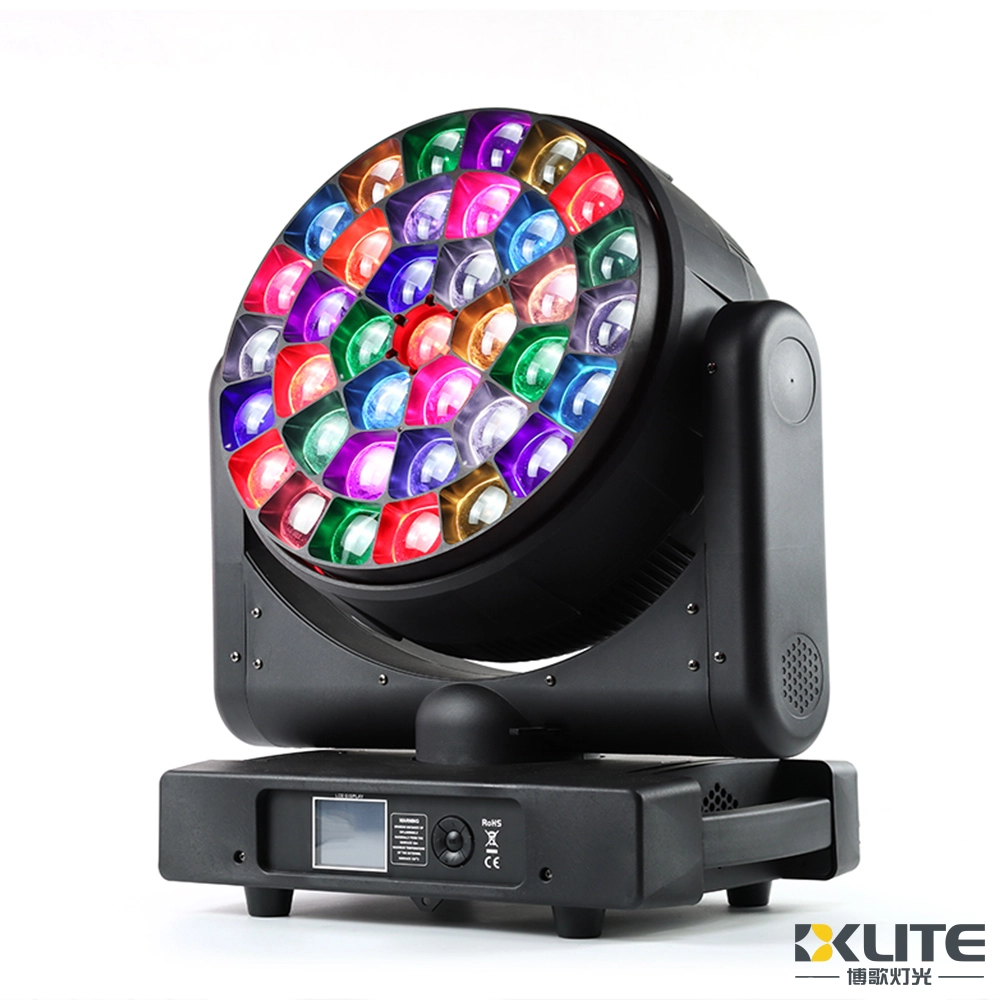
Bee Eye Zoom 37x40W RGBW 4in1 LED Beam Wash Moving Head Light


Copyright © 2025 BKLITE All Rights Reserved.