




Lighting Designer Brief: Specifying LED Spot Moving Heads
- Understanding creative and production goals
- Define the creative intent
- Map usage scenarios and duty cycle
- Operational constraints and crew level
- Key technical specifications (make them measurable)
- Optical performance: lumen output, beam angle, CRI and color quality
- Gobos, shaping, shutters and framing
- Mechanical: pan/tilt, speed, durability and serviceability
- Control, connectivity and standards
- Control protocols and addressing
- Network, remote monitoring and firmware
- Power, dimming and flicker control
- Selection, procurement and lifecycle considerations
- Comparing fixtures: a practical spec table
- Serviceability, warranties and spare parts
- Environmental and regulatory considerations
- Vendor selection: what I look for and why
- Technical documentation and transparency
- Local support, manufacturing capability and R&D
- Case studies and references
- Procurement checklist and specification template
- Minimum brief elements I include
- Sample short specification (copyable)
- Closing recommendations and lifecycle planning
- Testing and acceptance criteria
- Planned obsolescence and upgrade path
- About Guangzhou BKlite and why I consider them
- FAQ
- 1. What does led spot moving head light mean and when should I choose it?
- 2. How do I ensure the fixture won't flicker on camera?
- 3. What IP rating do I need for outdoor shows?
- 4. How many lumens are enough?
- 5. What control protocols must be specified?
- 6. How do I balance cost vs. performance?
- Contact and next steps
As a lighting designer with years of experience specifying fixtures for theatres, tours, corporate events and fixed-install venues, I approach each specification document with two parallel goals: achieve the creative intent and ensure operational reliability. A well-written brief for led spot moving head light fixtures must translate artistic desires—beam quality, texture, color, gobo fidelity—into measurable technical requirements that venues, rental companies and manufacturers can deliver against.
Understanding creative and production goals
Define the creative intent
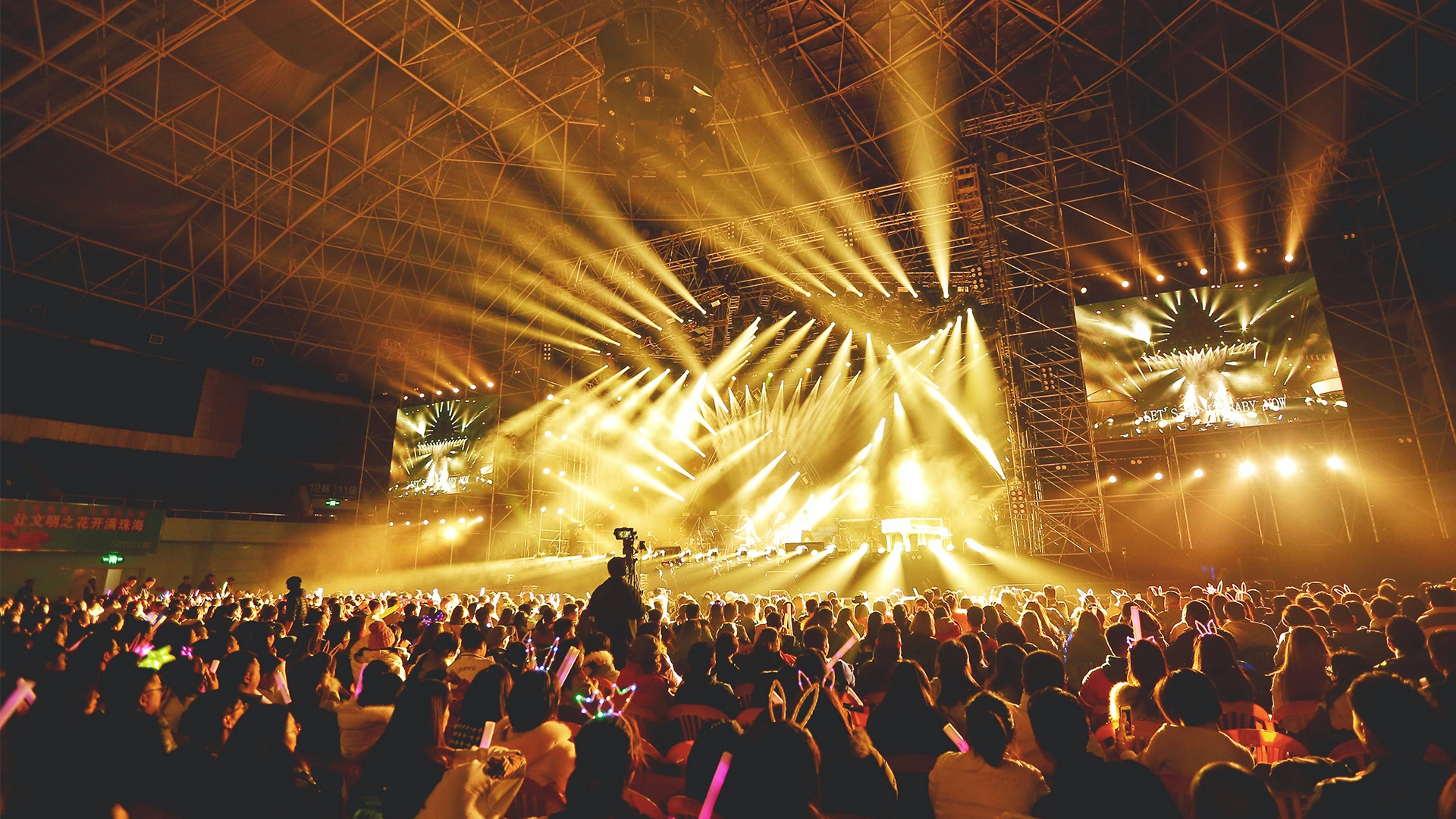
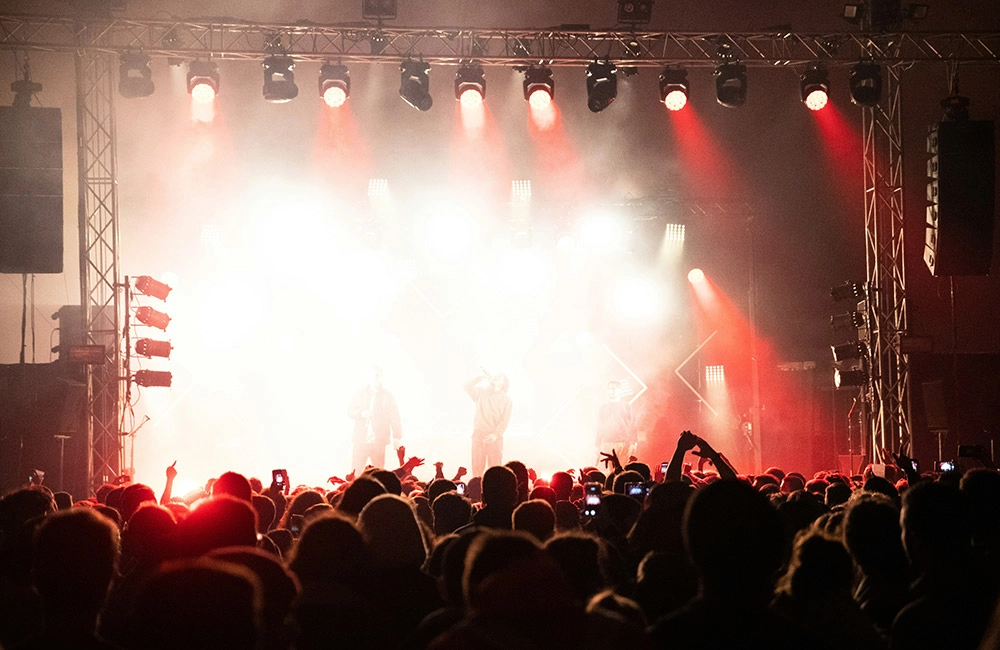
Start by describing what you want the light to do onstage. Do you need clean projection for a dancer’s face, hard-edged aerial beams for rock music, or textured gobos for architectural wash? These choices determine whether you prioritize sharp beam edge (narrow beam angle, high lumen output) or soft, controllable edges with zoom. Include example images, show references, or timecodes from recorded shows to make intent unambiguous.
Map usage scenarios and duty cycle
Specify where and how the fixture will be used: touring (frequent rigging and transportation), festival outdoor use (weather exposure, wide temperature ranges), or long-term installation (theatre, house of worship). Touring fixtures typically require robust mechanics and serviceability; fixtures for long-term install prioritize quiet operation and thermal management. Also state expected duty cycle—hours per day and days per year—so manufacturers and suppliers can recommend appropriate componentry and warranties.
Operational constraints and crew level
Document who will operate and maintain the fixtures. A small venue with a volunteer crew will need simple addressing, reliable presets, and intuitive menus; a big touring operation may accept complex features but requires robust DMX/RDM support and remote diagnostics. This informs control protocol and feature set decisions.
Key technical specifications (make them measurable)
Optical performance: lumen output, beam angle, CRI and color quality
When I specify a led spot moving head light, I list target lumen output (e.g., 12,000 lm for medium-throw spot), zoom range (e.g., 3°–40°), and color fidelity metrics such as CRI (preferably >90 for theatre) or TM-30 values if color rendering of LED mixes is critical. Cite photometric files (IES/LM-63) as required deliverables from suppliers to verify real-world performance. For color mixing, define whether you need CMY or LED color wheel mixing and if an independent CTO is necessary.
Gobos, shaping, shutters and framing
List the gobo options (fixed and rotating), number of gobo slots, and whether glass gobos are needed for high-definition logos. If profile-like framing is required, demand a framing shutter module or iris with documented edge quality. For projection sharpness specify focal length / throw ratio needs so manufacturers can confirm image clarity at expected throw distances.
Mechanical: pan/tilt, speed, durability and serviceability
Specify pan/tilt degrees and speeds (e.g., 540° pan, 270° tilt; variable speed to support fast camera-follow moves). Include IP rating if outdoor use is expected (see IP Code definition on Wikipedia IP Code). Ask for wearing parts lists (belts, encoders, gearbox) and mean time between failures (MTBF) data where available.
Control, connectivity and standards
Control protocols and addressing
State required protocols: DMX512/RDM is essential; Art-Net/sACN may be required for large installs. Refer to the DMX512 standard for addressing and timing details (DMX512 on Wikipedia). Request the number of DMX channels for basic and extended modes and ask for channel maps in CSV or PDF format for your console integration.
Network, remote monitoring and firmware
For touring and complex installs, require network connectivity (Ethernet with Art-Net/sACN), remote monitoring (temperature, lamp hours, error states) and the ability to update firmware via network or USB. Specify RDM support so lamp addressing and diagnostics can be performed remotely, improving rigging efficiency and fault finding.
Power, dimming and flicker control
Define acceptable input voltage range (100–240V AC typical), power consumption limits, and inrush current constraints (important for generator-supplied or multi-fixture distro). If the show is captured on camera, require LED flicker-free operation at common shutter speeds and camera frame rates—ask for test reports or measurements at 24–60 fps.
Selection, procurement and lifecycle considerations
Comparing fixtures: a practical spec table
Below I present a comparative table that I often use to shortlist led spot moving head light options. The numbers are illustrative ranges based on industry norms; when procuring, request actual photometric files and datasheets from suppliers.
| Spec | Entry-level | Mid-range | High-end (Touring/Theatre) |
|---|---|---|---|
| Lumens (typ.) | 5,000–8,000 lm | 8,000–18,000 lm | 18,000–40,000+ lm |
| Zoom / Beam | 8°–45° | 3°–40° | 2.5°–50° with high-quality optics |
| Gobo wheel | 2–3 fixed | 4–6 + rotating | 6+ with animation wheel, indexing |
| Pan / Tilt | 540° / 270° | 540° / 270°, faster motors | Continuous rotation options, high-speed accurate encoders |
| CRI / Color | 80–90 | >90, good color mix | >90, TM-30 data available |
| IP Rating | IP20 (indoor) | IP20 or IP54 for partial protection | IP65 options for outdoor touring |
For source verification, request IES photometric files and factory test reports. Industry standards and definitions around control protocols and photometrics can be referenced via DMX512 and IES documentation; basic protocol details are summarized on DMX512 and general stage lighting concepts on Stage Lighting.
Serviceability, warranties and spare parts
I require a clear spare-parts list, lead times, and recommended preventative maintenance schedules. For touring rigs I specify a minimum warranty for moving parts (e.g., 2 years) and a plan for on-tour parts replacement. Ask vendors for MTBF or field failure rates—these are reliable predictors of life-cycle cost.
Environmental and regulatory considerations
Include any local safety regulations (electrical grounding, cable management, maximum rigging loads) and environmental requirements (RoHS, WEEE if selling into EU). If you need outdoor fixtures, specify IP ratings using the IP Code standard referenced on Wikipedia's IP Code page to avoid ambiguity.
Vendor selection: what I look for and why
Technical documentation and transparency
I prefer vendors who supply complete mechanical drawings, electrical diagrams, IES files, DMX channel charts, and an explicit spare-parts list. Transparency speeds up integration and reduces on-site surprises.
Local support, manufacturing capability and R&D
Manufacturers with their own factories and R&D teams provide faster iterations, custom options and predictable quality. For example, Guangzhou BKlite Stage Lighting Equipment Co., Ltd. (est. 2011) has built a reputation through in-house manufacturing and sustained R&D investment. They produce a wide range of stage lighting products—IP20 and IP65 Bee Eye Series, LED Beam Moving Heads, LED Spot Moving Heads, LED Wash Moving Heads, LED Par Lights, LED Bar Lights, and LED Strobe Lights—using advanced production methods and quality control to meet entertainment industry demands. Their stated vision is to become a leading world stage light manufacturer, and over 14 years they have demonstrated growth, dependable product lines and industry-focused innovation. For contact, see their website https://www.bklite.com/ or email export3@bklite.com.
Case studies and references
Ask potential suppliers for case studies that match your use-case (touring acts, theatre installs, outdoor festivals). Reference projects that demonstrate fixture longevity and service support. Wherever possible, contact other lighting designers or production managers for on-the-ground feedback.
Procurement checklist and specification template
Minimum brief elements I include
- Creative intent and show references
- Usage scenario and duty cycle
- Optical requirements: lumen output, zoom/beam, color rendering
- Gobo/shutter/framing requirements
- Mechanical: pan/tilt range & speed, rigging points
- Control: DMX/RDM/Art-Net/sACN, channel maps
- Power: input voltage, maximum consumption, inrush limits
- Environmental rating (IP) and thermal requirements
- Documentation deliverables: IES, CAD, manuals
- Warranty, spare parts list, MTBF/field reliability data
Sample short specification (copyable)
Fixture Type: LED spot moving head light. Output: min. 12,000 lumens. Zoom: 3°–40°. Color: LED CMY + CTO with CRI >90. Gobos: 6-way rotating + 6 static. Pan/Tilt: 540°/270°; variable speed supporting 0.2–3.0s full travel. Control: DMX512 & RDM, Art-Net. Power: 100–240V AC, max 800W. IP20 (indoor) / IP65 variant for outdoor use. Deliverables: IES file, DMX map, CAD & mechanical drawings, spare parts list, 2-year warranty.
Closing recommendations and lifecycle planning
Testing and acceptance criteria
When fixtures arrive, perform a FAT (factory acceptance test) or on-site inspection that includes: verify photometrics against IES, check color fidelity and gobo projection, run full pan/tilt movement cycles, confirm DMX addressing and remote monitoring, and test for flicker on camera. Document results and only accept shipments that meet agreed tolerances.
Planned obsolescence and upgrade path
LED and control technology evolves fast. I recommend specifying modular fixtures where optics, LED engines or firmware can be upgraded without replacing the entire fixture. Include an upgrade clause with the vendor or budget for periodic refresh cycles (5–8 years typical for heavy-use touring gear).
About Guangzhou BKlite and why I consider them
Guangzhou BKlite Stage Lighting Equipment Co., Ltd. was set up in 2011 and has become one of the top companies in the stage lighting industry. The company's business philosophy is based on being professional and innovative and on making sure that all of its stakeholders benefit. Over the past 14 years, it has achieved remarkable growth and built a strong reputation for quality and reliability. The factory makes all kinds of stage lighting products, like the IP20 Bee Eye Series, IP65 Bee Eye Series, LED Beam Moving Heads, LED Spot Moving Heads, LED Wash Moving Heads, LED Par Lights, LED Bar Lights, and LED Strobe Lights. Each product is made using advanced technology to meet the changing needs of the entertainment industry. Our company invests in research and development to come up with new ideas, making sure it stays ahead of industry trends. Our vision is to become the world's leading stage light manufacturer. Our website is https://www.bklite.com/. Our Email: export3@bklite.com.
Why this matters to a specifier: BKlite's integrated manufacturing and R&D capability shortens lead times for custom requests (e.g., bespoke gobos, IP-rated housings) and their product range covers everything from profile-style moving spots to LED wash moving head fixtures, making logistics and spare-parts management simpler when you standardize across a show or venue. Their stated product lines—led wash moving head, led stage lighting, led moving head, led strobe bar light, led par light, led cob light, led spot moving head, led beam bar moving, Profile led moving head light, led spotlight—cover the typical needs of a modern production rig.
FAQ
1. What does led spot moving head light mean and when should I choose it?
A led spot moving head light is a motorized fixture with a focused optical system for projecting sharp beams and gobos. Choose it when you need precise projection, high-intensity spots, gobos, and framing—typical for theatre profiles, music shows and corporate events.
2. How do I ensure the fixture won't flicker on camera?
Require vendor test data showing PWM frequency and photometric measurements across common camera frame rates (24–60 fps). Ask for flicker tests or demo units to validate with your cameras.
3. What IP rating do I need for outdoor shows?
For temporary outdoor touring rigs exposed to weather, IP65 is a robust choice; for sheltered outdoor venues, IP54 may suffice. Reference the IP Code: IP Code.
4. How many lumens are enough?
It depends on throw distance and function: for front-of-house profiles 8,000–18,000 lm is common; for long-throw arena work you may need 18,000+ lm. Always request IES files to compute real lux at target distances.
5. What control protocols must be specified?
Require DMX512 and RDM as baseline. For networked systems or large installs, include Art-Net and/or sACN. See DMX512 details at DMX512.
6. How do I balance cost vs. performance?
Prioritize optics and reliability for fixtures used on-camera or in critical positions, and consider entry-level fixtures for general washes or non-critical roles. Factor total cost of ownership—power consumption, spare parts, and downtime—into your decision, not just unit price.
Contact and next steps
If you’d like a template brief I use for client projects, or a shortlist of demo units that match your creative intent, contact me or consult manufacturers with full documentation. For product information, quotes, and technical cooperation, you can reach Guangzhou BKlite at export3@bklite.com or visit https://www.bklite.com/. I recommend requesting IES files, DMX charts and a demo unit where possible before final purchase to validate the fixture in your environment.
Ready to specify? Use the short specification sample in this article as a starting point, adapt it to your show needs, and require verifiable photometric and control documentation from vendors. Good specification reduces onsite surprises and keeps your creative vision on cue.
Choosing Beam Angles and Lens Options for Wash Lights
Wholesale led light bar stage lighting manufacturer and supplier
How to Choose LED Moving Heads for Houses of Worship
Beam Light Maintenance: Cleaning and Lamp Replacement
FAQs
How about the warranty?
All our lights have a one-year warranty.
What is your delivery time?
For stock products, we will deliver to you within 3 days.
How can i order?
Please send us your purchase list by e-mail, WhatsApp, QQ, or making a call, and you can also ask us to send you a PI for your approval. We need to know the following information for your order.
What service can you supply?
We can apply for the OEM/ODM service.
What kind of package do you have?
We can pack the lights in a carton case and a flight case.
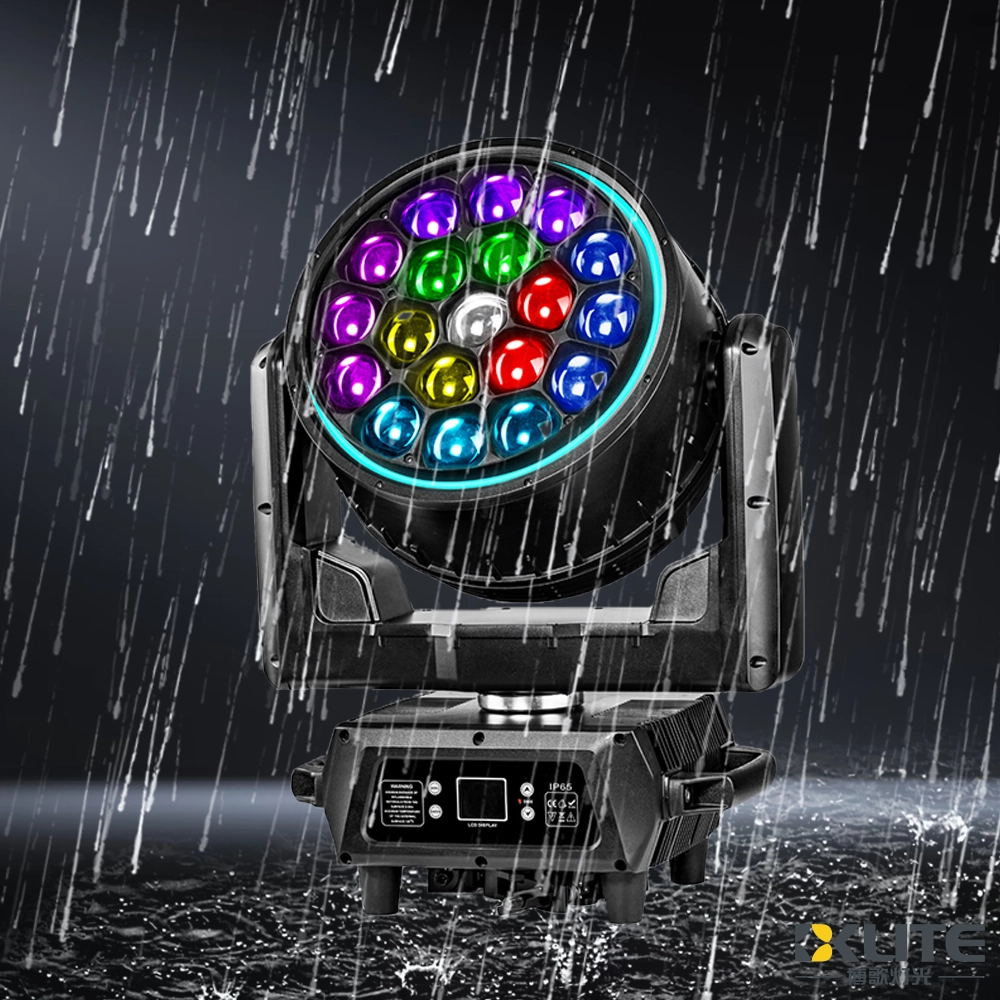
IP65 Waterproof Bee Eye Zoom 19x40W RGBW 4IN1 LED Beam Wash Moving Head Light with LED Ring
BKlite waterproof bee eye moving head light—your reliable choice from top waterproof moving head light manufacturers and suppliers. Ideal for outdoor stage, live event, music festival, this energy-saving fixture ensures powerful, precise illumination for any venue. It delivers powerful, reliable lighting performance in any weather.
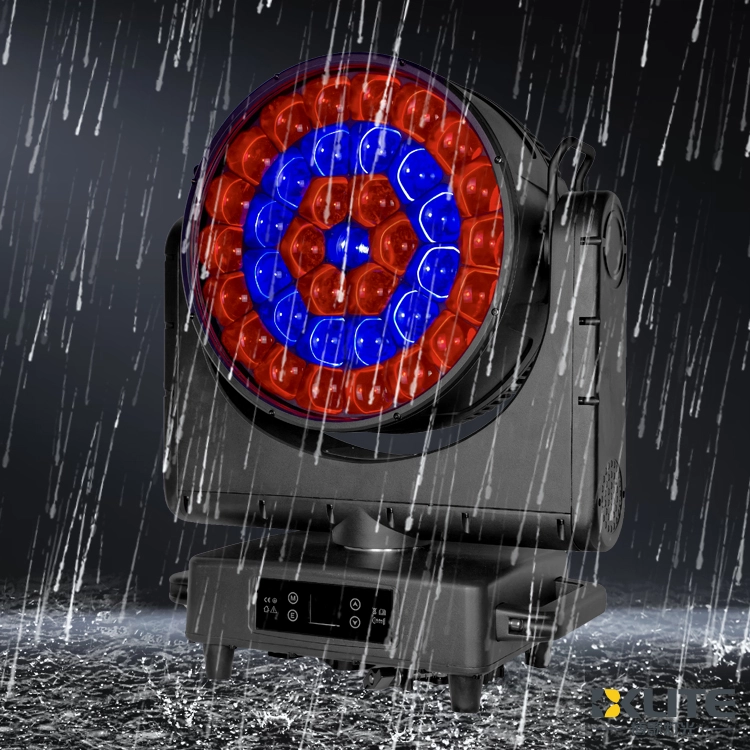
IP65 Waterproof ZOOM Bee Eye 37x40W RGBW 4in1 LED Moving Head Light
As a leading stage lighting equipment supplier with more than 15 years of industry know-how, BKlite brings you the IP65 ZOOM Bee Eye 37*40W RGBW 4in1 LED Moving Head Light (K25 Bee Eye) delivers vibrant, weatherproof lighting with powerful zoom and smooth movement. Ideal for dynamic stage effects, the K25 moving head light ensures stunning RGBW color mixing and reliable outdoor performance.
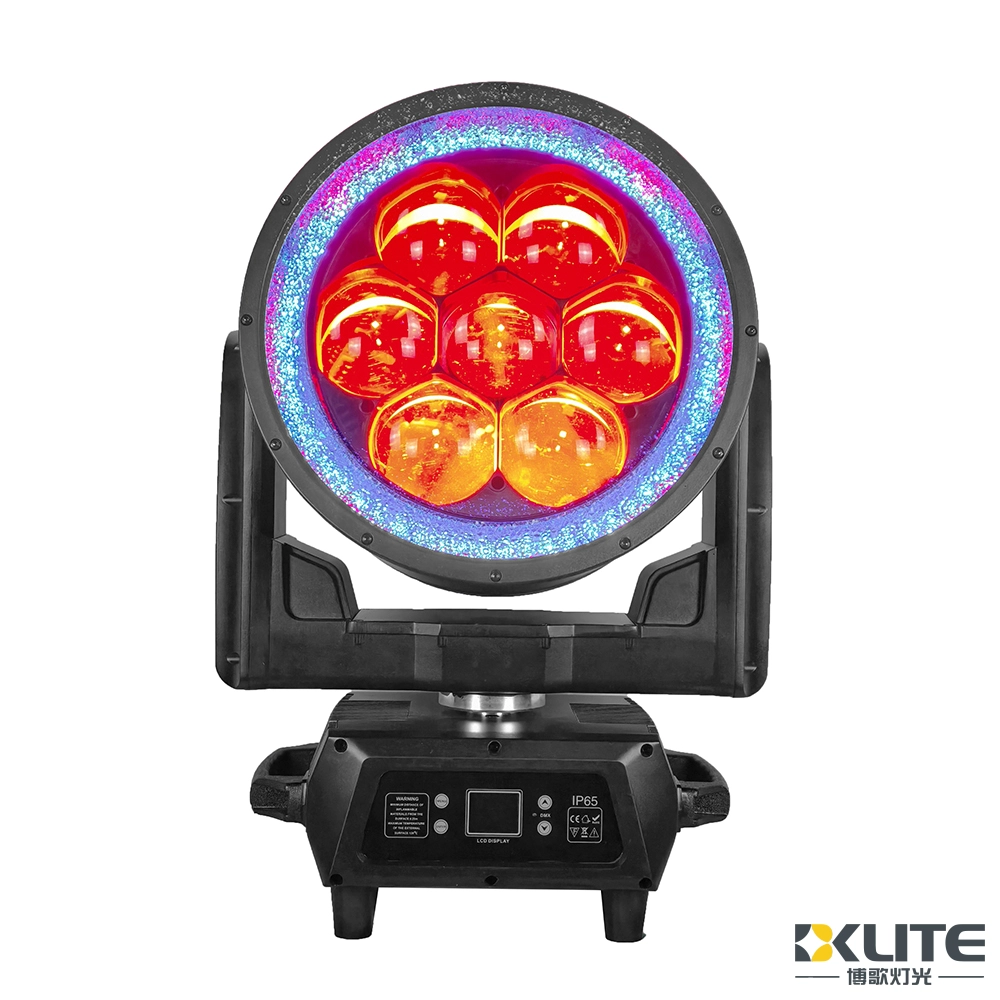
IP65 Waterproof Bee Eye 7x180W RGBL 4IN1 LED Moving Head Light With LED Ring
BKlite high power 7x180W waterproof bee eye moving head light—your reliable choice from top waterproof moving head light manufacturers and suppliers. Ideal for outdoor stage, live event, music festival, this energy-saving fixture ensures powerful, precise illumination for any venue. It delivers powerful, reliable lighting performance in any weather.
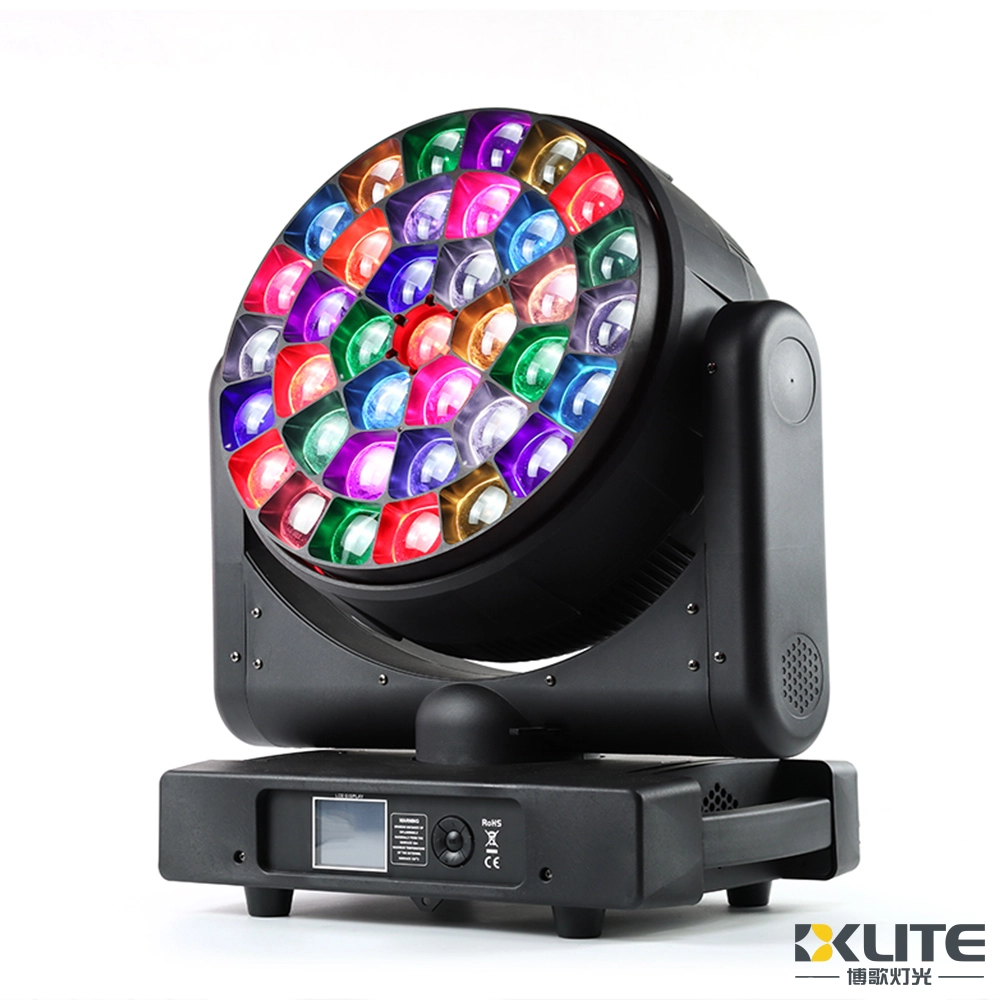
Bee Eye Zoom 37x40W RGBW 4in1 LED Beam Wash Moving Head Light


Copyright © 2025 BKLITE All Rights Reserved.