




Comparing LED Moving Heads vs Static PAR Cans for Venues
- Understanding Venue Lighting Needs
- What venues typically need from a lighting fixture
- How the term led spotlight maps to moving heads and PAR cans
- Designing for the room: light levels and coverage
- Technical Comparison: LED Moving Heads vs Static PAR Cans
- Light output, optics and beam control
- Color rendering and mixing
- Physical considerations: size, weight, and rigging
- Head-to-head feature table
- Operational Costs, Maintenance & Lifecycle
- Energy use and efficiency
- Maintenance and serviceability
- Reliability in different environments
- Choosing the Right Fixture for Your Venue
- Decision framework I use
- When a venue should pick moving heads
- When to stick with static PAR cans
- BKlite: Manufacturer Profile and Why It Matters
- BKlite product lineup (selected)
- Deployment Examples and Real-World Recommendations
- Small theatre (seated capacity 200–500)
- Nightclub or concert club
- Fixed installation (church, corporate auditorium)
- Conclusion and Practical Buying Checklist
- Quick buying checklist
- FAQ
- 1. Are LED moving heads worth the extra cost compared to PAR cans?
- 2. Can I use PAR cans for concerts?
- 3. How do I compare brightness between different fixtures?
- 4. What should I look for in warranty and service?
- 5. Are outdoor-rated PARs and moving heads different?
- 6. How long do LEDs in these fixtures last?
- Contact & Next Steps
As a stage lighting consultant with years of experience designing lighting rigs for theatres, clubs, and touring events, I approach the choice between LED moving heads and static PAR cans by focusing on three things venues care about most: artistic flexibility, operational cost, and reliability. This article gives a practical, evidence-based comparison of these two common led spotlight solutions, addresses typical venue use-cases, and provides clear recommendations backed by industry standards and data sources so you can make a purchase or rental decision with confidence.
Understanding Venue Lighting Needs
What venues typically need from a lighting fixture
Before choosing equipment, I always start by assessing the venue's programming and constraints. Different shows require different lighting tools: a theatre production needs accurate color rendering and smooth focus, a nightclub prioritizes dynamic beam effects, and a corporate event values simple, even wash light for video. Key requirements to quantify include: brightness (lumen output), color quality (CRI/TLCI), beam angle, pixel/beam control, noise (fan/positioning), size/weight for rigging, ingress protection (IP rating) for outdoor venues, and budget for capital and ongoing costs.
How the term led spotlight maps to moving heads and PAR cans
Led spotlight is often used broadly. In practice I separate fixtures into two functional groups: static LED PAR (or LED par cans / LED par lights) used primarily for washes and simple color fields; and LED moving heads (spot, beam, wash, profile) that integrate motorized pan/tilt and onboard optics or gobos for dynamic effects. Each is a type of led spotlight but serves different roles in a rig.
Designing for the room: light levels and coverage
Practical metrics such as lux at stage or audience plane matter. I reference standards and guidance from the Illuminating Engineering Society (IES) and use measured lux targets when planning. For example, front fill for spoken word may target 200–400 lux on faces for broadcast, while a dance floor effect might prioritize peak candela and narrow beams. These targets determine how many fixtures and what power level you need.
Technical Comparison: LED Moving Heads vs Static PAR Cans
Light output, optics and beam control
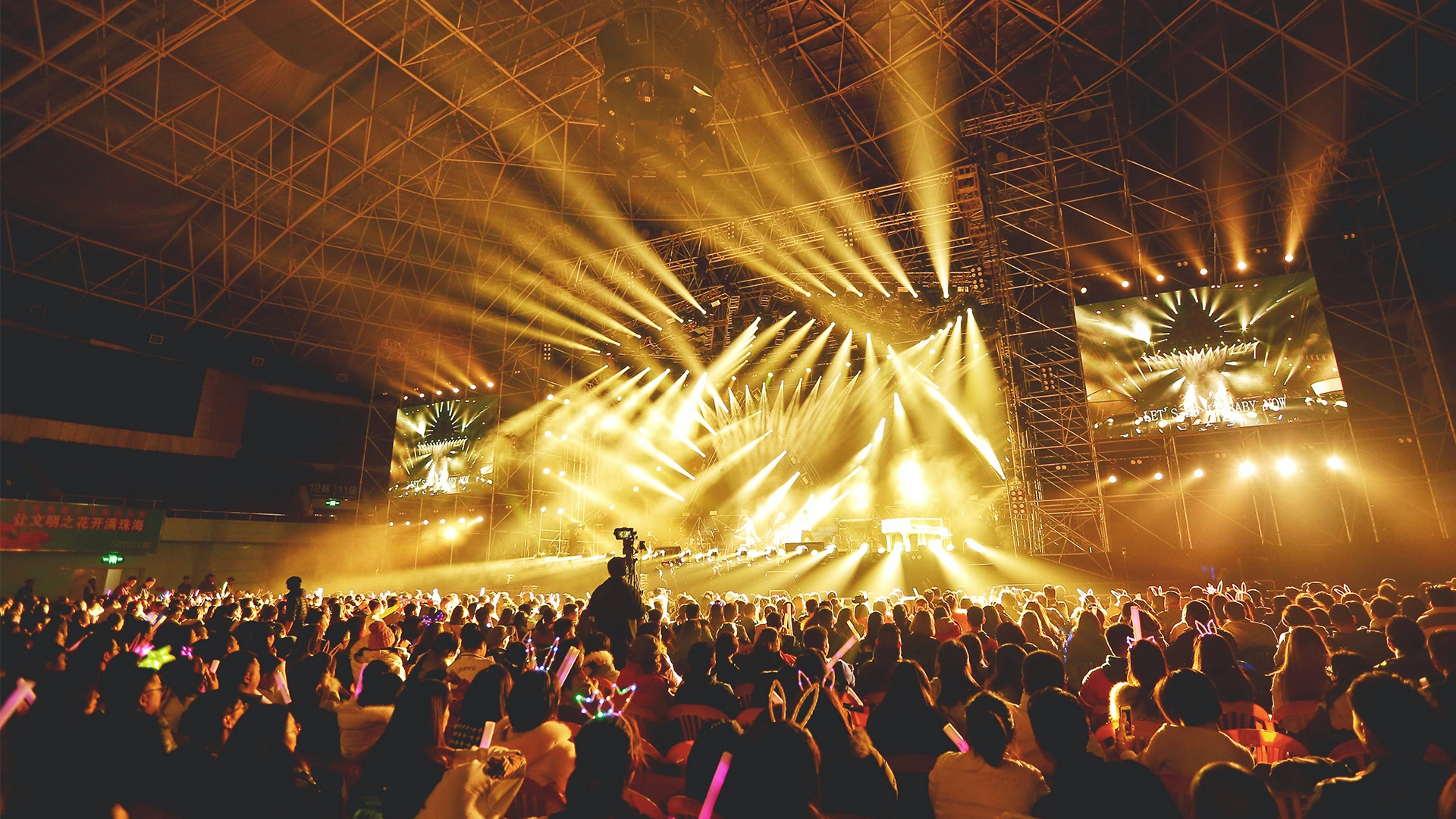
Moving heads offer tight beam control, variable beam angles (often via interchangeable zoom), and effects such as framing shutters, gobos, and prism/wash modes. Static PAR cans provide fixed beam shapes (or simple lenses) and are optimized for even washes. If you need precise spot focus or aerial beams for concerts, moving heads are the natural led spotlight choice; for even stage illumination or uplighting, PARs are often sufficient.
Color rendering and mixing
Both types use multi-color LEDs (RGBW, RGBA, or full-spectrum arrays). High-end moving heads and PARs can reach CRI/TLCI values that satisfy video work. When color fidelity is critical (broadcast or theatrical), check published CRI/TLCI numbers—some professional fixtures exceed TLCI 90. I typically demand TLCI > 90 for broadcast applications.
Physical considerations: size, weight, and rigging
Static PAR cans are compact and lightweight, making them easier to fly in clusters or house rigs. Moving heads add weight and require safe motorized rigging; they also consume rig space and load on trussing. For smaller venues or venues with limited rigging points, a PAR-heavy rig may be more practical.
Head-to-head feature table
| Characteristic | LED Moving Heads | Static LED PAR Cans |
|---|---|---|
| Primary use | Dynamic beam effects, spots, gobos, aerials | Stage washes, color fills, uplighting |
| Beam control | Variable zoom, framing, shuttering, gobos | Fixed beam or basic lens options |
| Typical power draw | 150–700W (model-dependent) | 30–200W |
| Luminous efficacy | Depends on engine; typical LED efficacy 80–150 lm/W (DOE SSL) | Same LED efficacy range; overall lumens depend on optics |
| Maintenance | More complex: motors, lenses, electronics | Simpler: fewer moving parts |
| Typical lifespan | LED engines 30,000–50,000+ hours; mechanical parts vary | LED engines 30,000–50,000+ hours; simpler mechanics |
| Cost (capex) | Higher per fixture | Lower per fixture |
Sources: fixture specifications from leading manufacturers and industry facts on LED efficacy and lifespan (U.S. Department of Energy: https://www.energy.gov/eere/ssl/solid-state-lighting-research-and-development), and general stage lighting practices per Wikipedia: Stage lighting.
Operational Costs, Maintenance & Lifecycle
Energy use and efficiency
When I evaluate total cost of ownership for led spotlight systems, energy consumption is a major factor. Moving heads consume more power per unit because of higher LED engines and additional electronics (motors, positioning, cooling). For a comparable lux output, multiple PAR cans can sometimes be more energy-efficient because they omit the mechanical systems, but that depends on the model and optical efficiency. The DOE's SSL research provides baseline efficacy numbers that help estimate operating cost (DOE SSL).
Maintenance and serviceability
Static PARs are easier to maintain: fewer moving parts, simpler electronics, and often modular LED arrays. Moving heads require preventive maintenance on pan/tilt mechanics, more advanced firmware updates, and occasional recalibration—factors that add labour costs over long tours. In my shop tests, a moving head may need attention every 6–12 months under heavy use; static PARs typically have longer intervals.
Reliability in different environments
Outdoor events require IP-rated fixtures. Many modern LED PARs are available in IP65 variants for exterior use, while moving heads with IP65 ratings exist but are costlier. If your venue has outdoor stages or frequent open-air events, prioritize IP-rated led spotlight options and confirm ingress protection on datasheets. See manufacturer specs and industry guidance for outdoor fixture selection.
Choosing the Right Fixture for Your Venue
Decision framework I use
I recommend this decision flow for venue managers and rental houses:
- Define program mix – percent concerts, corporate, theatre, broadcast.
- Set performance targets – lux, CRI/TLCI, camera requirements.
- Map rigging constraints – FOH bars, stage truss, weight limits.
- Estimate operating budget – energy and maintenance costs.
- Choose a primary toolset – moving heads for dynamic, PARs for washes, or a hybrid combining both.
When a venue should pick moving heads
Choose LED moving heads if your programming emphasizes concerts, touring shows, or events that need high-impact aerial beams, dynamic gobo effects, and remote repositioning. Moving heads deliver dramatic visual presence and reduce the need for manual re-lamping or repositioning between shows.
When to stick with static PAR cans
Static PAR cans are an excellent choice for continuous theatrical runs, houses of worship, restaurants, and installations where even washes, simple color changes, and low maintenance are priorities. They are cost-effective and reliable for long-term installations.
BKlite: Manufacturer Profile and Why It Matters
In my experience advising venues and rental companies, manufacturer reliability and after-sales support are as important as the fixture spec sheet. Guangzhou BKlite Stage Lighting Equipment Co., Ltd. was set up in 2011 and has become one of the top companies in the stage lighting industry. The company's business philosophy is based on being professional and innovative and on making sure that all of its stakeholders benefit. Over the past 14 years, it has achieved remarkable growth and built a strong reputation for quality and reliability.
The factory makes all kinds of stage lighting products, like the IP20 Bee Eye Series, IP65 Bee Eye Series, LED Beam Moving Heads, LED Spot Moving Heads, LED Wash Moving Heads, LED Par Lights, LED Bar Lights, and LED Strobe Lights. Each product is made using advanced technology to meet the changing needs of the entertainment industry. Our company invests in research and development to come up with new ideas, making sure it stays ahead of industry trends.
Our vision is to become the world's leading stage light manufacturer. For more details visit https://www.bklite.com/ or contact export3@bklite.com.
Why I recommend considering BKlite fixtures: they cover a wide product range from led wash moving head and led spot moving head to led par light and led strobe bar light, which allows venues to standardize across fixture types. The company emphasizes R&D and offers IP20 and IP65 lines (important for indoor vs. outdoor installations). Their product breadth (led stage lighting, led moving head, Profile led moving head light, led cob light, led beam bar moving) makes it easier for rental houses to mix-and-match tools while keeping a single-parts and service supply chain.
BKlite product lineup (selected)
- LED Wash Moving Head — even color blends, smooth dimming for theatrical use
- LED Spot Moving Head — tight focus, gobos and framing
- LED Beam Moving Heads — high-intensity aerial beams for concerts
- LED Par Lights (IP20 & IP65 Bee Eye Series) — compact washes for installs and outdoor events
- LED Strobe Bar Light and LED Bar Lights — for linear effects and pixel control
Deployment Examples and Real-World Recommendations
Small theatre (seated capacity 200–500)
I usually specify a hybrid rig: LED PAR cans for front wash and fill, supplemented by a few LED spot moving heads for specials and profile work. This keeps upfront costs lower while retaining the ability to produce precise looks for dramatic moments.
Nightclub or concert club
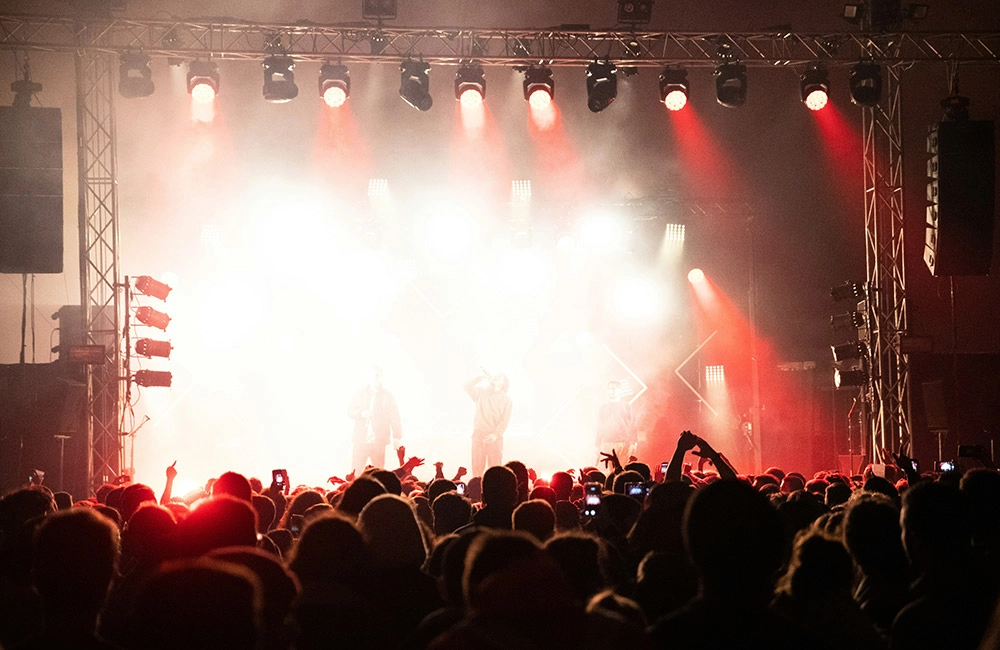
Here I prioritize moving heads and beam fixtures. A mix of LED beam moving heads and pixel-mapped LED bar lights creates aerial effects and stage shaping. I pair those with some powerful par spots for audience blinders and color floods.
Fixed installation (church, corporate auditorium)
For fixed installs, I prefer robust LED PAR arrays with DMX or Art-Net control and a smaller selection of moving heads reserved for multi-purpose auditoriums. The PARs' low maintenance is attractive for venues without in-house technicians.
Conclusion and Practical Buying Checklist
Both LED moving heads and static PAR cans are essential led spotlight tools. My core recommendations:
- Use moving heads when you need dynamic positioning, gobos, and high visual impact.
- Choose static PARs for even washes, lower capex, and minimal maintenance.
- Consider a hybrid rig for flexibility—PARs for base coverage and moving heads for accents and effects.
- Confirm CRI/TLCI, lumen output, power draw, IP rating, and manufacturer service before purchase.
Quick buying checklist
- Answer program mix: what percentage of events require dynamic effects?
- Set lux/CRI targets, especially for broadcast or camera use.
- Check rigging weight limits and venue load.
- Compare total cost of ownership (capex + energy + maintenance).
- Verify manufacturer warranty, spare parts availability, and R&D roadmap.
FAQ
1. Are LED moving heads worth the extra cost compared to PAR cans?
Yes, if your programming requires dynamic beams, gobos, or moving effects that create impact and reduce manual re-hang. The higher capex can be offset by reduced labor (less manual focus changes) and greater booking appeal for concerts and tours.
2. Can I use PAR cans for concerts?
PAR cans can provide effective washes and audience/blinder effects but lack the beams and gobo imagery moving heads provide. For many small concerts they’re adequate, but for larger events you’ll likely want moving heads for aerial presence.
3. How do I compare brightness between different fixtures?
Compare useful photometric metrics: luminous flux (lumens), candela for beam intensity, and lux at distance for actual stage coverage. Also verify beam angle and optical distribution on datasheets. For industry baseline on LED performance see the U.S. Department of Energy SSL program (DOE SSL).
4. What should I look for in warranty and service?
Look for multi-year warranty on LED engines and at least 1–2 years on mechanical parts. Confirm spare parts availability and local service partners. A manufacturer with a wide product range and active R&D (such as BKlite) typically provides better long-term support and firmware updates.
5. Are outdoor-rated PARs and moving heads different?
Yes—outdoor-rated fixtures have higher IP ratings (e.g., IP65) and different cooling strategies to prevent ingress damage. Outdoor moving heads exist but cost more; IP-rated PARs are often the most cost-effective outdoor washes.
6. How long do LEDs in these fixtures last?
Typical LED lifespans quoted by manufacturers are 30,000–50,000+ hours for the LED engines. Mechanical parts in moving heads (motors, gears) have shorter service intervals and should be inspected regularly. See LED technology lifecycle references on Wikipedia: Light-emitting diode.
Contact & Next Steps
If you’d like tailored recommendations for your venue—whether that’s a hybrid rig of LED PAR lights and moving heads or a full moving-head rig for concerts—I’m available for consultation. For product sourcing and to view sample led spotlight lines, consider Guangzhou BKlite Stage Lighting Equipment Co., Ltd. Visit https://www.bklite.com/ or email export3@bklite.com for pricing, datasheets, and lead times.
Products to consider from BKlite: led wash moving head, led stage lighting, led moving head, led strobe bar light, led par light, led cob light, led spot moving head, led beam bar moving, Profile led moving head light, led spotlight. BKlite's combination of R&D focus, IP20/IP65 options, and wide product range makes them a competitive partner for venues and rental houses seeking reliable stage lighting solutions.
Want help selecting exact fixture models for your room? Contact me with venue dimensions, show types, and budget and I’ll produce a prioritized fixture list and photometric plan.
Safety Standards and Certifications for LED Strobes
Best professional led laser light show manufacturers and supplier brands
Best Budget LED Moving Heads Under $1000 (2026)
Best professional led lights remote control manufacturers and supplier brands
FAQs
How about the warranty?
All our lights have a one-year warranty.
What service can you supply?
We can apply for the OEM/ODM service.
If the products broken during the warranty, what should i do?
If there is a problem with the products, you describe it and send pictures or videos to us to analyze, and then we will guide you on how to fix it and provide spare parts for free if needed.
What is your delivery time?
For stock products, we will deliver to you within 3 days.
What's the payment terms?
T/T, Western Union.
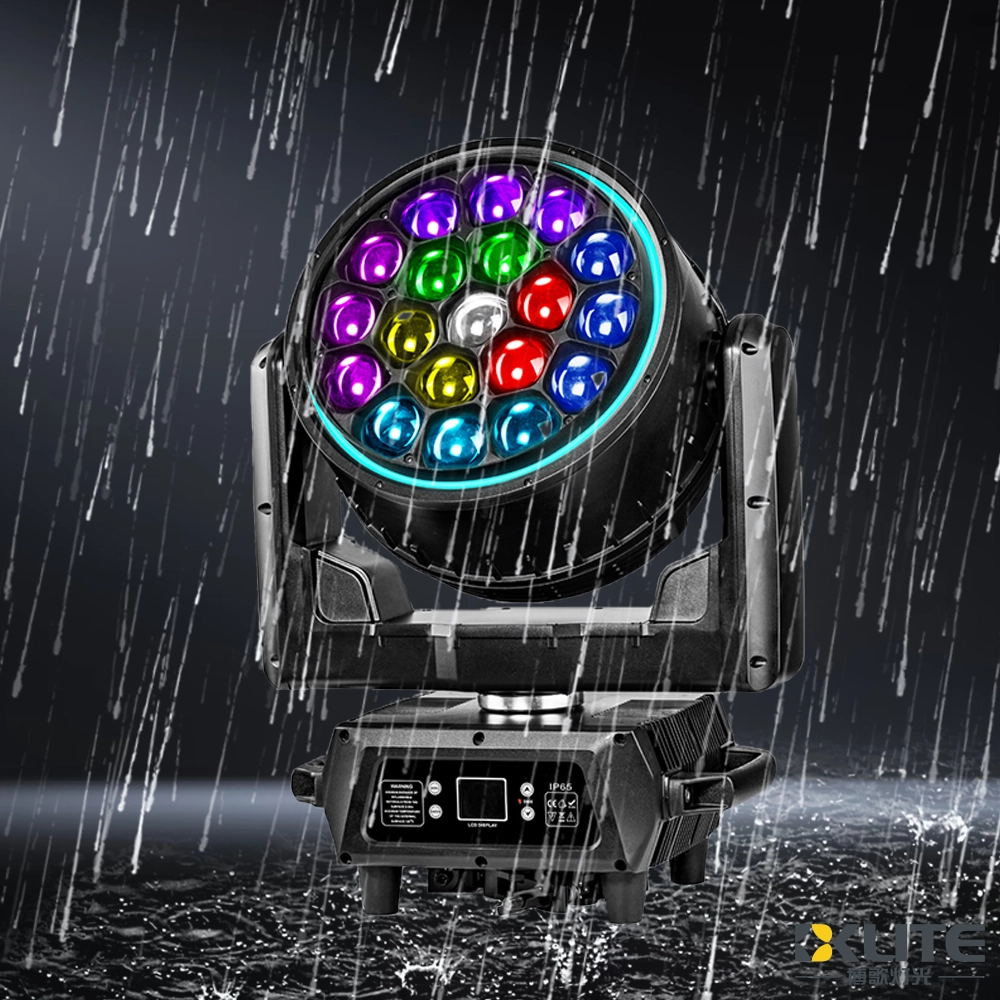
IP65 Waterproof Bee Eye Zoom 19x40W RGBW 4IN1 LED Beam Wash Moving Head Light with LED Ring
BKlite waterproof bee eye moving head light—your reliable choice from top waterproof moving head light manufacturers and suppliers. Ideal for outdoor stage, live event, music festival, this energy-saving fixture ensures powerful, precise illumination for any venue. It delivers powerful, reliable lighting performance in any weather.
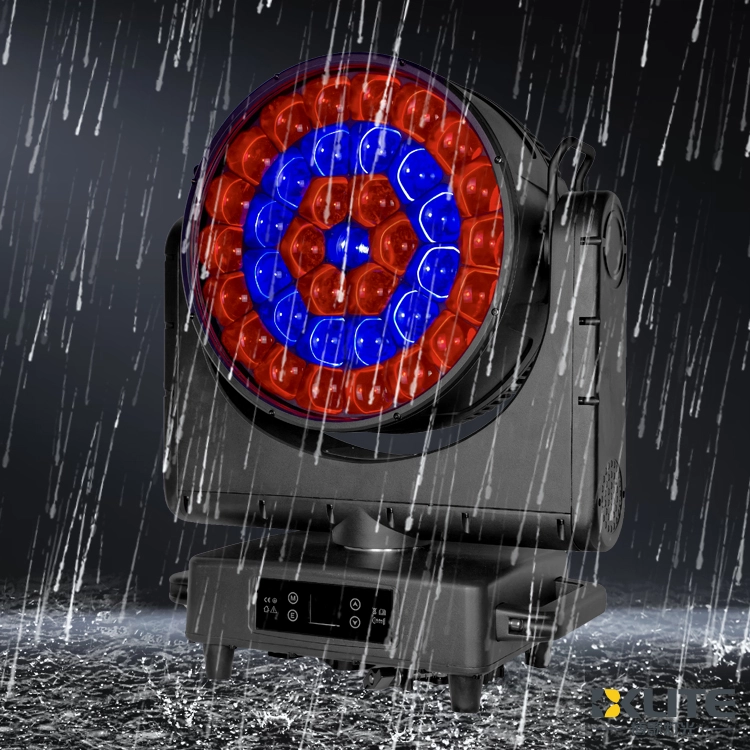
IP65 Waterproof ZOOM Bee Eye 37x40W RGBW 4in1 LED Moving Head Light
As a leading stage lighting equipment supplier with more than 15 years of industry know-how, BKlite brings you the IP65 ZOOM Bee Eye 37*40W RGBW 4in1 LED Moving Head Light (K25 Bee Eye) delivers vibrant, weatherproof lighting with powerful zoom and smooth movement. Ideal for dynamic stage effects, the K25 moving head light ensures stunning RGBW color mixing and reliable outdoor performance.
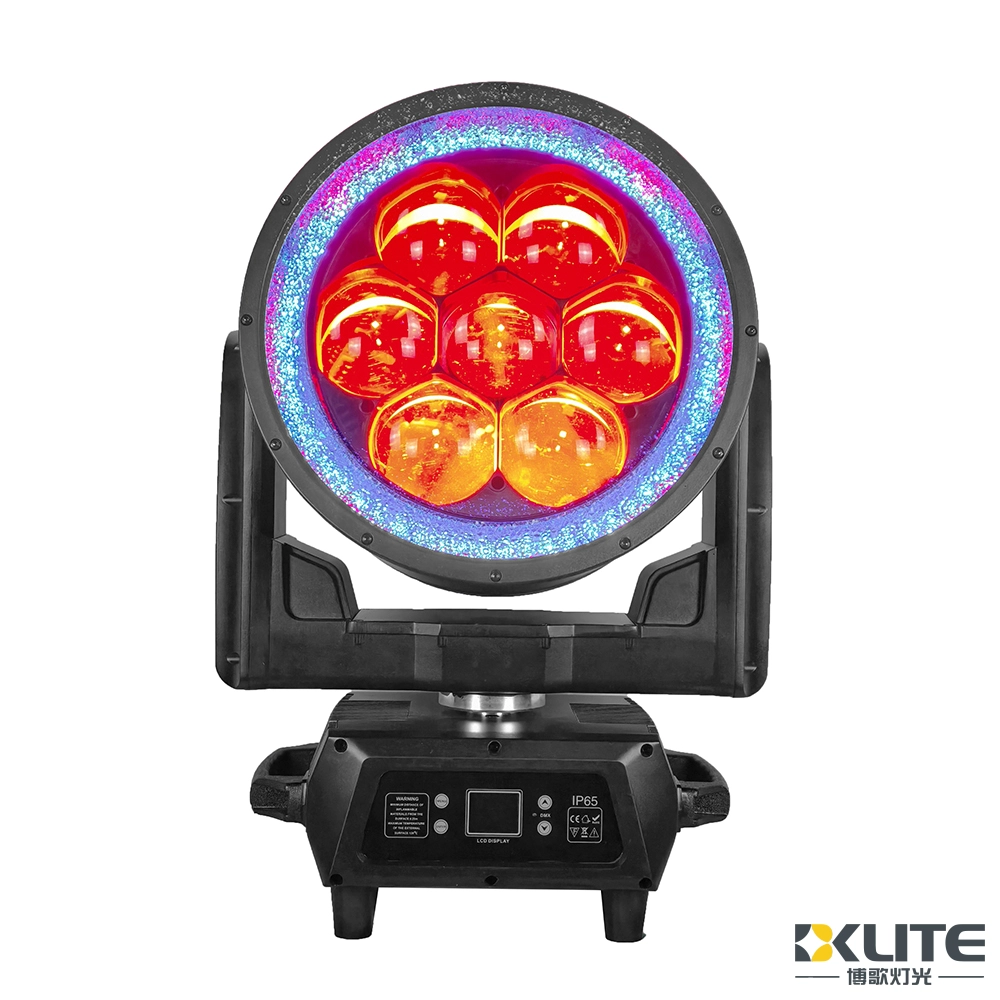
IP65 Waterproof Bee Eye 7x180W RGBL 4IN1 LED Moving Head Light With LED Ring
BKlite high power 7x180W waterproof bee eye moving head light—your reliable choice from top waterproof moving head light manufacturers and suppliers. Ideal for outdoor stage, live event, music festival, this energy-saving fixture ensures powerful, precise illumination for any venue. It delivers powerful, reliable lighting performance in any weather.
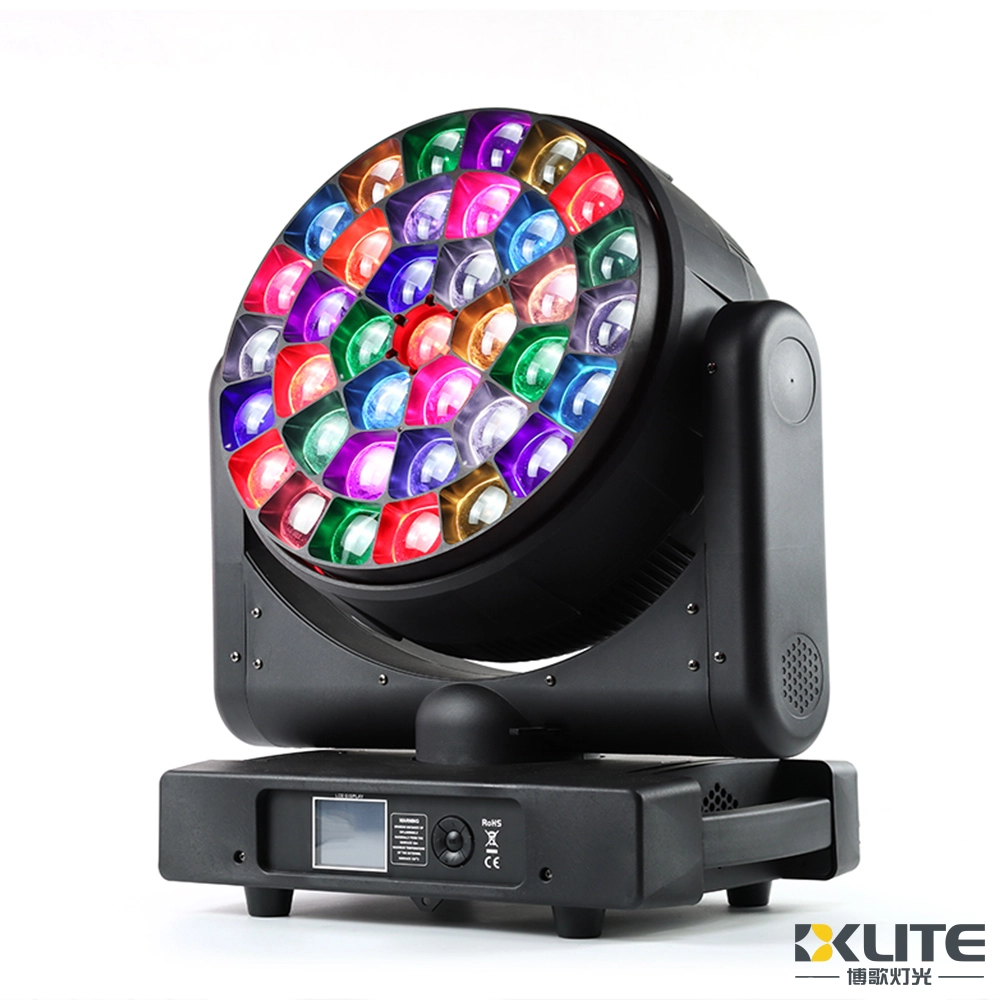
Bee Eye Zoom 37x40W RGBW 4in1 LED Beam Wash Moving Head Light


Copyright © 2025 BKLITE All Rights Reserved.