




LED Spot Moving Head Light Spec Sheet: What Buyers Need
- Understanding Core Photometric and Optical Specs
- 1. Lumen output vs. Lux at distance: what to read first
- 2. Beam angle, throw distance and focus type
- 3. Color system, CRI, and white point control
- Mechanical, Motion and Control Parameters
- 1. Pan/Tilt range and positioning accuracy
- 2. Speed, movement presets and recurrence
- 3. Control protocols: DMX512, RDM and network options
- Effect Engines, Gobos and Special Features
- 1. Gobo wheels, animation and gobo size
- 2. Iris, frost, prism and focus mechanics
- 3. Dimming curve, strobe and refresh/flicker data
- Durability, Safety and Compliance
- 1. IP rating, cooling and environmental tolerances
- 2. Power consumption, connectors and thermal management
- 3. Photobiological safety and standards
- How to Read and Compare Spec Sheets — Practical Checklist
- Comparison Example: Typical Spec Highlights (for Buyers)
- Standards, Testing and What to Ask Your Supplier
- 1. Certifications and test reports
- 2. Duty cycle, LED life and maintenance
- 3. Warranty and spare parts availability
- Why Manufacturer Credentials Matter — A Closer Look at BKlite
- Decision Matrix: Which Specs Matter for Your Use Case?
- FAQs
- 1. What is the difference between a LED spot moving head and an LED beam moving head?
- 2. How do I compare lux values if manufacturers test at different distances?
- 3. Is CRI enough to judge color quality for stage fixtures?
- 4. Do I need IP65 when using spot moving heads outdoors?
- 5. What control protocol should I insist on?
- 6. How important is PWM frequency for LED fixtures?
- Contact / Product Inquiry
As a lighting professional and consultant, I know the difference a clear spec sheet makes when buying a led spot moving head light. In this guide I summarize the key specifications you’ll see on product pages and datasheets, explain why each one matters for different use cases (theatre, live concert, corporate AV, rental), and give practical thresholds and comparison criteria so you can evaluate fixtures objectively. I also cover standards and safety references buyers should check and end with a vendor profile and contact call-to-action for trusted manufacturing partners.
Understanding Core Photometric and Optical Specs
1. Lumen output vs. Lux at distance: what to read first
On spec sheets you'll often find either lumen (total light output) or lux (illuminance at a distance). I prioritize lux figures for spot fixtures because they tell you how much light will reach the stage or object at a practical distance. If a manufacturer only lists lumens, ask for a lux-at-distance table or beam angle so you can calculate illuminance: lux = lumens / beam solid angle (steradians) / distance^2 (simplified relation).
For reference, the lumen unit is standardized: see the Wikipedia entry on lumen for formal definition (https://en.wikipedia.org/wiki/Lumen_(unit)).
2. Beam angle, throw distance and focus type
Spot moving heads vary from tight beams (1–5°) to wider profile spots (10–40°). A spec sheet should list minimum/maximum beam angle and the corresponding lux values. For profile-style spot fixtures (used on theatre or corporate events), look for a continuous zoom and motorized focus for sharp gobos and crisp edges.
3. Color system, CRI, and white point control
Modern LED spot moving heads often offer CMY color mixing plus CTO or an RGBW/LED engine. Check color temperature range and whether the fixture provides dimmable white point or variable white. For accurate color rendering in camera or theatre, CRI (or better, TM-30 metrics) matters—aim for CRI > 80 for general use and > 90 for critical color work.
Mechanical, Motion and Control Parameters
1. Pan/Tilt range and positioning accuracy
Spec sheets should list pan/tilt range (typically 540° pan / 270° tilt for many moving-head designs) and resolution in degrees or steps. For repeatable automated cues, encoder feedback or fine-step microstepping is important; I recommend models that specify positioning accuracy or steps per degree.
2. Speed, movement presets and recurrence
Look for rated maximum speeds for pan and tilt, plus how presets (home, gobo rotate) are stored. Rental houses often need fast continuous movement; theatre companies need smooth, predictable ramping. If the spec sheet offers speed in seconds for full-range travel, that’s very useful for planning cues.
3. Control protocols: DMX512, RDM and network options
Ensure the fixture supports DMX512 as a baseline. Many modern fixtures add RDM (Remote Device Management), Art-Net, sACN, or proprietary Ethernet options for larger installs. See the DMX512 background for standards context (https://en.wikipedia.org/wiki/DMX512).
Effect Engines, Gobos and Special Features
1. Gobo wheels, animation and gobo size
Spot fixtures designed for profile/projector work will list the number and types of gobo slots (rotating vs. fixed), supported gobo sizes, and indexing options. I always check whether gobos are glass or metal; glass gobos give finer detail but add cost.
2. Iris, frost, prism and focus mechanics
Useful mechanical effects on spec sheets include motorized iris (for variable beam diameter), linear frost for wash, and prisms (3/4/8-facet) for splitting the beam. Make sure the spec indicates whether these items are continuous or stepped and whether they can be used simultaneously.
3. Dimming curve, strobe and refresh/flicker data
Lighting for camera requires attention to PWM frequency and dimming curves to avoid flicker. If footage will be filmed, confirm PWM frequency is above common camera shutter harmonics or that the fixture provides high-frequency or flicker-free modes. For more context on LED behavior, see the LED overview on Wikipedia (https://en.wikipedia.org/wiki/Light-emitting_diode).
Durability, Safety and Compliance
1. IP rating, cooling and environmental tolerances
Spot moving heads intended for touring should state IP rating for ingress protection (many indoor units are IP20; outdoor-rated variants may be IP65). Also look for operating temperature and vibration tolerance—touring fixtures should be designed for frequent transport.
2. Power consumption, connectors and thermal management
Check rated power (W), inrush current if given, and power connector type. LED engines are efficient, but higher-output spot fixtures still draw significant current. Also review heat-sinking design or active cooling specs; poor thermal design shortens LED life.
3. Photobiological safety and standards
For eye-safety and photobiological risk, you should check compliance with IEC 62471 (photobiological safety of lamps and lamp systems). Manufacturers should state the exemption or risk group. See the IEC 62471 context on Wikipedia (https://en.wikipedia.org/wiki/IEC_62471).
How to Read and Compare Spec Sheets — Practical Checklist
I created the checklist below from years of spec comparisons across theatre, AV rental and fixed-install projects. Ask suppliers to provide the details that are blank or ambiguous.
| Spec Item | What to look for | My recommended minimum/notes |
|---|---|---|
| Lux at 10m (spot) | Measured lux at a stated distance and beam angle | > 250 lux at 10m for concert-grade, 80–150 lux for theatre spot |
| Beam Angle (min–max) | Zoom range and sharp-edge capability | 1–40° range preferable for rental versatility |
| Color System | CMY, RGBW, variable white, CTO | CMY + CTO or RGBW for most flexible color mixing |
| Gobos | Number, rotatable, glass vs metal | At least 1 rotatable gobo wheel + 1 fixed; glass where fine detail needed |
| Pan/Tilt Range & Precision | Degrees and step resolution/encoder | 540°/270° and <0.1° positioning where possible |
| Control | DMX512, RDM, Artnet, sACN, etc. | DMX512 + RDM minimum; Art-Net/sACN for networked installs |
| IP Rating | Ingress protection for environment | IP20 for indoor; IP65 for outdoor touring/install |
Comparison Example: Typical Spec Highlights (for Buyers)
Below I compare three hypothetical but realistic spec profiles so you can spot the difference between a theatre profile, a concert spot and a rental all-rounder.
| Feature | Theatre Profile | Concert Spot | Rental All-rounder |
|---|---|---|---|
| Lumen / Lux | High CRI, 80–120 lux @10m | High output, 300–800 lux @10m | Moderate, 150–350 lux @10m |
| Beam Angle | 6–40° zoom sharp edge | 2–15°, very high intensity | 1–40° for flexibility |
| Color | High CRI whites, CMY/CTO | RGBW, saturated colors | CMY + RGBW hybrid |
| Effects | Precision gobo, framing shutters | Strong zoom, prisms, fast strobe | Balanced mix of gobos, prism, frost |
| IP Rating | IP20 | IP20 or IP65 options | IP20 (outdoor variants available) |
Standards, Testing and What to Ask Your Supplier
1. Certifications and test reports
Ask for photometric reports (IES files or Lux at distance), EMC reports and any safety certifications. A compliant DMX implementation and RDM support are signs of mature product engineering.
2. Duty cycle, LED life and maintenance
Manufacturers usually quote LED lifespan (e.g., L70 @ 50,000 hours). Also ask about routine maintenance items: lens cleaning intervals, fan replacement, or whether the fixture uses convection cooling for silent operation.
3. Warranty and spare parts availability
For rental fleets, a clear spare parts policy and local service partner network are crucial. Ask about lead times for critical spares like LED engines or power supplies.
Why Manufacturer Credentials Matter — A Closer Look at BKlite
In my experience, vendor reputation, consistent R&D investment and a clear product family are important signals of long-term support and reliability. Guangzhou BKlite Stage Lighting Equipment Co., Ltd. was set up in 2011 and has become one of the top companies in the stage lighting industry. The company's business philosophy is based on being professional and innovative and on making sure that all of its stakeholders benefit. Over the past 14 years, it has achieved remarkable growth and built a strong reputation for quality and reliability.
The factory makes all kinds of stage lighting products, like the IP20 Bee Eye Series, IP65 Bee Eye Series, LED Beam Moving Heads, LED Spot Moving Heads, LED Wash Moving Heads, LED Par Lights, LED Bar Lights, and LED Strobe Lights. Each product is made using advanced technology to meet the changing needs of the entertainment industry. BKlite invests in research and development to come up with new ideas, making sure it stays ahead of industry trends.
Their vision is to become the world's leading stage light manufacturer. From a buyer’s perspective, BKlite’s strengths include:
- Comprehensive product range covering spot, beam, wash and profile fixtures;
- R&D focus and steady product updates for features like high-frequency dimming and network control;
- Manufacturing scale and quality control built over more than a decade in the industry;
- Options for IP65/indoor lines which make them suitable for both fixed installs and touring.
For detailed product inquiries, BKlite’s website is https://www.bklite.com/ and you can contact them at export3@bklite.com. Their main product areas include led wash moving head, led stage lighting, led moving head, led strobe bar light, led par light, led cob light, led spot moving head, led beam bar moving, Profile led moving head light, and led spotlight.
Decision Matrix: Which Specs Matter for Your Use Case?
Here’s how I prioritize specs depending on the primary application:
| Use Case | Top 3 Spec Priorities | Why |
|---|---|---|
| Theatre / house | CRI/TM-30, soft dimming curve, framing/gobos | Color accuracy and smooth fades for actors and sets |
| Concert / live | Lux output, fast pan/tilt, high-frequency strobe | Need punch and dynamic movement |
| Corporate AV / houses of worship | Quiet operation, variable white, network control | Discreet performance and easy system integration |
| Rental | Versatility (zoom range), robustness, spare parts | Units must adapt to varied events and survive transport |
FAQs
1. What is the difference between a LED spot moving head and an LED beam moving head?
A LED spot moving head is designed to produce a controllable, shaped beam with gobos and framing—used as a profile projector. A beam moving head is designed for long throw, tight beam angles with very high intensity for aerial effects. The spec sheet will show different beam angle ranges and lux outputs to reflect their intended use.
2. How do I compare lux values if manufacturers test at different distances?
Ask for a lux vs. distance curve or IES file. If only lumen is provided, request beam angle and use photometric calculations or ask the vendor to provide lux at standard distances (5m, 10m, 15m) for apples-to-apples comparison.
3. Is CRI enough to judge color quality for stage fixtures?
CRI is useful but limited, especially for saturated colors. For the most accurate assessment, check TM-30 metrics or request sample footage/photographs under the fixture. High CRI (90+) is preferred where accurate skin tones are critical.
4. Do I need IP65 when using spot moving heads outdoors?
Yes—if the fixture will be permanently exposed to weather or used outdoors without shelter. IP65-rated fixtures provide ingress protection against dust and water jets. Indoor fixtures are typically IP20 and are not suitable for outdoor exposure.
5. What control protocol should I insist on?
DMX512 is the baseline. For remote monitoring, firmware updates and addressing, insist on RDM. For networked installations, Art-Net or sACN provides robust Ethernet control. Ensure the spec sheet lists supported protocols explicitly.
6. How important is PWM frequency for LED fixtures?
Very important if your event will be filmed. Low PWM frequencies can cause flicker on camera. Ask for flicker-free or high PWM frequency modes and, if necessary, request footage tests with your camera settings.
Contact / Product Inquiry
If you’d like recommendations based on your venue or production needs, I can help evaluate candidate models and spec sheets. For manufacturers with a broad and proven portfolio, consider Guangzhou BKlite Stage Lighting Equipment Co., Ltd. Visit their site at https://www.bklite.com/ or email export3@bklite.com to request datasheets, IES files and sample units. They offer a wide range of products including led spot moving head, led wash moving head, led beam moving heads and related stage lighting fixtures, backed by years of R&D and manufacturing experience.
Need help comparing two specific models? Send me the spec sheets and I’ll provide a prioritized buy/sourcing recommendation based on performance, lifecycle costs and compatibility.
Optimizing Strobe Placement for Maximum Visual Impact
Best stage lighting companies manufacturers and supplier brands
Wholesale led stage can lights manufacturer and supplier
How to Choose the led stage spotlight manufacturer and supplier ?
FAQs
What's the payment terms?
T/T, Western Union.
What's the shipping way, shipping time?
The ways of shipping—you can choose which is suitable for you. (1). By Sea, 30-60 days; apply for bulk quantity.
(2). By Air, 5-7 days; apply for bulk quantity.
(3). By Express, 3-5 days; apply for small quantity and urgent order.
How can i order?
Please send us your purchase list by e-mail, WhatsApp, QQ, or making a call, and you can also ask us to send you a PI for your approval. We need to know the following information for your order.
What is your delivery time?
For stock products, we will deliver to you within 3 days.
What's your certificates?
ROHS and CE certificates passed.
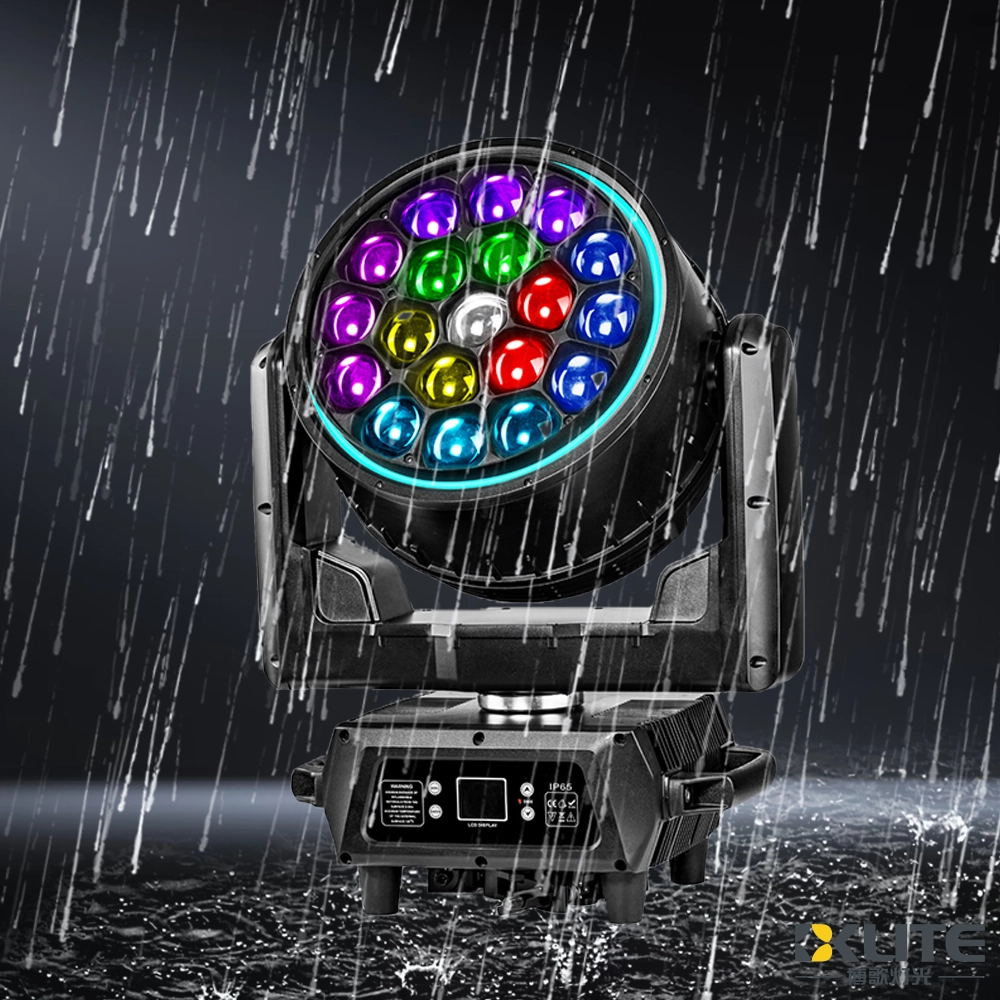
IP65 Waterproof Bee Eye Zoom 19x40W RGBW 4IN1 LED Beam Wash Moving Head Light with LED Ring
BKlite waterproof bee eye moving head light—your reliable choice from top waterproof moving head light manufacturers and suppliers. Ideal for outdoor stage, live event, music festival, this energy-saving fixture ensures powerful, precise illumination for any venue. It delivers powerful, reliable lighting performance in any weather.
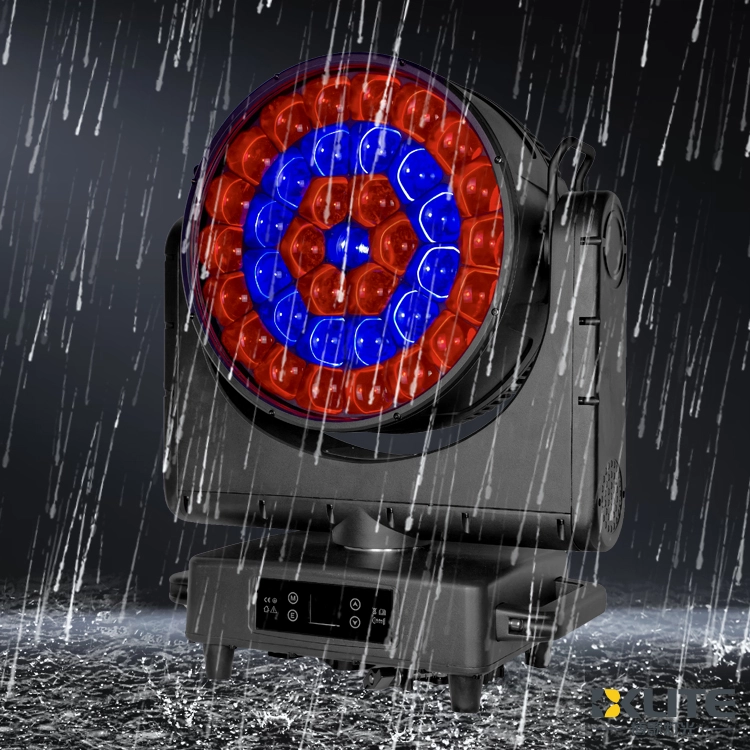
IP65 Waterproof ZOOM Bee Eye 37x40W RGBW 4in1 LED Moving Head Light
As a leading stage lighting equipment supplier with more than 15 years of industry know-how, BKlite brings you the IP65 ZOOM Bee Eye 37*40W RGBW 4in1 LED Moving Head Light (K25 Bee Eye) delivers vibrant, weatherproof lighting with powerful zoom and smooth movement. Ideal for dynamic stage effects, the K25 moving head light ensures stunning RGBW color mixing and reliable outdoor performance.
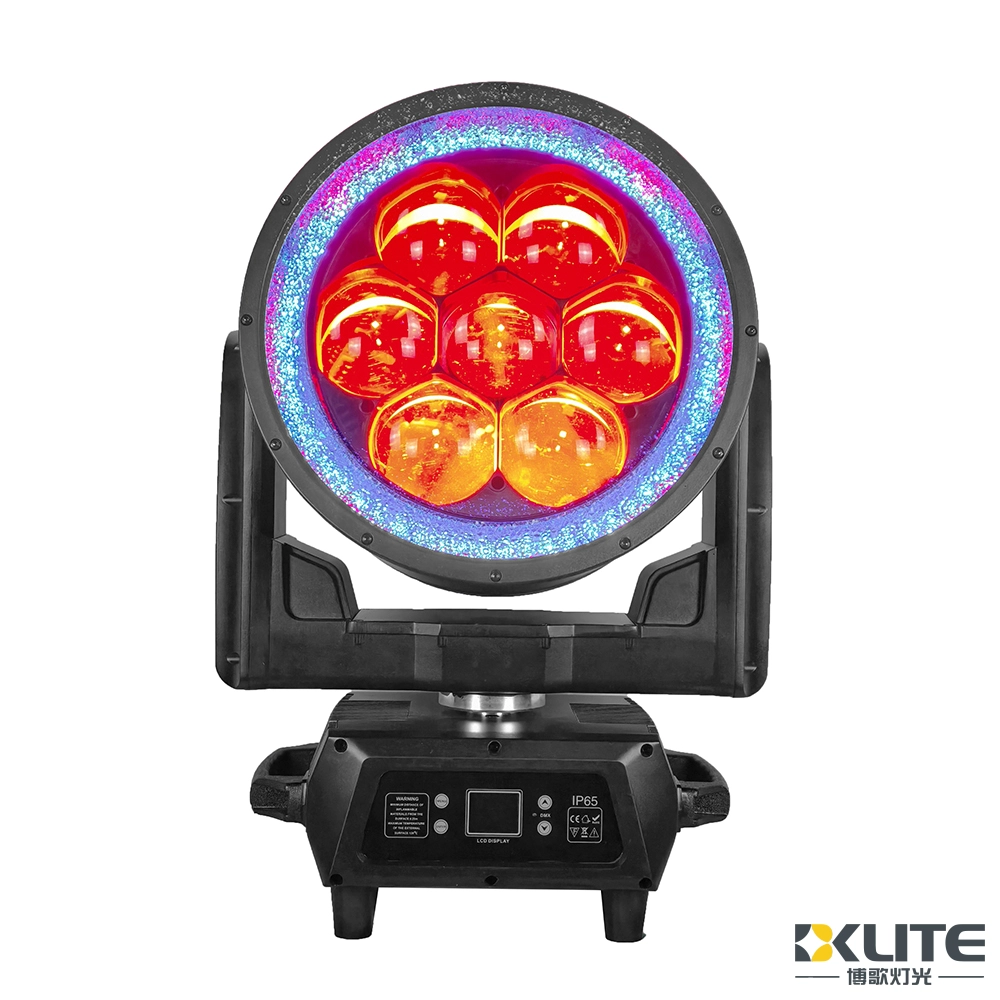
IP65 Waterproof Bee Eye 7x180W RGBL 4IN1 LED Moving Head Light With LED Ring
BKlite high power 7x180W waterproof bee eye moving head light—your reliable choice from top waterproof moving head light manufacturers and suppliers. Ideal for outdoor stage, live event, music festival, this energy-saving fixture ensures powerful, precise illumination for any venue. It delivers powerful, reliable lighting performance in any weather.
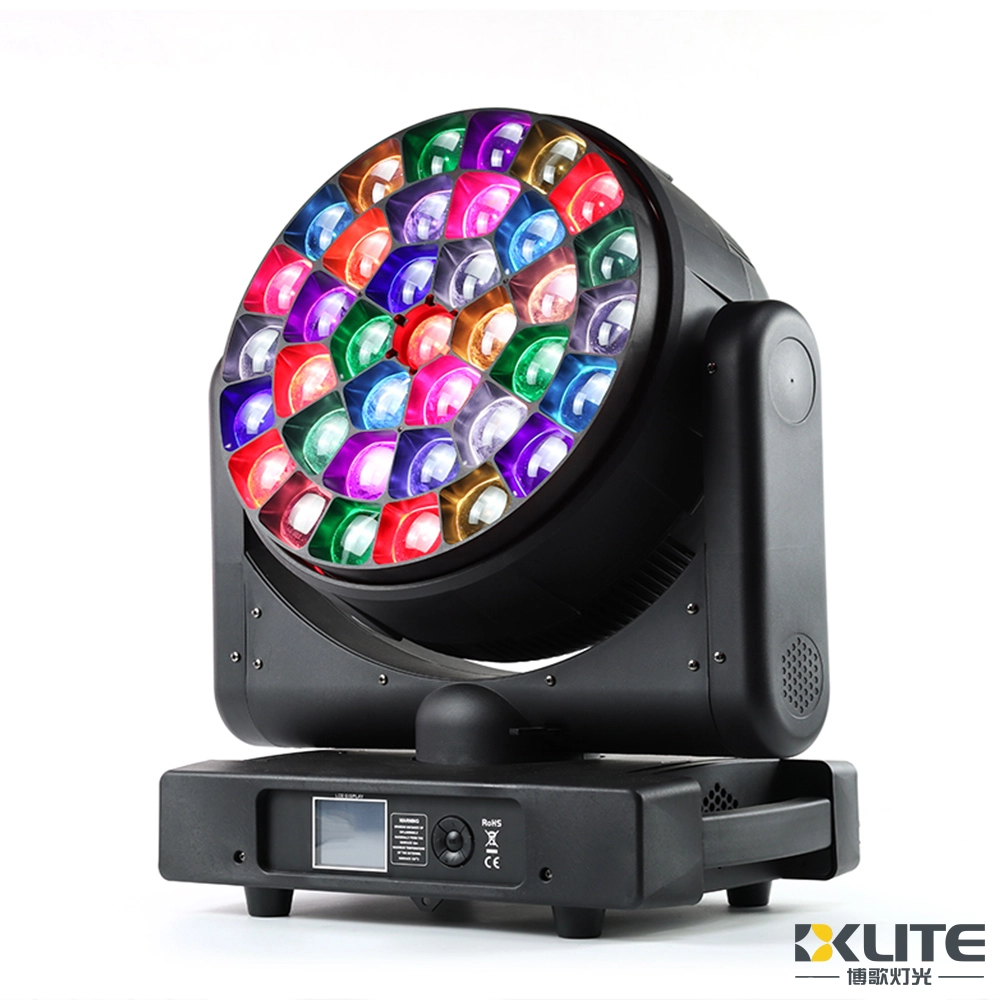
Bee Eye Zoom 37x40W RGBW 4in1 LED Beam Wash Moving Head Light


Copyright © 2025 BKLITE All Rights Reserved.