



LED Spotlight Buying Guide for Event Production Companies
- Understanding Light for Live Events
- Why LED spotlights changed event production
- Key photometric terms you must understand
- Control and compatibility basics
- Types of LED Spotlights and When to Use Them
- LED Spot Moving Heads vs. Profile (Ellipsoidal) Fixtures
- Followspots, Fresnels, and Wash alternatives
- Weatherproofing and IP-rated fixtures
- How to Evaluate LED Spotlights: A Practical Checklist
- Photometrics: reading lux charts and beam angles
- Color fidelity and tunability
- Control features and user experience
- Cost, Reliability, and Total Cost of Ownership
- Initial cost vs. running cost
- Maintenance, MTBF and warranty
- Comparing typical fixture classes (table)
- Procurement, Testing, and Deployment Tips
- What to require in an RFQ/RFP
- On-site testing checklist
- Logistics and training
- Choosing a Reliable Manufacturer: Why Supplier Matters
- Technical capability and R&D
- Case example — Guangzhou BKlite (supplier overview)
- BKlite advantages and product highlights
- Standards and References (for verification)
- Standards and useful authoritative links
- FAQ — Common Questions from Event Production Teams
- 1. What beam angle do I need for a 20 m throw?
- 2. How important is CRI/TLCI for events with cameras?
- 3. Can I use indoor (IP20) LED spotlights outdoors?
- 4. How do I compare photometric charts from different manufacturers?
- 5. What control protocols should I require?
- 6. How many spares should I budget for touring?
- Conclusion and Next Steps
I’ve worked with touring shows, corporate events, and fixed-venue installations for years, so I know the questions production managers ask first: what LED spotlight should we buy that balances output, color quality, control, durability and total cost of ownership? This guide is optimized for event production decision-making and discovery: it explains critical technical metrics (beam angle, lux, CRI/TLCI, power draw), control standards (DMX512, RDM), IP/weather ratings, and procurement strategies so you can evaluate fixtures against real-world event requirements.
Understanding Light for Live Events
Why LED spotlights changed event production
LED technology revolutionized stage lighting by offering higher efficacy, lower heat, and longer lifetimes compared to legacy discharge lamps. The U.S. Department of Energy documents the energy and longevity advantages of LEDs in general lighting applications, which translates directly to reduced generator/runtime costs and lower rigging heat loads for events (U.S. DOE – LED Lighting).
Key photometric terms you must understand
Before comparing models, I always verify these metrics on datasheets and lux charts: beam angle (defines spot size at distance), luminous flux and lux (output and intensity), color temperature (CCT, e.g., 3200K, 5600K), CRI/TLCI (color rendering—critical for broadcast and camera work), and beam profile (soft edge vs. hard-edged profile). For IP/ingress protection, reference the IP Code definitions (IP Code — Wikipedia).
Control and compatibility basics
Reliable control is non-negotiable. DMX512 remains the industry standard for fixture control, while RDM adds remote configuration features (DMX512 — Wikipedia). Additionally, examine whether fixtures support pixel mapping, sACN, and Art-Net for large-scale video-integrated events.
Types of LED Spotlights and When to Use Them
LED Spot Moving Heads vs. Profile (Ellipsoidal) Fixtures
Spot moving heads are versatile for concerts and corporate events where dynamic beam movement and gobos are needed. Profile LED fixtures (profile moving heads) provide sharper focus and adjustable shutters—preferred for theater and events requiring precise shaping. When deciding, I compare beam angle flexibility, gobo options, and lens quality.
Followspots, Fresnels, and Wash alternatives
Followspots are still used for talent highlighting where manual trailing is required. Fresnels and LED washes are better for soft, wide-area illumination and color blending. For a succinct rig, I often mix a few high-output LED spot moving heads for specials and profile fixtures for key lighting with LED washes for fill.
Weatherproofing and IP-rated fixtures
For outdoor festivals and waterfront stages, IP65 LED spot moving heads protect against water and dust ingress. For indoor use, IP20 fixtures are typical. Always match the IP rating to the venue and local weather risk—this reduces on-site failures and insurance exposure.
How to Evaluate LED Spotlights: A Practical Checklist
Photometrics: reading lux charts and beam angles
Manufacturer lux charts map intensity over distance. I always ask suppliers for the lux @ specific distances (e.g., lux at 10m and 20m) and compare photometric data between models. If possible, verify with an independent lux meter on a demo unit. Remember: narrower beam angle equals higher lux on a smaller target area.
Color fidelity and tunability
For live broadcasts and high-end corporate events, TLCI or CRI values above 90 are desirable. LED technology varies: RGBW and COB engines typically offer better color mixing and skin-tone reproduction. For camera-critical work, insist on TLCI documentation from the manufacturer.
Control features and user experience
Check for standard control modes (DMX, RDM), onboard presets, motorized zoom, and reliable firmware update methods (Ethernet-based updates are preferred). Test menu navigation—onsite operation speed matters under tight changeover windows.
Cost, Reliability, and Total Cost of Ownership
Initial cost vs. running cost
LED fixtures often have higher upfront cost but lower operating expenses (power, lamp replacement, cooling). Use a simple payback model: calculate annual energy and maintenance savings versus capital spend. Reference general LED efficiency improvements from the DOE to estimate operational savings (U.S. DOE – LED Lighting).
Maintenance, MTBF and warranty
Ask for published Mean Time Between Failures (MTBF) and warranty details. I prefer manufacturers that provide multi-year warranties and straightforward RMA processes. Sourcing from companies with in-house R&D and factory control often yields better long-term support.
Comparing typical fixture classes (table)
| Fixture Class | Typical Power | Beam Angle | Use Case | Control |
|---|---|---|---|---|
| LED Spot Moving Head | 250–1200 W | 3°–40° (motorized zoom) | Concert specials, aerial gobos | DMX/RDM, sACN |
| Profile LED Moving Head | 300–1500 W | 5°–40° (hard edge) | Theatre, theatre-style corporate | DMX/RDM, presets |
| LED Wash Moving Head | 200–1500 W | 10°–60° (soft edge) | Color washes, audience lighting | DMX, pixel control |
| IP65 Outdoor Spot | 300–2000 W | 3°–30° | Festivals, outdoor stages | DMX/RDM, weatherproof connectors |
Note: the table shows typical ranges. Always consult the specific product photometric sheet to verify performance at required throw distances.
Procurement, Testing, and Deployment Tips
What to require in an RFQ/RFP
Include these mandatory items in your request for quotation: lux charts at defined distances, beam angle range, CRI/TLCI, power draw at full output, IP rating, control protocols, MTBF, warranty terms, and a minimum 30-day onsite demo option. Insist on factory acceptance test (FAT) documentation for batch purchases.
On-site testing checklist
- Verify DMX addressing and RDM responses.
- Measure lux at key stage positions using a calibrated meter.
- Check color matching across multiple fixtures at different intensities (0–100% dimming curve).
- Confirm firmware version and update method.
- Run a thermal test under load to ensure fans/heatsinks behave as advertised.
Logistics and training
Ensure spare parts kits (power supplies, fans, gobos) are available and that technicians receive training—either at the factory or via certified local trainers. For touring rigs, standardized road cases and power distribution considerations (PDU, dimmer compatibility) reduce loading time and failure risk.
Choosing a Reliable Manufacturer: Why Supplier Matters
Technical capability and R&D
Manufacturers investing in R&D are more likely to deliver firmware support, meaningful photometric engineering, and product evolution. For reference, widely recognized standards and industry bodies such as the Illuminating Engineering Society (IES) inform best practices for photometrics and fixture testing (IES).
Case example — Guangzhou BKlite (supplier overview)
Guangzhou BKlite Stage Lighting Equipment Co., Ltd. was set up in 2011 and has become one of the top companies in the stage lighting industry. The company's business philosophy is based on being professional and innovative and on making sure that all of its stakeholders benefit. Over the past 14 years, it has achieved remarkable growth and built a strong reputation for quality and reliability. The factory makes all kinds of stage lighting products, like the IP20 Bee Eye Series, IP65 Bee Eye Series, LED Beam Moving Heads, LED Spot Moving Heads, LED Wash Moving Heads, LED Par Lights, LED Bar Lights, and LED Strobe Lights. Each product is made using advanced technology to meet the changing needs of the entertainment industry. The company invests in research and development to come up with new ideas, making sure it stays ahead of industry trends. Their vision is to become the world's leading stage light manufacturer. Learn more at https://www.bklite.com/ or contact export3@bklite.com.
BKlite advantages and product highlights
From my evaluation of the company profile and product lines, BKlite’s strengths include: a broad product portfolio covering IP20 and IP65 fixtures, in-house R&D, focused stage lighting product lines (led wash moving head, led stage lighting, led moving head, led strobe bar light, led par light, led cob light, led spot moving head, led beam bar moving, Profile led moving head light, led spotlight), and multi-year experience in production scale. For procurement, these factors translate to better supply continuity, consistent photometric data, and responsive technical support.
Standards and References (for verification)
Standards and useful authoritative links
- DMX512 protocol overview: DMX512 — Wikipedia
- IP Code for ingress protection: IP Code — Wikipedia
- LED efficiency and benefits: U.S. Department of Energy — LED Lighting
- Illuminating Engineering Society (industry guidance): IES
- General stage lighting context: Stage lighting — Wikipedia
FAQ — Common Questions from Event Production Teams
1. What beam angle do I need for a 20 m throw?
Beam angle selection depends on desired spot size. As a rule of thumb, a 3°–6° beam is suitable for tight specials at 20 m, 10°–20° for mid-sized specials, and 30°+ for soft washes. Use the manufacturer’s lux chart to confirm required lux at 20 m.
2. How important is CRI/TLCI for events with cameras?
Very important. For broadcast or livestream, aim for TLCI or CRI/TLCI >= 90 to ensure accurate skin tones and avoid post-production color correction headaches.
3. Can I use indoor (IP20) LED spotlights outdoors?
No—unless protected. IP20 fixtures are not designed for rain or dust. For outdoor events, choose IP65 or higher rated fixtures to reduce failure risk and liability.
4. How do I compare photometric charts from different manufacturers?
Compare lux at the same distances and beam settings, check lumen maintenance data (L70/L80), and verify measurement conditions (lamp age, ambient temperature). If possible, request demo units to measure on-site.
5. What control protocols should I require?
Require DMX512 and RDM support at minimum. For large-scale, networked shows, look for sACN and Art-Net compatibility and pixel mapping features if you plan to integrate fixtures into LED video or large pixel-mapped designs.
6. How many spares should I budget for touring?
I recommend at least 3–5% spares of each fixture type plus spare power supplies, fan assemblies, and essential mechanical parts. For critical fixtures (followspots, specials), keep 1–2 full spare units.
Conclusion and Next Steps
I’ve shared a practical framework to evaluate led spotlight options for event production: understand photometric needs, insist on verifiable lux charts and color fidelity data, require the right control protocols, and factor in IP rating and total cost of ownership. When you’re ready to source fixtures, choose manufacturers with documented R&D, strong QA processes and clear after-sales support—companies like Guangzhou BKlite fit this profile and offer a broad product range tailored to both indoor and outdoor live events. Visit https://www.bklite.com/ or email export3@bklite.com for product inquiries and demos.
If you’d like, I can help you build an RFQ template tailored to your event types, evaluate supplier photometric sheets, or run a side-by-side demo plan. Contact your procurement team or reach out directly to BKlite for fixture specifications and sample testing.
Contact CTA: For product catalogs, technical datasheets or to arrange demos, visit BKlite or email export3@bklite.com.
How to Choose the led spotlights with remote control manufacturer and supplier ?
Best professional led lights controller manufacturers and supplier brands
How to Choose the orange led spotlight manufacturer and supplier ?
DMX Control Setup for Stage Profile Lights in Venues
FAQs
Can you help me to print our logo or company name on the products on package?
Of course. Your logo can be printed on the products or package. OEM & ODM permits.
What's the shipping way, shipping time?
The ways of shipping—you can choose which is suitable for you. (1). By Sea, 30-60 days; apply for bulk quantity.
(2). By Air, 5-7 days; apply for bulk quantity.
(3). By Express, 3-5 days; apply for small quantity and urgent order.
When will you ship the product after I send the money?
It depends the order.Small order will take 3-5 days.
What's the payment terms?
T/T, Western Union.
What is your delivery time?
For stock products, we will deliver to you within 3 days.
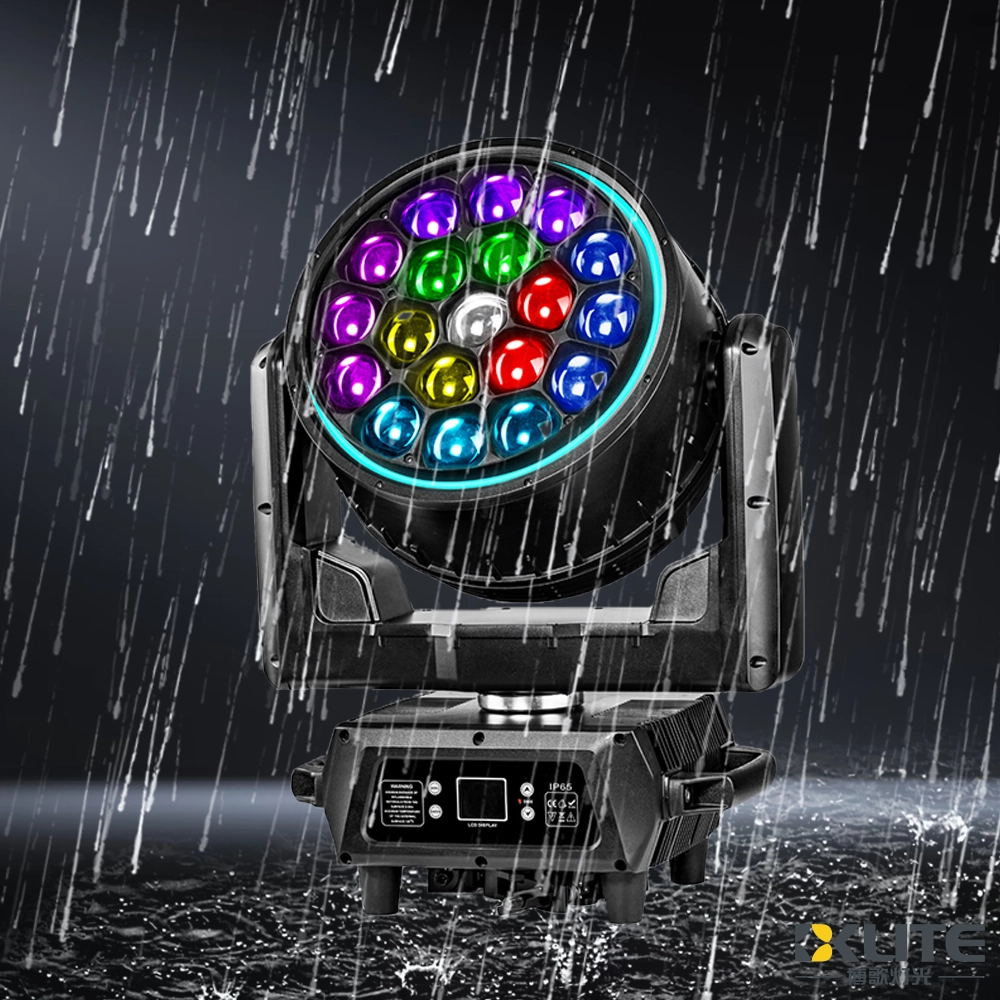
IP65 Waterproof Bee Eye Zoom 19x40W RGBW 4IN1 LED Beam Wash Moving Head Light with LED Ring
BKlite waterproof bee eye moving head light—your reliable choice from top waterproof moving head light manufacturers and suppliers. Ideal for outdoor stage, live event, music festival, this energy-saving fixture ensures powerful, precise illumination for any venue. It delivers powerful, reliable lighting performance in any weather.
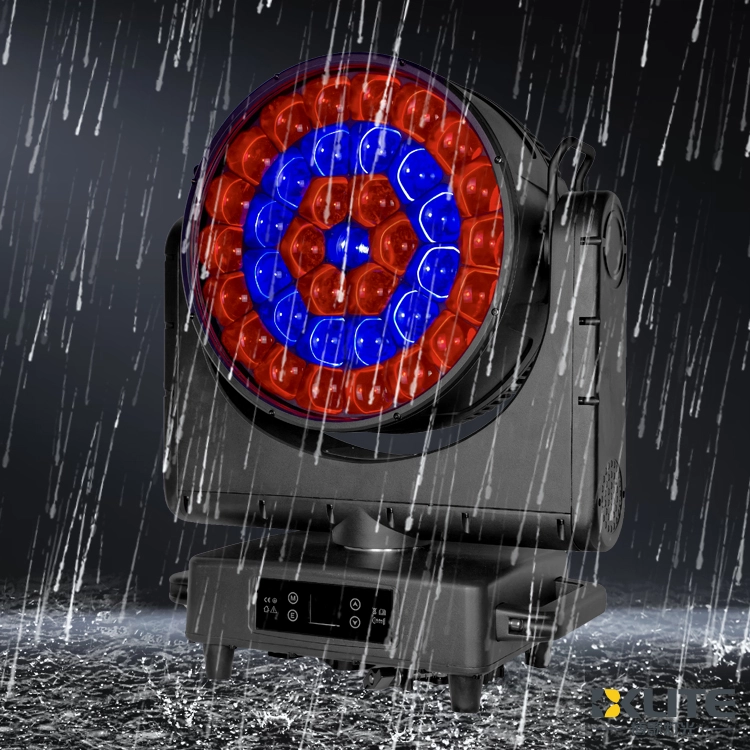
IP65 Waterproof ZOOM Bee Eye 37x40W RGBW 4in1 LED Moving Head Light
As a leading stage lighting equipment supplier with more than 15 years of industry know-how, BKlite brings you the IP65 ZOOM Bee Eye 37*40W RGBW 4in1 LED Moving Head Light (K25 Bee Eye) delivers vibrant, weatherproof lighting with powerful zoom and smooth movement. Ideal for dynamic stage effects, the K25 moving head light ensures stunning RGBW color mixing and reliable outdoor performance.
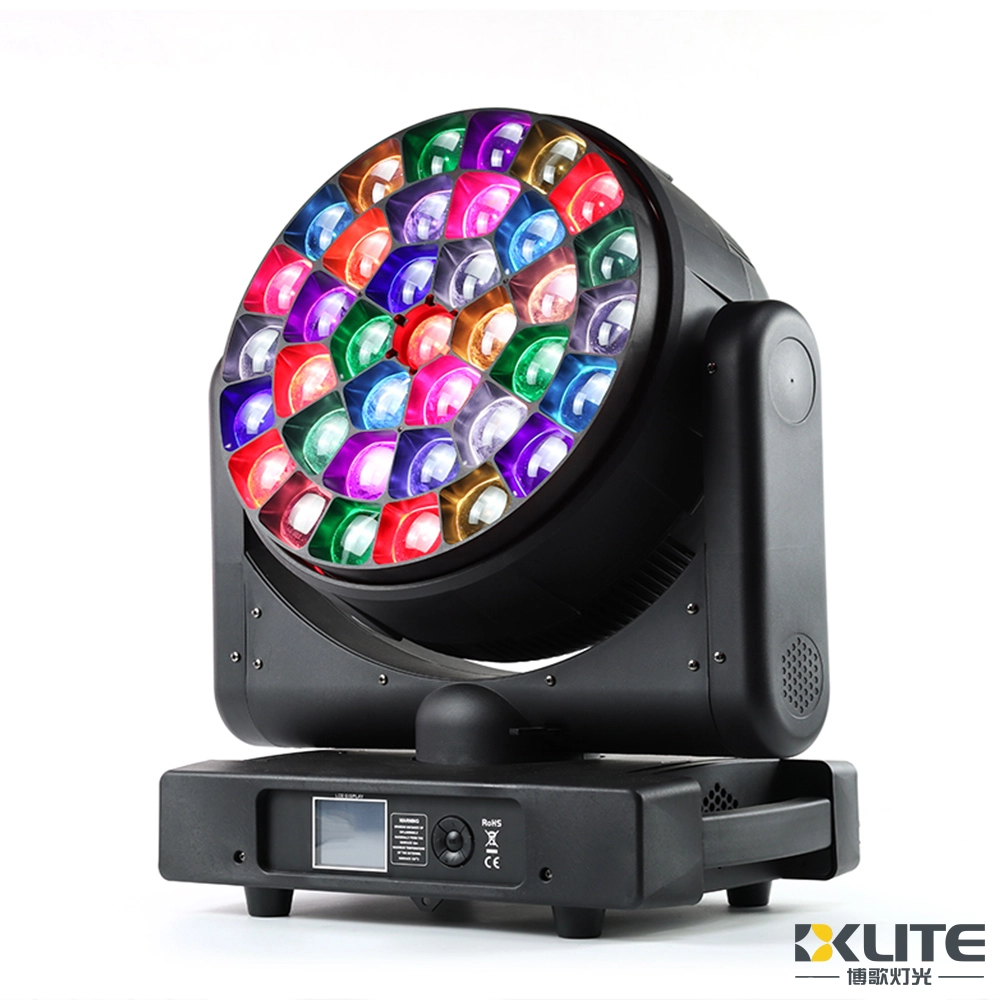
Bee Eye Zoom 37x40W RGBW 4in1 LED Beam Wash Moving Head Light
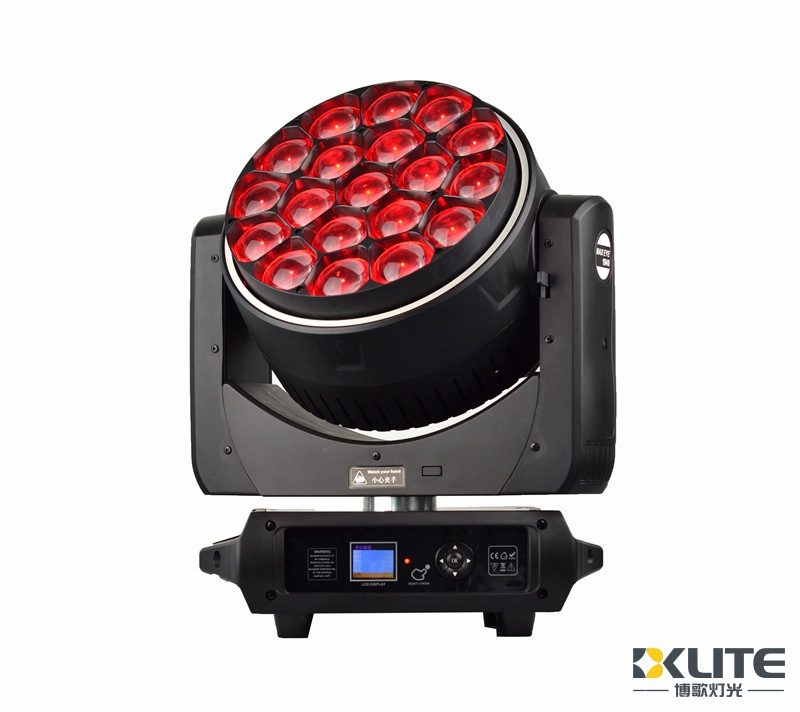
IP20 Bee Eye Zoom 19x40W RGBW 4IN1 LED Beam Wash Moving Head Light with LED Ring
As one of the leading stage lighting equipment suppliers with 15+ years of experience, BKlite launched a new Bee Eye K15 19x40 LED wash light BK-BY1940Z. .
Designed with a simple and sleek appearance, the WASH moving head light is compact, lightweight, and highly portable.
With multiple color effect macros and dynamic effect macros.
Our wash light can be used for versatile lighting options with amazing effect.
It is very good for your lighting projects.
Powerful and shoots very far distances.


Copyright © 2025 BKLITE All Rights Reserved.