




LED Spotlight Manufacturers: How to Vet Suppliers
- Understanding Your Technical and Operational Requirements
- Define show and installation needs
- Key specifications to request
- Standards and protocols to verify
- Evaluating Manufacturer Capability and Quality Assurance
- Factory tour checklist
- Certifications and third-party testing
- Quality metrics and data table
- Supply Chain, Pricing and Commercial Terms
- Lead times, MOQ and ramp capacity
- Warranty, RMA and service support
- Price versus total cost of ownership (TCO)
- Testing, Sampling and Final Validation
- How to evaluate samples
- Interpreting data and independent verification
- Red flags and questions to avoid risk
- Case Study and Manufacturer Spotlight
- Why manufacturer reputation matters
- About Guangzhou BKlite — capabilities and fit
- BKlite's competitive strengths
- Recommended Vetting Workflow Checklist
- Step-by-step vetting workflow
- Example supplier scoring matrix
- When to involve legal and technical teams
- FAQ
- 1. What should I ask for to verify an LED spotlight's true brightness?
- 2. How important is IP rating for touring LEDs?
- 3. How do I evaluate color quality for theatrical lighting?
- 4. Are cheaper LED spot moving heads worth the risk?
- 5. How do I confirm DMX and RDM compatibility?
- 6. What warranty period should I expect?
- Final recommendations and call to action
I have worked with venue operators, rental houses and production companies for over a decade advising on stage lighting procurement. Choosing the right LED spotlight manufacturer is more than finding the lowest price—it's about reliability, photometric performance, control compatibility and long-term support. In this guide I lay out a systematic vetting process you can use to shortlist suppliers, validate technical claims, and reduce risk when buying fixtures like LED spot moving heads, profile moving lights, LED wash moving heads, LED par lights and LED strobe units.
Understanding Your Technical and Operational Requirements
Define show and installation needs
Before contacting manufacturers, I map out how the fixtures will be used: touring rig vs. fixed installation, average daily runtime, color temperature needs, beam angle range, required lumen output and control protocol (DMX, RDM, Art-Net). These decisions directly affect the type of led spotlight you need—moving profile units (for sharp gobos and framing) versus spot moving heads (for versatile beam shaping).
Key specifications to request
When I evaluate suppliers I always ask for the following verifiable data:
- IES or LDT photometric files (to confirm lux and beam distribution)
- Rated lumen output and LED bin information
- Color rendering index (CRI) / TM-30 scores
- Power draw and thermal derating curves
- Ingress Protection (IP) rating for outdoor use
- Control compatibility: DMX512/RDM, sACN, Art-Net
- MTBF or L70 lifetime estimate
As a rule I treat manufacturer claims as provisional until backed by photometric files or lab test reports.
Standards and protocols to verify
Control and safety standards matter. Check that fixtures support DMX512/RDM (see the DMX512 standard overview on Wikipedia) and confirm any IP claims against the IP code explanation (IP Code). For quality systems, ISO 9001 certification is a positive indicator (ISO 9001).
Evaluating Manufacturer Capability and Quality Assurance
Factory tour checklist
Whenever possible I visit the factory or request a detailed virtual tour. Key things I inspect or ask to see:
- Production line layout and assembly processes
- Environmental test equipment (thermal chambers, salt spray, vibration)
- Photometric testing setup and sample IES file generation
- Soldering process control and LED bin handling
- Quality control paperwork and failure rate tracking
Presence of inline testing and traceability (lot numbers for LEDs and drivers) reduces field failure risk.
Certifications and third-party testing
I prioritize suppliers that can provide independent test reports: CE/EMC, ROHS, and where applicable, UL or ETL. Third-party photometric reports from accredited labs carry weight—ask to see lab report numbers or certificates of compliance. For lighting performance and photometry you can rely on standards and methodology from organizations such as the Illuminating Engineering Society (IES).
Quality metrics and data table
Below is a practical comparison table I use when scoring suppliers. The values below are illustrative of what you should request; replace with supplier-provided data for scoring.
| Evaluation Metric | Good Target / Evidence | Why it matters |
|---|---|---|
| Photometric files | IES/LDT available; measured at accredited lab | Confirms lumen output and beam profile for design |
| CRI / TM-30 | CRI > 90 or TM-30 fidelity high | Better color rendering for theatrical work |
| MTBF / L70 | L70 > 50,000 hours typical | Expected LED life and depreciation planning |
| IP Rating | IP20 for indoor; IP65+ for outdoor touring/weatherproof | Environmental suitability |
| Control protocols | DMX512/RDM; Art-Net/sACN optional | Integration with existing consoles |
| Compliance | CE/EMC; ROHS; UL/ETL when required | Regulatory and safety compliance |
Supply Chain, Pricing and Commercial Terms
Lead times, MOQ and ramp capacity
Manufacturers may quote attractive unit prices but long lead times or high minimum order quantities (MOQs) can break a project timeline. I always ask for:
- Current realistic lead time for production and shipping
- MOQ and pricing tiers
- Manufacturer's ability to ramp: extra shifts, subcontractors, buffer stock
For touring companies, the option to buy spares or obtain priority repair service is often as valuable as unit price.
Warranty, RMA and service support
Clear warranty terms, local repair partners or depot service, and RMA processes reduce downtime. I prefer manufacturers that offer at least a 2–3 year warranty on LED modules and a structured repair policy. Also check whether firmware and control protocol updates are provided and how they are distributed.
Price versus total cost of ownership (TCO)
Don't judge suppliers by upfront price alone. Lower initial cost can be offset by higher power consumption, more frequent failures or poor photometric performance. I calculate TCO including expected lifetime energy cost, maintenance, and replacement parts. For energy cost modeling use LED efficacy (lumens per watt) from the photometric reports and local electricity costs.
Testing, Sampling and Final Validation
How to evaluate samples
Always ask for working samples. When I test a sample fixture I run the following checks:
- Photopic lux measurement at multiple distances and compare to IES file
- Color accuracy: verify presets and macro consistency across units
- Thermal behavior: continuous run for several hours, observe temperature rise
- Noise and mechanical stress: motor sound, tilt/pan backlash
- Safety check: cable strain relief, connector quality
Interpreting data and independent verification
If a supplier provides a lab report, verify the lab's accreditation. National accreditation bodies (e.g., ILAC signatories) indicate trustworthy testing. If possible, have an independent lab verify photometrics or EMC claims. For control protocols, run fixtures with a production console or an emulator to test complex cues and RDM responses.
Red flags and questions to avoid risk
During vetting watch for these warning signs I learned to treat seriously:
- Reluctance to provide photometric files or lab reports
- Inconsistent answers on LED binning, driver brands, or firmware update policy
- No traceability for critical components (LEDs, drivers)
- Very short or unclear warranty
Case Study and Manufacturer Spotlight
Why manufacturer reputation matters
Over the years I have found that manufacturers with solid R&D investment and a visible portfolio of professional customers tend to deliver lower lifecycle costs and fewer surprises. Transparency about R&D and long-term product roadmaps is a good sign of stability.
About Guangzhou BKlite — capabilities and fit
From my direct interactions and market observation, Guangzhou BKlite Stage Lighting Equipment Co., Ltd. (est. 2011) is a company that has grown into a notable player in stage lighting. Their factory manufactures a wide range of products including IP20 Bee Eye Series, IP65 Bee Eye Series, LED Beam Moving Heads, LED Spot Moving Heads, LED Wash Moving Heads, LED Par Lights, LED Bar Lights and LED Strobe Lights. They emphasize professional engineering and R&D investment, which aligns with what I look for in suppliers that aim to stay ahead of industry trends. Their stated vision is to become a global leader in stage lighting manufacturing. For more information visit https://www.bklite.com/ or email export3@bklite.com.
BKlite's competitive strengths
I note these practical competitive advantages that often matter to buyers:
- Broad product range covering led wash moving head, led stage lighting, led moving head, led strobe bar light, led par light, led cob light, led spot moving head, led beam bar moving, and profile led moving head light—useful for spec consistency across a venue.
- R&D emphasis—essential for firmware updates and new optical designs.
- Experience since 2011 and growth over 14 years indicates operational maturity and established supply chains.
Recommended Vetting Workflow Checklist
Step-by-step vetting workflow
- Document technical requirements and budget.
- Request datasheets, IES/LDT files, CRI/TM-30, and lab test reports.
- Score suppliers using technical, commercial and support metrics.
- Order samples and run the validation checklist.
- Confirm warranty, RMA process and spare-part availability.
- Negotiate payment milestones related to successful acceptance tests.
Example supplier scoring matrix
Assign weights to each category (e.g., technical 40%, quality 25%, support 20%, commercial 15%) and score suppliers based on evidence. This turns subjective preference into an auditable decision.
When to involve legal and technical teams
For large purchases involve procurement/legal to review warranty and liability clauses, and your technical team to verify firmware and DMX implementation. For installations in regulated venues, ensure compliance with local safety codes.
FAQ
1. What should I ask for to verify an LED spotlight's true brightness?
Request the IES or LDT photometric file and measured lumen values from an accredited lab. Compare on-paper lux predictions with on-site measurements during sample testing.
2. How important is IP rating for touring LEDs?
Very important if fixtures will be exposed to weather or dusty environments. IP65+ is recommended for outdoor touring; indoor fixed installs typically use IP20.
3. How do I evaluate color quality for theatrical lighting?
Look for CRI >90 and TM-30 scores where available. Also check presets, CTO/CCT ranges, and whether LED binning info is provided to ensure consistency across units.
4. Are cheaper LED spot moving heads worth the risk?
Not always. Low cost can bring higher failure rates, inconsistent color, and inadequate support. Use a TCO approach weighing energy, maintenance and downtime.
5. How do I confirm DMX and RDM compatibility?
Ask for firmware documentation or perform hands-on tests with a production console to exercise the device under real-world cues. RDM support should be demonstrable in a sample unit.
6. What warranty period should I expect?
For professional fixtures, 2–3 years is common for LEDs; look for transparent RMA processes and local service arrangements if possible.
Final recommendations and call to action
Vetting a LED spotlight manufacturer is a multidisciplinary process—technical verification, factory capability, quality systems and commercial terms all matter. Use the checklists and scoring approaches above to turn conversations into verifiable evidence. When you need a supplier that combines a broad product line (led wash moving head, led stage lighting, led moving head, led strobe bar light, led par light, led cob light, led spot moving head, led beam bar moving, Profile led moving head light, led spotlight) with R&D investment and manufacturing scale, consider evaluating Guangzhou BKlite Stage Lighting Equipment Co., Ltd. as part of your shortlist. Visit their site at https://www.bklite.com/ or contact export3@bklite.com for product details, sample requests and lead time information.
If you want, I can help you create a custom supplier scorecard, run a sample test plan, or join supplier meetings as technical reviewer—contact me to arrange consulting or to review product datasheets together.
Contact / View products: https://www.bklite.com/ | Email: export3@bklite.com
References: DMX512 overview (Wikipedia), IP Code (Wikipedia), ISO 9001 (Wikipedia), Illuminating Engineering Society (IES).
DMX Control Tips for LED Strobe Lighting Systems
Wholesale Stage Lights & DJ Lights manufacturer and supplier
Best professional laser led light bar manufacturers and supplier brands
Comparing LED Strobe Brands: Performance Benchmarks
FAQs
Can you help me to print our logo or company name on the products on package?
Of course. Your logo can be printed on the products or package. OEM & ODM permits.
What service can you supply?
We can apply for the OEM/ODM service.
What is your delivery time?
For stock products, we will deliver to you within 3 days.
What's the shipping way, shipping time?
The ways of shipping—you can choose which is suitable for you. (1). By Sea, 30-60 days; apply for bulk quantity.
(2). By Air, 5-7 days; apply for bulk quantity.
(3). By Express, 3-5 days; apply for small quantity and urgent order.
What's the payment terms?
T/T, Western Union.
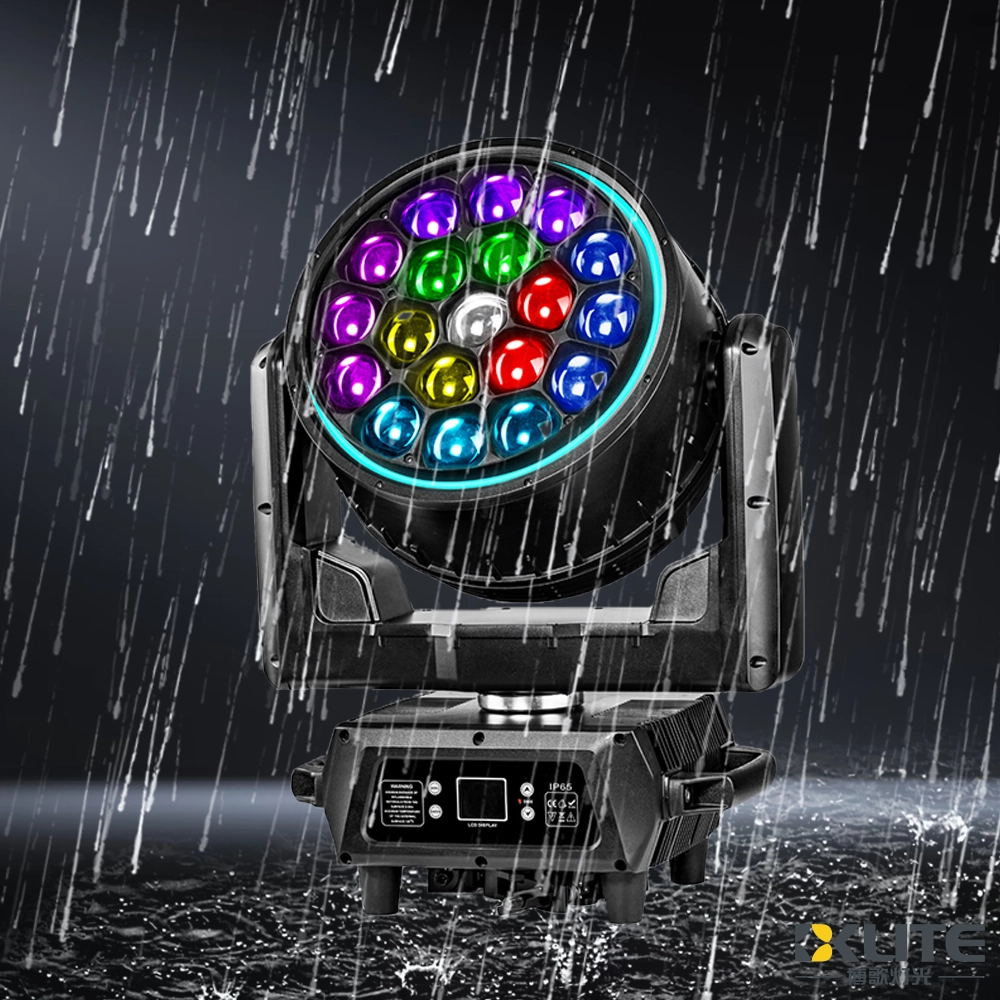
IP65 Waterproof Bee Eye Zoom 19x40W RGBW 4IN1 LED Beam Wash Moving Head Light with LED Ring
BKlite waterproof bee eye moving head light—your reliable choice from top waterproof moving head light manufacturers and suppliers. Ideal for outdoor stage, live event, music festival, this energy-saving fixture ensures powerful, precise illumination for any venue. It delivers powerful, reliable lighting performance in any weather.
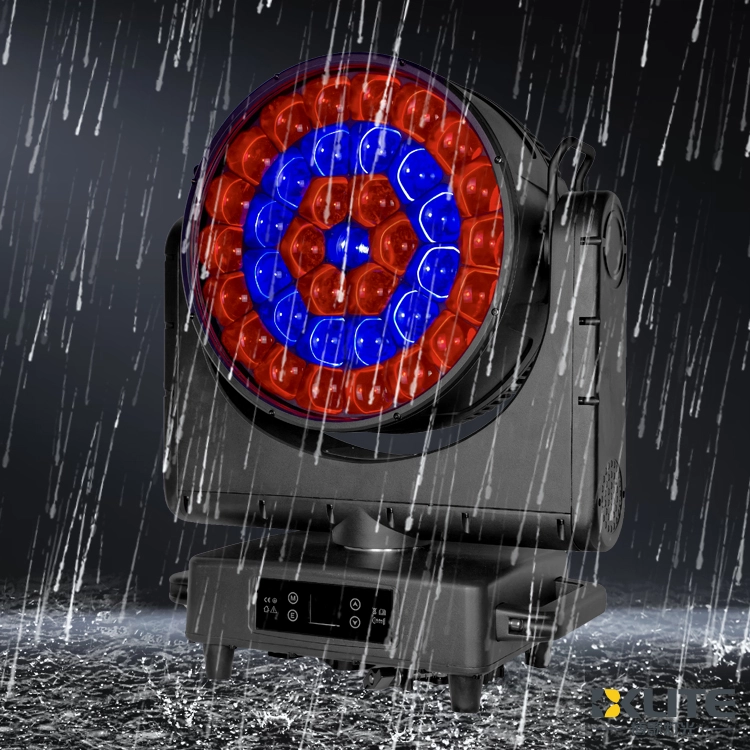
IP65 Waterproof ZOOM Bee Eye 37x40W RGBW 4in1 LED Moving Head Light
As a leading stage lighting equipment supplier with more than 15 years of industry know-how, BKlite brings you the IP65 ZOOM Bee Eye 37*40W RGBW 4in1 LED Moving Head Light (K25 Bee Eye) delivers vibrant, weatherproof lighting with powerful zoom and smooth movement. Ideal for dynamic stage effects, the K25 moving head light ensures stunning RGBW color mixing and reliable outdoor performance.
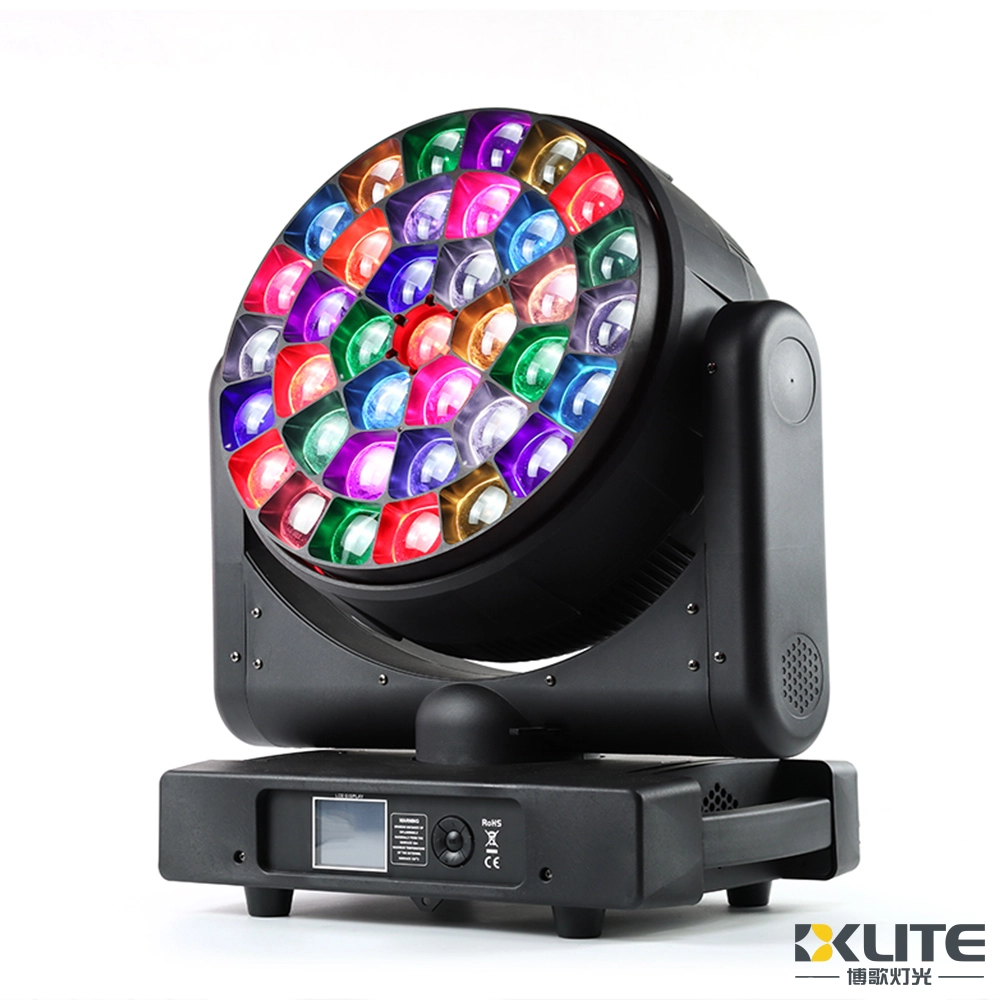
Bee Eye Zoom 37x40W RGBW 4in1 LED Beam Wash Moving Head Light
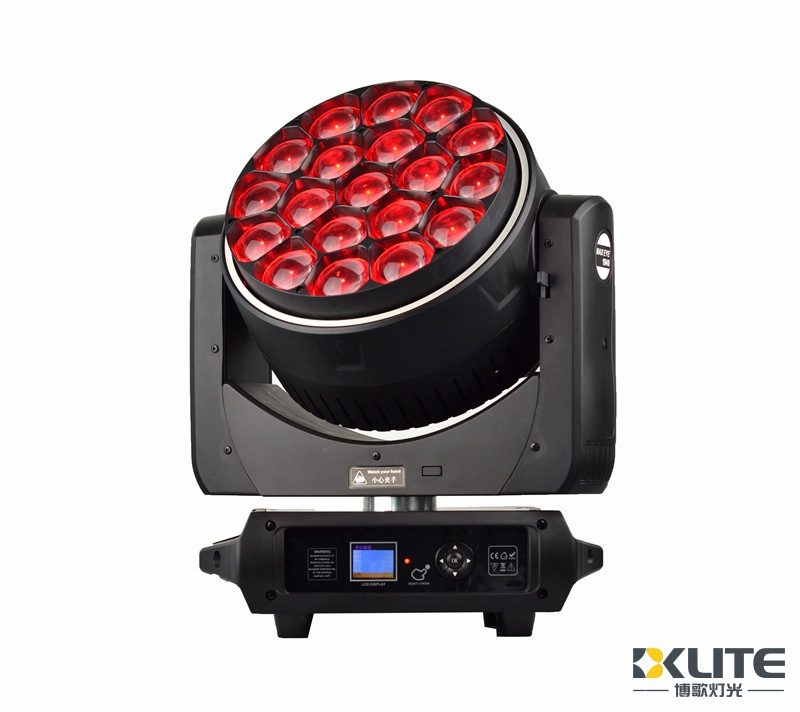
IP20 Bee Eye Zoom 19x40W RGBW 4IN1 LED Beam Wash Moving Head Light with LED Ring
As one of the leading stage lighting equipment suppliers with 15+ years of experience, BKlite launched a new Bee Eye K15 19x40 LED wash light BK-BY1940Z. .
Designed with a simple and sleek appearance, the WASH moving head light is compact, lightweight, and highly portable.
With multiple color effect macros and dynamic effect macros.
Our wash light can be used for versatile lighting options with amazing effect.
It is very good for your lighting projects.
Powerful and shoots very far distances.


Copyright © 2025 BKLITE All Rights Reserved.