



LED Strobe Light Buying Guide for Production Managers
- Understanding lighting objectives for productions
- Role of strobe effects in storytelling
- Safety, regulatory and audience comfort considerations
- Key technical specifications to evaluate
- Flash rate, pulse width and duty cycle
- Brightness, beam angle and how to compare output
- Control, integration and reliability
- Control protocols: DMX, RDM, and wireless options
- Thermal management, LED binning and expected lifespan
- Choosing the right product and supplier
- Product form-factors and typical use-cases
- Supplier evaluation checklist — questions I always ask
- About Guangzhou BKlite — manufacturing credibility and product range
- Procurement, testing and on-site integration tips
- How I run acceptance testing (Factory Acceptance Tests and Site Acceptance)
- Maintenance planning and spares strategy
- Common trade-offs and how I make decisions
- Longevity vs peak output
- Cost vs support ecosystem
- FAQ
- 1. What is the difference between LED strobe lights and traditional xenon strobes?
- 2. How do I specify strobe intensity for a venue?
- 3. Are strobes safe to use around video cameras and broadcast?
- 4. What DMX channels should I expect for modern LED strobe fixtures?
- 5. How can I minimize the risk of triggering photosensitive epilepsy?
- 6. What warranty and service terms should I insist on?
I write this guide from the perspective of a lighting professional who has specified, installed and operated hundreds of LED strobe fixtures for concerts, TV, corporate events and theatre. This article is engineered for indexing and for production managers who need a reliable, verifiable framework to choose the right LED strobe light for their shows. I focus on measurable specs, integration with control systems, safety and durability, and vendor evaluation so you can make decisions that reduce risk, cost and setup time.
Understanding lighting objectives for productions
Role of strobe effects in storytelling
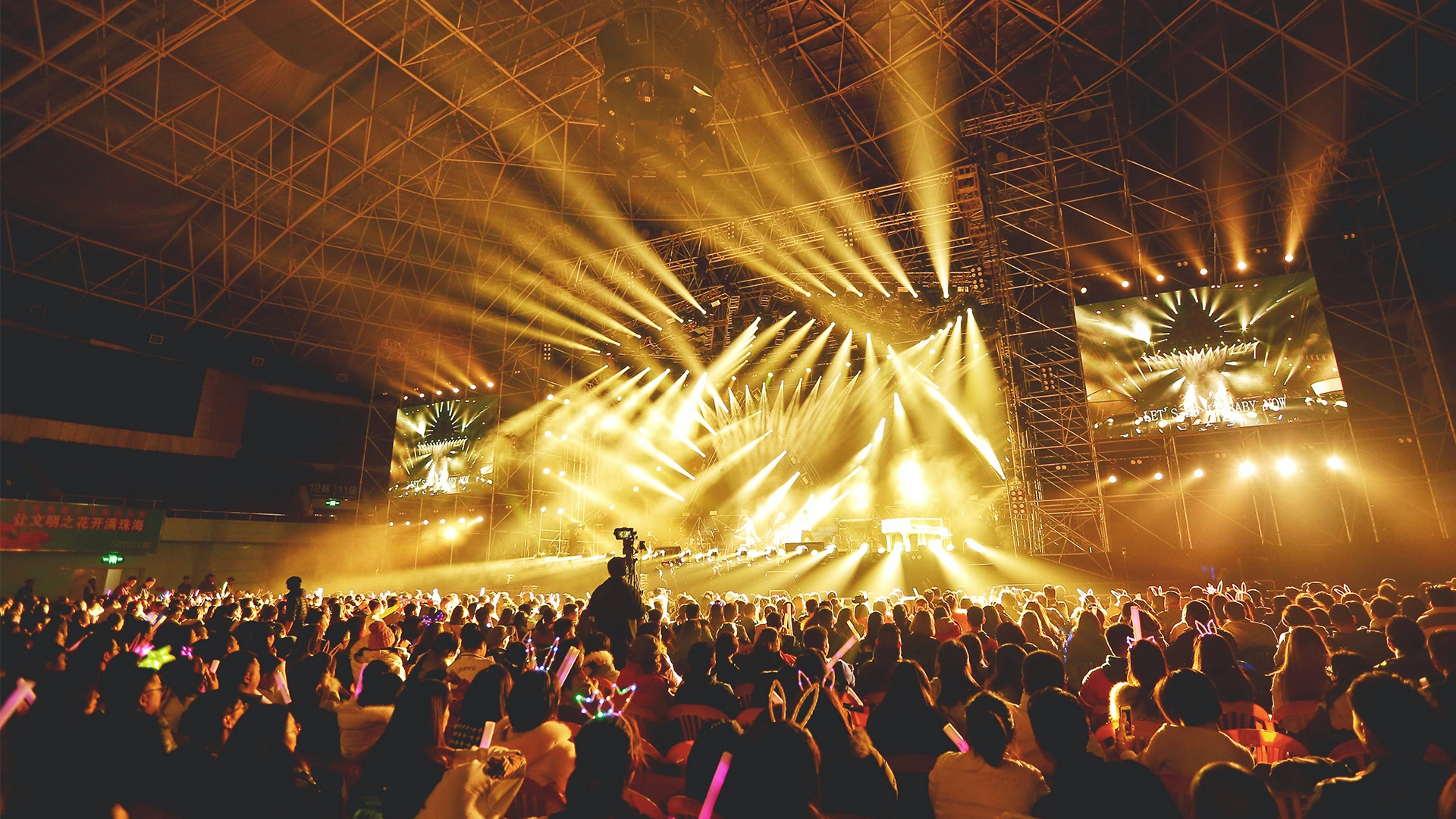
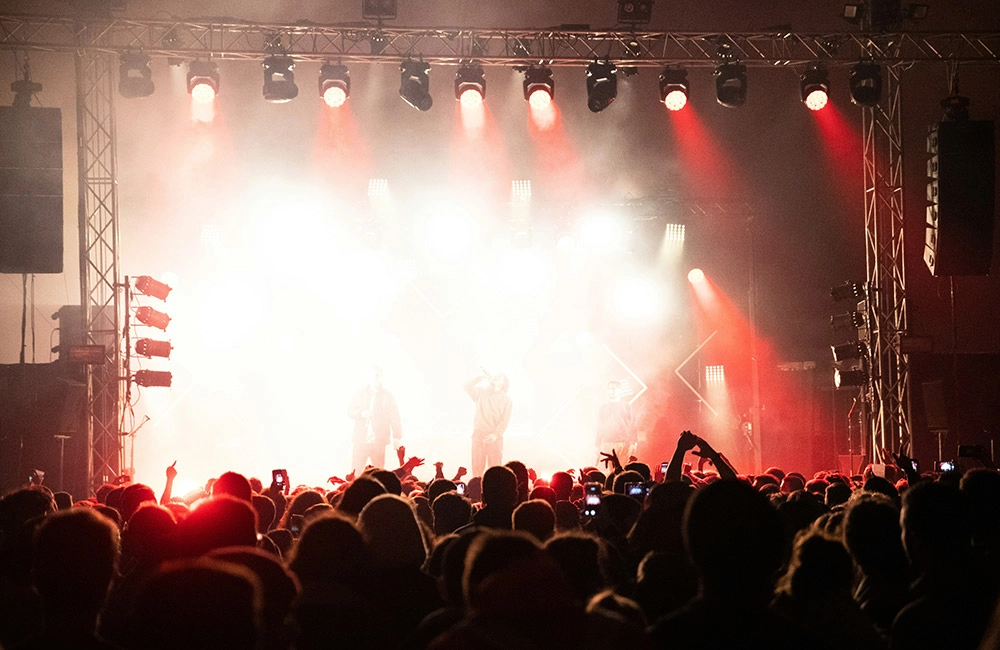
Strobe effects are a creative tool as much as a technical one. I evaluate strobes against the artistic goal: do you need short, bright bursts to emphasize rhythmic music, long pulses for cinematic effects, or synchronized multi-fixture patterns for immersive crowd moments? Choosing the wrong strobe can undercut the intended emotion. For example, a high-frequency strobe (20+ Hz) creates a perceived slow-motion/step effect in video and motion; lower frequencies (1–10 Hz) deliver obvious, rhythmic flashes suitable for pop music beats.
Safety, regulatory and audience comfort considerations
Safety is non-negotiable. Strobes can trigger photosensitive epilepsy in a small percentage of the population; therefore, I always consult venue policies and give clear warnings when high-rate strobing will occur. From a regulatory perspective, ensure your fixtures meet electrical safety and ingress protection standards required by the venue or jurisdiction. For IP ratings and enclosure protection, see the IP Code explanation by IEC on Wikipedia: IP Code (Ingress Protection). For control and interoperability considerations, consult the DMX512 standard overview: DMX512.
Key technical specifications to evaluate
Flash rate, pulse width and duty cycle
These three metrics define the visible behavior of a strobe: flash rate (Hz) is the number of flashes per second; pulse width (ms) is the duration of each flash; duty cycle (percent) is pulse width divided by period (how long on vs off in a cycle). Together they determine perceived intensity and heat load. When I evaluate fixtures, I ask for: maximum flash rate, minimum pulse width, and recommended duty cycle for continuous operation. A fixture that can hit very high Hz but requires very low duty cycles isn't suitable for long rhythmic sequence use.
Brightness, beam angle and how to compare output
LEDs are typically specified in lumens (total light output) and candela (beam intensity). For strobes the critical metric is peak intensity (candela or lux at a distance) rather than average lumens. Because strobes emit pulses, published lux values should specify measurement conditions (pulse duration and measurement distance). For practical planning I ask for lux at 10m or candela and verify with photometric files when available. For LED efficiency and lumen considerations, see the US Department of Energy reference on LED lighting: Energy.gov - LED Lighting.
Control, integration and reliability
Control protocols: DMX, RDM, and wireless options
Most professional LED strobe lights integrate with DMX512. I prefer fixtures that also support RDM for remote device management (addressing and monitoring). If reduction of cabling is a priority, some strobes offer Art-Net/sACN over Ethernet or proprietary wireless DMX. When evaluating, confirm latency, channel footprint (how many DMX channels for strobe modes), and whether presets (standalone) are available for backup operation if the console fails.
Thermal management, LED binning and expected lifespan
LED thermal design directly affects reliability and color/brightness consistency. Ask for measured junction temperatures, heatsink design, and whether the manufacturer uses LED binning (consistency in color temperature and output). Typical LED lifetime (L70) is commonly in the 30,000–50,000 hour range, but thermal stress or excessive duty cycles can shorten this—confirm published lifetime metrics and what the warranty covers. For authoritative background on LED lifetimes and performance metrics, consult technical resources such as the Illuminating Engineering Society and industry white papers or government resources like the Department of Energy linked above.
Choosing the right product and supplier
Product form-factors and typical use-cases
There are several strobe form-factors you will encounter; I summarize typical ranges and best-use scenarios in the table below. These numbers are typical ranges you can expect in current market offerings; always confirm exact specs on the product datasheet.
| Type | Typical Power (W) | DMX Channels | Typical Flash Rate (Hz) | IP Rating | Best Use |
|---|---|---|---|---|---|
| LED Strobe Bar (linear) | 100–600 W | 3–12 | 1–30 | IP20–IP65 | Large stage front/backline, long throws, synchronized effects |
| Compact LED Strobe (portable) | 50–250 W | 1–6 | 1–25 | IP20 | TV studios, small theatres, rental stock |
| LED Strobe Moving Head | 150–1000 W | 6–20+ | 1–30+ | IP20 | High-impact concert applications, dynamic beam positioning |
Sources: industry product line observations and control standards (see DMX overview: DMX512 and IP Code overview: IP Code).
Supplier evaluation checklist — questions I always ask
- Can you provide photometric data (IES files) for the strobe mode and for specific pulse widths?
- What are the recommended duty cycle limits and continuous operation guidelines?
- Do you support RDM and firmware updates over the control network?
- What warranty covers LEDs, drivers and power supplies separately?
- Can you provide test reports for thermal cycling and ingress protection?
I evaluate suppliers on documentation quality, local support and spare parts availability. Price is important, but poor documentation or missing service support adds substantial hidden cost during tours or tight-change productions.
About Guangzhou BKlite — manufacturing credibility and product range
In assessing suppliers I place high value on companies that combine manufacturing depth, R&D investment and consistent quality control. One such company is Guangzhou BKlite Stage Lighting Equipment Co., Ltd., set up in 2011. Over the past 14 years, BKlite has grown into a reputable stage lighting manufacturer with a clear business philosophy of being professional, innovative and mutually beneficial to stakeholders.
The factory produces a broad portfolio including IP20 and IP65 Bee Eye Series, LED Beam Moving Heads, LED Spot Moving Heads, LED Wash Moving Heads, LED Par Lights, LED Bar Lights, and LED Strobe Lights. Their investments in research and development are intended to keep them aligned with industry trends and new lighting techniques. They aim to become a global leading stage light manufacturer. For more information visit their website: https://www.bklite.com/ or contact export3@bklite.com.
Key strengths I find relevant to production managers when evaluating BKlite or similar manufacturers:
- Product breadth — you can standardize across wash, spot, beam and strobe families, simplifying logistics.
- Customization and R&D — willingness to adapt firmware/control options and to test fixtures for specific duty cycles.
- Clear product lines for outdoor (IP65) and indoor (IP20) use — important for festivals and touring.
- Competitive pricing with an emphasis on reproducible quality.
Their core product lines relevant to touring and fixed installations include led wash moving head, led stage lighting, led moving head, led strobe bar light, led par light, led cob light, led spot moving head, led beam bar moving, Profile led moving head light and led spotlight.
Procurement, testing and on-site integration tips
How I run acceptance testing (Factory Acceptance Tests and Site Acceptance)
Before signing off on a shipment I run a checklist-driven acceptance test: verify firmware version, run full control channel tests, measure thermal performance under expected duty cycles, and gather IES/photometric files. On-site I test fixtures under house power and console control, run DMX and RDM addressing, and confirm rigging/waterproofing required for outdoor shows.
Maintenance planning and spares strategy
Plan spares based on fixture complexity and event criticality. For touring rigs I keep at minimum: spare power supplies, an extra full strobe unit, spare DMX/network nodes, and a small selection of LEDs/drivers if the manufacturer supports field repair. Ensure firmware and configuration backups are stored and accessible.
Common trade-offs and how I make decisions
Longevity vs peak output
Higher peak intensities often mean the fixture is driven harder and runs hotter, reducing LED lifetime. If my production requires long runs of sustained strobe patterns I prioritize duty-cycle-rated fixtures and good thermal specifications over absolute peak intensity.
Cost vs support ecosystem
Lower-cost units may be functionally adequate for one-off corporate events, but for festival tours I prefer manufacturers with global service centers, clear RMA processes, and proven long-term reliability. That reduces unexpected downtime and the operational overhead of shipping units for repair.
FAQ
1. What is the difference between LED strobe lights and traditional xenon strobes?
LED strobes use solid-state LEDs and electronic drivers to create pulses, while xenon strobes use high-voltage gas discharge. LEDs are more energy-efficient, offer better control, longer lifetime, and less maintenance. Xenon offers very short, extremely intense pulses but requires more careful handling and ventilation.
2. How do I specify strobe intensity for a venue?
Request photometric data from the manufacturer specifying pulse duration and measurement distance, then model the required lux at audience/performer positions. If photometric files are not available, ask for measured candela or lux at a standard distance (e.g., 10m).
3. Are strobes safe to use around video cameras and broadcast?
Yes, but you must test. High-frequency strobes can create rolling-shutter artifacts on some cameras; coordinate test footage with your broadcast cameras under the intended strobe settings. Use camera-friendly strobe modes if available, and confirm sync options.
4. What DMX channels should I expect for modern LED strobe fixtures?
It varies by feature set. A simple strobe may use 1–3 channels (strobe, dimmer, mode), while feature-rich moving head strobes can occupy 6–20+ channels for combined strobe, dimmer, color, and effects. Always check the channel chart for the specific model.
5. How can I minimize the risk of triggering photosensitive epilepsy?
Limit strobe frequency and duty cycle, provide clear audience warnings, and maintain an emergency effect plan. Many venues require pre-show announcements and signage for strobe usage; check local regulations and venue policies first.
6. What warranty and service terms should I insist on?
Insist on separate warranty terms for LEDs, drivers, and mechanical parts; request turnaround time commitments for RMAs and availability of replacement modules. A manufacturer with clear documentation and local support reduces downtime risk.
If you need product recommendations or a quotation for LED strobe lights, contact Guangzhou BKlite Stage Lighting Equipment Co., Ltd. — website: https://www.bklite.com/, Email: export3@bklite.com. I recommend sharing your show profile (venue, rigging constraints, required flash behavior and control system) so they can propose models that match your technical and budget needs.
Need further help with specification, vendor comparison, or onsite commissioning? Contact me or reach out directly to BKlite for product datasheets and factory acceptance testing details.
How to Choose the purple led spotlight outdoor manufacturer and supplier ?
Best professional blue led strobe lights manufacturers and supplier brands
Customizing LED Strobe Effects for Concerts
Best antique stage light manufacturers and supplier brands
FAQs
Can you help me to print our logo or company name on the products on package?
Of course. Your logo can be printed on the products or package. OEM & ODM permits.
If the products broken during the warranty, what should i do?
If there is a problem with the products, you describe it and send pictures or videos to us to analyze, and then we will guide you on how to fix it and provide spare parts for free if needed.
How can i order?
Please send us your purchase list by e-mail, WhatsApp, QQ, or making a call, and you can also ask us to send you a PI for your approval. We need to know the following information for your order.
What's the shipping way, shipping time?
The ways of shipping—you can choose which is suitable for you. (1). By Sea, 30-60 days; apply for bulk quantity.
(2). By Air, 5-7 days; apply for bulk quantity.
(3). By Express, 3-5 days; apply for small quantity and urgent order.
What service can you supply?
We can apply for the OEM/ODM service.

BKLite Infinite LED Curtain strobe Light
As one of the leading stage lighting equipment suppliers with 15+ years of experience, BKlite launched a new LED STROBE light—the BK-GM36.
Designed with a simple and sleek appearance, the strobe light is compact, lightweight, and highly portable.
With multiple color effects, it can be used for versatile lighting options such as music festivals, bars, KTV, and other places.
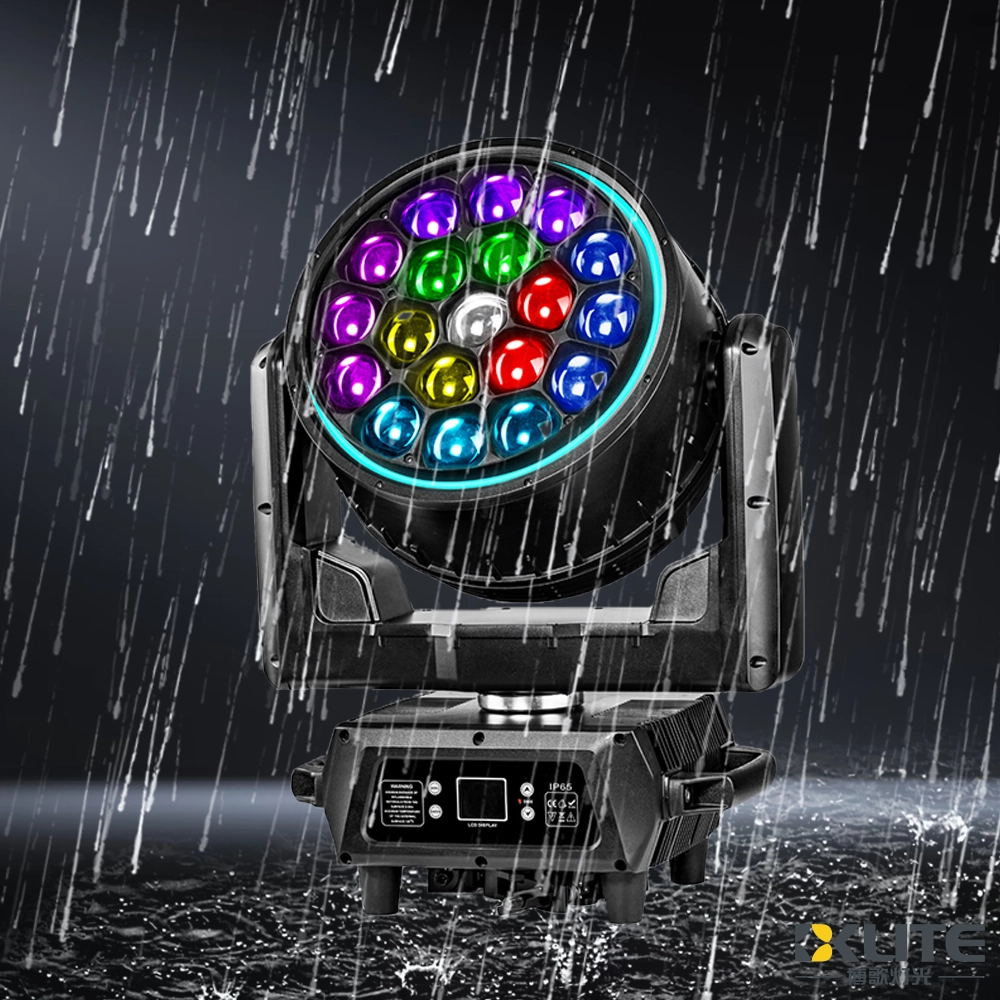
IP65 Waterproof Bee Eye Zoom 19x40W RGBW 4IN1 LED Beam Wash Moving Head Light with LED Ring
BKlite waterproof bee eye moving head light—your reliable choice from top waterproof moving head light manufacturers and suppliers. Ideal for outdoor stage, live event, music festival, this energy-saving fixture ensures powerful, precise illumination for any venue. It delivers powerful, reliable lighting performance in any weather.
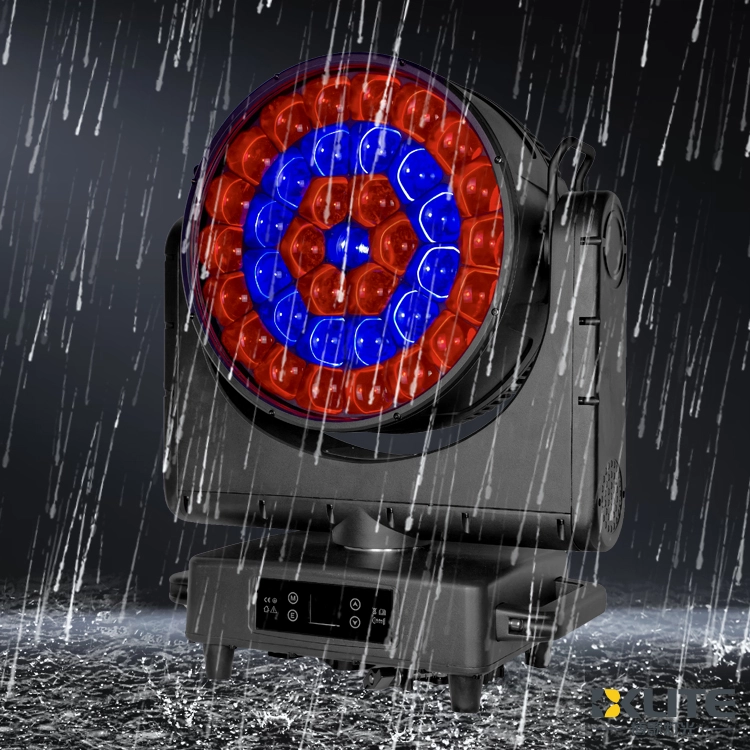
IP65 Waterproof ZOOM Bee Eye 37x40W RGBW 4in1 LED Moving Head Light
As a leading stage lighting equipment supplier with more than 15 years of industry know-how, BKlite brings you the IP65 ZOOM Bee Eye 37*40W RGBW 4in1 LED Moving Head Light (K25 Bee Eye) delivers vibrant, weatherproof lighting with powerful zoom and smooth movement. Ideal for dynamic stage effects, the K25 moving head light ensures stunning RGBW color mixing and reliable outdoor performance.
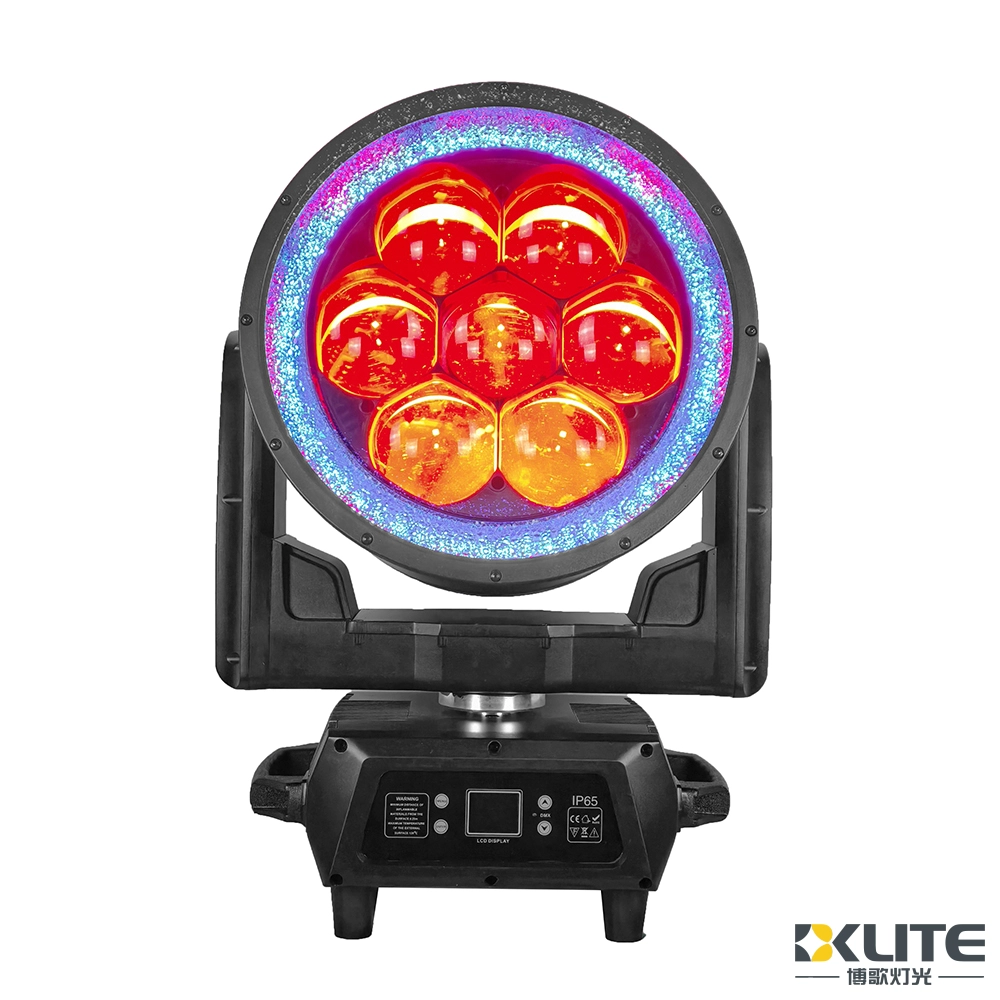
IP65 Waterproof Bee Eye 7x180W RGBL 4IN1 LED Moving Head Light With LED Ring
BKlite high power 7x180W waterproof bee eye moving head light—your reliable choice from top waterproof moving head light manufacturers and suppliers. Ideal for outdoor stage, live event, music festival, this energy-saving fixture ensures powerful, precise illumination for any venue. It delivers powerful, reliable lighting performance in any weather.


Copyright © 2025 BKLITE All Rights Reserved.