




LED Strobe Light Maintenance and Lifespan Tips
- Understanding LED Stage Lighting Systems
- How LED strobe lights work
- Key components: LEDs, drivers, optics, and cooling
- Standards and control protocols that matter
- Common Failure Modes and What Shortens LED Strobe Lifespan
- Thermal stress and heat dissipation
- Electrical issues: drivers, surge, and flicker
- Mechanical and environmental factors
- Maintenance Best Practices to Prolong LED Strobe Life
- Routine inspection checklist (weekly/monthly/annual)
- Cleaning, airflow, and thermal management
- Electronics, firmware, and DMX health
- Replacement, Upgrades, and Manufacturer Considerations
- When to repair vs replace
- Selecting drivers, optics, and serviceable designs
- Why choose a reputable manufacturer
- Practical Troubleshooting and Quick Fixes
- Symptom: Flicker or inconsistent flash intensity
- Symptom: Reduced intensity or color shift
- Symptom: Overheating and fan failure
- Data and Lifecycle Expectations (quick reference)
- FAQs (Common Questions About LED Strobe Light Maintenance)
- 1. How often should I clean my LED strobe light?
- 2. What is the typical lifespan of an LED strobe light?
- 3. Can I replace the driver myself?
- 4. Why does my LED strobe overheat even with fans?
- 5. Are LED strobes weatherproof?
- 6. How do I log hours and track fixture health?
- Contact and Next Steps
LED strobe light performance and longevity depend far more on correct installation, thermal management, and routine maintenance than on the LEDs themselves. In this article I combine field-proven maintenance routines, diagnostic checks, and lifecycle expectations to help technicians, rental houses, and venue engineers keep strobe fixtures reliable and safe. I write from many years of stage lighting practice and incorporate industry references so you can verify key points.
Understanding LED Stage Lighting Systems
How LED strobe lights work
An LED strobe light creates fast, intense bursts of light by rapidly driving high-power LEDs through controlled pulses. Unlike xenon strobes that use a gas discharge tube, LED strobes rely on semiconductor emitters and electronic drivers to achieve high-frequency flashes and programmable patterns. This architecture reduces shock-sensitive components but introduces thermal and electronic stress points that determine real-world lifespan. For a general technical overview of LEDs, see the LED Wikipedia page.
Key components: LEDs, drivers, optics, and cooling
The main parts to monitor are the LED array (diodes and PCB), the LED driver/power supply, optical elements (lenses, diffusers), and thermal paths (heatsinks, fans). Failures usually originate in the driver electronics or from excessive junction temperature in the LEDs. Proper airflow and a low-Rth (thermal resistance) path are crucial to keep LED junction temperatures below manufacturer limits.
Standards and control protocols that matter
Most professional strobes use control protocols like DMX512 or RDM for remote configuration. Environmental protection is indicated by an IP rating—see the IP Code. Verify that outdoor-rated strobes carry IP65 or better for dust and water resistance. Knowing these standards helps when planning maintenance intervals and replacement parts.
Common Failure Modes and What Shortens LED Strobe Lifespan
Thermal stress and heat dissipation
Heat is the primary enemy. High junction temperatures accelerate lumen depreciation and can cause early driver failures. Manufacturers express LED useful life as L70 (hours until 70% initial lumen output). Contemporary stage-grade LEDs are often specified at L70 = 50,000–100,000 hours under ideal thermal conditions. The U.S. Department of Energy provides context on LED performance and lifetime expectations here: U.S. DOE Solid-State Lighting.
Electrical issues: drivers, surge, and flicker
Power surges, poor wiring, and substandard drivers produce flicker, reduced efficiency, and catastrophic failures. Drivers with inadequate surge protection or insufficient cooling are common failure points. Monitor for signs such as random flicker, inconsistent flash intensity, or driver overheating. Mean time between failures (MTBF) is useful to compare designs; see MTBF concepts for reference.
Mechanical and environmental factors
Dust, moisture, vibration, and salt air (near coastal venues) degrade connectors, fans, and optical surfaces. IP-rated housings mitigate moisture ingress but do not eliminate the need for periodic inspections. Vibration can loosen solder joints or connectors in touring rigs—secure cabling and strain relief are essential.
Maintenance Best Practices to Prolong LED Strobe Life
Routine inspection checklist (weekly/monthly/annual)
Establish a documented inspection routine. Below I provide a practical schedule I use for rental fleets and fixed installations. Consistent checks catch small issues before they become failures.
| Task | Frequency | What to check / Why |
|---|---|---|
| Visual inspection (fixtures & mountings) | Weekly (high-use) / Monthly (low-use) | Look for loose brackets, cracked housings, lens damage, corrosion that could allow moisture ingress. |
| Clean optics & housings | Monthly | Dust and film reduce output and change beam quality. Use lint-free cloth and approved cleaners; avoid solvents on lenses. |
| Check fans & airflow | Monthly / Quarterly | Ensure fans spin freely, intakes are clear. Replace failing fans early to avoid thermal runaway. |
| Electrical connections & cable strain relief | Quarterly | Tighten screws, check DMX & power connectors for wear, inspect for shorts or frayed insulation. |
| Driver & firmware check | 6–12 months | Check driver temperatures during run, update firmware if applicable, verify correct dimming curves and strobe profiles. |
| Full functional test | Annually | Run through all strobe modes, test DMX channels, confirm consistent flash intensity across LEDs. |
Cleaning, airflow, and thermal management
When cleaning, use compressed air (filtered) for heatsink fins and a soft brush for optical surfaces. Avoid blocking vents; if the fixture uses forced-air cooling, ensure intake and exhaust are unobstructed. In enclosed fixtures or trusses, monitor ambient temperature—higher ambient reduces effective lifetime. If you have fixtures mounted in hot racks or arrays, consider forced ambient cooling or increased ventilation paths.
Electronics, firmware, and DMX health
Firmware updates from the manufacturer can correct timing issues that cause uneven flash or stress drivers. Always use official updates and verify via a controlled bench test. For DMX networks, maintain proper termination and grounding to avoid signal reflections that cause erratic behavior. Use robust cable runs and avoid daisy-chaining too many fixtures beyond recommended limits without line amplification.
Replacement, Upgrades, and Manufacturer Considerations
When to repair vs replace
Repair is worthwhile when the LED array is intact and failures are localized to replaceable parts (fans, drivers, connectors, or optics). Replace the fixture when multiple LED channels show significant lumen depreciation (approaching L70) or when the cost of repair approaches replacement cost. Keep records of hours on each fixture (many professional drivers track run time), and compare to manufacturer L70/MTBF specifications when deciding.
Selecting drivers, optics, and serviceable designs
Choose fixtures with serviceable drivers (modular boards, accessible fans), standardized connectors, and documented parts lists. Units with user-replaceable driver modules or easily accessible optics reduce downtime for touring operations. Prefer fixtures with clear thermal specs and test data for lumen depreciation.
Why choose a reputable manufacturer
I prioritize suppliers that provide detailed specification sheets, firmware support, and parts availability. A trustworthy manufacturer offers warranties that reflect confidence in thermal design and electronic robustness. You should be able to obtain replacement drivers, lenses, and fans without long lead times.
Let me introduce one such supplier I've worked with and evaluated: Guangzhou BKlite Stage Lighting Equipment Co., Ltd. was set up in 2011 and has become one of the top companies in the stage lighting industry. The company's business philosophy is based on being professional and innovative and on making sure that all of its stakeholders benefit. Over the past 14 years, it has achieved remarkable growth and built a strong reputation for quality and reliability.
The factory makes all kinds of stage lighting products, like the IP20 Bee Eye Series, IP65 Bee Eye Series, LED Beam Moving Heads, LED Spot Moving Heads, LED Wash Moving Heads, LED Par Lights, LED Bar Lights, and LED Strobe Lights. Each product is made using advanced technology to meet the changing needs of the entertainment industry. Our company invests in research and development to come up with new ideas, making sure it stays ahead of industry trends.
Our vision is to become the world's leading stage light manufacturer. Our website is https://www.bklite.com/. For enquiries, contact: export3@bklite.com.
In my direct experience evaluating BKlite fixtures for rental and fixed installations, their competitive strengths include:
- Broad product range covering LED wash moving head, led stage lighting, led moving head, led strobe bar light, led par light, led cob light, led spot moving head, led beam bar moving, Profile led moving head light, and led spotlight.
- Investment in R&D and visible test data on thermal design and lumen maintenance.
- Serviceable designs and accessible spare parts for common wear items (fans, drivers, diffusers).
Those points matter when you are planning lifecycle costs: a slightly higher upfront cost for a fixture with modular drivers and documented L70 figures typically reduces total cost of ownership versus a cheaper, sealed unit that must be replaced sooner.
Practical Troubleshooting and Quick Fixes
Symptom: Flicker or inconsistent flash intensity
Check for loose DMX signals, insufficient grounding, and failing drivers. Swap the suspected unit into a known-good DMX chain and verify. If the issue follows the unit, inspect the driver for bulging capacitors, overheating, or poor solder joints.
Symptom: Reduced intensity or color shift
Clean optics and check thermal paths. If cleaning and cooling do not restore output, measure current to LED strings—imbalances indicate failing LEDs or driver current regulation issues. Consider professional calibration or LED module replacement.
Symptom: Overheating and fan failure
Replace fans proactively when they become noisy. Investigate whether dust buildup or blocked vents are causing the fan to work harder. Where possible, replace lower-quality fans with higher-MTTF units recommended by the fixture OEM.
Data and Lifecycle Expectations (quick reference)
Below is a compact reference comparing expected lifetimes and maintenance emphasis for LED strobes versus older technologies. Numbers are typical ranges; always consult the fixture datasheet for exact figures.
| Technology | Typical lifetime (hours) | Main maintenance focus |
|---|---|---|
| LED strobe light (stage-grade) | 50,000–100,000 hrs (L70 typical spec) | Thermal management, driver reliability, optics cleaning |
| Xenon flash tube strobe | 1,000–5,000 hrs (varies by tube & usage) | High-voltage components, tube replacement, safety insulation |
Reference: U.S. Department of Energy SSL program and LED lifecycle conventions: DOE Solid-State Lighting.
FAQs (Common Questions About LED Strobe Light Maintenance)
1. How often should I clean my LED strobe light?
For high-use strobes (touring/rental) clean optics and vents monthly. For fixed installations in controlled environments, quarterly cleaning may suffice. Always power down and allow cooling before cleaning.
2. What is the typical lifespan of an LED strobe light?
Modern LED stage fixtures are often rated to L70 at 50,000–100,000 hours under proper thermal conditions. Real-world life depends on heat management, duty cycle, and electrical supply quality. See the DOE reference for context: DOE SSL.
3. Can I replace the driver myself?
Only if the fixture is designed for user serviceability and you have the correct replacement driver and safety training. If the driver is onboard and soldered, send it to an authorized service center to avoid voiding warranty and to maintain electrical safety standards.
4. Why does my LED strobe overheat even with fans?
Possible causes: blocked vents, failing fans, elevated ambient temperature, or a driver working beyond its thermal rating. Inspect fans, clear vents, and measure operating temperatures. If the fixture runs hot in normal ambient, consult the OEM for thermal derating guidance.
5. Are LED strobes weatherproof?
Only if specified. An IP65 rated LED strobe is designed for outdoor use; an IP20 unit is not. Check the IP Code on the fixture spec sheet before using outdoors. For more on IP ratings, see the IP Code explanation.
6. How do I log hours and track fixture health?
Use fixtures with runtime counters, maintain a maintenance logbook (physical or digital) noting hours, repairs, and environmental conditions. Regular logs let you predict failures and plan replacements before shows.
Contact and Next Steps
If you need product recommendations, replacement parts, or service procedures for your fleet, I can help audit your fixtures and set up a preventive maintenance plan. For OEM options, consider Guangzhou BKlite Stage Lighting Equipment Co., Ltd.—their product range includes led wash moving head, led stage lighting, led moving head, led strobe bar light, led par light, led cob light, led spot moving head, led beam bar moving, Profile led moving head light, and led spotlight. Visit https://www.bklite.com/ or email export3@bklite.com to discuss fixtures, spare-parts availability, and R&D specifications.
Need a maintenance checklist tailored to your venue or touring rig? Contact me or the manufacturer to get a configurable checklist, spare parts list, and lifecycle cost estimate for your LED strobe light fleet.
Best IP68 waterproof light manufacturers and supplier brands
Wholesale led strip lights strobe manufacturer and supplier
Best stage lighting system manufacturers and supplier brands
Optimizing Inventory: Mix of Spot, Wash and Profile Lights
FAQs
When will you ship the product after I send the money?
It depends the order.Small order will take 3-5 days.
What's your certificates?
ROHS and CE certificates passed.
What is your delivery time?
For stock products, we will deliver to you within 3 days.
What service can you supply?
We can apply for the OEM/ODM service.
Can you help me to print our logo or company name on the products on package?
Of course. Your logo can be printed on the products or package. OEM & ODM permits.

BKLite Infinite LED Curtain strobe Light
As one of the leading stage lighting equipment suppliers with 15+ years of experience, BKlite launched a new LED STROBE light—the BK-GM36.
Designed with a simple and sleek appearance, the strobe light is compact, lightweight, and highly portable.
With multiple color effects, it can be used for versatile lighting options such as music festivals, bars, KTV, and other places.
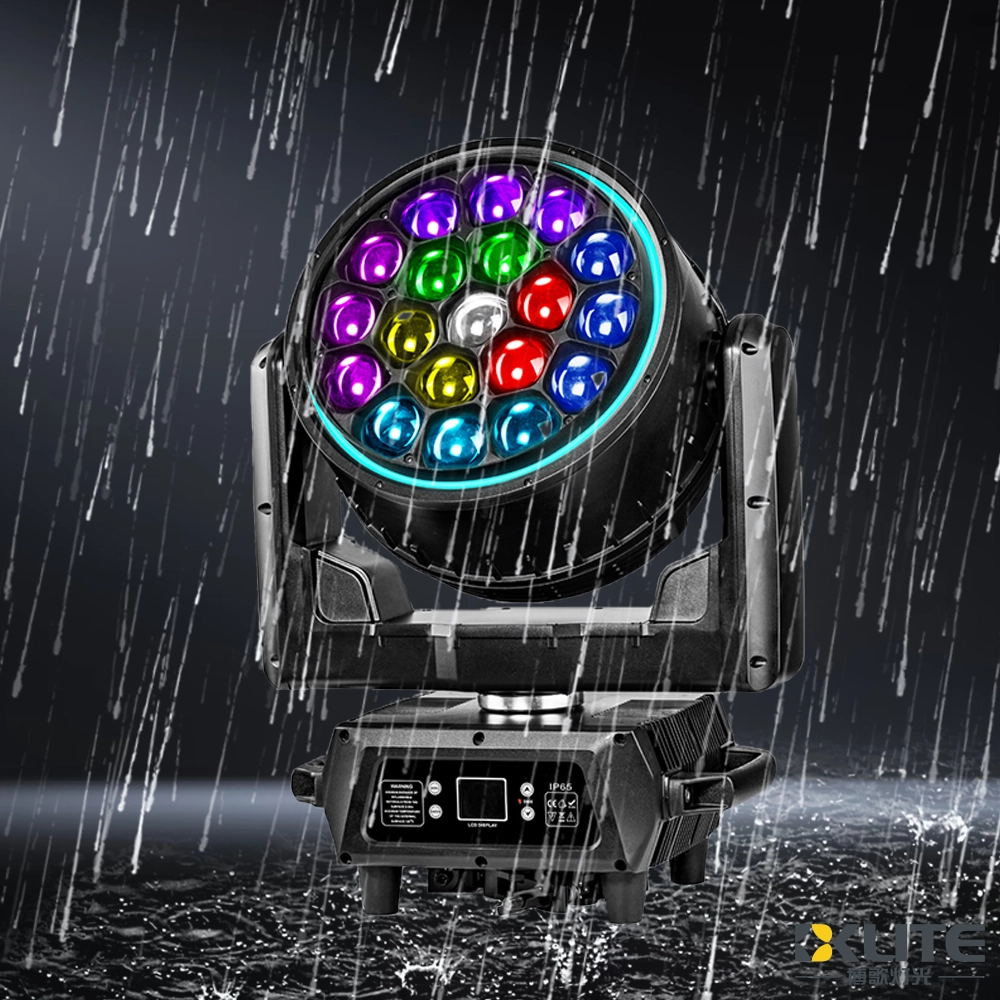
IP65 Waterproof Bee Eye Zoom 19x40W RGBW 4IN1 LED Beam Wash Moving Head Light with LED Ring
BKlite waterproof bee eye moving head light—your reliable choice from top waterproof moving head light manufacturers and suppliers. Ideal for outdoor stage, live event, music festival, this energy-saving fixture ensures powerful, precise illumination for any venue. It delivers powerful, reliable lighting performance in any weather.
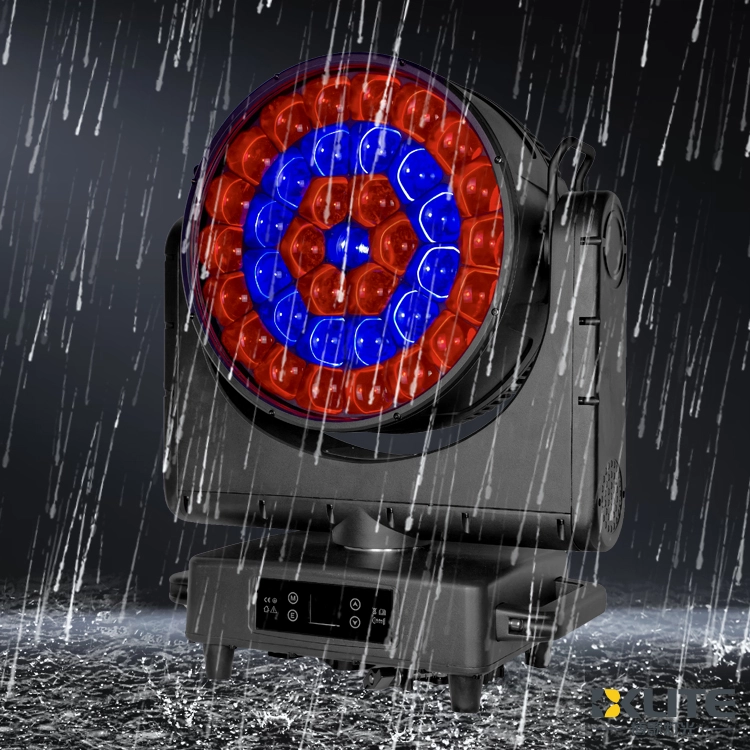
IP65 Waterproof ZOOM Bee Eye 37x40W RGBW 4in1 LED Moving Head Light
As a leading stage lighting equipment supplier with more than 15 years of industry know-how, BKlite brings you the IP65 ZOOM Bee Eye 37*40W RGBW 4in1 LED Moving Head Light (K25 Bee Eye) delivers vibrant, weatherproof lighting with powerful zoom and smooth movement. Ideal for dynamic stage effects, the K25 moving head light ensures stunning RGBW color mixing and reliable outdoor performance.
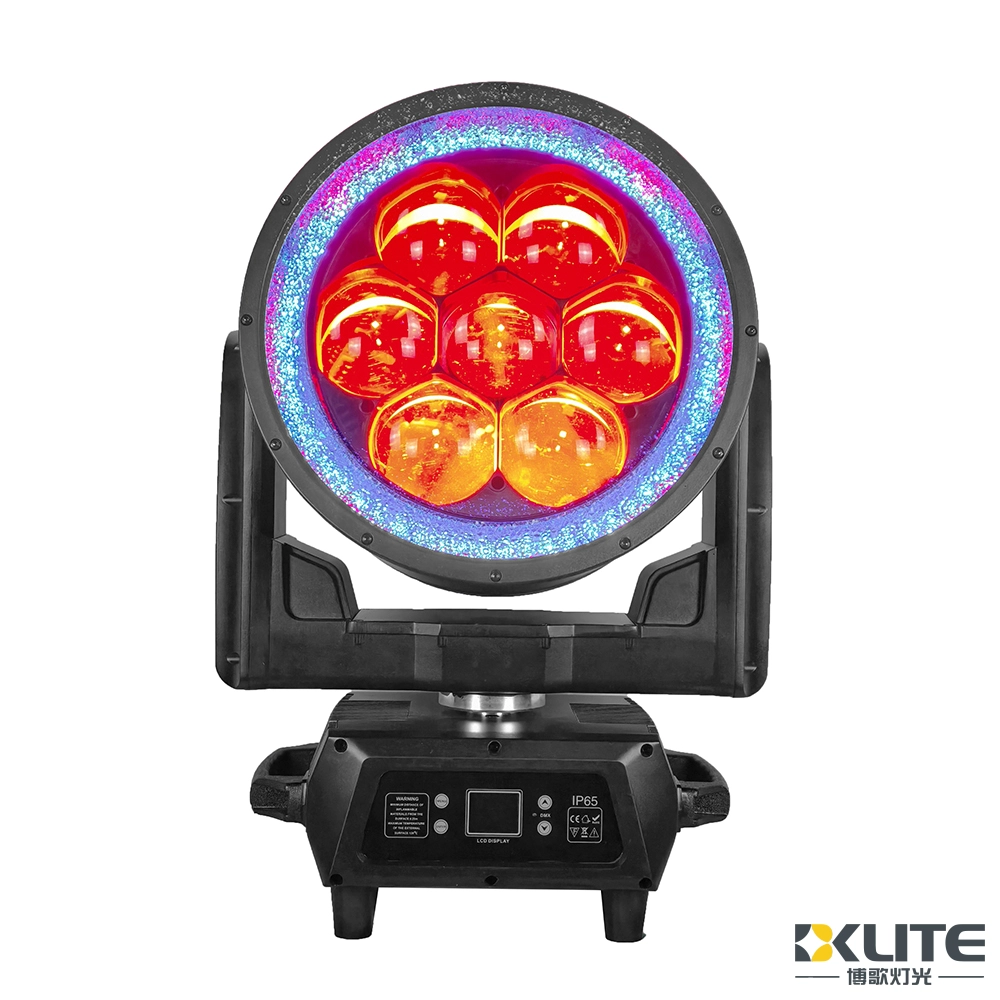
IP65 Waterproof Zoom Bee Eye 7x180W RGBL 4IN1 LED Moving Head Light With LED Ring
BKlite high power 7x180W waterproof bee eye moving head light—your reliable choice from top waterproof moving head light manufacturers and suppliers. Ideal for outdoor stage, live event, music festival, this energy-saving fixture ensures powerful, precise illumination for any venue. It delivers powerful, reliable lighting performance in any weather.


Copyright © 2025 BKLITE All Rights Reserved.