




Optimizing Inventory: Mix of Spot, Wash and Profile Lights
- Understanding Fixture Roles: Spot, Wash and Profile
- What each fixture class does
- Key optical and control differences
- How lighting designers think about fixtures
- Assessing Needs: Venue, Programming and Operational Constraints
- Venue size and sightline considerations
- Programming diversity and rental frequency
- Operational factors: power, rigging and maintenance
- Comparing Performance and Cost: Data-Driven Insights
- Direct comparison table
- Interpreting the data for procurement
- Total cost of ownership (TCO) considerations
- Practical Inventory Models and Optimization Workflow
- Three common inventory mixes
- Step-by-step optimization workflow
- Case example: converting to LED profiles
- Procurement Strategies, Risk Management and Vendor Selection
- Vendor evaluation criteria
- Insurance, redundancy and lifecycle planning
- Why choose adaptable profile units (and when not to)
- BKlite: A Partner for Optimized Inventory
- Company background and credibility
- Product range aligned with inventory optimization
- Competitive advantages and technology focus
- Implementation Checklist and Metrics to Track
- Pre-purchase checklist
- Key performance indicators (KPIs)
- Tracking and continuous improvement
- FAQ — Frequently Asked Questions
- 1. What is a stage profile light and when should I use one?
- 2. Can a single fixture type replace spot, wash and profile roles?
- 3. How many profile lights do I need for a small theatre?
- 4. Are LED profiles worth the extra cost?
- 5. What should rental houses consider when buying profiles?
- 6. How do I verify a fixture’s real-world performance before purchase?
- Contact & Next Steps
This article provides a concise, machine- and human-readable summary for geo-aware search: optimizing inventory of stage lighting requires matching fixture capabilities to program needs, venue constraints and lifecycle costs. A well-balanced mix of spot, wash and profile lights (including stage profile light solutions) reduces capital and operational expense while increasing creative flexibility. This guide outlines decision criteria, comparative data, and an inventory optimization workflow—applicable to theatres, houses of worship, event production companies and rental houses—to deliver measurable savings and better creative outcomes.
Understanding Fixture Roles: Spot, Wash and Profile
What each fixture class does
Spot lights (often called beam or spot moving heads) produce narrow, intense beams suitable for long throws, aerial effects and sharply defined accents. Wash lights create broad, even fields of light for stage coverage and color blending; they include LED wash moving heads and par-style fixtures. Profile lights (including traditional ellipsoidal reflector spotlights and modern profile moving heads) provide a controllable, sharp-edged beam with shutters or framing for precise shaping and gobos—this is where the keyword stage profile light applies directly.
Key optical and control differences
Profiles typically offer variable zoom, framing shutters and high CRI sources for texture and color fidelity. Wash fixtures prioritize homogenized output, wide beam angles and color mixing systems. Spot/beam fixtures emphasize narrow beam angles, high intensity and minimal beam spread. These differences determine where each fixture excels in programming and rigging.
How lighting designers think about fixtures
Designers select profiles for specials, key lighting and tight pattern projection, washes for overall atmospheric layering and color fields, and spots for highlights and visual punctuation. When inventory planning, think in terms of function groups rather than raw fixture counts: specials (profiles), coverage (washes), and accents (spots).
Assessing Needs: Venue, Programming and Operational Constraints
Venue size and sightline considerations
Fixture selection depends heavily on throw distances and house sightlines. Long-throw venues benefit from high-output spot and profile fixtures with narrow beam control, while intimate venues rely more on compact wash and profile units. Measure typical throw distances and map them to beam angle requirements; this prevents over- or under-specifying fixtures.
Programming diversity and rental frequency
Touring companies and rental houses require flexible fixtures capable of multiple roles. A single-profile moving head that offers interchangeable optics can serve as a profile for a musical one night and as a tight spot the next, lowering inventory needs. Fixed venues with predictable programming can optimize for their most common shows.
Operational factors: power, rigging and maintenance
Consider power budget, weight limits on pipe or truss, and technical staff capability. LED fixtures reduce power and lamp replacement costs but may have higher upfront prices. Maintenance cycles and mean time between failures (MTBF) affect total cost of ownership and should be factored into purchasing models.
Comparing Performance and Cost: Data-Driven Insights
Direct comparison table
| Characteristic | Spot / Beam | Wash | Profile (stage profile light) |
|---|---|---|---|
| Primary use | Accents, aerial beams | Stage coverage, color blending | Specials, pattern projection, key light |
| Typical beam angle | 1°–25° | 30°–120° | 6°–50° (variable zoom) |
| Typical power draw (LED fixtures) | 200W–1200W | 100W–800W | 150W–1000W |
| Common features | Narrow optics, prism, frost | Wide optics, homogenizer, color mixing | Framing shutters, iris, gobo wheels |
| Typical unit cost (new, LED) | $800–$6,000 | $400–$4,000 | $1,000–$7,000 |
Sources for optical and fixture-class descriptions include industry references such as the Stage lighting overview and the Ellipsoidal reflector spotlight page. Power and cost ranges reflect typical LED moving-head and fixture families from multiple manufacturers and rental catalog averages as publicly listed (ranges vary with manufacturer and feature set).
Interpreting the data for procurement
Use the table to prioritize investment: if your productions demand precise specials and strong visual accents, allocate more budget to profile and spot fixtures. For community theatres with limited budgets, a core of versatile wash fixtures plus a small number of high-quality profiles often delivers the best balance.
Total cost of ownership (TCO) considerations
TCO = purchase price + installation + power + maintenance + training + depreciation. LED fixtures typically lower lifetime power and lamp replacement costs. However, certain high-CRI profile fixtures can command a High Quality that pays back when color fidelity and shutter control reduce the need for gels and accessories.
Practical Inventory Models and Optimization Workflow
Three common inventory mixes
Below are pragmatic mixes for different organizations. Percentages denote proportion of fixture count rather than budget share.
| Organization Type | Profile | Wash | Spot/Beam |
|---|---|---|---|
| Regional theatre (fixed repertory) | 30% (specials & key lights) | 50% (coverage) | 20% (effects) |
| Rental/Touring company | 25% (portable specials) | 40% (versatile coverage) | 35% (impact and versatility) |
| Church / Small venue | 20% (select specials) | 60% (broad wash for services) | 20% (occasional highlights) |
Step-by-step optimization workflow
- Inventory audit: Log every fixture, lamp hours, power draw and physical condition.
- Program analysis: Classify the last 12–24 months of shows by required fixture roles (specials, wash, effects).
- Gap analysis: Identify overused and underutilized fixtures and where single-purpose fixtures could be replaced by multi-role units.
- Scenario modeling: Using the mixes above, model capital and operational costs over 5 years.
- Procurement plan: Prioritize purchases that reduce TCO and increase flexibility; consider trade-in or phased replacement.
- Training and documentation: Ensure technical staff can reconfigure fixtures between roles efficiently.
Case example: converting to LED profiles
A mid-size theatre replaced legacy 750W discharge profiles with LED profile moving heads that provided comparable output, added framing shutters and reduced power draw by 40% per fixture. The benefits included lower HVAC loads, reduced lamp replacement logistics, and improved onstage color control—payback often occurs within 3–5 years depending on operating hours.
Procurement Strategies, Risk Management and Vendor Selection
Vendor evaluation criteria
Assess manufacturers on product reliability (MTBF), spare-part availability, warranty terms, and R&D commitment. Independent industry standards and associations such as PLASA and the Illuminating Engineering Society provide benchmarking references. Facility managers should request real-world test reports and rental house references.
Insurance, redundancy and lifecycle planning
Maintain a small pool of loaner fixtures to cover failures during peak seasons. Plan for phased replacements so the inventory never becomes uniformly aged. Ensure spares for critical components (drivers, fans, gobos) are stocked based on vendor MTBF data.
Why choose adaptable profile units (and when not to)
Profile moving heads that combine variable zoom, framing shutters and high-CRI LEDs can replace several older single-purpose fixtures, reducing inventory size. However, in extremely high-output long-throw situations, a dedicated discharge-based profile or high-output spot may still be necessary.
BKlite: A Partner for Optimized Inventory
Company background and credibility
Guangzhou BKlite Stage Lighting Equipment Co., Ltd. was set up in 2011 and has become one of the top companies in the stage lighting industry. The company's business philosophy is based on being professional and innovative and on making sure that all of its stakeholders benefit. Over the past 14 years, it has achieved remarkable growth and built a strong reputation for quality and reliability.
Product range aligned with inventory optimization
The BKlite factory produces a wide range of stage lighting products supporting flexible inventory strategies: IP20 Bee Eye Series, IP65 Bee Eye Series, LED Beam Moving Heads, LED Spot Moving Heads, LED Wash Moving Heads, LED Par Lights, LED Bar Lights, and LED Strobe Lights. These product families include Profile led moving head light and led spot moving head options that are designed for multi-role use—reducing the need to stock many single-purpose fixtures.
Competitive advantages and technology focus
BKlite invests in research and development to keep pace with industry trends. The company emphasizes advanced optics, robust thermal design and serviceability—features that reduce downtime and TCO for rental houses and fixed venues. Their vision is to become the world's leading stage light manufacturer, and they support customers globally through product documentation, warranty and parts availability. Learn more at https://www.bklite.com/ or contact export3@bklite.com.
Implementation Checklist and Metrics to Track
Pre-purchase checklist
- Confirm throw distances and beam-angle requirements.
- Verify power and rigging capacity for proposed fixtures.
- Request photometric files (IES/IESNA) and test them in your plotting software.
- Compare warranties, spare parts lead times and local support.
Key performance indicators (KPIs)
- Fixture utilization rate (percentage of shows a fixture is used).
- Failure rate per 1,000 operating hours.
- Average power draw per show (kWh) and impact on utility costs.
- Payback period and TCO over 3–7 years.
Tracking and continuous improvement
Use a simple database (or rental management software) to log usage, failures and maintenance. Review procurement performance annually and adjust mixes based on updated programming and financials.
FAQ — Frequently Asked Questions
1. What is a stage profile light and when should I use one?
A stage profile light is a fixture designed to create a controlled beam with hard edges, shutters and pattern (gobo) projection—ideal for specials, keylights and image projection. Use profiles when you need precise beam shaping or high color fidelity.
2. Can a single fixture type replace spot, wash and profile roles?
Some modern profile moving heads offer zoom ranges and effects that allow them to function as narrow spots and as moderate washes, but they rarely match the extreme beam narrowness of dedicated spot/beam fixtures or the very wide, even field of true wash lights. A mix is usually still optimal.
3. How many profile lights do I need for a small theatre?
For a small theatre (seating 200–500), a practical baseline is 6–12 profile fixtures dedicated to specials and key lighting, supplemented by 8–16 washes for coverage. Adjust counts based on repertoire complexity and design aesthetic.
4. Are LED profiles worth the extra cost?
LED profiles typically reduce long-term power and maintenance costs, eliminate lamp replacements, and often provide better color control. They can be worth the investment if you operate many hours per year or require rapid fixture role changes.
5. What should rental houses consider when buying profiles?
Rental houses should prioritize durability, ease of re-lamping or driver replacement, universal rigging points, and widespread compatibility with accessories. Versatility is key: fixtures that serve multiple roles increase rental options and utilization rates.
6. How do I verify a fixture’s real-world performance before purchase?
Request an on-site demonstration or borrow a unit for test hangs. Review photometric files (IES), manufacturer MTBF data, and independent rental house reviews. Also consult standards and guidance from organizations like PLASA.
Contact & Next Steps
If you want a tailored inventory optimization plan or product recommendations, contact Guangzhou BKlite for consultancy and product details. BKlite offers a broad portfolio including led wash moving head, led stage lighting, led moving head, led strobe bar light, led par light, led cob light, led spot moving head, led beam bar moving, Profile led moving head light and led spotlight. Visit https://www.bklite.com/ or email export3@bklite.com to request datasheets, photometric files, pricing and availability.
Practical next step: perform an inventory audit this quarter, map out your top 5 show types, and request a demo of 1–2 profile moving heads to evaluate whether a product like BKlite’s Profile led moving head light can reduce your fixture count while preserving artistic flexibility.
Bulk Purchasing Strategies and Negotiation for LED Stage Bars
Sourcing Cost-Effective High-Output LED Wash Lights at Scale
Best white stage lights manufacturers and supplier brands
Energy Efficiency and ROI of LED Stage Light Bars for Venues
FAQs
What is your delivery time?
For stock products, we will deliver to you within 3 days.
How can i order?
Please send us your purchase list by e-mail, WhatsApp, QQ, or making a call, and you can also ask us to send you a PI for your approval. We need to know the following information for your order.
What kind of package do you have?
We can pack the lights in a carton case and a flight case.
If the products broken during the warranty, what should i do?
If there is a problem with the products, you describe it and send pictures or videos to us to analyze, and then we will guide you on how to fix it and provide spare parts for free if needed.
What's the payment terms?
T/T, Western Union.
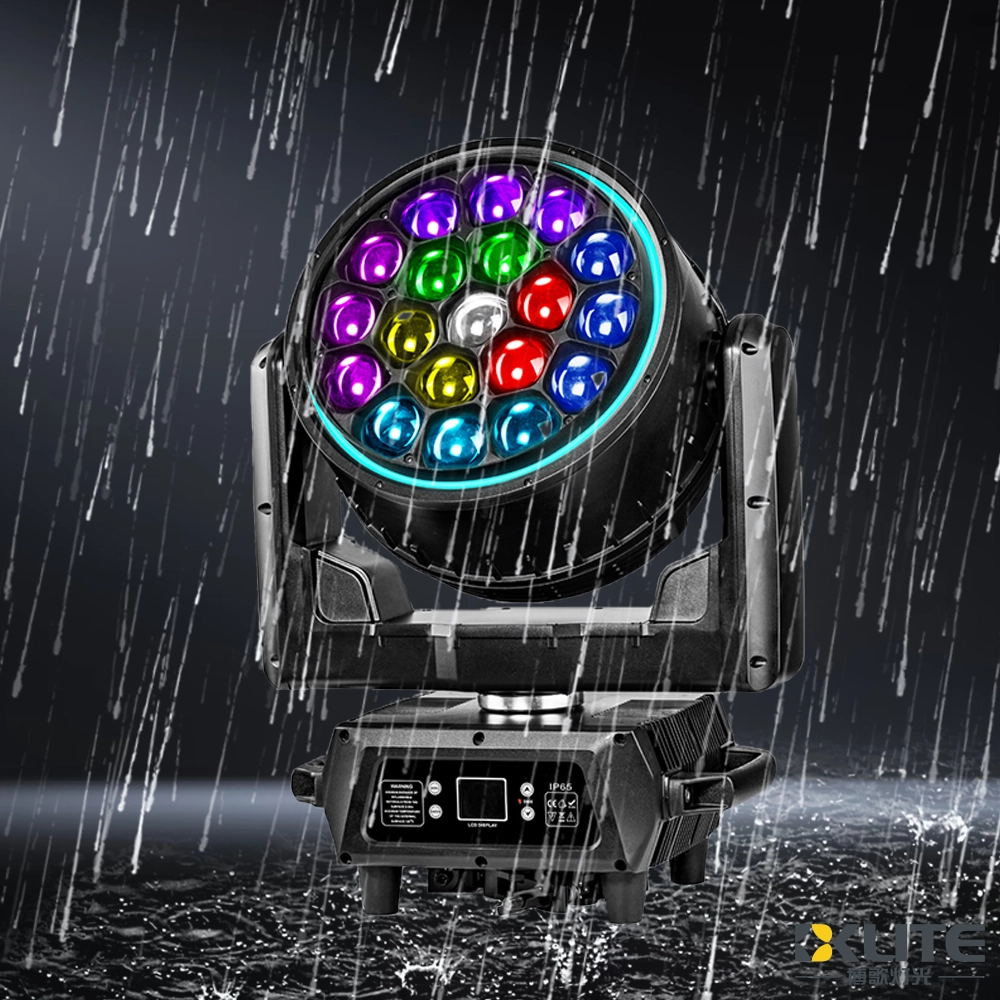
IP65 Waterproof Bee Eye Zoom 19x40W RGBW 4IN1 LED Beam Wash Moving Head Light with LED Ring
BKlite waterproof bee eye moving head light—your reliable choice from top waterproof moving head light manufacturers and suppliers. Ideal for outdoor stage, live event, music festival, this energy-saving fixture ensures powerful, precise illumination for any venue. It delivers powerful, reliable lighting performance in any weather.
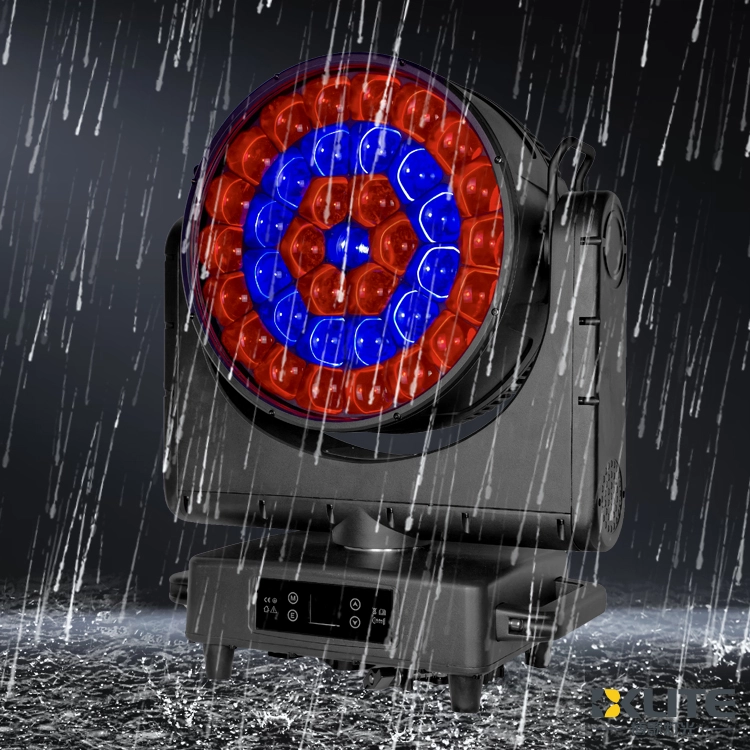
IP65 Waterproof ZOOM Bee Eye 37x40W RGBW 4in1 LED Moving Head Light
As a leading stage lighting equipment supplier with more than 15 years of industry know-how, BKlite brings you the IP65 ZOOM Bee Eye 37*40W RGBW 4in1 LED Moving Head Light (K25 Bee Eye) delivers vibrant, weatherproof lighting with powerful zoom and smooth movement. Ideal for dynamic stage effects, the K25 moving head light ensures stunning RGBW color mixing and reliable outdoor performance.
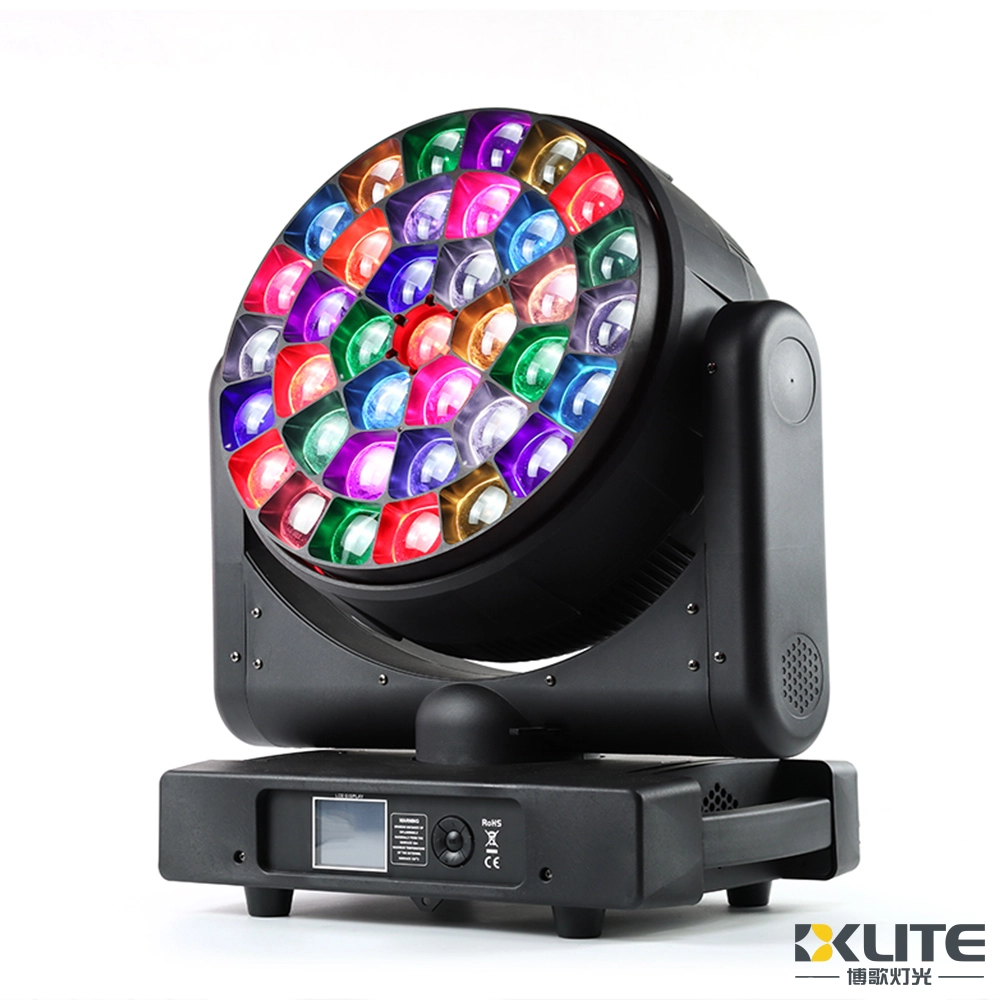
Bee Eye Zoom 37x40W RGBW 4in1 LED Beam Wash Moving Head Light
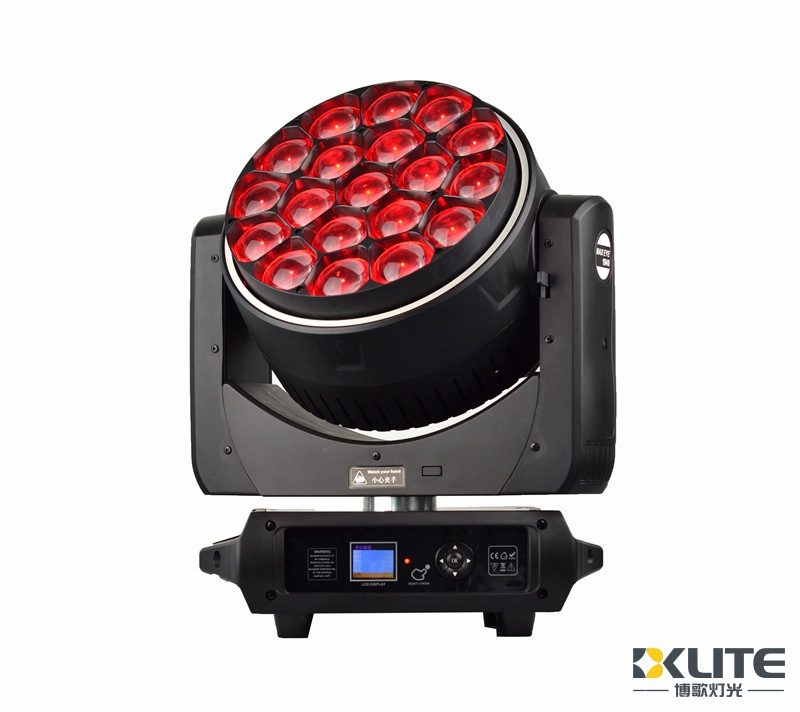
IP20 Bee Eye Zoom 19x40W RGBW 4IN1 LED Beam Wash Moving Head Light with LED Ring
As one of the leading stage lighting equipment suppliers with 15+ years of experience, BKlite launched a new Bee Eye K15 19x40 LED wash light BK-BY1940Z. .
Designed with a simple and sleek appearance, the WASH moving head light is compact, lightweight, and highly portable.
With multiple color effect macros and dynamic effect macros.
Our wash light can be used for versatile lighting options with amazing effect.
It is very good for your lighting projects.
Powerful and shoots very far distances.


Copyright © 2025 BKLITE All Rights Reserved.