




Buyer's Guide: LED Strobe Lights for Professional Stages
- Understanding strobe lighting technology and stage use
- How LED strobes work and why they differ from traditional strobes
- Key performance metrics to evaluate
- When to choose LED strobe vs xenon or discharge strobes
- Choosing the right LED strobe for professional stages
- Fixture types and common use cases
- Sample comparison: typical professional LED strobe formats
- Control considerations: DMX, Art-Net, sACN and pixel mapping
- Installation, operation, safety and reliability
- Rigging, heat management and duty cycle
- Electrical, flicker and camera considerations
- Safety, regulations and standards
- Specifying, testing and buying: practical procurement criteria
- Checklist for specification and RFPs
- Testing and acceptance criteria
- Cost of ownership: serviceability and spares
- Why Guangzhou BKlite and supplier evaluation
- About Guangzhou BKlite Stage Lighting Equipment Co., Ltd.
- BKlite product range and technical strengths
- Competitive advantages and quality assurances
- Real-world buying scenarios and recommended configurations
- Small club or bar (tight rig, low ceiling)
- Mid-sized theater or corporate event
- Concert tour or large-scale production
- FAQ
- 1. What is the difference between a strobe and a flash?
- 2. Can LED strobes damage cameras or cause flicker on broadcast?
- 3. How important is IP rating for strobe fixtures?
- 4. Do I need RDM for strobe fixtures?
- 5. How do I measure strobe intensity for spec sheets?
- 6. What warranties and service levels should I require?
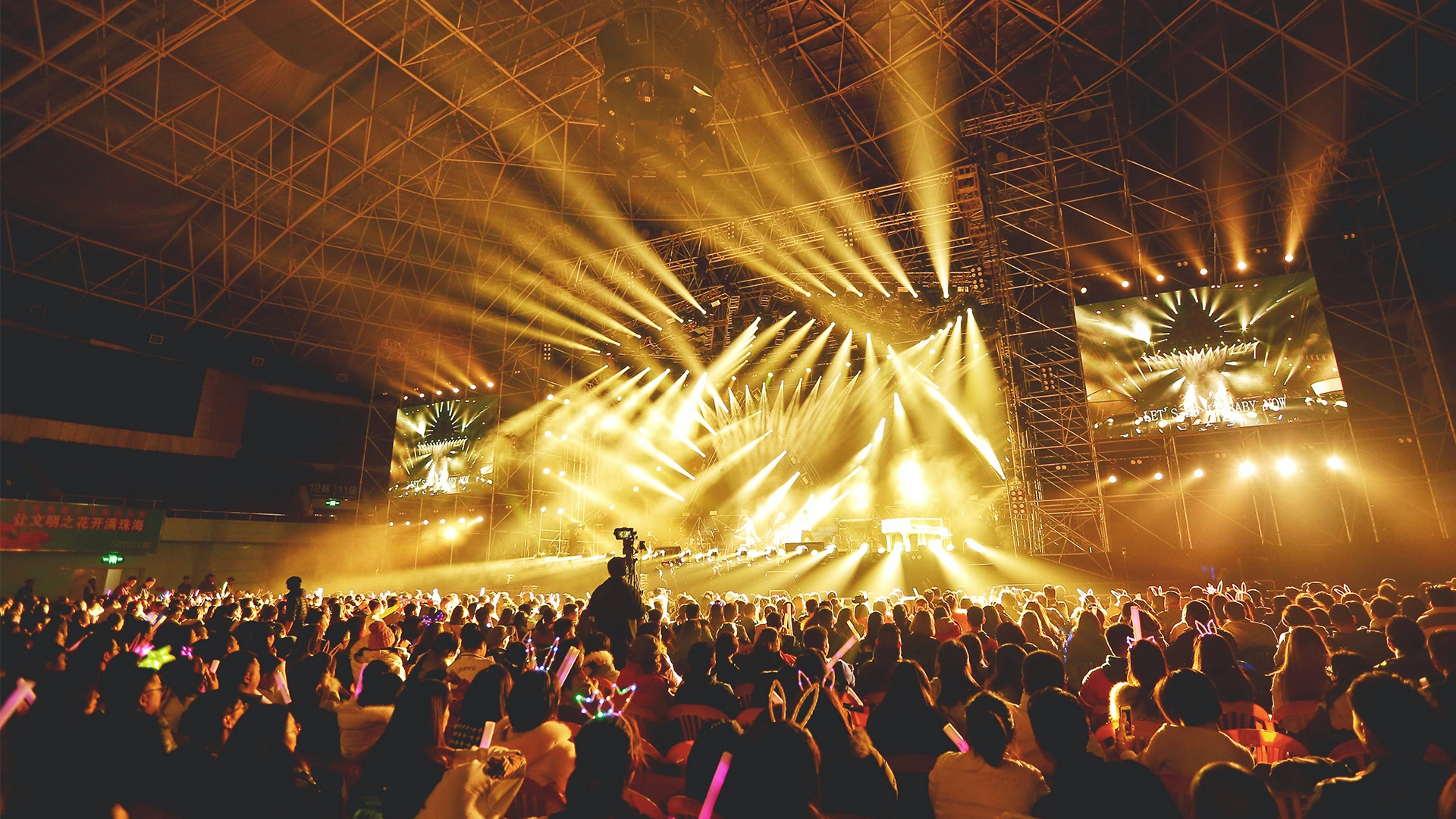
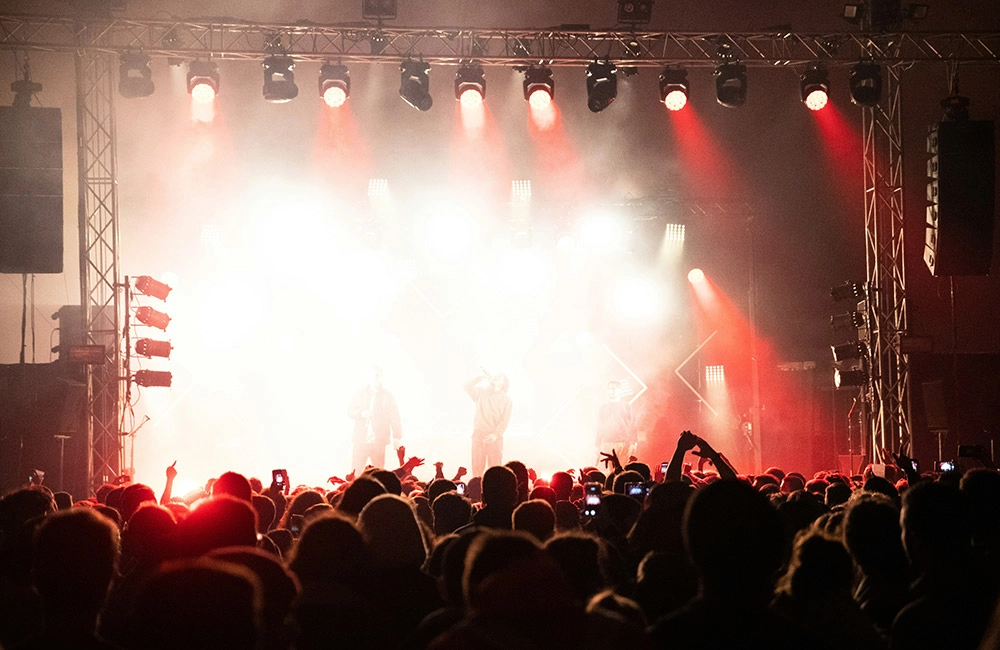
LED strobes are now a staple of modern stagecraft, offering high-intensity flashes, energy efficiency, and flexible control for dynamic visual effects. This guide is written for lighting professionals, production managers, and venue operators who need practical, verifiable advice for selecting and deploying led lights with strobe features on professional stages. It explains the technical trade-offs, control options, safety and maintenance considerations, and procurement criteria you should use to evaluate fixtures and suppliers.
Understanding strobe lighting technology and stage use
How LED strobes work and why they differ from traditional strobes
Strobe lighting produces rapid flashes of light to create motion fragmentation, accent beats, or simulate slow motion. Historically this effect came from xenon tube strobes; modern LED strobes achieve similar visual impact by pulsing high-power LEDs. Compared with xenon, LED strobes offer lower power consumption, longer life, instant color mixing, and digital dimming curves. For a general technical overview of strobe lighting principles, see Strobe light - Wikipedia.
Key performance metrics to evaluate
When assessing led lights with strobe, prioritize these measurable specs:
- Flash rate (Hz or flashes per minute): determines how fast the fixture can pulse without thermal or driver limits.
- Peak and average output (lumens or lux at specified distance): peak output defines perceived flash intensity; average output matters for continuous use heat load.
- Color capabilities (RGB, RGBA, RGBW, or separate white LEDs) and CRI when white output is used.
- Power consumption (W) and mains requirements (voltage, power factor).
- Control options (DMX512, RDM, Art-Net, sACN) and number of DMX channels for strobe and color control.
- IP rating for outdoor use (IP20 for indoor, IP65+ for outdoor-rated fixtures).
- Physical size, weight, and mounting options for truss or rigging.
When to choose LED strobe vs xenon or discharge strobes
Choose LED strobes if you need color effects, energy efficiency, or DMX control integration. Xenon still produces extremely high-intensity short-duration flashes favored for certain broadcast or pyrotechnic-synchronized cues, but is heavier, hotter, and less flexible. For many touring and club applications, led lights with strobe functionality meet creative needs with fewer logistical constraints.
Choosing the right LED strobe for professional stages
Fixture types and common use cases
LED strobe fixtures come in several formats. Match format to use case:
- Single-unit strobe fixtures (compact, high-intensity) – club hits, drum accents.
- Strobe bars (linear arrays) – frontstage wash, wide-area rhythmic effects.
- Moving-head strobes – directional bursts that can be aimed and combined with gobos or beams.
- Integrated wash/strobe fixtures – hybrid units providing both continuous wash and strobe bursts for compact stage packages.
Selecting the right format depends on throw distance, coverage, and how much fixture versatility you need.
Sample comparison: typical professional LED strobe formats
| Format | Typical Peak Output | Power (W) | Control | Best for |
|---|---|---|---|---|
| Compact strobe head | 20,000–80,000 lumens (peak) | 200–800 W | DMX/RDM | Clubs, side-of-stage accents |
| Strobe bar (LED strip) | 5,000–30,000 lumens (distributed) | 100–400 W | DMX/Pixel control | Wide coverage, low-profile layouts |
| Moving-head strobe | 10,000–50,000 lumens (peak) | 250–1000 W | DMX/Art-Net + pan/tilt | Concerts, dynamic beam effects |
Table data are typical ranges based on manufacturer catalogs and product datasheets commonly available in the industry; for general LED and lighting technology context see LED - Wikipedia.
Control considerations: DMX, Art-Net, sACN and pixel mapping
Professional stages require precise timing and integration with show control. DMX512 remains the baseline protocol; for larger arrays and pixel-mapped strobes, Art-Net or sACN over Ethernet is standard. For details on DMX: see DMX512 - Wikipedia. Ensure fixtures support:
- Sufficient DMX channels for color, strobe rate, intensity, and macros.
- RDM for remote addressing and status monitoring when managing many fixtures.
- Pixel control if you plan to drive individual LED segments or bars.
Installation, operation, safety and reliability
Rigging, heat management and duty cycle
LED strobes produce heat at the LEDs and drivers; even though they run cooler than xenon, duty cycle matters. Check manufacturer-specified thermal limits and recommended duty cycles to avoid derating. Proper airflow and spacing are essential in tight rigs and hoists. For outdoor work, choose IP-rated fixtures (IP65 or higher) and verify sealing and connector ratings.
Electrical, flicker and camera considerations
LED flicker during strobe effects can cause artifacts on broadcast cameras. Verify driver switching frequencies and dimming curves; some fixtures offer camera-friendly modes or adjustable PWM to minimize rolling-shutter artifacts. Also ensure fixtures have good power factor and inrush current characteristics to prevent tripping on tour power systems.
Safety, regulations and standards
Comply with local regulations for strobe use—some venues must post warnings for photosensitive epilepsy risk. For industry safety guidance and best practices, consult organizations like the Entertainment Services and Technology Association (ESTA). Ensure fixtures meet relevant CE/UL/ETL listings and have proper documentation for rigging and IP ratings.
Specifying, testing and buying: practical procurement criteria
Checklist for specification and RFPs
Include these elements when requesting quotes or specifying fixtures:
- Required peak output at specified throw distance (lux at X m).
- Control protocol and required channel mapping.
- Mounting and rigging points, weight limits, and truss compatibility.
- IP rating if outdoor-rated units are needed.
- Warranty, lead time, spare parts availability, and factory support.
Testing and acceptance criteria
Before accepting a shipment or approving rental stock, perform these tests:
- Physical inspection for build quality, soldering, connectors, and paint/coating.
- Functional test of full DMX/Art-Net feature set, RDM discovery, and custom macros.
- Thermal run at expected duty cycle, measuring case temperature and output consistency.
- Camera test for strobe-to-camera interaction when fixtures will be used for broadcast.
Cost of ownership: serviceability and spares
Total cost includes spare LEDs, driver modules, lenses, and labor for servicing. Choose fixtures with modular components and accessible service parts. Confirm manufacturer lead times for replacement modules—tour-critical gear needs fast parts support.
Why Guangzhou BKlite and supplier evaluation
About Guangzhou BKlite Stage Lighting Equipment Co., Ltd.
Guangzhou BKlite Stage Lighting Equipment Co., Ltd. was set up in 2011 and has become one of the top companies in the stage lighting industry. The company's business philosophy is based on being professional and innovative and on making sure that all of its stakeholders benefit. Over the past 14 years, it has achieved remarkable growth and built a strong reputation for quality and reliability. Visit the company website at https://www.bklite.com/ or contact export3@bklite.com for inquiries.
BKlite product range and technical strengths
The BKlite factory manufactures a broad range of stage lighting, including the IP20 Bee Eye Series, IP65 Bee Eye Series, LED Beam Moving Heads, LED Spot Moving Heads, LED Wash Moving Heads, LED Par Lights, LED Bar Lights, and LED Strobe Lights. They emphasize R&D investment and advanced manufacturing to stay ahead of industry trends. Key product categories relevant to buyers of led lights with strobe include:
- led wash moving head — for flexible wash and pulse effects;
- led moving head and led spot moving head — for directional strobe and beam work;
- led strobe bar light and led par light — for synchronous, wide-area strobing;
- led cob light and profile led moving head light — for high-output white bursts and sharp beam control.
Competitive advantages and quality assurances
BKlite positions itself on professional-grade reliability, in-house R&D, and a product lineup that spans indoor and outdoor-rated fixtures. For buyers, this means:
- Consistent quality control across product lines, reducing variability for rental fleets.
- Comprehensive product options (from strobe bars to moving-head strobes) that support integrated designs.
- Accessible technical support and spare-part pathways for maintenance and rapid replacement.
For purchasing or technical queries, use export3@bklite.com or visit BKlite's website.
Real-world buying scenarios and recommended configurations
Small club or bar (tight rig, low ceiling)
Recommended: compact strobe heads and short strobe bars with RGBW chips, DMX control and low-profile mounting clamps. Prioritize low inrush current and integrated fanless cooling if the venue has sound restrictions.
Mid-sized theater or corporate event
Recommended: mixed inventory—a few moving-head strobes for focal hits plus wash-moving-heads with strobe modes for fill. Ensure fixtures have RDM and integrated macros for repeatable cues.
Concert tour or large-scale production
Recommended: high-output moving-head strobes and dedicated strobe arrays, pixel-mapped strobe bars, robust networking (Art-Net/sACN), and redundancy in power and control. Confirm on-board thermal management for sustained sequences and fast replacement parts strategy.
FAQ
1. What is the difference between a strobe and a flash?
A strobe is a sequence of repeated flashes at controlled rates; a flash usually refers to a single burst. In lighting rigs, strobes are used rhythmically and can be programmed to match music or cues.
2. Can LED strobes damage cameras or cause flicker on broadcast?
LED strobe drivers can introduce flicker artifacts, especially with rolling-shutter cameras. Choose fixtures with camera-friendly modes or adjustable PWM, and always perform on-camera tests in the intended production environment.
3. How important is IP rating for strobe fixtures?
Very important if you plan to use strobes outdoors. IP20 is indoor-only; IP65 or higher is required where exposure to moisture or dust is possible. Confirm connector weatherproofing and cabling practices for outdoor deployments.
4. Do I need RDM for strobe fixtures?
RDM (Remote Device Management) simplifies addressing and monitoring of DMX devices at scale, which is highly valuable for touring rigs and large installations. It is not essential for very small setups, but recommended for professional fleets.
5. How do I measure strobe intensity for spec sheets?
Request lux measurements at standard distances (e.g., 5 m, 10 m) and peak vs average lumen output from the manufacturer’s datasheet. If unavailable, perform in-house photometric testing with a calibrated lux meter during acceptance testing.
6. What warranties and service levels should I require?
Standard professional warranties range 2–5 years for fixtures; ensure coverage for LED arrays and power supplies. Confirm spare parts lead times and whether the manufacturer offers depot or on-site repair options.
If you have specific project requirements, want product datasheets, or need a quote for led lights with strobe capabilities, contact Guangzhou BKlite Stage Lighting Equipment Co., Ltd. at export3@bklite.com or visit https://www.bklite.com/. Our team can recommend configurations—led wash moving head, led stage lighting, led moving head, led strobe bar light, led par light, led cob light, led spot moving head, led beam bar moving, Profile led moving head light, led spotlight—based on your venue size, control system, and creative goals.
Sources and further reading: Strobe light - Wikipedia, LED - Wikipedia, DMX512 - Wikipedia, ESTA.
Best professional led light remote control manufacturers and supplier brands
Best professional auto led strobe lights manufacturers and supplier brands
Top 10 led wash light bar Manufacturers and Supplier Brands
Best waterproof LED light manufacturers and supplier brands
FAQs
If the products broken during the warranty, what should i do?
If there is a problem with the products, you describe it and send pictures or videos to us to analyze, and then we will guide you on how to fix it and provide spare parts for free if needed.
What's the shipping way, shipping time?
The ways of shipping—you can choose which is suitable for you. (1). By Sea, 30-60 days; apply for bulk quantity.
(2). By Air, 5-7 days; apply for bulk quantity.
(3). By Express, 3-5 days; apply for small quantity and urgent order.
What is your delivery time?
For stock products, we will deliver to you within 3 days.
How about the warranty?
All our lights have a one-year warranty.
Can you help me to print our logo or company name on the products on package?
Of course. Your logo can be printed on the products or package. OEM & ODM permits.
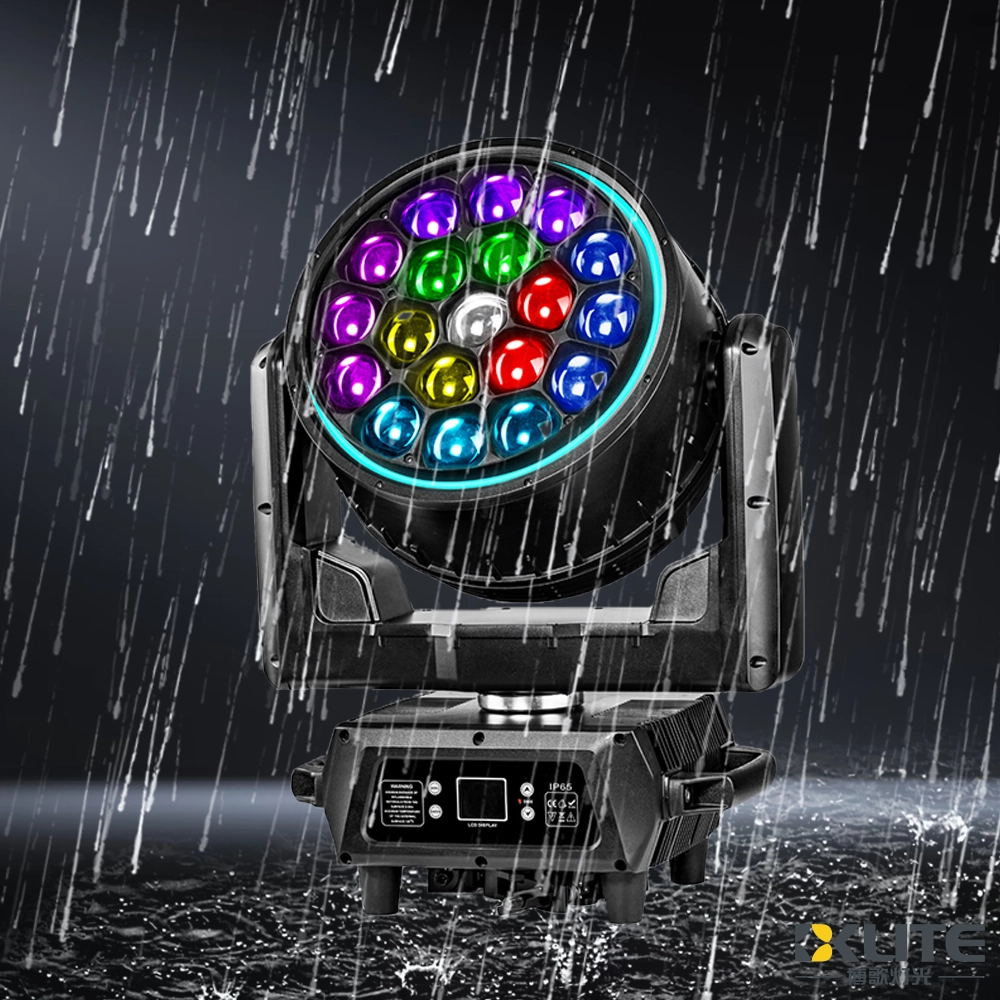
IP65 Waterproof Bee Eye Zoom 19x40W RGBW 4IN1 LED Beam Wash Moving Head Light with LED Ring
BKlite waterproof bee eye moving head light—your reliable choice from top waterproof moving head light manufacturers and suppliers. Ideal for outdoor stage, live event, music festival, this energy-saving fixture ensures powerful, precise illumination for any venue. It delivers powerful, reliable lighting performance in any weather.
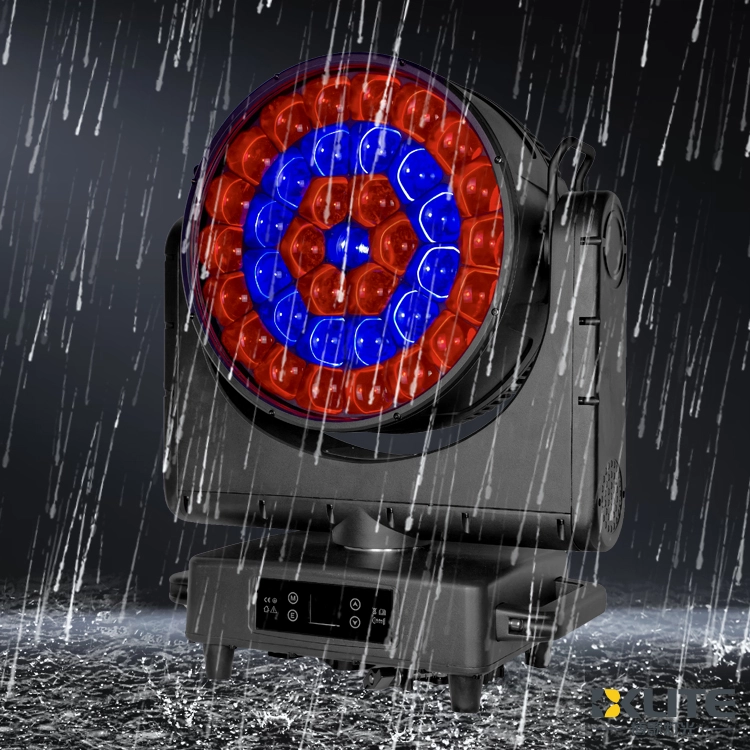
IP65 Waterproof ZOOM Bee Eye 37x40W RGBW 4in1 LED Moving Head Light
As a leading stage lighting equipment supplier with more than 15 years of industry know-how, BKlite brings you the IP65 ZOOM Bee Eye 37*40W RGBW 4in1 LED Moving Head Light (K25 Bee Eye) delivers vibrant, weatherproof lighting with powerful zoom and smooth movement. Ideal for dynamic stage effects, the K25 moving head light ensures stunning RGBW color mixing and reliable outdoor performance.
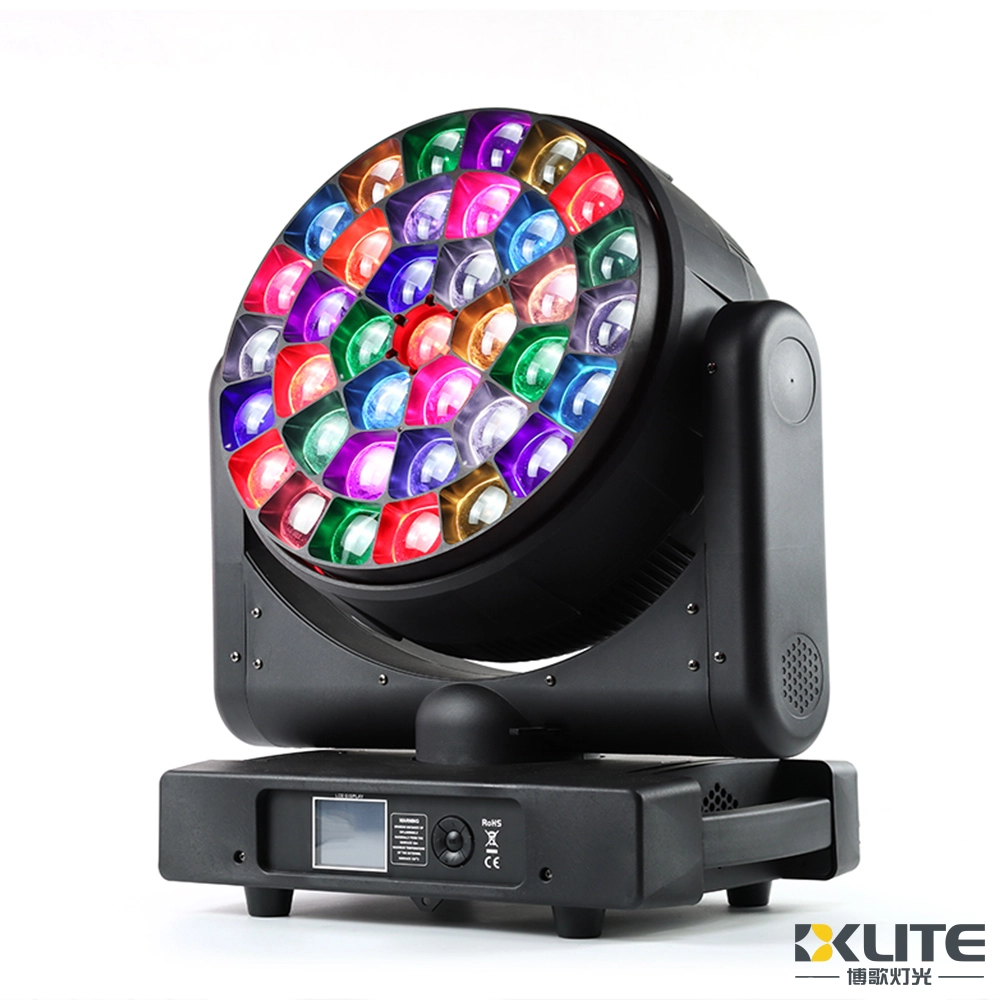
Bee Eye Zoom 37x40W RGBW 4in1 LED Beam Wash Moving Head Light
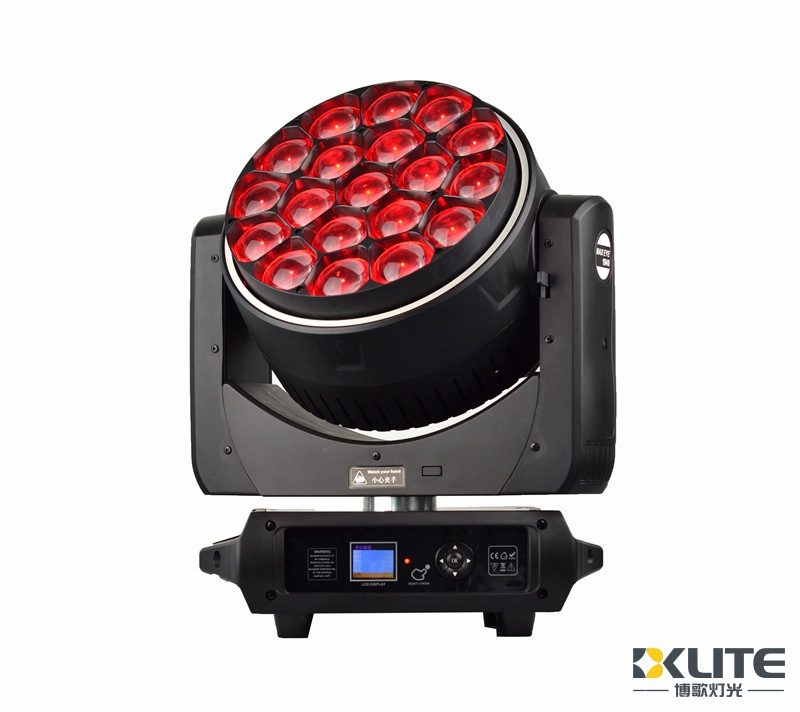
IP20 Bee Eye Zoom 19x40W RGBW 4IN1 LED Beam Wash Moving Head Light with LED Ring
As one of the leading stage lighting equipment suppliers with 15+ years of experience, BKlite launched a new Bee Eye K15 19x40 LED wash light BK-BY1940Z. .
Designed with a simple and sleek appearance, the WASH moving head light is compact, lightweight, and highly portable.
With multiple color effect macros and dynamic effect macros.
Our wash light can be used for versatile lighting options with amazing effect.
It is very good for your lighting projects.
Powerful and shoots very far distances.


Copyright © 2025 BKLITE All Rights Reserved.