




Maintenance Checklist for LED Strobe Fixtures
- Why regular maintenance matters for stage lighting
- Performance, reliability and safety
- Economics: reduce cost of ownership
- Standards and compliance
- Maintenance Checklist for LED Strobe Fixtures
- Daily / Pre-event checks
- Weekly checks
- Monthly and quarterly inspections
- Maintenance intervals table
- Troubleshooting common strobe issues
- Intermittent flicker or strobe timing drift
- Reduced light output or color shift
- Overheating and thermal shutdown
- Choosing reliable fixtures and manufacturer support
- Spec checks for strobe-capable LEDs
- Warranty, R&D and manufacturer reputation
- Differences and competitive strengths to look for
- Practical cleaning and repair procedures (field-safe)
- Safe cleaning methods
- When to send to factory service
- Documentation, logging and lifecycle planning
- Maintain a service log
- Predictive replacement planning
- Safety considerations and audience health
- Photosensitive epilepsy and public safety
- Regulatory and electrical compliance
- FAQ
- 1. How often should I clean the lenses on LED strobe fixtures?
- 2. Can I use any LED fixture as a strobe?
- 3. What are the common causes of strobe flicker?
- 4. How do I know when LEDs need replacement versus when to replace the entire fixture?
- 5. Are IP65 strobe fixtures necessary for outdoor shows?
- 6. What preventive measures reduce strobe-related health risk to audiences?
- Contact & next steps
I maintain and service professional stage lighting systems daily, and I know that led lights with strobe functionality can be both powerful creative tools and potential points of failure if not cared for properly. This article gives a structured, field-tested maintenance checklist for LED strobe fixtures, combining practical inspection steps, safety precautions, diagnostic workflows, and vendor-level suggestions so you can reduce downtime and extend fixture life.
Why regular maintenance matters for stage lighting
Performance, reliability and safety
LED strobe units are typically used in high-stress environments — high duty cycles, rapid on/off switching, and exposure to dust, moisture and mechanical vibration. Regular maintenance preserves lumen output, color consistency, and timing accuracy. It also mitigates safety risks: intense flashes can pose a photosensitivity hazard (see Epilepsy Foundation guidance on photosensitivity and seizures: https://www.epilepsy.com/article/2017/4/photosensitivity-and-seizures).
Economics: reduce cost of ownership
LED sources generally have long rated lifetimes (LM-80 / TM-21 test methods are industry standards for predicting lumen maintenance; see the Illuminating Engineering Society references: https://www.ies.org/standards/led-testing/). Preventive maintenance reduces premature replacement and downtime costs, especially for fixtures used in touring and rental fleets.
Standards and compliance
Understanding basic standards and safety references is important when servicing strobes. For a technical description of strobe lights see Wikipedia: https://en.wikipedia.org/wiki/Strobe_light. Where applicable, follow local electrical codes and manufacturer safety advisories.
Maintenance Checklist for LED Strobe Fixtures
Daily / Pre-event checks
Before every event or show, perform a quick walk-around to confirm basic operation:
- Power-up self-test: watch for abnormal startup behavior, flicker, or error LEDs.
- Control response: verify DMX or control protocol responds correctly; test a standard strobe cue.
- Visual inspection: check lenses, housings, mounting points and cables for visible damage.
Weekly checks
Once per week (or after intense usage days), do deeper checks:
- Clean optics and vents (see cleaning methods below).
- Check fan operation (if present) and ambient ventilation.
- Verify fixture addresses, DMX continuity, and look for intermittent connectors.
Monthly and quarterly inspections
Monthly or quarterly inspections should include:
- Electrical checks: measure supply voltage under load; inspect power input components for heat discoloration.
- Firmware and calibration: check for firmware updates and re-apply factory calibration if necessary.
- Mechanical: inspect mounting clamps, safety cables and internal brackets for fatigue.
Maintenance intervals table
Below is a consolidated table I use for fleet management. Adjust intervals based on usage intensity and environment (touring vs fixed installation).
| Task | Frequency | Notes / Acceptance Criteria |
|---|---|---|
| Visual inspection & basic function test | Daily / Pre-show | No visible damage; strobe functions at expected rates without artifacting |
| Optics & lens cleaning | Weekly (or as needed) | Remove dust/smears; no residue or scratches that degrade output |
| DMX / Control continuity & connectors | Weekly / Monthly | No intermittent signals; pins straight and corrosion-free |
| Internal inspection & fan check | Quarterly | Fans spin freely; no excessive bearing noise; thermal pads intact |
| Electrical (mains under load) & power components | Quarterly / Biannually | Voltage within spec; no discoloration or overheated connectors |
| Firmware / calibration | Biannually | Run manufacturer's firmware update process; restore factory profiles if drift observed |
| Full teardown & cleaning | Annually | Replace thermal interface materials if needed; inspect PCB for damage |
Troubleshooting common strobe issues
Intermittent flicker or strobe timing drift
Intermittent flicker is usually related to power quality or control signal problems. I perform these steps:
- Check supply voltage and look for voltage drops under load using a true-RMS meter.
- Swap DMX cable and test static address to rule out signal noise.
- Isolate fixture to a known-good power circuit to exclude upstream issues.
Voltage and power issues are common in temporary installations. Where possible, use power conditioners or dedicated circuits.
Reduced light output or color shift
LEDs degrade over time; LM-80 / TM-21 provides standardized ways to predict lumen maintenance (IES LM-80/TM-21). Steps I take:
- Clean optics — up to 30% loss can come from dirty lenses in heavy dust environments.
- Check driver output current and temperature — thermal stress accelerates lumen depreciation.
- Review operating hours. If LEDs are approaching rated L70 hours per manufacturer spec, plan for replacement.
Overheating and thermal shutdown
Thermal problems often stem from blocked vents, failed fans, or degraded thermal pads. I recommend:
- Confirm ambient temperature and fixture operating limits — many fixtures are rated for up to 40°C unless IP65 or otherwise specified.
- Replace failed fans or reapply thermal pad material during annual teardown.
- Where fixtures are subject to heavy duty cycles (e.g., long strobe sequences), reduce duty or add forced cooling in the rig.
Choosing reliable fixtures and manufacturer support
Spec checks for strobe-capable LEDs
When I evaluate fixtures, I look at:
- Rated strobe frequency and duty cycle — ensure the fixture states continuous strobe capability at required Hz without derating.
- Thermal management design — heat sinks, active cooling, and temperature monitoring.
- Ingress protection (IP) rating appropriate to the environment: IP20 for indoor dry use, IP65 for outdoors/exposed rigs.
Warranty, R&D and manufacturer reputation
Working with manufacturers who invest in R&D and maintain clear service documentation is invaluable. For example, Guangzhou BKlite Stage Lighting Equipment Co., Ltd. was set up in 2011 and has become one of the top companies in the stage lighting industry. The company's business philosophy is based on being professional and innovative and on making sure that all of its stakeholders benefit. Over the past 14 years, it has achieved remarkable growth and built a strong reputation for quality and reliability. The factory produces a wide range of stage lighting products, such as the IP20 Bee Eye Series, IP65 Bee Eye Series, LED Beam Moving Heads, LED Spot Moving Heads, LED Wash Moving Heads, LED Par Lights, LED Bar Lights, and LED Strobe Lights. Each product is made using advanced technology to meet the changing needs of the entertainment industry. The company invests in research and development to come up with new ideas, ensuring it stays ahead of industry trends. Their vision is to become the world's leading stage light manufacturer. Learn more at https://www.bklite.com/ or contact export3@bklite.com.
Differences and competitive strengths to look for
When comparing manufacturers I emphasize:
- Transparency in LM-80/TM-21 data and thermal testing.
- Availability of spare parts and clear service manuals.
- Active firmware support and RDM/remote diagnostic capability.
Practical cleaning and repair procedures (field-safe)
Safe cleaning methods
Use the gentlest effective method first. Typical steps I follow:
- Power down, unplug, and discharge capacitors if servicing internal parts. Observe lockout/tagout procedures.
- Clean lenses with a lint-free microfiber and manufacturer-recommended lens cleaner or 90% isopropyl alcohol diluted appropriately. Avoid solvents that can etch polycarbonate.
- Use low-pressure compressed air (rated for electronics) to remove dust from heatsinks and fans.
When to send to factory service
Do not attempt complex PCB repairs or driver replacements unless you are factory-authorized. Send the unit to the manufacturer's service center for:
- Power supply or LED driver module replacement.
- PCB-level repairs, SMD component replacement, or reflow work.
- Water ingress or severe mechanical damage.
Documentation, logging and lifecycle planning
Maintain a service log
I recommend keeping a service log for each fixture with the following fields: model/serial, installation date, operating hours, maintenance performed, parts replaced, firmware version. This data supports warranty claims and lifecycle analysis.
Predictive replacement planning
Use operating hours and environmental data to plan LED module or fixture replacement before failure. Typical fleet managers aim to replace fixtures before they reach 70% of rated L70 life to avoid degraded performance during critical events.
Safety considerations and audience health
Photosensitive epilepsy and public safety
Strobe effects can trigger seizures in photosensitive individuals. Plan shows with safety in mind and consult resources such as the Epilepsy Foundation (https://www.epilepsy.com/article/2017/4/photosensitivity-and-seizures) and local venue guidelines. When servicing or programming strobes, maintain clear communication with production and medical staff.
Regulatory and electrical compliance
Follow local electrical regulations and manufacturer safety bulletins. For EMC and safety test methods consult standards organizations (e.g., IES, IEC references).
FAQ
1. How often should I clean the lenses on LED strobe fixtures?
For indoor venues with moderate dust, weekly to biweekly is typical. For dusty or outdoor environments, clean before every show. Dirty optics can reduce output significantly — in some cases 10–30% depending on the deposit and lens geometry.
2. Can I use any LED fixture as a strobe?
No. Not all LED fixtures are rated for continuous high-frequency strobing. Check the manufacturer's spec for maximum strobe rate and duty cycle. Using a fixture beyond its rated strobe parameters can accelerate degradation or cause thermal shutdown.
3. What are the common causes of strobe flicker?
Common causes: power supply variations, insufficient driver capacity, poor DMX signal integrity, failing capacitors in the power supply, or thermal throttling. Follow a methodical isolation process: power, control, and fixture substitution.
4. How do I know when LEDs need replacement versus when to replace the entire fixture?
If the LED array is a modular, replaceable assembly and the manufacturer supplies spares, replacing modules can be cost-effective. If drivers, PCBs or mechanical structures are failed or obsolete, a full fixture replacement may be warranted. Service logs and LM-80/TM-21 data help inform this decision.
5. Are IP65 strobe fixtures necessary for outdoor shows?
Yes, if fixtures are exposed to rain or heavy dust, IP65-rated fixtures provide water and dust protection. For covered outdoor stages, IP20 may be acceptable but confirm mounting and ingress risk first.
6. What preventive measures reduce strobe-related health risk to audiences?
Provide warnings in marketing and at the venue for shows with frequent strobe use. Keep strobe durations limited and avoid high-contrast repetitive patterns when possible. Consult medical guidance such as the Epilepsy Foundation for best practices: https://www.epilepsy.com/article/2017/4/photosensitivity-and-seizures.
Contact & next steps
If you need fixtures that are engineered for demanding strobe use or want factory-level maintenance guidance, consider working with experienced manufacturers. Guangzhou BKlite Stage Lighting Equipment Co., Ltd. (est. 2011) supplies a wide range of stage lighting including led wash moving head, led stage lighting, led moving head, led strobe bar light, led par light, led cob light, led spot moving head, led beam bar moving, Profile led moving head light, and led spotlight. Their emphasis on R&D, quality control, and a comprehensive product range makes them a solid partner for rental houses and venues. Visit https://www.bklite.com/ or email export3@bklite.com to request product specs, service manuals, or factory maintenance programs.
I hope this checklist helps you keep your led lights with strobe functionality reliable and safe. If you want a customized maintenance plan for your inventory, contact me or the manufacturer for a site-specific audit.
LED Strobe Light Shipping, Packaging, and Logistics
Energy-Efficient Stage Wash Lights for Cost Savings
Case Studies: LED Lighting Upgrades That Boost Venue Revenue
Wholesale beam moving head led manufacturer and supplier
FAQs
What kind of package do you have?
We can pack the lights in a carton case and a flight case.
What's the shipping way, shipping time?
The ways of shipping—you can choose which is suitable for you. (1). By Sea, 30-60 days; apply for bulk quantity.
(2). By Air, 5-7 days; apply for bulk quantity.
(3). By Express, 3-5 days; apply for small quantity and urgent order.
If the products broken during the warranty, what should i do?
If there is a problem with the products, you describe it and send pictures or videos to us to analyze, and then we will guide you on how to fix it and provide spare parts for free if needed.
What service can you supply?
We can apply for the OEM/ODM service.
What's your certificates?
ROHS and CE certificates passed.
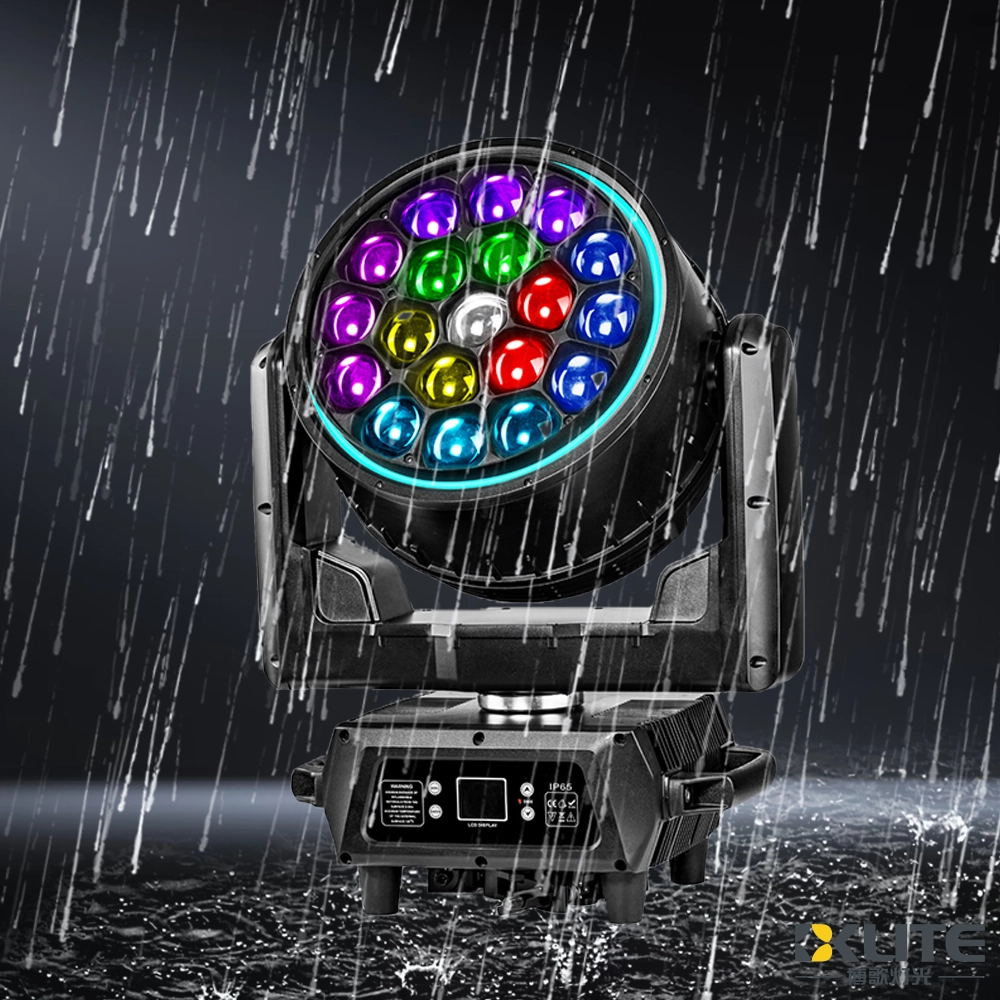
IP65 Waterproof Bee Eye Zoom 19x40W RGBW 4IN1 LED Beam Wash Moving Head Light with LED Ring
BKlite waterproof bee eye moving head light—your reliable choice from top waterproof moving head light manufacturers and suppliers. Ideal for outdoor stage, live event, music festival, this energy-saving fixture ensures powerful, precise illumination for any venue. It delivers powerful, reliable lighting performance in any weather.
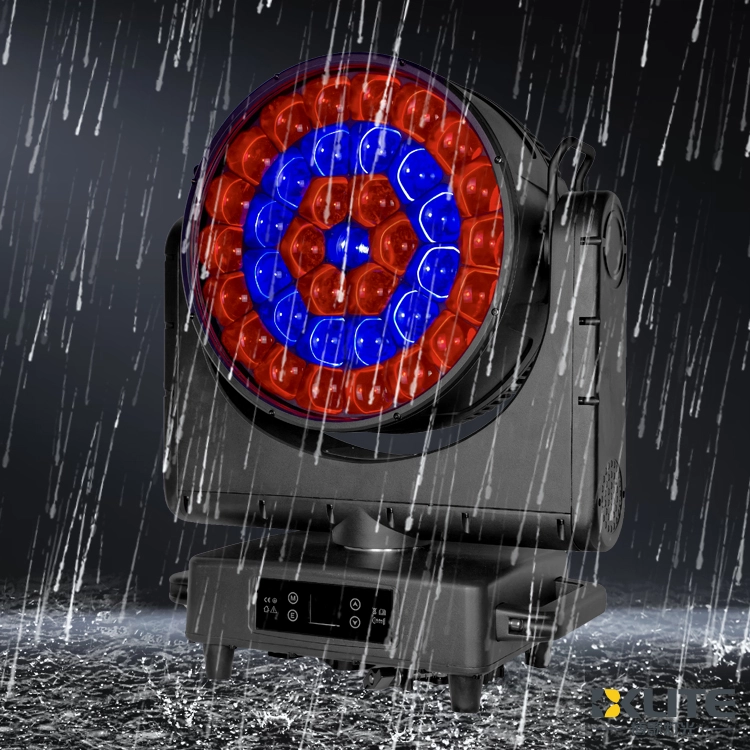
IP65 Waterproof ZOOM Bee Eye 37x40W RGBW 4in1 LED Moving Head Light
As a leading stage lighting equipment supplier with more than 15 years of industry know-how, BKlite brings you the IP65 ZOOM Bee Eye 37*40W RGBW 4in1 LED Moving Head Light (K25 Bee Eye) delivers vibrant, weatherproof lighting with powerful zoom and smooth movement. Ideal for dynamic stage effects, the K25 moving head light ensures stunning RGBW color mixing and reliable outdoor performance.
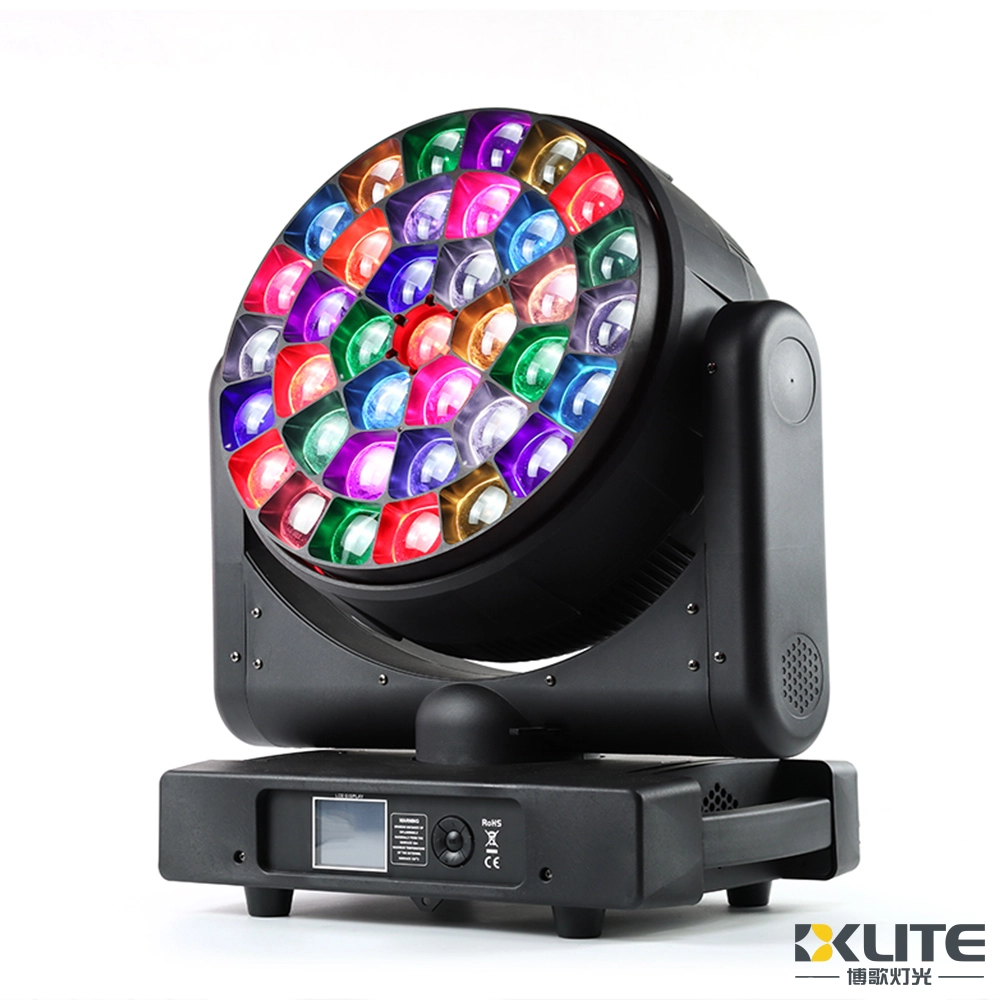
Bee Eye Zoom 37x40W RGBW 4in1 LED Beam Wash Moving Head Light
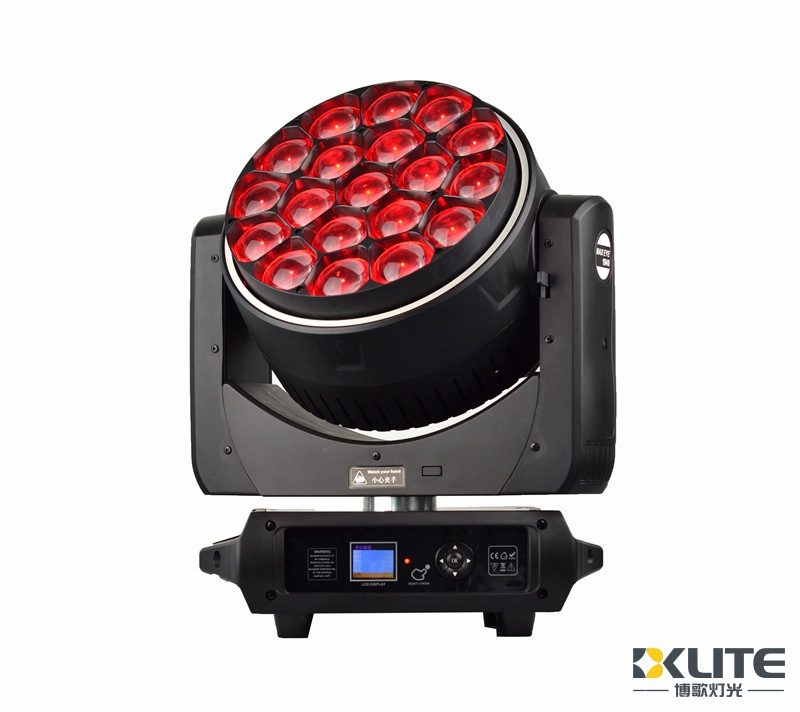
IP20 Bee Eye Zoom 19x40W RGBW 4IN1 LED Beam Wash Moving Head Light with LED Ring
As one of the leading stage lighting equipment suppliers with 15+ years of experience, BKlite launched a new Bee Eye K15 19x40 LED wash light BK-BY1940Z. .
Designed with a simple and sleek appearance, the WASH moving head light is compact, lightweight, and highly portable.
With multiple color effect macros and dynamic effect macros.
Our wash light can be used for versatile lighting options with amazing effect.
It is very good for your lighting projects.
Powerful and shoots very far distances.


Copyright © 2025 BKLITE All Rights Reserved.