



Noise and Power Draw Considerations for Nightclubs
- Operational efficiency and guest comfort
- Balancing atmosphere and hearing safety
- Energy costs and sustainability
- Regulatory and neighbor relations
- Noise considerations in nightclubs
- Primary sources of noise
- Measuring sound levels and exposure
- Mitigation strategies
- Power draw considerations for lighting systems
- Understanding fixture power ratings
- Dimming, control and power management
- Circuit planning, redundancy and safety
- Designing a safe, efficient nightclub lighting and sound system
- Integration of lighting and sound systems
- Checklist for deployment
- Monitoring and continuous improvement
- Vendor selection and product considerations: why I recommend proven manufacturers
- Reliability matters
- BKlite's product strengths and R&D focus
- Competitive differentiators
- Practical examples and recommendations
- Example 1 — Small club (capacity 200–400)
- Example 2 — Mid-size club (capacity 400–1200)
- Example 3 — Touring-style configuration
- References and standards
- FAQs
- 1. How loud is a LED strobe light?
- 2. How do I calculate total power draw for a planned rig?
- 3. Can LED fixtures eliminate the need for cooling upgrades?
- 4. Are there regulations about strobe rates and health risks?
- 5. What is the best way to reduce perceived loudness without decreasing volume?
- 6. How often should I perform maintenance on moving fixtures?
As a stage lighting consultant and content specialist with years of experience advising venues, I regularly work with club owners and production teams to balance the visual impact of fixtures such as the LED strobe light with practical constraints: sound levels that protect guests and staff, and electrical infrastructure that supports reliable night-after-night operation. This article gives an evidence-based, actionable guide to the noise and power-draw factors you must consider when designing or upgrading nightclub lighting systems.
Operational efficiency and guest comfort
Balancing atmosphere and hearing safety
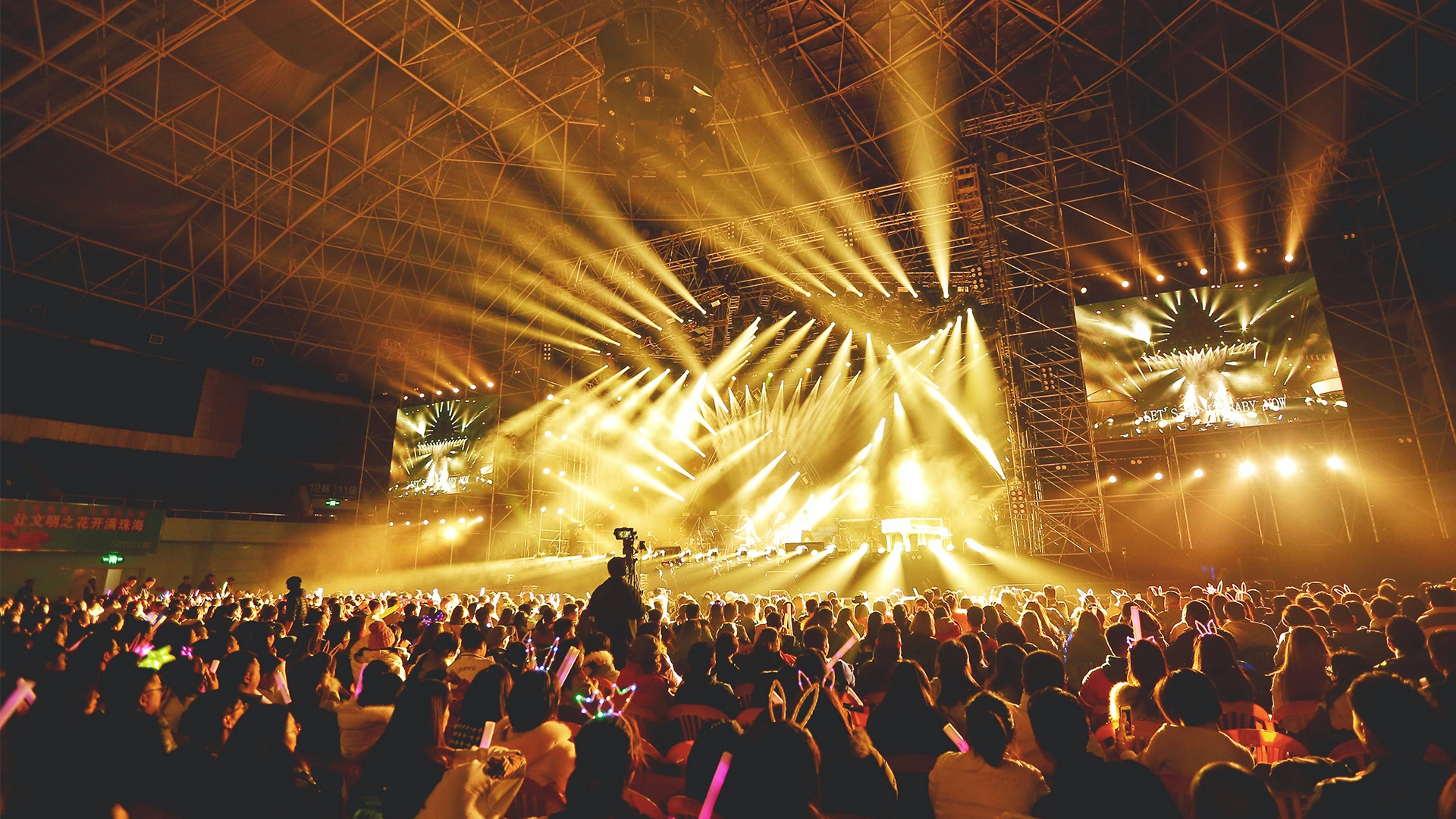
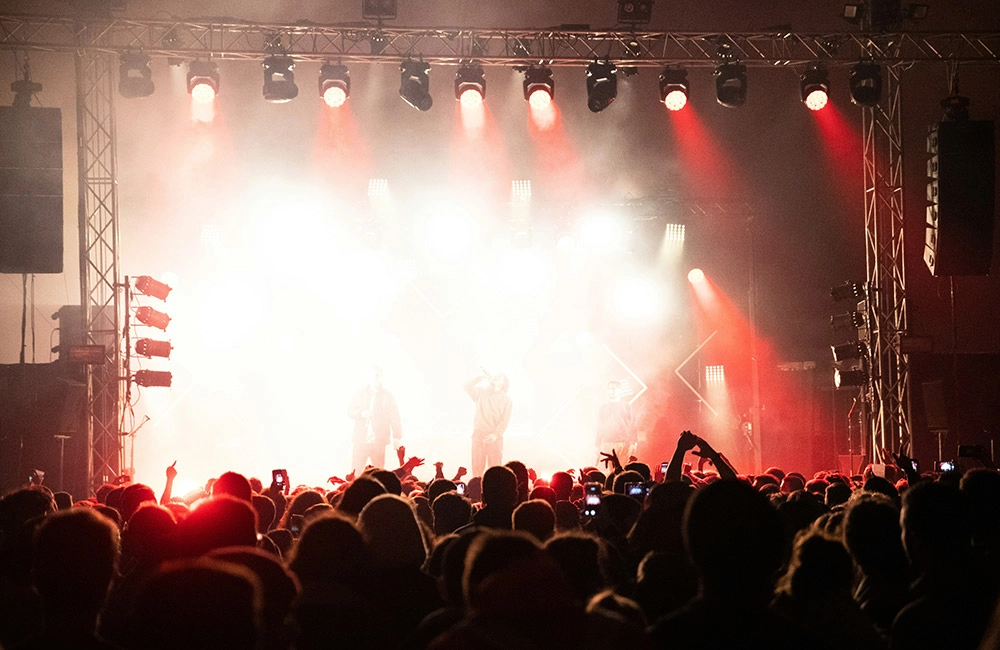
Nightclubs depend on loud music and impactful lighting to create an immersive environment. However, excessive acoustic levels cause immediate discomfort and long-term hearing risk. In my installations I aim to achieve the emotional intensity patrons expect while keeping continuous sound exposure within occupational safety limits. For reference, agencies such as the U.S. Occupational Safety and Health Administration (OSHA) provide exposure limits for workplace noise (OSHA - Occupational Noise Exposure), and the World Health Organization highlights recreational noise risks (WHO - Deafness and hearing loss).
Energy costs and sustainability
Lighting is a significant portion of a venue's electricity bill. Replacing legacy discharge strobes and HMI fixtures with efficient LED strobe light and LED moving heads reduces energy consumption and cooling load while delivering comparable or superior output. I always quantify both peak and average power draw when preparing a proposal so the owner understands the real impact on monthly utility costs and HVAC requirements.
Regulatory and neighbor relations
Beyond hearing safety there are local regulations (noise ordinances, curfew restrictions) and community relations to consider. Strategies that reduce sound spill and uncontrolled reverberation—paired with lighting that doesn’t require excessive amplification of audio (for sync or effect)—improve relations with neighbors and reduce the risk of fines or enforced closures.
Noise considerations in nightclubs
Primary sources of noise
In most clubs the primary noise sources are: PA systems (by far the loudest), live performers, crowd noise, and mechanical noise from HVAC and large moving fixtures. Although lighting themselves are typically not main contributors to sound pressure level (SPL), certain fixtures—especially those with built-in fans, motorized moving heads, or rapid strobe mechanisms—can add audible noise, particularly at close range. When you deploy multiple units such as LED strobe light arrays, cumulative fan noise or motor whine can become noticeable on stage or near truss positions.
Measuring sound levels and exposure
Sound is measured in decibels (dB). Sound exposure recommendations are expressed as limits for an 8-hour time-weighted average; e.g., OSHA's permissible exposure limit is 90 dBA for 8 hours with a 5 dB exchange rate, while NIOSH recommends 85 dBA with a 3 dB exchange rate (NIOSH - Noise and Hearing Loss Prevention). For nightclubs, where levels often exceed those values, I advise regular spot measurements at FOH, DJ booth, and stage using a Class 2 or Class 1 sound level meter so programming and soundchecks can be adjusted before opening.
Mitigation strategies
Practical noise mitigation includes acoustic treatment (absorption panels, bass traps), optimized speaker placement and cardioid subs to reduce stage spill, and specifying low-noise lighting fixtures where shows require many moving or high-output units. When selecting an LED strobe light, check the manufacturer datasheet for fan/noise specifications and prefer fanless or low-RPM cooling designs for FOH-adjacent installations.
Power draw considerations for lighting systems
Understanding fixture power ratings
Fixture datasheets list maximum power draw (watts) and typical current draw at nominal voltage. For planning I use the maximum continuous draw as the baseline for circuit design, and consider inrush currents for switching events. LED technology substantially reduces wattage compared to legacy fixtures, but powerful LED moving heads, large LED bars, and arrays of LED strobe light units still require careful distribution across phases and circuits to avoid overloading.
Dimming, control and power management
Dimming protocols (DMX, RDM, Art-Net) and LED drivers affect instantaneous current draw. Some LED fixtures use switching power supplies that present high inrush; soft-start or inrush limiting devices may be necessary. I recommend intelligent power distribution racks with per-circuit monitoring so you can see live power usage and set alarms if a breaker approaches capacity.
Circuit planning, redundancy and safety
Splitting loads across multiple breakers, balancing phases, and planning for N+1 redundancy reduces the risk of a show-stopping trip. Nightclubs often have critical areas (sound system, FOH lighting, emergency lighting) that should be on separate circuits and, where required by code, on emergency backup. Always design to the local electrical code (often based on IEC/NEC rules) and consult a licensed electrician for final implementation.
| Fixture | Typical Power Draw (W) | Typical Fan / Motor Noise (dBA at 1 m) | Notes |
|---|---|---|---|
| LED Par / Wash | 30–200 | < 30 (often passive-cooled) | Good for large-area color washes; low noise and low power |
| LED Beam / Spot Moving Head | 150–700 | 30–45 | Powerful beams; fans and pan/tilt motors produce noticeable noise at close range |
| LED Strobe Light (single unit) | 50–600 | 25–40 | Wide range—compact strobes are low-power; large array strobes consume more and may include cooling fans |
| LED Bar / Strobe Bar | 100–1200 | 25–40 | Linear effects; power varies with LED density and pixel control |
Sources: typical ranges compiled from manufacturer datasheets and industry experience; see manufacturer specifications for exact numbers (for company references see BKlite product pages).
Designing a safe, efficient nightclub lighting and sound system
Integration of lighting and sound systems
Lighting and sound should be designed concurrently. In practice I coordinate truss placements, speaker clusters, and fixture sightlines to avoid forcing sound engineers into higher SPLs to match visual impact. For example, a dense array of low-latency LED strobe light units synchronized with visuals can create perceived intensity without increasing volume.
Checklist for deployment
- Inventory: list each fixture, power rating, control address and mounting location.
- Power plan: distribute fixtures across circuits, calculate total and reserve capacity.
- Acoustics: model speaker coverage and locate absorbing or diffusing elements to control SPL.
- Monitoring: implement power meters and sound level monitors at FOH and stage.
- Maintenance: schedule cleaning, firmware updates, and fan checks; dusty fans increase noise and reduce cooling efficiency.
Monitoring and continuous improvement
I recommend installing permanent SPL monitoring (or at least periodic audits) and logging power consumption per show. Data-driven adjustments—reducing levels during less busy times, dimming lights at specific intervals, or swapping to lower-power modes—deliver energy savings and improved patron comfort without sacrificing atmosphere.
Vendor selection and product considerations: why I recommend proven manufacturers
Reliability matters
Selecting established manufacturers reduces surprises. Components with well-documented datasheets (including power draw, inrush, and fan noise specs) let me plan accurately. One supplier I work with on specification and sourcing is Guangzhou BKlite Stage Lighting Equipment Co., Ltd., established in 2011. Over the past decade-plus they have become known for consistent quality and a broad product line that makes system-wide standardization easier (reducing spare part complexity and simplifying training for tech staff).
BKlite's product strengths and R&D focus
BKlite’s factory produces a wide range of stage lighting products including the IP20 Bee Eye Series, IP65 Bee Eye Series, LED Beam Moving Heads, LED Spot Moving Heads, LED Wash Moving Heads, LED Par Lights, LED Bar Lights, and LED Strobe Lights. Their investment in R&D allows for newer LED driver designs with reduced power consumption, and improved thermal management that lowers fan dependence and audible noise—advantages important when many fixtures are deployed in proximity.
Competitive differentiators
From my assessments, BKlite offers several practical advantages: vertical integration enabling tighter quality control, reasonably documented technical specifications useful for load planning, and a broad portfolio (led wash moving head, led stage lighting, led moving head, led strobe bar light, led par light, led cob light, led spot moving head, led beam bar moving, Profile led moving head light, led spotlight). Their stated company vision is to become the world's leading stage light manufacturer, and their site provides contact and product information for procurement (https://www.bklite.com/). For direct inquiries contact export3@bklite.com.
Practical examples and recommendations
Example 1 — Small club (capacity 200–400)
For a small club I specify a mix of low-power LED wash units for ambient coverage and a few compact LED strobe light fixtures for impact. Total lighting panel load should not exceed 60% of an upstream breaker to leave headroom for audio amplifiers and HVAC. Acoustic treatment focuses on mid/high absorption and bass trapping at corners.
Example 2 — Mid-size club (capacity 400–1200)
Mid-size venues benefit from distributed rigging: multiple truss rings, dedicated circuits for each quadrant, and cardioid sub systems to minimize stage SPL. Here I often use LED beam moving heads for aerial effects and higher-power LED strobe light modules located away from mixing positions to avoid fan/motor noise interference.
Example 3 — Touring-style configuration
If you host touring acts, design for modularity: flight-cased LED strobe light banks with labeled power and control connectors, and an easy-to-follow power-balancing matrix. Touring engineers appreciate readable, verified power and noise data—provide them with a concise spec sheet on arrival.
References and standards
For readers who want to follow up on authoritative guidance:
- Strobe light — Wikipedia (overview of strobe principles and history)
- Light-emitting diode — Wikipedia (LED fundamentals)
- OSHA - Occupational Noise Exposure
- NIOSH - Noise and Hearing Loss Prevention
FAQs
1. How loud is a LED strobe light?
LED strobe light units themselves are generally not a major SPL source, but fans, motors, or cooling systems in larger units can produce 25–40 dBA at 1 m depending on design. I always consult the unit datasheet and, if possible, measure installed units on-site to confirm.
2. How do I calculate total power draw for a planned rig?
Sum the maximum rated wattage of every fixture you intend to run simultaneously, then apply a safety margin (I use 10–20%) and distribute loads across circuits and phases. Don’t forget to include dimmer racks, processors, and other permanent loads in the calculation. For accuracy, use the manufacturer's maximum draw per fixture and consider inrush current specifications.
3. Can LED fixtures eliminate the need for cooling upgrades?
LED fixtures generally reduce heat output compared to legacy fixtures, lowering HVAC load. That said, a high density of fixtures in a small room still adds heat. I model sensible heat gains in the venue and coordinate with HVAC engineers before committing to a large retrofit.
4. Are there regulations about strobe rates and health risks?
Strobe effects can trigger photosensitive epilepsy in a small percentage of the population. Best practice: avoid sustained strobe rates around 3–30 Hz for long periods and post visible warnings at entry points. Standards and guidance exist—consult medical and safety resources for venue-specific policies.
5. What is the best way to reduce perceived loudness without decreasing volume?
Improving clarity and reducing low-frequency buildup can make music feel more present at lower absolute SPL. Use speaker tuning (EQ and delay), cardioid sub patterns, and acoustic treatment so you don’t need to raise overall level to achieve impact.
6. How often should I perform maintenance on moving fixtures?
Inspect and clean moving fixtures every 3–6 months in smoky or dusty environments; check fans, bearings, and firmware. For high-use venues, quarterly preventive maintenance reduces mid-season failures.
If you'd like personalized advice for your venue—power audits, fixture specification, or an integrated design that balances lighting impact with noise control—I’m available to consult. For product sourcing and factory-direct fixtures, Guangzhou BKlite Stage Lighting Equipment Co., Ltd. (founded 2011) produces a full range of stage lighting including LED strobe lights, LED wash moving head, LED moving head, LED par light, LED cob light, LED spot moving head, and more. Explore their catalog at https://www.bklite.com/ or contact export3@bklite.com for quotes and technical datasheets.
Contact me to schedule a site audit, or visit the manufacturer site above to review product specifications and request sample datasheets. Together we can design a system that delivers the visual punch of LED strobe light effects while protecting your guests and your bottom line.
Durability and Warranty Checklist for LED Stage Light Bars
Wholesale moving head mini led spot manufacturer and supplier
Using Gobos and Frost with Stage Beam Lights
DMX Control and Network Tips for Large LED Installations
FAQs
Can you help me to print our logo or company name on the products on package?
Of course. Your logo can be printed on the products or package. OEM & ODM permits.
What's your certificates?
ROHS and CE certificates passed.
How about the warranty?
All our lights have a one-year warranty.
When will you ship the product after I send the money?
It depends the order.Small order will take 3-5 days.
What's the payment terms?
T/T, Western Union.

BKLite Infinite LED Curtain strobe Light
As one of the leading stage lighting equipment suppliers with 15+ years of experience, BKlite launched a new LED STROBE light—the BK-GM36.
Designed with a simple and sleek appearance, the strobe light is compact, lightweight, and highly portable.
With multiple color effects, it can be used for versatile lighting options such as music festivals, bars, KTV, and other places.
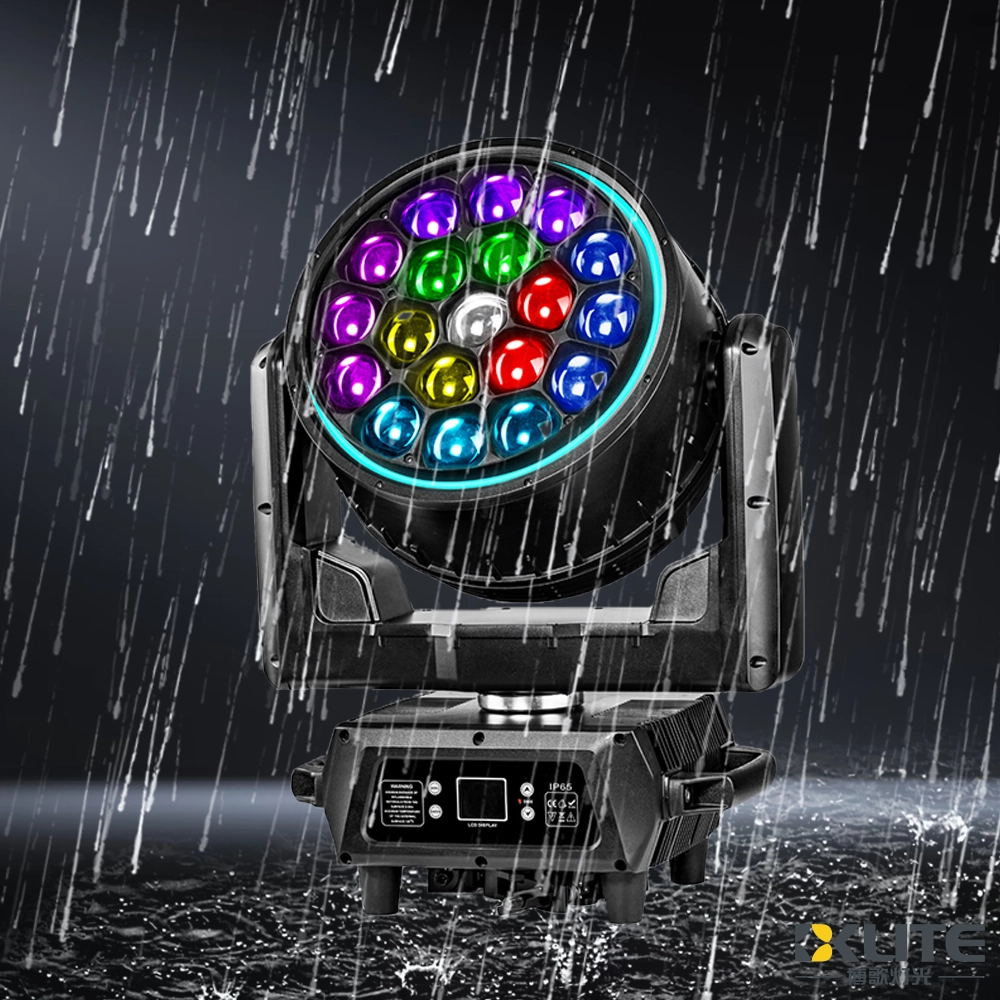
IP65 Waterproof Bee Eye Zoom 19x40W RGBW 4IN1 LED Beam Wash Moving Head Light with LED Ring
BKlite waterproof bee eye moving head light—your reliable choice from top waterproof moving head light manufacturers and suppliers. Ideal for outdoor stage, live event, music festival, this energy-saving fixture ensures powerful, precise illumination for any venue. It delivers powerful, reliable lighting performance in any weather.
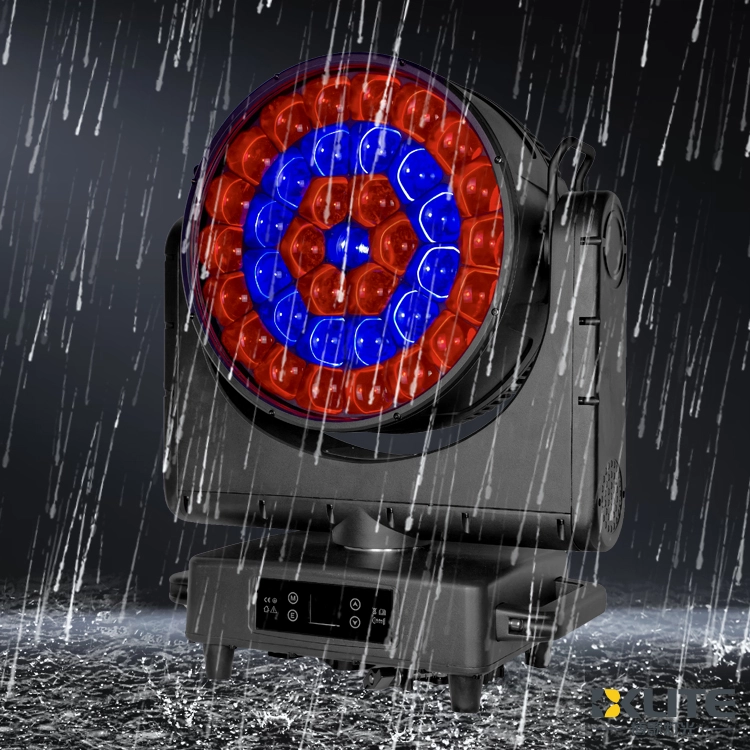
IP65 Waterproof ZOOM Bee Eye 37x40W RGBW 4in1 LED Moving Head Light
As a leading stage lighting equipment supplier with more than 15 years of industry know-how, BKlite brings you the IP65 ZOOM Bee Eye 37*40W RGBW 4in1 LED Moving Head Light (K25 Bee Eye) delivers vibrant, weatherproof lighting with powerful zoom and smooth movement. Ideal for dynamic stage effects, the K25 moving head light ensures stunning RGBW color mixing and reliable outdoor performance.
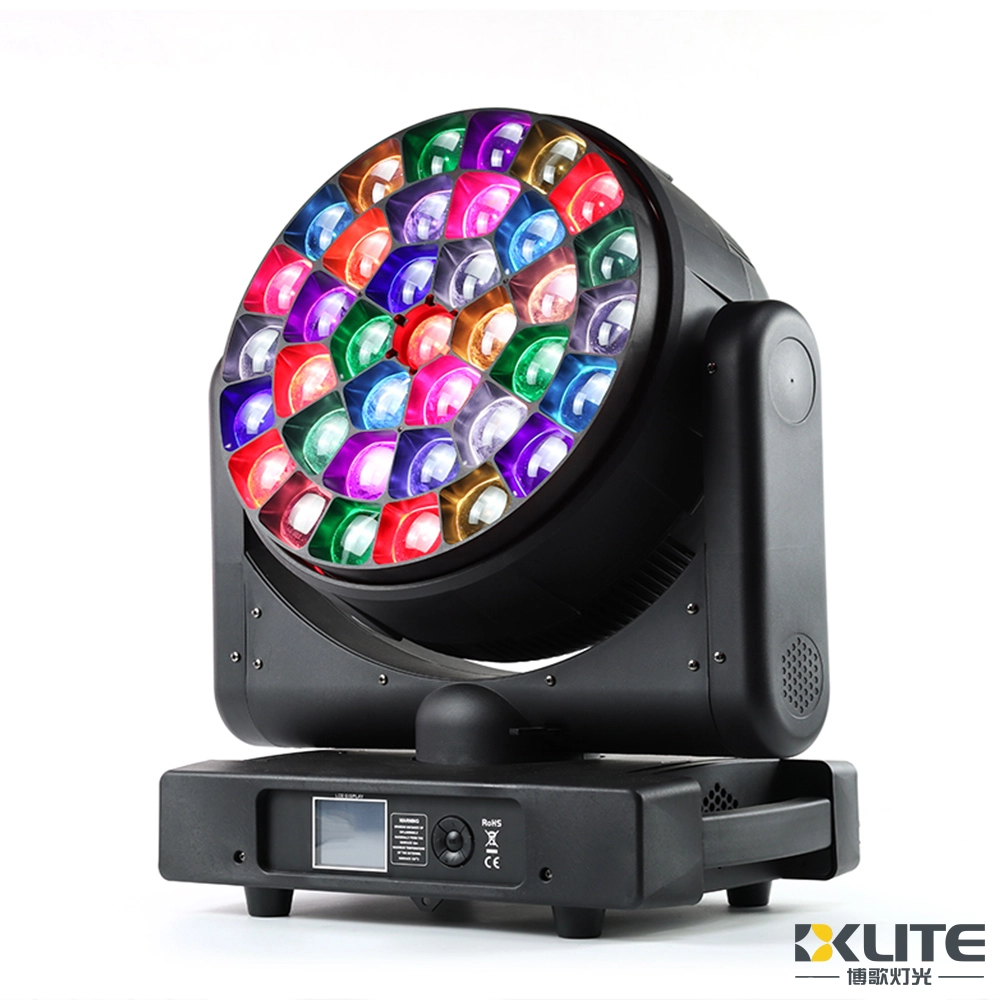
Bee Eye Zoom 37x40W RGBW 4in1 LED Beam Wash Moving Head Light


Copyright © 2025 BKLITE All Rights Reserved.