




Using Gobos and Frost with Stage Beam Lights
- Understanding Pattern and Diffusion Tools in Stage Lighting
- What a Stage Beam Light Does and Why Gobos and Frost Matter
- What Are Gobos? Types, Materials and Uses for Stage Beam Light
- Gobo basics and how they interact with a Stage Beam Light
- Choosing the right gobo for your Stage Beam Light
- What Is Frost (Diffusion) and How to Apply It to Stage Beam Light
- Definitions and practical effects
- Comparing Gobos and Frost: When to Use Each with a Stage Beam Light
- Practical Techniques: Combining Gobos and Frost with Beam Moving Heads
- Layering effects and programming tips for Stage Beam Light fixtures
- Recommended workflow for FOH and repeatable looks
- Technical Guidance: Optics, Throw Distance and Focus for Stage Beam Light
- Calculating projected gobo size and beam footprint
- Power and thermal considerations for Stage Beam Light when adding accessories
- Troubleshooting Common Issues with Gobos and Frost on Stage Beam Light
- Typical problems and solutions
- Why Guangzhou BKlite Stage Lighting Is a Strong Choice for Stage Beam Light Needs
- BKlite’s capabilities and how they support gobo + frost workflows
- Comparative Table: Which BKlite Product Types Best Support Gobo & Frost Techniques
- Implementation Checklist for Rehearsals and Touring with Stage Beam Light
- Pre-rig and rehearsal checklist
- FAQ — Common Questions About Using Gobos and Frost with Stage Beam Lights
- 1. Can I use both a gobo and frost at the same time in a stage beam light?
- 2. Will frost severely reduce the output of my Stage Beam Light?
- 3. Which gobo material is better for touring beam fixtures: metal or glass?
- 4. How do I calculate how big my gobo will appear on stage?
- 5. Are there safety concerns when adding glass gobos or frost to LED Stage Beam Light fixtures?
- 6. How should I store gobos and frost plates for touring?
- Contact & Next Steps — Get Professional Stage Beam Light Solutions
- References
Understanding Pattern and Diffusion Tools in Stage Lighting
What a Stage Beam Light Does and Why Gobos and Frost Matter
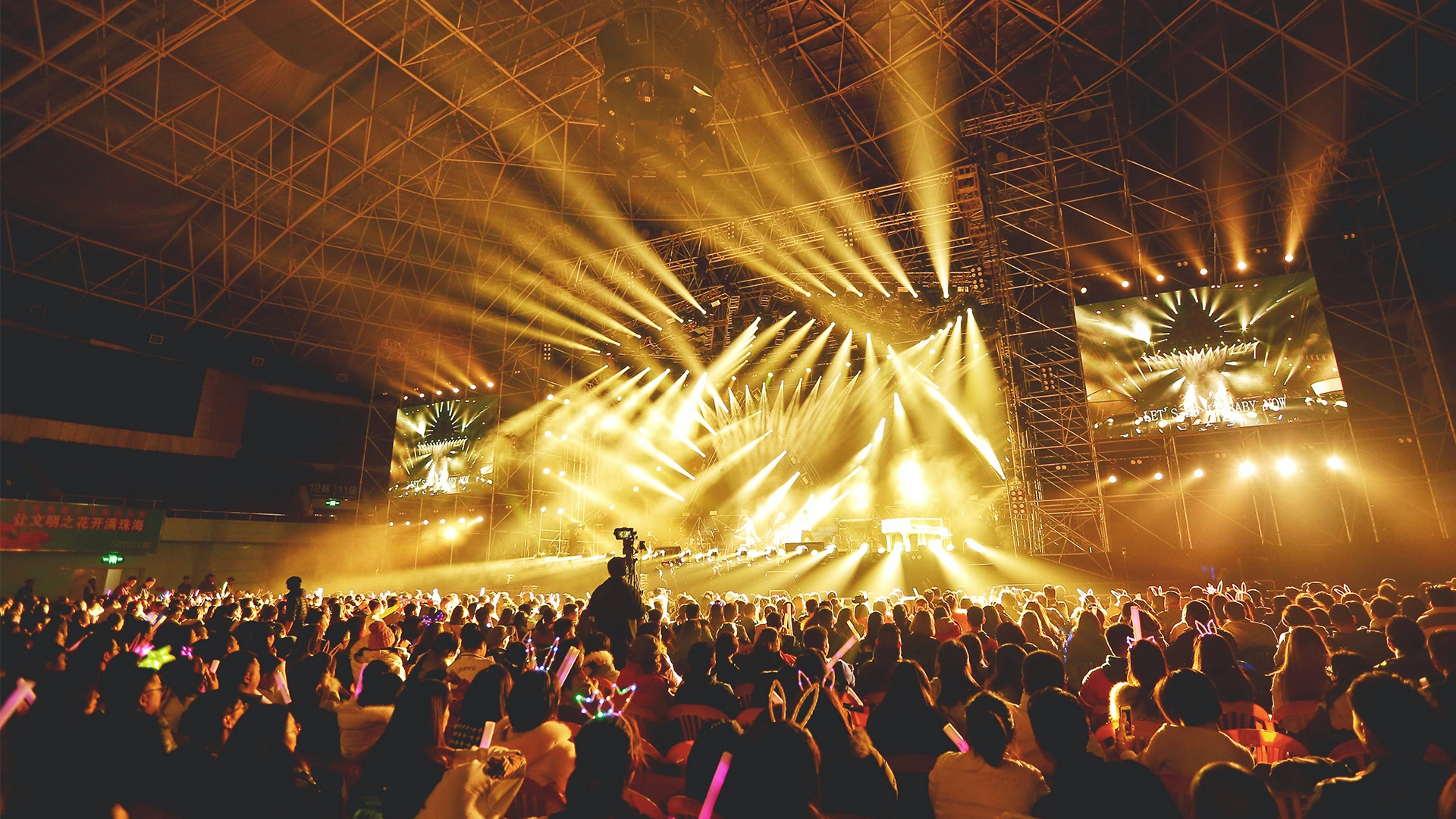
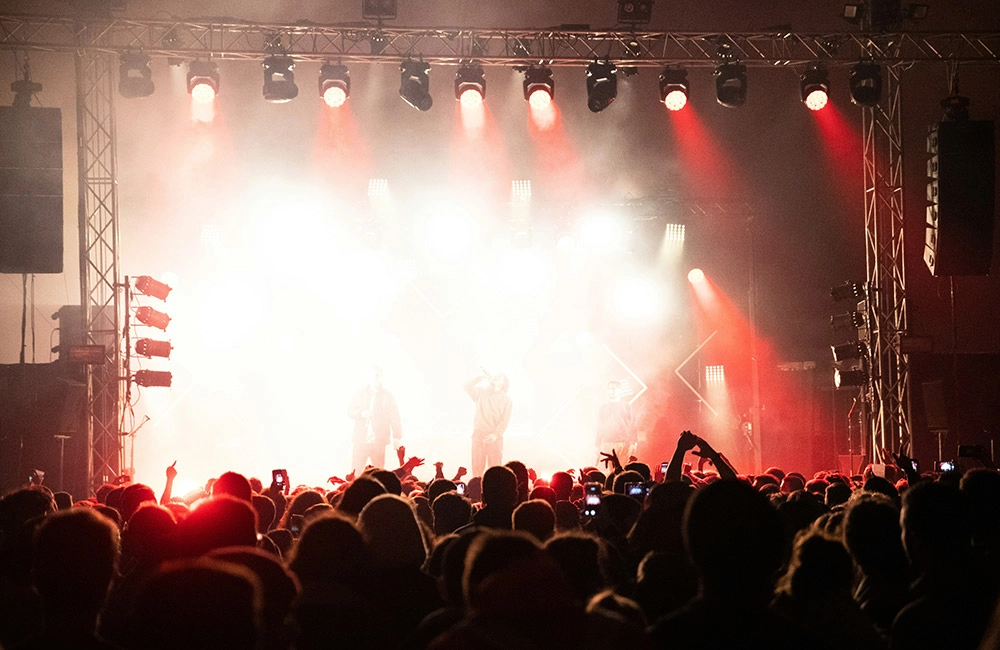
Stage beam lights are high-intensity, narrow-beam fixtures used to create sharp shafts of light, aerial effects and strong highlights on stage. When left bare, a beam light produces a hard-edged column that reads aggressively on fog or haze. Adding gobos and frost lets designers modify that column — projecting patterns, softening edges, or blending beams for richer atmospheres. This combination expands the creative vocabulary of any production from concerts to theatre.
What Are Gobos? Types, Materials and Uses for Stage Beam Light
Gobo basics and how they interact with a Stage Beam Light
A gobo is a template placed in a fixture’s gobo slot to shape light into patterns or silhouettes. Gobos fall into two main groups: metal and glass. Metal gobos are durable and suited to simple shapes and high-temperature fixtures; glass gobos allow for fine detail, color printing and more complex graphics. When used in a stage beam light, the gobo becomes the projected image riding on the beam. The resulting effect depends on the gobo’s design, the fixture’s optics and the distance to the projection surface or haze volume.
Choosing the right gobo for your Stage Beam Light
- Material: Use metal gobos for strong contrast and longevity; use glass gobos for intricate detail and color fidelity.
- Size & Mounting: Ensure the gobo fits the moving head’s diameter and that the manufacturer supports gobo rotation/focus if needed.
- Design: High-contrast, simplified patterns work best for aerial projection; complex scenery-like gobos work for front-of-house projections with proper focus.
What Is Frost (Diffusion) and How to Apply It to Stage Beam Light
Definitions and practical effects
“Frost” refers to diffusion filters that soften light by scattering rays, reducing edge sharpness and smoothing texture. In beam fixtures, frost can:
- Soften the beam edge for a less clinical, more atmospheric look.
- Reduce the visible beam “breakup” for photography and broadcast.
- Broaden the beam slightly to fill more volume when needed.
Manufacturers often rate frost in qualitative terms (light/medium/heavy) or with numeric designations tied to fixture optics. Always refer to the fixture manual for compatible frost accessories and recommended usage.
Comparing Gobos and Frost: When to Use Each with a Stage Beam Light
Gobos and frost are not mutually exclusive — they are complementary. Use gobos to impose shape and pattern, and frost to control edge hardness and atmospheric presence. The table below summarizes the typical trade-offs when applying each technique to a stage beam light.
| Attribute | Gobo (metal/glass) | Frost (diffusion) |
|---|---|---|
| Main effect | Shapes and projects pattern into beam | Softens beam edge and reduces contrast |
| Best for | Graphic textures, logos, complex aerial patterns (glass) | Atmospheric looks, soft key lights, smoothing for cameras |
| Impact on intensity | Minor loss (depends on gobo opacity) | Moderate to significant loss depending on frost strength |
| Placement in fixture | Gobo slot or rotating gobo wheel | Frost holder, diffuser slot, or internal diffusion wheel |
| Common materials | Steel, Inox, borosilicate or dichroic glass | Polycarbonate, glass diffusion panes, or engineered diffusing gels |
Practical Techniques: Combining Gobos and Frost with Beam Moving Heads
Layering effects and programming tips for Stage Beam Light fixtures
- Start Hard, Then Soften: Program a sequence that opens with a crisp gobo beam, then introduces light frost to bloom the edges as the song or scene moves to a softer moment.
- Rotate and Soften: Use rotating glass gobos for movement; add light frost to reduce moiré and create a haloed motion look that reads well in large venues.
- Depth with Focus: Adjust focus to place the gobo plane closer or farther from the lens. A sharply focused gobo creates crisp patterns in the beam; slightly defocusing combined with frost creates a painterly texture.
- Color Separation: Place color filters either ahead of or behind the gobo depending on fixture design. Color behind a glass gobo preserves saturation; combining frost with color produces smoother gradients.
Recommended workflow for FOH and repeatable looks
- Create presets with different frost levels & gobo combinations to recall during cues.
- Document distances and focus settings for each preset (see technical formula below) so repeatability across venues is easier.
- Test with haze/fog at venue volume — beams read differently in dry air vs. haze.
Technical Guidance: Optics, Throw Distance and Focus for Stage Beam Light
Calculating projected gobo size and beam footprint
Basic optics allow you to estimate projection sizes. For a beam with a given beam angle (θ), approximate beam diameter (D) at distance (L) is:
D = 2 × L × tan(θ/2)
For gobo projection, the projected image size depends on fixture optics, the gobo wheel position relative to the lens and focus setting. The safe approach is to measure directly during focus checks, but using the beam-angle formula helps pre-rig and plan positions.
Power and thermal considerations for Stage Beam Light when adding accessories
Adding glass gobos or thicker frost elements can increase heat retention near the front optics. Follow these rules:
- Use manufacturer-approved accessories rated for the fixture’s thermal class.
- Allow for ventilation and avoid placing gels or non-rated plastics in the beam path where temperatures exceed recommended thresholds.
- Monitor output intensity — heavy frost can reduce lux significantly; factor this into your rigging plan and add fixtures if necessary.
Troubleshooting Common Issues with Gobos and Frost on Stage Beam Light
Typical problems and solutions
- Fuzzy or unreadable gobo image: Check focus, gobo orientation, and whether a frost is unintentionally placed between the gobo and lens.
- Unwanted hotspots or glare: Confirm gobo is centered in the gate and that the gobo’s etching depth matches fixture specifications.
- Color shifts through glass gobos: Use high-quality glass gobos and position color filters appropriately to avoid undesired absorption or dichroic color anomalies.
- Reduced beam intensity with frost: Calibrate DMX levels or add additional fixtures; consider a lighter frost if intensity is critical.
Why Guangzhou BKlite Stage Lighting Is a Strong Choice for Stage Beam Light Needs
BKlite’s capabilities and how they support gobo + frost workflows
Guangzhou BKlite Stage Lighting Equipment Co., Ltd. was set up in 2011 and has become one of the top companies in the stage lighting industry. The company's business philosophy is based on being professional and innovative and on making sure that all of its stakeholders benefit. Over the past 14 years, it has achieved remarkable growth and built a strong reputation for quality and reliability.
The factory makes all kinds of stage lighting products, like the IP20 Bee Eye Series, IP65 Bee Eye Series, LED Beam Moving Heads, LED Spot Moving Heads, LED Wash Moving Heads, LED Par Lights, LED Bar Lights, and LED Strobe Lights. Each product is made using advanced technology to meet the changing needs of the entertainment industry. Our company invests in research and development to come up with new ideas, making sure it stays ahead of industry trends.
BKlite products are well suited for gobo and frost applications because of their robust optical designs, modular accessory support (gobo wheels, frost/diffusion modules), and a product range that covers everything from sharp beam moving heads to soft wash fixtures. Core strengths include:
- Wide product portfolio: led wash moving head, led stage lighting, led moving head, led strobe bar light, led par light, led cob light, led spot moving head, led beam bar moving, Profile led moving head light, led spotlight.
- Technical R&D investment enabling modern optics and accessories compatibility.
- Reputation for reliability and manufacturing scale since 2011.
- Solutions for both indoor (IP20) and outdoor (IP65 Bee Eye Series) requirements.
For product details and specifications, visit BKlite’s official site: https://www.bklite.com/.
Comparative Table: Which BKlite Product Types Best Support Gobo & Frost Techniques
| Product Type | Best For | Gobo Compatibility | Frost/Diffusion Options |
|---|---|---|---|
| LED Beam Moving Heads | Sharp aerial beams, long throw | Yes — metal and glass | Light/medium frost accessories |
| LED Spot Moving Heads | Gobo projection with framing | Yes — rotating glass gobos | Framing shutter + diffusion plates |
| LED Wash Moving Heads | Soft coverage, color mixing | Limited/No (usually not designed for gobos) | Integrated diffusion and lenses |
| IP65 Bee Eye Series | Outdoor events needing visuals | Depends on model — check spec | Outdoor-rated diffusers available |
Implementation Checklist for Rehearsals and Touring with Stage Beam Light
Pre-rig and rehearsal checklist
- Confirm fixture manuals for compatible gobos and frost accessories.
- Label gobo wheels and frost plates with presets and focus distances.
- Measure throw distances and calculate beam footprints; document focus positions for FOH techs.
- Run camera checks if the show is being recorded or broadcast; adjust frost to avoid flaring or blooming artifacts.
- Ensure spare gobos, gobo holders and frost plates are in the flight case for touring.
FAQ — Common Questions About Using Gobos and Frost with Stage Beam Lights
1. Can I use both a gobo and frost at the same time in a stage beam light?
Yes. Combining a gobo with a light or medium frost often yields a textured but softened beam. Ensure accessories are fixture-approved and test for sharpness and intensity loss during rehearsal.
2. Will frost severely reduce the output of my Stage Beam Light?
Frost reduces intensity proportional to its strength. Light frost typically has a modest impact, while heavy diffusion can reduce lux significantly. Compensate with additional fixtures or dimmer adjustments if output is critical.
3. Which gobo material is better for touring beam fixtures: metal or glass?
Metal gobos are durable and cost-effective for simple patterns. Glass gobos offer superior detail and are preferable for printed logos or full-color designs, but they require careful handling and correct heat rating for the fixture.
4. How do I calculate how big my gobo will appear on stage?
Use the beam-angle formula: projected beam diameter D = 2 × L × tan(θ/2), where L is distance to the surface and θ is beam angle. For precise gobo sizing, measure during focus checks and document for repeatability.
5. Are there safety concerns when adding glass gobos or frost to LED Stage Beam Light fixtures?
Yes. Use only manufacturer-approved accessories and avoid plastics that aren’t rated for the heat near optics. Verify ventilation and temperature tolerances and follow the fixture’s safety guidelines.
6. How should I store gobos and frost plates for touring?
Store glass gobos in padded, labelled cases to avoid scratches. Keep metal gobos clean and free from oils. Frost plates and diffusion panes should be stored flat in labelled sleeves to prevent warping.
Contact & Next Steps — Get Professional Stage Beam Light Solutions
If you’d like to test gobo and frost combinations or specify BKlite fixtures for your next production, visit https://www.bklite.com/ to view product details, or contact their sales team for technical assistance. For hands-on consulting, request a demo specifying your venue dimensions, camera needs and creative goals.
References
- Gobo (lighting). Wikipedia. https://en.wikipedia.org/wiki/Gobo_(lighting). Accessed 2025-12-16.
- Stage lighting. Wikipedia. https://en.wikipedia.org/wiki/Stage_lighting. Accessed 2025-12-16.
- Optical diffuser. Wikipedia. https://en.wikipedia.org/wiki/Optical_diffuser. Accessed 2025-12-16.
- Illuminating Engineering Society (IES). https://www.ies.org/. Accessed 2025-12-16.
- Guangzhou BKlite official website. https://www.bklite.com/. Accessed 2025-12-16.
LED Spotlight Accessories: Mounts, Bars, and Flight Cases
How to Choose the commercial led spotlights manufacturer and supplier ?
Top 10 led moving wash light Manufacturers and Supplier Brands
Wholesale led strip lights strobe manufacturer and supplier
FAQs
What is your delivery time?
For stock products, we will deliver to you within 3 days.
What's the shipping way, shipping time?
The ways of shipping—you can choose which is suitable for you. (1). By Sea, 30-60 days; apply for bulk quantity.
(2). By Air, 5-7 days; apply for bulk quantity.
(3). By Express, 3-5 days; apply for small quantity and urgent order.
What service can you supply?
We can apply for the OEM/ODM service.
How about the warranty?
All our lights have a one-year warranty.
How can i order?
Please send us your purchase list by e-mail, WhatsApp, QQ, or making a call, and you can also ask us to send you a PI for your approval. We need to know the following information for your order.
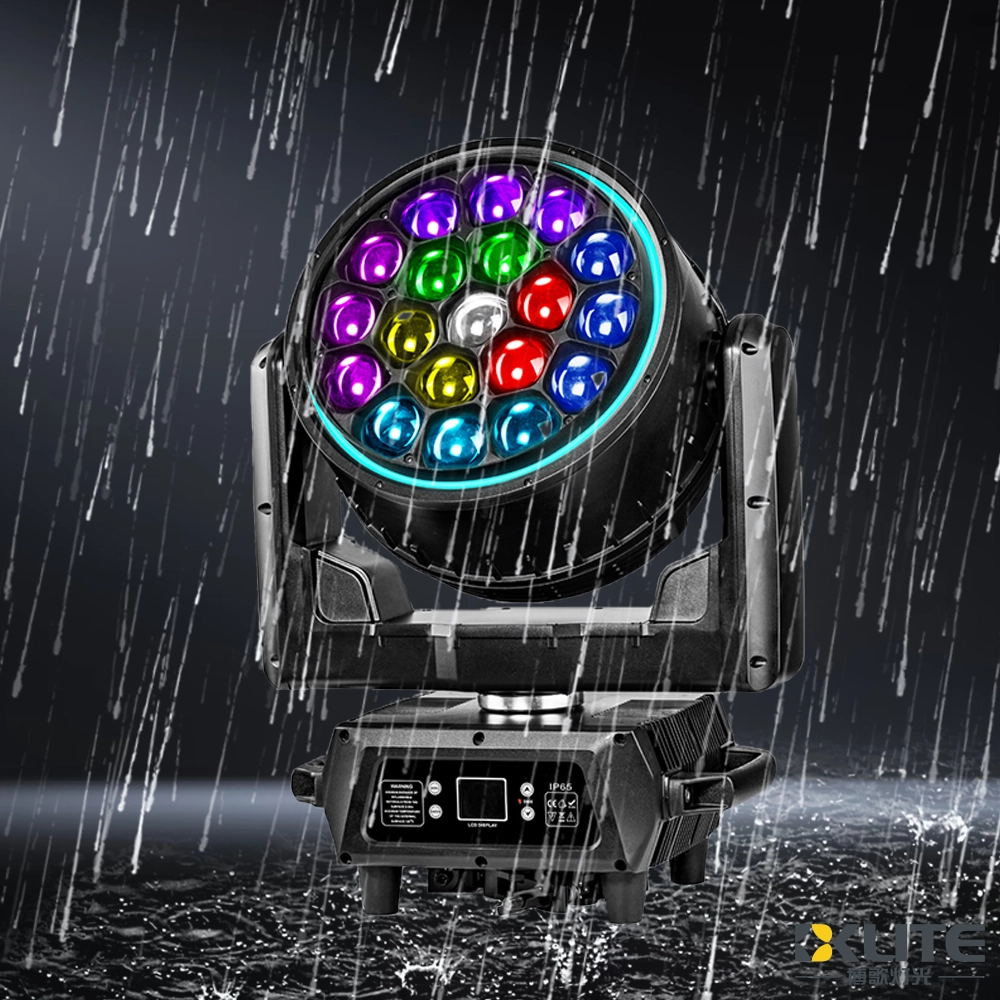
IP65 Waterproof Bee Eye Zoom 19x40W RGBW 4IN1 LED Beam Wash Moving Head Light with LED Ring
BKlite waterproof bee eye moving head light—your reliable choice from top waterproof moving head light manufacturers and suppliers. Ideal for outdoor stage, live event, music festival, this energy-saving fixture ensures powerful, precise illumination for any venue. It delivers powerful, reliable lighting performance in any weather.
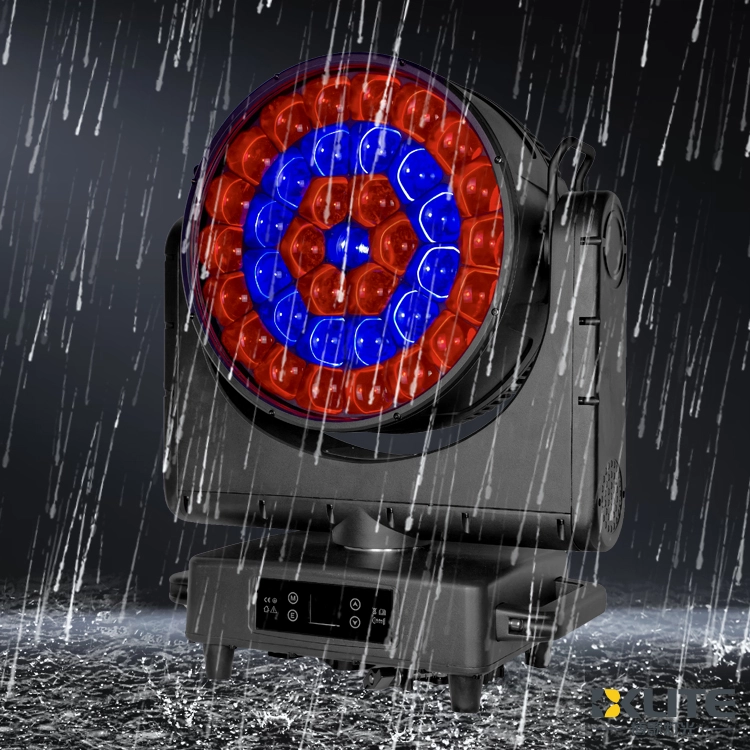
IP65 Waterproof ZOOM Bee Eye 37x40W RGBW 4in1 LED Moving Head Light
As a leading stage lighting equipment supplier with more than 15 years of industry know-how, BKlite brings you the IP65 ZOOM Bee Eye 37*40W RGBW 4in1 LED Moving Head Light (K25 Bee Eye) delivers vibrant, weatherproof lighting with powerful zoom and smooth movement. Ideal for dynamic stage effects, the K25 moving head light ensures stunning RGBW color mixing and reliable outdoor performance.
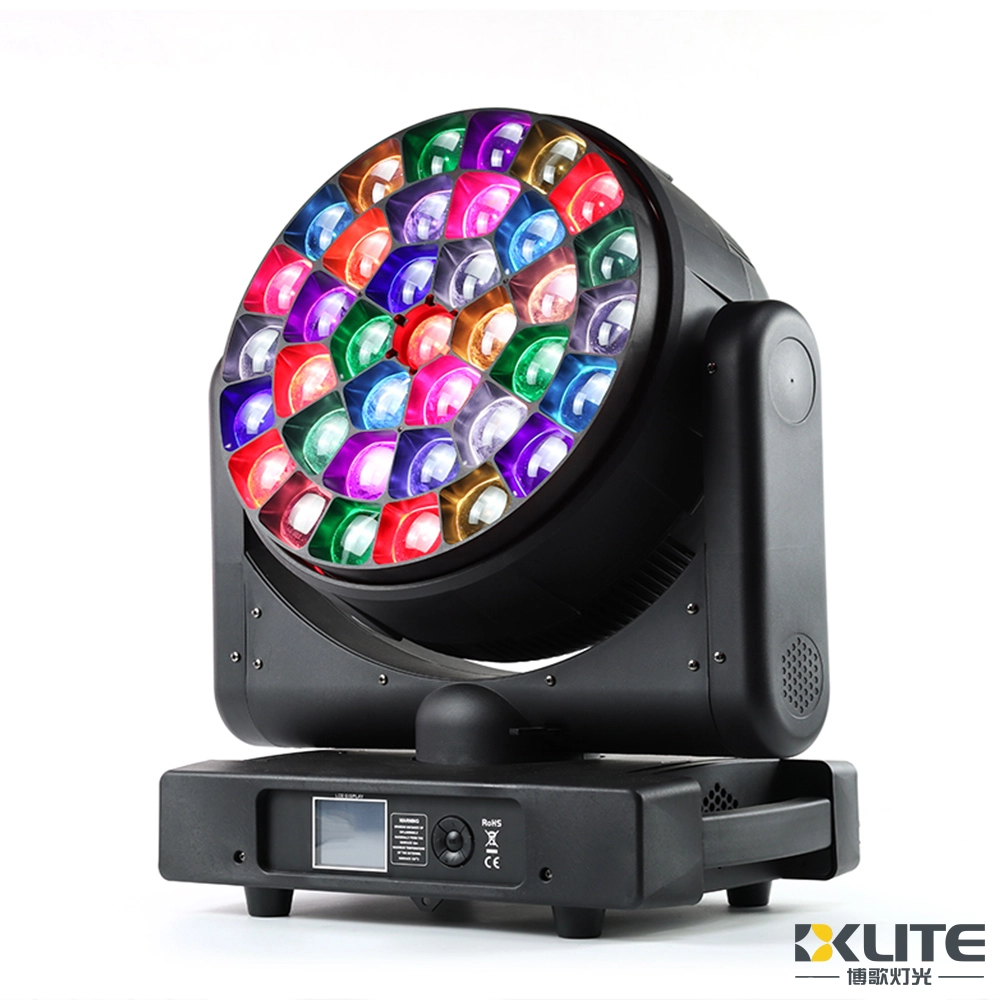
Bee Eye Zoom 37x40W RGBW 4in1 LED Beam Wash Moving Head Light
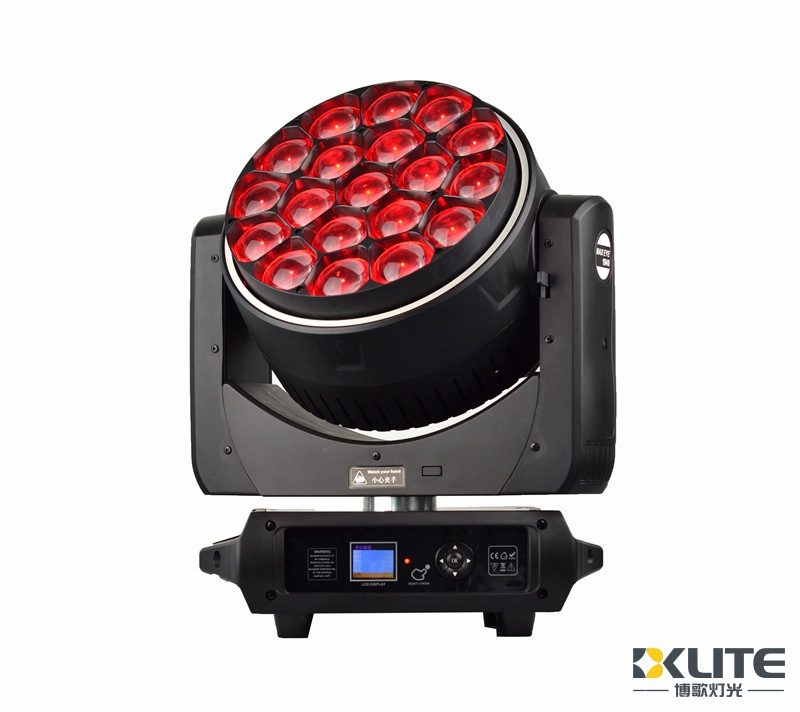
IP20 Bee Eye Zoom 19x40W RGBW 4IN1 LED Beam Wash Moving Head Light with LED Ring
As one of the leading stage lighting equipment suppliers with 15+ years of experience, BKlite launched a new Bee Eye K15 19x40 LED wash light BK-BY1940Z. .
Designed with a simple and sleek appearance, the WASH moving head light is compact, lightweight, and highly portable.
With multiple color effect macros and dynamic effect macros.
Our wash light can be used for versatile lighting options with amazing effect.
It is very good for your lighting projects.
Powerful and shoots very far distances.


Copyright © 2025 BKLITE All Rights Reserved.