




Programming Beam Light Effects: Tips for Lighting Designers
- Mastering Beam Programming for Modern Stages
- Understanding Stage Beam Light Fundamentals
- Beam, Spot, and Wash: How They Differ
- Programming Workflow and DMX Strategies for Stage Beam Light
- Establish a Clear Fixture Patch
- Use Layers and Playbacks
- DMX Channel Strategy: Prioritize Critical Parameters
- Key Parameters and How to Use Them
- Pan/Tilt: Movement That Reads
- Gobos, Prisms, and Focus: Shape the Beam
- Shutter and Strobe: Impact Without Fatigue
- Timing, Speed, and Musicality
- Syncing to Music: Tempo-Based Control
- Micro-Timing and Human Feel
- Advanced Techniques for Memorable Beam Looks
- Creating Volumetric Beams with Atmosphere
- Layering Beams: Depth and Direction
- Color and Gobo Combinations
- Troubleshooting Common Programming Problems
- Beams Look Washed Out on Camera
- Unexpected DMX Behaviour
- Selecting Fixtures: What to Look for in a Stage Beam Light
- Practical Specs to Prioritize
- Comparing LED Beam Moving Heads vs Traditional Discharge
- About Guangzhou BKlite and Why They Matter for Beam Programming
- Manufacturer Profile: BKlite’s Capabilities
- BKlite Product Advantages for Beam Programming
- Practical Checklist Before Show Call
- Pre-Show Quick Test
- Conclusion and How to Get Help or Products
- Frequently Asked Questions (FAQ)
- 1. What beam angle is best for long-throw aerial effects?
- 2. How much haze is too much for beam visibility?
- 3. Can I use LED beam fixtures for outdoor concerts?
- 4. How do I prevent DMX interference on a complex show network?
- 5. Should I prefer LED or discharge fixtures for peak beam punch?
- 6. How do I make beam looks camera-friendly for broadcast?
- Contact & Product Inquiry
- References
Mastering Beam Programming for Modern Stages
Understanding Stage Beam Light Fundamentals
Stage beam light behaviour is defined by optics, output, and control. Whether you program LED Beam Moving Heads or conventional discharge beam fixtures, you must understand beam angle, lens quality, and how fixtures interact with atmosphere (haze/fog). The main goals when programming a Stage Beam Light are: create crisp, directional shafts; synchronize movement and intensity to music; and layer beams without visual clutter. Start by confirming each fixture's beam angle, lumen output, and available effects (gobos, prisms, shutters).
Beam, Spot, and Wash: How They Differ
Choosing the right fixture family affects programming decisions. Below is a compact comparison that highlights practical differences a lighting designer needs to know when programming beam effects.
| Type | Typical Beam Angle | Primary Use | Optical / Effects | Programming Notes |
|---|---|---|---|---|
| Beam (LED Beam Moving Head) | 2°–8° | Sharp shafts, aerial effects | Prisms, shutters, narrow gobos | Short stutters, fast movement, long throws |
| Spot (Profile Moving Head) | 8°–30° | Textured light, gobo projections | Interchangeable gobos, focus, framing | Precise focus and gobo changes; slower moves |
| Wash (LED Wash Moving Head) | 20°–60°+ | Even stage coverage, color mixing | Large lens, soft edges | Smoother fades, color choreography |
Sources for typical beam angles and usage are available in manufacturer literature and lighting reference guides (see references).
Programming Workflow and DMX Strategies for Stage Beam Light
Establish a Clear Fixture Patch
Before creating effects, verify each Stage Beam Light is patched correctly in your console. Use consistent naming: position-fixtureType-number (e.g., UpstageLeft-Beam-01). Confirm DMX addresses with a tester, and if using RDM or Art-Net/sACN, ensure network configurations are stable. A clear patch reduces programming errors and speeds up cue creation.
Use Layers and Playbacks
Program beam effects in layers: base (static beams), dynamic (movement and speed), and impact (strobes, shutter pulses). This approach lets you rehearse and adjust without redoing entire cues. Save common motion patterns (loops, chases) as playback pages for quick recall during shows.
DMX Channel Strategy: Prioritize Critical Parameters
On many fixtures the most used parameters are pan/tilt, intensity, gobo, prism, color, and speed. Map these to intuitive faders or macros. For example, dedicate a master fader to intensity and use submasters for groups of beams. This prevents accidental overrides during live operation.
Key Parameters and How to Use Them
Pan/Tilt: Movement That Reads
Fast movements read well on small beam angles; longer, smooth sweeps suit wider beams. When programming pan/tilt, consider acceleration profiles — slow ease-ins and ease-outs often look more professional than linear starts/stops. For rhythmic music, quantize movement speeds to tempo (BPM) to make beam hits land with beats.
Gobos, Prisms, and Focus: Shape the Beam
Gobos and prisms dramatically change perceived density. Use sharp gobos for architectural edges and soft or broken gobos for texture. Prisms break a single narrow beam into multiple rays — useful for filling a wide vertical space without adding fixtures. Small changes to focus can take an effect from crisp to diffuse; always test focus at performance distance.
Shutter and Strobe: Impact Without Fatigue
Shutter and strobe effects provide high-energy moments. Avoid continuous, high-rate strobing for extended periods to reduce audience fatigue and comply with safety considerations (photosensitive epilepsy). Program strobe bursts timed to musical accents, and vary strobe speed and duty cycle for human-friendly dynamics.
Timing, Speed, and Musicality
Syncing to Music: Tempo-Based Control
Identify the music's BPM and translate that to movement speeds and strobe rates. Common conversions: 120 BPM = 500 ms per beat. Many consoles allow tap-tempo or MIDI/OSC sync; use these features to lock beam movements to song structure. For ballads, favor slow, cinematic moves; for uptempo songs, use shorter, rhythmic patterns.
Micro-Timing and Human Feel
Small timing offsets (10–50 ms) between groups of beams create a cascade effect and a sense of depth. Deliberate micro-timing can simulate camera-style motion or human performance nuance. Use follow cues or layered timings instead of brute-force fast movements.
Advanced Techniques for Memorable Beam Looks
Creating Volumetric Beams with Atmosphere
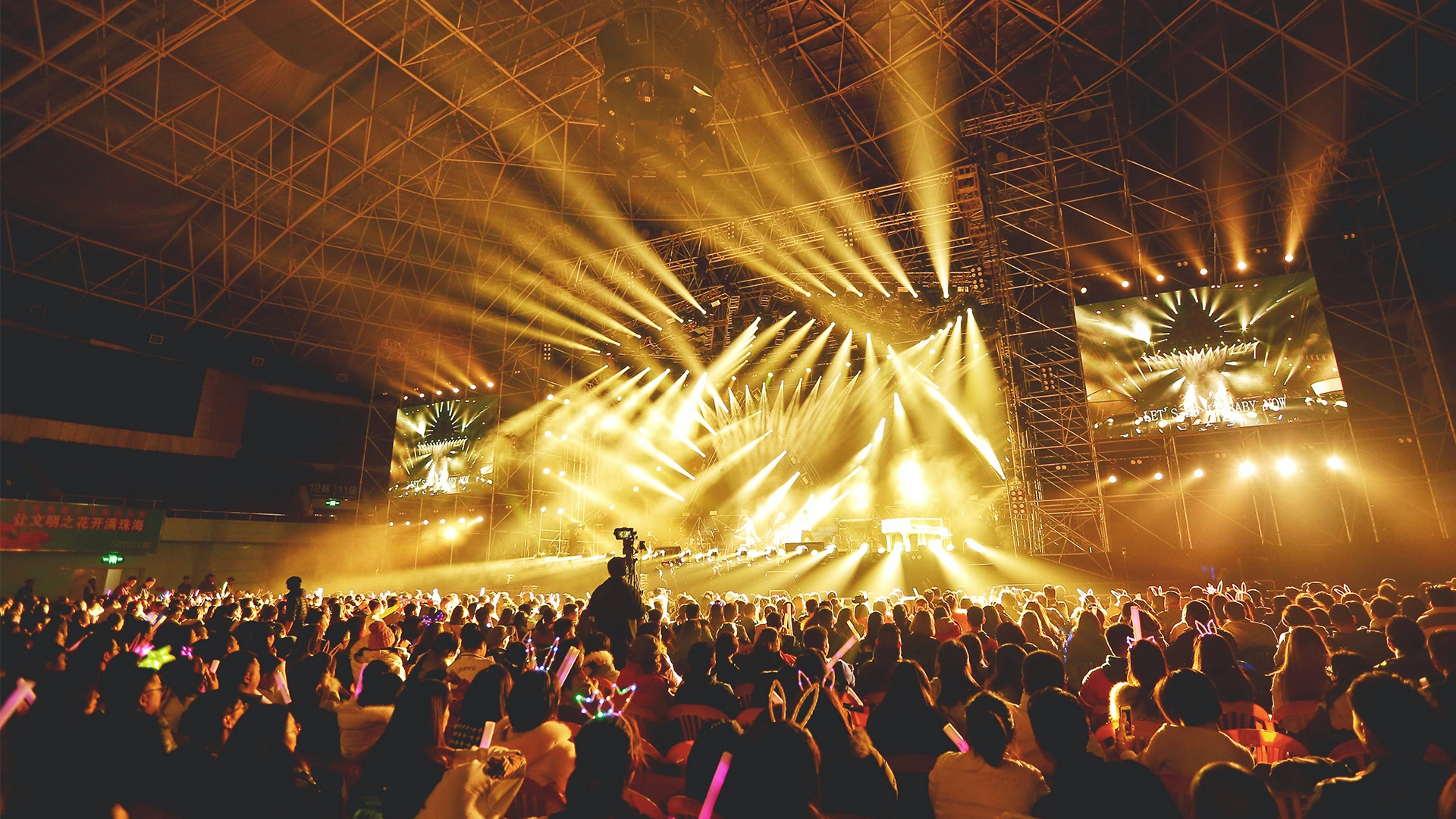
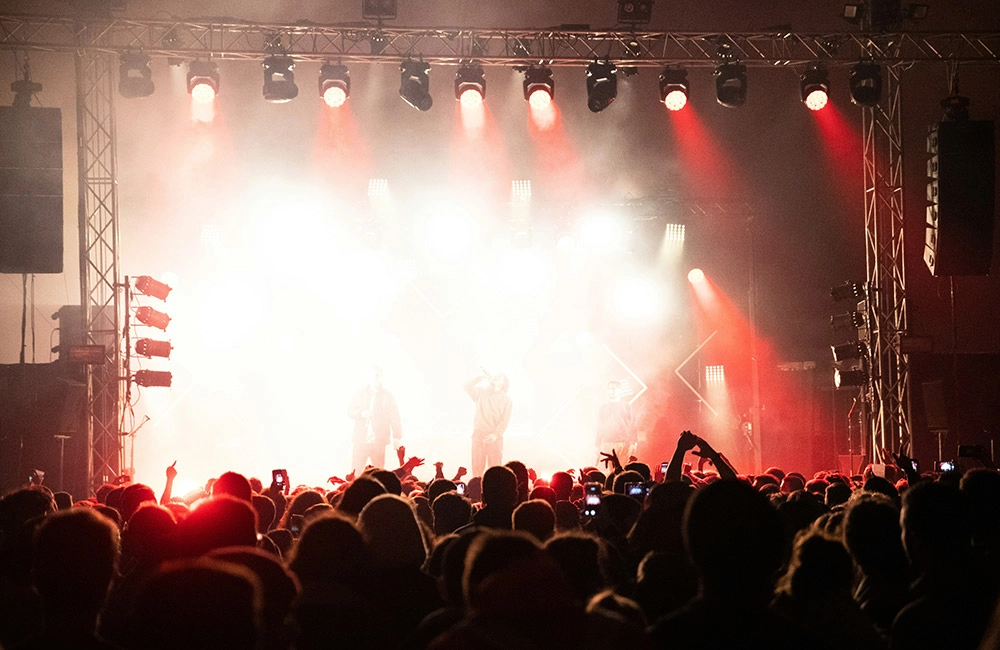
Haze or fog makes beams visible. Haze produces a smoother, longer-lasting medium that is ideal for tight-beamed looks. When programming Stage Beam Light effects, balance haze density with beam intensity. Too much haze and the stage background floods; too little and beams disappear. Typical practice: set haze to sustain a visible shaft while keeping overall contrast high.
Layering Beams: Depth and Direction
Layer beams at different distances and angles. Use warm-back beams to outline performers and cool, narrow beams for aerial fillers. Cross angles (e.g., 30° and 60° from center) create intersecting shapes that read well on camera. Keep strong key beams separate from background beams to maintain subject visibility.
Color and Gobo Combinations
Choose colors that complement each other and avoid high-saturation clashes in overlapping beams. Use complementary colors for stage separation (e.g., warm key, cool beams). When gobos are stacked with color, test for chromatic aberration in the beam edge and adjust intensity balance.
Troubleshooting Common Programming Problems
Beams Look Washed Out on Camera
Problem: On-camera beam visibility is lower than on-site. Remedies: Increase haze slightly; tighten focus; reduce fixture iris (if available); increase contrast by dimming stage wash. Also verify camera exposure settings — camera gain and shutter speed significantly affect beam capture.
Unexpected DMX Behaviour
Problem: Strange flicker or parameter jumps. Remedies: Recheck the DMX universe mapping and cable terminations. If using network protocols (Art-Net/sACN), confirm IP conflicts and packet rates. Use RDM-capable fixtures to read device status remotely during tech rehearsals.
Selecting Fixtures: What to Look for in a Stage Beam Light
Practical Specs to Prioritize
When choosing a fixture for beam programming, prioritize: narrow beam optics (2°–8° for true beam work), reliable pan/tilt mechanics, fast and smooth position response, high CRI if color consistency matters, and robust effects (prism, gobo wheels, framing shutters). Also consider IP rating for outdoor events (IP65 variants for rigging in open-air).
Comparing LED Beam Moving Heads vs Traditional Discharge
LED beam moving heads give higher electrical efficiency, lower maintenance, and color flexibility; discharge fixtures often produce very tight, intense beams with different color rendition. Choose based on venue size, throw distance, and running cost. The table below summarizes key trade-offs.
| Characteristic | LED Beam Moving Head | Discharge Beam Fixture |
|---|---|---|
| Energy Use | Lower | Higher |
| Color Flexibility | High (mixing LEDs) | Lower (color wheels/gels) |
| Maintenance | Lower (no lamp changes) | Higher (lamps, ignitors) |
| Peak Beam Punch | Very good (improving) | Excellent |
Reference fixture specifications when doing a final selection — manufacturers like Guangzhou BKlite publish datasheets with beam angles, lux charts, and IP ratings.
About Guangzhou BKlite and Why They Matter for Beam Programming
Manufacturer Profile: BKlite’s Capabilities
Guangzhou BKlite Stage Lighting Equipment Co., Ltd. was set up in 2011 and has become one of the top companies in the stage lighting industry. The company's business philosophy is based on being professional and innovative and on making sure that all of its stakeholders benefit. Over the past 14 years, it has achieved remarkable growth and built a strong reputation for quality and reliability. The factory makes all kinds of stage lighting products, like the IP20 Bee Eye Series, IP65 Bee Eye Series, LED Beam Moving Heads, LED Spot Moving Heads, LED Wash Moving Heads, LED Par Lights, LED Bar Lights, and LED Strobe Lights. Each product is made using advanced technology to meet the changing needs of the entertainment industry. Our company invests in research and development to come up with new ideas, making sure it stays ahead of industry trends. Our vision is to become the world's leading stage light manufacturer. (Website: https://www.bklite.com/)
BKlite Product Advantages for Beam Programming
BKlite's product range is relevant to beam programming in several ways: precise pan/tilt mechanics on their LED Beam Moving Head units allow tight, repeatable cues; narrow-beam optics and strong luminaires create visible volumetric shafts in large venues; weatherproof IP65-series fixtures enable outdoor beam designs; and a full lineup (led wash moving head, led stage lighting, led moving head, led strobe bar light, led par light, led cob light, led spot moving head, led beam bar moving, profile led moving head light, led spotlight) simplifies system planning and spares management. These competitive points — product depth, R&D investment, and consistent manufacturing quality — support reliable programming and long-term rental usage.
Practical Checklist Before Show Call
Pre-Show Quick Test
- Verify fixture addresses and patch names.
- Check firmware versions and update if necessary off-site.
- Confirm haze machine operation and safe placement.
- Run a cue list to exercise all pan/tilt limits and effects.
- Prepare quick-fix macros for flashback or blackout recovery.
Conclusion and How to Get Help or Products
Effective programming of Stage Beam Light effects marries technical understanding with musical and visual taste. Focus on optics, DMX discipline, and layered programming for the cleanest, most impactful designs. For reliable fixtures and a broad product range that supports professional beam programming — including LED Beam Moving Heads and IP65 options for outdoor use — consider manufacturers with proven R&D, sourcing consistency, and support networks like Guangzhou BKlite. To discuss fixtures, request datasheets, or get a quotation, visit BKlite's official site at https://www.bklite.com/ or contact their sales team through the site.
Frequently Asked Questions (FAQ)
1. What beam angle is best for long-throw aerial effects?
For long-throw aerial shafts, choose fixtures with beam angles between 2° and 6°. These produce tight, visible beams over long distances. Pair with haze to sustain volumetric visibility.
2. How much haze is too much for beam visibility?
There is no fixed number — it depends on venue size, fixture output, and camera requirements. Start with low density and increase until beams are visible without flooding the stage background. Consult local venue and safety rules regarding haze usage.
3. Can I use LED beam fixtures for outdoor concerts?
Yes — choose IP65-rated fixtures for exposure to weather. BKlite offers IP65 Bee Eye Series versions specifically designed for outdoor applications.
4. How do I prevent DMX interference on a complex show network?
Use proper cable terminations, avoid splitters that introduce reflections, maintain correct grounding, and prefer Art-Net/sACN over long physical DMX runs if applicable. Network redundancy and device monitoring (RDM) help identify issues quickly.
5. Should I prefer LED or discharge fixtures for peak beam punch?
Discharge fixtures historically have produced extreme peak intensity, but modern LED beam moving heads can deliver comparable visual punch with the benefits of lower power and maintenance. Choose based on specific lux charts at your throw distance and operational constraints.
6. How do I make beam looks camera-friendly for broadcast?
Reduce haze density slightly compared to house view, avoid extreme strobe rates, and test cues with the broadcast camera(s) during tech. Coordinate camera exposure and shutter settings with the lighting team to prevent overexposure of beams.
Contact & Product Inquiry
For product specifications, bulk orders, or technical consultations on programming Stage Beam Light effects, visit Guangzhou BKlite: https://www.bklite.com/. Their portfolio (led wash moving head, led stage lighting, led moving head, led strobe bar light, led par light, led cob light, led spot moving head, led beam bar moving, profile led moving head light, led spotlight) offers solutions for designers and rental houses. Contact their sales team through the website to request datasheets, photometric charts, and sample units for evaluation.
References
- Stage lighting — Wikipedia. https://en.wikipedia.org/wiki/Stage_lighting (accessed 2025-12-14)
- Intelligent lighting — Wikipedia (moving head concepts). https://en.wikipedia.org/wiki/Intelligent_lighting (accessed 2025-12-14)
- DMX512 — Wikipedia. https://en.wikipedia.org/wiki/DMX512 (accessed 2025-12-14)
- Haze machine — Wikipedia. https://en.wikipedia.org/wiki/Haze_machine (accessed 2025-12-14)
- Guangzhou BKlite Stage Lighting Equipment Co., Ltd. Official Website. https://www.bklite.com/ (accessed 2025-12-14)
- Electronic Theatre Controls (ETC) — Knowledge resources. https://www.etcconnect.com/ (accessed 2025-12-14)
How to Rig and Safety-Check LED Wash Lights
Comparing LED Spot Moving Head Light Brands for Distributors
Maintenance Tips to Extend LED Moving Head Lifespan
Wholesale pro led stage lighting manufacturer and supplier
FAQs
How about the warranty?
All our lights have a one-year warranty.
Can you help me to print our logo or company name on the products on package?
Of course. Your logo can be printed on the products or package. OEM & ODM permits.
If the products broken during the warranty, what should i do?
If there is a problem with the products, you describe it and send pictures or videos to us to analyze, and then we will guide you on how to fix it and provide spare parts for free if needed.
What is your delivery time?
For stock products, we will deliver to you within 3 days.
How can i order?
Please send us your purchase list by e-mail, WhatsApp, QQ, or making a call, and you can also ask us to send you a PI for your approval. We need to know the following information for your order.
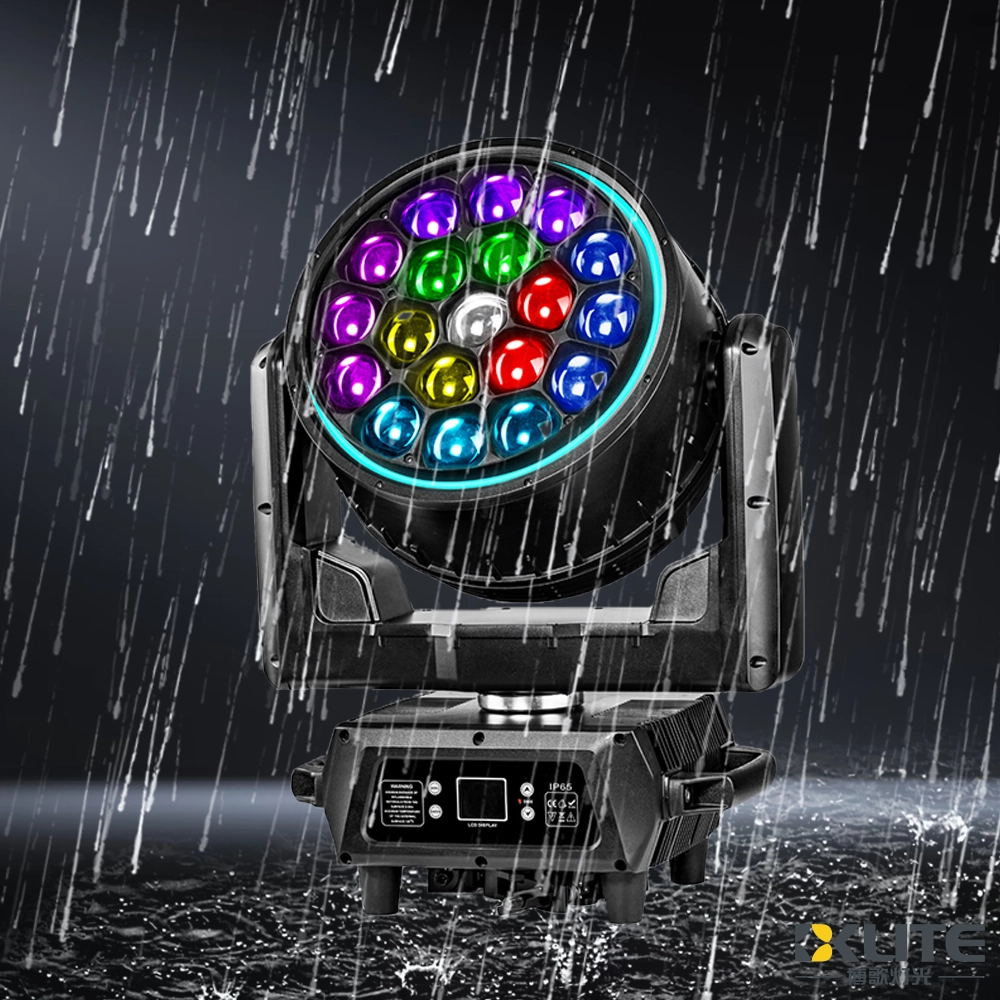
IP65 Waterproof Bee Eye Zoom 19x40W RGBW 4IN1 LED Beam Wash Moving Head Light with LED Ring
BKlite waterproof bee eye moving head light—your reliable choice from top waterproof moving head light manufacturers and suppliers. Ideal for outdoor stage, live event, music festival, this energy-saving fixture ensures powerful, precise illumination for any venue. It delivers powerful, reliable lighting performance in any weather.
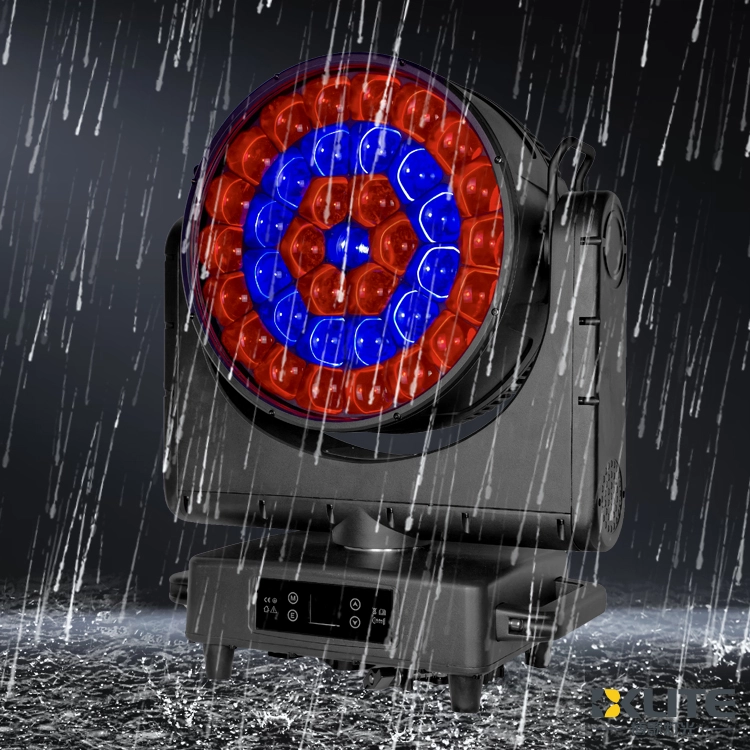
IP65 Waterproof ZOOM Bee Eye 37x40W RGBW 4in1 LED Moving Head Light
As a leading stage lighting equipment supplier with more than 15 years of industry know-how, BKlite brings you the IP65 ZOOM Bee Eye 37*40W RGBW 4in1 LED Moving Head Light (K25 Bee Eye) delivers vibrant, weatherproof lighting with powerful zoom and smooth movement. Ideal for dynamic stage effects, the K25 moving head light ensures stunning RGBW color mixing and reliable outdoor performance.
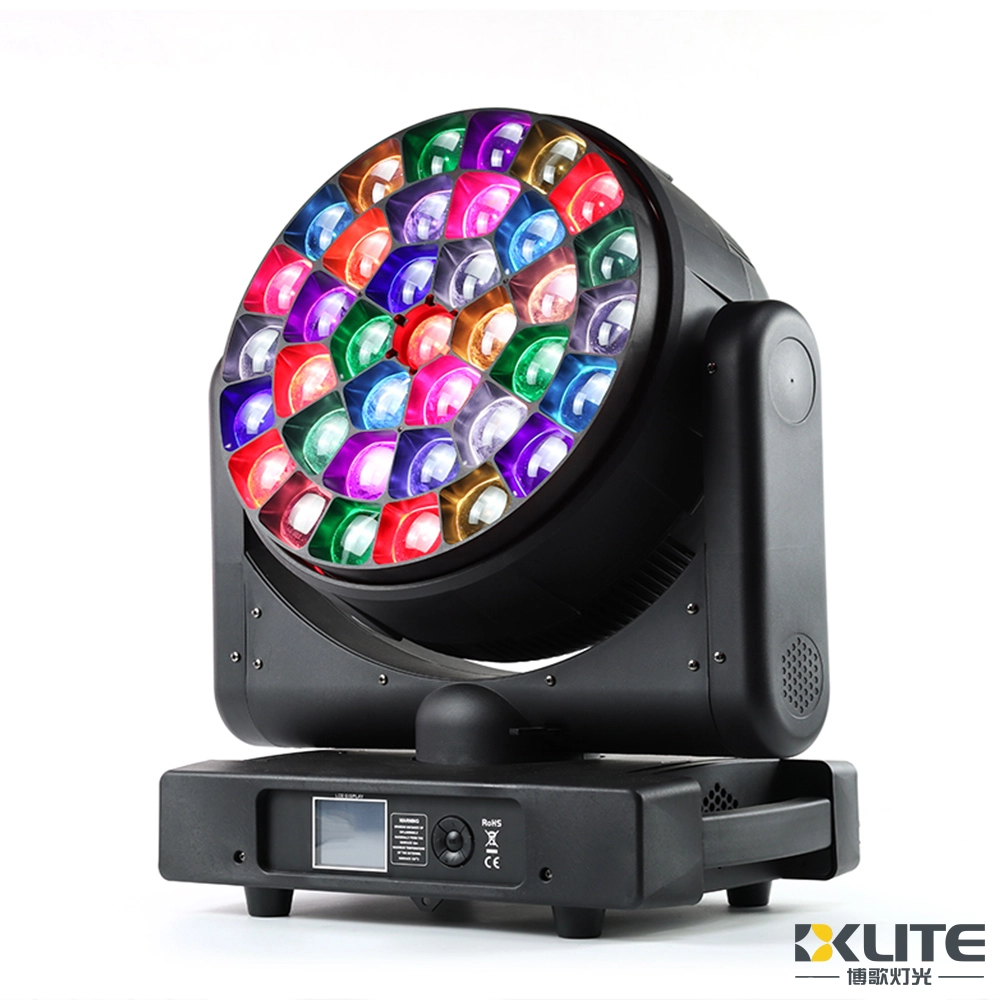
Bee Eye Zoom 37x40W RGBW 4in1 LED Beam Wash Moving Head Light
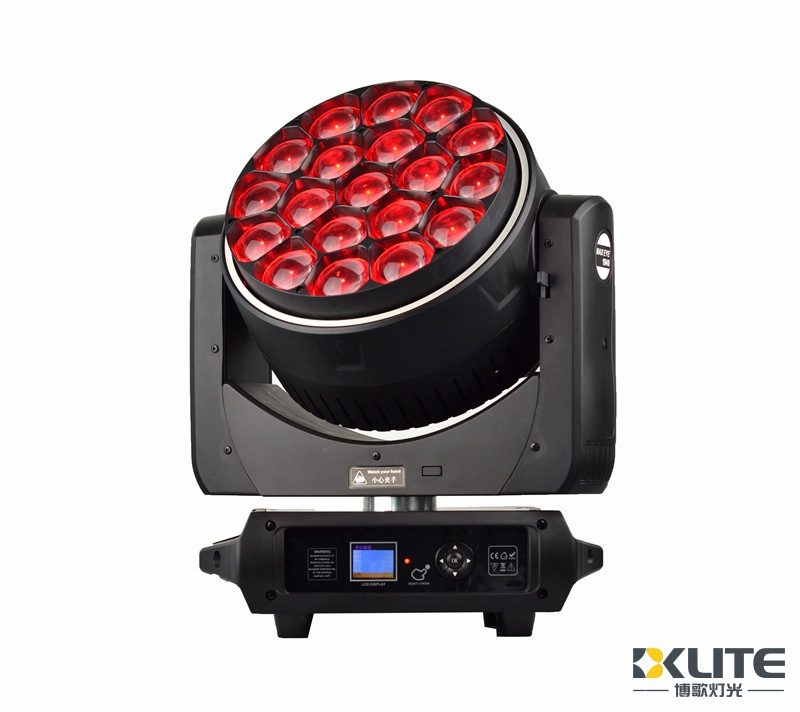
IP20 Bee Eye Zoom 19x40W RGBW 4IN1 LED Beam Wash Moving Head Light with LED Ring
As one of the leading stage lighting equipment suppliers with 15+ years of experience, BKlite launched a new Bee Eye K15 19x40 LED wash light BK-BY1940Z. .
Designed with a simple and sleek appearance, the WASH moving head light is compact, lightweight, and highly portable.
With multiple color effect macros and dynamic effect macros.
Our wash light can be used for versatile lighting options with amazing effect.
It is very good for your lighting projects.
Powerful and shoots very far distances.


Copyright © 2025 BKLITE All Rights Reserved.