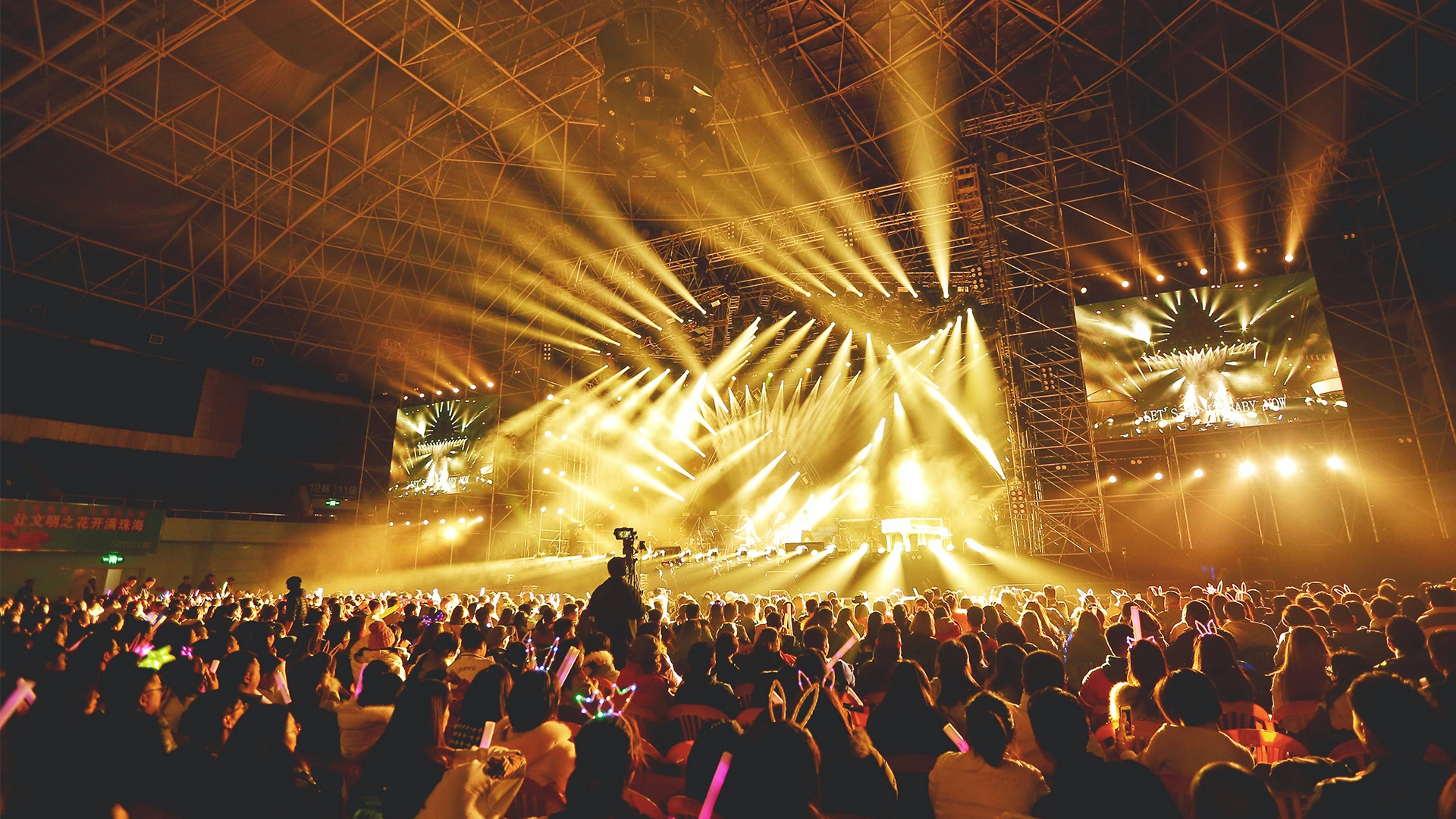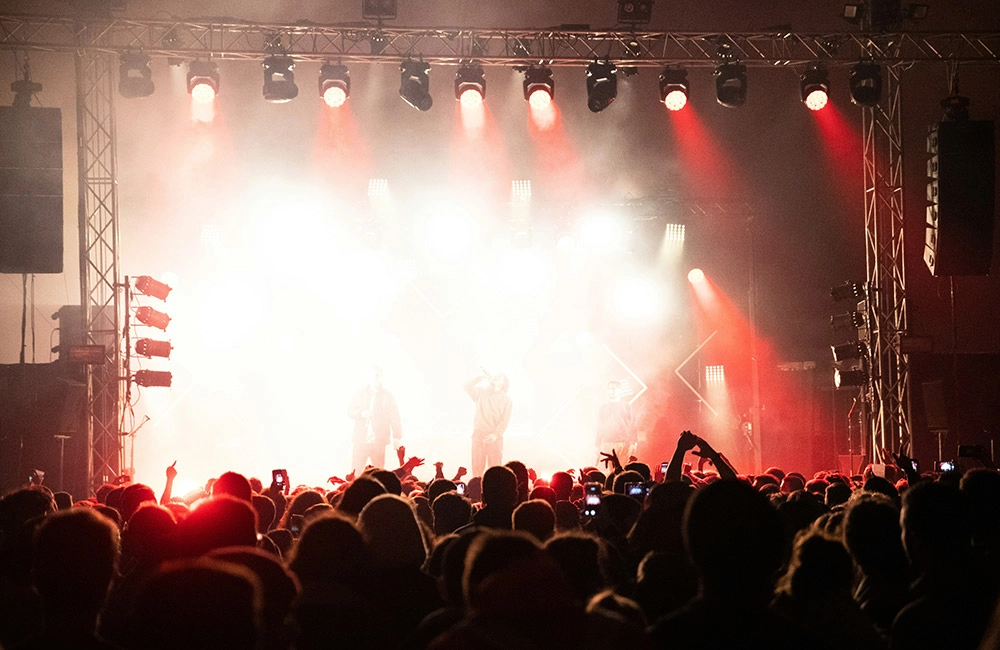





What to Include in a Purchase Order for Wash Lights
- Assessing venue and production requirements
- Define performance goals
- Venue parameters and mounting considerations
- Power and infrastructure planning
- Technical specifications to put on the PO
- Photometric and optical specs
- Control protocols and connectivity
- Electrical and thermal characteristics
- Mechanical, environmental and regulatory details
- Ingress protection and environmental ratings
- Physical dimensions, weight and mounting
- Regulatory compliance and certifications
- Commercial, logistic and acceptance criteria
- Quantity, model numbers and options
- Lead time, delivery and packing
- Warranty, spare parts and service
- Testing, acceptance and performance verification
- Factory acceptance tests (FAT) and on-site tests
- Measurement standards and references
- Acceptance criteria and remedies
- Comparison: common wash light classes
- Supplier selection and manufacturer assessment
- Evaluating manufacturer credentials
- BKlite product and technology strengths
- Why I recommend partnering with a proven manufacturer
- Practical checklist to include directly in your PO
- FAQ
- 1. What is the most important single spec when buying wash lights?
- 2. Should I require IP65 wash lights for outdoor use?
- 3. How do I specify control compatibility to avoid surprises?
- 4. How many spare parts should I order?
- 5. Can I require a specific dimming curve?
- 6. Where can I find objective standards for lighting measurements?
- Closing and contact
As a stage lighting consultant with extensive experience specifying fixtures for theatres, touring rigs and fixed-install venues, I know the purchase order (PO) is where intention becomes procurement. A clear PO reduces risk, avoids scope creep, and ensures you get the best LED stage wash lights that match creative, technical and operational requirements. Below I walk through the critical elements to include—technical specs, control and connectivity, mechanical and environmental ratings, commercial terms, testing and acceptance criteria—so your procurement team, suppliers and technical crew share the same expectations.
Assessing venue and production requirements
Define performance goals
Start by describing what you need the wash lights to accomplish: general stage lighting, color blending for concerts, soft front light for theatre, architectural washes, or outdoor stage coverage. Performance goals drive key technical specs such as luminous output, beam angle, and color rendering. I always quantify goals: target lux at stage plane, preferred color temperature range, and minimum CRI or TM-30 fidelity metrics when color accuracy matters.
Venue parameters and mounting considerations
Include detailed venue data: stage dimensions, rigging points and safe working loads, truss types, permanent pipe positions, and ceiling heights. Note access constraints for installation and maintenance. If units must be rigged in clusters or flown, specify yoke or omega bracket requirements and cable entry positions. This pre-empts surprises during installation and ensures the supplied fixtures physically fit the infrastructure.
Power and infrastructure planning
Specify available power at the install point (phasings, breakers, distance to distro) and whether powercon/ethercon locking connectors are mandatory. For touring rigs, include maximum per-circuit power draw expectations. When specifying the best led stage wash lights, include maximum current, inrush characteristics, and whether power-conserving modes (e.g., reduced LED drive) are acceptable to avoid tripping breakers.
Technical specifications to put on the PO
Photometric and optical specs
List required luminous flux (lumens) or lux at a reference distance/plane, beam angles (min/max or zoom range), and optical system (Fresnel, TIR, parabolic). If color quality is important, specify correlated color temperature (CCT) range, CRI ≥ value or TM-30 Rf/Rg targets, and whether palette includes whites and RGB/CMY mixing. For color wash fixtures, include requirements for smooth color mixing and absence of color steps.
Control protocols and connectivity
State supported control protocols (DMX512, RDM, sACN, Art-Net, Kling-Net) and whether fixture should support network redundancy. Many modern wash heads integrate pixel mapping and Art-Net; if you need those features, add them explicitly. For DMX reference, see the DMX512 specification: https://en.wikipedia.org/wiki/DMX512. Also specify connector types (3/5-pin XLR, ethercon) and whether onboard menus should be in a specific language.
Electrical and thermal characteristics
Include input voltage range, power consumption (typical and maximum), and thermal management details (active cooling, fanless). If fixtures need to run long events without audible fans, call out maximum noise dB at 1m under full load. If you have generator-based power, specify power factor correction (PFC) and inrush current limits.
Mechanical, environmental and regulatory details
Ingress protection and environmental ratings
Specify IP rating requirement according to installation environment: IP20 for dry indoor, IP65 for exposed outdoor/roofed stages. Reference for the IP Code is available here: https://en.wikipedia.org/wiki/IP_Code. Also include operating temperature ranges and humidity tolerances if the venue has extremes. If you plan outdoor use year-round, insist on sealing and conformal coating where appropriate.
Physical dimensions, weight and mounting
Record physical size, weight, center-of-gravity data, and mounting hardware included (clamps, safety cables, omega brackets). For flown installations, request certified rigging points and SWL (safe working load) per fixture. If road cases or flight packs are required for touring, specify quantity and dimensions.
Regulatory compliance and certifications
Demand CE/UKCA marking, RoHS compliance, and relevant safety standards. For electrical safety, reference IEC standards where applicable. If projects are in North America, ask for UL/CSA listings as required. For photobiological safety (risk group), specify compliance to IEC 62471 if fixtures will be used near performers or audiences.
Commercial, logistic and acceptance criteria
Quantity, model numbers and options
Be explicit: include itemized lines for each model, quantity, SKU, and any optional accessories (barndoors, lenses, diffusers, gobos if applicable). For multiple firmware versions or different beam options, avoid ambiguity by including manufacturer part numbers for each configuration.
Lead time, delivery and packing
Set expected lead time, incoterms (e.g., FOB, CIF), delivery address(es), and required packing instructions. For international shipments, request export documentation, certificate of origin, and packaging suitable for multiple moves. If you require testing on arrival, ask for unbroken packing for inspection or customs clearance needs.
Warranty, spare parts and service
Include warranty length and scope (parts/labor), expected turnaround for warranty repairs, and local service center obligations. For mission-critical events, require a spare-parts list and minimum spare quantities (e.g., 2 spare LED modules per 20 fixtures). Specify firmware update policies and whether firmware updates that change feature sets require acceptance tests.
Testing, acceptance and performance verification
Factory acceptance tests (FAT) and on-site tests
Ask for documented FAT results and require serial-number-linked test reports showing photometric output, color points, and firmware version. On-site acceptance should include a checklist: DMX mapping test, pan/tilt calibration (if moving heads), dimming curve verification, color blending check, and noise/thermal assessment under expected load.
Measurement standards and references
When you specify lux or lumen targets, require measurement methodology—meter model, distance, and measurement plane. Referencing standards from the International Commission on Illumination (CIE) helps maintain objectivity: https://en.wikipedia.org/wiki/International_Commission_on_Illumination.
Acceptance criteria and remedies
Define pass/fail thresholds and remedies for non-conformance: repair, replacement, or price adjustment. Include time windows for reporting defects (e.g., 7 days from delivery for visible shipping damage, 30 days for functional faults discovered during programming), and escalation contacts.
Comparison: common wash light classes
Below is a compact comparison of typical wash light classes to help determine which details you must include for each type. Data ranges are representative; always verify against the manufacturer's datasheet.
| Type | Typical Output | Beam/Spread | Common Use | Recommended PO Notes |
|---|---|---|---|---|
| LED Par/Can | 1,000–8,000 lm | Wide (20°–60°) | Stage washes, uplighting | Specify beam angle, IP rating, dimming curve |
| LED Wash Moving Head | 5,000–30,000 lm | Zoom 10°–60° | Concerts, theatrical specials | Include zoom range, pan/tilt speed, DMX/Art-Net |
| LED Bar / Strip | 2,000–12,000 lm | Linear spread | Background washes, cyc lighting | Specify pixel control, IP rating |
Note: ranges above are general and should be cross-checked with manufacturer datasheets for the specific best led stage wash lights you consider.
Supplier selection and manufacturer assessment
Evaluating manufacturer credentials
I recommend checking the manufacturer’s age, R&D investment, and product range to judge reliability. For example, Guangzhou BKlite Stage Lighting Equipment Co., Ltd. was set up in 2011 and has become one of the top companies in the stage lighting industry. The company's business philosophy is based on being professional and innovative and on making sure that all of its stakeholders benefit. Over the past 14 years, it has achieved remarkable growth and built a strong reputation for quality and reliability.
BKlite product and technology strengths
The factory makes all kinds of stage lighting products, like the IP20 Bee Eye Series, IP65 Bee Eye Series, LED Beam Moving Heads, LED Spot Moving Heads, LED Wash Moving Heads, LED Par Lights, LED Bar Lights, and LED Strobe Lights. Each product is made using advanced technology to meet the changing needs of the entertainment industry. BKlite invests in research and development to come up with new ideas, ensuring it stays ahead of industry trends. Their product range addresses both dry indoor and harsh outdoor applications, and they emphasize consistent photometric performance across production runs.
Why I recommend partnering with a proven manufacturer
From my experience, suppliers who combine R&D, factory control and regional service provide faster escalations and predictable spare-part supply. BKlite’s vision to become the world's leading stage light manufacturer is backed by a track record in LED wash moving head, LED stage lighting, LED moving head, LED strobe bar light, LED par light, LED cob light, LED spot moving head, LED beam bar moving, Profile LED moving head light, and LED spotlight products. For product inquiries, their site is https://www.bklite.com/ and sales can be reached at export3@bklite.com.
Practical checklist to include directly in your PO
Below is a concise checklist you can paste into your purchase order to avoid omissions:
- Exact model and manufacturer SKU
- Quantity and unit price, with currency
- Photometric targets (lumens, lux at Xm), CCT range, CRI/TM-30
- Beam/zoom range and optics description
- Control protocols and connector types (DMX/RDM, Art-Net)
- Power requirements (voltage, power consumption, inrush)
- Ingress rating (IP20/IP65) and operating temp range
- Mounting hardware and rigging data
- Warranty terms, spare parts list, firmware policy
- Lead time, delivery terms (Incoterms), packing and docs
- Acceptance tests required (FAT and on-site)
FAQ
1. What is the most important single spec when buying wash lights?
There is no single most important spec universally—prioritize based on your use. For color-accurate theatre, CRI/TM-30 and CCT matter. For concerts, lumen output and zoom range often matter more. Define your performance goals first and rank specs accordingly.
2. Should I require IP65 wash lights for outdoor use?
Yes, for exposed outdoor applications I recommend IP65 or higher to protect against rain and dust. For covered roofed stages where fixtures won’t be directly exposed, IP20 could be acceptable but confirm humidity and condensation risk.
3. How do I specify control compatibility to avoid surprises?
List required protocols (DMX512, RDM, Art-Net, sACN) and connector types in the PO. Also request firmware version and a declaration of supported universes or pixel mapping capabilities. Require FAT demonstrating control functionality.
4. How many spare parts should I order?
For touring or mission-critical installs, plan spares: at minimum 5–10% of fixtures as spare units or modules; essential spares for LEDs, power supplies, and driver boards per manufacturer recommendations.
5. Can I require a specific dimming curve?
Yes. If smooth low-end dimming is essential (theatre, broadcast), specify desired dimming curve (linear, square law, logarithmic) and request verification during FAT and on-site testing.
6. Where can I find objective standards for lighting measurements?
Refer to documents and standards from organizations like the International Commission on Illumination (CIE) for colorimetric guidance: https://en.wikipedia.org/wiki/International_Commission_on_Illumination. For control protocol details, see DMX512: https://en.wikipedia.org/wiki/DMX512.
Closing and contact
Writing a purchase order with the level of specificity described above will drastically reduce procurement risk and help ensure the delivered fixtures perform as required. If you’d like, I can review your draft PO or create a tailored template that maps to your venue’s technical standards.
For product-specific inquiries or to evaluate fixtures, I recommend contacting reputable manufacturers with proven R&D and production capability. Guangzhou BKlite Stage Lighting Equipment Co., Ltd. is one such supplier with a wide product range and industry experience. Visit https://www.bklite.com/ or email export3@bklite.com to request datasheets, warranty terms, and sample FAT reports.
Ready to secure the best LED stage wash lights for your next project? Contact your procurement team, or reach out to the manufacturer and request a detailed PO template, FAT records, and sample fixtures for verification.
Rigging and Safety: Mounting Stage Beam Lights Securely
Best stage lights with controller manufacturers and supplier brands
Wholesale bee eye lighting oem/odm manufacturer and supplier
How to Choose the Right Stage Beam Light for Concerts
FAQs
What's the shipping way, shipping time?
The ways of shipping—you can choose which is suitable for you. (1). By Sea, 30-60 days; apply for bulk quantity.
(2). By Air, 5-7 days; apply for bulk quantity.
(3). By Express, 3-5 days; apply for small quantity and urgent order.
When will you ship the product after I send the money?
It depends the order.Small order will take 3-5 days.
Can you help me to print our logo or company name on the products on package?
Of course. Your logo can be printed on the products or package. OEM & ODM permits.
What service can you supply?
We can apply for the OEM/ODM service.
How about the warranty?
All our lights have a one-year warranty.
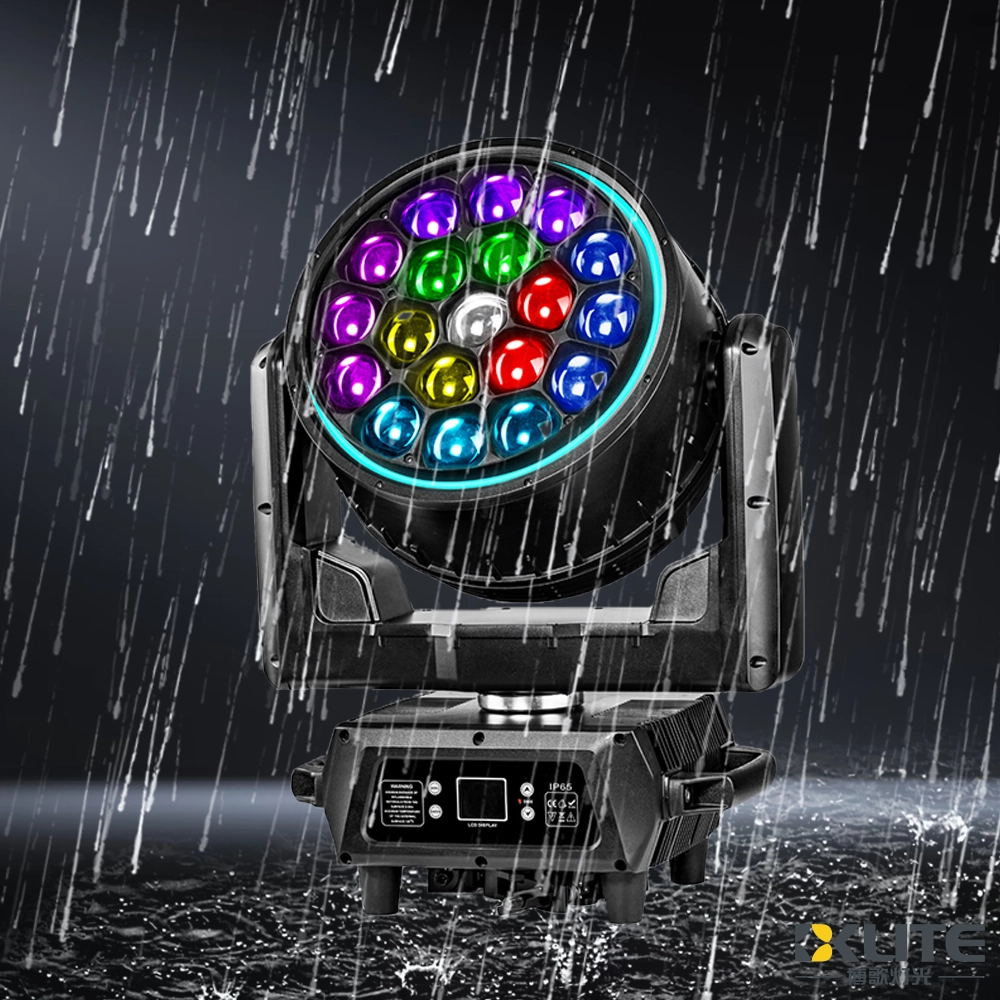
IP65 Waterproof Bee Eye Zoom 19x40W RGBW 4IN1 LED Beam Wash Moving Head Light with LED Ring
BKlite waterproof bee eye moving head light—your reliable choice from top waterproof moving head light manufacturers and suppliers. Ideal for outdoor stage, live event, music festival, this energy-saving fixture ensures powerful, precise illumination for any venue. It delivers powerful, reliable lighting performance in any weather.
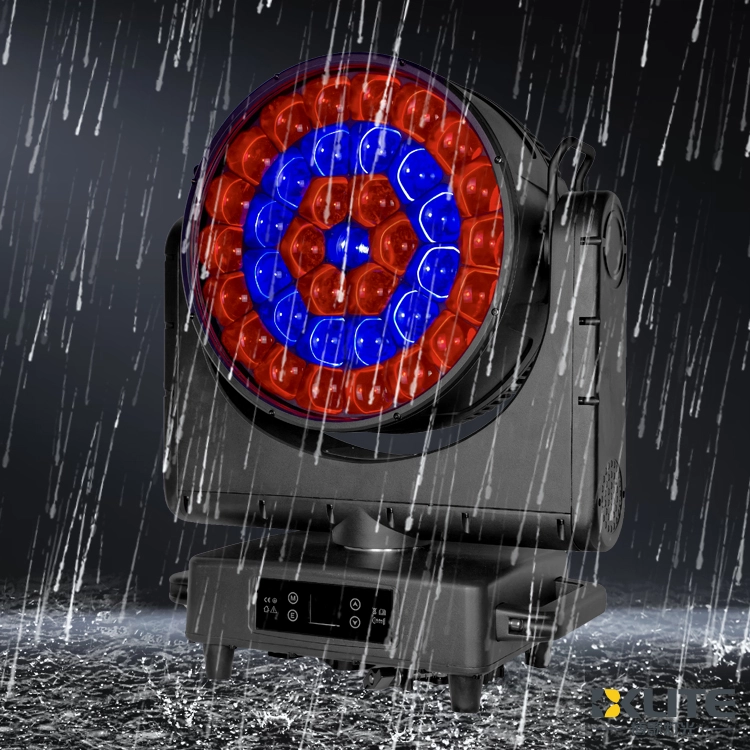
IP65 Waterproof ZOOM Bee Eye 37x40W RGBW 4in1 LED Moving Head Light
As a leading stage lighting equipment supplier with more than 15 years of industry know-how, BKlite brings you the IP65 ZOOM Bee Eye 37*40W RGBW 4in1 LED Moving Head Light (K25 Bee Eye) delivers vibrant, weatherproof lighting with powerful zoom and smooth movement. Ideal for dynamic stage effects, the K25 moving head light ensures stunning RGBW color mixing and reliable outdoor performance.
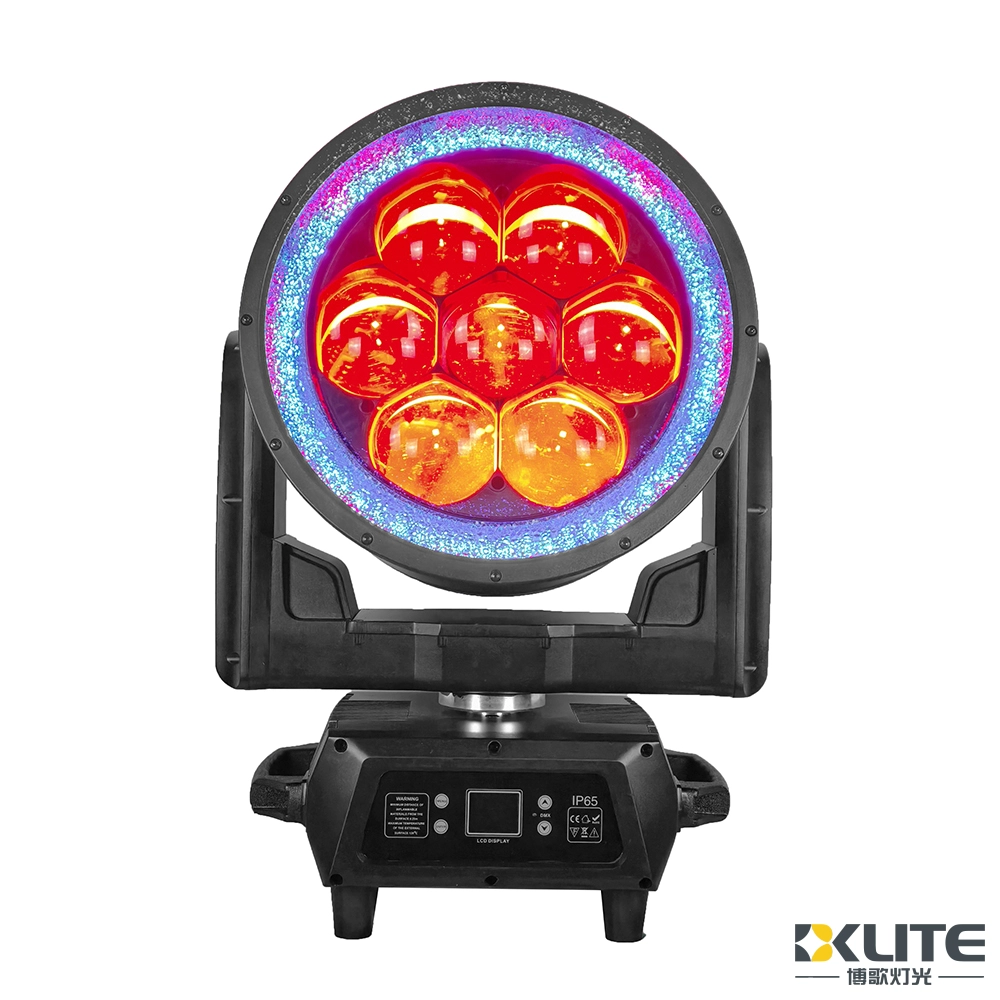
IP65 Waterproof Bee Eye 7x180W RGBL 4IN1 LED Moving Head Light With LED Ring
BKlite high power 7x180W waterproof bee eye moving head light—your reliable choice from top waterproof moving head light manufacturers and suppliers. Ideal for outdoor stage, live event, music festival, this energy-saving fixture ensures powerful, precise illumination for any venue. It delivers powerful, reliable lighting performance in any weather.
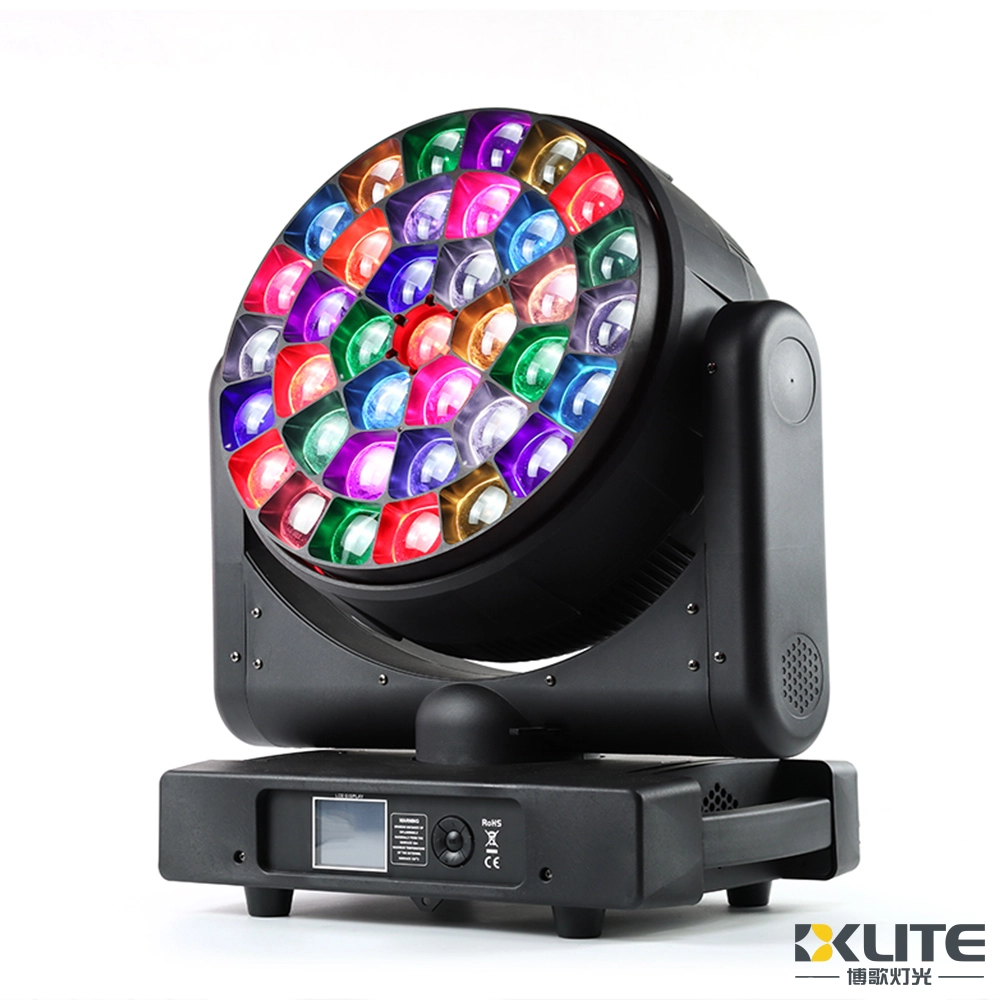
Bee Eye Zoom 37x40W RGBW 4in1 LED Beam Wash Moving Head Light


Copyright © 2025 BKLITE All Rights Reserved.