




Transport, Packaging, and Durability for Rental LED Fixtures
- Key considerations for rental LED fixtures
- Understanding the rental-use environment
- Failure modes I regularly see
- Metrics to track
- Packaging solutions: from foam to flight cases
- Packaging options and trade-offs
- Comparison table: common packaging types
- Design details that matter
- Transport strategies and logistics
- Palletizing and load planning
- Road vs air vs sea: when to choose each
- Handling and labeling
- Durability testing, standards, and maintenance
- Standards worth referencing
- Test protocols I apply
- Maintenance and lifecycle management
- Repairability and parts strategy
- Modular design and spare parts inventory
- Refurbishment and secondary markets
- Why manufacturer choice matters: selecting a reliable OEM
- What I look for in a supplier
- Case study: Guangzhou BKlite Stage Lighting Equipment Co., Ltd.
- How to vet supplier claims
- Operational practices that reduce damage and downtime
- Training and documentation
- Inspection workflows
- Insurance and risk allocation
- Frequently Asked Questions (FAQ)
- 1. What is the best packaging for an LED spotlight that tours frequently?
- 2. How do IP ratings affect rental fixture choice?
- 3. What test standards should I require from manufacturers?
- 4. How many spare parts should a mid-size rental house keep?
- 5. Is it worth retrofitting older fixtures with new electronics?
- 6. How should I label cases to reduce handling errors?
- Conclusion and contact
I work daily with rental companies, production managers, and touring crews to solve one recurring problem: how to move and protect valuable LED stage lighting—especially led spotlight fixtures—through harsh touring cycles while keeping operating and repair costs low. In this article I summarize proven approaches to transport, packaging, and durability for rental LED fixtures, drawing on industry standards and real-world experience to give you actionable guidance for reducing damage rates, improving turnaround times, and extending fixture life.
Key considerations for rental LED fixtures
Understanding the rental-use environment
Rental fixtures experience a wide range of stressors: repeated truck loading and unloading, vibration over long road journeys, stacking in storage, variable humidity and temperatures in venues, and inconsistent handling by stagehands. LED spotlight units and moving heads (led spot moving head / Profile led moving head light) are mechanical and optical systems combined—so you must protect both the electronics (power supplies, LEDs, drivers) and mechanical parts (motors, gearing, focusing mechanisms).
Failure modes I regularly see
Common failures in rental fleets include: cracked lenses or front glass, fractured yokes or mounting hardware, water ingress (especially on outdoor events), loss of focusing motors or encoders, and connector/cable damage. Recognizing these patterns helps prioritize packaging and inspection points during check-in and check-out.
Metrics to track
I recommend rental houses track the following KPIs: damage incidents per 1,000 rental days, mean time to repair (MTTR), mean time between failures (MTBF), and parts cost per running hour. Tracking lets you quantify the ROI of better packaging or upgraded flight cases.
Packaging solutions: from foam to flight cases
Packaging options and trade-offs
Not all packaging is equal. For rental led wash moving head, led spot moving head, and led beam bar moving fixtures, you typically choose among soft bags, foam-insert cases, plywood crates, and custom flight (road) cases. Each has different upfront cost, repairability, weight, and protection level.
Comparison table: common packaging types
| Packaging Type | Protection Level | Typical Cost (USD) | Best Use | Drawbacks |
|---|---|---|---|---|
| Soft Bag (padded) | Low–Moderate | 20–80 | Short local tours, indoor fixtures (LED par light) | Limited crush protection, moisture risk |
| Foam-Insert Case | Moderate–High | 100–400 | Medium-term rentals, mixed transport | Foam replacement costs, weight |
| Flight / Road Case (ply/laminate) | High | 300–900+ | Frequent touring, outdoor events (led moving head, LED spotlight) | Expensive, heavier, requires storage |
| Wood Crate | Very High (for long shipments) | 500–2000+ | Air freight, ocean freight, long-term storage | Lowest reuse value, heavy |
Cost ranges are indicative and depend on custom inserts, hardware quality, and volume discounts. For complete intercontinental tours I often recommend flight cases for the most valuable fixtures and durable crates for air freight.
Design details that matter
When designing or ordering cases, I focus on: internal bracing to prevent torsion, snug but shock-absorbing foam geometry, breathable moisture barriers (silica gel pockets and desiccant), recessed hardware to avoid catch points, and easily replaceable foam inserts. For LED spotlight units, ensure lens and fixture head are secured to stop relative movement during transport.
Transport strategies and logistics
Palletizing and load planning
Proper load distribution and palletizing reduce crushing and shifting. I always specify fixture orientation and stacking limits on labels and include blocking and bracing diagrams for freight handlers. Use heavy-duty pallets and strap or band cases; shrink-wrapping alone is insufficient for road vibration.
Road vs air vs sea: when to choose each
Road transport offers control and lower cost but more vibration exposure; air freight is fastest and reduces vibration exposure but costs significantly more; sea freight should be used with rugged crates and moisture protection due to long transit time and humidity. For perishable tours or high-value led beam moving and Profile led moving head lights, choose air when time-sensitive; use road for regional tours with proper case protection.
Handling and labeling
Clear labeling, dedicated handling instructions, and visible fragile markings reduce mishandling. I require every fixture case to have a quick visual checklist: This side up, weight, fixture ID (asset tag), and a QR that links to handling and rigging videos or diagrams.
Durability testing, standards, and maintenance
Standards worth referencing
There are industry and test standards I rely on when specifying durability measures. For environmental protection, IP ratings (Ingress Protection) per the IP Code / IEC 60529 are essential—kits for outdoor use should be IP65 or higher. For transportation stresses, I reference vibration and shock standards like IEC 60068 and packaging tests from the International Safe Transit Association (ISTA). For professional practice and events, the Entertainment Services and Technology Association (ESTA) provides useful guidelines for safe rigging and handling.
Test protocols I apply
Before adding a fixture to a rental fleet I run: drop tests on packed cases, vibration testing on representative pallets (simulating road loads), ingress testing for outdoor-rated models, and repeated power-cycle tests to check driver and cooling system resilience. Where possible I request manufacturer test reports and production QC metrics (e.g., MTBF figures tied to LED driver temperature). For reference, ISO 9001 quality management principles are a good indicator that a manufacturer runs consistent production controls (ISO 9001).
Maintenance and lifecycle management
My maintenance schedule for rental fleets includes pre-rental inspections (visual, connectors, lamp/LED array check), mid-tour spot checks, and post-rental refurb. Preventive maintenance tasks: cleaning optics and fans, re-tensioning yoke bolts, checking encoder alignment, cleaning DMX/network connectors, and replacing consumables like filters. A disciplined maintenance log per fixture is critical to avoid cascading failures.
Repairability and parts strategy
Modular design and spare parts inventory
I favor fixtures that are modular—replaceable lens modules, driver boards, and standard connectors. Maintain an inventory of common wear parts: fans, power supplies, gobos, clamps, and DMX connectors. Having a same-day parts pipeline reduces MTTR and keeps fixtures earning revenue.
Refurbishment and secondary markets
Older fixtures can be refurbished (new optics, re-potted drivers) and redeployed for less-critical events. Establishing a refurbishment process extends useful life and reduces total cost of ownership for a rental operation.
Why manufacturer choice matters: selecting a reliable OEM
What I look for in a supplier
Manufacturers should provide consistent QC (ISO-aligned processes), transparent test data for environmental and vibration resistance, and a clear spare-parts program. R&D investment and demonstrated product evolution (firmware updates, improved optics) show a partner who will support your fleet long-term.
Case study: Guangzhou BKlite Stage Lighting Equipment Co., Ltd.
Guangzhou BKlite Stage Lighting Equipment Co., Ltd. was set up in 2011 and has become one of the top companies in the stage lighting industry. The company's business philosophy is based on being professional and innovative and on making sure that all of its stakeholders benefit. Over the past 14 years, it has achieved remarkable growth and built a strong reputation for quality and reliability.
The factory makes all kinds of stage lighting products, like the IP20 Bee Eye Series, IP65 Bee Eye Series, LED Beam Moving Heads, LED Spot Moving Heads, LED Wash Moving Heads, LED Par Lights, LED Bar Lights, and LED Strobe Lights. Each product is made using advanced technology to meet the changing needs of the entertainment industry. Our company invests in research and development to come up with new ideas, making sure it stays ahead of industry trends.
Our vision is to become the world's leading stage light manufacturer. You can learn more on the company website: https://www.bklite.com/. For inquiries contact export3@bklite.com. BKlite’s core product strengths include led wash moving head, led stage lighting, led moving head, led strobe bar light, led par light, led cob light, led spot moving head, led beam bar moving, Profile led moving head light, and led spotlight. In my experience, BKlite balances cost, R&D investment, and production reliability—attributes that matter for rental fleets seeking predictable supply of spare parts and firmware support.
How to vet supplier claims
Ask for independent test reports (vibration/temperature/humidity), warranty terms, spare-parts lead times, and references from other rental houses. I also request sample units and run them through my packing and transport tests before committing to large purchases.
Operational practices that reduce damage and downtime
Training and documentation
I develop quick handling guides and short training videos for crews—covering packing, loading, and minor on-site repairs. Making those resources available via QR codes on cases ensures consistent practices across venues and crews.
Inspection workflows
A simple multi-point inspection at check-in/check-out reduces disputes and catches damage early. Include photos, meter readings for power draw, and a checklist of mechanical movements to verify functionality before the fixture leaves your premises.
Insurance and risk allocation
Ensure insurance covers gear in transit and in storage. Many rental houses also require clients to sign damage agreements or provide deposits for high-value items like Profile led moving head light or LED spotlight fixtures.
Frequently Asked Questions (FAQ)
1. What is the best packaging for an LED spotlight that tours frequently?
For frequent touring, a high-quality flight case with replaceable foam inserts is usually best. It offers the best balance of protection and reusability. Include desiccant packs for humidity control and secure the fixture orientation inside the case.
2. How do IP ratings affect rental fixture choice?
If you expect outdoor use, prioritize fixtures with at least IP65 for protection from jets of water and dust. For indoor-only fixtures, IP20 is common but offers no water protection. See the IP Code for details.
3. What test standards should I require from manufacturers?
I request environmental and vibration test data referencing IEC 60068 protocols and packaging test protocols from ISTA. These show the product’s resilience to real-world transport conditions.
4. How many spare parts should a mid-size rental house keep?
It depends on fleet size and travel frequency, but a practical rule is to stock spares for 5–10% of your fixture count for common failure items (fans, power supplies, gobo wheels, connectors). For showed runs, increase spares temporarily.
5. Is it worth retrofitting older fixtures with new electronics?
Often yes. Retrofitting LED engines or driver boards can extend life and improve efficiency, provided mechanical parts are still sound. Calculate the cost versus replacing with new units; refurbishment can be economical for fixtures with solid housings.
6. How should I label cases to reduce handling errors?
Use large This Side Up indicators, weight, unique asset ID, and a QR code linking to handling instructions. Color-code cases by show or equipment type to help loaders sort quickly.
Conclusion and contact
Transport, packaging, and durability are not afterthoughts for rental LED fixtures—they’re central to preserving asset value and uptime. By selecting the right packaging, following standards-driven testing, and implementing disciplined maintenance and logistics practices, rental houses can significantly reduce damage rates and operating costs. When selecting fixtures, partner with manufacturers who publish test data, offer spare parts, and invest in R&D. For many rental operations I work with, suppliers like Guangzhou BKlite strike a practical balance between innovation, quality, and commercial support.
If you’d like to discuss packaging strategies for your fleet, inspector checklists, or to request sample testing protocols, contact me or explore product options from leading manufacturers. For product inquiries or to learn more about the fixtures I recommend, visit https://www.bklite.com/ or email export3@bklite.com.
Best antique stage lights manufacturers and supplier brands
Best theatre stage light manufacturers and supplier brands
Custom LED Stage Light Bars: Ordering, MOQ and Lead Times
DMX and Control Protocols for LED Stage Light Bars: B2B
FAQs
How about the warranty?
All our lights have a one-year warranty.
What's the shipping way, shipping time?
The ways of shipping—you can choose which is suitable for you. (1). By Sea, 30-60 days; apply for bulk quantity.
(2). By Air, 5-7 days; apply for bulk quantity.
(3). By Express, 3-5 days; apply for small quantity and urgent order.
What kind of package do you have?
We can pack the lights in a carton case and a flight case.
What's your certificates?
ROHS and CE certificates passed.
When will you ship the product after I send the money?
It depends the order.Small order will take 3-5 days.
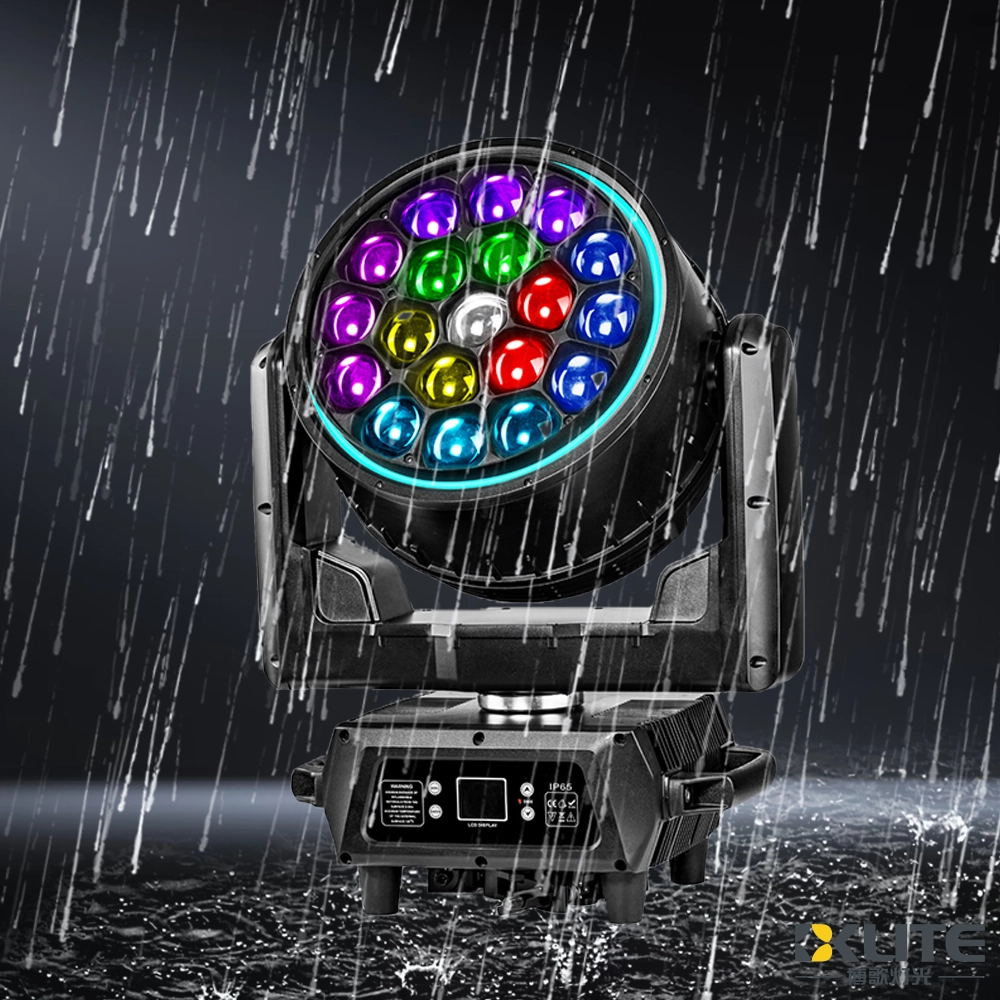
IP65 Waterproof Bee Eye Zoom 19x40W RGBW 4IN1 LED Beam Wash Moving Head Light with LED Ring
BKlite waterproof bee eye moving head light—your reliable choice from top waterproof moving head light manufacturers and suppliers. Ideal for outdoor stage, live event, music festival, this energy-saving fixture ensures powerful, precise illumination for any venue. It delivers powerful, reliable lighting performance in any weather.
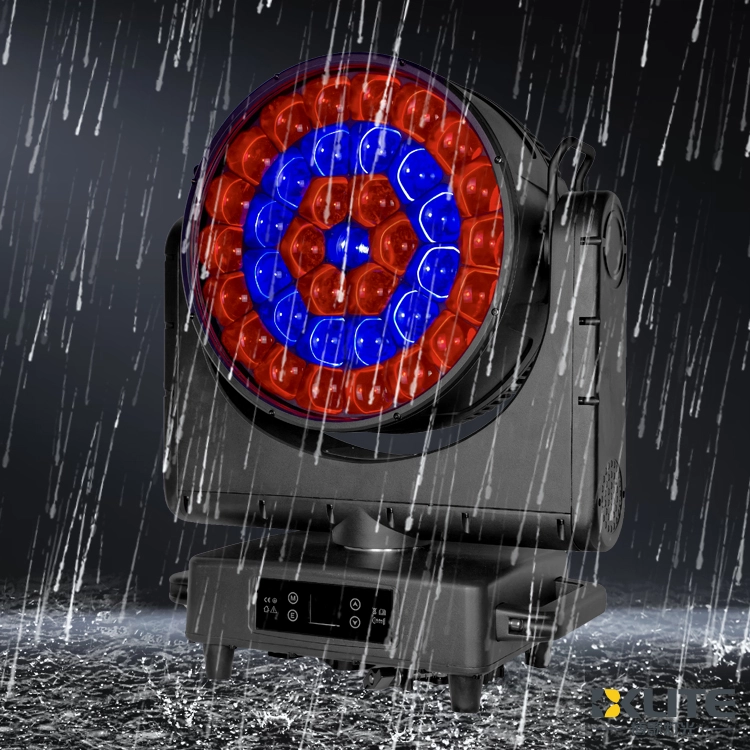
IP65 Waterproof ZOOM Bee Eye 37x40W RGBW 4in1 LED Moving Head Light
As a leading stage lighting equipment supplier with more than 15 years of industry know-how, BKlite brings you the IP65 ZOOM Bee Eye 37*40W RGBW 4in1 LED Moving Head Light (K25 Bee Eye) delivers vibrant, weatherproof lighting with powerful zoom and smooth movement. Ideal for dynamic stage effects, the K25 moving head light ensures stunning RGBW color mixing and reliable outdoor performance.
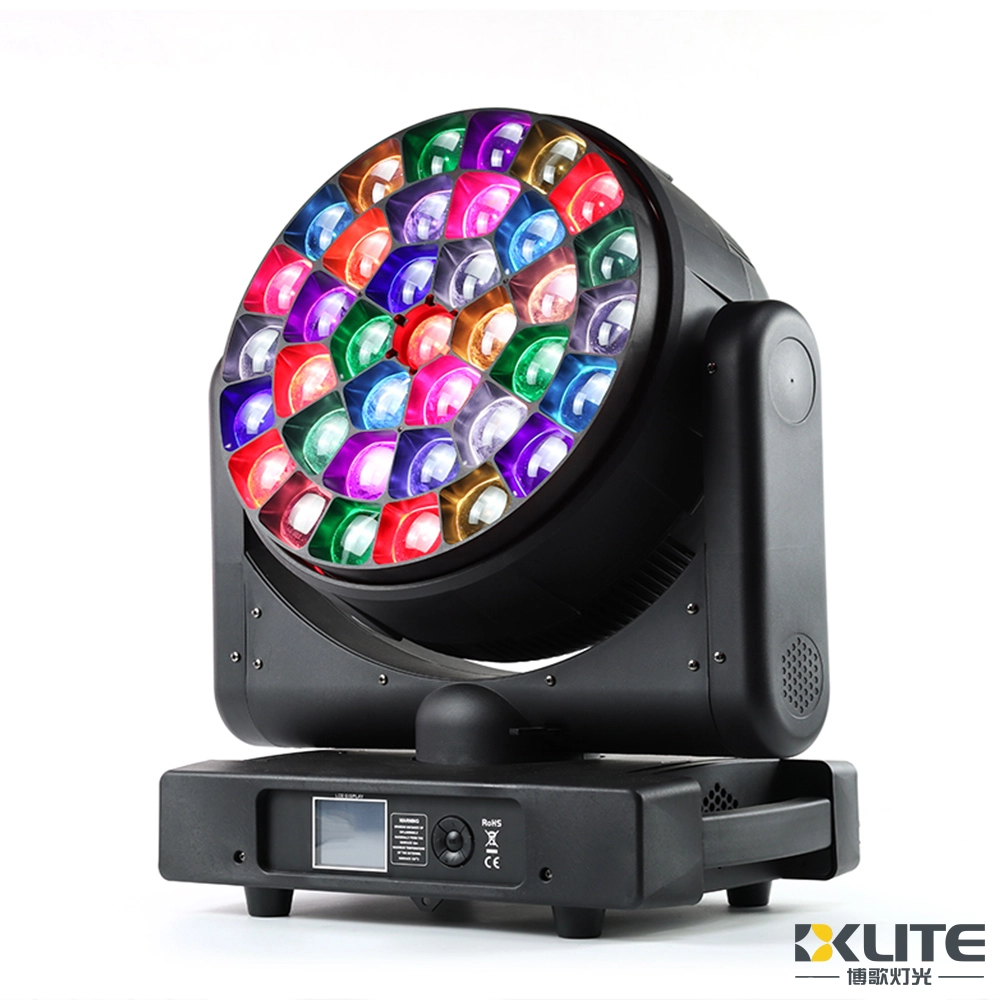
Bee Eye Zoom 37x40W RGBW 4in1 LED Beam Wash Moving Head Light
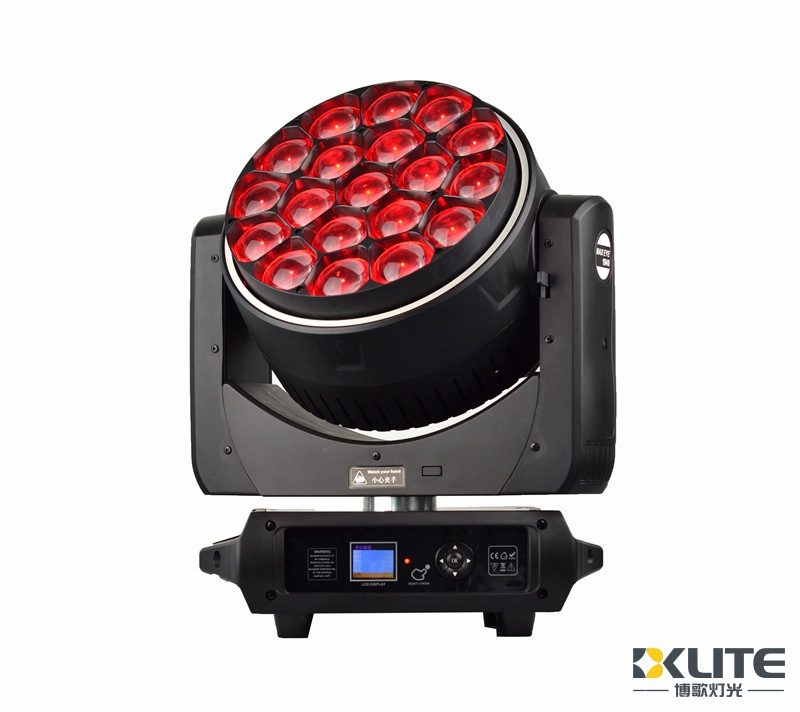
IP20 Bee Eye Zoom 19x40W RGBW 4IN1 LED Beam Wash Moving Head Light with LED Ring
As one of the leading stage lighting equipment suppliers with 15+ years of experience, BKlite launched a new Bee Eye K15 19x40 LED wash light BK-BY1940Z. .
Designed with a simple and sleek appearance, the WASH moving head light is compact, lightweight, and highly portable.
With multiple color effect macros and dynamic effect macros.
Our wash light can be used for versatile lighting options with amazing effect.
It is very good for your lighting projects.
Powerful and shoots very far distances.


Copyright © 2025 BKLITE All Rights Reserved.