




Retrofitting Traditional Spots to LED: Steps and Benefits
- Why Upgrade Stage Lighting Now
- Energy efficiency and operating cost reductions
- Improved reliability and lower maintenance
- Creative control and color stability
- Planning and Assessment for Retrofits
- Audit existing inventory and usage
- Photometric goals and rigging constraints
- Electrical and control compatibility
- Step-by-Step Retrofit Process
- Option A – Lamp-level retrofits (direct lamp replacement)
- Option B – Module or retrofit kit (replace lamp, reflector, or head)
- Option C – Full fixture replacement
- Dimming and flicker mitigation
- Thermal management and ventilation
- Costs, Savings, and Performance Comparison
- Typical comparative metrics
- Example savings calculation
- Standards, certifications and safety
- Why Choose Guangzhou BKlite for Stage LED Retrofits
- Company profile and track record
- Product range and technical capability
- Competitive advantages and industry credibility
- Implementation Checklist and Best Practices
- Procurement and pilot testing
- Installation and commissioning
- Maintenance and spare strategy
- FAQ
- 1. Will LED retrofits match the beam quality of tungsten profile spots?
- 2. How do I know whether to replace lamps or fixtures?
- 3. Are there issues with color rendering when using LED spotlights?
- 4. Will LED retrofit cause flicker on camera?
- 5. What is the expected payback period for a retrofit project?
- 6. Are there environmental disposal considerations?
- Contact and Next Steps
I have worked with venues, rental houses, and production teams for years, helping them replace legacy spot fixtures with modern LED spotlight solutions. In this article I provide a practical, standards-backed roadmap for retrofitting traditional spots to LED: why it makes sense, how to plan the project, the step-by-step retrofit process, measurable benefits, and supplier considerations. Wherever I reference performance or safety guidance, I link to authoritative sources so you can validate each claim.
Why Upgrade Stage Lighting Now
Energy efficiency and operating cost reductions
One of the strongest drivers I see from my work is reduced operating cost. LED technology delivers far higher luminous efficacy than tungsten-halogen and many discharge sources. The U.S. Department of Energy's Solid-State Lighting program documents the strong energy advantages of LEDs and ongoing efficacy improvements (DOE SSL).
Improved reliability and lower maintenance
LED spotlights typically offer rated lifetimes of 25,000 to 50,000 hours (or more) compared with 1,000–4,000 hours for traditional spot lamps. That reduces lamp changes, labor costs, and schedule risk for performances. See basic LED lifetime characteristics on Wikipedia: Light-emitting diode.
Creative control and color stability
LED spotlights give designers more consistent color temperature, faster color mixing (on RGB(A)/tunable white fixtures), and lower heat load on stage — critical for wardrobe, performers, and fog effects. These are not incremental benefits; they enable new design choices and can improve show reliability.
Planning and Assessment for Retrofits
Audit existing inventory and usage
Start by inventorying fixture types (manufacturers, lamp wattages, control systems, mounting points, and dimming systems). I always note the typical duties each spot performs: front light, profile, specials, or backlight. This determines whether a simple lamp retrofit will suffice or a full fixture replacement is required.
Photometric goals and rigging constraints
Measure or obtain current photometric targets: illuminance (lux or footcandles) at key positions, beam angle, and required field uniformity. LEDs differ in beam control and throw distance; you must match beam spread and beam quality to preserve looks. If you don’t have photometric data, consider a temporary LED test fixture to confirm coverage before mass retrofitting.
Electrical and control compatibility
Check dimming systems (0–10V, DMX, DALI, leading/trailing edge), power distribution, and in-rig truss loading. LED drivers may require different inrush current behavior or additional surge protection. Energy Star and DOE guidance on LED installations can help clarify expected electrical characteristics (Energy Star: Learn about LEDs).
Step-by-Step Retrofit Process
Option A – Lamp-level retrofits (direct lamp replacement)
Lamp-level retrofits are often the lowest upfront cost: replace a PAR-halogen or MR16 lamp with a compatible LED lamp. I recommend this only when:
- the existing fixture has adequate heat dissipation and mechanical fit,
- dimming and flicker behavior is verified with the existing control system, and
- beam quality (cut-off, beam edge) is acceptable for the role.
Pros: low cost, minimal downtime. Cons: reduced lifetime improvement if fixtures trap heat, and potential dimmer incompatibility.
Option B – Module or retrofit kit (replace lamp, reflector, or head)
Some manufacturers and third-party vendors supply LED retrofit modules that replace the lamp and integrate improved thermal paths and optics inside the original housing. I favor this when you want better photometric control and reliability but wish to reuse existing housings and yokes.
Option C – Full fixture replacement
Full replacement with LED spotlight fixtures or LED profile moving heads gives the best long-term performance, integrated control features (onboard DMX/RDM, pixel mapping, built-in effects) and warranty support. I typically recommend this for high-use venues and tour inventory due to predictable lifetime and support.
Dimming and flicker mitigation
One implementation challenge I always test for is dimmer compatibility. Older analog dimmers (leading-edge TRIAC) may not behave well with LED drivers. Use LED-rated dimmers, constant-current drivers where appropriate, and test at low% dimming range to avoid visible flicker. Manufacturer datasheets should provide dimming compatibility tables.
Thermal management and ventilation
Even though LEDs run cooler than halogen lamps in radiant terms, the junction temperature of the LED must be kept within rated limits. Retrofit kits that trap heat in legacy housings can shorten life. Ensure adequate ventilation, add heat sinks where required, or choose integral-LED fixtures engineered for the application.
Costs, Savings, and Performance Comparison
Typical comparative metrics
Below is a representative comparison between traditional halogen spot fixtures, LED lamp retrofits, and full LED spotlight fixtures. Values are indicative and based on typical industry ranges; you should test and confirm with product datasheets for procurement decisions.
| Metric | Halogen Spot (e.g., 575W) | LED Retrofit Lamp (replacement) | Integrated LED Spotlight Fixture |
|---|---|---|---|
| Typical Input Power | 575 W | 50–150 W | 75–200 W |
| Luminous Efficacy (lm/W) | 10–20 lm/W | 60–100 lm/W | 80–150 lm/W |
| Rated Lifetime | 1,000–4,000 h | 25,000–50,000 h | 30,000–50,000+ h |
| Heat at fixture | High (radiant) | Lower but depends on housing | Optimized heat-sink designs |
| Dimming quality | Excellent with legacy dimmers | Varies; test required | Designed for modern control protocols |
| Typical Payback (energy only) | Baseline | 1–5 years | 1–5 years |
Sources and guidance for efficacy and lifetime trends include the U.S. DOE Solid-State Lighting program and manufacturer datasheets. Actual payback depends on usage hours, electricity cost, and maintenance schedules.
Example savings calculation
To illustrate: replacing a 575 W halogen spot with a 150 W LED equivalent saves 425 W. If the fixture runs 8 hours per day, 250 days per year at $0.15/kWh:
- Annual energy saved = 0.425 kW * 8 h/day * 250 days = 850 kWh
- Annual cost saved = 850 kWh * $0.15/kWh = $127.50 per fixture
Multiply by fixture count to estimate total project savings. For verification of typical operating profiles and to build a business case, I often use DOE resources and Energy Star guidance (Energy Star).
Standards, certifications and safety
When selecting LED spotlight products, check for CE, RoHS, and any regional electrical safety marks. For professional fixtures intended for rigging, verify compliance with applicable luminaire and mechanical safety standards. I also recommend checking manufacturer test reports and third-party photometric tests when precise output and beam control matter.
Why Choose Guangzhou BKlite for Stage LED Retrofits
Company profile and track record
Guangzhou BKlite Stage Lighting Equipment Co., Ltd. was set up in 2011 and has become one of the top companies in the stage lighting industry. The company's business philosophy is based on being professional and innovative and on making sure that all of its stakeholders benefit. Over the past 14 years, it has achieved remarkable growth and built a strong reputation for quality and reliability. Our website: https://www.bklite.com/ and contact email: export3@bklite.com.
Product range and technical capability
The factory makes all kinds of stage lighting products, like the IP20 Bee Eye Series, IP65 Bee Eye Series, LED Beam Moving Heads, LED Spot Moving Heads, LED Wash Moving Heads, LED Par Lights, LED Bar Lights, and LED Strobe Lights. Each product is made using advanced technology to meet the changing needs of the entertainment industry. Our company invests in research and development to come up with new ideas, making sure it stays ahead of industry trends.
Competitive advantages and industry credibility
From my experience working alongside manufacturers like BKlite, the most important differentiators are consistent build quality, accessible technical documentation (photometric files, dimming curves, driver specs), and responsive after-sales support. BKlite emphasizes R&D and has built a catalogue focused on professional users: led wash moving head, led stage lighting, led moving head, led strobe bar light, led par light, led cob light, led spot moving head, led beam bar moving, Profile led moving head light, led spotlight. Their vision is to become the world's leading stage light manufacturer, and the product breadth and export focus support that goal.
Implementation Checklist and Best Practices
Procurement and pilot testing
Buy a small set of candidate LED spotlights and run them in-situ for at least one production cycle. Verify photometric output, color rendering (CRI/CRI variants / TM-30), beam edge, dimming smoothness, and thermal performance.
Installation and commissioning
Develop an installation plan that includes labeling, circuit mapping, and control addressing (DMX/RDM). Commission with the lighting designer present to adjust beam shaping, shutters, and gobos where applicable. Document final photographs and channel listings for maintenance.
Maintenance and spare strategy
Plan spares: even though LEDs last longer, drivers and fans (if present) can fail. Maintain a small pool of spare drivers and a small percentage of spare fixtures or retrofit modules. Keep firmware updates and RDM profiles documented for future troubleshooting.
FAQ
1. Will LED retrofits match the beam quality of tungsten profile spots?
Not always. Beam quality depends on optic design and lens construction. For critical profile work, I usually recommend testing integrated LED profile fixtures or high-quality retrofit modules designed for profiles, rather than generic LED lamps.
2. How do I know whether to replace lamps or fixtures?
Decide based on fixture condition, heat management, dimmer compatibility, and long-term cost. If housings are in poor mechanical condition, full fixture replacement is often more cost-effective in the long run.
3. Are there issues with color rendering when using LED spotlights?
Modern LED spotlights can achieve CRI 90+ and use advanced phosphors or RGB(A) mixing to deliver accurate color. Always request CRI and TM-30 data from suppliers or test fixtures in your environment.
4. Will LED retrofit cause flicker on camera?
Flicker for broadcast/stage camera use is mostly a driver and dimmer combination issue. Use LED fixtures with documented PWM frequency above camera capture ranges, or fixtures with flicker-free drivers. Test with intended camera systems before wide deployment.
5. What is the expected payback period for a retrofit project?
Payback varies by usage and electricity price. Typical payback for energy savings alone is 1–5 years for high-use venues. Include maintenance savings (lamp replacements and labor) to shorten payback further.
6. Are there environmental disposal considerations?
Yes. Unlike some discharge lamps, most LEDs do not contain mercury, but drivers, PCBs, and LEDs require proper electronic waste handling. Follow local e-waste regulations and recycling programs.
Contact and Next Steps
If you’re planning a retrofit, I recommend starting with a site audit and a 5–10-fixture pilot test. For sourcing professional LED spotlights and retrofit support, consider Guangzhou BKlite Stage Lighting Equipment Co., Ltd. Visit https://www.bklite.com/ or email export3@bklite.com to request datasheets, photometric files, and pricing. I’m available to consult on photometric planning, dimmer compatibility testing, and retrofit project management.
References and further reading: U.S. Department of Energy Solid-State Lighting (DOE SSL), Energy Star LED guidance (Energy Star), and general LED technology overview (Wikipedia: LED).
Best waterproof light manufacturers and supplier brands
Outdoor LED Wash Lighting: Weatherproof Tips
LED Spot Moving Head Light Spec Sheet: What Buyers Need
Programming Dynamic Strobe Effects for DJs and VJs
FAQs
How can i order?
Please send us your purchase list by e-mail, WhatsApp, QQ, or making a call, and you can also ask us to send you a PI for your approval. We need to know the following information for your order.
What is your delivery time?
For stock products, we will deliver to you within 3 days.
How about the warranty?
All our lights have a one-year warranty.
What's the shipping way, shipping time?
The ways of shipping—you can choose which is suitable for you. (1). By Sea, 30-60 days; apply for bulk quantity.
(2). By Air, 5-7 days; apply for bulk quantity.
(3). By Express, 3-5 days; apply for small quantity and urgent order.
What service can you supply?
We can apply for the OEM/ODM service.
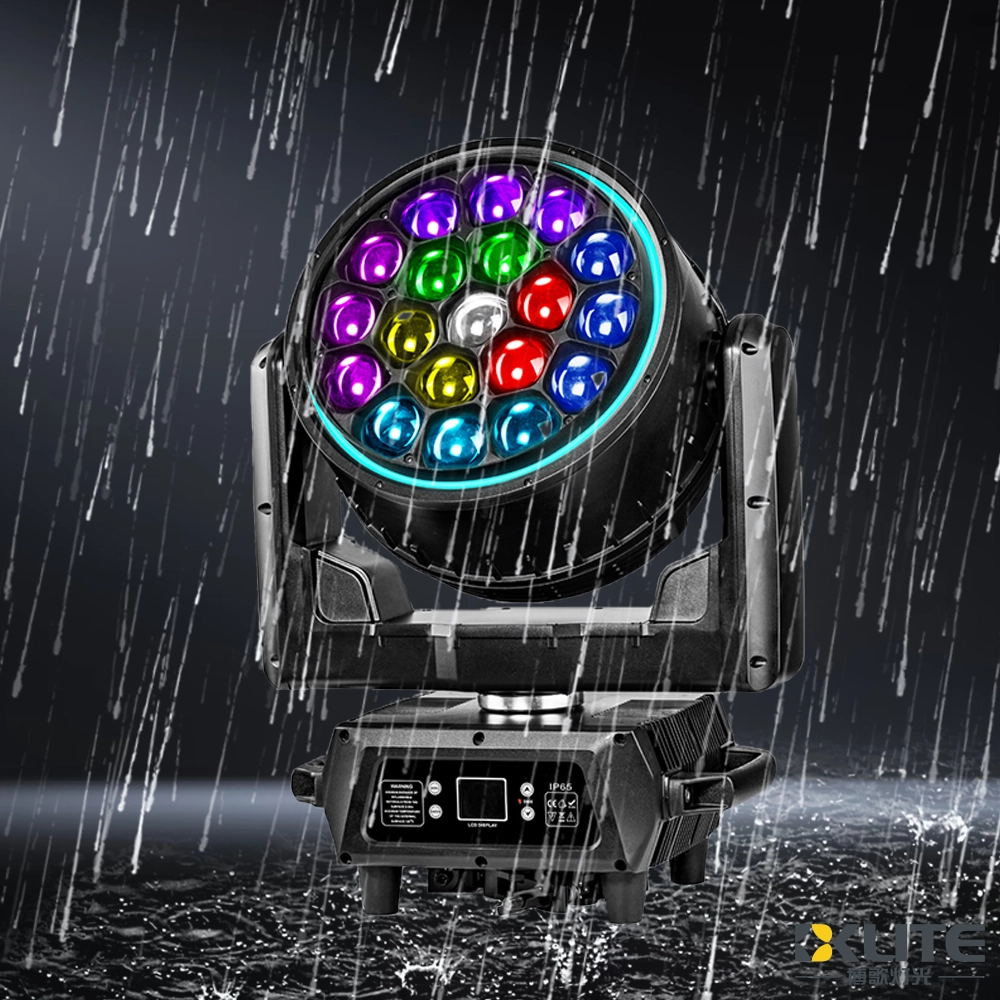
IP65 Waterproof Bee Eye Zoom 19x40W RGBW 4IN1 LED Beam Wash Moving Head Light with LED Ring
BKlite waterproof bee eye moving head light—your reliable choice from top waterproof moving head light manufacturers and suppliers. Ideal for outdoor stage, live event, music festival, this energy-saving fixture ensures powerful, precise illumination for any venue. It delivers powerful, reliable lighting performance in any weather.
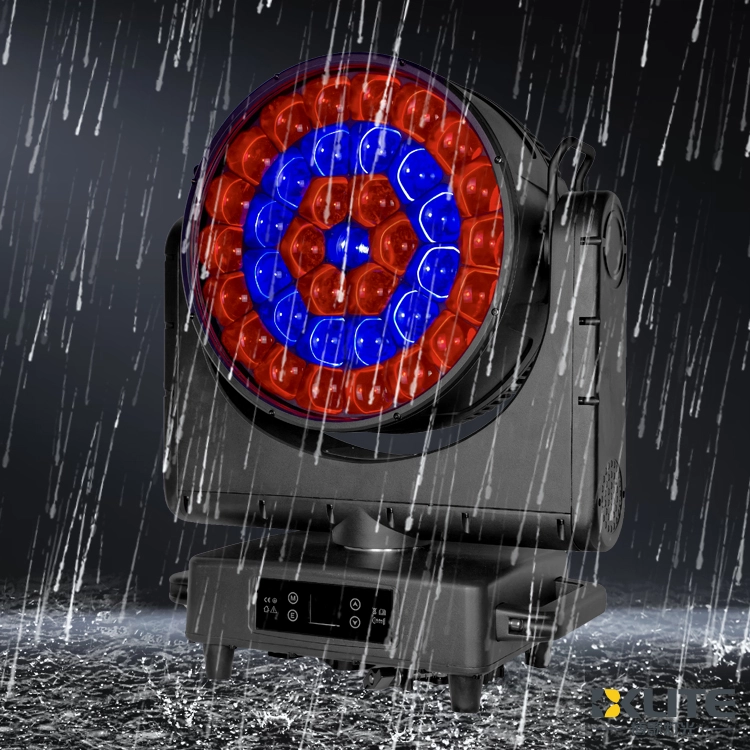
IP65 Waterproof ZOOM Bee Eye 37x40W RGBW 4in1 LED Moving Head Light
As a leading stage lighting equipment supplier with more than 15 years of industry know-how, BKlite brings you the IP65 ZOOM Bee Eye 37*40W RGBW 4in1 LED Moving Head Light (K25 Bee Eye) delivers vibrant, weatherproof lighting with powerful zoom and smooth movement. Ideal for dynamic stage effects, the K25 moving head light ensures stunning RGBW color mixing and reliable outdoor performance.
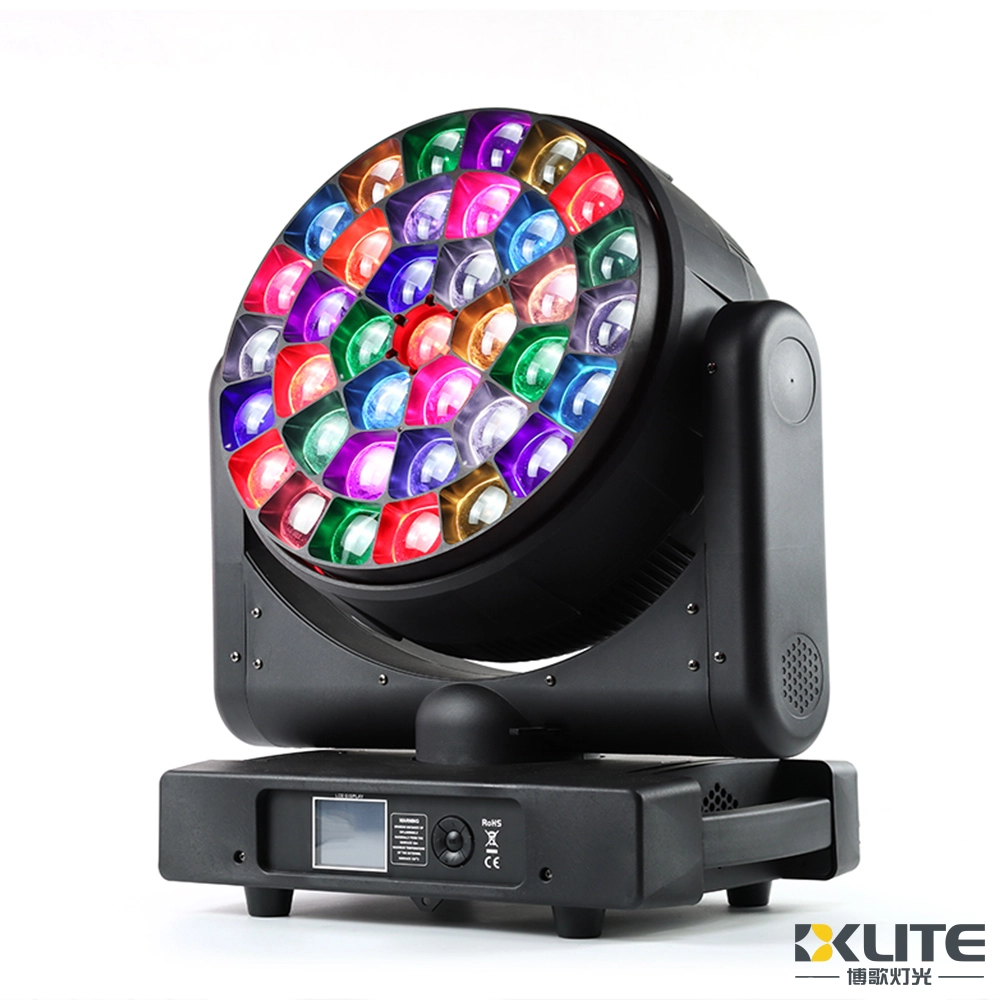
Bee Eye Zoom 37x40W RGBW 4in1 LED Beam Wash Moving Head Light
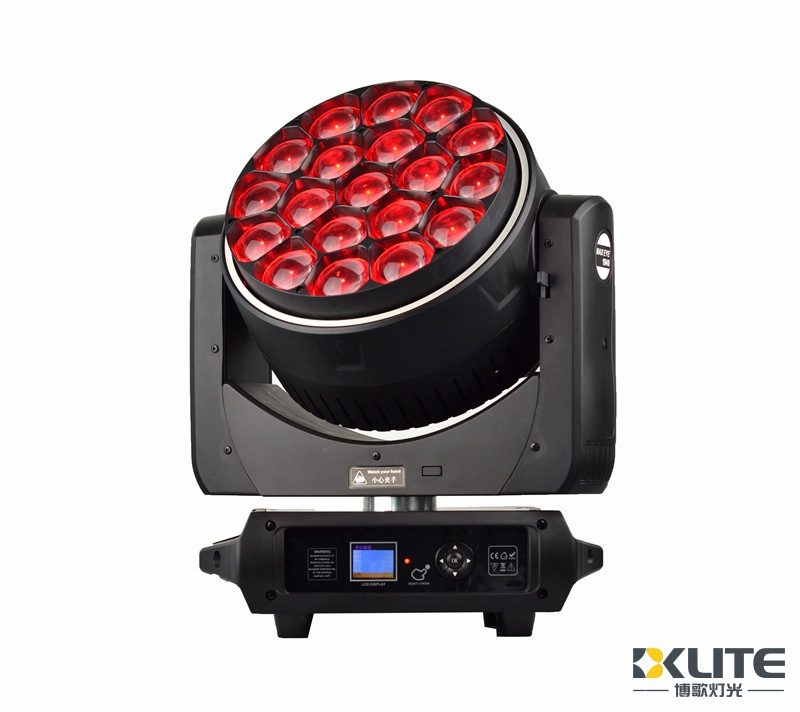
IP20 Bee Eye Zoom 19x40W RGBW 4IN1 LED Beam Wash Moving Head Light with LED Ring
As one of the leading stage lighting equipment suppliers with 15+ years of experience, BKlite launched a new Bee Eye K15 19x40 LED wash light BK-BY1940Z. .
Designed with a simple and sleek appearance, the WASH moving head light is compact, lightweight, and highly portable.
With multiple color effect macros and dynamic effect macros.
Our wash light can be used for versatile lighting options with amazing effect.
It is very good for your lighting projects.
Powerful and shoots very far distances.


Copyright © 2025 BKLITE All Rights Reserved.