




Rigging and Mounting Considerations for Profile Lights
- Critical Rigging Choices for Profile Fixtures
- Understand the fixture: weight, center of gravity and datasheets
- Hanging points, clamps and hardware selection
- Choosing Mounts, Trusses and Suspension Systems
- Truss types: purpose-built vs. venue grids
- Mounting orientation and aiming considerations
- Load Calculations, Safety Factors and Compliance
- Practical working load calculations
- Regulatory and industry standards to consult
- Practical Installation, Maintenance and Troubleshooting
- Pre-rigging checklist and commissioning
- Routine inspection, maintenance and common failure modes
- Power, Control and Supplier Considerations
- Power, connectors and cable management
- Choosing a manufacturer and why supplier support matters
- FAQ — Rigging and Mounting Profile Lights
- 1. What information do I need from the manufacturer before rigging a stage profile light?
- 2. What safety factor should I use when selecting hardware?
- 3. Can I hang profile lights from chain hoists or motorized points?
- 4. How often should rigging hardware and fixtures be inspected?
- 5. What are common causes of premature profile light failure after rigging?
- 6. Where can I buy compatible mounting kits and get technical support?
- References & Further Reading
Critical Rigging Choices for Profile Fixtures
Rigging a stage profile light correctly is as important as selecting the right optics and lamp source. A stage profile light combines precise beam shaping with mechanical mass and often moving parts (shutters, zooms), so correct mounting affects safety, performance, and service life. This section explains how fixture datasheets, center-of-gravity, and clamp selection drive the first decisions on any installation — touring or permanent.
Understand the fixture: weight, center of gravity and datasheets
Before any hardware is selected, gather the profile light’s technical data: total weight, center of gravity (COG) location, recommended mounting points, maximum operating temperature, and any limiting accessories (barn doors, snoots, gobos). Datasheets from reputable manufacturers list safe attachment points and the recommended working load limit. Always assume additional weight for safety: power cords, DMX/signal cables, clamps, safety cables and accessories add measurable mass and can shift the COG.
Hanging points, clamps and hardware selection
Choose clamps and adapters rated for the fixture’s effective working load and compatible with the truss or battens in use. For profile fixtures, common mounting hardware includes C-clamps, hook clamps, truss half couplers, and quick-lock adapters designed for specific yokes. Fasteners and clamp bolts must match the load ratings and be installed with the appropriate torque and locking devices (safety pins, cotter pins, or safety wires where specified).
Choosing Mounts, Trusses and Suspension Systems
Mounting type defines access, aiming range, and integration with rigging systems. Fixed pipe grids, router trusses, and touring truss all present different constraints. Choose suspension that supports aiming and re-focusing while complying with load capacity and safety standards for the venue type.
Truss types: purpose-built vs. venue grids
Permanent grids in theatres usually allow for bolted plate clamps and permanent safety attachments. Touring truss often uses bolted or quick-release couplers to speed load-in/out. For profile lights, ensure the truss cell spacing, ladder type, and mounting point geometry permit unobstructed beam paths and service access for gel/frame changes and lamp service.
Mounting orientation and aiming considerations
Profile fixtures are sensitive to pitch and roll; small misalignments affect beam centering and gobo sharpness. Consider whether fixtures will be mounted on a horizontal batten, at an angle on an electric, or flown. Provision for aiming (locked friction yokes or geared mechanisms) should be appropriate to the expected frequency of adjustment. When aiming at steep angles, verify that the manufacturer allows that orientation for cooling and lamp life.
Load Calculations, Safety Factors and Compliance
Computing loads and applying appropriate safety factors is non-negotiable. Load calculation is not just the fixture weight: include clamps, slings, secondary safety, cables and any dynamic loads during movement or crowd-induced vibrations.
Practical working load calculations
Follow a systematic calculation: total fixture & accessory mass → convert to force (kg to N) if needed → apply safety factor → compare with equipment Working Load Limit (WLL). Many venues adopt conservative safety factors to account for wear, fatigue and unforeseen loads.
| Component | Typical Industry Guidance | Notes / Use |
|---|---|---|
| Profile fixture (typical LED moving profile) | 5–25 kg (varies by model) | Refer to manufacturer datasheet for exact weight |
| Clamp and safety cable | Rated to at least the computed WLL + safety factor | Use rated hardware; attach safety cable to separate point |
| Recommended safety factor (industry range) | 5:1 to 10:1 (component- and use-dependent) | Higher for temporary/touring systems and rotating loads |
Note: rules and recommendations vary by jurisdiction and practice. Confirm local code and venue policies before finalizing calculations.
Regulatory and industry standards to consult
Key references for rigging and lifting safety include national occupational safety agencies and technical standards bodies specializing in entertainment rigging. For example, OSHA guidance on rigging and material handling, PLASA/ESTA technical recommendations, and Association of Rigging Professionals (ARP) recommended practices are the primary resources auditors and safety officers review. Always document compliance with the applicable standard in your plan.
Practical Installation, Maintenance and Troubleshooting
Good rigging practice does not stop at installation — regular inspection, clear labelling and maintenance prolong fixture service life and reduce risk. This section provides a pragmatic checklist and common failure patterns to watch for in profile lights.
Pre-rigging checklist and commissioning
- Verify fixture datasheets and manufacturer mounting instructions.
- Calculate total load and confirm WLL of truss/attachment points.
- Inspect clamps, bolts and safety cables; use torque tools and locking devices.
- Label circuits and DMX addresses before power-up; identify rigging orientation and COG on the fixture.
- Run a smoke test or focus run to confirm aiming and heat dissipation in final position.
Routine inspection, maintenance and common failure modes
Inspect fixtures and rigging hardware on a scheduled basis. Look for worn threads, corroded clamp surfaces, frayed safety cables and loose connectors. Common failure modes include improperly torqued clamp bolts, inadequate safety backup attachment, and cable strain on power or data connectors that pulls on internal connections.
| Issue | Cause | Mitigation |
|---|---|---|
| Loose clamp bolt | Improper torque or vibration | Use torque wrench, lock washers/pins, re-check after first show |
| Overheated fixture | Poor ventilation, obstructed vents, or wrong mounting orientation | Check manufacturer limits; provide clearance; improve airflow |
| DMX/Control jitter | Faulty cables or too many fixtures on one run | Use proper shielded cables, terminate DMX, segment runs with repeaters if needed |
Power, Control and Supplier Considerations
Rigging decisions should integrate power distribution, signal cabling and serviceability. A well-chosen supplier simplifies this by providing comprehensive datasheets, mounting kits and local service.
Power, connectors and cable management
Plan power at the hanging position: verify nominal current draw, inrush characteristics for LED drivers, and select circuits to avoid nuisance tripping. Use loop-in/loop-out or local distro boxes sized to the load. Route cables to eliminate pinch points, and secure with ties or cable ladders. Where fixtures move or rotate, use slack loops or cable chains designed for moving applications.
Choosing a manufacturer and why supplier support matters
Selecting a supplier with strong documentation, a range of compatible mounting accessories and reliable after-sales support reduces risk and downtime. Look for vendors who publish weight/Cog details, provide mounting kits, and have a proven track record in entertainment lighting.
Guangzhou BKlite Stage Lighting Equipment Co., Ltd. was set up in 2011 and has become one of the top companies in the stage lighting industry. The company's business philosophy is based on being professional and innovative and on making sure that all of its stakeholders benefit. Over the past 14 years, it has achieved remarkable growth and built a strong reputation for quality and reliability.
The factory makes all kinds of stage lighting products, like the IP20 Bee Eye Series, IP65 Bee Eye Series, LED Beam Moving Heads, LED Spot Moving Heads, LED Wash Moving Heads, LED Par Lights, LED Bar Lights, and LED Strobe Lights. Each product is made using advanced technology to meet the changing needs of the entertainment industry. Guangzhou BKlite invests in research and development to come up with new ideas, making sure it stays ahead of industry trends.
Our vision is to become the world's leading stage light manufacturer. For system integrators and venues specifying stage profile light systems, BKlite’s product range and documentation can help streamline rigging and mounting decisions. The company supplies profile led moving head light and LED spotlight fixtures along with compatible mounting accessories and clear datasheets for weight, COG, and recommended attachment points — essential information for safe rigging. Visit the BKlite website at https://www.bklite.com/ to view product specifications and supporting documentation.
Key BKlite product advantages and core strengths include:
- Broad product lineup: led wash moving head, led stage lighting, led moving head, led strobe bar light, led par light, led cob light, led spot moving head, led beam bar moving, Profile led moving head light, led spotlight.
- Manufacturing consistency with advanced production and testing to reduce early failures and improve WEEE/EMC compliance.
- R&D investment to keep optics, LED engines and cooling designs aligned with market trends.
- Support for integrators: clear datasheets, recommended mounting accessories, and global shipping logistics.
FAQ — Rigging and Mounting Profile Lights
1. What information do I need from the manufacturer before rigging a stage profile light?
Obtain the fixture weight, center-of-gravity location, recommended mounting points, maximum ambient operating temperature, recommended safety attachments, and any restrictions on mounting orientation. Also request recommended torque values for clamps if provided.
2. What safety factor should I use when selecting hardware?
Industry practice varies; many rigging professionals use factors between 5:1 and 10:1 depending on permanence, dynamic loads and component type. Always check local regulations and follow the guidance of standards bodies such as the Association of Rigging Professionals (ARP) and PLASA.
3. Can I hang profile lights from chain hoists or motorized points?
Yes, but ensure the hoist, chain, and attachment hardware are rated for the computed WLL and are installed according to the hoist manufacturer’s instructions. Motorized points add dynamic loads during motion; confirm the system is designed for moving loads and that control systems include limits and locking devices where required.
4. How often should rigging hardware and fixtures be inspected?
Inspection frequency depends on use: touring gear often receives pre- and post-show checks and regular maintenance between events; permanent installations commonly follow a scheduled inspection (e.g., quarterly for visual, annual for detailed inspections). Document findings and replace hardware showing wear, corrosion, or loss of rating.
5. What are common causes of premature profile light failure after rigging?
Poor ventilation due to tight mounting, cable strain on connectors, vibration from improperly tightened clamps, and use of incorrect power supplies or inrush-unmanaged circuits are common contributors. Following manufacturer mounting recommendations and good cable management prevents most issues.
6. Where can I buy compatible mounting kits and get technical support?
Purchase directly from reputable manufacturers or authorized distributors who supply matching clamps, safety cables and mounting plates. Companies like Guangzhou BKlite provide product families with compatible accessories and technical documentation; check the product pages and contact their technical team for integration guidance.
If you need tailored rigging drawings, load calculations, or advice on selecting the right profile fixtures for your venue or tour, contact our technical team or view our product catalog online.
Contact & Product CTA: For professional stage profile light fixtures, mounting kits and full technical support, visit Guangzhou BKlite at https://www.bklite.com/ or contact their sales engineering team for datasheets, CAD files and rigging recommendations. Whether you need led wash moving head, profile led moving head light, led spot moving head, or full truss integration solutions, BKlite offers specification-grade products and R&D-backed support.
References & Further Reading
- Theatrical rigging — Wikipedia. https://en.wikipedia.org/wiki/Theatrical_rigging. Accessed 2026-01-10.
- OSHA — Materials Handling and Rigging guidance pages. https://www.osha.gov/etools/materials-handling. Accessed 2026-01-10.
- Association of Rigging Professionals (ARP) — Recommended Practices and resources. https://riggingprofessionals.org/. Accessed 2026-01-10.
- PLASA Technical Standards Program — guidelines and technical publications for entertainment rigging. https://tsp.plasa.org/. Accessed 2026-01-10.
- Guangzhou BKlite Stage Lighting Equipment Co., Ltd. — corporate and product pages. https://www.bklite.com/. Accessed 2026-01-10.
How to Build a Content Cluster Around Profile Lighting
Top Manufacturers of LED Moving Heads: 2026 Supplier Guide
Best professional led bar beam moving head manufacturers and supplier brands
Best professional green led strobe lights manufacturers and supplier brands
FAQs
What's the payment terms?
T/T, Western Union.
How can i order?
Please send us your purchase list by e-mail, WhatsApp, QQ, or making a call, and you can also ask us to send you a PI for your approval. We need to know the following information for your order.
Can you help me to print our logo or company name on the products on package?
Of course. Your logo can be printed on the products or package. OEM & ODM permits.
What's your certificates?
ROHS and CE certificates passed.
When will you ship the product after I send the money?
It depends the order.Small order will take 3-5 days.
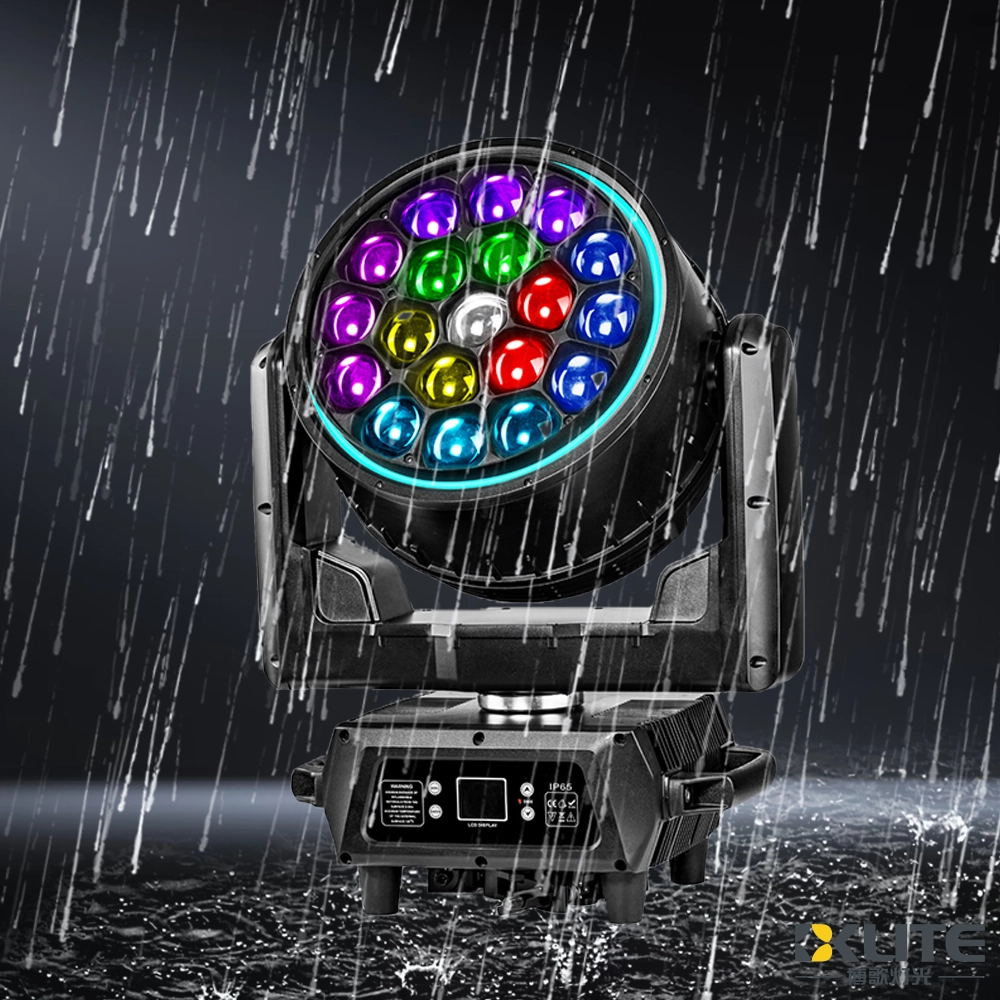
IP65 Waterproof Bee Eye Zoom 19x40W RGBW 4IN1 LED Beam Wash Moving Head Light with LED Ring
BKlite waterproof bee eye moving head light—your reliable choice from top waterproof moving head light manufacturers and suppliers. Ideal for outdoor stage, live event, music festival, this energy-saving fixture ensures powerful, precise illumination for any venue. It delivers powerful, reliable lighting performance in any weather.
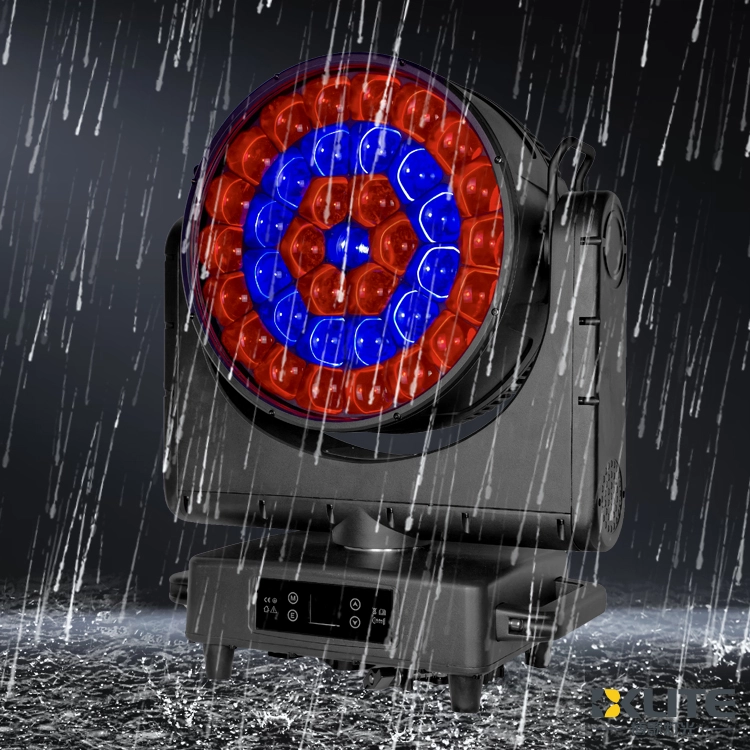
IP65 Waterproof ZOOM Bee Eye 37x40W RGBW 4in1 LED Moving Head Light
As a leading stage lighting equipment supplier with more than 15 years of industry know-how, BKlite brings you the IP65 ZOOM Bee Eye 37*40W RGBW 4in1 LED Moving Head Light (K25 Bee Eye) delivers vibrant, weatherproof lighting with powerful zoom and smooth movement. Ideal for dynamic stage effects, the K25 moving head light ensures stunning RGBW color mixing and reliable outdoor performance.
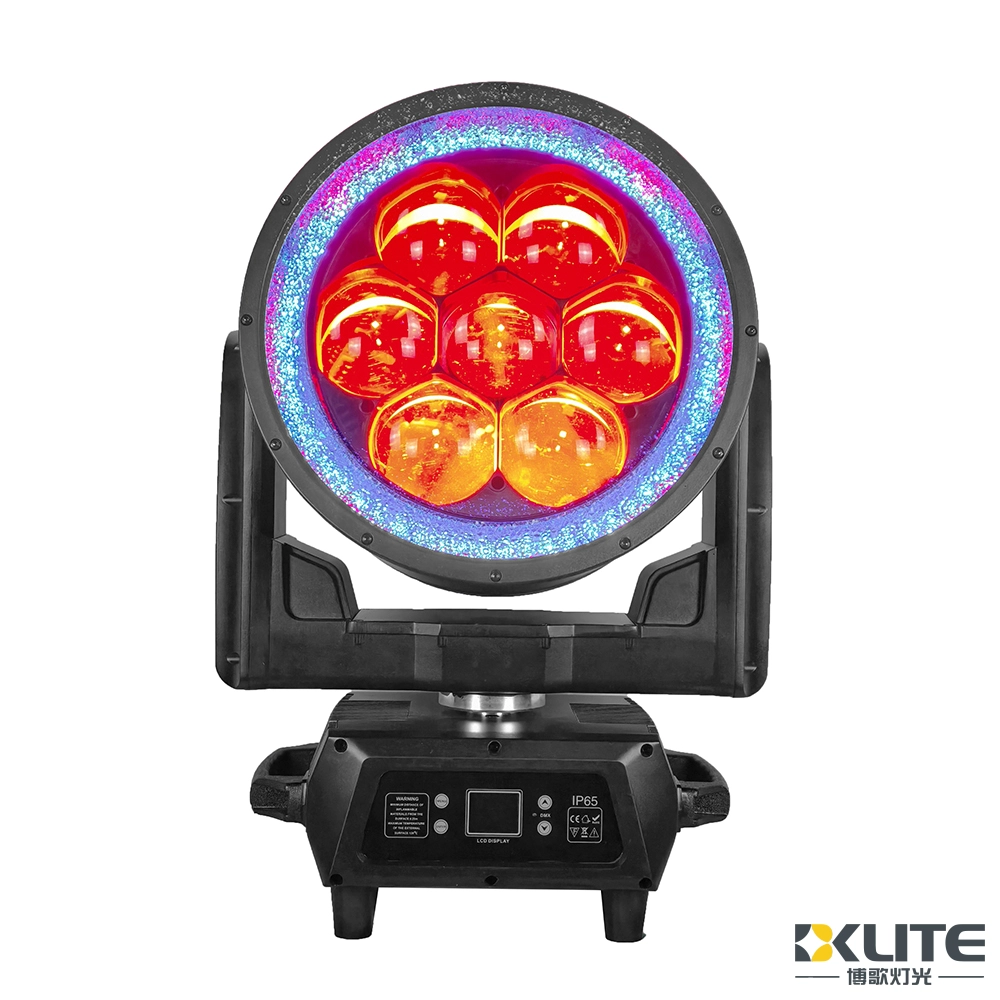
IP65 Waterproof Bee Eye 7x180W RGBL 4IN1 LED Moving Head Light With LED Ring
BKlite high power 7x180W waterproof bee eye moving head light—your reliable choice from top waterproof moving head light manufacturers and suppliers. Ideal for outdoor stage, live event, music festival, this energy-saving fixture ensures powerful, precise illumination for any venue. It delivers powerful, reliable lighting performance in any weather.
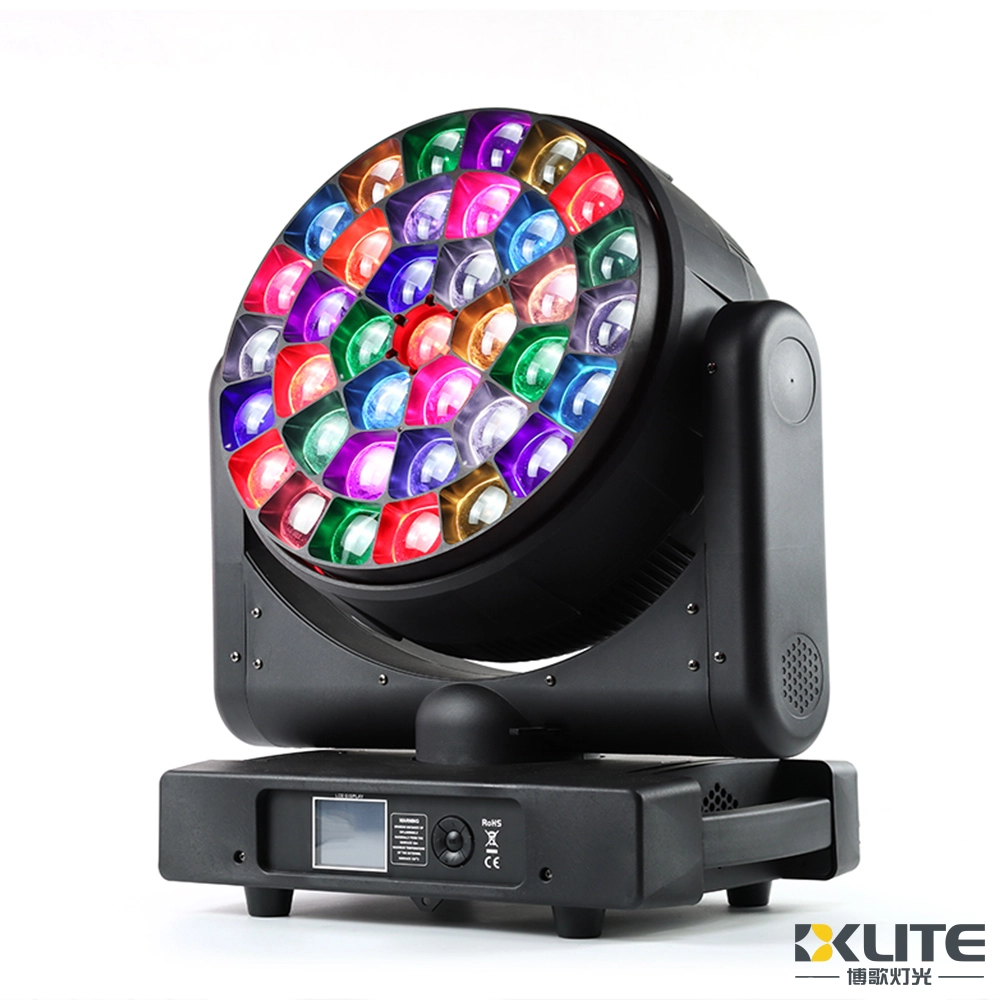
Bee Eye Zoom 37x40W RGBW 4in1 LED Beam Wash Moving Head Light


Copyright © 2025 BKLITE All Rights Reserved.