




Stage Beam Light Beam Angle and Lens Guide
- Understanding Beam Quality for Stage Lighting
- What is beam angle in a Stage Beam Light?
- Why beam angle matters to Stage Beam Light design and production
- How to calculate spot size and lux for a Stage Beam Light
- Common beam angle categories for Stage Beam Light and typical uses
- Lens types used in Stage Beam Light fixtures
- How lens choice affects Stage Beam Light performance
- Comparing beam angle vs. field angle — what spec to trust on spec sheets for Stage Beam Light
- Practical selection workflow for choosing a Stage Beam Light
- Example beam calculations and planning table for Stage Beam Light
- LED sources, optics integration, and Stage Beam Light efficiency
- Maintenance, alignment, and ensuring longevity of Stage Beam Light optics
- BKlite and how their Stage Beam Light products align with beam and lens needs
- How to test and verify beam performance before purchase
- FAQ — Stage Beam Light Beam Angle and Lens Guide
- Contact & product inquiry
- References
Understanding Beam Quality for Stage Lighting
What is beam angle in a Stage Beam Light?
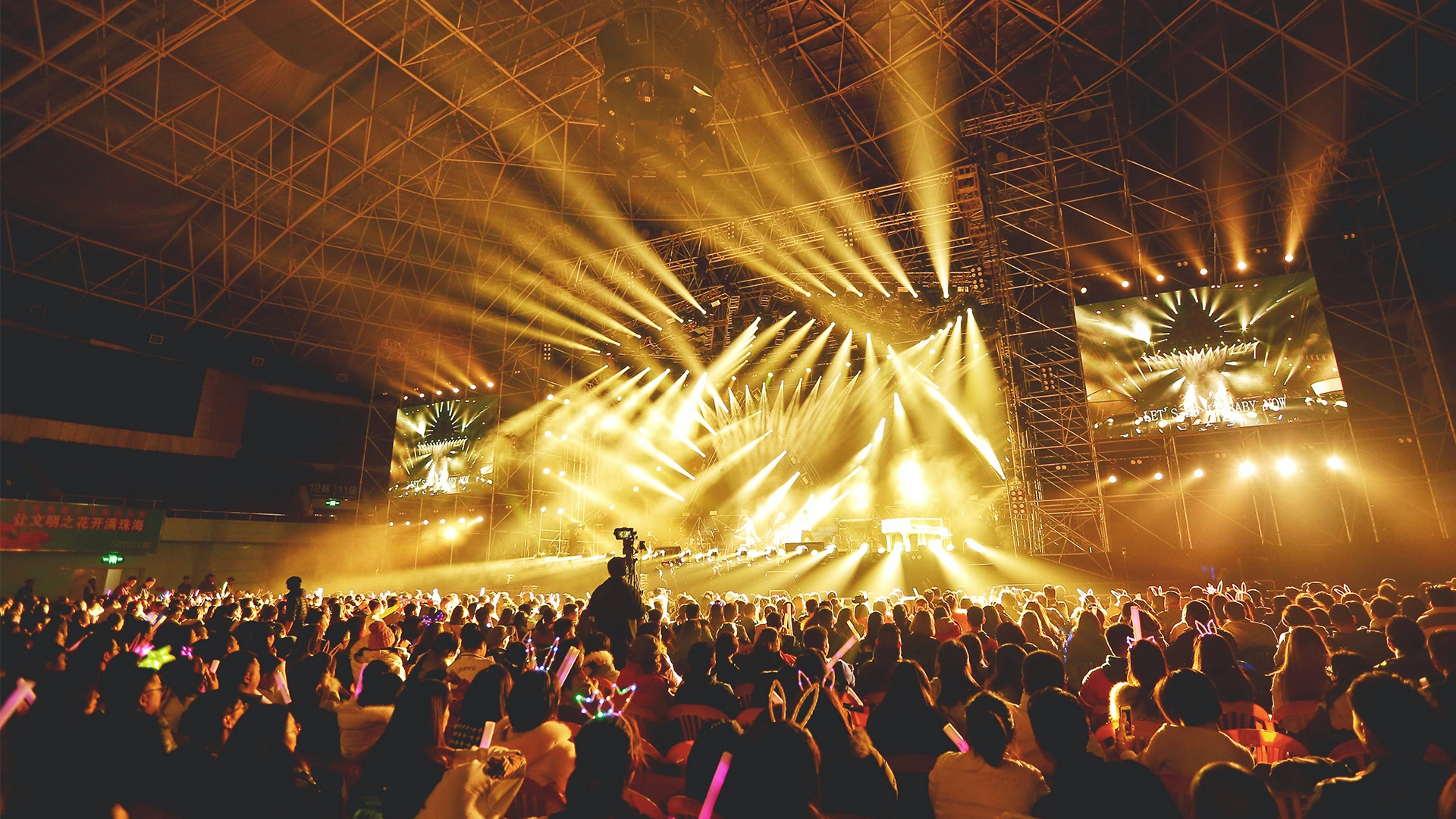
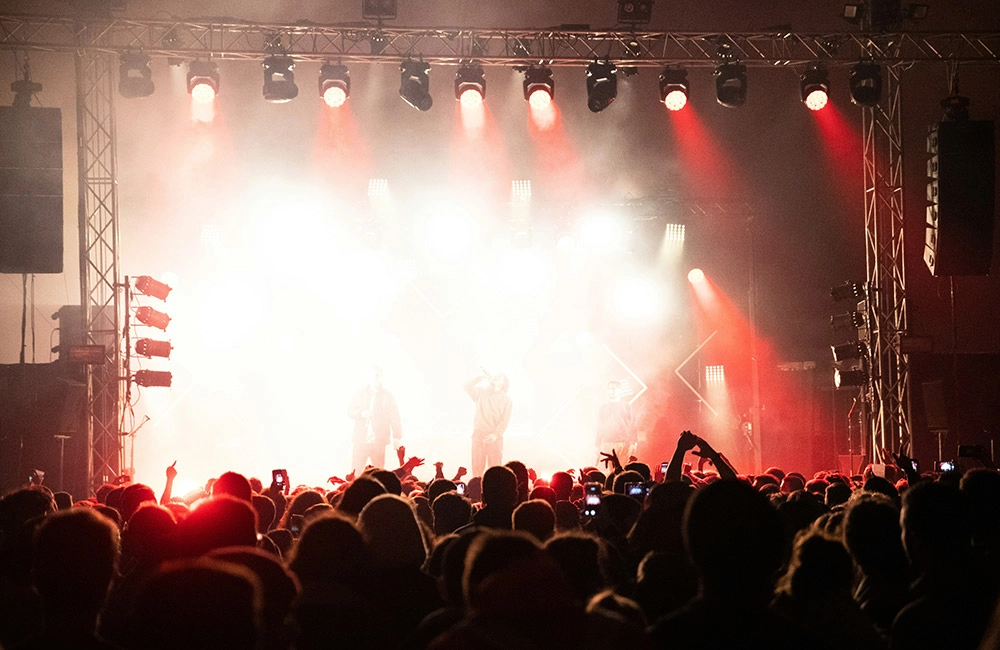
Beam angle is a fundamental metric for any stage beam light — it describes the spread of light from the fixture and determines how wide a spot becomes at a given distance. In lighting practice, the beam angle is typically defined as the angular width between the two directions for which illuminance drops to 50% (–3 dB) of the peak on-axis value; a related metric, field angle, often refers to the angle where illuminance drops to 10% (–10 dB). These metrics are used by designers to predict spot diameter, overlap for wash coverage, and throw performance for theatrical and concert setups.
Why beam angle matters to Stage Beam Light design and production
For stage production, beam angle impacts these key outcomes:
- Spot size at stage — narrow angles create tight pillars of light; wide angles wash surfaces.
- Intensity (lux) — narrower beams concentrate luminous flux into smaller areas, increasing lux.
- Edge quality and gobo readability — optics and angle affect how sharp or soft the beam edge appears and how crisply gobos project.
- Fixture placement and rigging — required distances and aiming depend on beam angle for coverage planning.
How to calculate spot size and lux for a Stage Beam Light
Spot diameter can be estimated with simple trigonometry. For a beam angle θ (in degrees) and distance D (same units), the illuminated spot diameter S is:
S = 2 × D × tan(θ / 2)
Example: A Stage Beam Light with a 10° beam angle at 10 m produces a spot diameter of
S = 2 × 10 m × tan(5°) ≈ 1.75 m.
Lux is inversely proportional to the illuminated area for a constant luminous flux. If you know fixture lumens or luminous intensity (candela), you can calculate approximate lux on-axis; in practice manufacturers provide photometric files (IES or LDT) for accurate modeling.
Common beam angle categories for Stage Beam Light and typical uses
While ranges vary by manufacturer, a practical classification is:
- Very Narrow Spot: ≤ 5° — aerial beams, dramatic shafts
- Narrow Spot: 6°–15° — tight spotlighting, gobo projection at a distance
- Medium/Wash-Spot: 16°–35° — key lighting, mid-range coverage
- Wide Wash: ≥ 36° — color washes, front light
Lens types used in Stage Beam Light fixtures
Optical design is as important as beam angle. Key lens types you will see in Stage Beam Light products include:
| Lens Type | Typical Beam Angle Range | Common Uses | Pros / Cons |
|---|---|---|---|
| Fresnel | Wide to medium (10°–60° with barn doors) | Soft-edge washes, theater front light | Soft edges; bulkier; less gobo-capable |
| Plano-convex (PC) | Narrow to medium (8°–40°) | Spotlights, ellipsoidal-like behavior | Good focus control; some chromatic aberration if not corrected |
| TIR (Total Internal Reflection) | Very narrow to narrow (3°–30°) | LED beam fixtures, compact moving heads | High efficiency, compact; limited gobo sharpness |
| Aspheric / Collimating | Very narrow to narrow (3°–20°) | Concert beams, aerial effects | Excellent collimation; more costly |
| Zoom lens (motorized) | Variable (typ. 4°–50°) | Flexible fixtures: beam-to-spot-to-wash | Versatile; mechanically complex; heavier |
How lens choice affects Stage Beam Light performance
Lens design determines beam edge (soft vs. hard), optical efficiency (how much light is transmitted), and the fixture’s ability to use gobos and prisms. For example, ellipsoidal/ERD-style optics (common in profile moving heads) use field lenses and shutters to create sharp gobo images at the target plane, while TIR optics prioritize compactness and luminous efficiency for LED modules. When evaluating Stage Beam Light options, compare photometric files and real-world gobo projections rather than relying on beam angle alone.
Comparing beam angle vs. field angle — what spec to trust on spec sheets for Stage Beam Light
Manufacturers sometimes list both beam angle and field angle. Beam angle (50% intensity) predicts the primary bright cone; field angle (10% intensity) indicates total light spread. For coverage planning, use field angle to guarantee overlap and beam angle to estimate peak intensity. Always ask for IES/LDT files for accurate modeling in lighting design software — these files measure the real falloff curve rather than a single angle value.
Practical selection workflow for choosing a Stage Beam Light
Follow this checklist when selecting fixtures:
- Define creative intent: beam beams vs. washes, gobos, aerial beams.
- Estimate distances and stage dimensions; compute spot sizes using the beam angle formula.
- Decide required lux/footcandles on key stage areas — use manufacturer photometry to confirm.
- Choose lens type: TIR or aspheric for tight beams, Fresnel or wide zooms for washes.
- Consider mechanical features: motorized zoom, focus, framing shutters, gobo wheels, prisms.
- Validate with photometric files in your design software (e.g., WYSIWYG, Capture).
Example beam calculations and planning table for Stage Beam Light
Below is a quick reference table with example diameters at typical stage distances for common beam angles. Use this when doing early-stage layouts.
| Beam Angle | Distance (m) | Spot Diameter (m) | Typical Use |
|---|---|---|---|
| 5° | 10 | 0.87 | Tight aerial beam |
| 10° | 10 | 1.75 | Spotlight / narrow beam |
| 25° | 10 | 4.46 | Medium wash / key light |
| 45° | 10 | 7.88 | Wide wash coverage |
LED sources, optics integration, and Stage Beam Light efficiency
Modern Stage Beam Light fixtures commonly use LED engines paired with precision optics. LEDs have directional output and pair especially well with TIR and aspheric lenses for compact, efficient narrow beams. When evaluating efficiency, consider total delivered lumens at the target plane (after optics) rather than raw LED package lumens. High-quality optics and well-designed thermal management both preserve optical performance and color consistency over time.
Maintenance, alignment, and ensuring longevity of Stage Beam Light optics
To keep optics performing:
- Clean lenses with appropriate lens-cleaning solutions; avoid abrasive cloths.
- Inspect gobo wheels and prisms for heat damage; replace degraded gobos to maintain sharpness.
- Check mechanical zoom and focusing motors for friction; lubricate to manufacturer spec.
- Verify photometric stability after lamp or LED module replacements — recalibrate if necessary.
BKlite and how their Stage Beam Light products align with beam and lens needs
Guangzhou BKlite Stage Lighting Equipment Co., Ltd. was set up in 2011 and has become one of the top companies in the stage lighting industry. The company's business philosophy is based on being professional and innovative and on making sure that all of its stakeholders benefit. Over the past 14 years, it has achieved remarkable growth and built a strong reputation for quality and reliability. The factory makes all kinds of stage lighting products, like the IP20 Bee Eye Series, IP65 Bee Eye Series, LED Beam Moving Heads, LED Spot Moving Heads, LED Wash Moving Heads, LED Par Lights, LED Bar Lights, and LED Strobe Lights. Each product is made using advanced technology to meet the changing needs of the entertainment industry. Our company invests in research and development to come up with new ideas, making sure it stays ahead of industry trends. Our vision is to become the world's leading stage light manufacturer. Visit https://www.bklite.com/ for product details.
BKlite’s strengths for buyers concerned with beam angle and lens performance:
- Product breadth: options from narrow-beam LED Beam Moving Heads to wide LED Wash Moving Heads allow selection according to calculated beam-angle needs.
- Optical R&D: in-house development and testing mean products are tuned for consistent beam angle and gobo clarity.
- Durability and IP ratings: IP20 and IP65 series match indoor and outdoor applications where lens protection is critical.
- Focus on moving head technologies (led moving head, led spot moving head, Profile led moving head light) that integrate motorized zoom and framing for flexible beam control.
How to test and verify beam performance before purchase
Request these items from vendors when comparing Stage Beam Light fixtures:
- IES or LDT photometric files for direct import into lighting design software.
- Gobo projection photos at known distances to compare edge quality.
- Manufacturer-specified beam angle and field angle definitions (50% and 10%).
- Warranty and service options for optical components and LED modules.
FAQ — Stage Beam Light Beam Angle and Lens Guide
Q1: What’s the difference between beam angle and field angle for a Stage Beam Light?
A: Beam angle is usually the angle between directions where intensity falls to 50% of peak; field angle is the angle to 10% of peak. Beam angle predicts core brightness; field angle predicts overall spread.
Q2: How do I choose the right beam angle for a concert rig?
A: Determine your throw distances and desired spot diameters, then use S = 2 × D × tan(θ/2) to estimate. Narrow beams (≤10°) for aerial shafts; 15°–30° for front key lights; wide (>30°) for washes.
Q3: Are TIR optics better than Fresnel for Stage Beam Light fixtures?
A: They serve different purposes. TIR is compact and efficient for narrow LED beams; Fresnel provides soft edges for washes. Choose by required beam edge and form factor.
Q4: Why should I ask for IES files when buying Stage Beam Light fixtures?
A: IES or LDT files contain measured photometric distributions. They let you model real-world lux and overlap in design software, avoiding reliance on single-angle specs.
Q5: How often should I service the optics on Stage Beam Light fixtures?
A: Inspect optics and lenses every 6–12 months for dust, heat damage to gobos, and mechanical wear; adjust frequency for outdoor or high-use fixtures.
Contact & product inquiry
Need help specifying Stage Beam Light fixtures for your venue or tour? Contact Guangzhou BKlite at https://www.bklite.com/ to view product specifications, request IES files, and discuss custom options for led wash moving head, led moving head, led spot moving head, led strobe bar light, led par light, led cob light, led beam bar moving, and Profile led moving head light. Our technical team can assist with beam-angle calculations and rigging advice.
References
- Edmund Optics — Understanding Beam Angle and Beam Shape. https://www.edmundoptics.com/knowledge-center/application-notes/optics/understanding-beam-angle-and-beam-shape/ (Accessed: 2025-12-12)
- Wikipedia — Photometry (optics). https://en.wikipedia.org/wiki/Photometry_(optics) (Accessed: 2025-12-12)
- Illuminating Engineering Society (IES). https://www.ies.org/ (Accessed: 2025-12-12)
- International Commission on Illumination (CIE). https://cie.co.at/ (Accessed: 2025-12-12)
- Guangzhou BKlite Stage Lighting Equipment Co., Ltd. — Official website. https://www.bklite.com/ (Accessed: 2025-12-12)
Best stage lighting system manufacturers and supplier brands
Best professional led strobe light bulb manufacturers and supplier brands
Best professional par can stage lights manufacturers and supplier brands
Top Stage Wash Light Suppliers for Theaters and Venues
FAQs
What is your delivery time?
For stock products, we will deliver to you within 3 days.
How about the warranty?
All our lights have a one-year warranty.
If the products broken during the warranty, what should i do?
If there is a problem with the products, you describe it and send pictures or videos to us to analyze, and then we will guide you on how to fix it and provide spare parts for free if needed.
What service can you supply?
We can apply for the OEM/ODM service.
What's the payment terms?
T/T, Western Union.
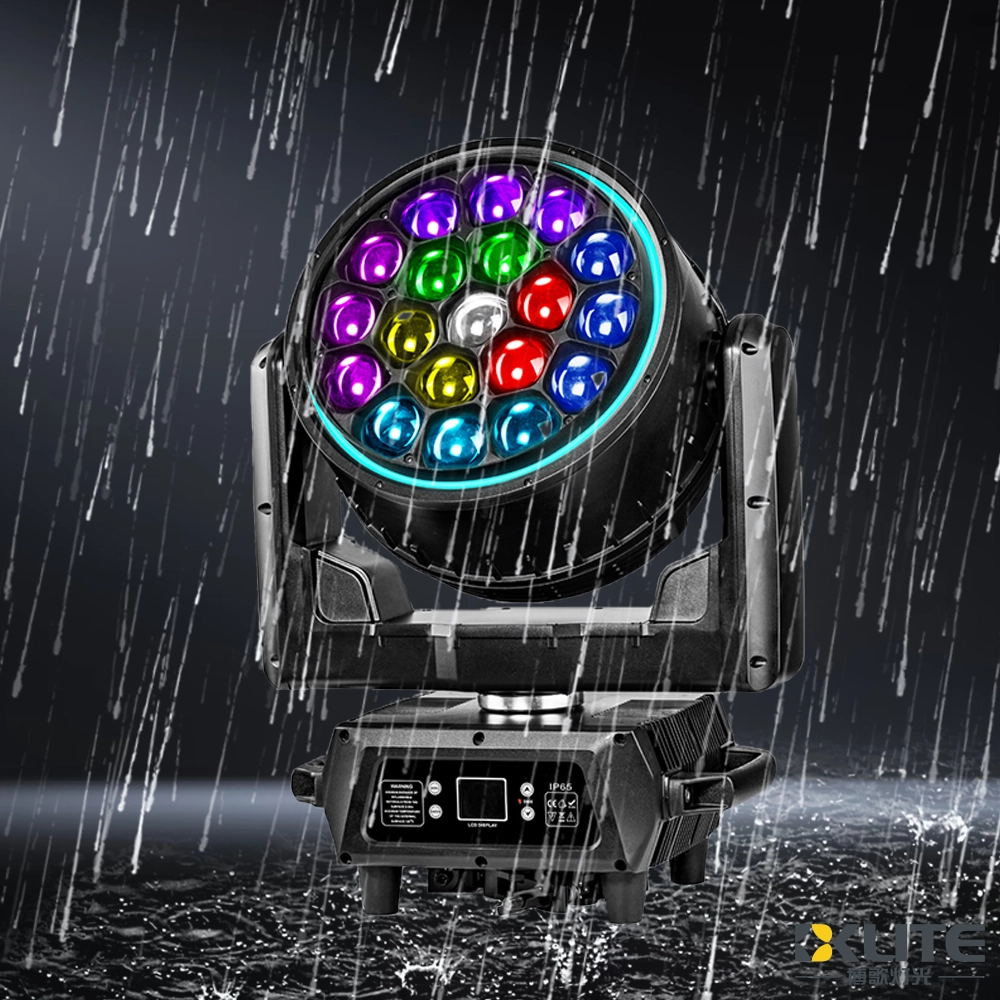
IP65 Waterproof Bee Eye Zoom 19x40W RGBW 4IN1 LED Beam Wash Moving Head Light with LED Ring
BKlite waterproof bee eye moving head light—your reliable choice from top waterproof moving head light manufacturers and suppliers. Ideal for outdoor stage, live event, music festival, this energy-saving fixture ensures powerful, precise illumination for any venue. It delivers powerful, reliable lighting performance in any weather.
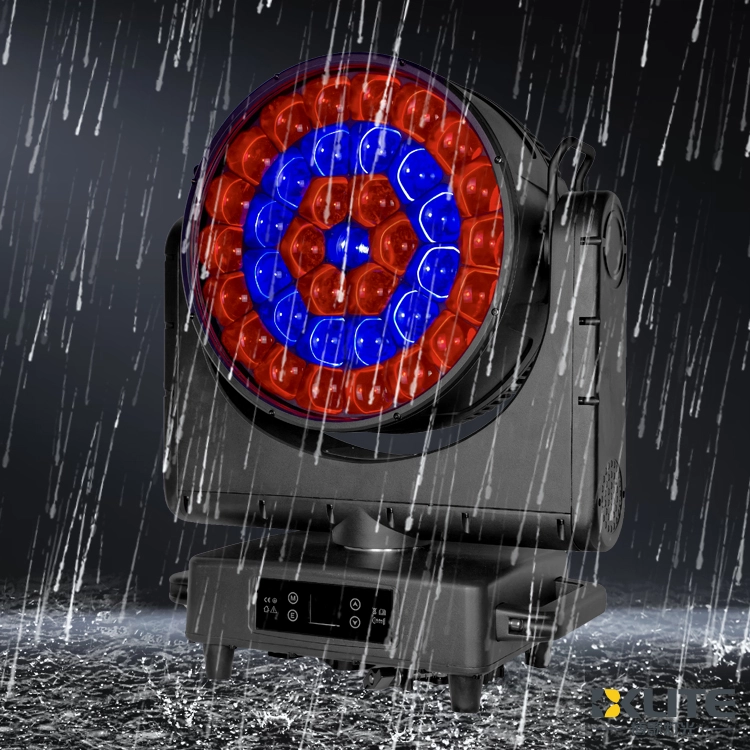
IP65 Waterproof ZOOM Bee Eye 37x40W RGBW 4in1 LED Moving Head Light
As a leading stage lighting equipment supplier with more than 15 years of industry know-how, BKlite brings you the IP65 ZOOM Bee Eye 37*40W RGBW 4in1 LED Moving Head Light (K25 Bee Eye) delivers vibrant, weatherproof lighting with powerful zoom and smooth movement. Ideal for dynamic stage effects, the K25 moving head light ensures stunning RGBW color mixing and reliable outdoor performance.
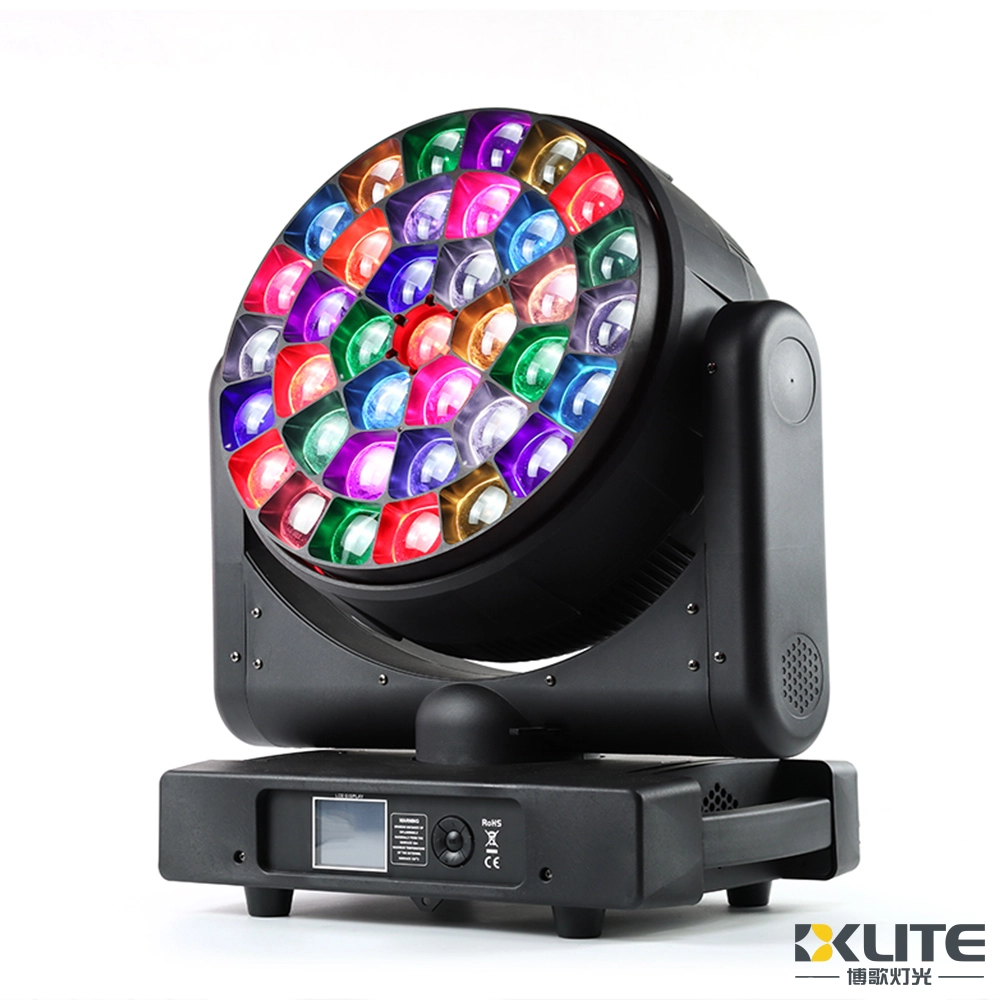
Bee Eye Zoom 37x40W RGBW 4in1 LED Beam Wash Moving Head Light
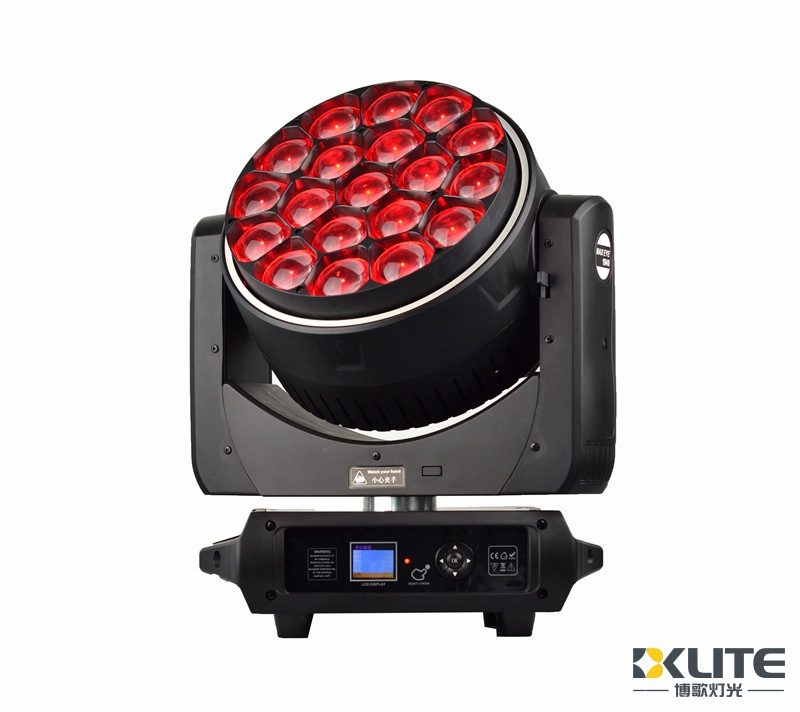
IP20 Bee Eye Zoom 19x40W RGBW 4IN1 LED Beam Wash Moving Head Light with LED Ring
As one of the leading stage lighting equipment suppliers with 15+ years of experience, BKlite launched a new Bee Eye K15 19x40 LED wash light BK-BY1940Z. .
Designed with a simple and sleek appearance, the WASH moving head light is compact, lightweight, and highly portable.
With multiple color effect macros and dynamic effect macros.
Our wash light can be used for versatile lighting options with amazing effect.
It is very good for your lighting projects.
Powerful and shoots very far distances.


Copyright © 2025 BKLITE All Rights Reserved.