




LED vs Discharge Stage Beam Lights: Pros and Cons
- How stage beam lights work and what matters
- Core function and audience expectations
- Key technical attributes to compare
- Standards and industry context
- LED beam lights: strengths and weaknesses
- Strengths — efficiency, lifetime, and control
- Weaknesses — peak punch and optical characteristics
- Practical operational notes
- Discharge (HID/arc) beam lights: strengths and weaknesses
- Strengths — raw intensity and beam purity
- Weaknesses — maintenance, lamp life, and color stability
- Operational and safety considerations
- Side-by-side technical comparison
- Choosing the right Stage Beam Light for your application
- Small-to-medium venues and touring rigs
- Large-scale outdoor events and extreme throw
- Lifecycle cost modeling
- Manufacturer, service, and warranty considerations
- Manufacturer perspective — Guangzhou BKlite
- Conclusions and practical recommendations
- Decision checklist
- Final practical tip
- FAQ — Common questions about Stage Beam Light selection
- 1. Are LED beam lights always better than discharge lamps?
- 2. How do I compare fixtures from different manufacturers?
- 3. What is the real cost difference over time between LED and discharge fixtures?
- 4. Do LEDs produce as good gobos and beam definition as discharge lights?
- 5. What maintenance should I plan for each technology?
- 6. How important is IP rating for stage beam lights?
Stage beam light choices shape creative possibilities and operational budgets for concerts, theatre, corporate events, and fixed installations. In this article I distill technical differences, measurable performance indicators, lifecycle costs, and real-world user considerations so you can make informed decisions between modern LED beam fixtures and traditional discharge (HID/arc) beam moving heads. I rely on industry sources and standards where relevant to keep the analysis verifiable and useful.
How stage beam lights work and what matters
Core function and audience expectations
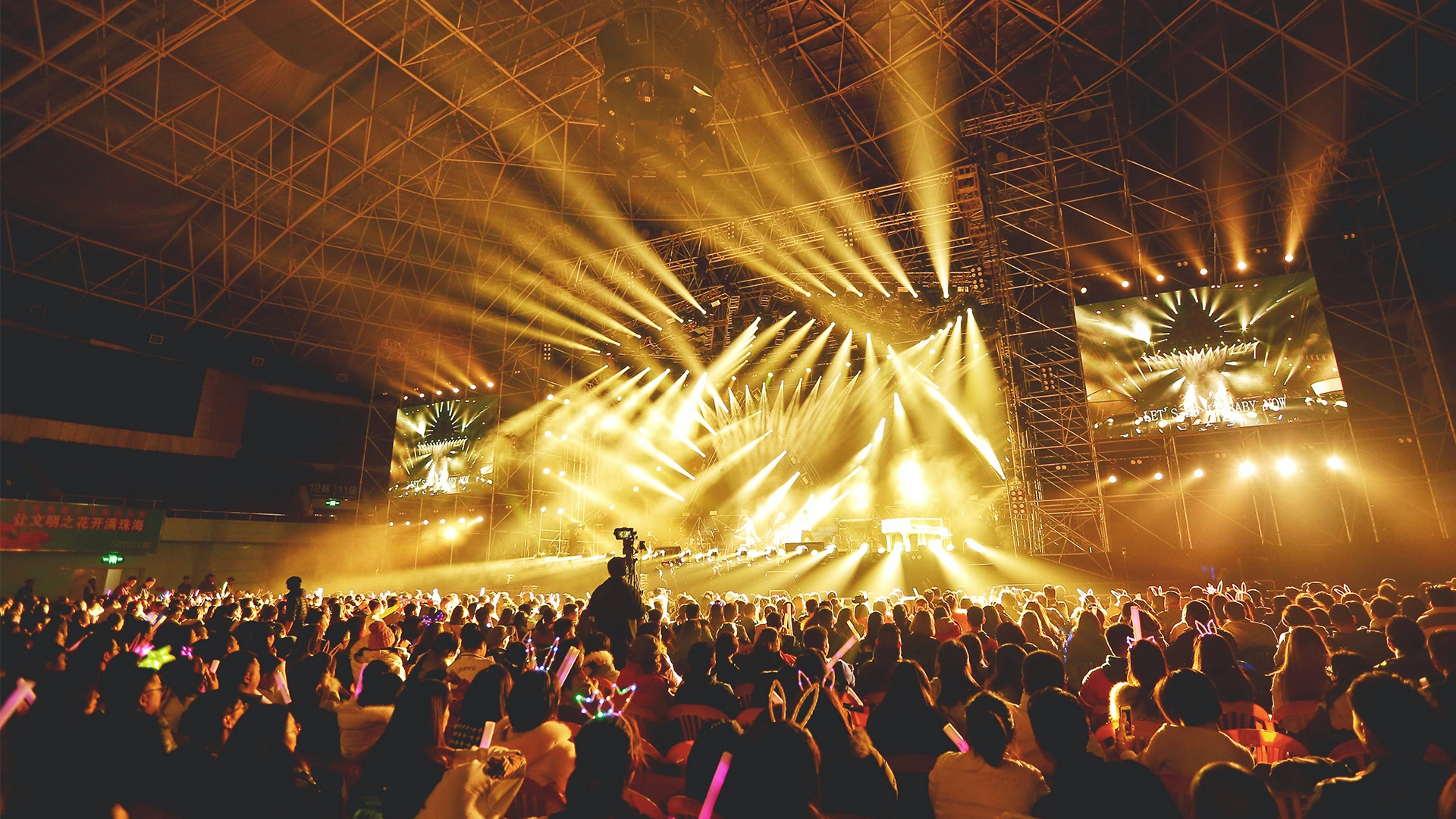
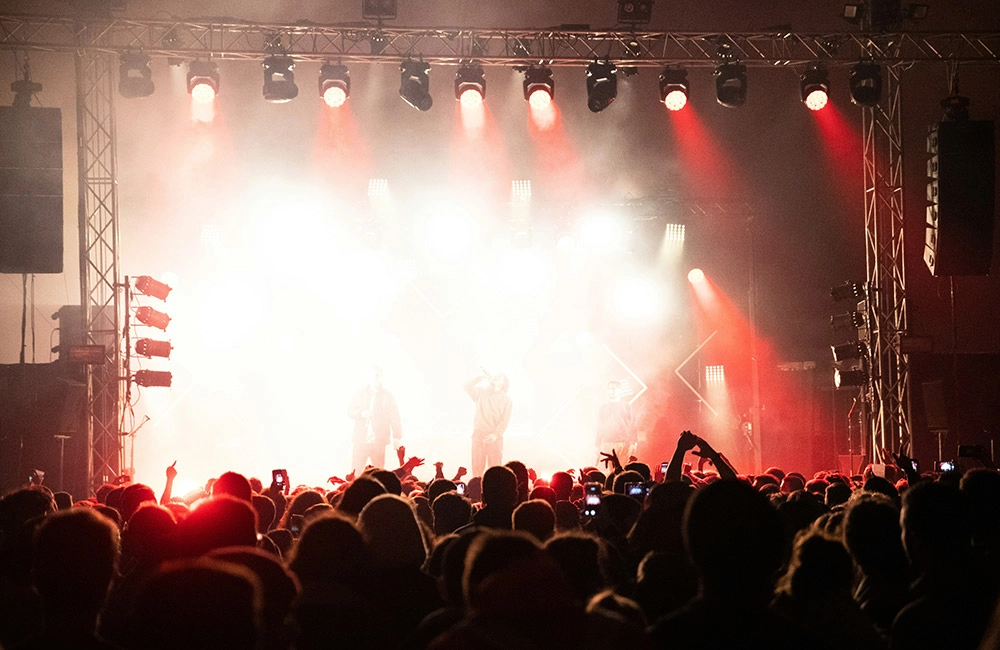
A Stage Beam Light is designed to produce a narrow, well-defined column of light with a hard edge and high center intensity. In live events the priorities are punch (high candela), crisp beam definition for aerial effects, color quality for skin and costumes, and reliable performance under touring stresses. Designers expect fast response, clean gobo projection, and consistent output across fixtures.
Key technical attributes to compare
When evaluating beam moving heads I focus on: luminous intensity (candela or lux at distance), beam angle and throw, color rendering and mixing, dimmer and strobe response, lamp/diode lifetime, power consumption and heat management, serviceability, and total cost of ownership (initial + maintenance). These metrics make comparisons between LED and discharge lamps objective and actionable.
Standards and industry context
For baseline guidance on lighting technology and safety, industry organizations such as the Professional Lighting and Sound Association (PLASA) provide resources on performance and best practice (plasa.org). For basic lamp characteristics, reference material on LEDs and metal-halide/discharge lamps is available on Wikipedia: LED (https://en.wikipedia.org/wiki/Light-emitting_diode) and Metal-halide (https://en.wikipedia.org/wiki/Metal-halide_lamp).
LED beam lights: strengths and weaknesses
Strengths — efficiency, lifetime, and control
I often recommend LED beam fixtures when operators prioritize energy efficiency, reduced maintenance, and flexible color control. Typical high-power LEDs used in beam moving heads have service lifetimes on the order of 30,000–100,000 hours depending on binning and thermal management (see LED lifetime discussion: Wikipedia). LEDs enable smooth color mixing without mechanical color wheels, fast electronic strobe, and lower heat load inside the fixture, which helps reliability and reduces HVAC burden in enclosed venues.
Weaknesses — peak punch and optical characteristics
Historically, LEDs lagged discharge lamps in raw center-beam intensity for extreme long-throw applications. While LED optics and diode power have closed the gap, some high-throw applications (stadium followspots or very long rigging distances) may still favor high-intensity discharge sources for absolute candela values. Additionally, multi-LED arrays can introduce slight beam texture compared to the single-point arc of a discharge lamp unless carefully optically homogenized.
Practical operational notes
LED fixtures generally start instantly with no warm-up and have stable color over long periods. They also simplify touring logistics by reducing lamp spares and lamp replacement time. However, color fidelity (CRI/TLCI) varies by LED binning and manufacturer design—look for fixtures with published TLCI/CRI data if camera work matters.
Discharge (HID/arc) beam lights: strengths and weaknesses
Strengths — raw intensity and beam purity
Discharge lamps such as metal-halide arc lamps have been the traditional choice for high-throw beam moving heads because a small arc source produces very high candela and an intrinsically clean, sharp beam when paired with efficient optics. Typical short-arc metal-halide lamps used in stage beams produce very high lumen density per unit area, which translates to powerful long-throw capability useful for stadiums and large outdoor events (metal-halide lamp).
Weaknesses — maintenance, lamp life, and color stability
The downside is that discharge lamps require periodic replacement (lamp life commonly 500–2,000 hours depending on type and operating conditions) and proper warm-up/cool-down procedures. Color temperature and output drift over the lamp lifetime, which can affect consistency across a tour. Ballast electronics and lamp ignitors add complexity, and operating discharge fixtures typically consumes more power and generates more heat than equivalent LED fixtures.
Operational and safety considerations
Discharge fixtures need careful handling: arc lamps can fail catastrophically, and housings must manage high temperatures and electrical surge during ignition. For fixed installations, regular lamp replacement schedules and on-site spares are an integral part of lifecycle planning.
Side-by-side technical comparison
Below is a practical comparison table that I use when advising clients. Numbers are typical ranges based on published product specs from multiple manufacturers and general lamp/LED data (see citations for lamp/LED characteristics).
| Metric | LED Beam Moving Head | Discharge (HID) Beam Moving Head |
|---|---|---|
| Typical power draw | 200–1,200 W (fixture dependent) | 700–2,500 W (lamp + ballast + cooling) |
| Source lifetime | 30,000–100,000 hours (LEDs) (source) | 500–2,000 hours (metal-halide/short-arc) (source) |
| Center-beam punch | High (improving rapidly); multi-diode designs may show minor texture | Very high; single-point arc produces extremely tight clean beam |
| Color control | Wide gamut via RGB(W/A) LED mixing; instant color changes | Typically color wheels + CMY/CTO options; may need wheel swaps for extreme colors |
| Maintenance & spares | Low (fan & electronics checks); minimal spare parts | High (regular lamp replacements, ignitors, ballasts) |
| Initial cost | Moderate–High (higher upfront for advanced LED sources) | Moderate–High (often comparable initial cost but higher running cost) |
| Running cost (energy + maintenance) | Lower over lifecycle | Higher over lifecycle |
| Best use cases | Clubs, theatres, tours, broadcast, installations prioritizing low maintenance and color flexibility | Large stadiums, ultra long-throw followspots, scenarios requiring maximum single-beam punch |
Data sources: LED characteristics (Wikipedia), metal-halide characteristics (Wikipedia), and manufacturer product specifications (sampled across mainstream stage lighting vendors).
Choosing the right Stage Beam Light for your application
Small-to-medium venues and touring rigs
For theatres, medium concert tours, corporate events, and television studios I generally advise LEDs. The combination of lower power draw, instant-on behavior (no warm-up), long lifetime, and excellent color flexibility reduces operational risk and simplifies logistics. If camera capture is important, specify fixtures with high TLCI/CRI ratings—ask manufacturers for measured data rather than relying on nominal CRI alone.
Large-scale outdoor events and extreme throw
If your primary need is maximal candela for very long throws (e.g., lighting a distant vertical beam across a stadium or architectural projection from a long distance), some high-output discharge fixtures remain competitive. That said, the latest generation of high-power LED beam fixtures has narrowed the gap; always compare the manufacturer’s measured lux/candela at your intended throw distance rather than solely trusting wattage figures.
Lifecycle cost modeling
Run a simple total cost of ownership (TCO) model: initial purchase + estimated energy cost per hour + maintenance (lamp replacements, labor) over expected service life. In many cases LEDs become cheaper over 3–5 years for touring fleets due to reduced lamp and labor costs, even if initial unit price is higher.
Manufacturer, service, and warranty considerations
Evaluate the vendor’s R&D capability, service network, and warranty terms. Good documentation (measured photometric data, service manuals) reduces downtime. Check if the manufacturer offers modular parts (drivers, fans, optical modules) for field repair—this affects long-term reliability and cost.
Manufacturer perspective — Guangzhou BKlite
Guangzhou BKlite Stage Lighting Equipment Co., Ltd. was set up in 2011 and has become one of the top companies in the stage lighting industry. The company's business philosophy is based on being professional and innovative and on making sure that all of its stakeholders benefit. Over the past 14 years, it has achieved remarkable growth and built a strong reputation for quality and reliability.
The factory makes all kinds of stage lighting products, like the IP20 Bee Eye Series, IP65 Bee Eye Series, LED Beam Moving Heads, LED Spot Moving Heads, LED Wash Moving Heads, LED Par Lights, LED Bar Lights, and LED Strobe Lights. Each product is made using advanced technology to meet the changing needs of the entertainment industry. Our company invests in research and development to come up with new ideas, making sure it stays ahead of industry trends. Our vision is to become the world's leading stage light manufacturer.
Website: https://www.bklite.com/
Email: export3@bklite.com
Key competitive strengths I value in BKlite's offering: rapid R&D cycles producing LED wash moving head, led stage lighting, led moving head, led strobe bar light, led par light, led cob light, led spot moving head, led beam bar moving, Profile led moving head light, led spotlight products; broad IP-rated product lines (IP20/IP65 Bee Eye Series) for both indoor and outdoor use; emphasis on modular design for serviceability; and experience across touring and fixed-install markets that supports reliable product evolution.
Conclusions and practical recommendations
Decision checklist
- If you need low maintenance, excellent color control, and lower running costs: choose LED beam fixtures.
- If you need the highest single-beam candela for extreme long throws and accept higher maintenance: consider discharge (HID) beam fixtures.
- Always request measured photometric data (lux at distance or candela) for the fixture configuration you intend to use, and compare on the basis of output at distance rather than wattage alone.
- Factor in serviceability, local support, and spare parts availability. Manufacturer R&D and warranty policies materially affect lifecycle cost.
Final practical tip
When spec’ing a fleet for touring, mix fixture types only with a plan: use LEDs as the primary fleet for color and energy advantages, and keep a small number of discharge followspots or specialized high-throw beams where absolute punch is essential. This hybrid approach often yields the best balance of performance, reliability, and cost.
FAQ — Common questions about Stage Beam Light selection
1. Are LED beam lights always better than discharge lamps?
No. LEDs excel in efficiency, maintenance, and color control; discharge lamps can still offer superior single-beam candela for extreme long throws. Choose based on venue size, throw distance, and lifecycle cost.
2. How do I compare fixtures from different manufacturers?
Request measured photometric files (IES or LDT) and candela/lux figures at distances relevant to your use. Compare TLCI/CRI for camera work and confirm power consumption and cooling requirements.
3. What is the real cost difference over time between LED and discharge fixtures?
LEDs typically have higher upfront cost but lower energy and maintenance expenses (no lamp replacements). Discharge fixtures have lower or comparable initial price in some cases but higher maintenance and energy costs. A 3–5 year TCO model usually shows LEDs as favorable for most indoor and touring applications.
4. Do LEDs produce as good gobos and beam definition as discharge lights?
Modern LED fixtures with well-designed optics can produce very sharp gobos and tight beams. However, single-arc discharge lamps naturally provide a point source that can give slightly cleaner beams in some optics. Test fixtures in-situ if beam-edge purity is critical.
5. What maintenance should I plan for each technology?
LEDs: periodic fan and driver checks, firmware updates, occasional diode module replacement if used heavily. Discharge: scheduled lamp replacements, ballast/ignitor checks, and proper warm-up/cool-down handling. Factor in labor and spare parts availability when planning fleets.
6. How important is IP rating for stage beam lights?
Very important for outdoor or touring use where exposure to moisture or dust is possible. Choose IP65-rated fixtures for regular outdoor use; IP20 is typical for indoor-only rigs. BKlite offers both IP20 and IP65 Bee Eye Series to match application needs (BKlite).
If you’d like product recommendations tailored to a venue or tour (specifying throw distance, rigging height, and budget), I can prepare a short comparative spec sheet and cost model. Contact Guangzhou BKlite at export3@bklite.com or visit https://www.bklite.com/ to view their LED wash moving head, led stage lighting, led moving head, led strobe bar light, led par light, led cob light, led spot moving head, led beam bar moving, Profile led moving head light, and led spotlight lines. I can also help evaluate measured photometric files for specific rigging scenarios.
Contact us to schedule a consultation or request sample fixtures: export3@bklite.com.
Top 10 led bi-pen wall wash up light Manufacturers and Supplier Brands
Best professional cheap stage lights manufacturers and supplier brands
Best professional led beam moving bar 8x10w rgbw manufacturers and supplier brands
LED Spotlight Case Studies: Concerts and Theatrical Runs
FAQs
How can i order?
Please send us your purchase list by e-mail, WhatsApp, QQ, or making a call, and you can also ask us to send you a PI for your approval. We need to know the following information for your order.
Can you help me to print our logo or company name on the products on package?
Of course. Your logo can be printed on the products or package. OEM & ODM permits.
What's the payment terms?
T/T, Western Union.
What's the shipping way, shipping time?
The ways of shipping—you can choose which is suitable for you. (1). By Sea, 30-60 days; apply for bulk quantity.
(2). By Air, 5-7 days; apply for bulk quantity.
(3). By Express, 3-5 days; apply for small quantity and urgent order.
What kind of package do you have?
We can pack the lights in a carton case and a flight case.
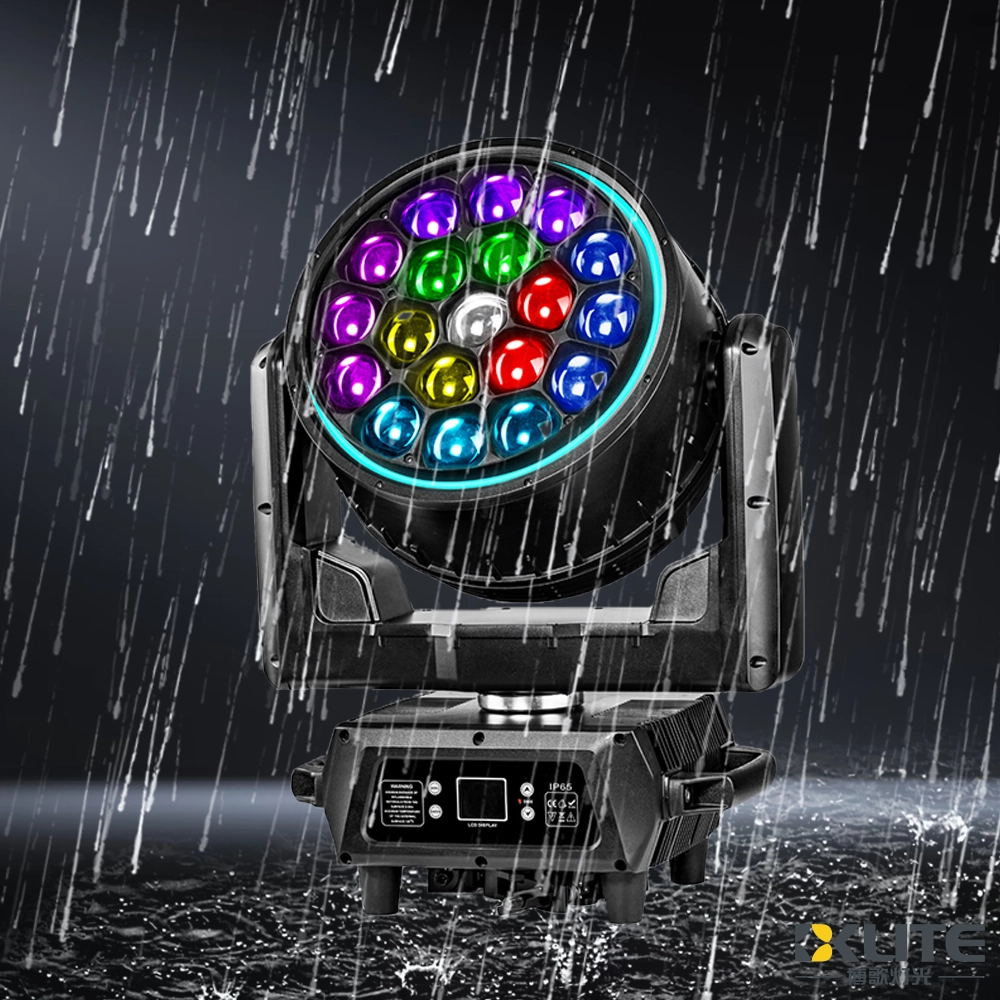
IP65 Waterproof Bee Eye Zoom 19x40W RGBW 4IN1 LED Beam Wash Moving Head Light with LED Ring
BKlite waterproof bee eye moving head light—your reliable choice from top waterproof moving head light manufacturers and suppliers. Ideal for outdoor stage, live event, music festival, this energy-saving fixture ensures powerful, precise illumination for any venue. It delivers powerful, reliable lighting performance in any weather.
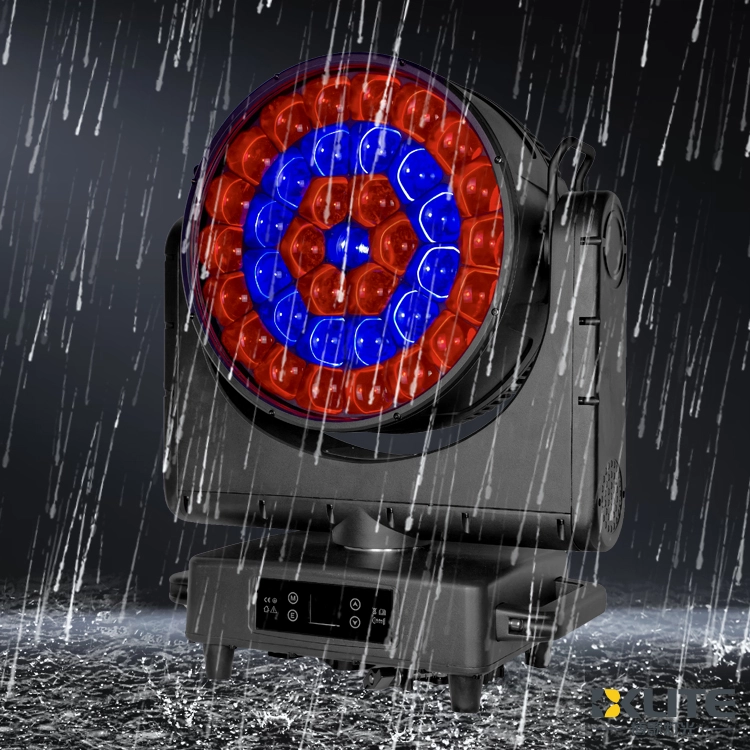
IP65 Waterproof ZOOM Bee Eye 37x40W RGBW 4in1 LED Moving Head Light
As a leading stage lighting equipment supplier with more than 15 years of industry know-how, BKlite brings you the IP65 ZOOM Bee Eye 37*40W RGBW 4in1 LED Moving Head Light (K25 Bee Eye) delivers vibrant, weatherproof lighting with powerful zoom and smooth movement. Ideal for dynamic stage effects, the K25 moving head light ensures stunning RGBW color mixing and reliable outdoor performance.
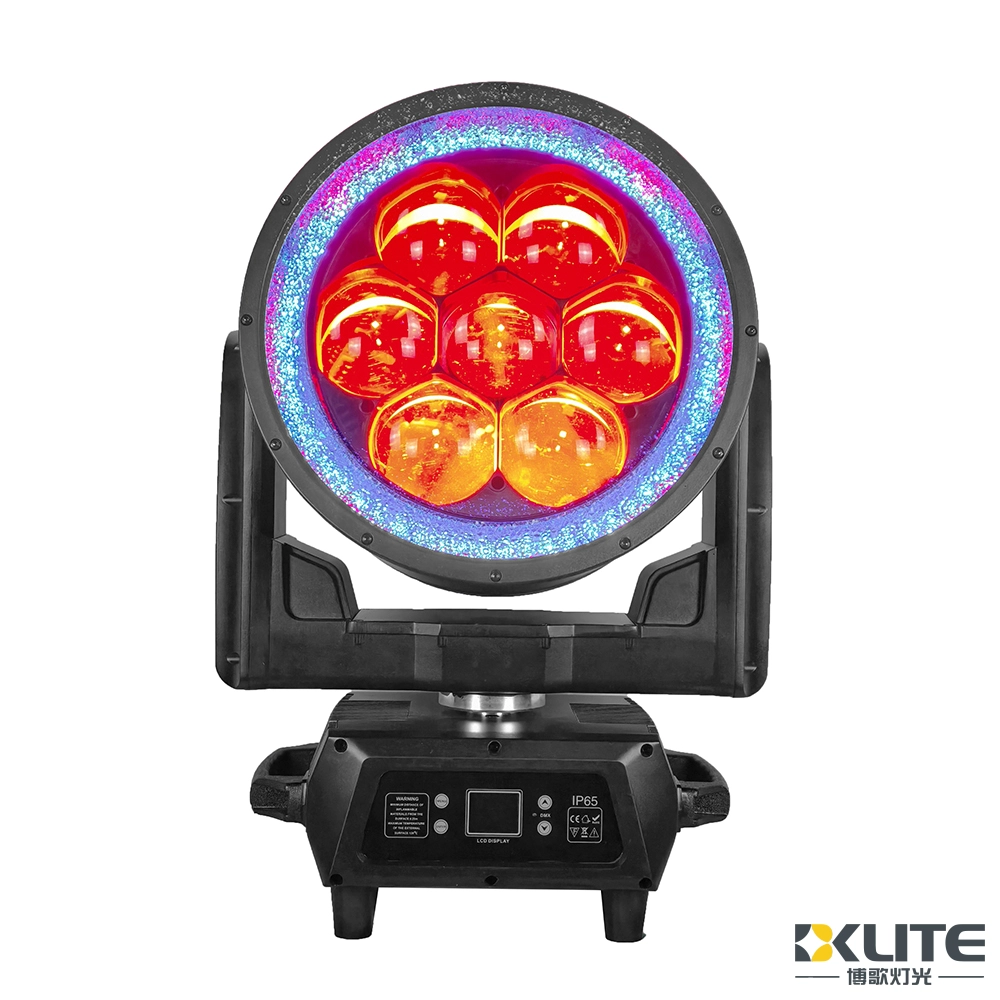
IP65 Waterproof Bee Eye 7x180W RGBL 4IN1 LED Moving Head Light With LED Ring
BKlite high power 7x180W waterproof bee eye moving head light—your reliable choice from top waterproof moving head light manufacturers and suppliers. Ideal for outdoor stage, live event, music festival, this energy-saving fixture ensures powerful, precise illumination for any venue. It delivers powerful, reliable lighting performance in any weather.
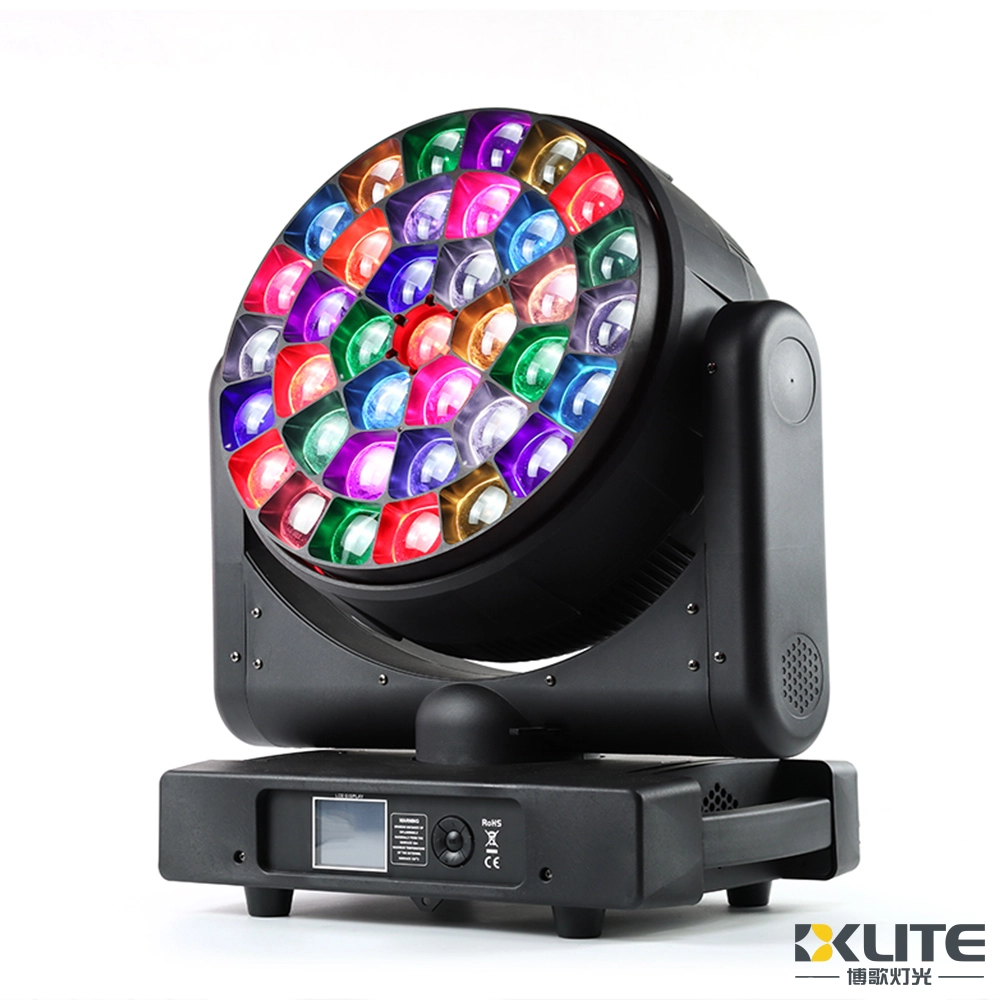
Bee Eye Zoom 37x40W RGBW 4in1 LED Beam Wash Moving Head Light


Copyright © 2025 BKLITE All Rights Reserved.