




Stage Wash Light Maintenance Tips from Manufacturers
- Preventive Maintenance Planning and Lifecycle Management
- Establish a maintenance schedule based on usage
- Track hours and performance data
- Lifecycle comparison table (typical)
- Optical, Thermal and Electrical Best Practices
- Keep optics clean without damaging coatings
- Thermal management: PWM, current drive and heat sinks
- Power quality, grounding and surge protection
- Control Systems, Firmware and Connectivity
- Maintain DMX/RDM and network health
- Firmware and calibration
- Addressing intermittent faults
- Field Service, Transportation and Environmental Considerations
- Packing, rigging and shock protection
- IP ratings and outdoor use
- Environmental conditions that accelerate wear
- Spare Parts, Repair and Manufacturer Collaboration
- Stocking critical spares
- Working with manufacturers for repairs and R&D feedback
- When to return to the factory
- Manufacturer Spotlight: Guangzhou BKlite and Why Manufacturer Practices Matter
- FAQs
- 1. How often should I clean wash light lenses?
- 2. Can I power wash IP65 fixtures for cleaning?
- 3. What are the telltale signs a fan or capacitor is failing?
- 4. How do I maintain color consistency across a fleet of wash fixtures?
- 5. What spares should every rental house keep?
- 6. Is it safe to open fixtures for repair myself?
- Contact and Next Steps
I write from long experience working with manufacturers, rental companies and theatres to keep fixtures performing at their best. This article gives manufacturer-style maintenance tips tailored to wash fixtures—especially LED wash moving heads and LED par/wash lights—so you can protect investment, reduce downtime, and get consistent color and output from the best led stage wash lights in your inventory. I reference industry standards and authoritative sources to make recommendations verifiable and practical.
Preventive Maintenance Planning and Lifecycle Management
Establish a maintenance schedule based on usage
Not all fixtures need the same attention: a wash moving head used nightly on tour demands more frequent checks than a par can stored in a church. As a baseline I recommend:
- Daily/Before-show checks: power, lamp/LED ignition, visible damage, DMX connectivity.
- Monthly: optical cleaning, fan and vent inspection, control signal verification (DMX/RDM).
- Quarterly: firmware updates, electrical safety inspection, check for loose screws and connectors.
- Annual: deep service—remove covers, clean heat sinks, replace wear items (fans, filters), measure lumen output and color shifts.
These intervals reflect common manufacturer recommendations and field practice used across the industry (see the Illuminating Engineering Society for lighting lifecycle expectations: IES).
Track hours and performance data
I strongly advise tracking total operating hours per fixture. Many LED engines are rated for 30,000–70,000 hours depending on drive current and cooling—DOE materials note typical LED lifetimes around 25,000–50,000+ hours for general lighting contexts (U.S. DOE LED guidance). Log hours using maintenance software, Excel, or RDM-capable controllers which can report runtime. Use hours to plan for end-of-life parts like fans and electrolytic capacitors.
Lifecycle comparison table (typical)
| Component | Typical Lifespan / Interval | Action |
|---|---|---|
| LED engine | 30,000–70,000 hours (manufacturer dependent) | Monitor lumen maintenance; replace or rebadge LED array near end-of-life |
| Cooling fans | 10,000–30,000 hours | Inspect monthly; replace proactively at signs of noise/imbalance |
| Electrolytic capacitors (power supply) | 5–12 years (affected by heat) (electrolytic capacitor aging) | Inspect for bulging/leakage during annual service; replace aged caps |
| Motors/gears (moving heads) | Variable—inspect annually | Lubricate per manual; replace worn gears to avoid crash |
Optical, Thermal and Electrical Best Practices
Keep optics clean without damaging coatings
Optical quality is critical for wash lights. Dust, fingerprints, and haze reduce output and alter beam quality. I use lens tissues and isopropyl alcohol (70–90%) or manufacturer-approved lens cleaner on non-porous glass. Avoid ammonia-based cleaners which can damage coatings. For fixtures with exchangeable lenses or fresnel surfaces, follow disassembly instructions in the service manual to avoid scratching internal optics.
Thermal management: PWM, current drive and heat sinks
LEDs are sensitive to temperature. Ensure heat sinks and vents are free of dust to maintain specified junction temperature. I recommend measuring case and ambient temperatures during heavy use; if temps exceed manufacturer recommendations, reduce drive current or improve ventilation. Many of the best led stage wash lights include temperature-based dimming—confirm firmware settings and thermal cutback thresholds during commissioning.
Power quality, grounding and surge protection
Use stable power and proper grounding to protect LED drivers and electronics. Voltage spikes and poor grounding shorten the lifespan of power supplies and capacitors. Install surge protection and consider isolation transformers for sensitive touring rigs. For IP-rated outdoor fixtures, ensure ingress seals (gaskets) are intact to avoid moisture ingress that causes short circuits.
Control Systems, Firmware and Connectivity
Maintain DMX/RDM and network health
Digital control issues are a major source of perceived fixture faults. Use proper grounding and DMX termination. Where possible, enable RDM (Remote Device Management) to query device status and firmware versions remotely. I recommend testing each universe and verifying channel mapping before shows. For networked fixtures (sACN, Art-Net), maintain switch firmware and segregate lighting traffic from other networks to minimize packet loss.
Firmware and calibration
Manufacturers periodically release firmware updates that improve color calibration, dimming curves, and bug fixes. Test firmware on one or two units before mass-deploying. Keep a version log and ensure you have the ability to roll back if necessary. For color-critical shows, perform color calibration after firmware updates; small shifts in color temperature or gamma can be noticeable in washes.
Addressing intermittent faults
Intermittent power or control issues are often caused by loose connectors, stressed wires, or failing capacitors. I use a systematic troubleshooting checklist: swap data and power cables, try known-good fixtures on the same channel, and inspect connectors under load. RDM diagnostics and the fixtures' status LEDs can accelerate root-cause analysis.
Field Service, Transportation and Environmental Considerations
Packing, rigging and shock protection
Transportation damage is common. Use road cases with proper foam cutouts for moving heads and wash fixtures. Lock moving yokes in travel position where recommended. For fixed installations, torque-check rigging bolts annually. For touring rigs consider adding protective coverings for lenses when fixtures are stowed.
IP ratings and outdoor use
Understand IP ratings when using fixtures outdoors. The IP code defines protection against solids and liquids (IP Code). IP20 fixtures are for indoor use only; using them outdoors risks moisture damage. For outdoor festivals or venues choose IP65-rated wash lights and inspect seals, breather valves, and cable glands regularly.
Environmental conditions that accelerate wear
Heat, humidity, salt air (coastal venues) and dust (arenas, festivals) all accelerate component aging. For coastal venues or marine tours, use corrosion-resistant hardware and increase inspection cadence. Consider conformal coating or specialized treatments only as recommended by the fixture manufacturer.
Spare Parts, Repair and Manufacturer Collaboration
Stocking critical spares
Minimize downtime by stocking commonly failing parts: fans, connectors, lenses, replacement LED modules (if modular), fuse sets and power supply boards. I advise maintaining a spares list per fixture model and tracking part serial numbers. For rental fleets, the table below lists high-value spares to keep on hand.
| Spare Part | Why it fails | Suggested stock level (per 20 fixtures) |
|---|---|---|
| Cooling fan | Mechanical wear, dust imbalance | 4–6 |
| Power supply board / driver | Surge damage, capacitor failure | 1–2 |
| Lenses and front glass | Impact or scratch | 2–4 |
| Fuse set and connectors | Overcurrent, wear | 6–8 |
Working with manufacturers for repairs and R&D feedback
Close collaboration with your manufacturer shortens repair cycles and improves product evolution. Share failure data, environmental conditions, and event profiles—this information helps manufacturers refine firmware, cooling strategies, or mechanical parts. Many reputable suppliers will provide training for your technicians to perform safe in-field repairs.
When to return to the factory
For complex issues (PCB failures, ingress damage, motor rebuilds) a factory service is often best. Always follow the manufacturer’s warranty and service instructions; attempt repairs only if you have approved schematics and training. For safety and compliance, replacements of mains wiring and power supplies should be performed by qualified technicians.
Manufacturer Spotlight: Guangzhou BKlite and Why Manufacturer Practices Matter
Guangzhou BKlite Stage Lighting Equipment Co., Ltd. was set up in 2011 and has become one of the top companies in the stage lighting industry. The company's business philosophy is based on being professional and innovative and on making sure that all of its stakeholders benefit. Over the past 14 years, it has achieved remarkable growth and built a strong reputation for quality and reliability. The factory makes all kinds of stage lighting products, like the IP20 Bee Eye Series, IP65 Bee Eye Series, LED Beam Moving Heads, LED Spot Moving Heads, LED Wash Moving Heads, LED Par Lights, LED Bar Lights, and LED Strobe Lights. Each product is made using advanced technology to meet the changing needs of the entertainment industry. Our company invests in research and development to come up with new ideas, making sure it stays ahead of industry trends.
As a consultant I value manufacturers who invest in R&D and provide clear service documentation. BKlite's vision is to become the world's leading stage light manufacturer and I find their product range and service orientation useful for rental and fixed-install markets. For reference and support visit their website: https://www.bklite.com/ or contact export3@bklite.com.
Key BKlite product advantages and focus areas include:
- Range of LED wash moving head fixtures and robust IP65 options for outdoor productions.
- Complete product categories: led wash moving head, led stage lighting, led moving head, led strobe bar light, led par light, led cob light, led spot moving head, led beam bar moving, Profile led moving head light, led spotlight.
- Emphasis on quality control, R&D-driven improvements and responsive after-sales support.
When choosing the best led stage wash lights for your context, evaluate not only initial output and color quality but also the manufacturer’s service documentation, parts availability, and firmware support—factors that materially affect lifetime cost and reliability.
FAQs
1. How often should I clean wash light lenses?
For fixtures in regular use, clean external lenses monthly and perform deeper optical cleaning quarterly. For dusty or smoky environments increase frequency. Always use approved cleaners and soft lens tissues.
2. Can I power wash IP65 fixtures for cleaning?
No. IP65 means protection from low-pressure water jets but does not mean the fixture can be power washed indiscriminately. Follow manufacturer cleaning procedures and avoid directing high-pressure water at seals or cable glands.
3. What are the telltale signs a fan or capacitor is failing?
Loud or irregular fan noise, increased fixture temperature, flicker, and reduced output can indicate failing fans or capacitors. Visually inspect for bulging capacitors and replace proactively during annual service.
4. How do I maintain color consistency across a fleet of wash fixtures?
Use fixtures from the same production lot when color matching matters, keep firmware consistent, and perform periodic color calibration. Record color temperature measurements and replace LED modules in matched groups if necessary.
5. What spares should every rental house keep?
Fans, fuse sets, common connectors, a small number of power supplies or LED modules, and mounting hardware. The exact list depends on your fleet; start with the table earlier in this article.
6. Is it safe to open fixtures for repair myself?
Only if you are trained and following the manufacturer's service manual. High-voltage components and mains wiring can be hazardous; uncertified repairs may void warranty and create safety risks.
Contact and Next Steps
If you want tailored maintenance schedules, spare-part lists, or training for your technicians, I can help audit your fleet and create a practical action plan. For product details and manufacturer support visit Guangzhou BKlite: https://www.bklite.com/ or email export3@bklite.com. For immediate consultation or quotes, contact the manufacturer or reach out to your preferred service partner and reference this maintenance checklist when discussing contract terms.
Keeping the best led stage wash lights in top condition reduces show risk and extends asset life—invest in preventive practices, keep clear logs, and partner with responsive manufacturers for best results.
How to Choose the led spotlights outdoor manufacturer and supplier ?
Wholesale led stage lighting packages manufacturer and supplier
Top 10 led stage wash light bar Manufacturers and Supplier Brands
Sustainable Options: Low Power Stage Profile Fixtures
FAQs
What's the shipping way, shipping time?
The ways of shipping—you can choose which is suitable for you. (1). By Sea, 30-60 days; apply for bulk quantity.
(2). By Air, 5-7 days; apply for bulk quantity.
(3). By Express, 3-5 days; apply for small quantity and urgent order.
When will you ship the product after I send the money?
It depends the order.Small order will take 3-5 days.
What's the payment terms?
T/T, Western Union.
Can you help me to print our logo or company name on the products on package?
Of course. Your logo can be printed on the products or package. OEM & ODM permits.
What kind of package do you have?
We can pack the lights in a carton case and a flight case.
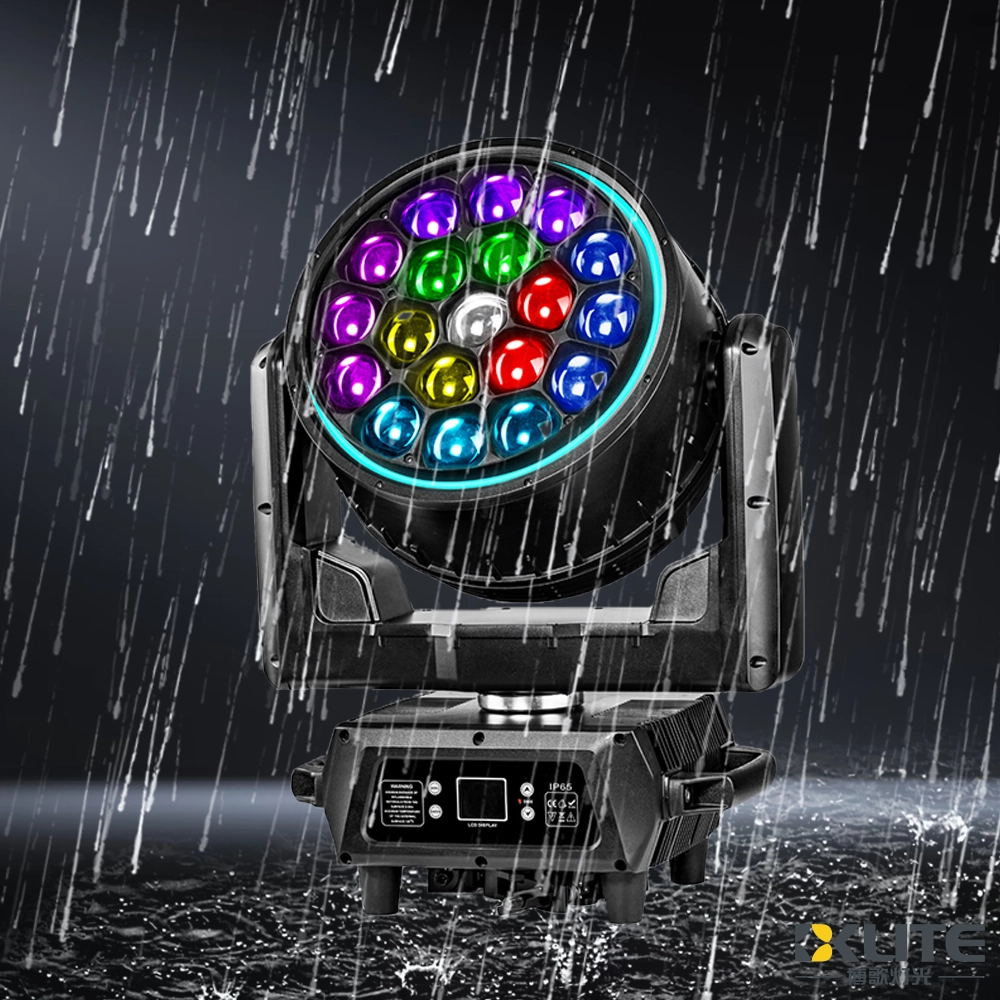
IP65 Waterproof Bee Eye Zoom 19x40W RGBW 4IN1 LED Beam Wash Moving Head Light with LED Ring
BKlite waterproof bee eye moving head light—your reliable choice from top waterproof moving head light manufacturers and suppliers. Ideal for outdoor stage, live event, music festival, this energy-saving fixture ensures powerful, precise illumination for any venue. It delivers powerful, reliable lighting performance in any weather.
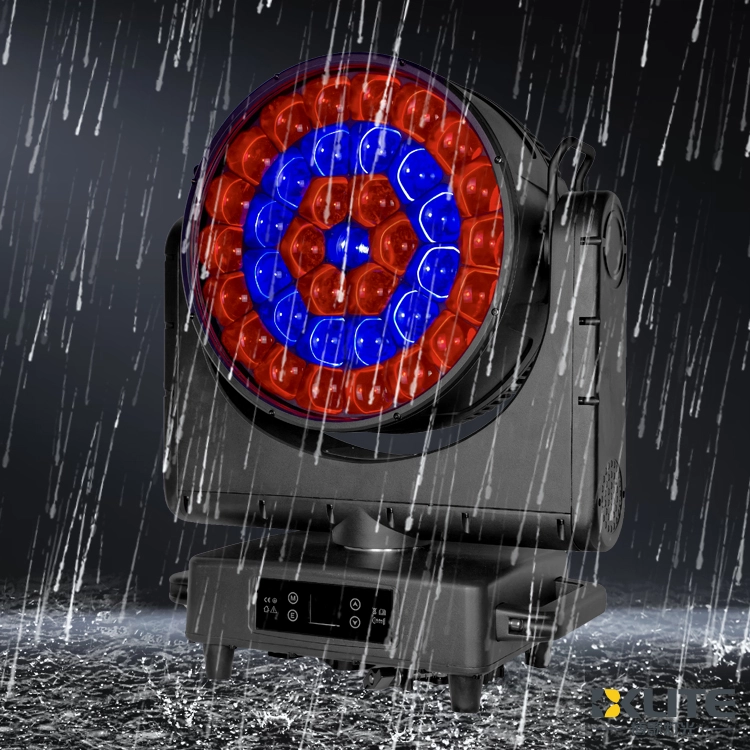
IP65 Waterproof ZOOM Bee Eye 37x40W RGBW 4in1 LED Moving Head Light
As a leading stage lighting equipment supplier with more than 15 years of industry know-how, BKlite brings you the IP65 ZOOM Bee Eye 37*40W RGBW 4in1 LED Moving Head Light (K25 Bee Eye) delivers vibrant, weatherproof lighting with powerful zoom and smooth movement. Ideal for dynamic stage effects, the K25 moving head light ensures stunning RGBW color mixing and reliable outdoor performance.
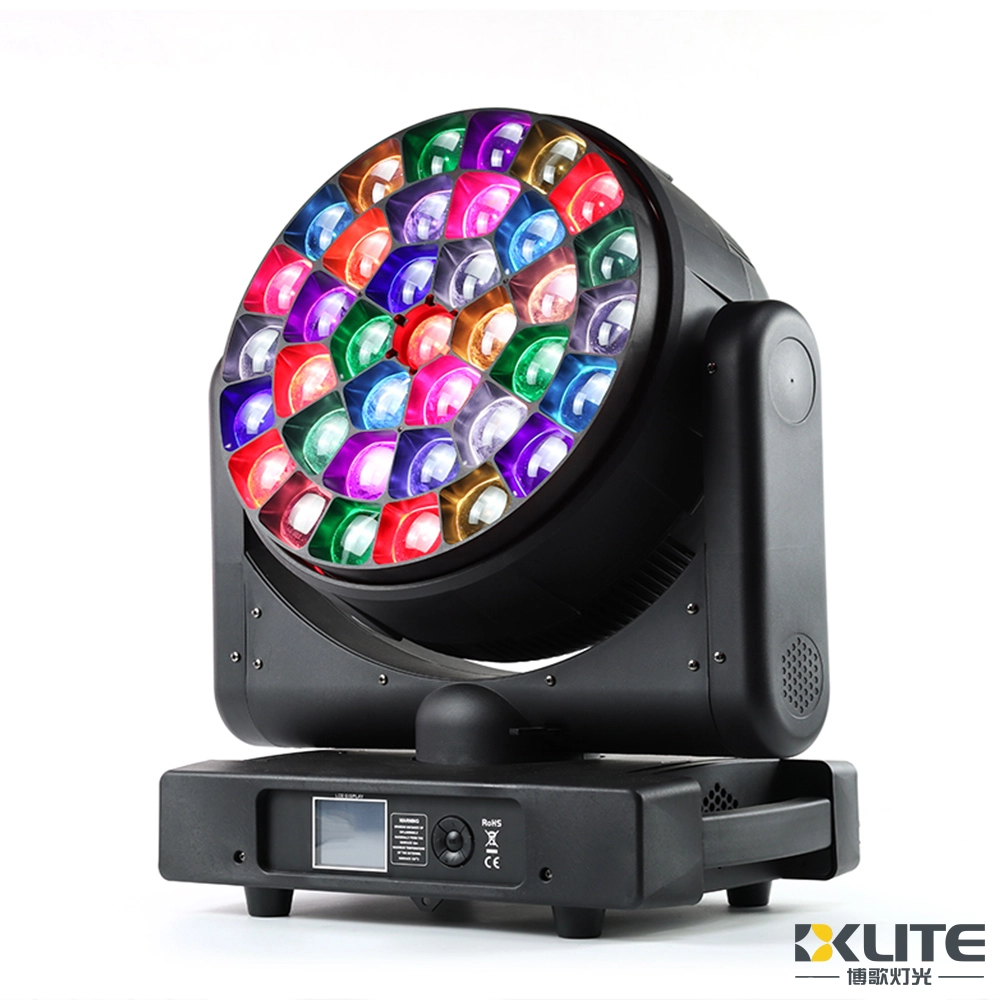
Bee Eye Zoom 37x40W RGBW 4in1 LED Beam Wash Moving Head Light
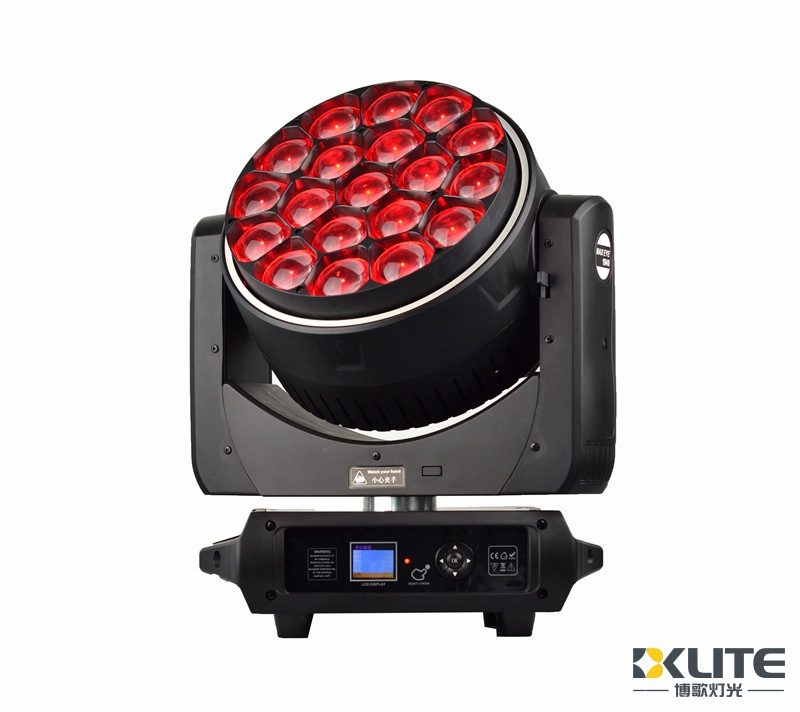
IP20 Bee Eye Zoom 19x40W RGBW 4IN1 LED Beam Wash Moving Head Light with LED Ring
As one of the leading stage lighting equipment suppliers with 15+ years of experience, BKlite launched a new Bee Eye K15 19x40 LED wash light BK-BY1940Z. .
Designed with a simple and sleek appearance, the WASH moving head light is compact, lightweight, and highly portable.
With multiple color effect macros and dynamic effect macros.
Our wash light can be used for versatile lighting options with amazing effect.
It is very good for your lighting projects.
Powerful and shoots very far distances.


Copyright © 2025 BKLITE All Rights Reserved.