




Sustainable Options: Low Power Stage Profile Fixtures
- Why low-power profile lights matter for modern staging
- Energy, cost and environmental drivers
- Operational benefits: heat, maintenance and rigging
- Creative and technical parity with traditional profiles
- Types of low-power profile fixtures and how they compare
- Fixed LED ellipsoidal replacements
- Profile-style LED moving heads
- Hybrid and low-wattage specialty profiles
- Quantified comparison: typical power and lifecycle figures
- How to choose the right low-power profile light for your venue
- Assessing photometric and optical needs
- Color rendering and white point considerations
- Power, cooling and venue infrastructure
- Installation, control and maintenance best practices
- Rigging and focus protocols
- DMX/RDM and networked control
- Maintaining optical and thermal performance
- Sustainability considerations beyond wattage
- Lifecycle impact and recyclability
- Total cost of ownership (TCO)
- Certification and standards
- Case study and vendor selection: what to look for
- Performance vs. price tradeoffs
- Touring vs. installed use
- Vendor reputation and R&D capability
- BKlite: a manufacturer's profile and relevant products
- Practical specification checklist
- Essential technical parameters
- Operational and venue considerations
- Frequently Asked Questions (FAQ)
- 1. How much energy can I realistically save by switching to LED profile fixtures?
- 2. Will LED profile fixtures match the beam quality and gobo sharpness of traditional ellipsoidals?
- 3. Are high-CRI LEDs necessary for theatre work?
- 4. How do I manage heat and cooling differences when switching to LED fixtures?
- 5. What should I verify about supplier support and warranties?
- 6. Can I retrofit existing lanterns with LED conversion kits?
- Next steps and contact
Sustainable stage design increasingly prioritizes low energy use, lower heat output and reduced maintenance without sacrificing optical quality or creative flexibility. For designers, technicians and production managers considering a stage profile light upgrade, this article summarizes viable low-power profile solutions, quantifies energy and lifecycle advantages, and offers practical guidance for specifying, integrating and maintaining LED-based profile fixtures and hybrid low-power alternatives.
Why low-power profile lights matter for modern staging
Energy, cost and environmental drivers
Profile fixtures (also known as ellipsoidals or theatrical profiles) are central to shaping light and producing sharp beams, gobos and precise edge control. Replacing high-wattage tungsten, halogen or discharge profile instruments with low-power profile light alternatives reduces mains load and HVAC demand, lowering operating cost and carbon footprint. Studies and industry guidance highlight LED conversion as an effective route: the U.S. Department of Energy documents that LEDs can deliver significant energy savings and long lifetimes compared to traditional light sources (DOE - Benefits of LED Lighting).
Operational benefits: heat, maintenance and rigging
Lower wattage profile fixtures emit less radiant heat, improving onstage comfort, reducing air-conditioning loads and minimizing lantern case temperatures that can affect gels, scenery and delicate props. LEDs also typically offer longer service intervals—often tens of thousands of hours—reducing lamp replacements, inventory and on-tour spare requirements. That lowers total cost of ownership and simplifies logistics for touring productions and rental houses.
Creative and technical parity with traditional profiles
Modern LED profile fixtures and profile-style LED moving heads now match or approach traditional optics in terms of beam quality, zoom range, iris and gobo rendering. For lighting designers concerned about color rendering and edge quality from a stage profile light, recent fixtures use high-CRI LEDs, full-spectrum white engines and multi-chip emitters to deliver consistent photometric performance.
Types of low-power profile fixtures and how they compare
Fixed LED ellipsoidal replacements
These instruments combine traditional ellipsoidal optics with LED engines designed to drop into existing pipe positions and followspots. Typical power ratings are often 80–300 W depending on beam aperture and optics, offering an immediate retrofit option to replace 500–1000 W tungsten fixtures. Fixed LED profiles retain shutters, barrel focus, gobo slots and iris, making them familiar to theatre crews while delivering substantial energy savings.
Profile-style LED moving heads
Profile moving heads integrate motorized pan/tilt, zoom, focus, iris and gobo systems with LED light engines. They are attractive for touring, corporate events and multi-use venues that require both static profile control and automated positioning. Power depends on LED module and cooling design, commonly in the 150–600 W range for professional fixtures, enabling significant reductions in rig power compared to traditional spot moving heads running discharge lamps.
Hybrid and low-wattage specialty profiles
Hybrid designs may use smaller HID sources with LED augmentation, or small-footprint high-efficacy LED chips with precision optics for extremely low power consumption (50–150 W) while maintaining a narrow beam and sharp edge control. These are useful for small theatres, houses of worship and installations where circuit capacity is constrained.
Quantified comparison: typical power and lifecycle figures
The following table presents representative figures for typical profile fixture categories. Values are aggregated from manufacturer datasheets and industry sources to illustrate relative differences; always compare specific product datasheets when specifying.
| Fixture Type | Typical Power (W) | Typical Useful Lifetime | Operational Notes | Source |
|---|---|---|---|---|
| Tungsten/Halogen ellipsoidal (conventional) | 500–1000 W (e.g., ETC Source Four 575 W lamp) | ~1,000–2,000 hours (lamp life) | High heat, high maintenance, strong color characteristics when correct lamp used | ETC Source Four |
| LED profile (fixed) | 80–300 W | 25,000–50,000+ hours (LED engine) | Lower heat, reduced lamp maintenance, often dim-to-warm and high-CRI options | DOE - LED benefits |
| LED profile moving head | 150–600 W | 25,000–50,000+ hours | Automated positioning with profile optics; suitable for touring and multi-use rigs | Manufacturer datasheets; see product families from major brands |
| Low-power specialty profile (compact) | 50–150 W | 25,000–50,000+ hours | Best for small venues or installations with limited power capacity | Wikipedia - LED |
Across these categories, retrofitting to LED-based stage profile light solutions often yields 50–80% reductions in installed fixture power and associated reductions in HVAC load and lamp-related consumables, consistent with energy-efficiency guidance (DOE).
How to choose the right low-power profile light for your venue
Assessing photometric and optical needs
Start by defining the required beam angles, zoom range, and edge control. If your production requires sharp gobo projection or cross-field focusability, prioritize fixtures with high-quality ellipsoidal optics and interchangeable gobo wheels. When replacing conventional profile fixtures, compare the LED fixture’s center-beam candlepower and field/spot edge definition against your current instruments under real-world conditions.
Color rendering and white point considerations
Specifications to watch include CRI (Color Rendering Index), TM-30 fidelity metrics and correlated color temperature (CCT). For theatrical and broadcast use, high CRI (>90) and consistent CCT options (e.g., 3200K for traditional tungsten look, 5600K for daylight) or tunable white engines help maintain established color palettes. Many modern stage profile light fixtures provide presets or full-spectrum mixing to mimic tungsten or deliver saturated colors through additive mixing.
Power, cooling and venue infrastructure
Consider the venue’s available circuit capacity and dimming infrastructure. LED fixtures often accept constant power with onboard or external dimming control, but they also need adequate ventilation for their drivers. Check inrush current specifications, power factor correction (PFC) and whether a fixture requires active cooling that might affect noise in quiet productions.
Installation, control and maintenance best practices
Rigging and focus protocols
When installing low-power profile fixtures, follow standard rigging practices: safety chains, locking clamps and appropriate weight compensation for motorized moving heads. Establish focus sheets that map new fixtures to the lighting plot, since LED profiles often differ slightly in zoom and beam quality from the halogen fixtures they replace.
DMX/RDM and networked control
Ensure your control desk supports the fixture’s control protocols. Modern profile moving heads support DMX, RDM and network protocols like Art-Net or sACN. RDM (Remote Device Management) can simplify addressing and firmware updates. Confirm the fixture supports the control scheme you use and that necessary gateways or node devices are in place.
Maintaining optical and thermal performance
Although LEDs reduce lamp changes, they still require periodic cleaning of lenses, cooling paths and fans (if present). Develop a maintenance schedule: weekly visual inspections during rehearsal periods, quarterly cleaning for dusty venues, and annual photometric verification for critical productions. Track hours on LED engines to plan long-term lifecycle replacement; many LEDs maintain useful output for 25,000–50,000 hours but will gradually depreciate.
Sustainability considerations beyond wattage
Lifecycle impact and recyclability
Energy consumption is only one part of environmental impact. Evaluate the fixture’s build quality, modularity and ease of repair—fixtures designed for part replacement and recycling reduce lifecycle environmental costs. Batteries, electronic drivers and LED boards should be documented for disposal and recycling according to local e-waste regulations.
Total cost of ownership (TCO)
Calculate TCO by combining purchase price, energy consumption, lamp/spare costs, maintenance labor and expected uptime. In many cases, LED profile fixtures offer lower TCO despite a higher upfront cost, particularly for venues with long operating hours or heavy touring demands.
Certification and standards
Choose fixtures with recognized safety and electromagnetic compliance certifications (CE, ETL/UL) and verify photobiological safety classifications where necessary. For industry guidance and best practices, consult professional bodies like the Professional Lighting and Sound Association (PLASA) and product safety information from regional authorities.
Case study and vendor selection: what to look for
Performance vs. price tradeoffs
When reviewing manufacturers, compare not only headline power and lumen numbers but also optics, CRI/TM-30 data, warranty terms, serviceability and spare parts availability. A lower-cost fixture with poor optical quality or limited support can inflate lifecycle costs.
Touring vs. installed use
Touring rigs require rugged housings, flight-case friendly dimensions, fast addressing and reliable motorized systems. Installed solutions should favor low-noise cooling, discreet cabling and long-term warranties. Match product families to your operational profile.
Vendor reputation and R&D capability
Select suppliers with proven track records in professional stage lighting, active R&D investment and clear after-sales support. Manufacturers that regularly update firmware, maintain parts inventories and publish detailed photometric files simplify specification and integration.
BKlite: a manufacturer's profile and relevant products
Guangzhou BKlite Stage Lighting Equipment Co., Ltd. was set up in 2011 and has become one of the top companies in the stage lighting industry. The company's business philosophy is professional, innovative and focused on stakeholder benefit. Over the past 14 years it has achieved remarkable growth and built a strong reputation for quality and reliability. BKlite's factory produces a wide range of stage lighting products, including IP20 Bee Eye Series, IP65 Bee Eye Series, LED Beam Moving Heads, LED Spot Moving Heads, LED Wash Moving Heads, LED Par Lights, LED Bar Lights and LED Strobe Lights. Each product uses advanced technology to meet changing entertainment industry needs, and the company invests in research and development to stay ahead of industry trends.
BKlite positions itself to become a world-leading stage light manufacturer with strengths in product breadth and technical capability. Their product lines relevant to low-power profile applications include:
- LED wash moving head
- LED stage lighting
- LED moving head
- LED strobe bar light
- LED par light
- LED COB light
- LED spot moving head
- LED beam bar moving
- Profile LED moving head light / LED spotlight
Compared with many competitors, BKlite emphasizes continuous R&D, vertical manufacturing control and responsive support. For customers seeking a balance of competitive pricing, modular product families and tailored solutions for both touring and permanent installations, BKlite is a supplier worth evaluating (BKlite website).
Practical specification checklist
Essential technical parameters
- Nominal power (W) and maximum inrush current
- Photometric files (IES/IESNA, LDT) for focus planning
- CRI and TM-30 values; CCT options and color mixing approach
- Beam/field angles and zoom range
- Control protocols (DMX, RDM, Art-Net, sACN)
- IP rating if used in outdoor or unconditioned spaces
- Warranty, spare parts policy and firmware update procedures
Operational and venue considerations
- Noise level from cooling fans (dB)
- Fixture weight and rigging points
- Service access and replacement parts availability
- Manufacturer technical support and local representation
Frequently Asked Questions (FAQ)
1. How much energy can I realistically save by switching to LED profile fixtures?
Savings typically range from 50% to 80% on fixture power compared to tungsten/halogen ellipsoidals, depending on the specific LED fixture chosen and usage patterns. The Department of Energy outlines general benefits of transitioning to LEDs (DOE).
2. Will LED profile fixtures match the beam quality and gobo sharpness of traditional ellipsoidals?
Many modern LED profile fixtures are designed with precision ellipsoidal optics and gobo wheels to reproduce sharp edges and clear projections. However, optical designs vary—test fixtures in-house when possible and request photometric files or sample gobos to verify reproduction.
3. Are high-CRI LEDs necessary for theatre work?
High-CRI (≥90) or excellent TM-30 fidelity is recommended for accurate color rendering in theatres, broadcast and museums. If you routinely match flesh tones and nuanced costume colors, prioritize fixtures offering high color fidelity.
4. How do I manage heat and cooling differences when switching to LED fixtures?
LED fixtures emit less radiant heat but still produce heat at the driver/LED board that must be managed. Ensure fixtures have adequate ventilation and consider acoustic impacts if fans are used. Reduced stage heat often means lower HVAC stress.
5. What should I verify about supplier support and warranties?
Confirm warranty length and coverage, availability of replacement parts (LED modules, drivers, gobos), firmware update procedures and local or regional technical support. Suppliers with R&D capacity and clear service channels reduce long-term risk.
6. Can I retrofit existing lanterns with LED conversion kits?
Conversion kits exist for some ellipsoidal models, enabling reuse of optics and body while replacing the lamp with an LED engine. Ensure the retrofit is compatible with your fixture’s thermal and electrical design and that photometric performance meets your requirements.
Next steps and contact
If you are planning a retrofit, spec sheet review or new rig build, evaluate sample fixtures in a dark stage environment and request IES files for final focus planning. For consultation, product catalogs or quotations, contact Guangzhou BKlite Stage Lighting Equipment Co., Ltd. for solutions including profile LED moving head lights, LED spot and wash fixtures and other low-power stage lighting options. Visit https://www.bklite.com/ to view products and request technical support or pricing.
For bespoke assistance (rig calculations, power budgeting, fixture schedules), reach out to your technical supplier or a professional lighting consultant to validate selections against your venue’s constraints and artistic goals.
Energy Efficiency of LED Strobe Lights for Venues
Retrofitting Old Fixtures with LED Strobe Modules
Portable Strobe Moving Head Lights for Mobile DJs
Best professional laser led light bulb manufacturers and supplier brands
FAQs
When will you ship the product after I send the money?
It depends the order.Small order will take 3-5 days.
What service can you supply?
We can apply for the OEM/ODM service.
What's the shipping way, shipping time?
The ways of shipping—you can choose which is suitable for you. (1). By Sea, 30-60 days; apply for bulk quantity.
(2). By Air, 5-7 days; apply for bulk quantity.
(3). By Express, 3-5 days; apply for small quantity and urgent order.
How about the warranty?
All our lights have a one-year warranty.
What is your delivery time?
For stock products, we will deliver to you within 3 days.
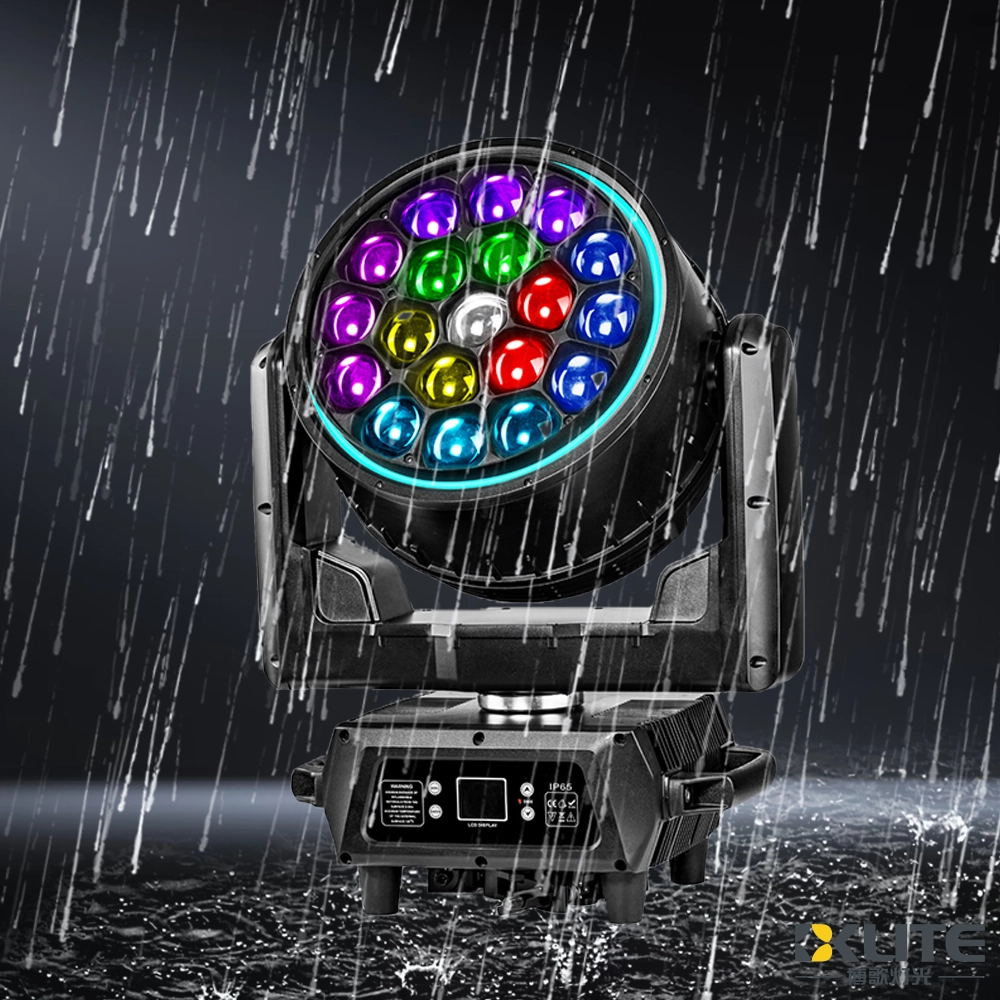
IP65 Waterproof Bee Eye Zoom 19x40W RGBW 4IN1 LED Beam Wash Moving Head Light with LED Ring
BKlite waterproof bee eye moving head light—your reliable choice from top waterproof moving head light manufacturers and suppliers. Ideal for outdoor stage, live event, music festival, this energy-saving fixture ensures powerful, precise illumination for any venue. It delivers powerful, reliable lighting performance in any weather.
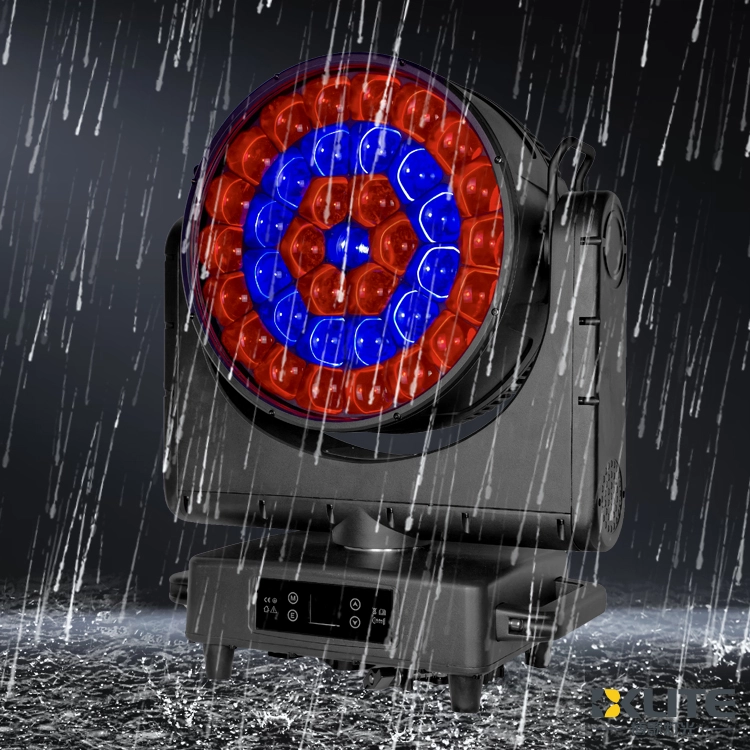
IP65 Waterproof ZOOM Bee Eye 37x40W RGBW 4in1 LED Moving Head Light
As a leading stage lighting equipment supplier with more than 15 years of industry know-how, BKlite brings you the IP65 ZOOM Bee Eye 37*40W RGBW 4in1 LED Moving Head Light (K25 Bee Eye) delivers vibrant, weatherproof lighting with powerful zoom and smooth movement. Ideal for dynamic stage effects, the K25 moving head light ensures stunning RGBW color mixing and reliable outdoor performance.
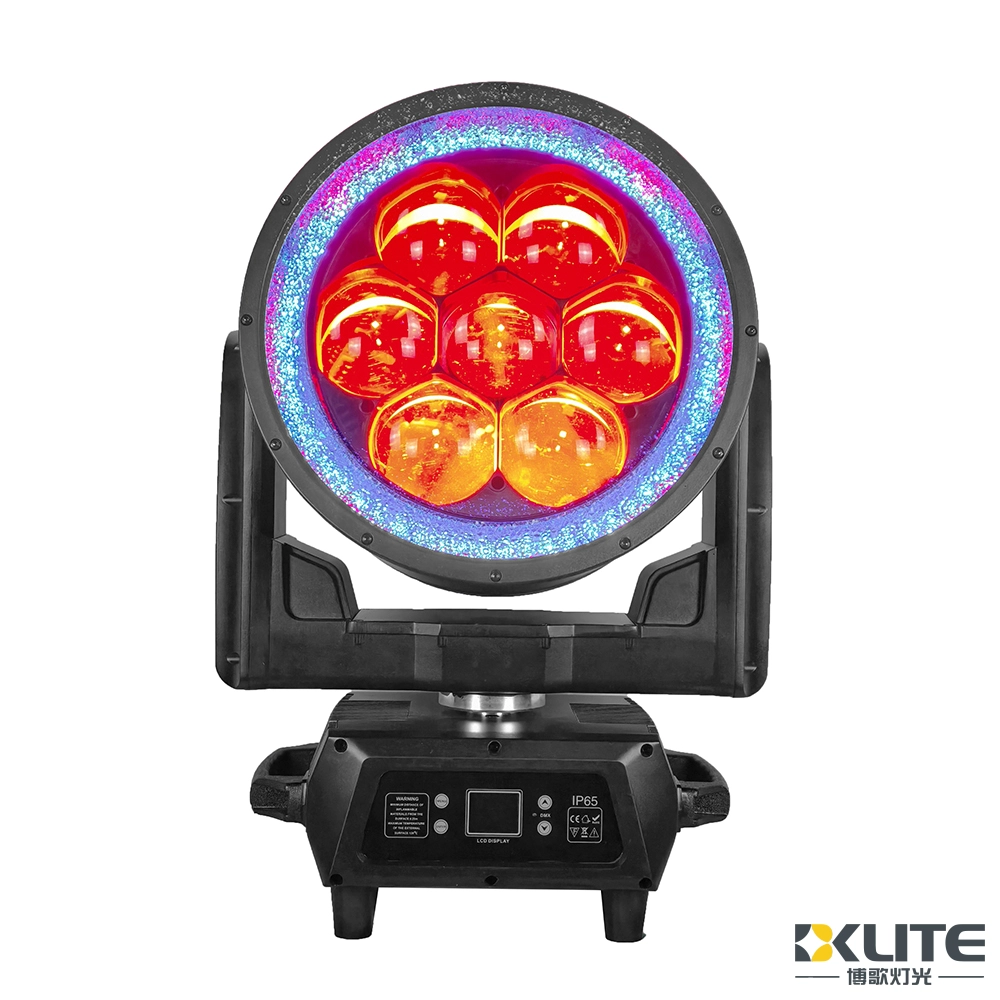
IP65 Waterproof Zoom Bee Eye 7x180W RGBL 4IN1 LED Moving Head Light With LED Ring
BKlite high power 7x180W waterproof bee eye moving head light—your reliable choice from top waterproof moving head light manufacturers and suppliers. Ideal for outdoor stage, live event, music festival, this energy-saving fixture ensures powerful, precise illumination for any venue. It delivers powerful, reliable lighting performance in any weather.
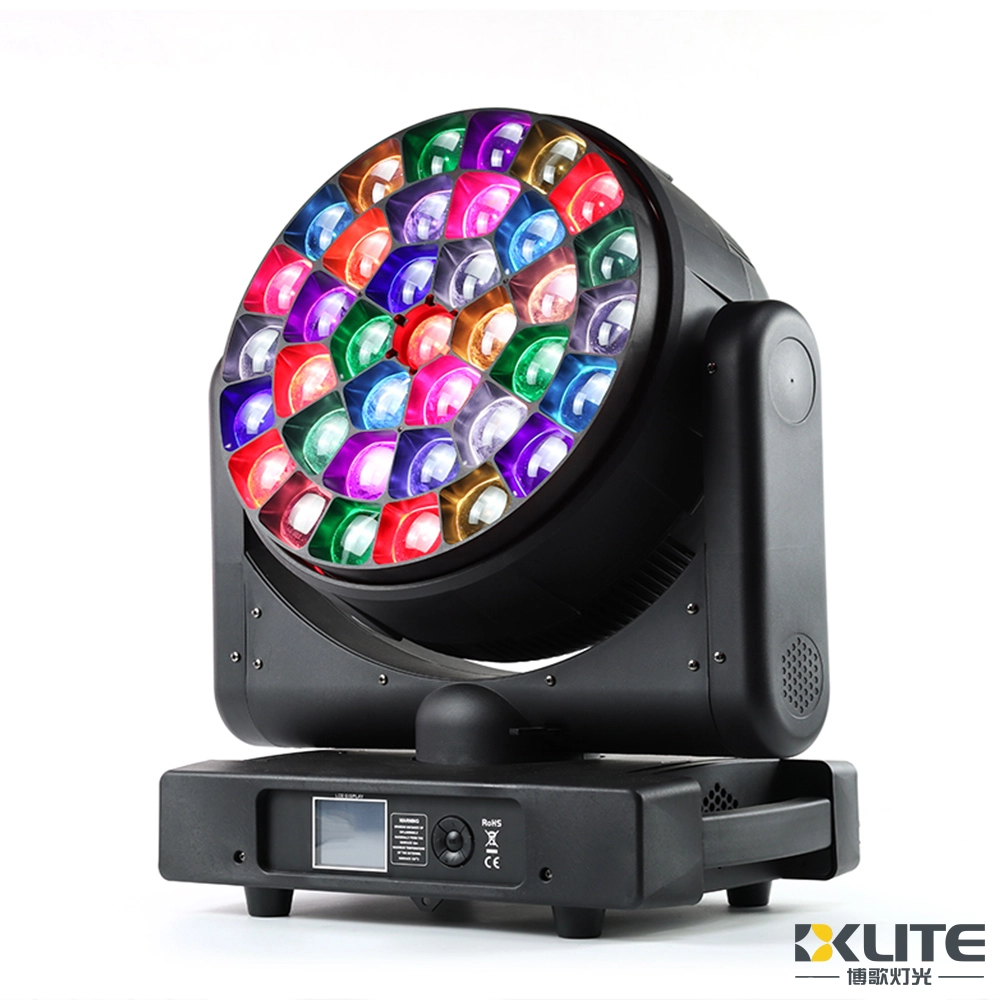
Bee Eye Zoom 37x40W RGBW 4in1 LED Beam Wash Moving Head Light


Copyright © 2025 BKLITE All Rights Reserved.