




Strobe, Dimming and Flicker-Free Profile Light Features
- Understanding light modulation and human perception
- Human perception and critical flicker fusion
- Technical causes: PWM, current waveform and driver response
- Standards and measurement metrics
- Strobe functions in profile lights
- Strobe types, rates and control
- Use cases: theatre, concert, broadcast and safety
- Design considerations for profile spotlights
- Dimming technologies for profile and moving head lights
- PWM vs constant current reduction (CCR/analog) — trade-offs
- DMX512, RDM and modern control strategies
- Color quality and dimming curve considerations
- Designing flicker-free profile lights and best practices
- Driver selection, frequency targets and engineering practices
- Testing and measurement: how to verify flicker-free claims
- Operational strategies: programming to avoid camera artifacts
- Comparing control and flicker characteristics
- Specifying a stage profile light: checklist and practical advice
- Key specification checklist
- Common pitfalls and how to avoid them
- Budgeting and lifecycle considerations
- Manufacturer spotlight: Guangzhou BKlite — capabilities and product relevance
- FAQ
- Q1: What PWM frequency is safe to avoid visible flicker in a stage profile light?
- Q2: Can a fixture be both high-performance strobe and flicker-free?
- Q3: How do I test a profile led moving head light for flicker?
- Q4: Does dimming method affect color temperature?
- Q5: What should rental companies require from manufacturers for profile lights?
- Q6: Are there standards that mandate flicker metrics for stage lighting?
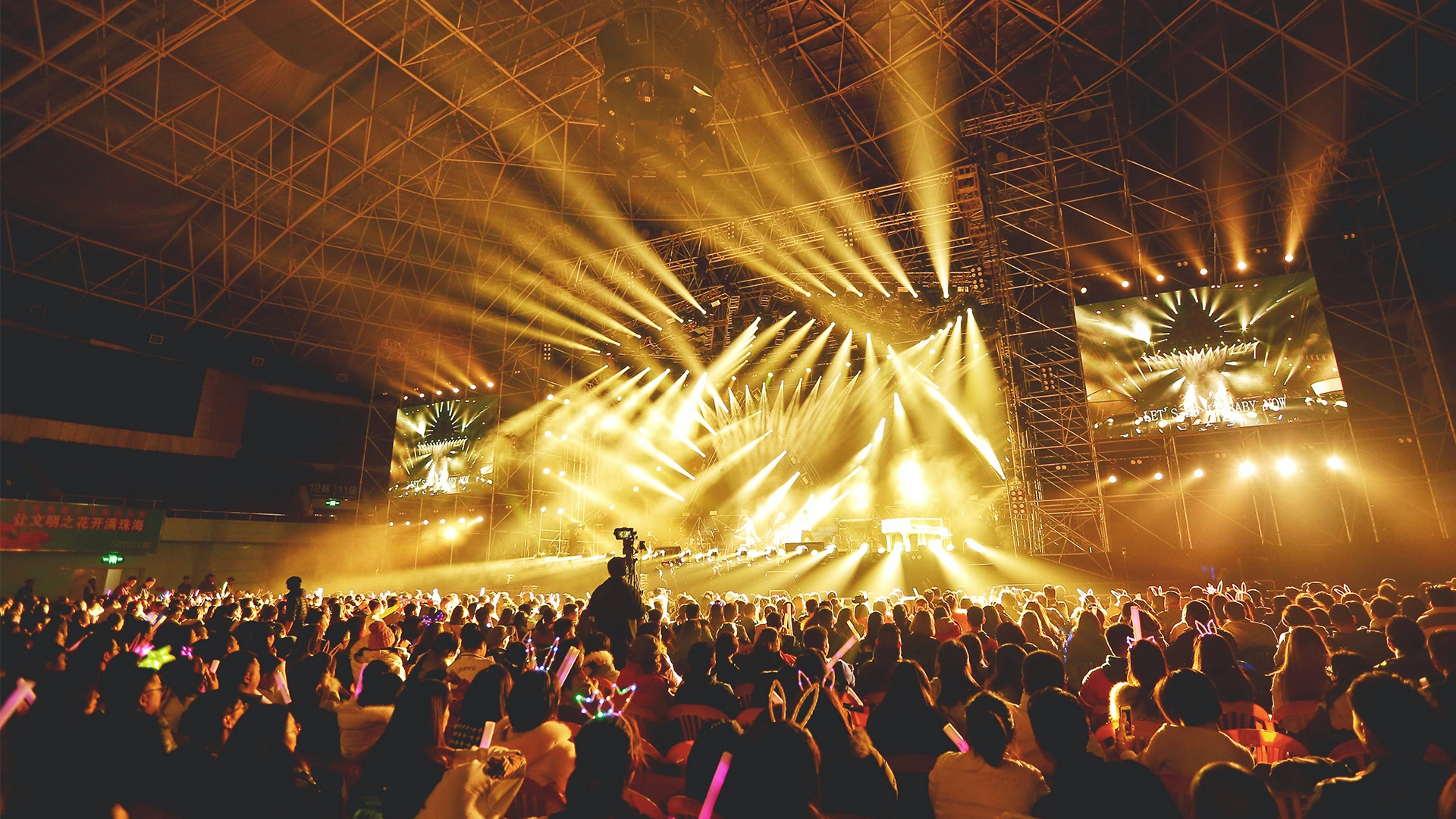
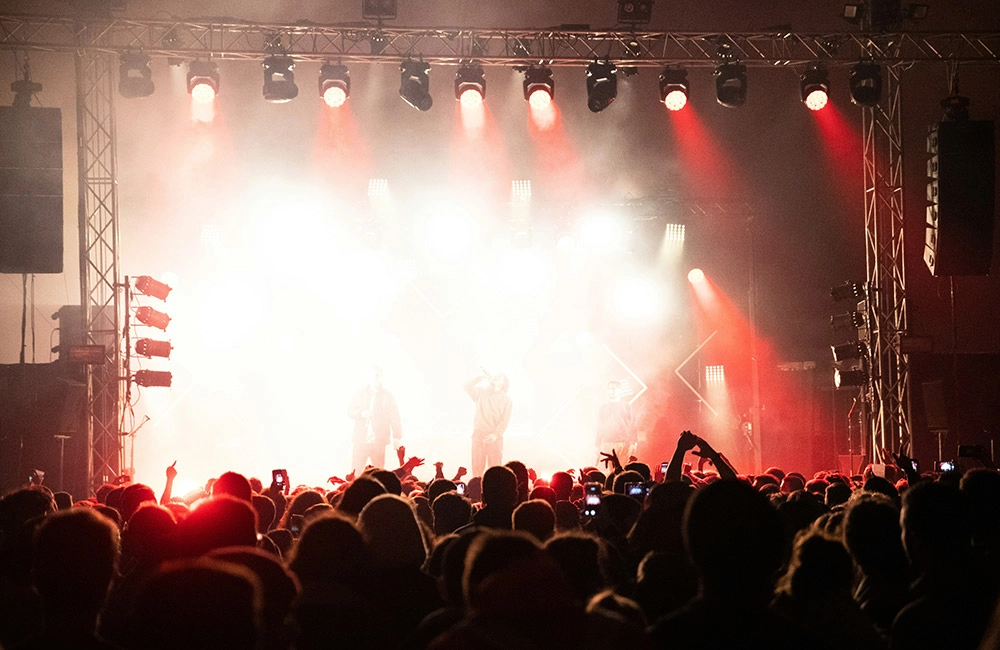
Stage profile light designers, lighting directors and technicians increasingly demand fixtures that combine powerful strobes, smooth dimming and reliable flicker-free performance for both live audiences and camera crews. This article explains the physical causes of flicker, the engineering trade-offs between different dimming methods, and practical specifications to ask for when selecting a profile LED moving head or profile led moving head light for theatre, TV or concert use. It is written to support indexing and local relevance by clearly naming use-cases, control systems and measurable targets for flicker performance.
Understanding light modulation and human perception
Human perception and critical flicker fusion
Flicker becomes noticeable when the modulation of light is slow enough for the visual system to detect temporal changes. The critical flicker fusion frequency (CFF) describes the threshold at which intermittent light appears continuous; typical adult CFF lies between about 50–90 Hz depending on luminance, retinal location and stimulus size. For broadcast and camera applications, even higher effective thresholds matter because cameras and sensors interact differently with temporal modulation than the human eye. For authoritative context see the Wikipedia article on critical flicker fusion frequency: https://en.wikipedia.org/wiki/Critical_flicker_fusion_frequency.
Technical causes: PWM, current waveform and driver response
Most LED profile lights modulate output either by pulse-width modulation (PWM) or by adjusting the driving current (constant current reduction, CCR). PWM rapidly switches LEDs on and off; if the PWM frequency is too low or the duty cycle varies with small control steps, temporal artifacts and stroboscopic perception occur. CCR reduces current and can keep luminous output smooth, but may affect LED color point and requires drivers designed for linear dimming. A good primer on PWM is available here: https://en.wikipedia.org/wiki/Pulse-width_modulation.
Standards and measurement metrics
Quantifying flicker goes beyond subjective terms. Common metrics include Flicker Index, percent flicker (modulation depth), and modern metrics like Pst LM (short-term temporal light artefacts) and SVM (stroboscopic visibility measure). Lighting research institutions provide methods for measurement and interpretation — see the Lighting Research Center overview on flicker: https://www.lrc.rpi.edu/programs/NLPIP/lightinganswers/flicker/whatIsFlicker.asp.
Strobe functions in profile lights
Strobe types, rates and control
Stage profile light fixtures implement strobes with programmable rate, duty cycle and waveform. Typical strobe rates for dramatic effect range from a few Hz up to several hundred Hz. For live shows, intense low-frequency strobes (1–20 Hz) are common for perceived impact; for camera work, a designer must avoid stroboscopic interactions with frame rates (24/25/30/50/60 fps) that can create rolling or flicker artifacts. Reliable fixtures allow precise DMX-controlled strobe channels and smooth transitions between modes.
Use cases: theatre, concert, broadcast and safety
Each environment imposes different constraints. Concerts can accept more aggressive strobe behavior for impact; theatre needs smooth fades and subtle strobes; broadcast and multi-camera events require flicker-free behavior across camera frame rates to avoid banding. Safety-critical applications (e.g., companion strobe warnings) should follow medical and local regulations to mitigate photosensitive epilepsy triggers, which are associated with certain flicker ranges and contrasts.
Design considerations for profile spotlights
For a stage profile light, designers must balance high peak output for strobe effects against thermal stress on LEDs and driver components. Good implementations offer configurable maximum strobe duty cycles, high-frequency PWM or alternative dimming modes, and onboard protection to avoid overheating during sustained high-intensity strobe sequences.
Dimming technologies for profile and moving head lights
PWM vs constant current reduction (CCR/analog) — trade-offs
PWM advantages: high efficiency, good color stability if frequency and filtering are adequate. PWM risks: visible flicker at low frequencies and stroboscopic effects when frequencies interact with motion. CCR advantages: potentially smoother perception at lower modulation rates and simpler control for some drivers; drawbacks include spectral shifts, reduced LED efficacy at low currents and potential color temperature changes. Most modern stage profile light designs implement hybrid approaches or high-frequency PWM (>4–10 kHz) to minimize perceptible flicker while keeping electrical efficiency.
DMX512, RDM and modern control strategies
Stage fixtures are typically controlled via DMX512 or RDM for two-way setup. For smooth dimming and strobe control, implementers use higher-resolution DMX values (16-bit where available), attention to dimming curves (linear, logarithmic, square law), and onboard interpolation to avoid stepping. When specifying stage profile light, request 16-bit dimming channels or managed internal interpolation to eliminate coarse stepping.
Color quality and dimming curve considerations
Dimming affects not only intensity but perceived color. A professional profile led moving head light should maintain consistent color point across the dimming range. Good fixtures provide selectable dimming curves (e.g., theatre curve, TV curve) and high CRI/ TLCI ratings so that whites and saturated colors remain stable during fades.
Designing flicker-free profile lights and best practices
Driver selection, frequency targets and engineering practices
To achieve flicker-free operation for both viewers and cameras, designers should target modulation frequencies and metrics that reduce visibility and stroboscopic effects. Practical engineering targets used in professional fixtures include:
- PWM switching frequencies well above the critical fusion range (commonly several kHz), or continuous current control when possible.
- Limiting low-frequency modulation content by smoothing output and avoiding low-frequency brightness ripple.
- Using flicker metrics during R&D (flicker index, Pst LM, SVM) rather than only percent flicker.
These approaches reduce the risk of both human-perceived flicker and camera-related banding.
Testing and measurement: how to verify flicker-free claims
When comparing products, ask for measured data: percent flicker across the dimming range, flicker index, and Pst LM traces for various drive modes. Repeatable lab tests use photodiodes and FFT analysis to identify low-frequency components and confirm that PWM switching frequencies are safely above sensitive bands. Reference materials and measurement techniques from research institutions are useful; see the Lighting Research Center: https://www.lrc.rpi.edu/programs/NLPIP/lightinganswers/flicker/.
Operational strategies: programming to avoid camera artifacts
Lighting programmers can reduce camera-visible flicker by avoiding strobe rates that are harmonics of camera frame rates, using smoother fade times, and preferring high-frequency strobe profiles when shooting video. Some fixtures include a camera mode that enforces flicker-free settings by locking driver behavior and disabling low-frequency strobes.
Comparing control and flicker characteristics
| Feature | PWM (typical) | CCR / Analog | Hybrid / High-end Drivers |
|---|---|---|---|
| Control method | High-frequency on/off switching | Reduce drive current continuously | Adaptive: high-freq PWM + smoothing |
| Flicker risk | Depends on PWM frequency; low if > few kHz | Lower perceived flicker; color shifts possible | Lowest with proper tuning and filtering |
| Color stability | Good if LED thermal & spectral management handled | May shift with current; needs compensation | Engineered to maintain CRI/TLCI across range |
| Typical use in stage profile light | Common in cost-effective fixtures | Used in specialty fixtures or combined designs | Professional touring and broadcast fixtures |
Sources: PWM and dimming background: Wikipedia; flicker and measurement overview: Lighting Research Center.
Specifying a stage profile light: checklist and practical advice
Key specification checklist
- Ask for measured flicker index and percent flicker across the full dimming range.
- Request PWM switching frequency or driver architecture details; prefer adaptive/higher-frequency solutions for broadcast work.
- Demand 16-bit dimming or internal interpolation to avoid stepping artifacts for slow fades.
- Check CRI/TLCI values and color point stability at low output.
- Confirm DMX/RDM compatibility, and whether a camera mode is available.
Common pitfalls and how to avoid them
Avoid choosing fixtures based only on headline lumen/beam numbers. Cheap drivers or low PWM frequencies lead to flicker and camera banding. Insist on test data, and when possible perform an onsite camera test at expected shooting frame rates (e.g., 24/30/50/60 fps) to confirm behavior under real conditions.
Budgeting and lifecycle considerations
Higher-spec drivers and better thermal management increase initial cost but reduce field problems, callbacks and reputational risk for touring shows. For rental houses and production companies, selecting flicker-free fixtures and investing in reliable profile led moving head light equipment reduces downtime and increases client satisfaction.
Manufacturer spotlight: Guangzhou BKlite — capabilities and product relevance
Guangzhou BKlite Stage Lighting Equipment Co., Ltd. was set up in 2011 and has become one of the top companies in the stage lighting industry. The company's business philosophy is based on being professional and innovative and on making sure that all of its stakeholders benefit. Over the past 14 years, it has achieved remarkable growth and built a strong reputation for quality and reliability. The factory makes all kinds of stage lighting products, including the IP20 Bee Eye Series, IP65 Bee Eye Series, LED Beam Moving Heads, LED Spot Moving Heads, LED Wash Moving Heads, LED Par Lights, LED Bar Lights, and LED Strobe Lights. Each product is made using advanced technology to meet the changing needs of the entertainment industry. BKlite invests in research and development to come up with new ideas, staying ahead of industry trends. Their vision is to become the world's leading stage light manufacturer.
BKlite's competitive strengths include integrated R&D and manufacturing, a focus on driver and thermal system engineering, and a product lineup that covers led wash moving head, led stage lighting, led moving head, led strobe bar light, led par light, led cob light, led spot moving head, led beam bar moving, Profile led moving head light and led spotlight. These categories address both live and broadcast requirements, and BKlite provides product-level documentation to support flicker and dimming performance claims. For more information or to request datasheets and test measurements, visit https://www.bklite.com/ or contact export3@bklite.com.
FAQ
Q1: What PWM frequency is safe to avoid visible flicker in a stage profile light?
A1: For human perception, PWM frequencies above several hundred Hz reduce visible flicker; for camera and broadcast use engineers typically target PWM or switching frequencies in the kilohertz (kHz) range and verify using measurements. Request manufacturer measurements to confirm.
Q2: Can a fixture be both high-performance strobe and flicker-free?
A2: Yes — modern high-end profile lights implement configurable modes: a rapid high-frequency strobe for effect and a camera/flicker-free mode that locks driver behavior to eliminate low-frequency modulation. Driver design and thermal limits determine the maximum safe strobe duty cycle.
Q3: How do I test a profile led moving head light for flicker?
A3: Simple tests include recording the fixture with cameras at relevant frame rates (24/25/30/50/60 fps) and observing banding or rolling. For rigorous verification, use a photodiode and oscilloscope or a validated flicker-meter to measure flicker index, percent flicker and frequency spectrum. Use official measurement methods where possible.
Q4: Does dimming method affect color temperature?
A4: Yes. CCR/analog dimming can shift LED color point as current changes. High-quality drivers compensate for spectral shifts; look for CRI/TLCI ratings reported at multiple dimming steps and verify with manufacturer data.
Q5: What should rental companies require from manufacturers for profile lights?
A5: Require documented flicker measurements, 16-bit dimming or equivalent interpolation, DMX/RDM support, selectable dimming curves, and professional support for firmware/driver updates. Also verify physical durability and thermal management for touring use.
Q6: Are there standards that mandate flicker metrics for stage lighting?
A6: Standards and recommendations exist for measuring temporal light artifacts and stroboscopic effects (developed by standards bodies and technical committees). While specific regulatory requirements vary by region and application, the industry increasingly uses metrics like Pst LM and SVM for verification. Consult product documentation and recognized measurement guides from lighting research centers for specifics.
For tailored advice on selecting the right stage profile light, or to request flicker and dimming datasheets for BKlite models (including led wash moving head, led strobe bar light and profile led moving head light), contact Guangzhou BKlite at export3@bklite.com or visit https://www.bklite.com/. Our team can provide measurement reports, recommended settings for broadcast, and help specify fixtures that meet your project's strobe and flicker-free requirements.
Contact Guangzhou BKlite to request product datasheets, flicker test reports and customization options — email export3@bklite.com or visit our website https://www.bklite.com/.
Best professional led bar beam moving head light rgbw 8x12w manufacturers and supplier brands
Best professional led moving bar beam manufacturers and supplier brands
Wholesale beam moving head led manufacturer and supplier
Bulk Purchasing Strategies for LED Stage Lighting Suppliers
FAQs
What kind of package do you have?
We can pack the lights in a carton case and a flight case.
How about the warranty?
All our lights have a one-year warranty.
Can you help me to print our logo or company name on the products on package?
Of course. Your logo can be printed on the products or package. OEM & ODM permits.
What's the payment terms?
T/T, Western Union.
If the products broken during the warranty, what should i do?
If there is a problem with the products, you describe it and send pictures or videos to us to analyze, and then we will guide you on how to fix it and provide spare parts for free if needed.
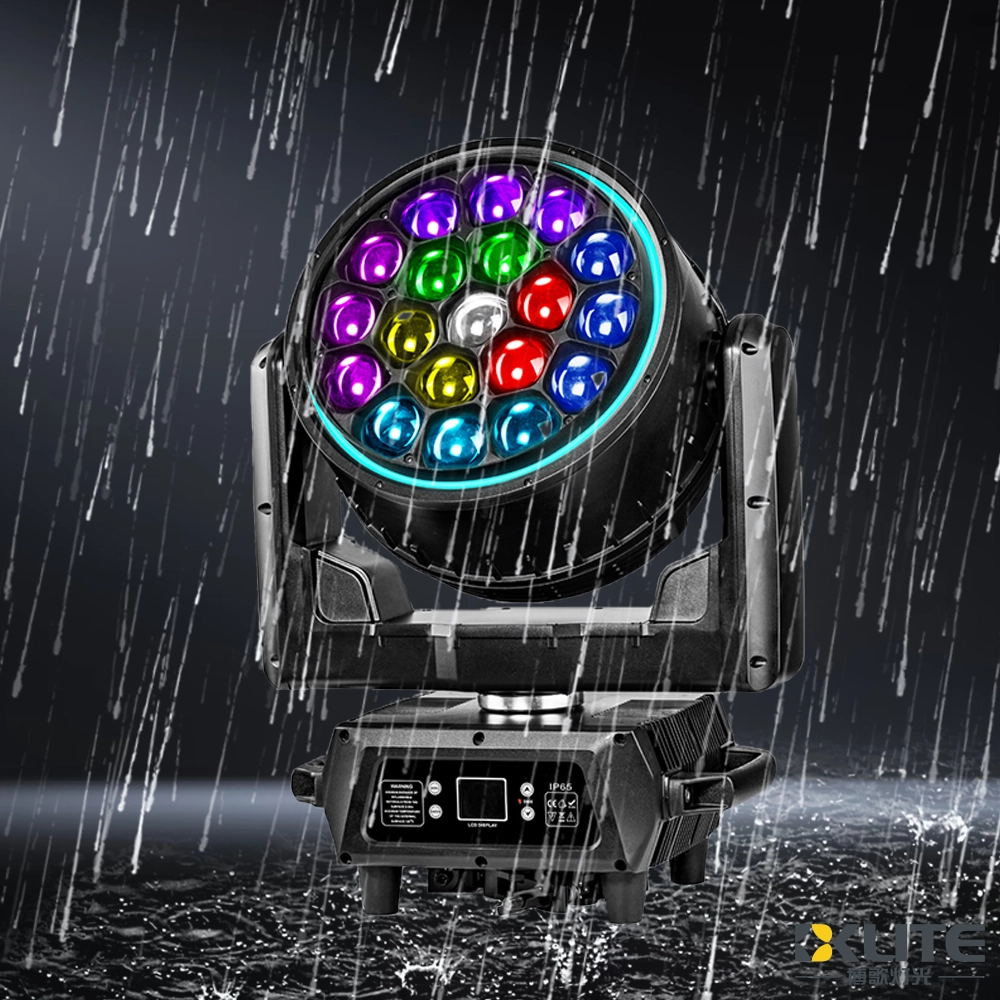
IP65 Waterproof Bee Eye Zoom 19x40W RGBW 4IN1 LED Beam Wash Moving Head Light with LED Ring
BKlite waterproof bee eye moving head light—your reliable choice from top waterproof moving head light manufacturers and suppliers. Ideal for outdoor stage, live event, music festival, this energy-saving fixture ensures powerful, precise illumination for any venue. It delivers powerful, reliable lighting performance in any weather.
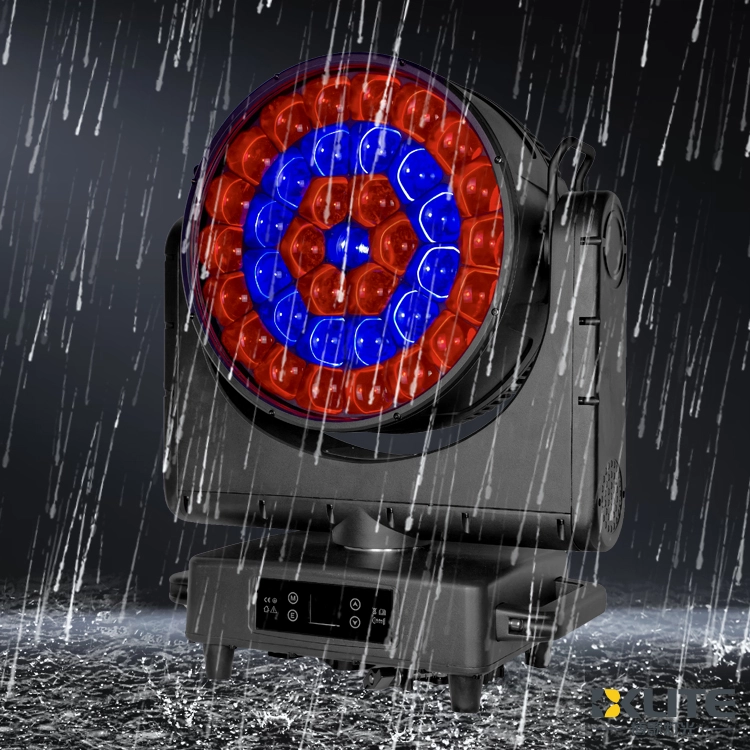
IP65 Waterproof ZOOM Bee Eye 37x40W RGBW 4in1 LED Moving Head Light
As a leading stage lighting equipment supplier with more than 15 years of industry know-how, BKlite brings you the IP65 ZOOM Bee Eye 37*40W RGBW 4in1 LED Moving Head Light (K25 Bee Eye) delivers vibrant, weatherproof lighting with powerful zoom and smooth movement. Ideal for dynamic stage effects, the K25 moving head light ensures stunning RGBW color mixing and reliable outdoor performance.
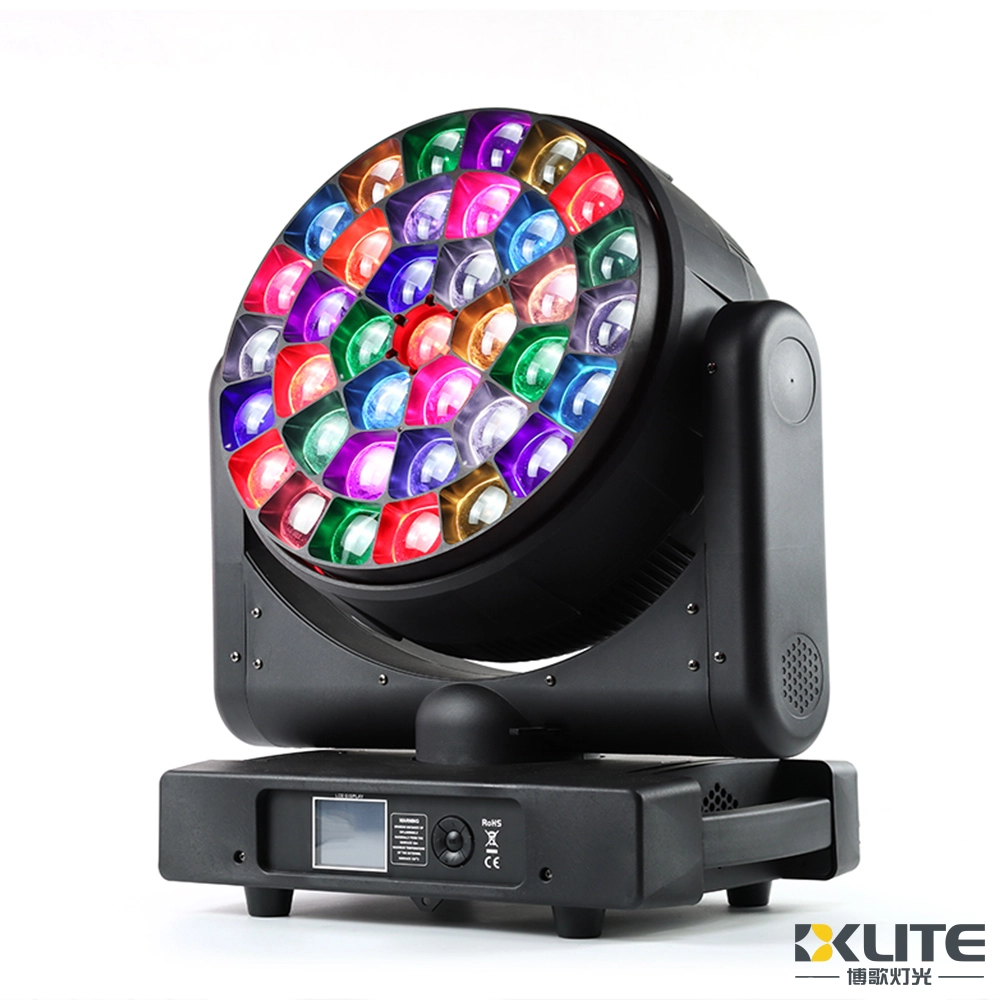
Bee Eye Zoom 37x40W RGBW 4in1 LED Beam Wash Moving Head Light
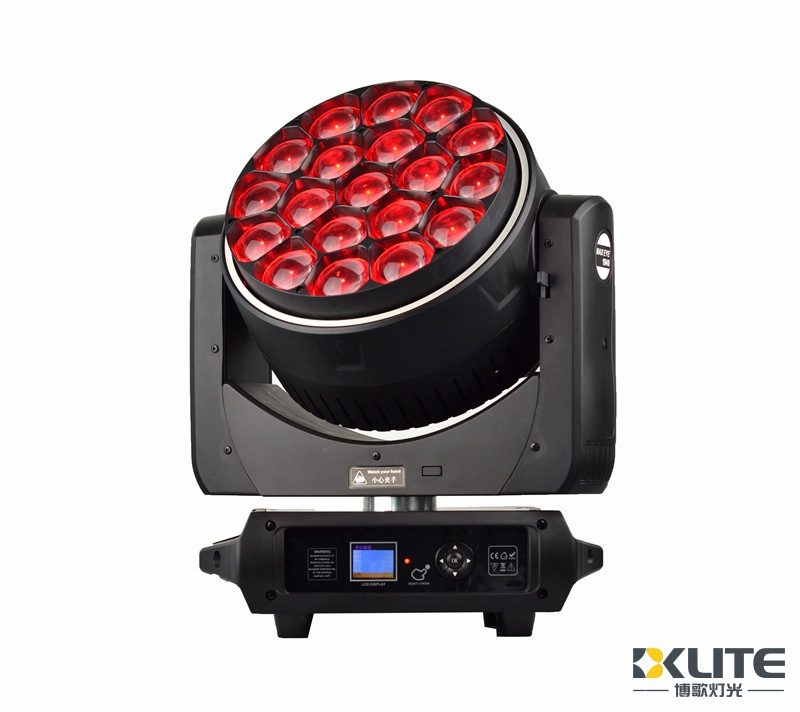
IP20 Bee Eye Zoom 19x40W RGBW 4IN1 LED Beam Wash Moving Head Light with LED Ring
As one of the leading stage lighting equipment suppliers with 15+ years of experience, BKlite launched a new Bee Eye K15 19x40 LED wash light BK-BY1940Z. .
Designed with a simple and sleek appearance, the WASH moving head light is compact, lightweight, and highly portable.
With multiple color effect macros and dynamic effect macros.
Our wash light can be used for versatile lighting options with amazing effect.
It is very good for your lighting projects.
Powerful and shoots very far distances.


Copyright © 2025 BKLITE All Rights Reserved.