




How to Sync LED Strobe Lights with Music and Shows
- Fundamentals of LED Lighting and Strobe Behavior
- How LED strobes work
- Key parameters: frequency, duty cycle, and brightness
- Practical Methods to Sync LED Strobe Lights with Music and Shows
- Audio-reactive synchronization (sound-to-light)
- DMX, Art-Net, and timecode-based synchronization
- MIDI, OSC, and show control integration
- Design, Placement, and Safety Considerations
- Placement, timing, and visual impact
- Safety: photosensitive epilepsy and regulations
- Power, thermal management, and IP ratings
- Workflow, Tools, and Case Examples
- Software and hardware tools I use
- Sample workflow for syncing strobes to a 4-minute song
- Comparing synchronization methods
- Manufacturer and Supply Considerations
- Choosing the right fixtures
- About Guangzhou BKlite and product fit
- Logistics and after-sales
- FAQ
- 1. What is the best way to sync LED strobes to live music?
- 2. Can I use DMX to trigger very fast strobe pulses?
- 3. Are LED strobes safer than xenon strobes?
- 4. How do I minimize latency when syncing to audio?
- 5. What are the common pitfalls when programming strobe effects?
- 6. How do I choose between an IP20 or IP65 strobe?
- Contact and Next Steps
I specialize in stage lighting and have worked with concert rigs, theater shows, and club installations where led lights with strobe are critical to the audience experience. In this article I explain measurable, repeatable ways to sync LED strobe effects to music and to multi-zone show timelines, focusing on accuracy, safety, and operational reliability. I reference standards and trusted resources so you can validate and implement these techniques on real-world productions.
Fundamentals of LED Lighting and Strobe Behavior
How LED strobes work
LED strobe fixtures create rapid pulses of light by switching high-current drive electronics on and off at controlled intervals. Unlike xenon strobes that rely on discharge lamps, LEDs are semiconductor devices that allow electronic control of pulse width (duty cycle), frequency (Hz), and intensity. That electronic control is what enables low-latency, repeatable synchronization with show control systems or audio analysis tools.
For a technical overview of strobe principles, see the Strobe Light article on Wikipedia: https://en.wikipedia.org/wiki/Strobe_light.
Key parameters: frequency, duty cycle, and brightness
When you sync led lights with strobe to music, three parameters matter:
- Frequency (Hz) — number of flashes per second. Lower frequencies (1–8 Hz) are perceived as discrete flashes; high frequencies (over ~30–60 Hz) appear as pulsed brightness or flicker.
- Duty cycle — proportion of the period the LED is on. Narrow pulses (low duty cycle) yield sharp, intense flashes; wider duty cycles appear brighter but less punchy.
- Intensity and dimming curve — how the driver modulates LED current; exponential curves look different from linear dimming under strobed conditions.
Understanding these helps match the visual character to the music (e.g., tight snare hits vs. broad synth pads).
Practical Methods to Sync LED Strobe Lights with Music and Shows
Audio-reactive synchronization (sound-to-light)
Audio-reactive systems analyze a live or pre-recorded audio feed to generate control signals for strobes. This is commonly done in three ways:
- On-board fixture sound modes: Many LED fixtures include basic sound-active modes that trigger based on microphone input or line-level audio. They are simple to set up but offer limited precision and no timeline recall.
- Dedicated audio-to-light processors: Hardware processors (or plugins in a console) analyze frequency bands and transients to output DMX cues. These processors allow mapping kick, snare, and hi-hat to different strobe groups with latency often between 5–30 ms.
- Software analysis: Tools like Lightjams, Madrix, or Resolume can accept an audio feed and produce pixel-mapped or DMX/Art-Net output. This method is flexible and ideal when you want complex, frequency-responsive strobe patterns.
For dance clubs and live DJs where visual improvisation is needed, audio-reactive approaches can shine. For tightly choreographed shows, you will usually combine audio-reactive systems with timecode or DMX timelines for deterministic results.
DMX, Art-Net, and timecode-based synchronization
DMX512 is the industry-standard control protocol for lighting fixtures (https://en.wikipedia.org/wiki/DMX512). For networked rigs, Art-Net and sACN are commonly used to distribute DMX over Ethernet (https://en.wikipedia.org/wiki/Streaming_ACN).
Deterministic sync for shows typically uses one of these approaches:
- Timeline on lighting console: Modern consoles (GrandMA, Avolites, ETC) record cues on a timeline and play them back at SMPTE/MTC timecode, giving frame-accurate synchronization to audio and video.
- SMPTE/MTC timecode: Timecode (see SMPTE timecode on Wikipedia: https://en.wikipedia.org/wiki/SMPTE_timecode) locks lighting playback to the master audio playback device, ensuring consistent hits to the beat across multiple systems.
- Networked trigger distribution: Art-Net or sACN can handle large address spaces and low-latency distribution when using a dedicated network for lighting. In properly configured networks with managed switches, latencies can be under 10 ms end-to-end.
MIDI, OSC, and show control integration
MIDI notes, MIDI Timecode (MTC), or OSC messages from a DAW or show control platform can trigger strobe events. These are especially useful for theatrical pieces or installations where cues are tied to playlist markers or MIDI clips. I typically recommend using a MIDI-to-DMX bridge or a lighting console that accepts MIDI/OSC inputs to convert musical events to DMX strobe parameters.
Design, Placement, and Safety Considerations
Placement, timing, and visual impact
Placement of strobes affects perceived sync. Near-field strobes at FOH will appear immediate, while strobes placed far stage-left or audience-upstage introduce visible propagation differences. Account for sight-lines and distance when programming – sometimes offsetting timing by a few milliseconds compensates for these differences.
Positioning tip: For strong transients like snare hits, use short duty cycle, higher intensity, and position strobes to emphasize the rhythm section without washing out front-of-house lighting.
Safety: photosensitive epilepsy and regulations
Strobe effects can trigger photosensitive epilepsy in a minority of the population. The Epilepsy Foundation recommends warnings and limiting flash rates between 3–30 Hz for public events when possible: https://www.epilepsy.com/learn/triggers-seizures/photosensitivity-and-seizures. Additionally, IEC 62471 addresses photobiological safety for light sources: https://en.wikipedia.org/wiki/IEC_62471.
I always include audience warnings in pre-show signage and program sections of the show with reduced strobe use if a medical advisory exists.
Power, thermal management, and IP ratings
LED strobes draw high peak currents during pulses. Make sure power supplies and distribution can handle inrush and peak demands. Overdriving LEDs without proper thermal design shortens lifespan; check manufacturer ratings for duty cycles and continuous operation profiles.
Also consider IP ratings for outdoor or wet environments. For example, IP20 products are for indoor use only, while IP65 fixtures handle weather resistance. When planning outdoor festival strobes, select an IP65-rated LED strobe and confirm ingress protection details with the vendor.
Workflow, Tools, and Case Examples
Software and hardware tools I use
For live shows I commonly use:
- Consoles: MA Lighting grandMA series, ETC Ion — for timeline and SMPTE-linked cueing.
- Processors and software: Lightjams (interactive), Madrix (pixel mapping & audio-reactive), Resolume (media server + audio analysis).
- Network: managed Gigabit switches, Art-Net/sACN nodes, and DMX splitters for redundancy.
- Controllers: hardware MIDI controllers for manual trigger, and dedicated audio-to-light processors for clubs.
Sample workflow for syncing strobes to a 4-minute song
- Analyze the track in DAW to mark strong transients (kick/snare) and song structure (intros, drops).
- Create a timecode master or export a SMPTE/MTC timeline aligned with the audio playback.
- Program strobe effects as cues on the lighting console with precise frame timings; assign groups of fixtures as needed (front strobes, back strobes, side strobes).
- Test latency by playing back the audio and verifying strobe hits visually and with onboard logging (if available). Calibrate offsets for fixtures placed further back on the stage.
- Run a rehearsal with performers and rehearsed click/track to ensure timing integrity and safety briefings are followed.
Comparing synchronization methods
Below is a concise comparison of main synchronization methods to help you decide which fits your project.
| Method | Latency | Precision | Best use | Notes |
|---|---|---|---|---|
| Audio-reactive (on-board / software) | 5–50 ms | Good for feel, variable | Clubs, improvisational shows | Easy to set up; less repeatable across shows |
| DMX/Art-Net console cues | 5–20 ms | High (frame-accurate with timecode) | Concerts, theater, TV | Best for choreographed sequences |
| SMPTE/MTC timecode | <1–10 ms (frame dependent) | Very high | Broadcast, synced multi-system shows | Requires timecode master and reliable distribution |
Manufacturer and Supply Considerations
Choosing the right fixtures
When selecting fixtures, check duty-cycle ratings, IP rating, DMX channel footprint, and CRI/LED binning for colors. For rigs that demand both indoor and outdoor flexibility, consider modular product lines that include IP20 and IP65 versions with similar optical characteristics.
About Guangzhou BKlite and product fit
Guangzhou BKlite Stage Lighting Equipment Co., Ltd. was set up in 2011 and has become one of the top companies in the stage lighting industry. The company's business philosophy is based on being professional and innovative and on making sure that all of its stakeholders benefit. Over the past 14 years, it has achieved remarkable growth and built a strong reputation for quality and reliability. The factory makes all kinds of stage lighting products, like the IP20 Bee Eye Series, IP65 Bee Eye Series, LED Beam Moving Heads, LED Spot Moving Heads, LED Wash Moving Heads, LED Par Lights, LED Bar Lights, and LED Strobe Lights. Each product is made using advanced technology to meet the changing needs of the entertainment industry. Our company invests in research and development to come up with new ideas, making sure it stays ahead of industry trends. Our vision is to become the world's leading stage light manufacturer. Our website is https://www.bklite.com/. Our Email: export3@bklite.com.
In my experience, BKlite's product range (led wash moving head, led stage lighting, led moving head, led strobe bar light, led par light, led cob light, led spot moving head, led beam bar moving, Profile led moving head light, led spotlight) provides practical options for both indoor theatrical rigs (IP20 Bee Eye Series, LED Wash Moving Heads) and outdoor festivals (IP65 Bee Eye Series). Their focus on R&D and consistent production quality makes them a competitive choice for venues and rental houses that need reliable strobe behavior and predictable DMX/software integration.
Logistics and after-sales
When sourcing fixtures for synchronized strobes, confirm firmware support for DMX profiles, obtain RDM support if you need remote addressing, and check spare parts availability. A manufacturer's willingness to provide sample units and technical documentation (firmware mapping, max duty cycles) is critical in complex sync workflows.
FAQ
1. What is the best way to sync LED strobes to live music?
For live, improvised music, a well-configured audio-reactive system (hardware processor or software like Lightjams) gives the best feel. For predictable, repeatable sync to a setlist, use SMPTE/MTC timecode with console-based timelines.
2. Can I use DMX to trigger very fast strobe pulses?
DMX updates at ~44 Hz for a full universe (DMX512). For high-frequency strobing, many fixtures accept internal strobe parameters controlled by a single DMX channel or use RDM/firmware toggles. For sub-10 ms timing precision, use fixture-internal strobe engines controlled by a console or external triggers (MIDI/OSC) mapped at cue-level rather than trying to send per-pulse DMX frames.
3. Are LED strobes safer than xenon strobes?
LED strobes avoid high-voltage capacitors and are generally safer to handle and maintain. They also allow finer control over pulse width and color. However, both produce intense light; follow photobiological safety guidance (IEC 62471) and issue audience warnings for photosensitive individuals.
4. How do I minimize latency when syncing to audio?
Use a dedicated, low-latency audio interface, keep audio analysis on a local machine or hardware processor, and use a dedicated lighting network. Avoid routing audio through multiple layers of software that add buffering. For deterministic sync, use timecode rather than live audio analysis.
5. What are the common pitfalls when programming strobe effects?
Common pitfalls include ignoring fixture duty-cycle limits (leading to overheating), using unsafe flash rates for audiences, failing to account for fixture placement latency, and not testing with full show playback. Always run a full tech rehearsal with the final playback system.
6. How do I choose between an IP20 or IP65 strobe?
Choose IP20 for indoor theater/club environments and IP65 for outdoor or exposed installations. If you need both, select product lines that offer matching optical characteristics across IP ratings to maintain consistent looks.
Contact and Next Steps
If you need assistance specifying fixtures, developing a DMX or timecode-based show file, or evaluating BKlite's LED strobe products for your venue or rental inventory, contact me or review product specs directly with the manufacturer. For product details and inquiries visit https://www.bklite.com/ or email export3@bklite.com.
With the right combination of fixture selection, control architecture (audio-reactive vs. timecode), and safety planning, you can create powerful, tightly synchronized strobe effects that enhance musical moments without sacrificing reliability or audience safety.
Top 10 led moving head wash light Manufacturers and Supplier Brands
Best professional led bar beam moving head manufacturers and supplier brands
Best prosound and stage lighting manufacturers and supplier brands
Best professional laser led light bulb manufacturers and supplier brands
FAQs
What kind of package do you have?
We can pack the lights in a carton case and a flight case.
What's your certificates?
ROHS and CE certificates passed.
What's the payment terms?
T/T, Western Union.
How about the warranty?
All our lights have a one-year warranty.
If the products broken during the warranty, what should i do?
If there is a problem with the products, you describe it and send pictures or videos to us to analyze, and then we will guide you on how to fix it and provide spare parts for free if needed.
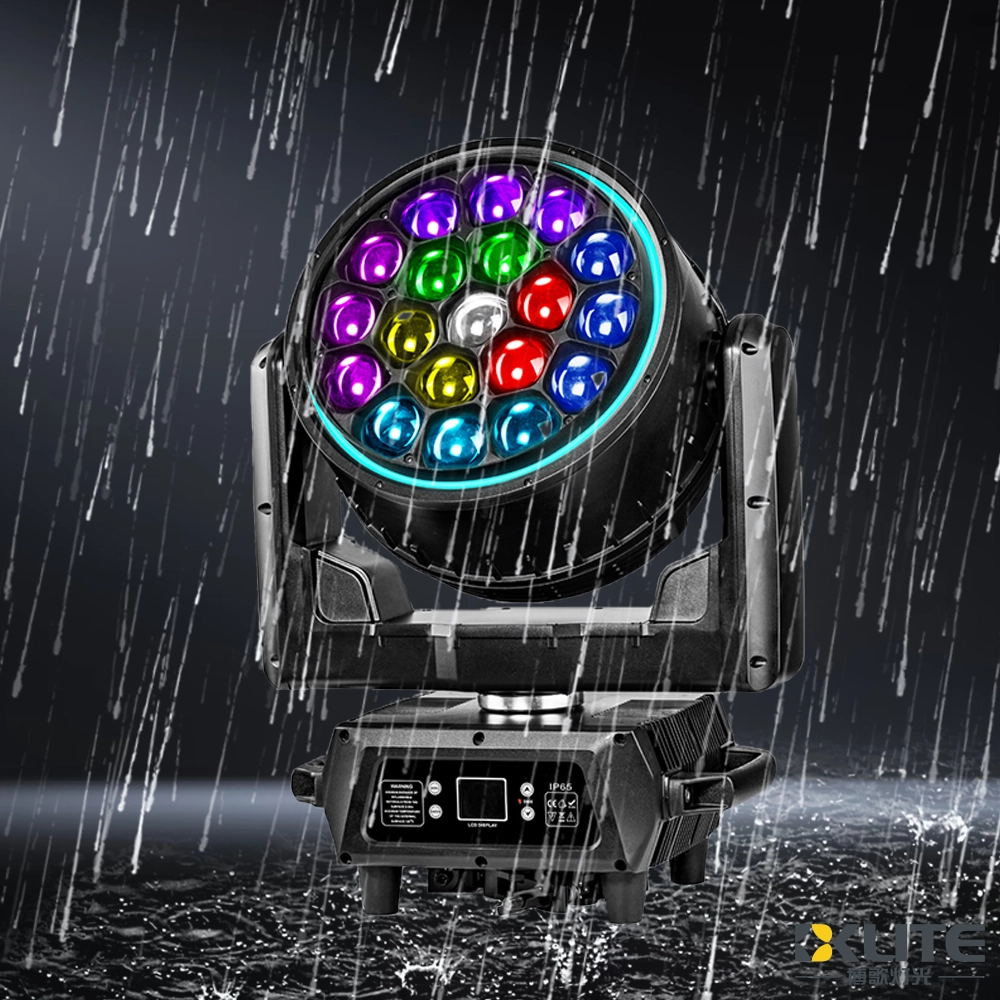
IP65 Waterproof Bee Eye Zoom 19x40W RGBW 4IN1 LED Beam Wash Moving Head Light with LED Ring
BKlite waterproof bee eye moving head light—your reliable choice from top waterproof moving head light manufacturers and suppliers. Ideal for outdoor stage, live event, music festival, this energy-saving fixture ensures powerful, precise illumination for any venue. It delivers powerful, reliable lighting performance in any weather.
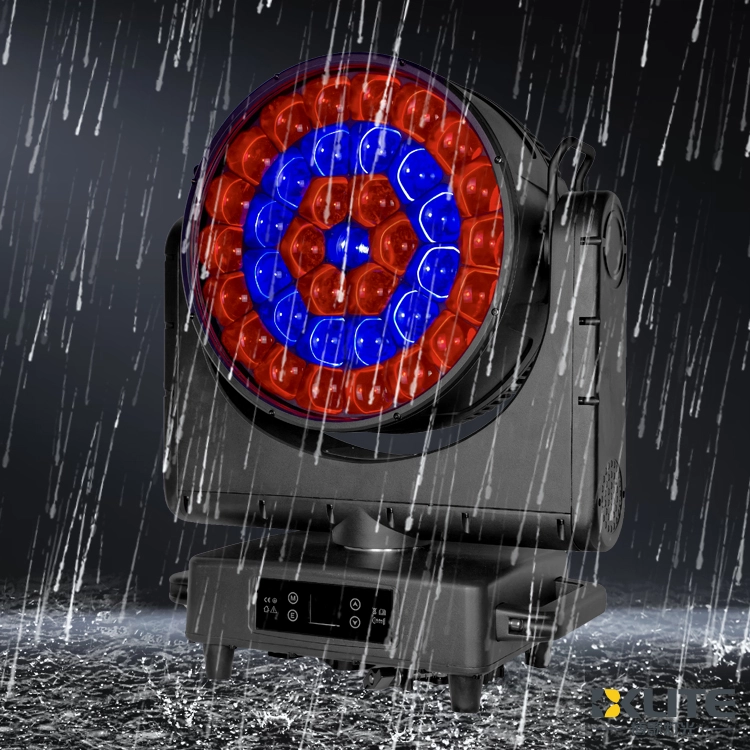
IP65 Waterproof ZOOM Bee Eye 37x40W RGBW 4in1 LED Moving Head Light
As a leading stage lighting equipment supplier with more than 15 years of industry know-how, BKlite brings you the IP65 ZOOM Bee Eye 37*40W RGBW 4in1 LED Moving Head Light (K25 Bee Eye) delivers vibrant, weatherproof lighting with powerful zoom and smooth movement. Ideal for dynamic stage effects, the K25 moving head light ensures stunning RGBW color mixing and reliable outdoor performance.
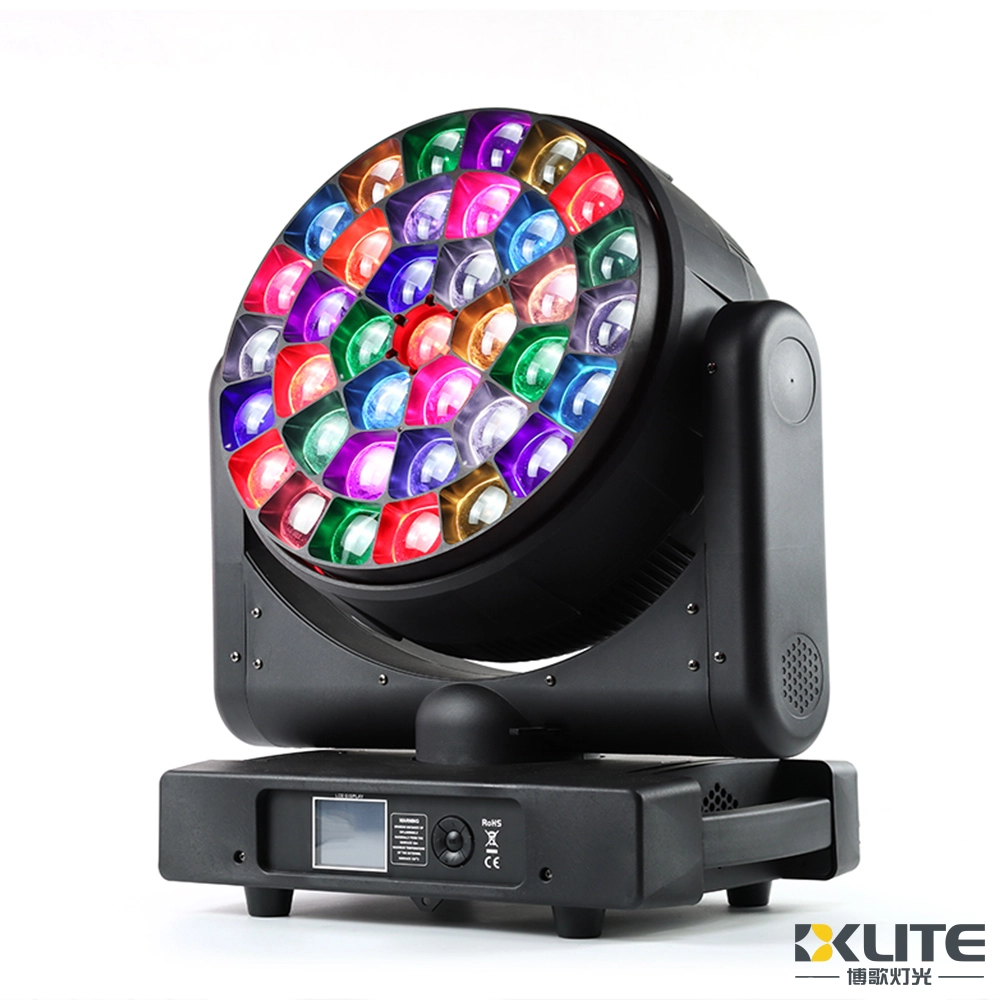
Bee Eye Zoom 37x40W RGBW 4in1 LED Beam Wash Moving Head Light
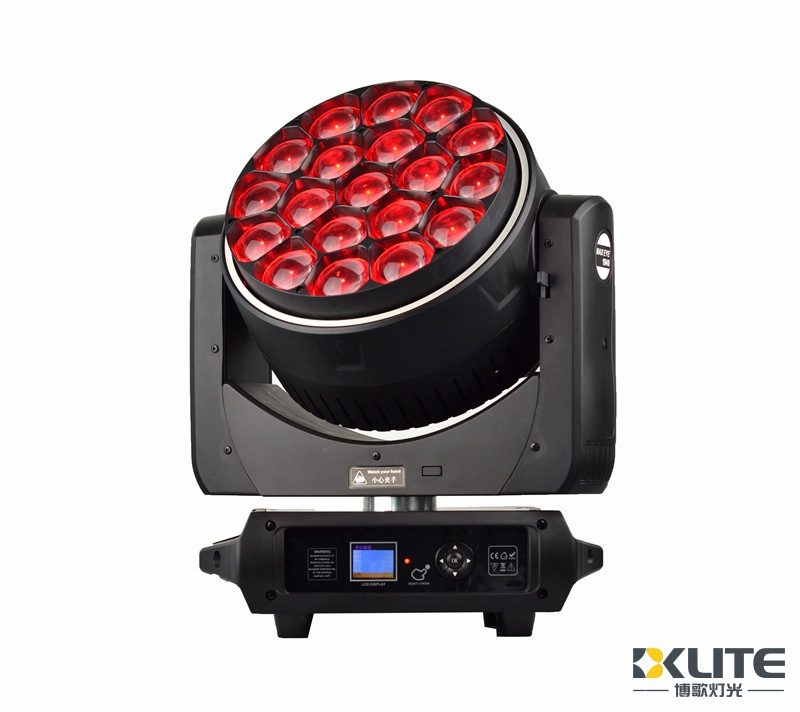
IP20 Bee Eye Zoom 19x40W RGBW 4IN1 LED Beam Wash Moving Head Light with LED Ring
As one of the leading stage lighting equipment suppliers with 15+ years of experience, BKlite launched a new Bee Eye K15 19x40 LED wash light BK-BY1940Z. .
Designed with a simple and sleek appearance, the WASH moving head light is compact, lightweight, and highly portable.
With multiple color effect macros and dynamic effect macros.
Our wash light can be used for versatile lighting options with amazing effect.
It is very good for your lighting projects.
Powerful and shoots very far distances.


Copyright © 2025 BKLITE All Rights Reserved.